
Reviewed · SHINJUKU FOOD & BAR TOURS
Licensed Guide Shinjuku Dramatic Tour (Tokyo)
Shinjuku at night plays by its own rules. This Licensed Guide Shinjuku Dramatic Tour turns familiar landmarks into stories, with a special Kabukicho night stop that feels like more than standard sightseeing. You’ll move through Shinjuku’s film spots, food alleys, and pop-culture corners with a national government-licensed guide interpreter.
I love the way the Shinjuku Golden Gai and Omoide Yokocho stops are explained like living history, not just photo opportunities. I also like that the route covers a tight mix: shrine etiquette, Godzilla’s area, Korean-town culture, and a maid café-style subculture stop, all in roughly two hours.
One thing to consider: the pacing is quick. Many stops are only about 5–10 minutes, so if you want long chats, sit-down snacks, or lots of repeat photos, you’ll need to build extra time around the tour.
In This Review
- Key things I’d mark on your map first
- A government-licensed guide makes Shinjuku readable
- Price and value: what $28.53 buys in Tokyo time
- The 5:00 pm rhythm and how the 2-hour format plays out
- Stop 1: Shinjuku Golden Gai as a film-themed alley walk
- Stop 2: Omoide Yokocho for yakitori, oden, and business life
- Stop 3: Omoide no Nukemichi and a quick photo mission
- Stop 4: Hanazono Shrine and learning how to pray
- Stop 5: Godzilla Road & Head and the hourly moment
- Stop 6: Shin Okubo Korean Town and subculture contrasts
- Stop 7: Maidreamin Shinjuku East-exit for maid café style and more
- How to get the most out of a short night tour
- Who should book this Shinjuku Dramatic Tour?
- Should you book? My straight answer
- FAQ
- How long is the Shinjuku Dramatic Tour?
- What time does the tour start?
- Where do we meet?
- Is the tour private?
- Does the price include admission fees?
- Do I need to bring snacks or drinks?
- What if the weather is bad?
Key things I’d mark on your map first
- Golden Gai as a film-themed walk instead of a random alley wander
- Omoide Yokocho food culture with a look at everyday business life nearby
- Omoide no Nukemichi photo-first stop in a spot that feels surprising at first glance
- Hanazono Shrine guidance on how to pray with a licensed guide interpreter
- Godzilla Road & Head with an hourly moment tied to the character’s presence
- Shin Okubo and Kabukicho pop-culture contrasts, including Korean culture and host/hostess club references
- Maidreamin Shinjuku East-exit plus other subculture-style places you’ll pass through
A government-licensed guide makes Shinjuku readable
Shinjuku can feel like noise and neon unless you know what you’re looking at. The big win here is that you’re with a national government-licensed guide interpreter who can translate the cultural cues you’d otherwise miss—how neighborhoods function, how locals do everyday rituals, and why certain places got famous in the first place.
What I like is that the tour doesn’t treat the area like one giant theme park. It frames each stop with a reason: film locations and set-like alleyways in Golden Gai, food-and-work patterns around Omoide Yokocho, and basic shrine behavior at Hanazono Shrine. That makes the whole evening feel less like walking around and more like learning how Shinjuku writes its own stories.
And then there’s the tour’s “main dish” idea: a secret site in Kabukicho at night that’s not meant to be an ordinary stop on a basic checklist. The result is a route that feels curated by local context, not by a generic map pin.
More Shinjuku plates and pours our readers rated
- Tokyo: Shinjuku Food Tour (13 Dishes at 4 Local Eateries)
★ 5.0 · 6,603 reviews - Tokyo Bar Hopping Tour in Shinjuku (All-You-Can-Drink + Dinner)
★ 5.0 · 3,587 reviews - Tokyo: Shinjuku Food Tour (15 Dishes and 4 Eateries)
★ 4.9 · 2,033 reviews - Best of Shinjuku: Izakaya Food Tour (4 Stops, 14+ Tastings)
★ 5.0 · 1,863 reviews
Price and value: what $28.53 buys in Tokyo time
At $28.53 per person for about 2 hours, the value comes from three areas, not from expensive attractions. First, you’re paying for a licensed guide interpreter—the kind of on-the-ground explanation you can’t get from a phone app.
Second, the itinerary is structured so you can see many different Shinjuku “faces” without spending time planning transfers or figuring out where to start. Stop times are short, but that’s also the point: it’s built for a focused evening walk.
Third, the tour format avoids the usual cost sinkholes. The information you’re given notes that you’re not going to places where entrance fees are required, and snacks or drinks aren’t included. So your main cost is the guide and your time, not ticket stacking.
One practical note: since snacks/軽食 and drinks aren’t included, you’ll probably want to eat beforehand or budget for food on your own after. The tour can help you spot where to go next, but it won’t feed you.
The 5:00 pm rhythm and how the 2-hour format plays out
This experience starts at 5:00 pm and ends back at the meeting point. The meeting point is Shinjuku Prince Hotel, 1-chōme-30-1 Kabukichō, Shinjuku City, Tokyo 160-8487—so you’ll be starting in the Kabukichō area you’re about to explore.
A two-hour tour is perfect for Shinjuku because the city’s nighttime energy is part of what makes the theme work. You’ll cover several micro-neighborhoods with minimal downtime, and you won’t feel stuck in one long zone.
Just remember the pacing: many stops are around 10 minutes, with a couple shorter moments. That means you’ll get a guided orientation and key photos, but not a long sit-down experience at each place. For most people, that’s ideal. For food-first travelers, it can feel brief unless you plan an extra snack stop on your own.
Also: it’s a private tour/activity, meaning only your group participates. That often helps the guide keep the pace tight and the explanations focused on your group’s interests.
Stop 1: Shinjuku Golden Gai as a film-themed alley walk
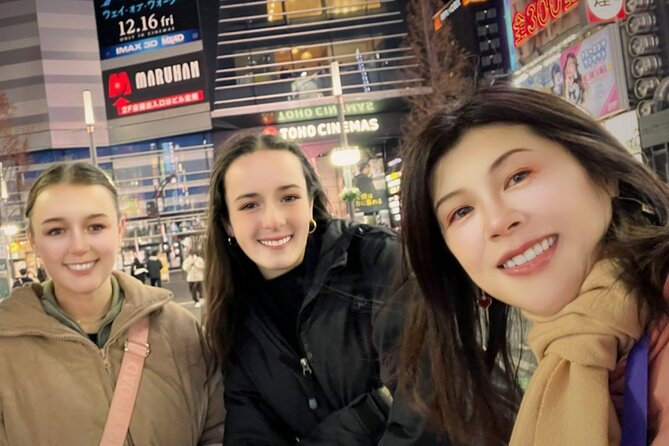
Golden Gai is one of those Shinjuku areas that looks small until you realize how much reputation is packed into a few lanes. Here, the tour leans into the film angle—you’re taken through Golden Gai as a sort of movie-set story, where the alley layout and the mood connect back to films made in the area.
What I like about this stop is that it gives you a framework. Instead of just snapping pictures of tiny storefronts and narrow passages, you learn what people noticed and why the place shows up in pop culture. Even if you’re not a film superfan, you still get the logic behind the famous look.
Potential drawback: because you’re focused on the film interpretation, you might want more time for casual browsing of the area’s tiny bar life. But that’s exactly why the tour moves on—this is an orientation stop, not a full spend-an-hour-wandering stop.
Stop 2: Omoide Yokocho for yakitori, oden, and business life
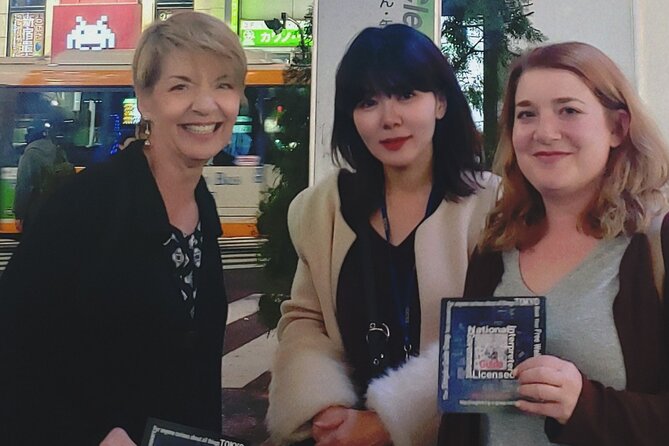
Next comes Omoide Yokocho, described with the feeling of a corner filled with memories. It’s by the west exit of Shinjuku Station, which makes it easy to understand why businesspeople and regulars hang around here.
You’ll see the food lineup that defines the scene: yakitori, oden, takoyaki, okonomiyaki, and sake. You’re not going to be guided through a single restaurant for a meal, but you’ll get the cultural context for why these foods matter in this type of alley setting—quick orders, social eating, and a place where work and nightlife overlap.
The most useful part for me is that the stop also points out the everyday crowd. The area isn’t just for tourists hunting street food photos; it has a real local routine tied to proximity to transit and after-hours work culture.
Watch-out: the tour time here is short, so if you want to sit and eat, you’ll likely need to treat the tour as the pregame for a later meal.
Readers also shortlisted these Tokyo bookings:
- Tokyo 6hr Private Tour with Government-Licensed Guide★ 5.0 · 3,902 reviews
- Tokyo: Shinjuku Local Bar and Izakaya Guided Walking Tour★ 4.9 · 1,794 reviews
- Tokyo: Private City Highlights Tour with Local Guide★ 4.8 · 1,433 reviews
- Tokyo: Tsukiji Fish Market Guided Walking Tour★ 4.9 · 1,397 reviews
- Tokyo 4hr Private Tour with Government-Licensed Guide★ 5.0 · 1,394 reviews
Stop 3: Omoide no Nukemichi and a quick photo mission
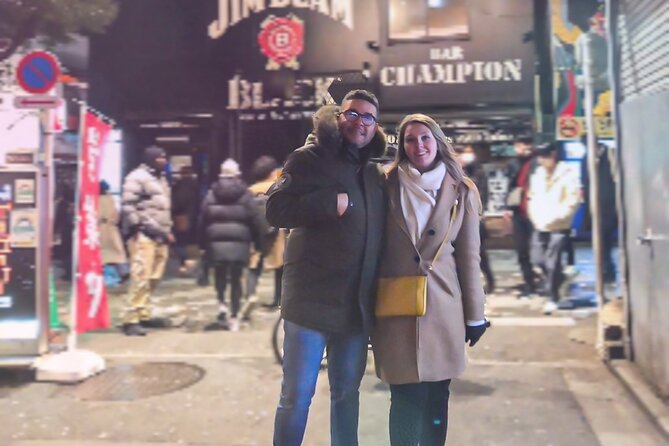
Then you hit Omoide no Nukemichi, introduced as a place that at first glance doesn’t feel like a typical Japan scene. The guide’s job here is to point you to the most photogenic site, so you’re not just wandering until you get a decent shot.
This is the kind of stop I love on short tours: it’s fast, visual, and guided. You’ll learn what makes the spot interesting and you’ll leave with a clearer sense of the neighborhood’s look.
If you’re the type who likes to take 30 photos from five angles, you may feel a little rushed. But if you want one or two strong photos with context, this is a smart use of time.
Stop 4: Hanazono Shrine and learning how to pray
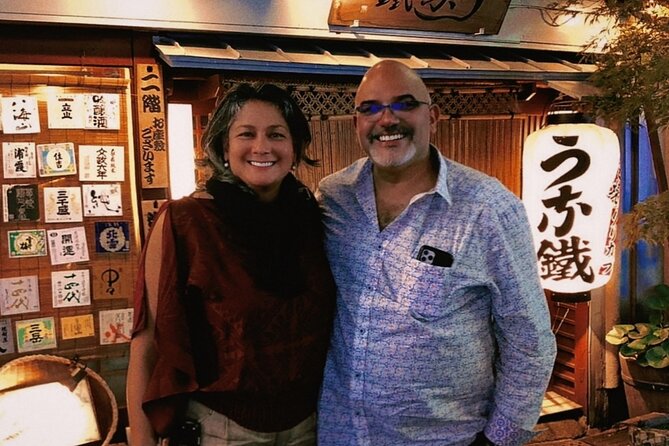
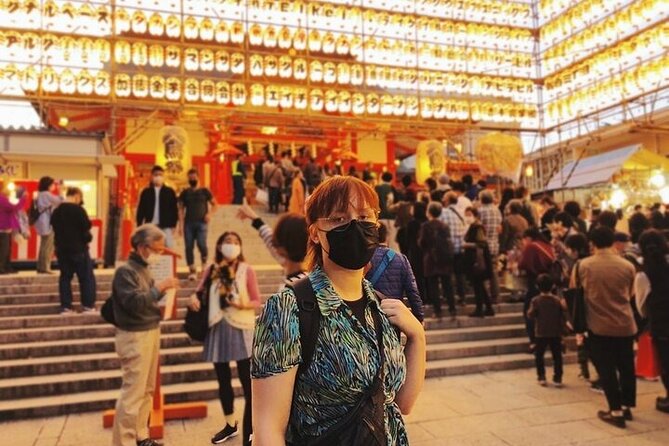
At Hanazono Shrine, you’re told it’s the most popular shrine in Shinjuku, and you’ll learn how to pray with help from the national government-licensed guide interpreter. That matters because shrine etiquette can be confusing if you only guess.
This stop is valuable because it turns a landmark into a lived practice. You’re not just seeing a shrine gate; you’re learning what visitors are meant to do. When a guide can explain the meaning behind simple steps, you feel respectful instead of awkward.
Practical tip: plan for quiet moments. Shrines aren’t made for loud talking or blocking others. If you keep your group moving at the guide’s pace, you’ll get the cultural benefit without interrupting anyone’s worship.
Stop 5: Godzilla Road & Head and the hourly moment
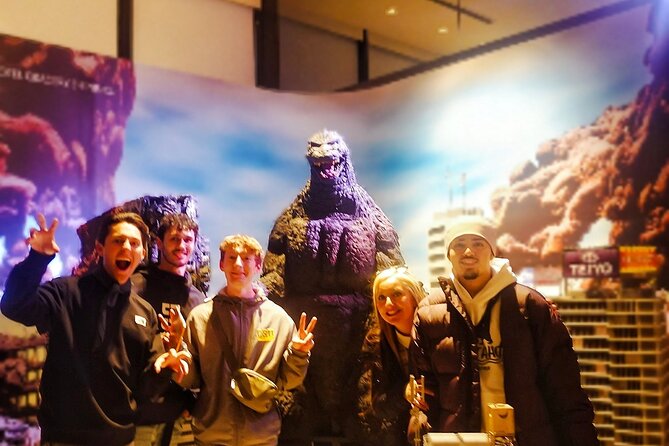
Now you reach the fun, slightly theatrical part: Godzilla Road & Head. The guide explains Godzilla as a character representing Japan, and you’re led to the most photogenic spot toward the Godzilla head.
One detail I really like is the timing element: Godzilla cries out every hour. That turns a quick stop into a tiny timing challenge. If your group arrives near the right moment, you’ll get a memorable effect that makes the whole scene feel alive.
Even if you don’t catch the cry, the location concept still works: it’s Japan’s pop culture in street form, mixed into a normal walking route.
Stop 6: Shin Okubo Korean Town and subculture contrasts
Then you shift to Shin Okubo Korean Town, where you can see how Korean culture blends into Japan in visible ways. This stop is especially useful if you’ve only read about cross-cultural trends and want to see how they show up in everyday spaces.
The tour also brings in related subcultures you’ll recognize in Shinjuku: host club and hostess club culture is introduced as part of the broader scene. It’s not presented as one-size-fits-all entertainment; it’s framed as a layer of Tokyo’s nightlife world that overlaps with how people spend leisure time.
What you’ll like here is contrast. You move from Japanese shrine practice and Godzilla street humor into a neighborhood shaped by Korean influence and Tokyo’s nightlife industry. That contrast is exactly what makes Shinjuku feel like a city that never stops changing.
Time note: this stop is longer than most at about 30 minutes, so you’ll have a better chance to wander within the area—still guided, but with more breathing room than earlier stops.
Stop 7: Maidreamin Shinjuku East-exit for maid café style and more
The last stop is Maidcafe Maidreamin Shinjuku East-exit Store. This is Shinjuku subculture in its most recognizable form: a maid café concept that people outside Japan often hear about but rarely understand without seeing how it fits into the neighborhood.
The tour doesn’t only point out the maid café. It also introduces nearby subculture entertainment ideas you might see in the same area, including an escape game, a game center, a batting center, rock bars, and other hangout styles (as described in the tour’s framing).
This stop is a good final note because it helps you close the loop. Earlier stops covered alley food and shrines; this one shows the other side of Shinjuku, where themed service and game culture shape how people relax.
If you’re not into that scene, don’t worry. Even just walking through with the guide’s framing helps you understand what you’re looking at and why it’s part of the city’s identity.
How to get the most out of a short night tour
With a schedule like this, your success depends on small choices. Here’s how to make it painless:
- Wear comfortable shoes. You’re moving between multiple micro-areas over two hours.
- Bring a way to stay comfortable. Since snacks and drinks are not included, plan your own hydration and any food.
- Keep your phone handy for quick shots, not a long pause every stop. The tour is built for guided highlights.
- If you care about shrine etiquette, slow down a little when you reach Hanazono Shrine so you can follow along respectfully.
- If you’re sensitive to nightlife energy, it helps to treat Kabukichō as an atmospheric backdrop rather than something you must engage with.
Also, the tour uses a mobile ticket, so your pre-trip job is simple: confirm your booking and be ready to show the ticket on your phone at the meeting point.
Who should book this Shinjuku Dramatic Tour?
You’ll love this if you want a night in Shinjuku that mixes culture and pop life without needing to plan seven different mini-excursions. It’s a strong fit for first-time Tokyo visitors who feel overwhelmed by how many districts exist.
It’s also a good choice for mixed-age groups, especially when someone wants a guided explanation rather than solo wandering. The quick pacing works well when your goal is seeing a lot of Shinjuku faces in one go.
If you’re a food traveler who wants a full meal at Omoide Yokocho or a long sit-down in Golden Gai, you may find the stop timing tight. In that case, treat the tour as the guide-led tour portion, then add your own longer dinner after.
Should you book? My straight answer
Yes, if you want a licensed-guide Shinjuku night that moves quickly but teaches you what you’re seeing. The value is strongest when you like variety: film alley culture, food alleys, shrine etiquette, Godzilla street humor, and the subculture layers around Shin Okubo and Maidreamin.
I’d skip it if your idea of a great tour is slow, deep time in just one place—because this one is built to hit several stops fast, including a short Godzilla moment and multiple pop-culture contrasts.
If you’re deciding between solo wandering and a guided route, this is the easier path to a clearer Shinjuku. You’ll leave with a mental map that actually makes sense.
FAQ
How long is the Shinjuku Dramatic Tour?
The tour lasts about 2 hours.
What time does the tour start?
It starts at 5:00 pm.
Where do we meet?
You meet at Shinjuku Prince Hotel, 1-chōme-30-1 Kabukichō, Shinjuku City, Tokyo 160-8487, Japan.
Is the tour private?
Yes. It’s a private tour/activity, and only your group participates.
Does the price include admission fees?
Admission tickets are listed as free at the stops, and the information notes that you won’t go to places where admission fees are required. Snacks and drinks are not included.
Do I need to bring snacks or drinks?
Snacks/軽食 and drinks are not included, so you may want to handle food and water on your own.
What if the weather is bad?
This experience requires good weather. If it’s canceled due to poor weather, you’ll be offered a different date or a full refund.
More Tours in Tokyo
- Mt Fuji and Hakone 1-Day Bus Tour Return by Bullet Train
★ 5.0 · 26,383 reviews - 1-Day Tokyo Bus Tour
★ 5.0 · 14,250 reviews - Tokyo: Shinjuku Food Tour (13 Dishes at 4 Local Eateries)
★ 5.0 · 6,603 reviews - Tokyo Mt Fuji 5th St & Hakone Cruise Bus Tour w/Bullet Train
★ 4.4 · 5,024 reviews - Flagship 2-Hours Official Street Go-Kart Tour – Tokyo Bay Shop
★ 5.0 · 4,974 reviews
More Tour Reviews in Tokyo
- Mt Fuji and Hakone 1-Day Bus Tour Return by Bullet Train
★ 5.0 · 26,383 reviews - 1-Day Tokyo Bus Tour
★ 5.0 · 14,250 reviews - Tokyo: teamLab Planets TOKYO Digital Art Museum Entry Ticket
★ 4.6 · 9,779 reviews - Mt Fuji & Hakone Cruise, Drum Show Bullet Train 1 Day from Tokyo
★ 4.0 · 7,413 reviews - Tokyo: Shinjuku Food Tour (13 Dishes at 4 Local Eateries)
★ 5.0 · 6,603 reviews
More Shinjuku Food and Drink
- Tokyo: Shinjuku Food Tour (13 Dishes at 4 Local Eateries)
★ 5.0 · 6,603 reviews - Tokyo Bar Hopping Tour in Shinjuku (All-You-Can-Drink + Dinner)
★ 5.0 · 3,587 reviews - Tokyo: Shinjuku Food Tour (15 Dishes and 4 Eateries)
★ 4.9 · 2,033 reviews - Best of Shinjuku: Izakaya Food Tour (4 Stops, 14+ Tastings)
★ 5.0 · 1,863 reviews - Tokyo: Shinjuku Local Bar and Izakaya Guided Walking Tour
★ 4.9 · 1,794 reviews
Latest Tokyo reviews off our desk






Shinjuku Food & Bar Tours, compared.
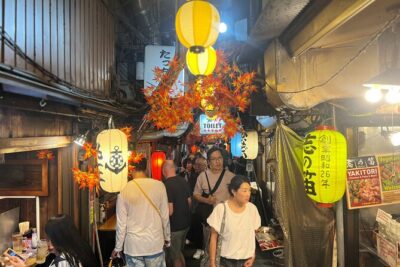 ★ 5.0Shinjuku Food Tour (13 Dishes at 4 Local Eateries)From $866,603 reviews
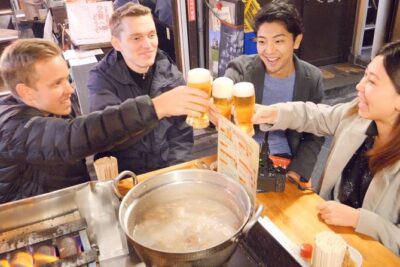 ★ 5.0Tokyo Bar Hopping Tour in Shinjuku (All-You-Can-Drink + Dinner)From $1063,587 reviews
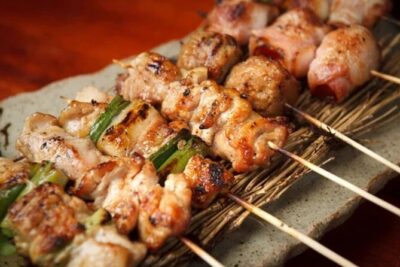 ★ 4.9Shinjuku Food Tour (15 Dishes and 4 Eateries)From $852,033 reviews
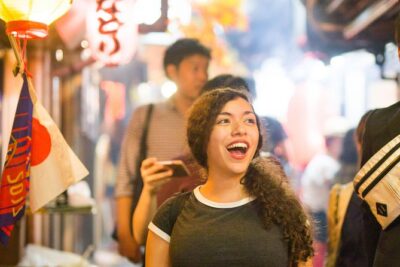 ★ 5.0Best of Shinjuku: Izakaya Food Tour (4 Stops, 14+ Tastings)From $921,863 reviews
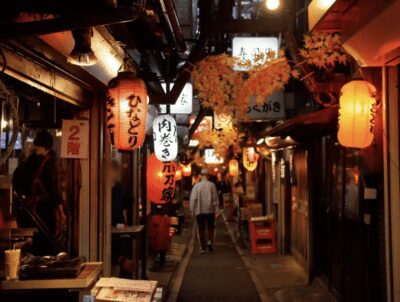 ★ 4.9Shinjuku Local Bar and Izakaya Guided Walking TourFrom $341,794 reviews
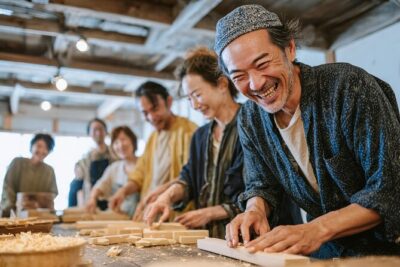 ★ 5.0Tokyo Shinjuku Chopsticks Making ClassFrom $201,763 reviews
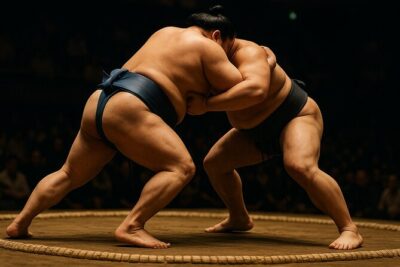 ★ 5.0Tokyo Shinjuku Sumo Show & Experience with PhotoFrom $791,750 reviews
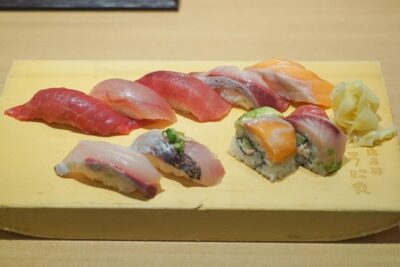 ★ 5.0Tokyo Night Foodie Tour in Shinjuku – Seasonal Sushi, Wagyu BeefFrom $1111,161 reviews
Browse the lists this tour appears in