
Reviewed · SHINJUKU FOOD & BAR TOURS
Tokyo Shinjuku Chopsticks Making Class
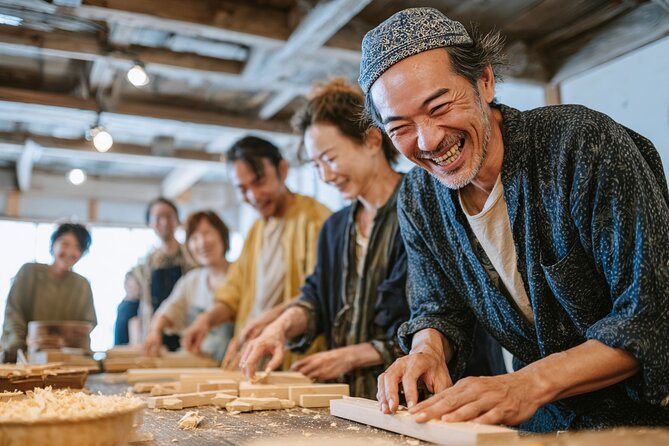
Handmade chopsticks in Shinjuku are surprisingly fun. This 1-hour class turns raw wood into elegant, usable chopsticks with a real kanna (Japanese hand plane), plus lots of staff help if you’re new. You also get to pick your wood, so the finished set looks personal instead of generic.
I especially like the hands-on step-by-step pace. Guides such as Tom, Yuki, Masa, and Nana are described as patient and clear in English, and the process includes shaping, smoothing, and finishing with oil. I also like that the shop is set up to keep things moving—multiple workstations and helpers—so you’re not left staring at tools.
One possible drawback: the experience can feel busy and slightly rushed at peak times, and there are add-ons. Premium woods cost extra, and engraving is another paid option (one review cites 2,000 yen for engraving), so you’ll want to decide your budget before you start.
In This Review
- Key things to know before you start
- Shinjuku chopsticks: what you’re really making in 60 minutes
- Finding the workshop at 7-chōme-4-5 Nishishinjuku
- The hands-on flow: from rough wood to finished chopsticks
- 1) Pick your wood (and decide how much you want to spend)
- 2) Learn the kanna: shaving technique, not magic
- 3) Smooth it out: shaping, sanding, and oil
- 4) Keep the shavings (a small joy)
- Optional engraving: a memory upgrade that costs extra
- When the workshop gets busy: how to protect your experience
- Who this is perfect for (and who should rethink it)
- Great fit
- Maybe skip if…
- Price and value: does $20 become a good deal?
- The staff factor: what makes this workshop feel safe for beginners
- Should you book the Tokyo Shinjuku chopsticks class?
- FAQ
- How long is the Tokyo Shinjuku chopsticks making class?
- How much does the chopsticks making class cost?
- Where is the meeting point in Shinjuku?
- Do I need any prior woodworking experience?
- Are there wood options, and is everything included?
- Is free cancellation available?
Key things to know before you start
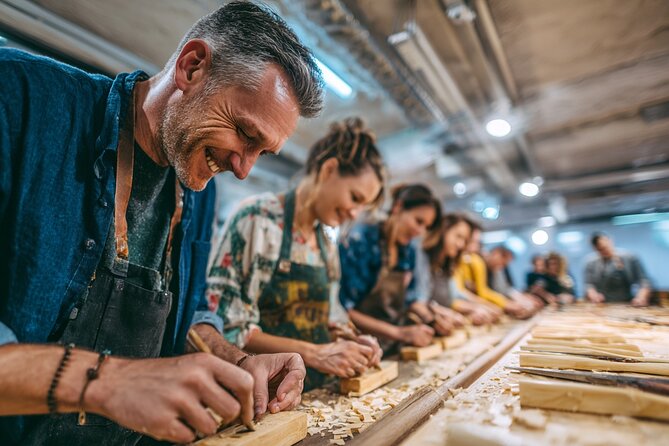
- You’ll use a traditional kanna: you’re not just assembling or painting, you’re actually shaving and shaping wood.
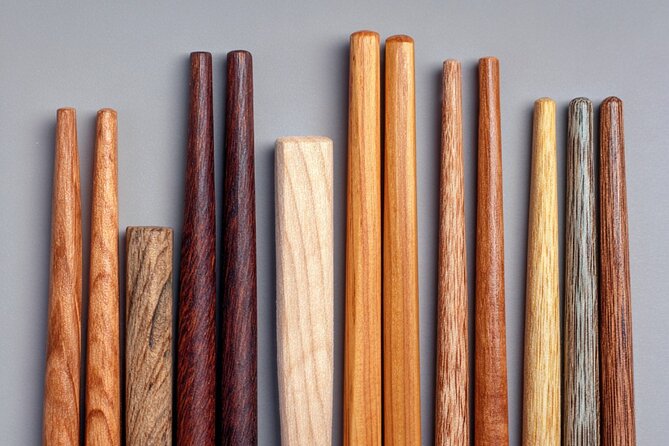
- Wood choice is part of the fun: two wood types are included, with premium options available for an upgrade.
- Beginners are welcome: you’ll get guided practice, but it does take some arm strength.
- Plan for a peak-time crowd: maximum group size is 32, and some sessions feel hectic.
- Personalization can add cost: optional engraving is available if you want names or extra meaning.
Shinjuku chopsticks: what you’re really making in 60 minutes
This class is exactly what it sounds like: you’ll start with rough wooden sticks and end with a pair of chopsticks you shaped yourself. The key difference from a typical souvenir shop is the tool. A kanna is a hand plane, and it changes the whole feel of the workshop. Instead of “try a craft,” you’re doing real woodworking motions—shave, check, repeat—until the sticks are smooth and comfortable.
You’ll also leave with something practical. Chopsticks are the kind of souvenir that actually gets used back home. A wooden set doesn’t just sit on a shelf like a postcard.
And it’s short. About an hour is plenty to learn the basics and finish with something you’re proud of, without feeling trapped all afternoon.
More Shinjuku plates and pours our readers rated
- Tokyo: Shinjuku Food Tour (13 Dishes at 4 Local Eateries)
★ 5.0 · 6,603 reviews - Tokyo Bar Hopping Tour in Shinjuku (All-You-Can-Drink + Dinner)
★ 5.0 · 3,587 reviews - Tokyo: Shinjuku Food Tour (15 Dishes and 4 Eateries)
★ 4.9 · 2,033 reviews - Best of Shinjuku: Izakaya Food Tour (4 Stops, 14+ Tastings)
★ 5.0 · 1,863 reviews
Finding the workshop at 7-chōme-4-5 Nishishinjuku
The meeting point is listed as 7-chōme-4-5 Nishishinjuku, Shinjuku City, Tokyo 160-0023, Japan, and the activity ends back there. It’s described as near public transportation, which matters in Shinjuku where directions can get weird fast.
Here’s my practical tip: don’t rely on vague “near here” directions. Use the exact address and confirm the entrance when you arrive. One caution that popped up in the experience details is that some people had trouble locating the correct spot because of confusing location info. So if you’re the type who hates last-minute stress, arrive with extra time and match up the address.
You’ll also have a mobile ticket. That’s helpful when you’re juggling train times and a day full of sights.
The hands-on flow: from rough wood to finished chopsticks
The workshop runs like a guided bench session. Think: station setup, quick instruction, then you do the work at your own pace with staff checking in.
1) Pick your wood (and decide how much you want to spend)
You’re given a choice of Japanese wood types. According to the class info, two types are free, and premium woods are available for a small upgrade. That’s great because you can start confidently without committing to the most expensive option.
What I’d watch for is the “how hard is this wood?” factor. Different woods can be easier or tougher to shape, and some people note that you’ll need muscle to do it right—so choosing a premium wood that’s harder to plane might make your hour feel more like a workout than a craft.
If you want this to feel relaxing, choose the included wood types unless you’re comfortable with extra resistance. If you want the fanciest grain and you don’t mind a challenge, the premium options could be worth it.
2) Learn the kanna: shaving technique, not magic
Once you have your sticks, the staff shows you how to hold the kanna and how to shave evenly. You’ll be feeling the grain as you work. That’s part of the charm: wood has personality, and you can feel how it responds.
Multiple guides are mentioned as patient and supportive—especially when people make mistakes early on. Several notes say instructors were understanding when the first chopstick didn’t come out right, and you could correct your approach and try again.
Expect the learning curve to be real. Even if you follow the steps, getting flat, smooth sides takes practice.
More hands-on studios our readers booked
- Tokyo Shinjuku Chopsticks Making Class★ 5.0 · 1,763 reviews
- Chopstick Making Workshop in Ginza★ 4.8 · 1,366 reviews
- Kintsugi Experience: Art of Golden Joinery in Tokyo★ 5.0 · 467 reviews
- Tokyo Chopstick Making Workshop with Artisan★ 5.0 · 466 reviews
- Tokyo: Shinjuku Chopstick Making Class★ 4.9 · 440 reviews
3) Smooth it out: shaping, sanding, and oil
After the plane work, there’s finishing. You’ll smooth and refine the surface so the chopsticks feel good in your hands. The class description specifically mentions learning how to shape and smooth surfaces, and reviews add that you’ll sand and oil your chopsticks.
That oil step is more than decoration. It helps the wood look richer and protects it a bit, so the chopsticks feel finished rather than unfinished workshop scraps.
4) Keep the shavings (a small joy)
One of the fun details mentioned is that participants liked getting to keep the shavings. It’s a silly detail, but it makes the whole thing feel like you really did work, not just “watched someone else do it.”
Optional engraving: a memory upgrade that costs extra
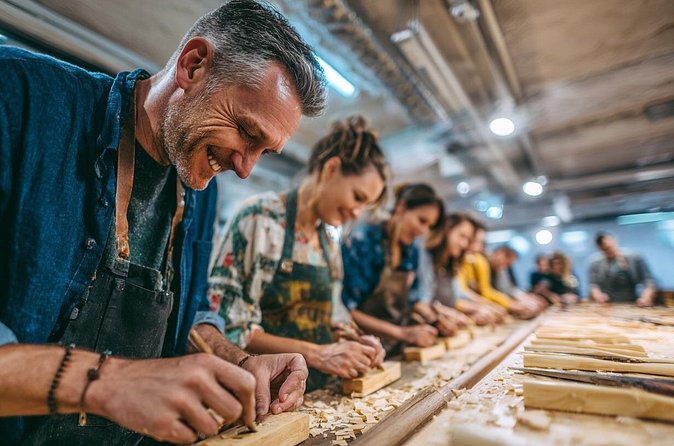
If you want to make the chopsticks feel extra personal, you can add engraving. The info says premium woods are available for an upgrade, and the engraving is clearly treated as an add-on option. One review notes engraving costs 2,000 yen.
So should you do it? If you love the idea of a name, date, or little message, it can turn the chopsticks into a true keepsake. If your budget is tight, you can still leave with a great souvenir without engraving. The woodworking part is the main event.
Just be aware of the vibe in busier periods. A few people felt the experience became sales-focused—pushed toward upgrades like premium wood and engraving—rather than staying purely about the craft. You can avoid that by deciding in advance: either you’re doing add-ons or you’re not.
When the workshop gets busy: how to protect your experience
This class has a maximum of 32 travelers, and the workshop uses multiple tables and workstations. That structure is good because helpers can reach you fast when you get stuck.
Still, some reviews describe very busy sessions that felt rushed. The problem isn’t the craft itself—it’s the human bandwidth. When many people are working at once, staff can only correct so many chopping-plane angles per minute.
My advice: if you have control over your time, avoid the middle of the day. If you’re there at peak hours, don’t expect unlimited 1-on-1 help. And if you want a calm experience, arrive a little early so you can settle, read your instructions, and start smoothly.
Also, don’t underestimate the physical part. Even beginners say it takes some muscle, especially with wood that’s harder to plane.
Who this is perfect for (and who should rethink it)
This activity fits a lot of different travel styles, mostly because it’s beginner-friendly and interactive.
Great fit
- Families: reviews mention family fun and multigenerational participation. If kids can focus for a short, structured hour, they often enjoy it.
- People who want a hands-on Tokyo memory: you’re taking home something you made with your own hands.
- Anyone who likes practical souvenirs: chopsticks get used.
- Beginners: the class is designed for people with no prior woodworking skills.
Maybe skip if…
- You hate any upsell pressure. Some people felt the workshop nudged toward upgrades.
- You’re very sensitive to feeling rushed. If you need a slow, quiet class, peak hours could annoy you.
- You expect a perfectly “easy” woodworking experience. It’s doable, but it’s not effortless.
Price and value: does $20 become a good deal?
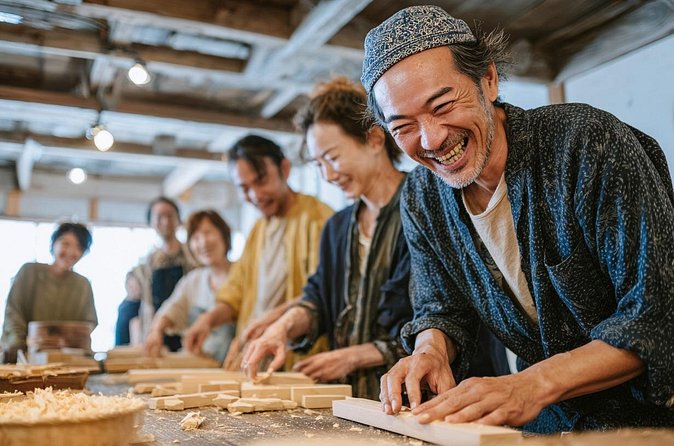
At $20 per person, this class is reasonably priced for a handcrafted souvenir experience. The included value is not just “sit and watch.” You get instruction on using a traditional hand plane, plus time and guidance to shape, smooth, and finish your chopsticks.
But value also depends on what you add on. Since two wood types are free and premium woods cost extra, your final spend might go up. Engraving is also optional, and one review cited 2,000 yen for engraving.
So I’d do this quick value check:
- If you choose one of the included woods and skip engraving, you’re likely keeping the experience very close to the base price.
- If you choose premium wood and add engraving, the class becomes more of a “premium craft souvenir” purchase.
Either way, the core value is the skill and the finished product you carry home. If you want to maximize value, treat upgrades like choices—not necessities.
The staff factor: what makes this workshop feel safe for beginners
One of the strongest themes in the experience details is supportive teaching. Names like Ken, Sayaka, Masa, Tom, Yuki, Mimi, Katana, and Kiwa appear in the feedback as instructors who explain clearly in good English and help when you get stuck.
That matters, because a kanna doesn’t always “just work.” If the angle is off or you press too hard, you’ll need guidance fast. The workshop’s structure—multiple workstations and several helpers—helps prevent you from getting overwhelmed.
There’s also a positive detail about organization: people mention the setup feels efficient with clear stations. If you like structure (and most first-time craft people do), this environment is built for that.
Should you book the Tokyo Shinjuku chopsticks class?
If you want a short, hands-on Tokyo experience that ends with something you can actually use, this is a great choice. The kanna technique makes it more authentic than simple “make a craft” workshops, and you’ll likely find the guidance beginner-proof, with staff who are patient.
I’d only hesitate if you:
- hate crowded, busy conditions,
- want zero upsell pressure,
- or are looking for a fully “hands-off” activity.
If you can handle a little noise and decide your budget for wood upgrades and optional engraving ahead of time, you’ll probably leave with a souvenir that feels earned.
FAQ
How long is the Tokyo Shinjuku chopsticks making class?
The class is listed as about 1 hour.
How much does the chopsticks making class cost?
It’s priced at $20.00 per person.
Where is the meeting point in Shinjuku?
The meeting point is at 7-chōme-4-5 Nishishinjuku, Shinjuku City, Tokyo 160-0023, Japan.
Do I need any prior woodworking experience?
No. The class is designed to be beginner-friendly with step-by-step guidance.
Are there wood options, and is everything included?
Two types of wood are free. Premium woods are available for a small upgrade.
Is free cancellation available?
Yes. You can cancel up to 24 hours in advance for a full refund.
More Tour Reviews in Tokyo
- Mt Fuji and Hakone 1-Day Bus Tour Return by Bullet Train
★ 5.0 · 26,383 reviews - 1-Day Tokyo Bus Tour
★ 5.0 · 14,250 reviews - Tokyo: teamLab Planets TOKYO Digital Art Museum Entry Ticket
★ 4.6 · 9,779 reviews - Mt Fuji & Hakone Cruise, Drum Show Bullet Train 1 Day from Tokyo
★ 4.0 · 7,413 reviews - Tokyo: Shinjuku Food Tour (13 Dishes at 4 Local Eateries)
★ 5.0 · 6,603 reviews
More Artisan Workshops in Tokyo
- Chopstick Making Workshop in Ginza
★ 4.8 · 1,366 reviews - Kintsugi Experience: Art of Golden Joinery in Tokyo
★ 5.0 · 467 reviews - Tokyo Chopstick Making Workshop with Artisan
★ 5.0 · 466 reviews - Tokyo: Shinjuku Chopstick Making Class
★ 4.9 · 440 reviews - Tokyo: Chopstick-Making Workshop
★ 4.9 · 348 reviews
More Shinjuku Food and Drink
- Tokyo: Shinjuku Food Tour (13 Dishes at 4 Local Eateries)
★ 5.0 · 6,603 reviews - Tokyo Bar Hopping Tour in Shinjuku (All-You-Can-Drink + Dinner)
★ 5.0 · 3,587 reviews - Tokyo: Shinjuku Food Tour (15 Dishes and 4 Eateries)
★ 4.9 · 2,033 reviews - Best of Shinjuku: Izakaya Food Tour (4 Stops, 14+ Tastings)
★ 5.0 · 1,863 reviews - Tokyo: Shinjuku Local Bar and Izakaya Guided Walking Tour
★ 4.9 · 1,794 reviews
Latest Tokyo reviews off our desk






Shinjuku Food & Bar Tours, compared.
 ★ 5.0Shinjuku Food Tour (13 Dishes at 4 Local Eateries)From $866,603 reviews
 ★ 5.0Tokyo Bar Hopping Tour in Shinjuku (All-You-Can-Drink + Dinner)From $1063,587 reviews
 ★ 4.9Shinjuku Food Tour (15 Dishes and 4 Eateries)From $852,033 reviews
 ★ 5.0Best of Shinjuku: Izakaya Food Tour (4 Stops, 14+ Tastings)From $921,863 reviews
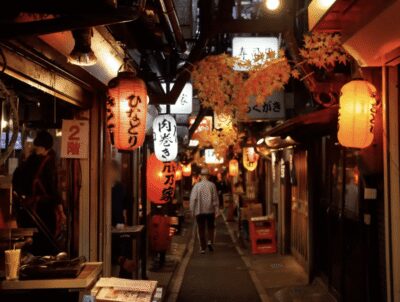 ★ 4.9Shinjuku Local Bar and Izakaya Guided Walking TourFrom $341,794 reviews
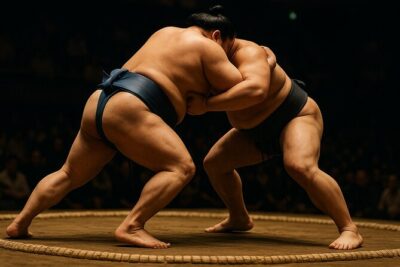 ★ 5.0Tokyo Shinjuku Sumo Show & Experience with PhotoFrom $791,750 reviews
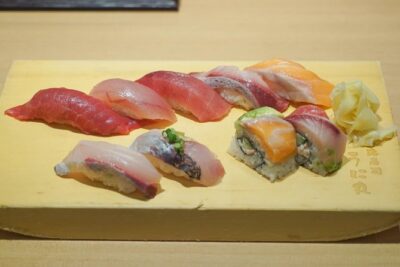 ★ 5.0Tokyo Night Foodie Tour in Shinjuku – Seasonal Sushi, Wagyu BeefFrom $1111,161 reviews
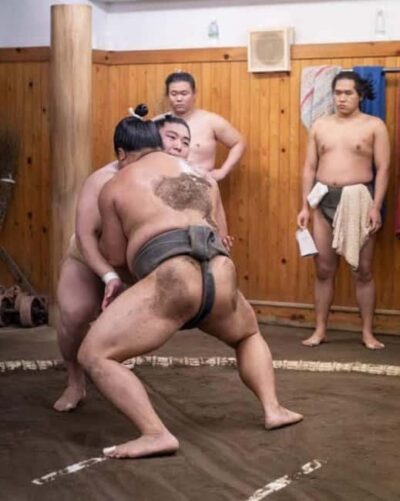 ★ 4.8Sumo Show and Experience in ShinjukuFrom $691,001 reviews
Browse the lists this tour appears in