
Reviewed · TOKYO
Make a temple stamp book with artist
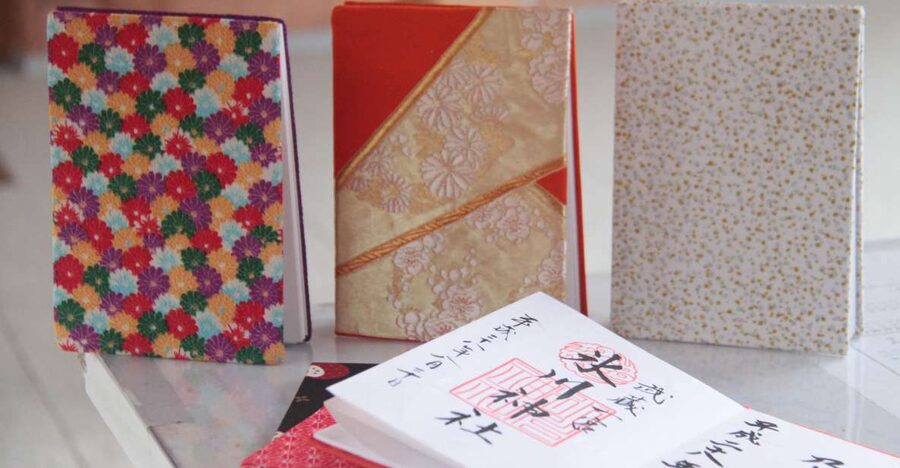
A trip for your hands, not just your phone. You’ll craft a one-of-a-kind goshuin notebook from kimono fabrics and then use it right away at a shrine. I especially love that it blends creativity with real shrine manners, and that you get a first stamp as part of the same outing. One possible drawback: the stamp fee at the shrine isn’t included, so you’ll need a little extra cash.
The workshop also stays small, so Chikako Oshiro can help you fold, glue, and decorate without feeling rushed. You’ll pick from over 100 fabric options and learn how to do the goshuin-book format the proper way, not just make a souvenir. Still, plan for walking a bit: there are about 10 steps to reach the classroom and shrine.
If you’re already near Shibuya in Honshu, this is a clean way to add a traditional activity to your day. You’ll come away with something you can keep using on future trips. Just know it runs rain or shine, so you’ll want to be ready for wet weather.
In This Review
- Key things to know before you go
- A Goshuin Notebook Workshop Near Shibuya
- Picking Your Fabrics: Over 100 Choices With Meaning
- Folding and Glueing: Making the Goshuin Notebook the Proper Way
- Shrine Etiquette Basics Before You Get Your First Stamp
- What your first goshuin moment feels like
- What to Expect at the Local Shrine Visit
- Value for Money: $38 Workshop Fee vs Real Souvenir Worth
- Who This Workshop Is Best For
- Quick Practical Tips Before You Go
- Should You Book This Temple Stamp Book Workshop?
- FAQ
- How long is the workshop?
- What is the price per person?
- Is the stamp fee included?
- Does the workshop run in bad weather?
- What language is the instructor?
- How many people are in the group?
- Where do I meet the instructor?
- Are there stairs involved?
- Is this suitable for children and people with mobility impairments?
Key things to know before you go
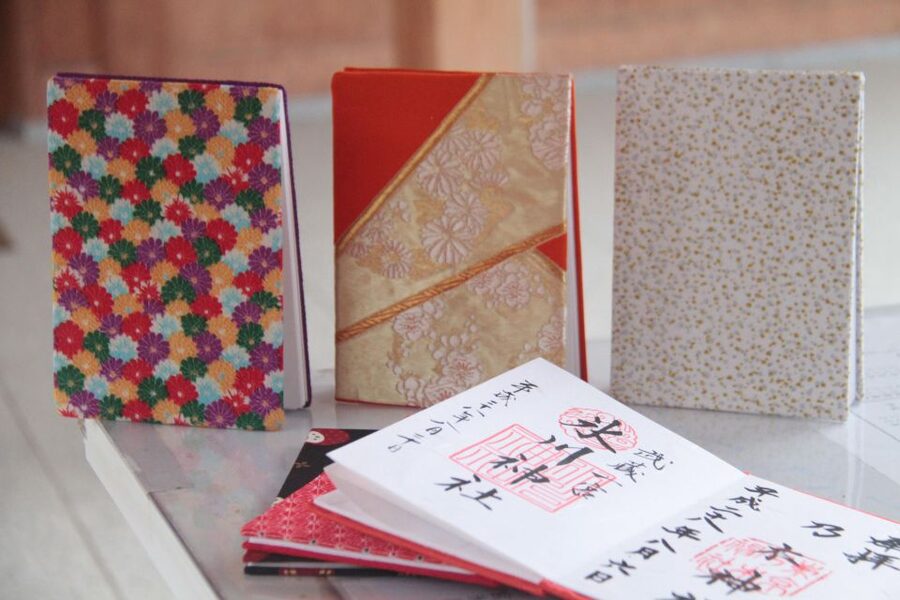
- 100+ kimono fabric choices for a personal goshuin notebook
- English instruction with a small group capped at 8
- Hands-on book making with folding and glueing taught step by step
- Shrine etiquette basics taught before you collect your first stamp
- First goshuin stamp on-site during the visit to a local shrine
- Extra glue can be handy if you want a little buffer for finishing
A Goshuin Notebook Workshop Near Shibuya
This is the kind of experience that makes Japan feel practical and personal. You’re not only learning about goshuin stamps and shrine culture—you’re actually building the tool you’ll use to collect them. The location being on Honshu, with access to popular spots like Shibuya nearby, also makes it easy to slot into a day without a long detour.
The price is $38 per person for the workshop itself. For that, you get guidance to create the notebook, plus the chance to visit a local shrine right after you finish. The part to budget for is that the stamp fee at the shrine is not included, so bring some extra yen.
I like that the format is straightforward. In 2 hours, you choose fabrics, make the book, learn basic formal shrine visiting, and then get your first stamp. The small group setting (limited to 8 participants) matters because it gives you time to ask questions while you’re handling paper, glue, and the book structure.
Readers booked these Tokyo options in the same breath. Here is how each one scored:
- Mt Fuji and Hakone 1-Day Bus Tour Return by Bullet Train
★ 5.0 · 26,383 reviews - 1-Day Tokyo Bus Tour
★ 5.0 · 14,250 reviews - Tokyo: teamLab Planets TOKYO Digital Art Museum Entry Ticket
★ 4.6 · 9,779 reviews - Mt Fuji & Hakone Cruise, Drum Show Bullet Train 1 Day from Tokyo
★ 4.0 · 7,413 reviews
Picking Your Fabrics: Over 100 Choices With Meaning
The workshop starts with a fabric table full of kimono options—over 100, in fact. This is where your notebook starts becoming yours, not a template. You’ll select favorites first, which makes the rest of the process feel more intentional.
What you’ll get from this early step is more than decoration. Chikako Oshiro explains the fabrics and how they tie into the goshuin notebook experience, so you’re not just picking colors that look good. One review highlighted that the explanations around fabric significance made the choices feel more meaningful, and that matches what this kind of workshop is aiming for.
If you’re the type who likes to choose carefully, you’ll probably appreciate the pace here. You’re not rushed into stamping or signing—your creativity leads. If you’re more of a quick-decision person, you’ll still be fine, because you can pick a set of fabrics that work well together and build from there.
Folding and Glueing: Making the Goshuin Notebook the Proper Way
Once you’ve chosen your fabrics, you’ll learn how to assemble the goshuin notebook properly. The core skill is folding and glueing the papers together into the right format so the book works when you start collecting stamps.
This part is hands-on, which is why it feels satisfying. You’ll see how the structure comes together, and you’ll understand why it’s more than a handmade cover. One of the best review themes was how clear the instructions felt, with materials provided and step-by-step guidance.
A nice touch is that Chikako Oshiro tends to have extra glue on hand. Even if you’re careful, glue can be finicky with paper. Having that backup can save your finishing time and help you leave with a notebook you feel good about.
Also, don’t skip the teaching while you build. You’re learning the “why” behind the structure, and that matters if you plan to use your goshuin notebook on future shrine visits. This workshop gives you a foundation, so your later collections make more sense.
Shrine Etiquette Basics Before You Get Your First Stamp
After the notebook is made, you head to a local shrine. This is where the workshop shifts from craft time to culture time. Your guide teaches you how to visit formally, so you’ll know what to do once you’re on-site.
You can treat this as practical orientation. You’ll learn the steps in a way that helps you avoid the common feeling of standing around unsure. Then, you’ll get to collect your very first goshuin stamp in the same session, which makes the notebook feel instantly “alive.”
One of the most praised parts was the cultural storytelling and context. Chikako Oshiro shares stories about goshuin stamps and also about the history of shrines, which adds meaning to why people collect these stamps in the first place. That background doesn’t replace the act of stamping—it supports it.
What your first goshuin moment feels like
Think of it like this: you build the book with your fabric choice, then you use it immediately. That sequence matters because it turns a craft project into a ritual you participated in. When you leave, you won’t just own a pretty notebook—you’ll have the first stamp page filled.
- Tokyo: Shinjuku Food Tour (13 Dishes at 4 Local Eateries)★ 5.0 · 6,603 reviews
- Tokyo Mt Fuji 5th St & Hakone Cruise Bus Tour w/Bullet Train★ 4.4 · 5,024 reviews
- Flagship 2-Hours Official Street Go-Kart Tour – Tokyo Bay Shop★ 5.0 · 4,974 reviews
- From Tokyo: Mount Fuji Full-Day Sightseeing Trip★ 4.5 · 4,970 reviews
- Tokyo: Hop-On Hop-Off Sightseeing Bus Ticket★ 3.9 · 4,207 reviews
What to Expect at the Local Shrine Visit
The shrine visit is included as part of the experience, and it’s timed to follow your notebook assembly. The guide walks you through formal visiting, then you collect a stamp to start your collection.
Keep two things in mind. First, the stamp fee at the shrine is not included in the $38 workshop price. You’ll want to pay this separately on-site. Second, the activity takes place rain or shine, so your shrine visit may happen in less-than-perfect weather.
Also, the logistics are simple but physical. There are about 10 steps to reach both the classroom and the shrine area. That’s usually manageable for many adults, but if stairs are an issue, it’s worth taking seriously. This experience is not suitable for people with mobility impairments.
Because the group is small, you’ll have enough time for instructions without feeling crowded in a line. That balance is a big part of why this works as an authentic introduction to goshuin.
Value for Money: $38 Workshop Fee vs Real Souvenir Worth
At $38 per person, this isn’t a low-cost “grab a ticket” craft. But it’s also not overpriced for what you’re actually getting. You’re paying for (1) guided creation of a functional goshuin notebook, (2) English instruction, (3) shrink-to-fit small group help, and (4) the shrine visit portion that gives you a first stamp.
If you only wanted a stamped souvenir, you could find cheaper options elsewhere. What you’re buying here is a skill and a ritual. You learn how the notebook is assembled and how to behave at a shrine formally. That’s the difference between a take-home item and a memory you understand.
Then there’s the fabric choice. Being able to start with over 100 kimono fabric options turns the book into a personal project. The result isn’t just cute—it’s tied to your own selection, which makes it easier to keep and bring to future shrine stops.
Just budget for the shrine stamp fee, since it’s separate. Think of the $38 as the craft plus guidance, and the stamp fee as the official cost of adding that first mark to your collection.
Who This Workshop Is Best For
I think this works best for a few types of travelers.
You’ll enjoy it if you want hands-on Japan, not just sightseeing. Making the notebook means you’re engaged the whole time, and the shrine visit immediately gives you a purpose for what you made. It’s also a strong pick if you’re collecting goshuin or planning to start, because you’ll leave with a starter notebook format and etiquette basics.
It’s also a good option if you want something that feels authentic but still beginner-friendly. You don’t need prior experience. The materials are provided, and the instructions are clear enough that you can focus on creating without guessing.
It may be less suitable if you dislike stairs or have mobility limitations, since it’s not recommended for people with mobility impairments. It’s also not suitable for children under 3, which suggests the experience is more hands-on and adult-paced.
Quick Practical Tips Before You Go
Since the event runs rain or shine, plan for weather. Wear comfortable shoes because you’ll move between the classroom and the shrine area, with about 10 steps involved. If you’re sensitive to crowds, the small group cap of 8 is reassuring, and it keeps your guide’s attention closer.
When you’re choosing fabrics, take a little time to think about how they’ll look together in a book format, not just as individual patterns. You’ll be happier if you pick styles you truly like, because that notebook will likely become your go-to for future stamps.
Finally, treat the shrine part with the same care as the crafting. The guide teaches formal visiting, and that preparation is part of the value. Your first stamp is easier to handle and more meaningful when you’re doing it with the proper mindset.
Should You Book This Temple Stamp Book Workshop?
Yes, if you want a real goshuin starter experience instead of a generic souvenir. The combination of over-100 fabric choices, structured notebook building, English instruction, and a shrine visit where you collect your first stamp is a smart use of 2 hours. You’ll also get cultural context about goshuin and shrine history from Chikako Oshiro, which makes your stamp collection feel more grounded.
Book it especially if you’re near Shibuya and want something meaningful that doesn’t require expert planning. Just remember to budget separately for the shrine stamp fee, and factor in the steps if mobility is a concern. If that fits your travel style, this workshop is a strong, practical way to start collecting goshuin the right way.
FAQ
How long is the workshop?
The duration is 2 hours.
What is the price per person?
It costs $38 per person for the workshop fee.
Is the stamp fee included?
No. The stamp fee at the shrine is not included.
Does the workshop run in bad weather?
Yes, it takes place rain or shine.
What language is the instructor?
The instructor speaks English.
How many people are in the group?
The group is small, limited to 8 participants.
Where do I meet the instructor?
Meet in front of the entrance located between a drug store and Cozy Corner (cake shop).
Are there stairs involved?
There are about 10 steps to reach the classroom and shrine.
Is this suitable for children and people with mobility impairments?
It is not suitable for children under 3 years, and it is not suitable for people with mobility impairments.
More Tour Reviews in Tokyo
- Mt Fuji and Hakone 1-Day Bus Tour Return by Bullet Train
★ 5.0 · 26,383 reviews - 1-Day Tokyo Bus Tour
★ 5.0 · 14,250 reviews - Tokyo: teamLab Planets TOKYO Digital Art Museum Entry Ticket
★ 4.6 · 9,779 reviews - Mt Fuji & Hakone Cruise, Drum Show Bullet Train 1 Day from Tokyo
★ 4.0 · 7,413 reviews - Tokyo: Shinjuku Food Tour (13 Dishes at 4 Local Eateries)
★ 5.0 · 6,603 reviews





