
Reviewed · MOUNT FUJI TOURS
Mt. Fuji 6 Attractions Tour: Lake Kawaguchi, Oshino Hakkai
Eight springs and one perfect mountain day. This tour strings together Mt. Fuji shrines and classic viewpoints with a stop at Oshino Hakkai, so you get both spiritual and scenic hits in one go. I like how the itinerary mixes real walking with strong photo timing, and I like that you’re not just rushing for skyline shots—you’re learning why these places matter. The one big consideration: Mt. Fuji visibility depends on weather, so the mountain might be more cloud than hero.
You start in Tokyo early, then ride a comfortable coach into the countryside with a multilingual guide (English/Chinese/Japanese). If you want an efficient day that still feels Japan-original—shrines, old streets, and spring water—you’ll probably feel good about your choice. If you’re the type who hates group timing, do know this is a scheduled experience with set stops and return times that can stretch in peak season.
In This Review
- Key Points You’ll Actually Care About
- What This Day Trip Gets Right (And Why It’s Worth $50)
- The Morning Run: Tokyo Departure, Coach Comfort, and Group Timing
- Arakura Sengen Shrine & Shinkurayama Sengen Park: The 398-Step Fuji Moment
- Hikawa Clock Shop & Honcho Street: A Showa-Era Walk With a Mt. Fuji Twist
- Oshino Hakkai: Eight Springs That Turn Snow Into Water
- Lake Kawaguchi Oishi Park: Where Fuji Gets Framed by Seasons
- The Lawson Stop: A Convenience Store With a Fuji View
- Mt. Fuji Visibility: Plan for Weather, Not Magic
- How the Tour Run Works: What’s Included, What You Should Bring
- Who This Tour Fits Best (And Who Might Want a Different Plan)
- Should You Book It?
- FAQ
- What time does the tour leave Tokyo?
- Where does the tour go during the day?
- Is lunch included?
- What languages will the guide speak?
- Do I need cash for this tour?
- What if I need to cancel?
Key Points You’ll Actually Care About
- Arakura Sengen Shrine viewpoint: You climb 398 steps for a postcard view of Mt. Fuji and a five-story pagoda backdrop.
- Oshino Hakkai’s spring story: You’ll see eight crystal-clear springs fed by Mt. Fuji’s melted snow filtering for decades.
- Lake Kawaguchi seasonal framing: Oishi Park often gives the iconic Mt. Fuji view, especially during cherry blossoms or autumn color.
- Traditional shopping stop with a theme: Hikawa Clock Shop & Honcho Street feels like a Showa-era time capsule (and it’s built around the Mt. Fuji “closeness/distance” idea).
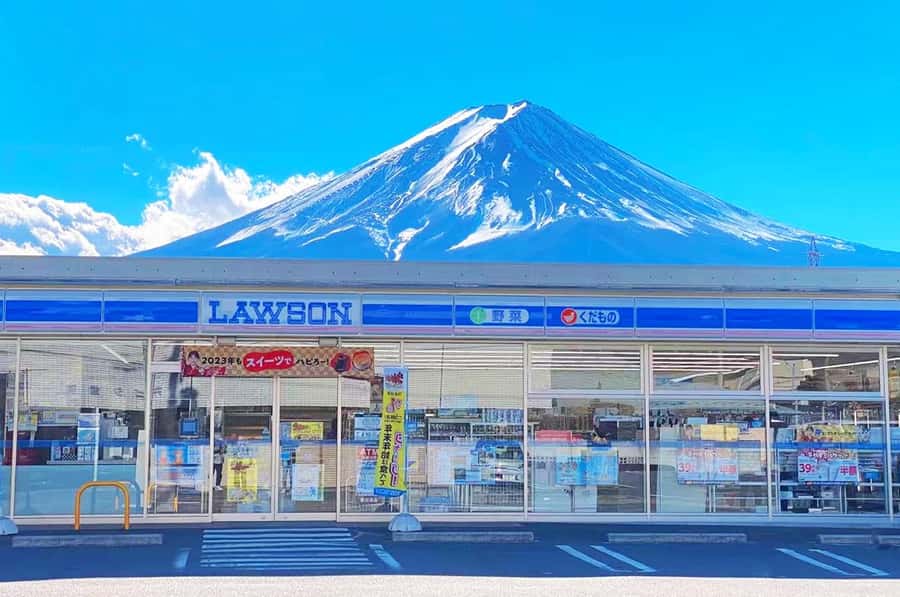
- That weirdly perfect Lawson angle: A short stop at a Lawson convenience store offers a different Mt. Fuji view from the lakeside area.
- Guides who mind the schedule and photos: Guides such as Anna and Evita are praised for clear explanations, photo tips, and keeping the group together.
What This Day Trip Gets Right (And Why It’s Worth $50)
At $50 per person, this is a value-minded day. You’re paying for guided access, admission coverage for the listed stops, and a round-trip coach from Tokyo. You’re also getting a driver and a guide who help you move through a high-demand region without doing the whole logistics puzzle yourself.
What makes the price feel reasonable is the “stacking” of experiences. Instead of one long attraction, you get:
- a shrine viewpoint with a climb,
- a traditional street with a specific Mt. Fuji vibe,
- a UNESCO-area water site (Oshino Hakkai),
- and two separate Lake Kawaguchi photo zones (Oishi Park and the seasonal corridor options),
plus that short Lawson stop for a fresh angle.
That kind of coverage matters if you’re on a tight schedule in Japan and you don’t want to spend your only Fuji day hunting buses, train transfers, and ticket lines.
The trade-off is also real: it’s an organized group plan. If you want to linger forever, you’ll have to choose where you slow down and where you keep moving.
More Fuji day trips our readers rated highly
- Mt Fuji and Hakone 1-Day Bus Tour Return by Bullet Train
★ 5.0 · 26,383 reviews - Mt Fuji & Hakone Cruise, Drum Show Bullet Train 1 Day from Tokyo
★ 4.0 · 7,413 reviews - Tokyo Mt Fuji 5th St & Hakone Cruise Bus Tour w/Bullet Train
★ 4.4 · 5,024 reviews - From Tokyo: Mount Fuji Full-Day Sightseeing Trip
★ 4.5 · 4,970 reviews
The Morning Run: Tokyo Departure, Coach Comfort, and Group Timing
You meet your guide at a designated Tokyo point (it can vary by the option you book). The day starts at 8:00 AM with a coach departure, then you roll through the countryside toward Mt. Fuji. Expect an early start because the best Fuji viewpoints need clear skies, and morning timing helps.
A few practical things to keep in mind:
- You’ll get an email with bus/driver details by 9:00 PM the night before. Check your inbox.
- The usual return lands around 5:00–6:00 PM, but peak season may run later—sometimes up to 9:00 PM.
- The bus leaves on time. If you’re late, you’re marked no-show and it’s non-refundable. That’s not the operator being dramatic. It’s just how group tours stay efficient.
This is a multinational group, and the guide provides explanations across languages. In practical terms, that means you’ll get the story of each stop without needing to translate everything yourself.
One more tip: some shops and spots may not take cards, so bring some cash. Convenience stores are usually fine, but you can’t count on every little shop in rural areas.
Arakura Sengen Shrine & Shinkurayama Sengen Park: The 398-Step Fuji Moment
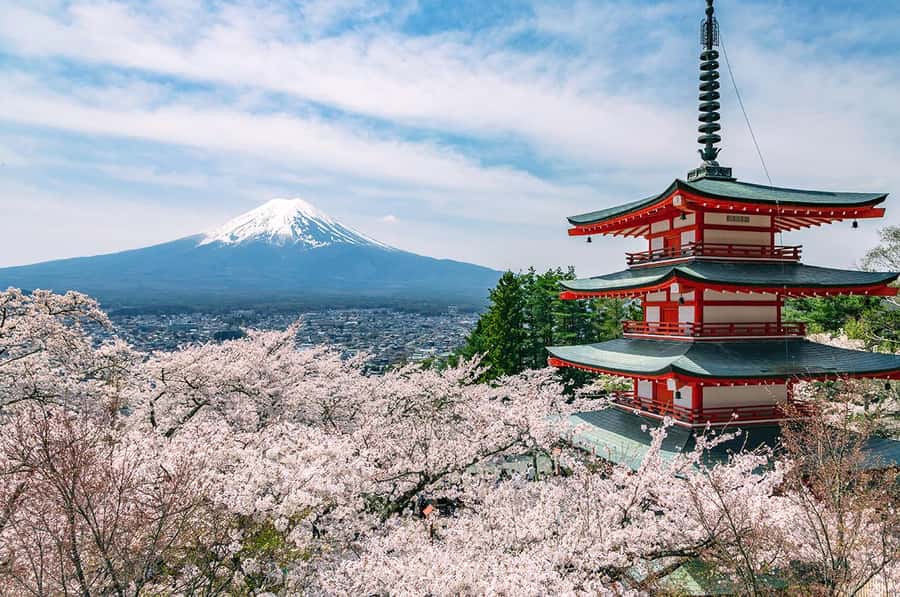
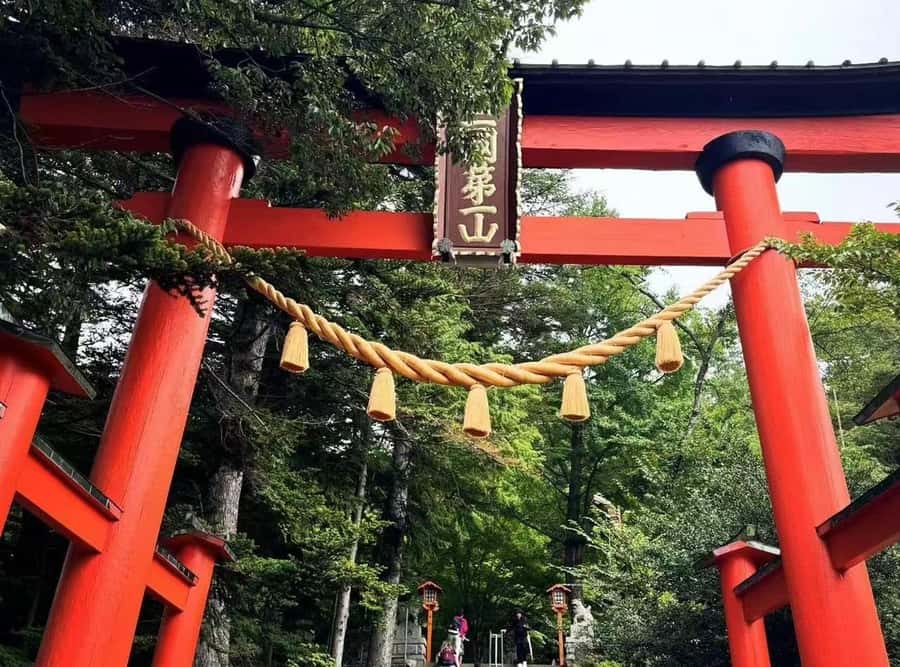
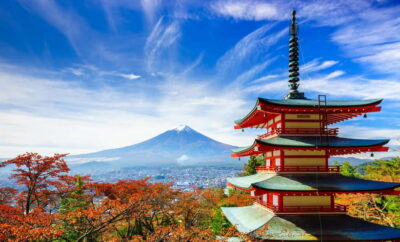
Your first major stop is Arakura Sengen Shrine and Shinkurayama Sengen Park around 10:30 AM. This is one of the most photographed Mt. Fuji areas, and for a reason: the viewpoint frames Fuji with a five-story pagoda and the Fujiyoshida townscape below.
Here’s what you’ll do:
- You follow the “Path of Faith” up through shrine grounds.
- You climb 398 steps to reach the viewpoint area.
The value of this stop is not just the view. It’s the setup: you’re moving through a sacred-feeling route that makes Fuji feel less like a background poster and more like the centerpiece of the region’s belief system.
Seasonal impact is huge here:
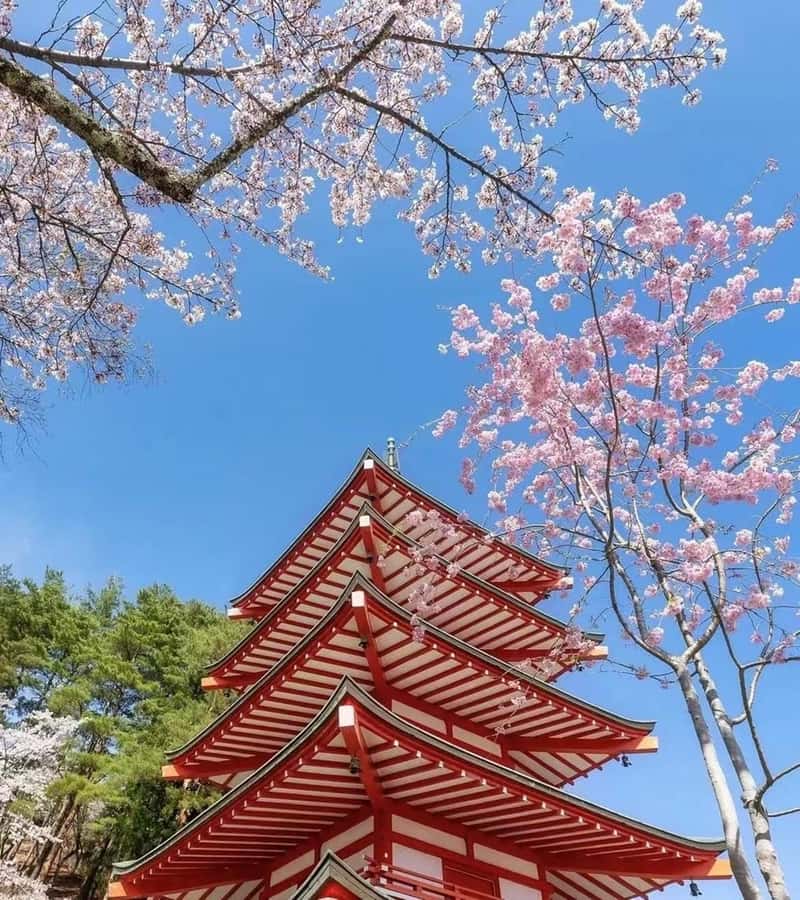
- In spring, cherry blossoms can pop around the steps and trees.
- In winter, snow can turn the whole scene into crisp, high-contrast photography.
Even if you don’t love stair climbs, this is still a short, focused effort with a payoff that’s hard to replicate on your own in one afternoon.
Hikawa Clock Shop & Honcho Street: A Showa-Era Walk With a Mt. Fuji Twist
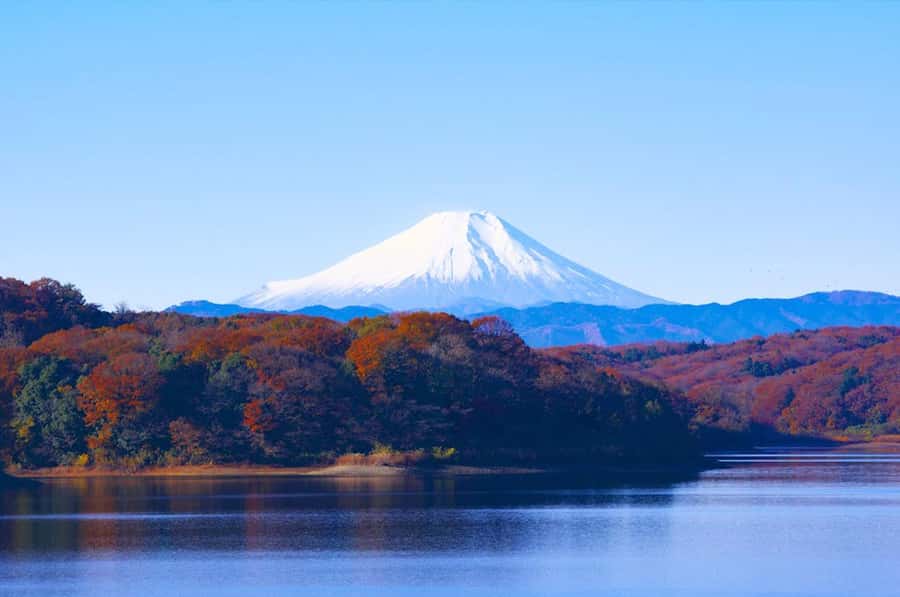
Next you hit 11:40 AM at Hikawa Clock Shop & Honcho Street—also described as a kind of Mt. Fuji “Sky Ladder Town.” The street has a nostalgic feel, with shopfronts and atmosphere that reflect Showa-era resilience.
What’s the Mt. Fuji twist? The area plays with the idea of spiritual closeness but eternal distance—so the mountain feels near in views, yet unreachable in the larger spiritual sense. You’ll notice that theme in how the street is laid out and how people talk about the photography angles.
The clock shop matters because it’s an anchor. Without it, the street could feel like another shopping road. With it, you get a clear stop with character and a reason to slow down.
Practical downside: because this is a street walk inside a scheduled day, you’ll want to keep your walking pace steady so you don’t accidentally eat into your later photo time.
Oshino Hakkai: Eight Springs That Turn Snow Into Water
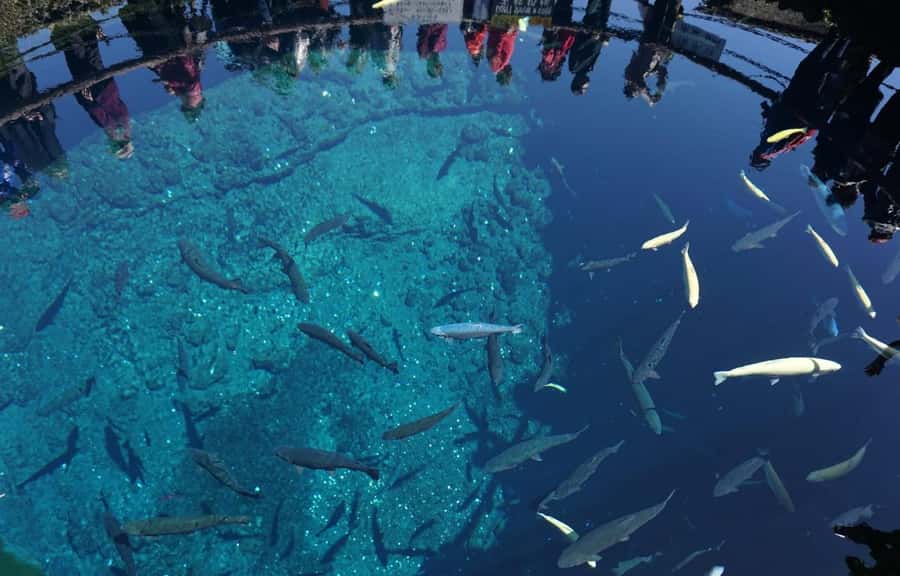
At 12:30 PM, you arrive at Oshino Hakkai, a village built around eight crystal-clear springs. The springs are fed by Mt. Fuji’s melted snow that filters down and travels through layers for years—so the water you’re seeing is basically a long, quiet process.
Oshino Hakkai is recognized as a Natural Monument and part of the Mt. Fuji UNESCO World Heritage area. That UNESCO link isn’t just paperwork. It’s why the place feels protected and why the water site is treated with respect instead of turned into pure theme-park scenery.
What you should expect on the ground:
- Stroll time that’s more about stillness than sprinting.
- A village feel, not a single monument you check off and move on.
- Water views that can be striking even when the mountain isn’t perfectly visible.
This stop is also a nice balance against the stairs and viewpoints. It’s calmer. It’s slower. It gives you a chance to reset.
If your main goal is classic Mt. Fuji photos, Oshino Hakkai might not feel as dramatic. But if you want the “why” behind the region, this is often the moment that sticks.
- Tokyo: Shinjuku Food Tour (13 Dishes at 4 Local Eateries)★ 5.0 · 6,603 reviews
- Tokyo Mt Fuji 5th St & Hakone Cruise Bus Tour w/Bullet Train★ 4.4 · 5,024 reviews
- Flagship 2-Hours Official Street Go-Kart Tour – Tokyo Bay Shop★ 5.0 · 4,974 reviews
- From Tokyo: Mount Fuji Full-Day Sightseeing Trip★ 4.5 · 4,970 reviews
- Tokyo: Hop-On Hop-Off Sightseeing Bus Ticket★ 3.9 · 4,207 reviews
Lake Kawaguchi Oishi Park: Where Fuji Gets Framed by Seasons
You head to Lake Kawaguchi around 2:30 PM, landing at Oishi Park on the northern shore. This is one of the best places on the lake for the iconic view: Mt. Fuji reflected (or at least framed) with seasonal flowers and lake-side scenery.
Oishi Park also includes the Mt. Fuji Assembly Memorial Monument, built from rocks sourced across Japan. That detail matters more than it sounds. It reinforces that Fuji is treated as a national symbol, not just a local mountain.
Seasonal highlights you can time your trip around:
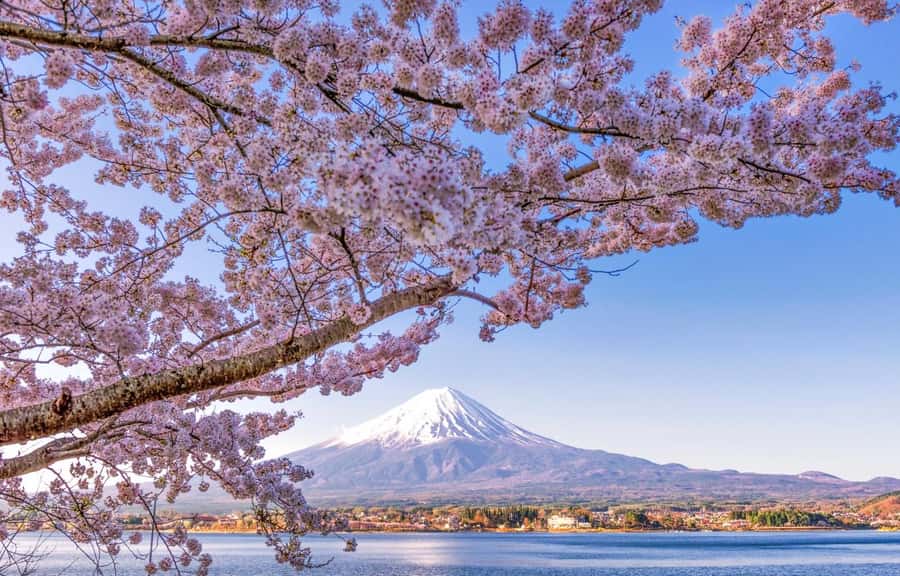
- Spring (cherry blossoms): a festival-like atmosphere with pink petals and reflective lake scenes.
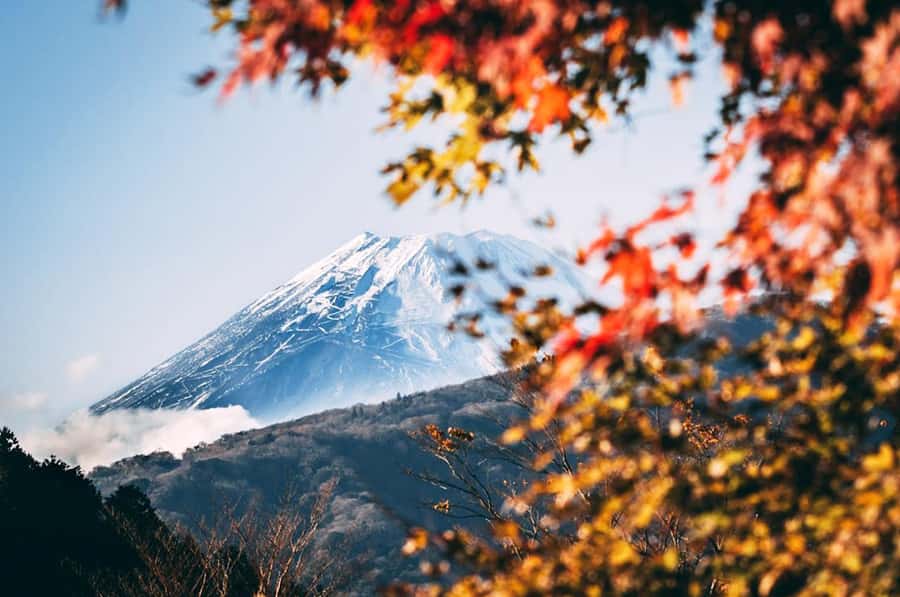
- Autumn (maple color): when the lake and the trees can create a warm palette behind Fuji.
- Winter (snow peak photography): when the mountain can look sharp and dramatic.
The tour also references seasonal limited options:
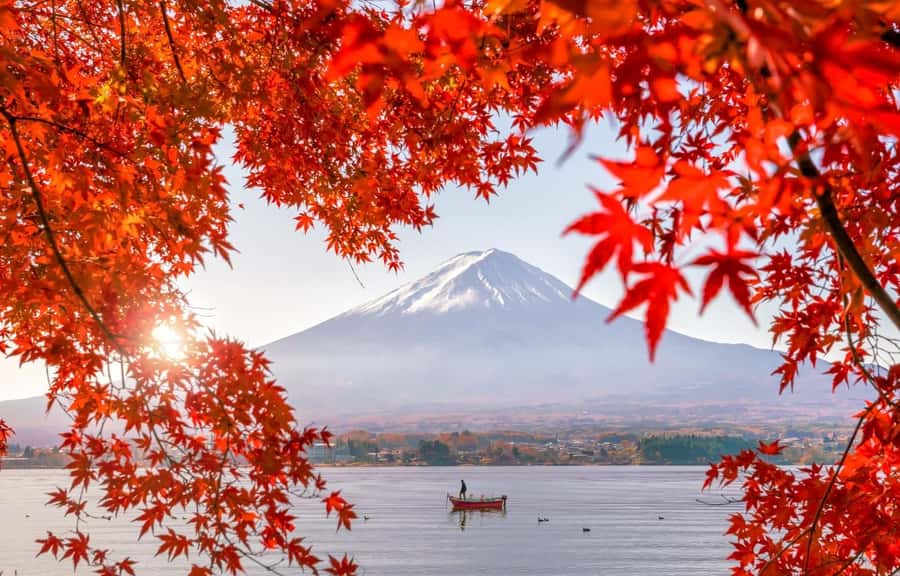
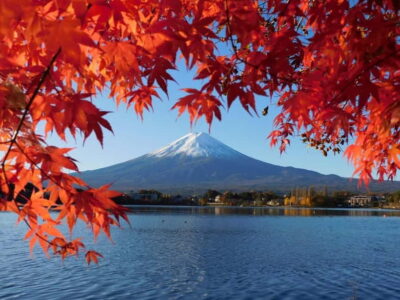
- Kawaguchiko Maple Corridor: a once-a-year-style view pairing snow-capped Fuji with fiery red maple leaves.
- Kawaguchiko Cherry Blossom Festival: a major cherry blossom photo area on the northern shore.
Here’s the honest travel advice: try to treat the season as the “bonus,” not the guarantee. The mountain itself is still weather-dependent, so your real win is being at the right places when conditions cooperate.
The Lawson Stop: A Convenience Store With a Fuji View
At about 3:40 PM, you get a short break at a uniquely positioned Lawson convenience store near Lake Kawaguchi. This is the kind of stop that sounds silly until you’re standing there and realize how often convenience stores become the best framing device in Japan.
You’re not going to a store for snacks only. You’re going for a different angle of Mt. Fuji from the parking area—modern life meeting the mountain in a way that feels grounded and real.
This stop also functions as a breather before your final return to Tokyo. It’s a good place to refill water and grab something light if you need energy for the ride home.
Mt. Fuji Visibility: Plan for Weather, Not Magic
The tour is clear about one thing: Mt. Fuji’s visibility depends on the weather. That’s not a buzzkill. It’s the correct mindset.
So how do you handle it?
- Show up ready to enjoy everything else even if Fuji hides.
- Prioritize the places that give you strong value regardless of clouds—Oshino Hakkai’s springs are the best example.
- Bring patience. This is a scheduled day, and clouds don’t respect schedules.
Also, the time of year changes your odds. The tour notes:
- Summer (July–Sep): ideal for trekking with clearer summit views.
- Spring (Mar–May): cherry blossoms.
- Autumn (Oct–Nov): foliage.
- Winter (Dec–Feb): snow peak for photography.
You don’t control the sky, but you do control which season you’re standing under.
How the Tour Run Works: What’s Included, What You Should Bring
This is what you’re getting:
- Admission to the listed attractions
- A guide (English/Chinese/Japanese-speaking)
- An air-conditioned coach and a professional driver
- Pickup and drop-off at the meeting point
Not included:
- Meals and beverages
- Personal expenses
A practical money tip: bring cash because some smaller shops may not take cards. Also, if you’re traveling with kids, it helps that guides like Anna are noted for being accommodating and photo-helpful, including keeping the day manageable for families.
And for meals, you’ll likely want a plan for the gaps. The tour includes a rest stop at Lawson, and you might find opportunities to handle lunch on your own during breaks. Build in that flexibility so you’re not hunting food in a time crunch.
Who This Tour Fits Best (And Who Might Want a Different Plan)
This tour fits best if you want:
- a guided one-day Mt. Fuji circuit from Tokyo,
- a mix of shrines, traditional streets, and the water site at Oshino Hakkai,
- and enough structure that you don’t spend your day solving transport.
You’ll especially like it if you enjoy photography with purpose—Arakura’s viewpoint climb is a big one, and the seasonal framing at Lake Kawaguchi is the second.
It may not fit if:
- you need wheelchair access (it’s noted as not suitable),
- you’re sensitive to group timing,
- or you require an unstressed, no-walking, no-stops style of travel.
Should You Book It?
If your Tokyo schedule is tight and you want the “classic Mt. Fuji highlights” without doing a full overnight plan, I think this is a solid choice. The value comes from the way it layers experiences: a shrine with steps and pagoda views, a traditional street with a Fuji theme, Oshino Hakkai’s spring water, and Lake Kawaguchi framing in seasonal colors.
Before you book, be honest with yourself about one thing: Fuji visibility. If you’re going to be miserable in clouds, you might want a more flexible plan. If you can roll with weather and still appreciate shrines, old streets, and spring water, this day trip is a strong payoff for the money.
FAQ
What time does the tour leave Tokyo?
You depart Tokyo at 8:00 AM. Return times vary due to traffic and pickup locations, with the usual return around 5:00–6:00 PM and peak seasons sometimes running as late as 9:00 PM.
Where does the tour go during the day?
The main stops are Arakura Sengen Shrine & Shinkurayama Sengen Park, Hikawa Clock Shop & Honcho Street, Oshino Hakkai, Kawaguchiko Oishi Park, and a short stop at a Lawson convenience store. The day runs back to the meeting point in Tokyo.
Is lunch included?
Meals and beverages are not included. You’ll have time for breaks during the day, and you can plan your own lunch around the stop times.
What languages will the guide speak?
The tour includes a guide who speaks English/Chinese/Japanese. The tour’s additional language info also lists English and Japanese.
Do I need cash for this tour?
Yes, it’s recommended. Some local shops and attractions may not accept cards, so having cash makes things easier.
What if I need to cancel?
Cancellation is possible up to 24 hours in advance for a full refund.
More Tours in Tokyo
- Mt Fuji and Hakone 1-Day Bus Tour Return by Bullet Train
★ 5.0 · 26,383 reviews - 1-Day Tokyo Bus Tour
★ 5.0 · 14,250 reviews - Tokyo: Shinjuku Food Tour (13 Dishes at 4 Local Eateries)
★ 5.0 · 6,603 reviews - Tokyo Mt Fuji 5th St & Hakone Cruise Bus Tour w/Bullet Train
★ 4.4 · 5,024 reviews - Flagship 2-Hours Official Street Go-Kart Tour – Tokyo Bay Shop
★ 5.0 · 4,974 reviews
More Tour Reviews in Tokyo
- Mt Fuji and Hakone 1-Day Bus Tour Return by Bullet Train
★ 5.0 · 26,383 reviews - 1-Day Tokyo Bus Tour
★ 5.0 · 14,250 reviews - Tokyo: teamLab Planets TOKYO Digital Art Museum Entry Ticket
★ 4.6 · 9,779 reviews - Mt Fuji & Hakone Cruise, Drum Show Bullet Train 1 Day from Tokyo
★ 4.0 · 7,413 reviews - Tokyo: Shinjuku Food Tour (13 Dishes at 4 Local Eateries)
★ 5.0 · 6,603 reviews
More Mount Fuji Days We Have Reviewed
- Mt Fuji and Hakone 1-Day Bus Tour Return by Bullet Train
★ 5.0 · 26,383 reviews - Mt Fuji & Hakone Cruise, Drum Show Bullet Train 1 Day from Tokyo
★ 4.0 · 7,413 reviews - Tokyo Mt Fuji 5th St & Hakone Cruise Bus Tour w/Bullet Train
★ 4.4 · 5,024 reviews - From Tokyo: Mount Fuji Full-Day Sightseeing Trip
★ 4.5 · 4,970 reviews - Tokyo: Mt. Fuji Tour, Hakone Ropeway, Owakudani, Lake Ashi
★ 4.7 · 4,002 reviews
Latest Tokyo reviews off our desk

Mount Fuji Tours, compared.
 ★ 5.0Mt Fuji and Hakone 1-Day Bus Tour Return by Bullet TrainFrom $16326,383 reviews
 ★ 4.0Mt Fuji & Hakone Cruise, Drum Show Bullet Train 1 Day from TokyoFrom $1497,413 reviews
 ★ 4.4Tokyo Mt Fuji 5th St & Hakone Cruise Bus Tour w/Bullet TrainFrom $1545,024 reviews
 ★ 4.5From Tokyo: Mount Fuji Full-Day Sightseeing TripFrom $684,970 reviews
 ★ 4.7Mt. Fuji Tour, Hakone Ropeway, Owakudani, Lake AshiFrom $544,002 reviews
 ★ 4.4Mt.Fuji,Kawaguchiko Oishi Park,Arakurayama Sengen ParkFrom $542,682 reviews
 ★ 4.2Mt. Fuji 5th Station & Hakone Cruise 1-Day Bus TourFrom $1292,381 reviews
 ★ 4.7Mt Fuji Top 5 Spots Day Tour: Arakurayama Park,Oshino HakkaiFrom $532,066 reviews