
Reviewed · MOUNT FUJI TOURS
Mt Fuji Exclusive Tour with Private Car English Guide
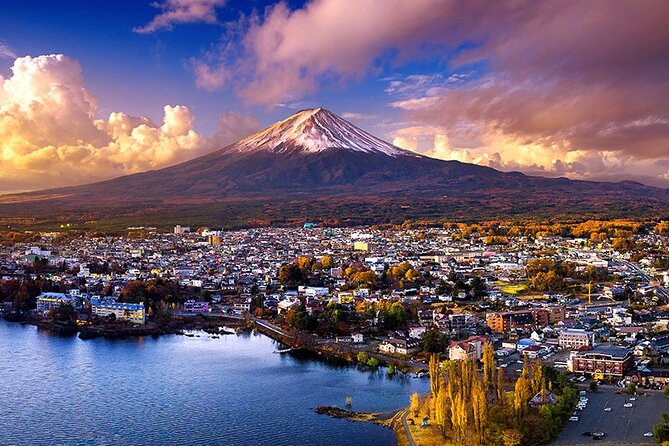
Fuji in one packed private day. This Mt Fuji private car tour turns Tokyo into a round-trip base while you visit classic spots like Oshino Hakkai and Lake Kawaguchi. You get a tight, photo-friendly circuit designed for your group, not a bus full of strangers.
I really like that you ride in a vehicle where you’re effectively the only passengers, which makes the day feel calmer and easier. You’ll also get plenty of time at each stop to stroll, buy a snack, and shoot photos without feeling rushed.
The big consideration is the weather: if visibility is poor, Mt. Fuji can hide. The tour still keeps the day moving, but your best views depend on conditions.
In This Review
- Key highlights at a glance
- Tokyo to Fuji, without the stress
- Who this suits best
- What you get for $445 per group (up to 4)
- How the day is paced (9 to 10 hours)
- Stop 1: Oshino Hakkai spring-water village
- Stop 2: Oishi Park for Fuji views and flower-season vibes
- Stop 3: Kitaguchi Hongu Fuji Sengen Jinja (Yoshida Trail entrance)
- Stop 4: Mt. Fuji 5th Station (only if weather permits)
- Stop 5: Lake Kawaguchiko lakeside time for real pacing
- Stop 6: Chureito Pagoda and the steps up to the classic view
- Stop 7 (optional): Saiko Iyashi no Sato Nenba near Lake Saiko
- The private-car magic: your driver helps more than you expect
- Weather reality: what to do if Fuji is shy
- Practical tips so you don’t waste your one day
- Price and logistics: where you might feel the cost
- Should you book this Mt. Fuji private car tour?
Key highlights at a glance
- Hotel pickup in Tokyo with round-trip transfers, so you skip the headache of trains and schedules
- A private car just for your group, meaning more flexibility if traffic or weather changes
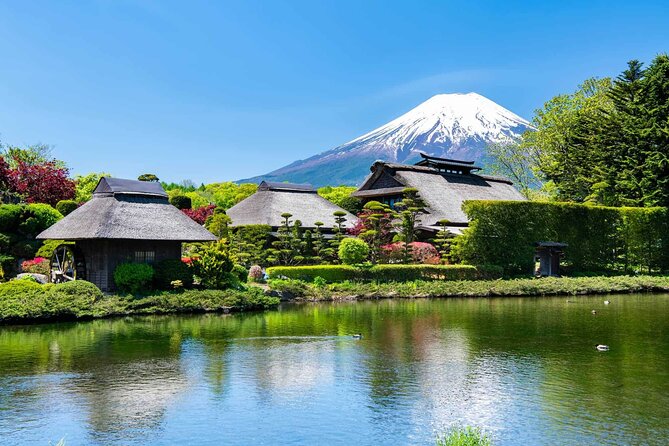
- Classic Fuji scenery in a single day: Oshino Hakkai, Oishi Park, Lake Kawaguchi, and Chureito Pagoda
- Shinto and climbing culture stops, including Kitaguchi Hongu Fuji Sengen Jinja and the Mt. Fuji 5th Station (if conditions allow)
- Optional traditional village near Lake Saiko, Saiko Iyashi no Sato Nenba, for a slower, atmospheric add-on
- English-speaking driver experience, with guides/driver types like Amir, Ali, Imran, and Zubi noted for pacing, safety, and photo help
Tokyo to Fuji, without the stress
This tour works because it’s built around logistics, not just sightseeing. You get picked up from your Tokyo hotel and returned the same way, which matters a lot on a Fuji day. The drive is long enough that doing it on your own with transfers can turn into a full-time job.
I also like the private-car setup for another simple reason: you can actually breathe at each stop. Many day trips rush you through viewpoints like you’re on a conveyor belt. Here, you’re given about an hour at each main location, which is enough time to walk a loop, grab refreshments, and still circle back for one more photo if the light changes.
One more practical point: your driver can ask you to start a bit earlier due to traffic or weather. That’s not a small detail. On Fuji routes, timing affects both comfort and what you can see.
More Fuji day trips our readers rated highly
- Mt Fuji and Hakone 1-Day Bus Tour Return by Bullet Train
★ 5.0 · 26,383 reviews - Mt Fuji & Hakone Cruise, Drum Show Bullet Train 1 Day from Tokyo
★ 4.0 · 7,413 reviews - Tokyo Mt Fuji 5th St & Hakone Cruise Bus Tour w/Bullet Train
★ 4.4 · 5,024 reviews - From Tokyo: Mount Fuji Full-Day Sightseeing Trip
★ 4.5 · 4,970 reviews
Who this suits best
This is a strong fit if you want:
- A stress-free Tokyo day trip focused on Fuji icons
- More control over your pace (you can slow down for photos or walk at a relaxed rhythm)
- Better comfort than a large group bus
It’s also not the best match if you’re very limited with walking. Some stops include step-heavy areas, like getting up toward the Chureito Pagoda viewpoint.
What you get for $445 per group (up to 4)
The price is listed as $445 per group for up to four people. Do the math and you’re effectively paying for a private car day, not per-seat. At full capacity (4 people), it can feel like decent value compared with paying for separate transport and then paying again for taxis between scattered sites.
Two reasons this often feels like good value:
- Private car + included costs. Parking fees, highway tolls, and fuel surcharge are included, so you’re not stuck with surprise add-ons just to move around the region.
- You buy time. When you’re in a private vehicle, you spend your day at stops, not waiting for connections.
Your main extra costs to plan for are:
- Lunch, since food and drinks aren’t included
- Mt. Fuji 5th Station fee (2800 yen per group) if you go there
- Saiko Iyashi no Sato Nenba (500 yen per adult) if you choose that optional stop
How the day is paced (9 to 10 hours)
Expect a full outing: about 9 to 10 hours total. The tour is structured with roughly an hour at each main stop, and the rest of the day goes to driving and buffer time.
That hour-at-each-stop rhythm is a sweet spot. It gives you time to:
- Walk and orient yourself
- Take photos, then decide if you want to linger
- Grab a quick snack without losing the group flow
You’ll also be able to tailor the day a bit. Several driver/guide examples show a pattern: helping you find the best photo angle, suggesting timing decisions, and adjusting routes when conditions shift.
Stop 1: Oshino Hakkai spring-water village
You start at Oshino Hakkai, a small village famous for spring water that runs clear and cold. This is one of those places where the scenery is subtle, not loud. The draw is the contrast: crisp, clean water scenes against the bigger Fuji backdrop.
Why this stop is worth your time:
- It’s calm and easy to enjoy at your own pace
- The area is good for photos that don’t look like they were taken from the exact same spot as everyone else
- Admission is free, so you can focus on time and walking instead of tickets
The only drawback is that visibility of Mt. Fuji here depends on weather. Even so, Oshino Hakkai is still enjoyable for its water basins and traditional feel.
Readers also shortlisted these Tokyo bookings:
- Tokyo 6hr Private Tour with Government-Licensed Guide★ 5.0 · 3,902 reviews
- Tokyo: Shinjuku Local Bar and Izakaya Guided Walking Tour★ 4.9 · 1,794 reviews
- Tokyo: Private City Highlights Tour with Local Guide★ 4.8 · 1,433 reviews
- Tokyo: Tsukiji Fish Market Guided Walking Tour★ 4.9 · 1,397 reviews
- Tokyo 4hr Private Tour with Government-Licensed Guide★ 5.0 · 1,394 reviews
Stop 2: Oishi Park for Fuji views and flower-season vibes
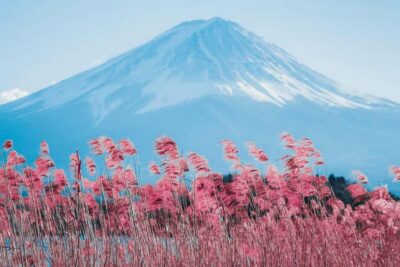
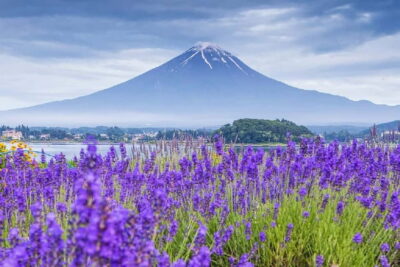
Next comes Oishi Park on the shores of Lake Kawaguchi. This is the kind of viewpoint stop that’s designed for that first real Fuji look of the day. If you’re lucky with weather, you’ll get Mount Fuji framed against the lake setting.
What you’ll likely do during your hour:
- Walk the park edges for viewpoints
- Take photos with the lake and Fuji alignment
- Grab a quick treat—soft-serve ice cream is mentioned as a classic indulgence here
Like Oshino Hakkai, admission is free. So you’re paying for time and convenience, not entry tickets.
If you want to make this stop work best: arrive ready to experiment with angles. Small shifts in position can dramatically change how Fuji lines up.
Stop 3: Kitaguchi Hongu Fuji Sengen Jinja (Yoshida Trail entrance)
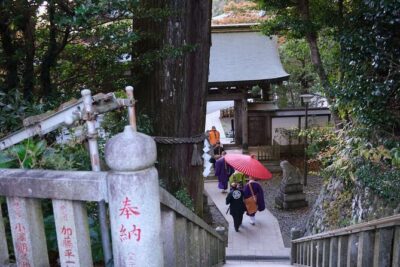
Now you switch gears from pure scenery to the spiritual and climbing culture around Mt. Fuji. Kitaguchi Hongu Fuji Sengen Jinja is a Shinto shrine at the northern foot of the mountain, closely tied to the Yoshida Trail area.
Why I think this is a smart inclusion:
- It explains the cultural reason people treat Fuji with special respect
- It adds texture to your day beyond just pictures
- It gives you a pause from open lakes and viewpoints
Admission is free, and you’ll get about an hour. That’s enough for a slow walk, a little quiet time, and photos if conditions allow.
Stop 4: Mt. Fuji 5th Station (only if weather permits)
This is the big “wow” stop, but it’s also the most weather-dependent. The Mt. Fuji 5th Station sits around 2,300 meters, and it’s one of the most popular starting points for climbers heading upward.
Important money note: the 5th Station admission is not included and costs 2800 yen per group. That’s per group, not per person, so the more people you have, the smoother it can feel.
Why it can be a highlight even when you’re not climbing:
- The elevation changes the feel of the day quickly
- It’s one of the most direct ways to experience Fuji beyond the lake views
- If the sky is clear, the perspective can be dramatic
The downside is simple: if weather is poor, the tour notes that this stop depends on conditions. Your driver may adjust timing based on traffic and visibility to help you maximize your chances.
Stop 5: Lake Kawaguchiko lakeside time for real pacing
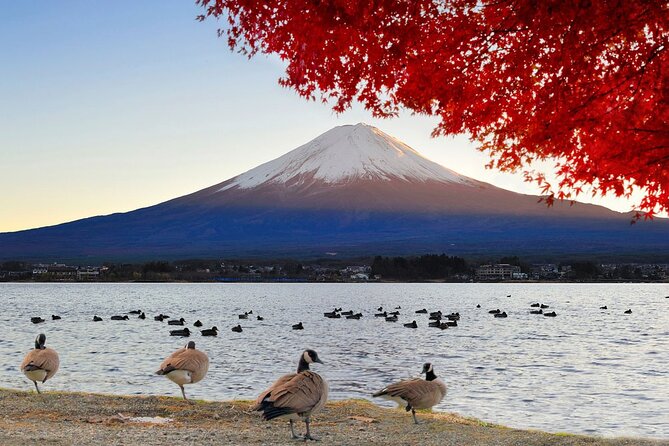
After the height of 5th Station, Lake Kawaguchiko brings you back down to a calmer, scenic rhythm. This is one of the best places to feel the full Fuji region vibe—water, eateries, and the sense that the mountain is always part of the scenery even when you’re not staring at it.
What you can do during your hour:
- Walk for lake views
- Take photos near viewpoints along the shore
- Eat if you want (there are plenty of local spots in the area)
- If you’re in the mood for it, boating and fishing are mentioned as common activities in this lakeside setting
Admission is free. This stop is often where the day becomes less “tour mode” and more “wander mode,” which is exactly why it earns its place in the itinerary.
Stop 6: Chureito Pagoda and the steps up to the classic view
Then comes one of Japan’s most recognizable Fuji-photo backdrops: Chureito Pagoda at Arakura Sengen Shrine. The key here is the climb—visitors go up a series of steps to reach the vantage area where the pagoda and Fuji can fit together.
Why it’s so popular:
- It’s iconic in shape and framing
- You get a structured photo moment, plus extra space around it to explore
This stop is free, and your hour includes time to walk up, take photos, and then wander around the shrine grounds.
A practical tip: wear comfortable shoes. The steps can be tiring if you’ve already done several stops back-to-back. A private tour helps here because you can slow down without feeling like you’re holding a big group back.
Stop 7 (optional): Saiko Iyashi no Sato Nenba near Lake Saiko
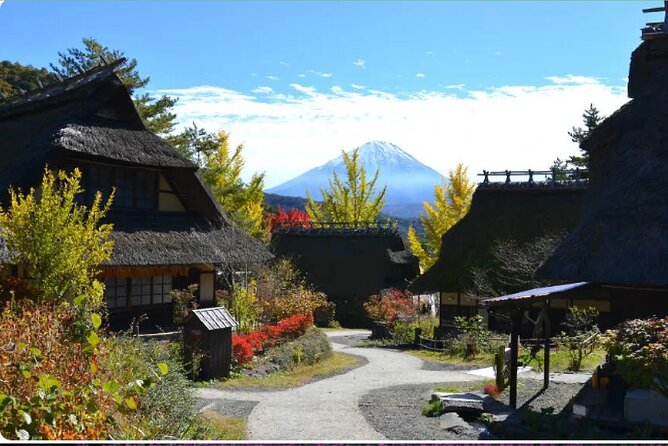
If you want one more atmosphere shift, you can add Saiko Iyashi no Sato Nenba. This optional restored traditional village near Lake Saiko leans into crafts and exploration, including thatched-roof houses.
What makes it worth considering:
- It’s a break from viewpoint-only stops
- It adds a “how people lived here” feeling
- It can be especially pleasant if you want something less crowded-feeling than a major photo spot
The fee is 500 yen per adult, and it’s not included in the base price. Your driver will only add it if it fits the day and your preferences.
The private-car magic: your driver helps more than you expect
This is a driver-led day in a good way. Even if you’re the kind of traveler who likes to read signs and map things out yourself, the driver can improve your results fast.
From the patterns in the service examples you may encounter:
- Amir is described as reaching out in advance and providing help with moving between spots and photo timing.
- Ali is noted for being punctual, safe, and friendly, with explanations from pickup to drop-off.
- Imran is highlighted for keeping options open on rainy days, including pacing choices.
- Sameer stands out for answering questions and taking great photos for the group.
- Zubi is specifically mentioned as patient and route-flexible, including for guests who aren’t as athletic.
- Mozi is praised for English skills and for finding shortcuts to strong views.
- Ishi is described as adjusting the day around your pace and even supporting extra wishes like adding Fuji-Q and helping with drop-off preferences.
- Hadi and Guru show up in feedback for making the day feel smooth and well-timed.
You don’t need your driver to be a walking encyclopedia to benefit. What you need is smart handling of timing, parking, and photo positioning—and that’s what these service examples emphasize.
Weather reality: what to do if Fuji is shy
Mt. Fuji visibility can change quickly. Your tour is built with that in mind: it’s explicitly dependent on weather, and the driver can adjust timing earlier when needed.
If the forecast looks iffy, I’d plan your mental checklist like this:
- Keep your expectations flexible. Fuji might not fill the sky all day.
- Still enjoy the stops even if Fuji is muted. Oshino Hakkai and Lake Kawaguchiko can be rewarding without a perfect mountain silhouette.
- Use your hour windows. If clouds part for ten minutes, you’ll have time to react.
Rainy day experience is also possible. A good driver will help you switch to the best sheltered photo spots and reduce wasted time in the wrong weather.
Practical tips so you don’t waste your one day
Here’s how to make the most of a private Fuji day without turning it into a checklist nightmare:
- Bring cash (or a payment method you trust) for the 5th Station fee (2800 yen per group) and the optional village fee (500 yen per adult).
- Pack a light rain layer. Fuji days often decide weather with little warning.
- Wear shoes with grip. Between shrine areas and the step climb to Chureito Pagoda, you’ll be happier if your feet feel stable.
- Eat strategically. Lunch isn’t included, so decide if you want a quick meal near Lake Kawaguchiko or plan a simple snack during your stop time.
- Use the private-car flexibility: if you see a better photo angle, ask to shift a few meters. Small moves can make a big difference.
Price and logistics: where you might feel the cost
The tour’s strength is private transportation plus included driving costs. The price can still feel high if you’re traveling solo or as a couple, because $445 is for up to four.
But it can feel more reasonable when:
- You split the cost among 3–4 people
- You’d otherwise pay multiple taxi rides and lose time navigating
- You want the comfort of a calmer day plan in a high-traffic region
One more thing to think about: this day is long. If you hate long drives, Fuji might feel like it eats your vacation energy. If you like big scenery days, this is designed for that.
Should you book this Mt. Fuji private car tour?
Book this tour if you want a Fuji day that’s built around convenience and photo-ready stops. The hotel pickup and private-car setup are the real selling points, especially if you’re staying in Tokyo and don’t want to spend your day managing transport.
Skip it or consider alternatives if:
- You’re chasing the absolute best odds of a clear Mt. Fuji view and don’t want to pay for weather dependency
- You’d rather travel independently and you’re comfortable piecing together local transport
- You have very limited mobility, because some stops involve steps and walking
If your goal is a smooth, classic Mt. Fuji circuit—Oshino Hakkai, Oishi Park, shrine culture, Lake Kawaguchiko, and Chureito Pagoda—this private tour is one of the most practical ways to do it in a single day.
More Tours in Tokyo
- Mt Fuji and Hakone 1-Day Bus Tour Return by Bullet Train
★ 5.0 · 26,383 reviews - 1-Day Tokyo Bus Tour
★ 5.0 · 14,250 reviews - Tokyo: Shinjuku Food Tour (13 Dishes at 4 Local Eateries)
★ 5.0 · 6,603 reviews - Tokyo Mt Fuji 5th St & Hakone Cruise Bus Tour w/Bullet Train
★ 4.4 · 5,024 reviews - Flagship 2-Hours Official Street Go-Kart Tour – Tokyo Bay Shop
★ 5.0 · 4,974 reviews
More Tour Reviews in Tokyo
- Mt Fuji and Hakone 1-Day Bus Tour Return by Bullet Train
★ 5.0 · 26,383 reviews - 1-Day Tokyo Bus Tour
★ 5.0 · 14,250 reviews - Tokyo: teamLab Planets TOKYO Digital Art Museum Entry Ticket
★ 4.6 · 9,779 reviews - Mt Fuji & Hakone Cruise, Drum Show Bullet Train 1 Day from Tokyo
★ 4.0 · 7,413 reviews - Tokyo: Shinjuku Food Tour (13 Dishes at 4 Local Eateries)
★ 5.0 · 6,603 reviews
More Mount Fuji Days We Have Reviewed
- Mt Fuji and Hakone 1-Day Bus Tour Return by Bullet Train
★ 5.0 · 26,383 reviews - Mt Fuji & Hakone Cruise, Drum Show Bullet Train 1 Day from Tokyo
★ 4.0 · 7,413 reviews - Tokyo Mt Fuji 5th St & Hakone Cruise Bus Tour w/Bullet Train
★ 4.4 · 5,024 reviews - From Tokyo: Mount Fuji Full-Day Sightseeing Trip
★ 4.5 · 4,970 reviews - Tokyo: Mt. Fuji Tour, Hakone Ropeway, Owakudani, Lake Ashi
★ 4.7 · 4,002 reviews
Latest Tokyo reviews off our desk

Mount Fuji Tours, compared.
 ★ 5.0Mt Fuji and Hakone 1-Day Bus Tour Return by Bullet TrainFrom $16326,383 reviews
 ★ 4.0Mt Fuji & Hakone Cruise, Drum Show Bullet Train 1 Day from TokyoFrom $1497,413 reviews
 ★ 4.4Tokyo Mt Fuji 5th St & Hakone Cruise Bus Tour w/Bullet TrainFrom $1545,024 reviews
 ★ 4.5From Tokyo: Mount Fuji Full-Day Sightseeing TripFrom $684,970 reviews
 ★ 4.7Mt. Fuji Tour, Hakone Ropeway, Owakudani, Lake AshiFrom $544,002 reviews
 ★ 4.4Mt.Fuji,Kawaguchiko Oishi Park,Arakurayama Sengen ParkFrom $542,682 reviews
 ★ 4.2Mt. Fuji 5th Station & Hakone Cruise 1-Day Bus TourFrom $1292,381 reviews
 ★ 4.7Mt Fuji Top 5 Spots Day Tour: Arakurayama Park,Oshino HakkaiFrom $532,066 reviews
Browse the lists this tour appears in