
Reviewed · MOUNT FUJI TOURS
Mt. Fuji Five Lakes Private Tour with Licensed Guide (Tokyo DEP)
That Fuji photo is never just a photo. It’s a full day built around viewpoints, lakes, and shrine stops in the Five Lakes area, guided end-to-end with a licensed English-speaking pro. The big draw here is that you pick 3 to 4 spots, and the guide builds the day around you, from meeting point to train/bus rhythm.
I especially like two things: the customizable itinerary (so you’re not stuck in a one-size-fits-all loop), and the way the guide approach blends sights with context. In past days, guides like Mura san and Hide have shown up as highly professional and genuinely fun teachers, not just point-and-shoot escorts.
One possible drawback: this is walking + public transport with no private vehicle, so you’ll want to plan for transfers and extra time, and you may need to pay transport and most entrance fees out of pocket.
In This Review
- Key highlights you’ll feel in the real world
- A Fuji day built around choices, not a rigid checklist
- Getting from Tokyo to the Five Lakes: trains, buses, and time math
- Mt. Kachi Kachi Ropeway up to Mt Tenjo: the view option when the weather cooperates
- Chureito Pagoda and Arakurayama Shrine: the Mt. Fuji postcard that still feels special
- Oshino Hakkai: seven-ish ponds, one simple story of snowmelt life
- Kitaguchi Hongu Fuji Sengen Jinja: the shrine stop that ties the mountain together
- Narusawa Ice Cave plus Lake Kawaguchiko and Lake Yamanaka: two kinds of nature time
- Narusawa Ice Cave
- Lake Kawaguchiko
- Lake Yamanaka
- Food and small extras: what to plan beyond the sightseeing
- Price and logistics: is $286.14 per person good value?
- Weatherproofing: when trains fail, the guide makes or breaks the day
- Who this Mt. Fuji Five Lakes private tour suits best
- Should you book this tour?
- FAQ
- How long is the Mt. Fuji Five Lakes private tour?
- Is this tour private?
- Can I choose which sights to visit?
- Do you provide a private vehicle?
- What’s included in the price?
- What costs are not included?
- What if I need to cancel?
Key highlights you’ll feel in the real world
- Licensed English guidance with real flexibility: you choose 3–4 sites, and the itinerary adjusts to your interests.
- Public transport, not a private car: you get the local flow, but you handle train/bus logistics and fees.
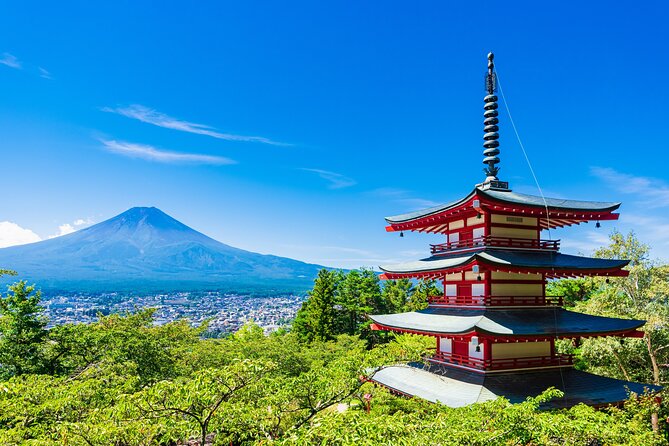
- Classic Mt. Fuji anchors: Chureito Pagoda, ropeway summit views, Oshino Hakkai ponds.
- A nice mix of easy views and one bigger nature stop: the lakes and the Narusawa Ice Cave contrast well.
- Good backup when plans go sideways: guides like Hide have handled snow/train disruptions by pivoting the day.
A Fuji day built around choices, not a rigid checklist
This is a private tour with a government licensed guide, and the whole point is that you don’t have to do every single famous stop in the Five Lakes area. After you book, the licensed guide contacts you to plan a personalized route where you choose 3 to 4 sites from the set of options.
That matters because Fuji days can be hit-or-miss depending on clouds, season, and timing. When you can choose, you can steer the day toward what you care about most: iconic viewpoints, cultural stops, or a longer feel for nature. It’s also just less stressful. Instead of sprinting across the map, you can pace the day like you’re actually exploring.
The tone from the guide side is part of the value too. In earlier trips, Mura san stood out for being professional and covering culture and history alongside the sights. Hide also impressed with humor and last-minute thinking when things didn’t go as planned.
More Fuji day trips our readers rated highly
- Mt Fuji and Hakone 1-Day Bus Tour Return by Bullet Train
★ 5.0 · 26,383 reviews - Mt Fuji & Hakone Cruise, Drum Show Bullet Train 1 Day from Tokyo
★ 4.0 · 7,413 reviews - Tokyo Mt Fuji 5th St & Hakone Cruise Bus Tour w/Bullet Train
★ 4.4 · 5,024 reviews - From Tokyo: Mount Fuji Full-Day Sightseeing Trip
★ 4.5 · 4,970 reviews
Getting from Tokyo to the Five Lakes: trains, buses, and time math
The day starts with a meet-up in Tokyo, and your guide meets you in a designated area—either near Shinjuku station or sometimes at your hotel. Then you head to the Kawaguchi area by train or bus, with travel time around 2 hours each way.
Two practical things to understand up front:
- Transport isn’t included. The tour explicitly says you’ll pay transportation fees (train/bus). Your guide can help you figure out which route is best for your schedule, but you should still budget.
- Timing is everything. A 10-hour day sounds generous until you add transfers, ticket lines (where they apply), and walking between photo spots. Build in a little buffer.
You also get a small operational benefit: there’s a mobile ticket, which can reduce friction on the day, but you’ll still want to have your own cash/IC cards ready for anything not included.
Mt. Kachi Kachi Ropeway up to Mt Tenjo: the view option when the weather cooperates
One of the most “easy view, big payoff” stops is the Mt. Kachi Kachi Ropeway. It runs from the Kawaguchiko area up to the summit of Mt. Tenjo, and the payoff is the kind of wide landscape view that helps you place Fuji in context—lake in front, mountains circling, and a sense of scale you don’t get from the ground.
This stop takes about 1 hour, and the ropeway admission isn’t included, so treat it like your main paid-choice item on the day. If you’re choosing your 3–4 spots, this is often a good candidate when you want a high-angle look without committing to a long hike.
Best way to think about it: the ropeway is a trade. You spend some money and a fixed chunk of time, but you buy back effort and you get a clearer “big picture” photo possibility.
Chureito Pagoda and Arakurayama Shrine: the Mt. Fuji postcard that still feels special
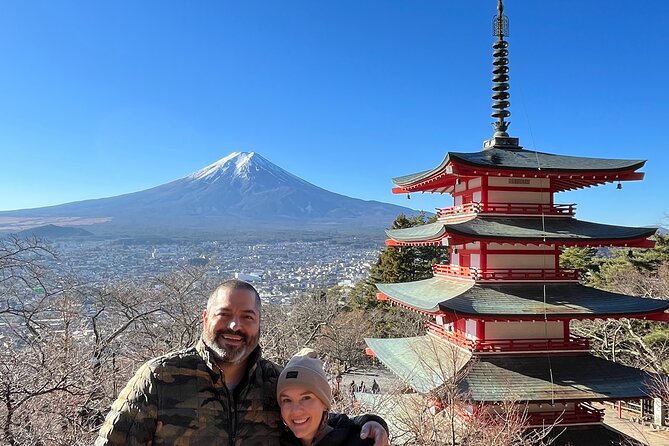
Next up is the famous Chureito Pagoda, part of the Arakurayama Sengen Shrine area in Fujiyoshida. This is the classic scene: the red five-storied pagoda with Fuji framed behind it.
In the schedule, this is about 1 hour. That’s enough time to:
- Get to the main viewpoints at a comfortable pace
- Walk the surrounding shrine grounds without feeling rushed
- Take photos from at least a couple angles (because framing changes with your position)
The admission note here is “not included,” which usually means you should confirm on the ground whether there are any paid areas. In practice, this stop is often more about timing and patience than tickets. If Fuji is visible that day, this is usually the moment you’ll remember.
Oshino Hakkai: seven-ish ponds, one simple story of snowmelt life
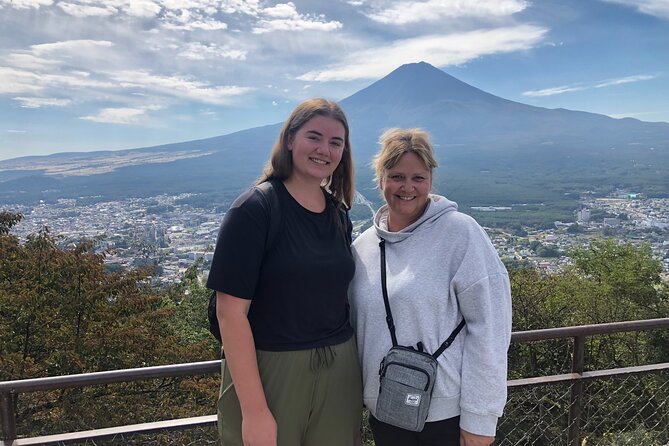
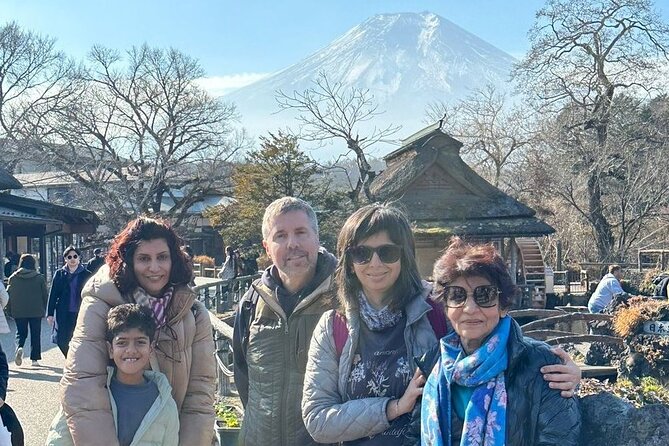
Oshino Hakkai is a traditional-style area near the Five Lakes, built around eight ponds fed by spring water that comes from Mt. Fuji’s snowmelt. It’s not just scenery—it’s a clear example of how the mountain’s water system shapes life around the lakes.
In the schedule it’s about 30 minutes, and admission isn’t included. That length is right. You’re not trying to “complete” a village; you’re collecting the feel: pond reflections, the water-source idea, and a slower tempo compared to the big photo spots.
When you’re planning your 3–4 site mix, Oshino Hakkai works well as a cultural counterweight. If you pick ropeway + pagoda, add Oshino to cool down the day and give yourself something calmer between peak viewpoint moments.
Readers also shortlisted these Tokyo bookings:
- Tokyo 6hr Private Tour with Government-Licensed Guide★ 5.0 · 3,902 reviews
- Tokyo: Shinjuku Local Bar and Izakaya Guided Walking Tour★ 4.9 · 1,794 reviews
- Tokyo: Private City Highlights Tour with Local Guide★ 4.8 · 1,433 reviews
- Tokyo: Tsukiji Fish Market Guided Walking Tour★ 4.9 · 1,397 reviews
- Tokyo 4hr Private Tour with Government-Licensed Guide★ 5.0 · 1,394 reviews
Kitaguchi Hongu Fuji Sengen Jinja: the shrine stop that ties the mountain together
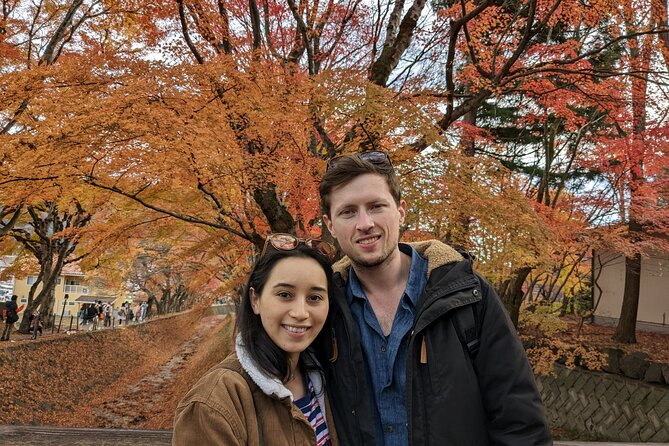
The Kitaguchi Hongu Fuji Sengen Jinja (often called Fujiyoshida Sengen Shrine in casual references) sits on the north side of Mt. Fuji between Lake Kawaguchi and Lake Yamanaka. This shrine stop is about 1 hour, and admission isn’t included.
Why include it when you already have the pagoda? Because it helps connect the Fuji viewing experience to the spiritual framing local people have for the mountain. You’ll be looking at a landscape that’s not only “pretty”—it’s meaningful.
Also, shrine grounds are usually flexible for pacing. You can stroll, pause, and still feel like you’re moving with purpose rather than running on an agenda.
Narusawa Ice Cave plus Lake Kawaguchiko and Lake Yamanaka: two kinds of nature time
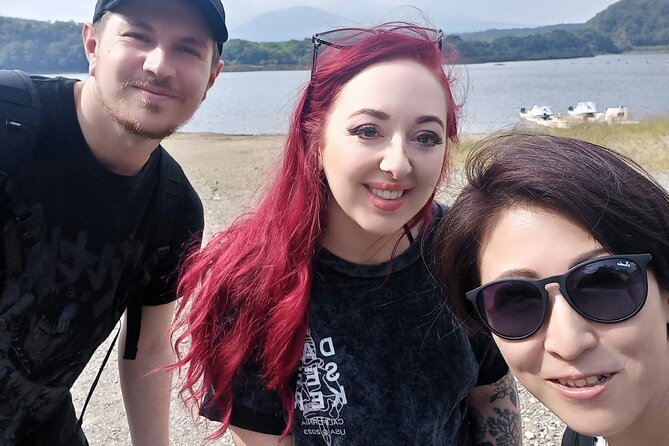
The itinerary’s nature segment is where the day gets more interesting.
Narusawa Ice Cave
The Narusawa Ice Cave is a lava cave in the Aokigahara forest area, about 153 meters. You can walk through inside and see ice pillars and ice walls that can be present all year. This stop is about 1 hour.
It’s a good choice when you want something that feels different from the usual Fuji/lake photo loop. You’re trading open-air views for a controlled, cool interior experience where the “wow” comes from geology and temperature, not just skyline framing.
Lake Kawaguchiko
Then you shift to Lake Kawaguchiko, one of the most visited lakes in the Fuji Five Lakes region. The schedule gives it about 30 minutes with free admission. Views tend to be best from the eastern end, where Mt. Fuji lines up more often with the lake setting.
Lake Yamanaka
Finally, Lake Yamanaka (Lake Yamanakako) takes another 30 minutes and also notes free admission. It’s the largest of the five lakes, and it’s known for decent Fuji views along parts of the less developed northern shore. The schedule also mentions swan boat rides as a known feature, though those rides would be separate from the tour time and costs.
Taken together, this is a strong structure:
- A cave stop gives you an indoor geology break
- The lakes give you photo time and a more relaxed pace
- You end with a sense of the mountain’s presence across water, not just from a single landmark
Food and small extras: what to plan beyond the sightseeing
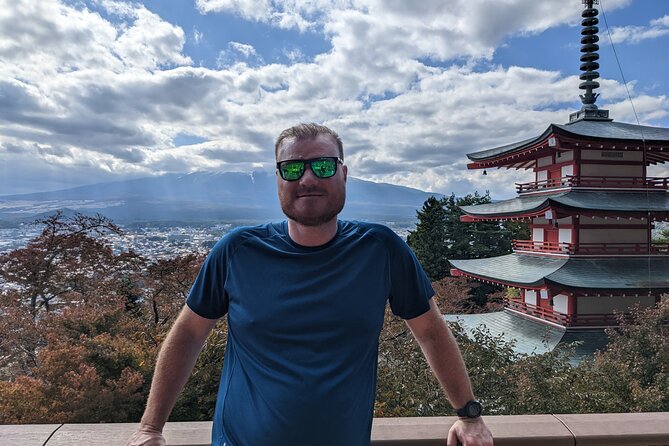
The tour description points to local noodle dishes like Houtou and Yoshida Udon. Since lunch isn’t included, you’ll likely want to use the free time and guide advice to find a good spot that matches your pace.
It also notes you can pick up a bottle of Yamanashi wine or fresh fruits after your tour. That’s a nice idea because the day is long, and Fuji sightseeing can burn energy. Having something simple to take back or snack on makes the end of the day feel complete.
Practical tip: if you’re planning food, ask your guide how timing affects lunch options. With a 10-hour day and paid add-ons like ropeway, you don’t want lunch to turn into a time sink.
Price and logistics: is $286.14 per person good value?
At $286.14 per person for about 10 hours, you’re paying for a licensed English guide and a private format where your day can be shaped around you. The catch is that the tour price does not include transport fees, entrance fees (most stops), and lunch.
So the true cost depends on what you choose from the 3–4 sites list and whether you add paid activities like the ropeway and cave entry. In return, you get:
- A guide who can help plan what makes sense for your interests
- Fewer wasted hours figuring things out on your own
- A smoother day across multiple lakes and landmarks
This tour is usually a strong value when you:
- Want less guesswork than DIY planning
- Care about getting Fuji area logistics right (meeting point, route choice, timing)
- Prefer a private experience over joining a larger group
It’s a weaker value when you already have everything mapped and you don’t want to pay for guidance—especially since you still cover major costs like transport and entrances.
Weatherproofing: when trains fail, the guide makes or breaks the day
A Fuji day can be derailed fast. Snow, cancellations, or transport disruptions aren’t theoretical.
In earlier experiences, Hide handled a scenario where the Mt. Fuji Five Lakes plan couldn’t happen because trains weren’t running. He didn’t just cancel with a shrug—he pivoted and built a fun, informative Tokyo city tour replacement on the spot. Another guide, Mura san, came through with professional, educational guidance and a steady, light approach that kept the day moving.
You can’t assume every disruption will be solved, but you can choose a tour format where your guide has the authority and mindset to adapt. That’s what you’re really buying: responsiveness.
Who this Mt. Fuji Five Lakes private tour suits best
This works especially well for:
- Couples or small groups who want Fuji without the stress of DIY train changes
- Travelers who like a mix of iconic viewpoints + cultural context (shrines, water story at Oshino)
- People who want to choose 3–4 stops instead of trying to “check them all off”
- Anyone who values having a guide who can pivot if the weather or rail system gets weird
It may not be ideal if:
- You’re on a very tight budget for entrance tickets and transport
- You hate walking and transfers (since it’s explicitly walking/public transport)
- You want a private vehicle experience—this one does not provide it
Should you book this tour?
If your priority is a guided, private Fuji day with a licensed English guide and smart flexibility, I’d say yes, especially if you like the idea of choosing your own 3–4 stops. The structure makes it easier to enjoy the Five Lakes area without turning your day into a logistics project.
If you’re the type who wants full cost clarity upfront, double-check what you’ll likely pay for transport and entrances on your chosen site mix. Do that, and you’ll know whether the $286.14 base plus extras is the right deal for how you like to travel.
FAQ
How long is the Mt. Fuji Five Lakes private tour?
It’s listed as about 10 hours.
Is this tour private?
Yes. It’s a private tour/activity, and only your group participates.
Can I choose which sights to visit?
Yes. After booking, you work with the licensed guide to choose 3 to 4 sites.
Do you provide a private vehicle?
No. The tour is described as walking/public transport, and no private vehicle is provided.
What’s included in the price?
Included items are the licensed local English-speaking guide, the customizable walking tour of your chosen sites, and meeting up with your guide in the designated Tokyo area. Mobile ticket is also mentioned.
What costs are not included?
Not included: transportation fees, entrance fees, lunch, and other personal expenses.
What if I need to cancel?
You can cancel for a full refund up to 24 hours in advance of the experience’s start time. If you cancel less than 24 hours before, the amount paid isn’t refunded.
More Tours in Tokyo
- Mt Fuji and Hakone 1-Day Bus Tour Return by Bullet Train
★ 5.0 · 26,383 reviews - 1-Day Tokyo Bus Tour
★ 5.0 · 14,250 reviews - Tokyo: Shinjuku Food Tour (13 Dishes at 4 Local Eateries)
★ 5.0 · 6,603 reviews - Tokyo Mt Fuji 5th St & Hakone Cruise Bus Tour w/Bullet Train
★ 4.4 · 5,024 reviews - Flagship 2-Hours Official Street Go-Kart Tour – Tokyo Bay Shop
★ 5.0 · 4,974 reviews
More Tour Reviews in Tokyo
- Mt Fuji and Hakone 1-Day Bus Tour Return by Bullet Train
★ 5.0 · 26,383 reviews - 1-Day Tokyo Bus Tour
★ 5.0 · 14,250 reviews - Tokyo: teamLab Planets TOKYO Digital Art Museum Entry Ticket
★ 4.6 · 9,779 reviews - Mt Fuji & Hakone Cruise, Drum Show Bullet Train 1 Day from Tokyo
★ 4.0 · 7,413 reviews - Tokyo: Shinjuku Food Tour (13 Dishes at 4 Local Eateries)
★ 5.0 · 6,603 reviews
More Mount Fuji Days We Have Reviewed
- Mt Fuji and Hakone 1-Day Bus Tour Return by Bullet Train
★ 5.0 · 26,383 reviews - Mt Fuji & Hakone Cruise, Drum Show Bullet Train 1 Day from Tokyo
★ 4.0 · 7,413 reviews - Tokyo Mt Fuji 5th St & Hakone Cruise Bus Tour w/Bullet Train
★ 4.4 · 5,024 reviews - From Tokyo: Mount Fuji Full-Day Sightseeing Trip
★ 4.5 · 4,970 reviews - Tokyo: Mt. Fuji Tour, Hakone Ropeway, Owakudani, Lake Ashi
★ 4.7 · 4,002 reviews
Latest Tokyo reviews off our desk






Mount Fuji Tours, compared.
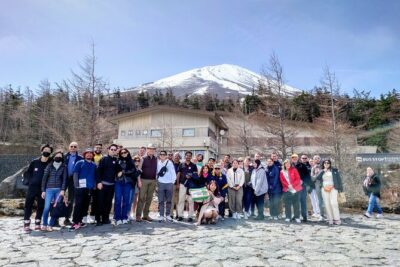 ★ 5.0Mt Fuji and Hakone 1-Day Bus Tour Return by Bullet TrainFrom $16326,383 reviews
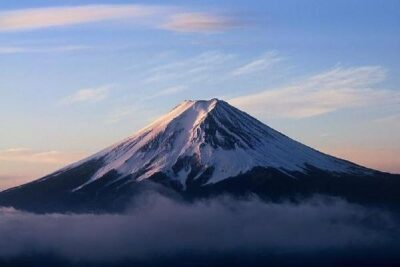 ★ 4.0Mt Fuji & Hakone Cruise, Drum Show Bullet Train 1 Day from TokyoFrom $1497,413 reviews
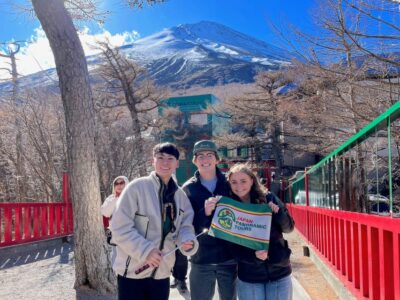 ★ 4.4Tokyo Mt Fuji 5th St & Hakone Cruise Bus Tour w/Bullet TrainFrom $1545,024 reviews
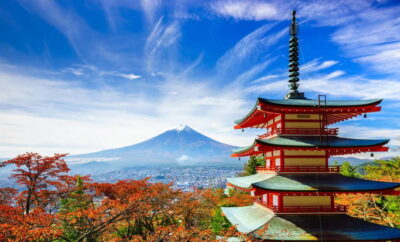 ★ 4.5From Tokyo: Mount Fuji Full-Day Sightseeing TripFrom $684,970 reviews
 ★ 4.7Mt. Fuji Tour, Hakone Ropeway, Owakudani, Lake AshiFrom $544,002 reviews
 ★ 4.4Mt.Fuji,Kawaguchiko Oishi Park,Arakurayama Sengen ParkFrom $542,682 reviews
 ★ 4.2Mt. Fuji 5th Station & Hakone Cruise 1-Day Bus TourFrom $1292,381 reviews
 ★ 4.7Mt Fuji Top 5 Spots Day Tour: Arakurayama Park,Oshino HakkaiFrom $532,066 reviews