
Reviewed · MOUNT FUJI TOURS
Mt Fuji, Takayama, Nagano Private Tour w Local guide/photographer
Mount Fuji in your lens, Nagano in your legs. This private 3-day tour is built for easy going logistics and photo-friendly stops led by Kye, a Japan-born half-Australian semi-pro photographer who brings quick jokes and practical directions. You’ll like the way the pace is managed: you get set viewpoints, temple time that doesn’t feel like a stampede, and room to actually look up instead of just walking.
I also like that Takayama is positioned as the slower, more local contrast to the headline cities, and it’s described as miniature Kyoto without the same crush. The main drawback to consider is the schedule is very “highlights packed,” so while it’s private and flexible, you’ll want to treat transport time as part of the experience.
In This Review
- Key things you’ll really notice
- Kye’s guide style: jokes, photos, and not getting lost
- Getting around: a 2023 Land Cruiser Prado with pickup and onboard WiFi
- Day 1: Mount Fuji photo spots, then quick hits in Kyoto Prefecture and Sapporo
- Day 2: Osaka thrills, Takayama’s calmer feel, and a beach reset in Okinawa
- Nagano day: snow monkeys in hell valley, red pandas, and Zenko-ji calm
- Hakuba and Shiga Kogen: powder-snow country plus soba and sake culture
- Matsumoto Castle: inside access and a built-in photo win
- Price and value: what $39,021.51 per group buys you
- Who this tour suits best
- Should you book the Mt Fuji, Takayama, Nagano private tour?
- FAQ
- How many people are in a group for this private tour?
- Is pickup included?
- What vehicle and onboard features are included?
- Are meals included in the tour price?
- Which major attractions have admissions listed as not included?
- What time length is this tour and where does it start/end?
Key things you’ll really notice
- Kye as a local guide and photographer: you’ll get guidance that helps you frame shots, not just follow along.
- Private group up to 4: easier conversations, fewer waiting moments, and a pacing style you can match.
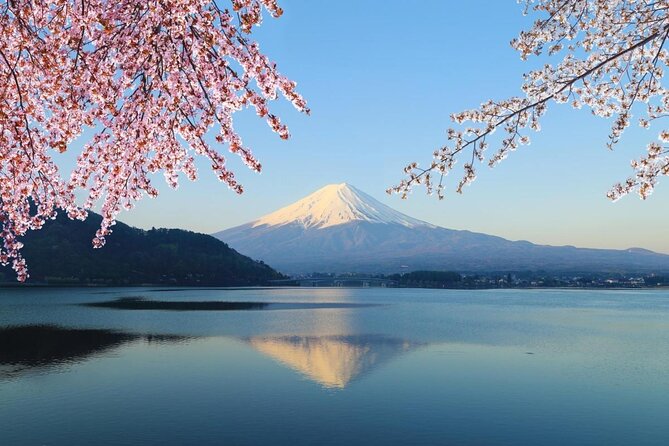
- Mount Fuji viewpoints built for photos: short, focused stops designed to maximize the view.
- Nagano’s snow monkey day: Jigokudani Yaen-Koen is the centerpiece, with the details about its sulfur landscape.
- Local culture beyond sightseeing: soba-making lesson and a sake brewery tasting stop.
- Mix of Zen and animals: Zenko-ji temple calm plus red pandas at Chausuyama Zoo.
Kye’s guide style: jokes, photos, and not getting lost
This tour’s real secret sauce is the person guiding it. Kye is a semi-pro photographer, so the emphasis isn’t only on “where to go.” It’s also on how to stand, when to look, and how to make the views work with your camera or phone.
What I like for you is how that plays out in practical ways. When a stop is short, a photographer’s brain helps you use the time well—finding the right angles fast and avoiding the usual back-and-forth. When a stop is cultural, like temples and traditional food making, he can shift the tone so you’re not just sightseeing. You’re understanding.
And yes, the humor matters. Japan can be smooth, but it can also be confusing. A guide who’s quick with jokes and clear directions can make the whole day feel lighter—especially when you’re juggling multiple places in a compact timeline.
More Fuji day trips our readers rated highly
- Mt Fuji and Hakone 1-Day Bus Tour Return by Bullet Train
★ 5.0 · 26,383 reviews - Mt Fuji & Hakone Cruise, Drum Show Bullet Train 1 Day from Tokyo
★ 4.0 · 7,413 reviews - Tokyo Mt Fuji 5th St & Hakone Cruise Bus Tour w/Bullet Train
★ 4.4 · 5,024 reviews - From Tokyo: Mount Fuji Full-Day Sightseeing Trip
★ 4.5 · 4,970 reviews
Getting around: a 2023 Land Cruiser Prado with pickup and onboard WiFi
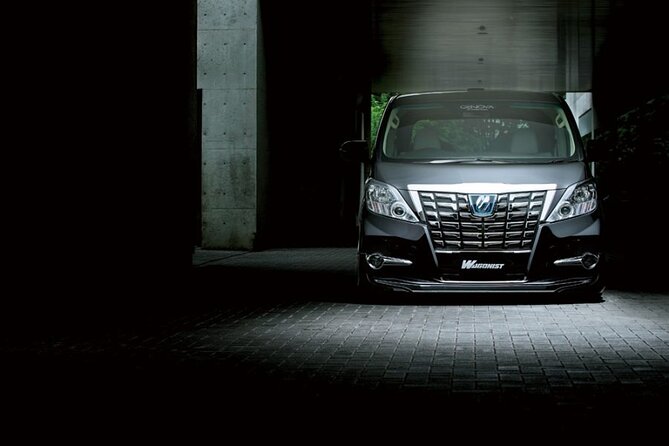
You’re not doing this as a maze of trains and transfers. You’ll ride in an air-conditioned vehicle with WiFi on board, plus pickup is offered. The standard car is a 2023 Toyota Land Cruiser Prado, and there’s also an option for a Japanese luxury van if you want more space.
For value, this matters more than it sounds. A private driver-style format saves mental energy. You don’t have to calculate connections, line up with strangers, or guess which station entrance is correct when you’re tired.
Also, the tour uses a mobile ticket. That’s the kind of small thing that reduces stress when you’re moving quickly between sites. And since it’s designed as a private experience, it’s only your group—so you won’t be waiting for anyone else’s pace.
Day 1: Mount Fuji photo spots, then quick hits in Kyoto Prefecture and Sapporo
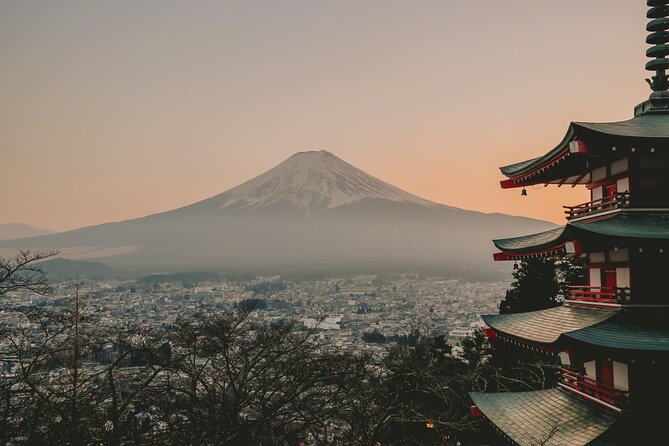
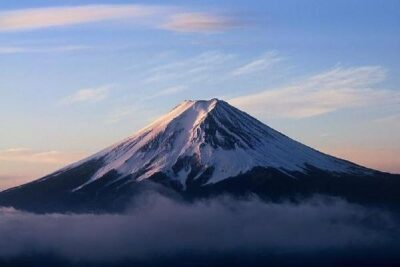
Day 1 starts with the big visual payoff: Mount Fuji. You’ll enjoy the majestic view from several photo spots, with about an hour on this first highlight. Since admission is listed as free for this stop, you’re not wasting time negotiating tickets early in the day.
What makes this feel worthwhile is the “photo spot” approach. Instead of a single viewpoint, you get multiple angles. That’s useful because Mount Fuji changes minute to minute with haze, cloud cover, and lighting. Even if the weather isn’t perfect, you’ll likely still walk away with at least a couple of keepers.
From there, the day continues through other included highlights: Kyoto Prefecture (1 hour) and Sapporo (1 hour). The descriptions focus on old-capital atmosphere for Kyoto Prefecture, and on Sapporo’s food and climate. You’ll want to treat this day as a “hit the highlights” structure—more about switching scenes than deep time in one place.
Possible consideration: because Day 1 is multiple locations, you’ll likely spend more time in transit than on a slow, one-district itinerary. If you prefer one neighborhood per day, this format might feel like a sprint.
Day 2: Osaka thrills, Takayama’s calmer feel, and a beach reset in Okinawa
Day 2 keeps the variety going. You’ll do Osaka first, with a long stop (about 7 hours) centered on a major theme-park style experience. The description leans into the adrenaline side: speed, height, and fear-factor attractions. Admission is listed as free for this stop, which is a nice budget relief if you were planning your day around paid entry.
Then you head to Takayama, described as rural and north of Nagoya, often called miniature Kyoto. The big pitch is history you can actually slow down for, plus a town that’s not overcrowded yet. If you’ve ever felt like Japan’s biggest sights can feel like a line instead of a place, Takayama is positioned as the antidote.
Finally, the day includes Okinawa Prefecture (about 1 hour), framed as a beach resort reset. Even if your time there is short, it’s a different mood than temples and castles—more about loosening up and feeling the shift in Japan’s regional character.
One drawback to plan for: when a day includes a theme park, a traditional town, and a beach region reference all together, you’ll want flexible energy. It’s a private tour, so pacing can be adjusted within reason, but the structure is still “many scenes.”
Nagano day: snow monkeys in hell valley, red pandas, and Zenko-ji calm
Day 3 is where the itinerary gets most specific—and frankly, most magical if you’re into nature, winter vibes, and smaller cultural moments.
The centerpiece is Jigokudani Yaen-Koen. You’ll spend around 2 hours here. The description explains that Jigokudani literally means hell valley, and that sulfur makes plant growth difficult. That detail actually helps you understand the setting you’ll see: it’s not just a cute animal stop; it’s a harsh landscape that red-faced snow monkeys have adapted to in a semi-natural habitat.
Right after that animal highlight, you’ll add Chausuyama Zoo for about 1 hour, with red pandas as the focus. It’s a lighter, cute-counterbalance to the snow monkey world. If you like animals but don’t want every stop to be a long walk, this is a good pacing choice.
Then comes Zenko-ji. The tour includes Zenko-ji temple time (about 1 hour) and also an elegant traditional path that leads to Zenkoji (about 1 hour). The descriptions point out this is a more traditional temple experience than some you’ll see in Tokyo, and that it tends to feel less crowded, giving a more spiritual feel.
Practical tip for you: temple days reward patience. Even when a stop is “only” an hour, take a minute to step away from the main flow and watch how the space feels. That’s often where the calm shows up.
Readers also shortlisted these Tokyo bookings:
- Tokyo 6hr Private Tour with Government-Licensed Guide★ 5.0 · 3,902 reviews
- Tokyo: Shinjuku Local Bar and Izakaya Guided Walking Tour★ 4.9 · 1,794 reviews
- Tokyo: Private City Highlights Tour with Local Guide★ 4.8 · 1,433 reviews
- Tokyo: Tsukiji Fish Market Guided Walking Tour★ 4.9 · 1,397 reviews
- Tokyo 4hr Private Tour with Government-Licensed Guide★ 5.0 · 1,394 reviews
Hakuba and Shiga Kogen: powder-snow country plus soba and sake culture
After Zenko-ji, the tour shifts into Nagano’s food and winter-sports energy.
You’ll have time at Hakuba Goryu Ski Resort / Alpine Botanical Garden (around 2 hours). The description calls Hakuba well known in the off-piste community and highlights it as a powder snow destination. Admission is not included for this stop, so budget for tickets if you plan to enter areas that require payment.
Next is Shiga Kogen (about 1 hour), also described as a ski resort area next to the snow monkeys with great snow. Admission isn’t included here either, so again, keep a little extra money set aside.
Then you switch from snow country to local hands-on food culture at Togakushi Soba Museum Tonkururin (about 2 hours). This one is about learning: you’ll make traditional Japanese soba from scratch. That’s the kind of experience that feels personal because you’re not only watching. You’re doing. And even if your first batch isn’t perfect, it gives you a real reason to remember the region.
Finally, there’s Endo Sake Brewery (about 1 hour) for tastings. The description says the area has more than 10 sake breweries, and this stop fits right into that tradition. If you enjoy pairing food and place, this is a satisfying way to end the day: taste local products and connect them to what you just learned and walked through.
Matsumoto Castle: inside access and a built-in photo win
The last major cultural stop is Matsumoto Castle. You’ll spend about 1 hour here, and the description notes that it’s one of Japan’s treasured castles and that you can go inside. The main tower is described as five-tiered and six-story, built in the late 16th century, and as the oldest surviving castle tower in the nation.
For value, the “go inside” part matters. Castles are one of those things where the outside is impressive, but the interior experience can change how you understand the place. It’s also a great photo stop because castle angles often look better from a few different directions than from one single spot.
If you’re a photo person, try to time your photos so you’re not only shooting the tower head-on. Look for how the surrounding paths lead the eye toward the structure.
Price and value: what $39,021.51 per group buys you
This tour lists $39,021.51 per group, up to 4 people, for roughly 3 days. That number sounds huge until you translate it into what a private, multi-stop itinerary really includes: a private vehicle (air-conditioned), WiFi, pickup offered, and a local guide who also functions as a photographer—meaning you’re paying for time and coordination, not just admission tickets.
Meals are not included, and fuel and tolls are not included. Also, some admissions are free on the day-of stops (like Mount Fuji and Zenko-ji), while others are not included (like Jigokudani Yaen-Koen and the red panda zoo, plus some Nagano sites). So your real total depends on which paid entries you choose to use and how much you eat along the way.
Where this format tends to be worth it:
- You want private pacing and fewer decision headaches.
- You care about photo angles and want help getting them fast.
- You’re trying to hit multiple regions in a short time and still want the day to feel smooth.
Where it might not be worth it:
- If you’re traveling solo on a budget and don’t mind sorting train times yourself.
- If you prefer slow, single-area days with long stays and minimal transfers.
One more practical note: the experience is non-refundable and can’t be changed for any reason. If your dates are even slightly uncertain, that’s worth thinking through before you commit.
Who this tour suits best
This is a strong fit for you if:
- You want a private up-to-4 experience with fewer logistics headaches.
- You care about photos and want a guide who thinks like one.
- You like variety: nature, temples, food lessons, animal viewing, and castles, all in one compact trip.
It’s less ideal if:
- You hate fast pacing and prefer one place per day.
- You want everything deeply timed and uncompressed. This is a highlight-and-move itinerary.
Also, since it’s designed with “most travelers can participate,” it’s generally approachable for a wide range of people. Just remember that stops like snow monkey viewing are outdoors and you’ll want sensible footwear and warm layers.
Should you book the Mt Fuji, Takayama, Nagano private tour?
If you’re trying to do three big Japan stories in one trip—Mount Fuji, a quieter regional town like Takayama, and Nagano’s snow culture—this private format is appealing. I especially like the mix of photo-led viewpoints and hands-on local experiences like soba making and sake tastings.
Book it if you value stress-free coordination and want a guide who helps you get better results with your camera and your time. Skip it if your travel style is slow-and-steady, or if the non-refundable nature of the booking would make you nervous.
If your dates are firm and you want a guided, photo-forward “see a lot without feeling lost” plan, this one is easy to recommend.
FAQ
How many people are in a group for this private tour?
It’s a private tour/activity, and the group size is up to 4 people.
Is pickup included?
Yes, pickup is offered.
What vehicle and onboard features are included?
You’ll travel in an air-conditioned vehicle with WiFi on board. The standard car is a 2023 Toyota Land Cruiser Prado, with a Japanese luxury van available as an option.
Are meals included in the tour price?
No, meals are not included.
Which major attractions have admissions listed as not included?
Admission is not included for Jigokudani Yaen-Koen, Chausuyama Zoo, Hakuba Goryu Ski Resort / Alpine Botanical Garden, Shiga Kogen, Togakushi Soba Museum Tonkururin, Endo Sake Brewery, and Matsumoto Castle.
What time length is this tour and where does it start/end?
The tour runs for about 3 days (approx.) and starts in Tokyo, then ends back at the meeting point.
More Tours in Tokyo
- Mt Fuji and Hakone 1-Day Bus Tour Return by Bullet Train
★ 5.0 · 26,383 reviews - 1-Day Tokyo Bus Tour
★ 5.0 · 14,250 reviews - Tokyo: Shinjuku Food Tour (13 Dishes at 4 Local Eateries)
★ 5.0 · 6,603 reviews - Tokyo Mt Fuji 5th St & Hakone Cruise Bus Tour w/Bullet Train
★ 4.4 · 5,024 reviews - Flagship 2-Hours Official Street Go-Kart Tour – Tokyo Bay Shop
★ 5.0 · 4,974 reviews
More Tour Reviews in Tokyo
- Mt Fuji and Hakone 1-Day Bus Tour Return by Bullet Train
★ 5.0 · 26,383 reviews - 1-Day Tokyo Bus Tour
★ 5.0 · 14,250 reviews - Tokyo: teamLab Planets TOKYO Digital Art Museum Entry Ticket
★ 4.6 · 9,779 reviews - Mt Fuji & Hakone Cruise, Drum Show Bullet Train 1 Day from Tokyo
★ 4.0 · 7,413 reviews - Tokyo: Shinjuku Food Tour (13 Dishes at 4 Local Eateries)
★ 5.0 · 6,603 reviews
More Mount Fuji Days We Have Reviewed
- Mt Fuji and Hakone 1-Day Bus Tour Return by Bullet Train
★ 5.0 · 26,383 reviews - Mt Fuji & Hakone Cruise, Drum Show Bullet Train 1 Day from Tokyo
★ 4.0 · 7,413 reviews - Tokyo Mt Fuji 5th St & Hakone Cruise Bus Tour w/Bullet Train
★ 4.4 · 5,024 reviews - From Tokyo: Mount Fuji Full-Day Sightseeing Trip
★ 4.5 · 4,970 reviews - Tokyo: Mt. Fuji Tour, Hakone Ropeway, Owakudani, Lake Ashi
★ 4.7 · 4,002 reviews
Latest Tokyo reviews off our desk






Mount Fuji Tours, compared.
 ★ 5.0Mt Fuji and Hakone 1-Day Bus Tour Return by Bullet TrainFrom $16326,383 reviews
 ★ 4.0Mt Fuji & Hakone Cruise, Drum Show Bullet Train 1 Day from TokyoFrom $1497,413 reviews
 ★ 4.4Tokyo Mt Fuji 5th St & Hakone Cruise Bus Tour w/Bullet TrainFrom $1545,024 reviews
 ★ 4.5From Tokyo: Mount Fuji Full-Day Sightseeing TripFrom $684,970 reviews
 ★ 4.7Mt. Fuji Tour, Hakone Ropeway, Owakudani, Lake AshiFrom $544,002 reviews
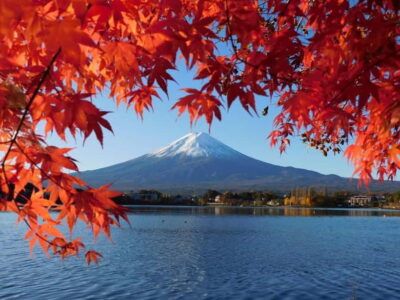 ★ 4.4Mt.Fuji,Kawaguchiko Oishi Park,Arakurayama Sengen ParkFrom $542,682 reviews
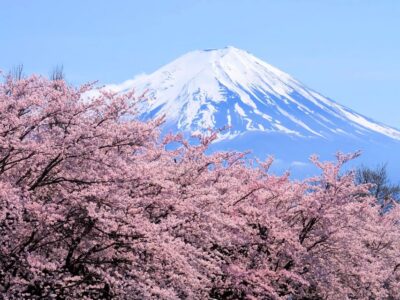 ★ 4.2Mt. Fuji 5th Station & Hakone Cruise 1-Day Bus TourFrom $1292,381 reviews
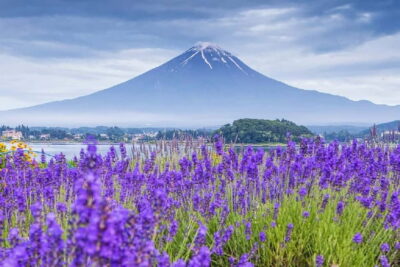 ★ 4.7Mt Fuji Top 5 Spots Day Tour: Arakurayama Park,Oshino HakkaiFrom $532,066 reviews
Browse the lists this tour appears in