
Reviewed · MOUNT FUJI TOURS
Mt. Fuji Tours with Kawaguchi Lake Ropeway View English Speaking
Fuji days can be a gamble, but this one gives you more chances. I love how the plan stacks multiple viewpoints across Lake Kawaguchi, and I also like that you get guided English with smart pacing and humor from guides like Sawaki and Erina. The main drawback is simple: if weather is bad, Mt. Fuji can disappear, and the day still has to keep moving.
You’ll spend about 10 hours total with transportation from Tokyo, plus guided stops that don’t require you to figure out trains, bus changes, or ticket timing. Just know this is not a slow, lounge-all-day style tour. It’s a full itinerary, and on heavy traffic days you may feel some stops are more “see it, snap photos, move on” than “linger.”
In This Review
- Key things to know before you go
- Why this Mt. Fuji day trip feels like a done deal from Tokyo
- Pickup and timing: the part that decides your mood
- Stop 1: Lake Kawaguchi Panoramic Ropeway and the photo angles that matter
- Stop 2: Kachikachi Mountain Cable Car for lake views and quick altitude gains
- Stop 3: Konohana Museum matcha experience—cultural pause, not just a snack
- Stop 4: Oishi Park when lavender season flips the color
- Stop 5: Oshino Hakkai’s eight ponds at the foot of Fuji
- Price and value: what $81.41 really buys you
- Guide quality: the real difference between a good day and a great one
- Who this tour suits best—and who might want a different plan
- Should you book this Mt. Fuji ropeway and Kawaguchi Lake tour?
- FAQ
- How long is the Mt. Fuji and Kawaguchi Lake ropeway view tour?
- Where are the pickup points in Tokyo?
- What is included in the tour price?
- What if the ropeway or cable car can’t operate due to weather?
- Is Mt. Fuji guaranteed to be visible?
- What happens if I need to cancel?
Key things to know before you go
- More than one Fuji viewpoint: you’re not betting everything on a single overlook
- Ropeway + cable car combo: built for height, angles, and wide lake views
- English-speaking guides who manage details well: I found the best moments often came from guide-led timing
- Weather can win or ruin the view: cloudy/rainy days reduce visibility fast
- Some stops include convenient shopping areas: useful for snacks, but not everyone loves the pace
- Transport backups exist: if gondolas or cable cars pause due to wind, the plan can shift
Why this Mt. Fuji day trip feels like a done deal from Tokyo
If you’ve tried planning Mt. Fuji independently, you already know the pain points: getting out there takes time, tickets vary by season, and crowds can turn your “quick photo stop” into a line-based endurance test. This tour is built to remove the guesswork. You book the transport and an itinerary, and you spend your energy on the scenery.
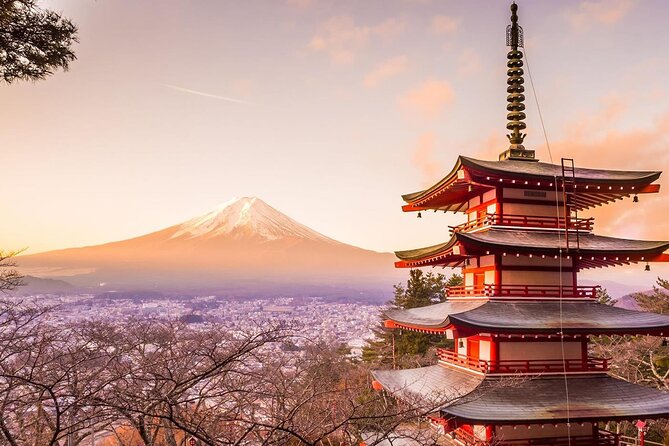
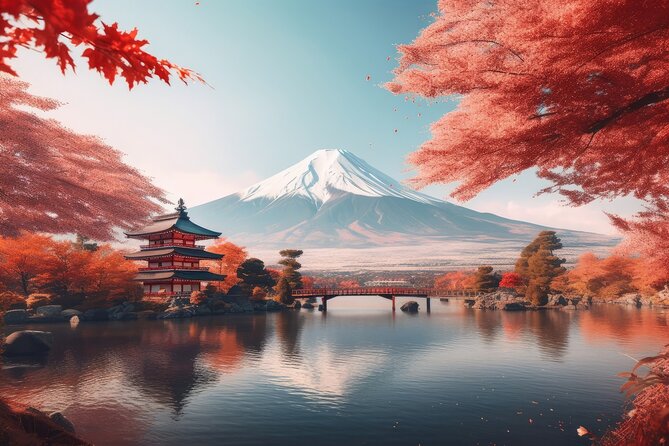
The best part is the way the route is designed to improve your odds. Instead of one rigid photo spot, you bounce between viewpoints around Lake Kawaguchi and the surrounding area. That matters because Fuji isn’t just “visible or not.” Even on clear days, the mountain can hide in partial cloud, shift behind terrain, or pop out between waves of mist. Multiple angles help.
The other win is how your guide helps you squeeze quality into a packed day. Reviews highlight guides like Sawaki, Erina, Louis, Brewski, Joe, Peter, Vivienne, Young, and Wanting Feng for clear communication and keeping everyone on track. Not every guide style will match you, but the pattern is consistent: when the guide is good, the whole day feels smoother.
More Fuji day trips our readers rated highly
- Mt Fuji and Hakone 1-Day Bus Tour Return by Bullet Train
★ 5.0 · 26,383 reviews - Mt Fuji & Hakone Cruise, Drum Show Bullet Train 1 Day from Tokyo
★ 4.0 · 7,413 reviews - Tokyo Mt Fuji 5th St & Hakone Cruise Bus Tour w/Bullet Train
★ 4.4 · 5,024 reviews - From Tokyo: Mount Fuji Full-Day Sightseeing Trip
★ 4.5 · 4,970 reviews
Pickup and timing: the part that decides your mood
This trip runs roughly 10 hours including travel time. You’ll have pickup from two central points in Tokyo, which is convenient if you’re staying in the city. If you upgrade to the small group option, you may get door-to-door transfer in some Tokyo districts, with pickups typically in the 7:00–8:30 window. That’s the comfort upgrade—fewer people, a more private vibe, and less standing around.
Now for the reality check: Japan’s weekend and holiday travel to Mt. Fuji can be slow. The tour also warns about traffic jams and notes that on weekends and “red days” the schedule may feel tighter. In plain terms, you might spend less time at certain sights when roads are jammed or when queues build for the ropeway.
This is why I’d treat this as a “mission day,” not a “take your time” day. It can still be fantastic—especially on a clear morning—but your comfort level will depend on how you handle crowds and a full schedule.
Stop 1: Lake Kawaguchi Panoramic Ropeway and the photo angles that matter
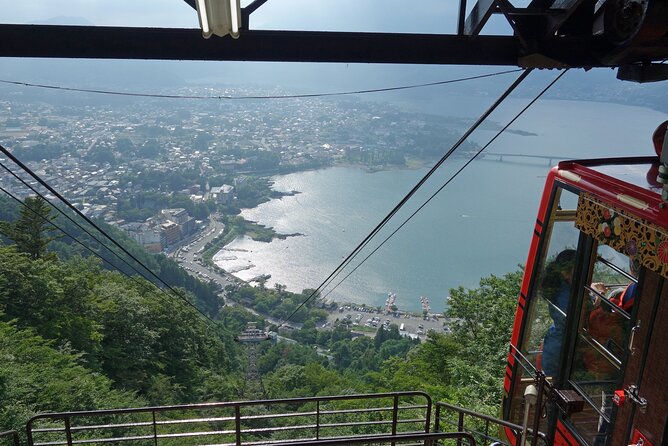
Your day starts with the Mt. Fuji Panoramic Ropeway, riding the Lake Kawaguchi Panoramic Gondola. This is your high-start moment: you gain elevation quickly, and you get that wide view over the lake.
Why it’s valuable: when Fuji is visible, the mountain often looks dramatically different from different heights. From the waterline, it can look distant and misty. From higher up, it looks sharper against the sky and terrain. That’s exactly what you want if you’re chasing those crisp “Fuji postcard” views.
Two important practical notes:
- The tour indicates the gondola is planned for repair from Dec. 10 to Dec. 20. During that window, you take the Sengoku Boat instead. So if ropeway views are the whole point for you, plan around those dates.
- Cable cars and gondolas can pause in bad weather. The tour specifically mentions weather-related shutdown risk for the cable car later in the day; the overall lesson here is the mountain region runs on real conditions, not ideal ones.
Stop 2: Kachikachi Mountain Cable Car for lake views and quick altitude gains
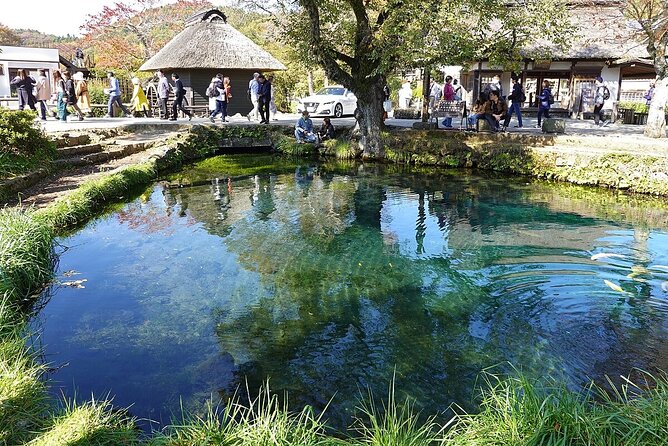
Next you head to Lake Kawaguchiko for the Kachikachi Mountain Cable Car, roughly 90 minutes including time on-site. This leg is all about angle and elevation changes. The lake sits at about 830 meters in the region context, and you’ll feel the shift from shore-level views to hillside panoramas.
Two details help you plan your expectations:
- Operating hours can vary. On weekdays, it runs roughly 9:00 AM to 4:00 PM (last descent around 4:20 PM). On weekends and holidays it extends to about 5:00 PM.
- If wind or lightning shuts it down, the tour notes you’ll switch to the Sengoku Warrior Boat, or you may see a ticket fee refund depending on the situation.
In good weather, this stop is where you can really “read” the area: the lake shape, the shoreline, and where Fuji sits in relation to it. If visibility is poor, the cable car still gives you a break from bus time and lines, but you’ll be living with whatever the sky grants you.
Stop 3: Konohana Museum matcha experience—cultural pause, not just a snack
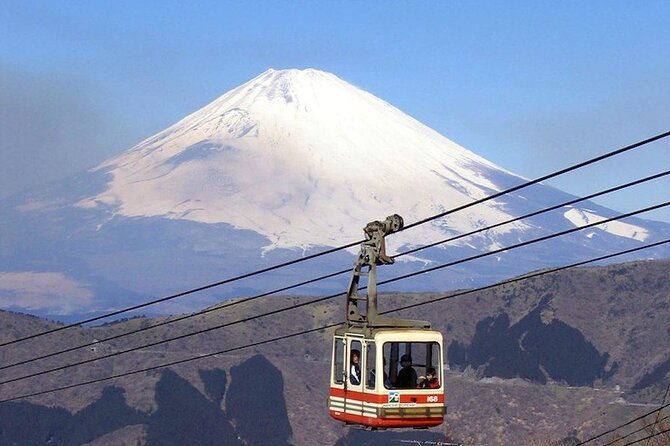
Around the middle of the day you visit the Lake Kawaguchiko Konohana Museum for a matcha experience (about 60 minutes, though it may be shortened if traffic or force majeure affects timing).
I like this stop for one reason: it breaks the day into something more than viewpoints and travel. Even if your focus is Fuji photos, you’ll appreciate a short cultural reset.
Two tips so you don’t feel rushed here:
- If the schedule tightens, matcha time can shrink. Bring your patience. This isn’t the moment to go deep on shopping.
- The tour also warns that the matcha portion might be shortened due to timing pressure. So if you’re counting on a full ceremony length, keep your expectations flexible.
This is also where you may see price differences compared with Tokyo. Some parts of the Fuji area are set up for tourists, and you’ll want to treat every “included” moment as a planned experience, not as a guarantee of bargain prices.
- Tokyo: Shinjuku Food Tour (13 Dishes at 4 Local Eateries)★ 5.0 · 6,603 reviews
- Tokyo Mt Fuji 5th St & Hakone Cruise Bus Tour w/Bullet Train★ 4.4 · 5,024 reviews
- Flagship 2-Hours Official Street Go-Kart Tour – Tokyo Bay Shop★ 5.0 · 4,974 reviews
- From Tokyo: Mount Fuji Full-Day Sightseeing Trip★ 4.5 · 4,970 reviews
- Tokyo: Hop-On Hop-Off Sightseeing Bus Ticket★ 3.9 · 4,207 reviews
Stop 4: Oishi Park when lavender season flips the color
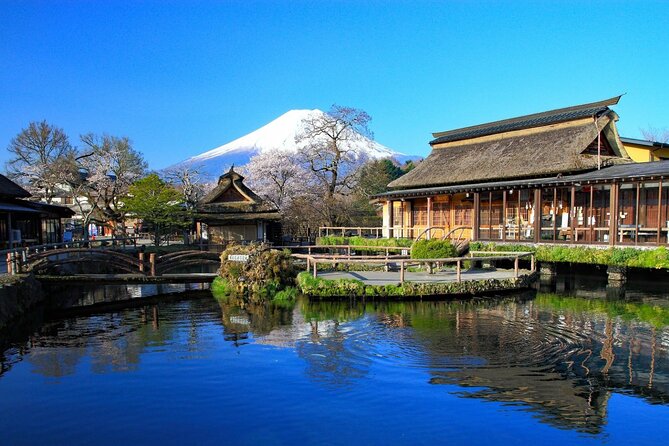
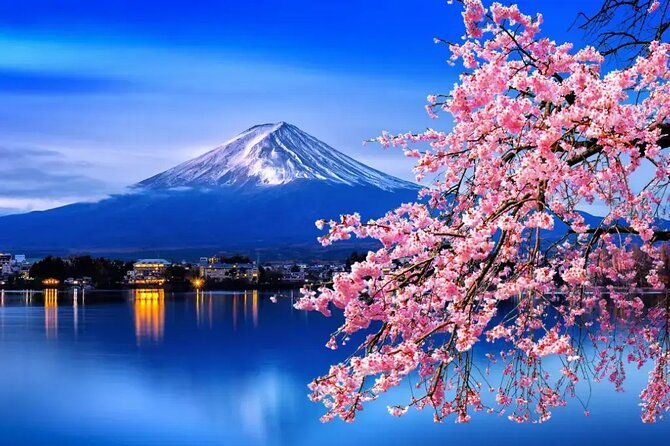
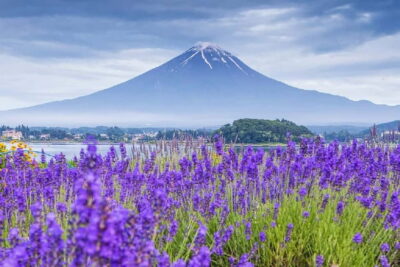
At Oishi Park you get a short, scenic break, about 30 minutes. The tour highlights how, in summer, lavender blooms heavily and covers the park in purple tones that pair nicely with views over the lake.
Is it worth it? In the right season, yes—because the park becomes a visual event, not only a viewpoint. In off-season, it’s more about walking a bit, checking the lake, and resetting before Oshino Hakkai.
The time here is short on purpose. This is a tour that tries to hit several anchors in one day. So if you’re the type who likes long garden walks, you may want to save extra time for a separate day trip—or you’ll need to enjoy Oishi Park as a quick, scenic chapter.
Stop 5: Oshino Hakkai’s eight ponds at the foot of Fuji
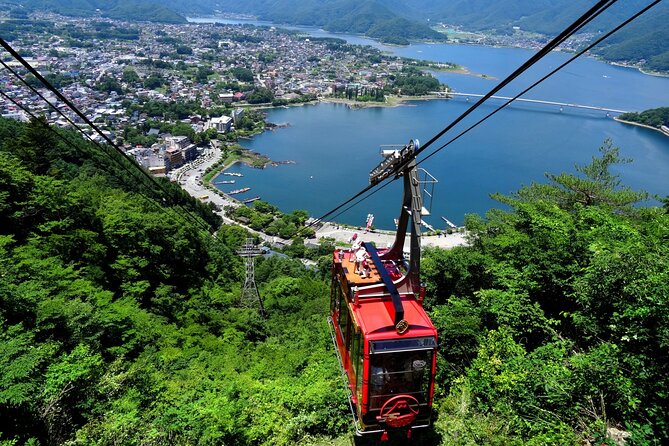
Your last major stop is Oshino Hakkai, described as the area’s famous springs formed by snowmelt, known as eight clear ponds. Expect about 60 minutes for this part.
This is one of the most “Japan travel” stops on the itinerary. You’re not just looking at a mountain—you’re seeing what Fuji does to the landscape around it through water. The ponds have that clean, calm feel that contrasts nicely with the more ride-and-viewpoint sections of the day.
Also, this is a great place for photos even when Fuji is hidden. Why? The ponds and their surroundings still give you a strong visual story. You may not get the perfect mountain silhouette, but you can still come away with meaningful images and a real sense of place.
If you’re prone to feeling rushed: this stop is often where the day starts to balance out. The earlier ropeway and cable car segments are energetic. By the time you reach Oshino Hakkai, the pace can feel more relaxed—though on traffic-heavy days, it still won’t be endless.
Price and value: what $81.41 really buys you
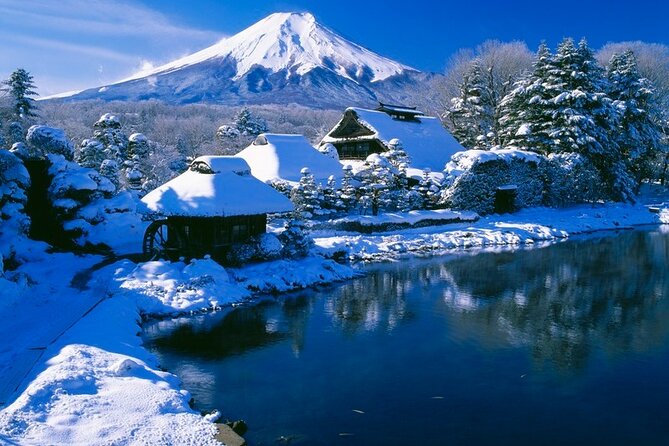
At about $81.41 per person, the value comes from how much logistics the tour handles for a one-day trip from Tokyo. You pay for:
- round-trip transportation by vehicle (vehicle fees, fuel, tolls, and driver service fee are listed as included)
- admission/tickets for the ropeway segment (and the itinerary indicates the cable car fee is included)
You’ll still pay for meals and drinks on your own. The tour also doesn’t include accommodation, and it’s clear you’ll cover personal spending.
Here’s how I’d think about it for value:
- If you don’t want to research train connections, bus routes, and timed tickets, this tour is doing the heavy lifting.
- If you already love DIY and you’re comfortable navigating local transport, you might find cheaper options—but you’ll also accept more planning stress.
- The itinerary’s biggest variable is weather. When you get clear skies, it feels worth every minute. When you don’t, you’ll still get a structured cultural and scenic day, but your “Fuji payoff” drops.
Reviews also suggest that on some days, the tour can feel like a string of stops with shopping areas. That doesn’t automatically mean the tour is bad—it just means you should treat it as a sight-driven route, not a free-roam day.
Guide quality: the real difference between a good day and a great one
This is one of those tours where the guide can shape the whole experience. Many reviews praise guides for English ability, humor, and clear instructions.
For example, I noticed repeated praise for Sawaki, who comes up with comments about being kind, funny, and helpful with navigating the day. Some guides also handle last-minute confusion in smart ways. One review mentions a guide using video guidance step-by-step to help someone find their way back to the bus on time. Another review credits strong communication and timing with guide Vivienne.
There’s also a recurring theme: when the guide communicates well, you feel less stressed when the schedule tightens. On Fuji days, stress is the enemy.
So if you’re booking, focus less on the brochure stops and more on the guide’s reputation for organization and clarity. Even if your day still depends on the sky, your day experience depends on the person running the rhythm.
Who this tour suits best—and who might want a different plan
This tour is ideal if you want:
- a structured Mt. Fuji day trip from Tokyo without logistics research
- a route that tries to improve your chances with multiple viewpoints
- an English-speaking guide and scheduled cultural moments like matcha
- a full itinerary where you can handle crowds and a packed day
It might not be ideal if you:
- hate tourist-shop-style stops and short time windows
- need long, slow breaks at each attraction
- are traveling on a day with heavy weekend/holiday traffic and you’re very sensitive to schedule changes
If your “must-see” is only Mt. Fuji in perfect conditions, you should know the tour can’t control the weather. Cloudy or rainy days reduce visibility, and sometimes the mountain is fully obscured.
Should you book this Mt. Fuji ropeway and Kawaguchi Lake tour?
I’d book it if you want a guided, low-stress way to do the Fuji region in one day and you’re okay with the reality that visibility is weather-dependent. The itinerary makes sense for first-timers: ropeway and cable car for elevation, Oishi Park for seasonal color, and Oshino Hakkai for water-and-springs culture.
Skip it (or consider a different approach) if you’re traveling only on peak “red day” conditions and you know you’ll be miserable with queues and time compression. Also skip it if ropeway timing matters to you strongly during Dec. 10–Dec. 20, since the tour notes gondola repair and a boat replacement.
In short: it’s a solid value for structure, timing, and multiple Fuji angles. Just bring patience for crowds and acceptance that the mountain plays by its own cloud rules.
FAQ
How long is the Mt. Fuji and Kawaguchi Lake ropeway view tour?
It runs for about 10 hours total, including travel time.
Where are the pickup points in Tokyo?
The tour offers pickup from two central locations in Tokyo. There’s also an optional small group package with door-to-door pickup from some Tokyo districts.
What is included in the tour price?
Vehicle service fees (including fuel, tolls, and highway tolls) and driver service fee are included. Ropeway admission is included in the itinerary, and the Lake Kawaguchiko cable car fee is included as well. Food and drinks are not included.
What if the ropeway or cable car can’t operate due to weather?
The tour notes that strong winds or lightning can suspend rides. If that happens for the cable car, the itinerary shifts to the Sengoku Warrior Boat at Lake Kawaguchi or the ticket fee is refunded, depending on the situation.
Is Mt. Fuji guaranteed to be visible?
No. The tour specifically warns that cloudy or rainy days reduce visibility and Mt. Fuji may be obscured. Checking the weather forecast before you go is strongly recommended.
What happens if I need to cancel?
You can cancel for a full refund up to 24 hours in advance of the experience start time. If the experience is canceled due to poor weather, you’ll be offered a different date or a full refund.
More Tours in Tokyo
- Mt Fuji and Hakone 1-Day Bus Tour Return by Bullet Train
★ 5.0 · 26,383 reviews - 1-Day Tokyo Bus Tour
★ 5.0 · 14,250 reviews - Tokyo: Shinjuku Food Tour (13 Dishes at 4 Local Eateries)
★ 5.0 · 6,603 reviews - Tokyo Mt Fuji 5th St & Hakone Cruise Bus Tour w/Bullet Train
★ 4.4 · 5,024 reviews - Flagship 2-Hours Official Street Go-Kart Tour – Tokyo Bay Shop
★ 5.0 · 4,974 reviews
More Tour Reviews in Tokyo
- Mt Fuji and Hakone 1-Day Bus Tour Return by Bullet Train
★ 5.0 · 26,383 reviews - 1-Day Tokyo Bus Tour
★ 5.0 · 14,250 reviews - Tokyo: teamLab Planets TOKYO Digital Art Museum Entry Ticket
★ 4.6 · 9,779 reviews - Mt Fuji & Hakone Cruise, Drum Show Bullet Train 1 Day from Tokyo
★ 4.0 · 7,413 reviews - Tokyo: Shinjuku Food Tour (13 Dishes at 4 Local Eateries)
★ 5.0 · 6,603 reviews
More Mount Fuji Days We Have Reviewed
- Mt Fuji and Hakone 1-Day Bus Tour Return by Bullet Train
★ 5.0 · 26,383 reviews - Mt Fuji & Hakone Cruise, Drum Show Bullet Train 1 Day from Tokyo
★ 4.0 · 7,413 reviews - Tokyo Mt Fuji 5th St & Hakone Cruise Bus Tour w/Bullet Train
★ 4.4 · 5,024 reviews - From Tokyo: Mount Fuji Full-Day Sightseeing Trip
★ 4.5 · 4,970 reviews - Tokyo: Mt. Fuji Tour, Hakone Ropeway, Owakudani, Lake Ashi
★ 4.7 · 4,002 reviews
Latest Tokyo reviews off our desk






Mount Fuji Tours, compared.
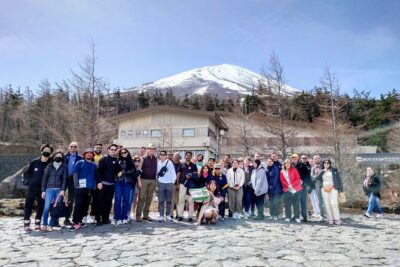 ★ 5.0Mt Fuji and Hakone 1-Day Bus Tour Return by Bullet TrainFrom $16326,383 reviews
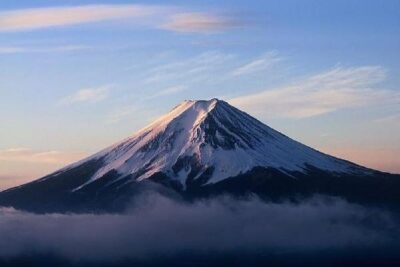 ★ 4.0Mt Fuji & Hakone Cruise, Drum Show Bullet Train 1 Day from TokyoFrom $1497,413 reviews
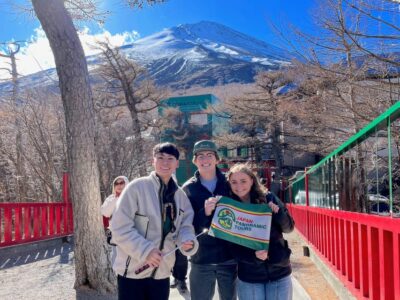 ★ 4.4Tokyo Mt Fuji 5th St & Hakone Cruise Bus Tour w/Bullet TrainFrom $1545,024 reviews
 ★ 4.5From Tokyo: Mount Fuji Full-Day Sightseeing TripFrom $684,970 reviews
 ★ 4.7Mt. Fuji Tour, Hakone Ropeway, Owakudani, Lake AshiFrom $544,002 reviews
 ★ 4.4Mt.Fuji,Kawaguchiko Oishi Park,Arakurayama Sengen ParkFrom $542,682 reviews
 ★ 4.2Mt. Fuji 5th Station & Hakone Cruise 1-Day Bus TourFrom $1292,381 reviews
 ★ 4.7Mt Fuji Top 5 Spots Day Tour: Arakurayama Park,Oshino HakkaiFrom $532,066 reviews