
Reviewed · NIKKO DAY TRIPS
NIKKO PASS All Area
Four days in Nikko, no schedule anxiety. The Nikko All Area Pass turns your trip into an easy choose-your-own-adventure: you ride the train from Asakusa (round-trip included) and then use unlimited local trains and buses to hop around UNESCO shrines, waterfalls, and hot springs on your own timing.
What I like most is the mix of big transportation value plus real sightseeing freedom. You get unlimited Tobu local rides between Shimo-Imaichi and Nikko-area stops, and unlimited buses around Nikko from Tobu-Nikko Station—so you’re not hunting routes every time you change plans.
One thing to watch: the pass does not cover everything. Shrine and temple admission is separate, and some experiences have extra conditions or fees, so you’ll want to plan a day around what you can actually use the pass for.
In This Review
- Key things to know before you grab the pass
- How the Asakusa pickup sets the tone for your Nikko trip
- Unlimited buses in Nikko: how to ride lines 2A–2D like a local
- Building a 4-day Nikko plan that actually matches the pass
- Kirifuri no Taki (and Kirifuri-Kogen): the seasonal bus ride to a standout waterfall
- Chuzenji, the ropeway, and the lake cruise timing reality check
- Kinugawa Onsen evenings: where the pass helps and where it doesn’t
- Discounts and extra costs: the value math you should do before you commit
- Getting around feels easy until you hit two real annoyances
- Who this pass fits best (and who should skip it)
- Should you book the Nikko All Area Pass?
- FAQ
- Who can use the Tobu Nikko All Area Pass?
- How long is the pass valid?
- What transport is included with the pass?
- Are shrine and temple admissions included?
- Does the pass cover limited express or JR train fees?
- Is the Chuzenji lake cruise included year-round?
Key things to know before you grab the pass
- Passport-only eligibility: it’s for foreign visitors with a non-Japanese passport, shown when you pick up the voucher.
- 4 consecutive calendar days: validity runs by calendar dates, not by a full 24-hour clock.
- Bus lines 2A–2D matter more than you think: they connect you to key Nikko areas like Yumoto-Onsen, Chuzenji, and Kirifuri.
- Kirifuri bus 2D changes by season: it goes to Kirifuri no Taki in winter and Kirifuri-Kogen in warmer months.
- Chuzenji cruise can be seasonal: the lake cruise is closed starting 1 Dec, if you were counting on it.
- Expect transfers on the way in: the included Asakusa-to-Nikko train isn’t a single nonstop ride.
How the Asakusa pickup sets the tone for your Nikko trip
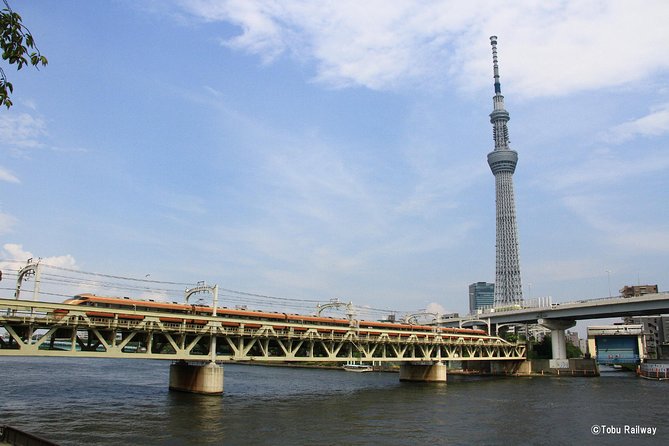
The whole experience starts at the Tobu Tourist Information Center Asakusa (1-chōme-4-1 Hanakawado, Taito City). You pick up the 4-day Nikko All Area Pass there using your booking voucher and your non-Japanese passport. This matters because it also forces a clean first step: you’re not downloading apps or piecing together tickets before you even know where you’ll go.
On paper, the trip is straightforward: Asakusa to Nikko is about 1 hour 50 minutes (limited express is mentioned for some routes), and Asakusa to Kinugawa Onsen is about 2 hours 10 minutes (limited express). In practice, plan for the included train to require changes. One useful heads-up: the train included in the pass is not direct—you may need to change trains about a couple of times depending on the connection.
Once you’re in the Nikko area, the pass shifts from “how do I get there?” to “how do I move all day?” That’s the real value. Unlimited Tobu local train rides connect you between Shimo-Imaichi and stops like Tobu-Nikko Station (and also Shin-Fujiwara Station). Then the bus network takes over for places trains don’t reach.
If you like day plans that stay flexible, this style is perfect. If you hate making decisions, it can feel like you’re improvising without a guide. The trick is to set a few anchor targets (like one shrine morning, one waterfall outing, one hot spring evening) and let the pass fill in the rest.
More runs north to Nikko, ranked by reviews
- Nikko: Kegon Falls, Lake Chuzenji & Toshogu Temple
★ 4.6 · 1,577 reviews - Tokyo: Nikko Toshogu Shrine and Kegon Waterfall Tour
★ 4.5 · 1,266 reviews - From Tokyo: Nikko World Heritage Site Private Full-Day Trip
★ 4.9 · 243 reviews - Nikko: Edo Wonderland Edomura Cultural Theme Park Ticket
★ 4.3 · 205 reviews
Unlimited buses in Nikko: how to ride lines 2A–2D like a local
In Nikko, the pass becomes most useful when you treat the bus routes as your main sightseeing links. The pass includes unlimited rides on the 2A, 2B, 2C, and 2D buses departing from (or arriving at) Tobu-Nikko Station.
Here’s how those lines tend to shape your days:
- 2A (Tobu-Nikko Station ↔ Yumoto-Onsen): about 75 minutes per leg, operating roughly 6:15 AM–6:10 PM. If you’re aiming for hot-spring downtime beyond Kinugawa, this is one way to build that in.
- 2B (World Heritage Sightseeing route): buses depart every ~15 minutes, with each loop about 23 minutes, running about 8:20 AM–5:30 PM. This one is built for shrine-temple sightseeing clusters.
- 2C (Tobu-Nikko Station ↔ Chuzenji-Onsen): around 45 minutes per leg, operating roughly 6:30 AM–6:30 PM. This is your route to the lake/Chuzenji area and the viewpoints around it.
- 2D (seasonal): between Nov 24 and Mar 31 it runs between Tobu-Nikko Station and Kirifuri no Taki; between Apr 1 and Nov 23 it runs between Tobu-Nikko Station and Kirifuri-Kogen. Hours vary by season, so you’ll want to check before you commit to a specific waterfall plan.
A practical note: buses have set operating hours, and Nikko days can run long when you’re walking between stops. I’d plan your “farther” route earlier in the day and keep a lighter option for late afternoon—because you don’t want to be stuck waiting for the last bus when you’re tired.
One more real-world detail: if your hotel is up in the mountains, your final leg might involve a winding road with switchbacks. That’s not a pass problem, but it can affect your comfort. I’d pack motion-sickness basics if you’re sensitive.
Building a 4-day Nikko plan that actually matches the pass
The pass is valid for 4 consecutive calendar days starting on the date you choose when booking. That means if you pick April 1, your pass lasts through April 4, even if you don’t use every hour on every day. It’s a small detail, but it changes how you structure your trip. You’ll want your return ride to line up naturally with those dates.
A smart approach is to group areas by bus access:
- Do shrine/temple clusters on a day when you expect to use the 2B route.
- Put the Chuzenji area on a separate day using 2C.
- Plan Kirifuri as either an early or late outing based on 2D season and timing.
- Add Kinugawa Onsen for evenings when you want the day’s walking to end in warm water.
You can absolutely stay in one hotel and do it all from there, but you’ll still feel Nikko differently based on where you sleep. If you base yourself closer to Tobu-Nikko Station, you’ll start days efficiently. If you sleep farther out, you might trade convenience for a quieter, mountain-town feel.
Also remember: shrine and temple admission fees are not included. You’ll pay those on site. That’s why your plan should prioritize which sites you’ll actually visit—so you don’t end up buying tickets for only one or two places while spending most of the day on transport.
Finally, the pass includes discounts on select Nikko and Kinugawa Onsen attractions, and on some stores and restaurants around those areas. Those offers can vary by season, so check what applies to your dates. It’s not a magic free-for-all, but it can soften extra costs.
Kirifuri no Taki (and Kirifuri-Kogen): the seasonal bus ride to a standout waterfall
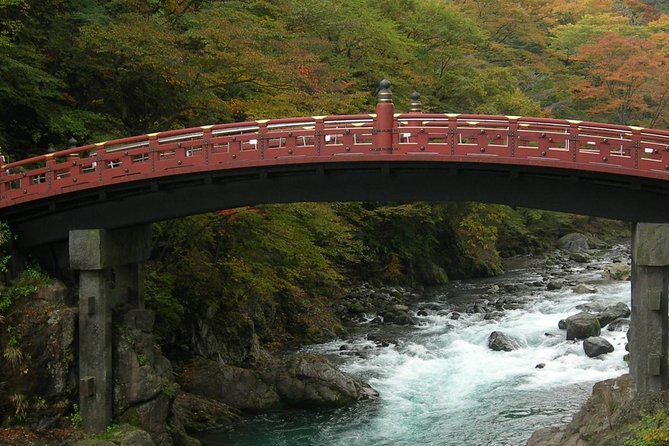
Kirifuri is the kind of stop that makes people say Nikko feels special—even on a day when you’re tired of walking. The big draw is Kirifuri Waterfall, known for a 75-meter (246-foot) drop and for inspiring artists, including Katsushika Hokusai. The waterfall area sits in lush surroundings where seasonal color changes shape the mood of your visit.
The key detail for planning is that bus 2D changes destinations by season:
- Nov 24–Mar 31: Tobu-Nikko Station ↔ Kirifuri no Taki
- Apr 1–Nov 23: Tobu-Nikko Station ↔ Kirifuri-Kogen
So if you want the classic waterfall experience, double-check the calendar alignment with your travel month. Don’t just assume the bus always goes to the same place.
Timing matters here too. The waterfall area likely means walking and photo stops. The pass gives you the transport, but it won’t shorten your time on your feet. The experience listing notes you should have moderate physical fitness, which matches what Nikko often requires: stairs, uphill paths, and uneven ground in natural areas.
If you’re going in winter, your day may also feel different due to daylight hours and weather. If you’re going in shoulder seasons, you can get the seasonal color shift people talk about—without the full peak crush. I’d still treat Kirifuri as a “one main nature stop” day component, not a side quest, so you’re not rushing.
Chuzenji, the ropeway, and the lake cruise timing reality check
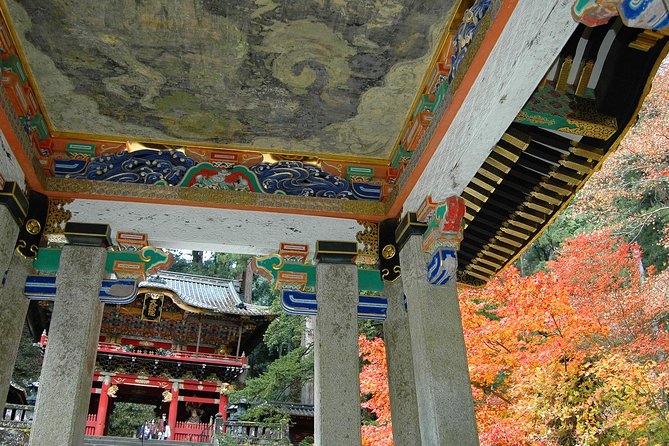
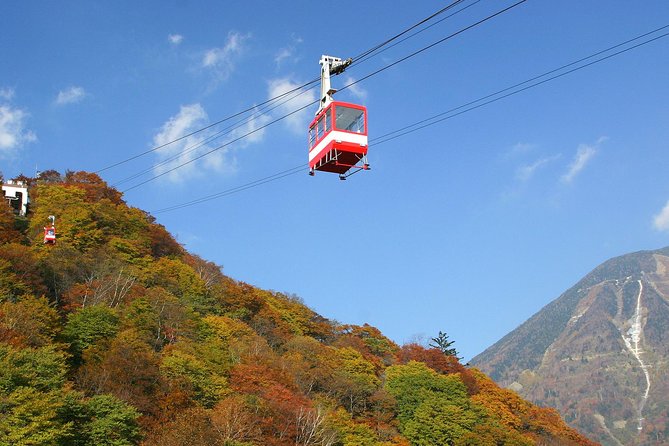
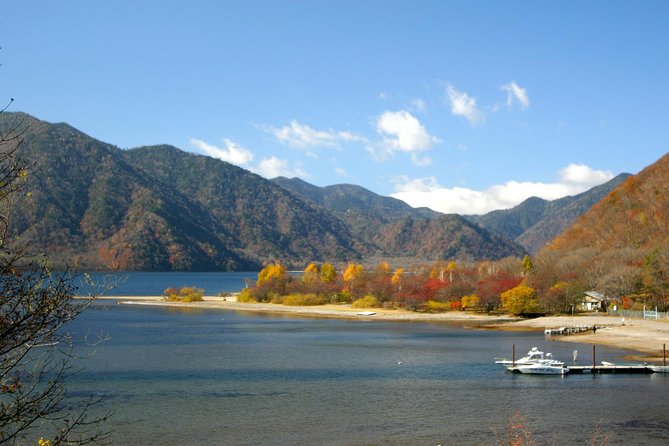
Chuzenji is the Nikko area that feels most like a “you’re somewhere cold-and-high” landscape—except you get to experience it without renting a car. With the pass, you can use included connections such as the ropeway (cable car) and the lake cruise at Chuzenji.
But here’s the caution you should plan around: the Chuzenji lake cruise is closed in winter starting 1 Dec. If your trip falls near that date, you might lose one of the more fun, low-effort ways to enjoy the lake.
Also, even when something is included, it might not work exactly like a fixed ticket. Schedules and seasonal operation can shift. So before you build your entire day around the cruise, check operating status for your exact travel dates.
For bus logistics, Chuzenji is reached from Tobu-Nikko Station using 2C (about 45 minutes per leg, roughly 6:30 AM–6:30 PM). That’s a helpful window: it’s early enough to build a full day, but you still need to get back before buses stop running.
When you plan Chuzenji, I suggest you mix in at least one “stop-and-look” moment plus one “walk a bit” moment. That way you don’t feel like you spent the entire day riding up and down, then standing only at viewpoints. The pass makes it easy to move, so your goal is to manage your time on foot.
- Tokyo: Shinjuku Food Tour (13 Dishes at 4 Local Eateries)★ 5.0 · 6,603 reviews
- Tokyo Mt Fuji 5th St & Hakone Cruise Bus Tour w/Bullet Train★ 4.4 · 5,024 reviews
- Flagship 2-Hours Official Street Go-Kart Tour – Tokyo Bay Shop★ 5.0 · 4,974 reviews
- From Tokyo: Mount Fuji Full-Day Sightseeing Trip★ 4.5 · 4,970 reviews
- Tokyo: Hop-On Hop-Off Sightseeing Bus Ticket★ 3.9 · 4,207 reviews
Kinugawa Onsen evenings: where the pass helps and where it doesn’t
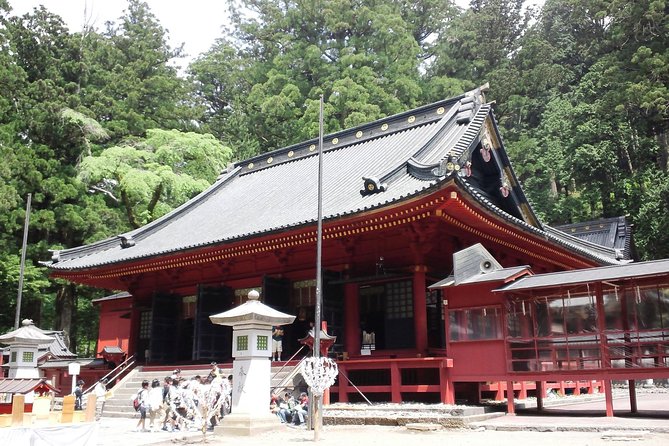
Kinugawa Onsen is the place you go to decompress after shrine days. It’s a hot-springs town vibe, and it pairs well with the Nikko route because it keeps your trip from feeling like constant museums-on-a-stick.
The pass includes round-trip transport between Asakusa and Shimo-Imaichi, then unlimited Tobu local rides in the Nikko area. From there, you can add Kinugawa onsen time based on your routing. The provided timing suggests Asakusa to Kinugawa Onsen takes about 2 hours 10 minutes with limited express, so it’s realistically a day-trip option. For a smoother trip, though, I’d treat it like your “end-of-day reset” location.
What I like about including Kinugawa in the plan is that it gives you an actual reward for the walking you’ll do around Nikko’s shrines and nature areas. What I don’t like is the cost uncertainty: the pass doesn’t claim to remove every admission or supplemental charge. So you’ll still spend money on meals, and you may still pay entry fees at some places.
One more practical tip: mountain-town roads can be winding. If your hotel is up higher, your ride can feel like a long series of switchbacks. That can be exhausting after a busy sightseeing day, so plan a lighter schedule the moment you arrive.
Discounts and extra costs: the value math you should do before you commit
This pass is sold as an all-area tool, but it’s not a total wipeout of all costs. It includes transport coverage and some discounts, yet shrine and temple admission fees are not included. Limited express and JR train fees are also not included.
So how do you decide if it’s worth it?
Ask yourself two questions:
- Will I use most of the pass transportation days across my 4 calendar days?
- Will I hit multiple Nikko-area sites that connect well with bus lines 2A–2D?
If your plan is only one shrine area day plus a brief nature stop, the transport value might not fully pay off. That’s when the pass can feel like a lure, because you still end up paying add-ons for lake experiences or temple access. If your plan includes several major Nikko areas spread across different days, the unlimited rides start to feel like a true convenience.
The good news is that unlimited rides can also reduce decision fatigue. Once you know you can jump back on a bus, you’re more likely to follow your curiosity instead of sticking to a rigid itinerary.
Finally, note that some discounts on entrance fees, transportation fares, and purchases vary by season. The exact set can change. I’d treat discounts as a bonus, not the foundation of your budget.
Getting around feels easy until you hit two real annoyances
There are two friction points worth naming.
First, the included train from Asakusa to the Nikko area is not nonstop. You may need to change trains, potentially twice. That’s not a deal-breaker, but it’s why you should avoid treating the morning like a tight race. Build in buffer time.
Second, bus rides can involve small practical details. One common pain: having small bills ready matters, since drivers may not return change. Also, bus navigation can feel tricky if you’re tired, because Nikko routes and stops are specific. In short: arrive with a simple plan and your sense of direction intact.
On the other hand, the pass does make the biggest difference where it counts: you can ride without counting yen every time you move. If you’re the kind of person who hates paying for every single hop, this style of ticket is a relief.
Group size is listed at up to 100, but this is still a self-paced pass. The practical impact is mostly on how busy pickup desks might feel, not on how “guided” your experience is.
Who this pass fits best (and who should skip it)
This pass is a strong match if you:
- Want to explore Nikko at your own pace for 4 calendar days
- Are comfortable using buses and switching between routes
- Care about getting to Kirifuri, Chuzenji, and UNESCO-area shrines without buying multiple separate transport tickets
- Want hot-springs downtime in the Nikko/Kinugawa orbit
It’s less ideal if you:
- Only plan to do a couple of sightseeing stops and then move on quickly
- Rely on a single included attraction that might be seasonal (like the Chuzenji cruise)
- Hate transfers or dislike figuring out bus loops after a long day of walking
The good part is you’re not locked into a tour schedule. You’re locked into dates.
Should you book the Nikko All Area Pass?
Book it if your goal is a multi-day Nikko plan where you’ll use local trains and bus routes repeatedly. The transport coverage and unlimited bus riding are exactly what make Nikko feel doable without constantly re-ticketing yourself.
Skip it or rethink it if your schedule is too short, too single-area focused, or if your must-do list depends on seasonal operations like the Chuzenji lake cruise after 1 Dec. In that case, you may end up paying extra where you expected the pass to cover more.
If you do book: plan your days around bus lines 2A–2D, check seasonal details for Kirifuri and Chuzenji, and budget separately for shrine/temple admissions. Then you’ll get the best version of this pass: freedom with fewer logistics headaches.
FAQ
Who can use the Tobu Nikko All Area Pass?
It’s only available for foreign tourists with a non-Japanese passport. You need to present a valid non-Japanese passport on the day you collect the pass.
How long is the pass valid?
The pass is valid for 4 consecutive calendar days starting on the date you select when booking. It’s not based on a full 24-hour period.
What transport is included with the pass?
You get round-trip train fare between Asakusa Station and Shimo-Imaichi Station, unlimited Tobu local train rides between Shimo-Imaichi Station and Tobu-Nikko Station or Shin-Fujiwara Station, and unlimited bus rides on buses 2A, 2B, 2C, and 2D departing from or arriving at Tobu-Nikko Station.
Are shrine and temple admissions included?
No. Admission to shrines and temples in the Nikko area is not included.
Does the pass cover limited express or JR train fees?
No. Limited Express train and JR train fees are not included.
Is the Chuzenji lake cruise included year-round?
The pass includes the Chuzenji lake cruise, but the cruise is closed starting 1 Dec (in winter), so it may not be available depending on when you go.
More Tour Reviews in Tokyo
- Mt Fuji and Hakone 1-Day Bus Tour Return by Bullet Train
★ 5.0 · 26,383 reviews - 1-Day Tokyo Bus Tour
★ 5.0 · 14,250 reviews - Tokyo: teamLab Planets TOKYO Digital Art Museum Entry Ticket
★ 4.6 · 9,779 reviews - Mt Fuji & Hakone Cruise, Drum Show Bullet Train 1 Day from Tokyo
★ 4.0 · 7,413 reviews - Tokyo: Shinjuku Food Tour (13 Dishes at 4 Local Eateries)
★ 5.0 · 6,603 reviews
North to Nikko: More Trips Rated
- Nikko: Kegon Falls, Lake Chuzenji & Toshogu Temple
★ 4.6 · 1,577 reviews - Tokyo: Nikko Toshogu Shrine and Kegon Waterfall Tour
★ 4.5 · 1,266 reviews - From Tokyo: Nikko World Heritage Site Private Full-Day Trip
★ 4.9 · 243 reviews - Nikko: Edo Wonderland Edomura Cultural Theme Park Ticket
★ 4.3 · 205 reviews - Tokyo: Nikko World Heritage Private Day Trip Hotel Pick-up
★ 4.8 · 145 reviews
Latest Tokyo reviews off our desk






Nikko Day Trips, compared.
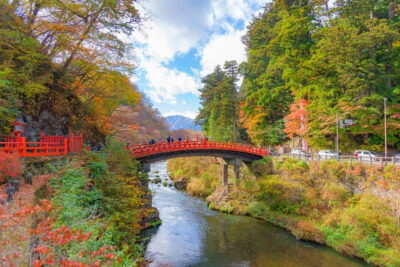 ★ 4.6Nikko: Kegon Falls, Lake Chuzenji & Toshogu TempleFrom $891,577 reviews
 ★ 4.5Nikko Toshogu Shrine and Kegon Waterfall TourFrom $841,266 reviews
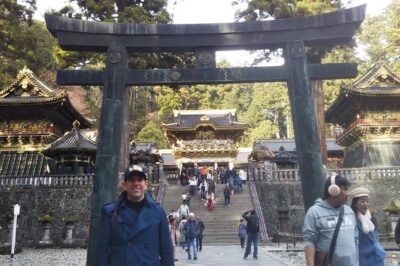 ★ 5.0Nikko Full-Day Private Tour with Government-Licensed GuideFrom $155259 reviews
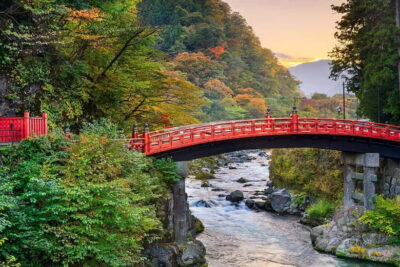 ★ 4.9From Tokyo: Nikko World Heritage Site Private Full-Day TripFrom $483243 reviews
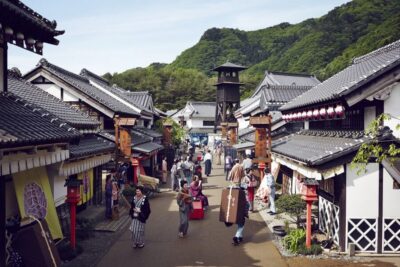 ★ 4.3Nikko: Edo Wonderland Edomura Cultural Theme Park TicketFrom $35205 reviews
 ★ 4.8Nikko World Heritage Private Day Trip Hotel Pick-upFrom $390145 reviews
 ★ 4.9Nikko – Beautiful Full-Day Personal and Private TourFrom $364119 reviews
Browse the lists this tour appears in