Reviewed · TOKYO
Osaka: Kyoto By The Sea with Amanohashidate & Ine no Funaya
Kyoto by the Sea feels worlds away. I love the postcard scenery at Amanohashidate and the floating fishing village of Ine no Funaya, both far more photogenic than most quick Kyoto sidetrips. One thing to watch: it’s a scheduled day with photo stops and optional paid add-ons, so you’ll want to choose where you spend your extra yen (and don’t bank on long, unscheduled wandering).
What makes this outing work is how it balances wow moments with breathing room. When the group is small, you may even get a hands-on guide who’s happy to do the driving and still explain what you’re seeing. On top of that, guides like Yuri and Jun have been noted for being attentive with time on-site, plus small photo extras at the end (like a printed souvenir photo).
As for the travel feel, it’s smooth and friendly—English and Korean speaking guidance, plus a comfort break with street food stops along the way. The tradeoff is simple: you’ll leave early from Tsurutontan Soemoncho, and you’ll want to come hungry for lunch options since meals are on you.
In This Review
- Key Points I Think You’ll Care About
- Getting to Kyoto by the Sea from Osaka: Tsurutontan Soemoncho Start
- Amanohashidate: The Bridge to Heaven and View Land Options
- Chionji Temple and Kaisen Bridge: Folding Fan Fortunes and a Moving Bridge
- Amanohashidate Beach Break: Sea Air, Pine Walks, and Lunch at Your Pace
- Ine no Funaya: Over 200 Floating Boat Houses on the Water
- The Bus, the Breaks, and Why the Pace Still Feels Easy
- Price and Value: What 55 USD Buys You
- Photo Strategy and Time Use: How to Get the Best Shots
- Practical Notes: Who It Suits Best (and Who Might Want Something Different)
- Should You Book This Osaka to Kyoto by the Sea Tour?
- FAQ
- How long is the Kyoto by the Sea tour?
- What does the tour cost?
- What’s included in the price?
- Are meals included?
- What optional add-ons cost extra?
- Where do I meet the tour?
- What language is the guide?
- Can I use a stroller?
- Is the tour wheelchair-accessible?
- What if weather or traffic changes the plan?
Key Points I Think You’ll Care About
- Amanohashidate in two moods: viewpoints at the sandbar, then calmer time at the beach.
- Chionji Temple’s giant fan fortune: a fun, easy cultural stop that doesn’t eat the whole day.
- Real water views at Ine no Funaya: boat houses built over the bay, plus a chance at a boat perspective.
- Optional add-ons are clear upfront: chairlift/monorail and the funaya boat ride cost extra.
- Time management that still feels relaxed: photo stops, guided context, and free time that’s actually useful.
Getting to Kyoto by the Sea from Osaka: Tsurutontan Soemoncho Start
This is one of those day trips that makes your morning brain easy. You meet in front of Tsurutontan Soemoncho before 7:50 AM, and the ride begins at 8:00 AM. That early start is the price of getting out to Miyazu Bay and the coast without turning your whole day into transit.
Once you’re on the bus, you’re not stuck in a silent commute. There’s an on-route break at Kyotamba-Ajimunosato PA with street food and free time. That stop matters because it keeps the later sightseeing from feeling cramped. If you tend to run on caffeine and snacks, this is a good place to load up before you hit the coastal rhythm.
The overall feel is practical: you get transportation and a guide, then you choose how much extra to spend at the two big optional experiences (more on those soon). The itinerary can also shift a bit based on real traffic and weather, which is smart in a coastal region where conditions can change fast.
Readers booked these Tokyo options in the same breath. Here is how each one scored:
- Mt Fuji and Hakone 1-Day Bus Tour Return by Bullet Train
★ 5.0 · 26,383 reviews - 1-Day Tokyo Bus Tour
★ 5.0 · 14,250 reviews - Tokyo: teamLab Planets TOKYO Digital Art Museum Entry Ticket
★ 4.6 · 9,779 reviews - Mt Fuji & Hakone Cruise, Drum Show Bullet Train 1 Day from Tokyo
★ 4.0 · 7,413 reviews
Amanohashidate: The Bridge to Heaven and View Land Options
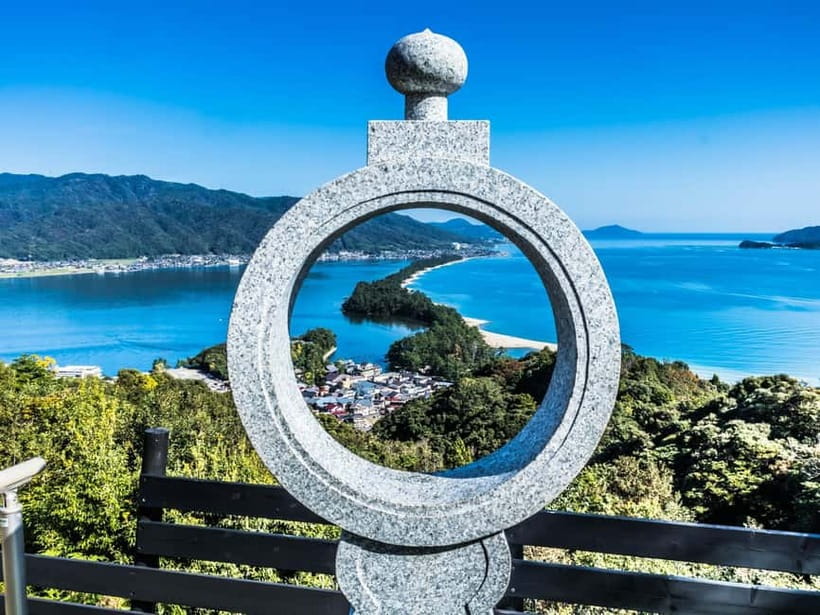
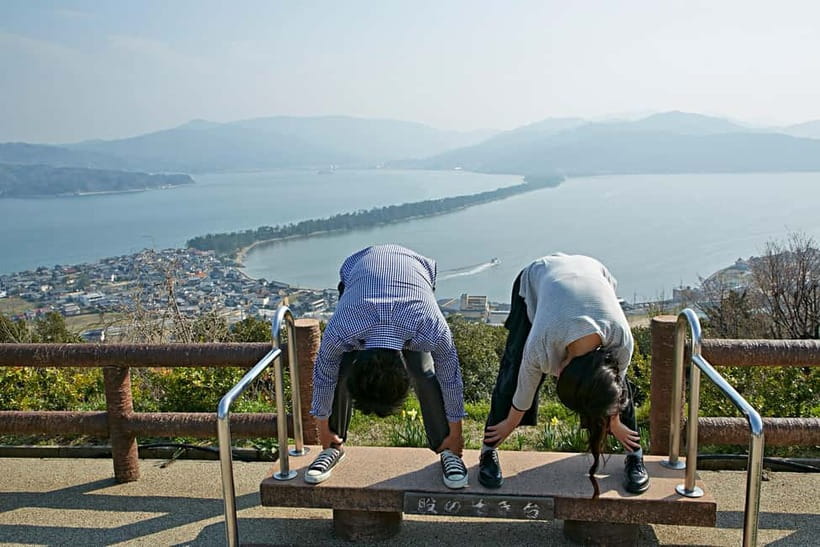
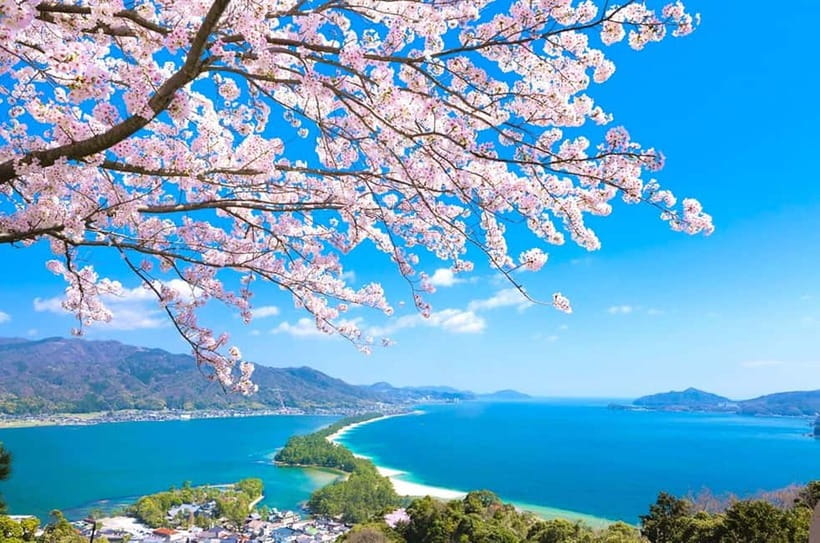
Amanohashidate is the headline for a reason. This sandbar in Miyazu Bay stretches across the water and is lined with over 5,000 pine trees, giving you that iconic “connects heaven and earth” look. You’ll get photo time and guided context right at the heart of it, and the view is even more fun when you know the upside-down effect people talk about—because once you’ve seen it framed that way, it sticks.
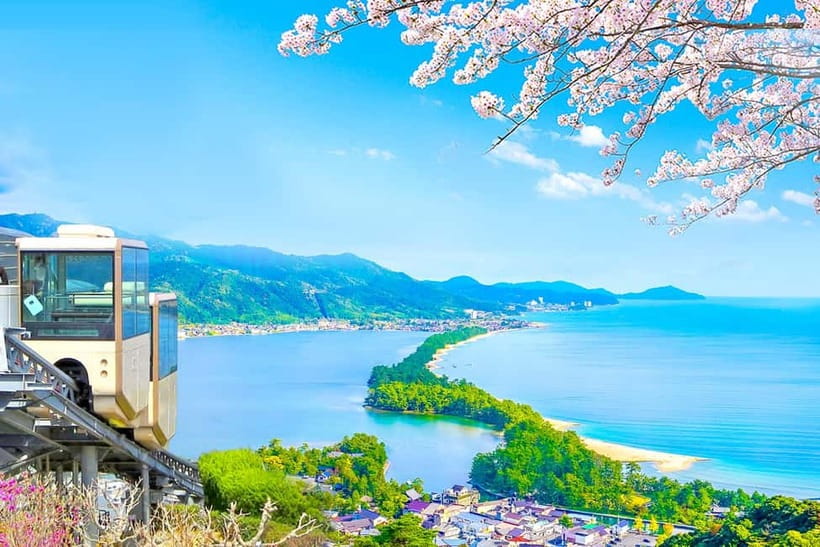
Then the tour adds a hilltop viewpoint at Amanohashidate View Land. You can go up using the chairlift or monorail (850 yen, paid on your own), and from there you get panoramic views over the bay. If you want a bit of action instead of just looking, there’s also the sky bicycle. It’s the kind of extra that turns a scenic stop into an active memory, especially if you like movement with a view.
A practical tip: if you’re traveling with camera gear or you’re the type who plans photos like a project, this portion is where you’ll want your energy. Viewpoints can be windy and bright, and you’ll want time to slow down and frame shots without feeling rushed.
One consideration: optional rides cost extra, and not every viewpoint is free. If your budget is tight, prioritize what you’d miss most: the hilltop panorama or the sky bicycle-style track experience.
Chionji Temple and Kaisen Bridge: Folding Fan Fortunes and a Moving Bridge
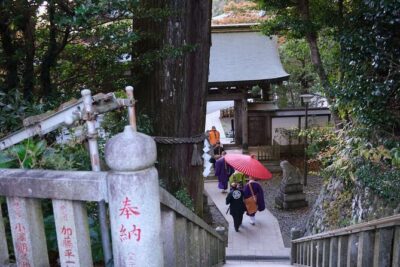
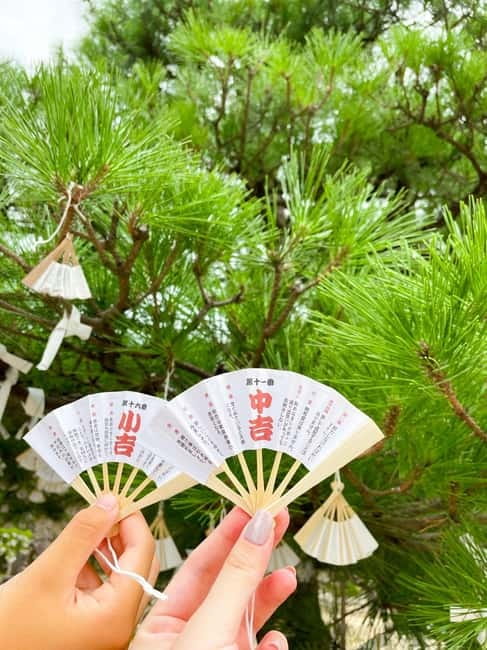
After the sandbar, the day shifts from dramatic coastline to quieter culture. Chionji Temple is known for its giant folding fan-shaped fortune slips. The idea is simple: you draw a fortune slip, then use the moment like a mini ritual—pray for wisdom or success and enjoy the calm. It’s not a long, complicated stop, and that’s part of the appeal when your day is already packed with scenic hits.
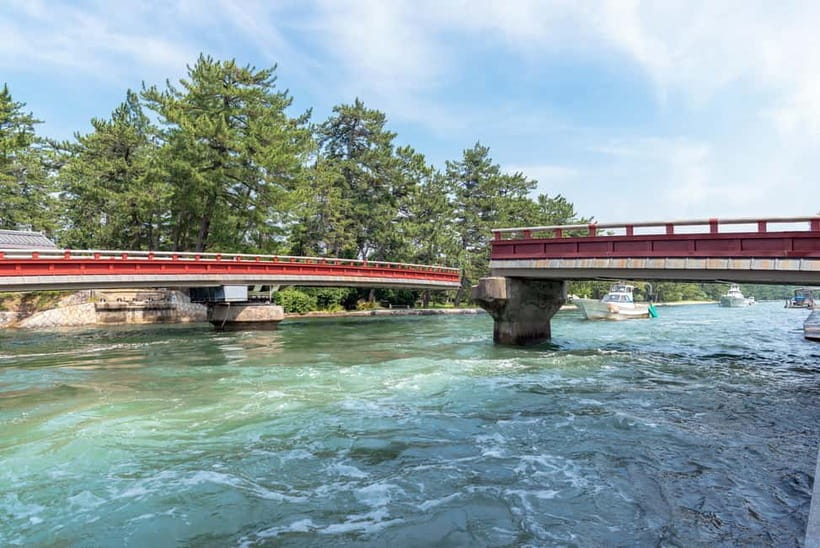
From there, you head toward Kaisen Bridge, which has a fun mechanical twist. It’s a rotating bridge that opens for passing boats. Even if you’ve seen bridges before, this one feels different because the scenery changes with the motion. It’s a good spot for quick photos, and it also breaks the day up so you’re not bouncing between lookout points nonstop.
If you like the small details of a place—signs, rituals, architecture—this is where the tour gives you a little more texture than purely scenic stops.
Amanohashidate Beach Break: Sea Air, Pine Walks, and Lunch at Your Pace
Then comes Amanohashidate Beach, where the vibe softens. You’re closer to the water and you can feel the sea breeze more clearly than at the viewpoint points. The tour builds in time for a walk and photos, and there’s even an option to rent a bicycle for an easy ride along the pine-lined areas.
This beach segment is more than downtime. It helps you digest the earlier panoramic views and lets you experience Amanohashidate at a human scale. Standing on the sand or strolling the paths gives you the real sense of distance—how the pine belt looks from the side, and how the coastline curves beyond the main photo spot.
Lunch is on your own expense, which is both a drawback and a practical freedom. You can eat what actually sounds good to you instead of being routed into a set meal you might not love. The only catch is that you’ll want to plan basic hunger timing, because you still have more driving and a second major sightseeing area later.
Ine no Funaya: Over 200 Floating Boat Houses on the Water
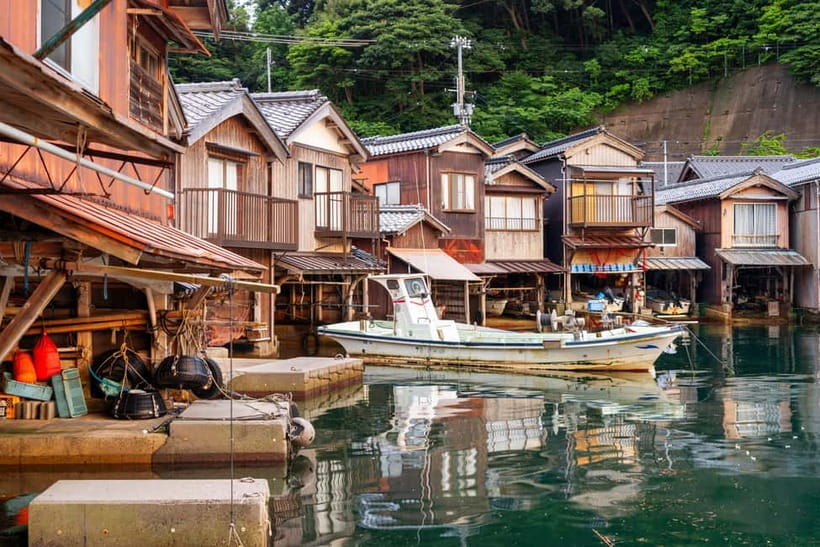
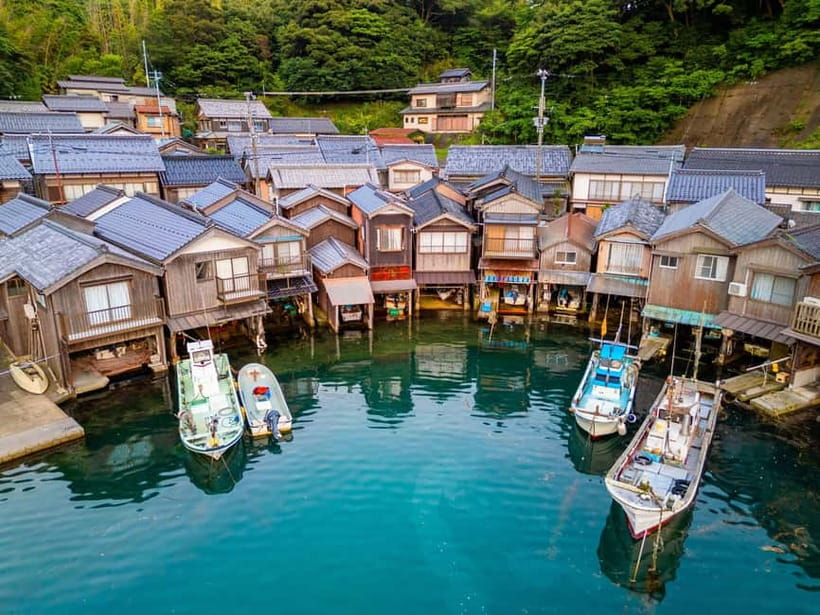
If Amanohashidate is the famous postcard, Ine no Funaya is the scene you’ll talk about later. This coastal village is built around 200+ traditional funaya, which are boat houses with boat garages on the ground floor and living spaces above. The result is a floating townscape where the architecture and the water feel like one thing.
The tour stops at Road Station Funaya no Sato Ine for photo time and sightseeing. This is the place where you can slow down and actually look at how the houses sit over the bay, how their shapes repeat, and how reflections can make the whole area feel like a living postcard.
And there’s an optional way to see it even closer: a sightseeing boat ride (1,000 yen). The payoff is perspective. From the water, the funaya look different—taller, closer, and more dimensional. One extra joy people have noted on the boat option is a chance to feed hawks during the ride, so if you’re doing the add-on, keep your eyes open and follow the guide’s directions.
One consideration for the boat option: weather and sea conditions can affect how smooth the ride feels. If you’re the type who gets motion-sick, decide based on how you usually react to boats, and know you might be taking on a bit more than “just another photo stop.”
- Tokyo: Shinjuku Food Tour (13 Dishes at 4 Local Eateries)★ 5.0 · 6,603 reviews
- Tokyo Mt Fuji 5th St & Hakone Cruise Bus Tour w/Bullet Train★ 4.4 · 5,024 reviews
- Flagship 2-Hours Official Street Go-Kart Tour – Tokyo Bay Shop★ 5.0 · 4,974 reviews
- From Tokyo: Mount Fuji Full-Day Sightseeing Trip★ 4.5 · 4,970 reviews
- Tokyo: Hop-On Hop-Off Sightseeing Bus Ticket★ 3.9 · 4,207 reviews
The Bus, the Breaks, and Why the Pace Still Feels Easy
The whole day is designed around transport plus several timed pockets of sightseeing. You’ll have scheduled segments where you’re dropped at each highlight, get time to explore, and then move on. It’s not a slow, all-day meander, but it also isn’t a rushed sprint. The best part is that you get meaningful free time at the key scenic points—time for photos, time to walk, and time to decide whether you want to add extras like View Land rides or the boat.
There are comfort and snack breaks on the way back and forth at Kyotamba-Ajimunosato PA. These stops help a lot if you’re traveling with a bag full of camera stuff or you just want to step out and reset. And because the tour includes an English and Korean speaking guide, you’re not left decoding what to do next.
Also, in real world terms: this itinerary is subject to traffic and weather, and the guide may adjust timing accordingly. For you, that means flexibility beats rigid planning. If you care about a specific viewpoint—like the hilltop at View Land—arrive ready so you can take advantage of the window you get.
Price and Value: What 55 USD Buys You
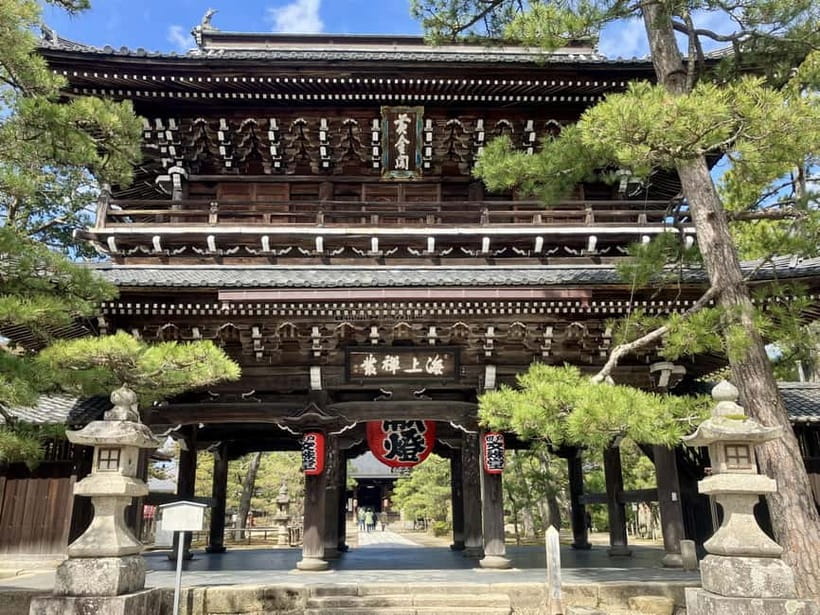
At $55 per person, this is a value play if your main goal is to see Amanohashidate and Ine without organizing trains, transfers, and timing. You’re paying for three big things:
- Transportation from Osaka area to the coast and back
- A live English/Korean speaking guide to help you move efficiently and understand what you’re looking at
- A structured route that covers multiple “must-see” locations without you building a private itinerary
What’s not included is also clear: meals, optional admissions and activity charges, and personal expenses. Those optional costs are where your final total will land. The two most common add-ons are:
- Amanohashidate chairlift/monorail: 850 yen
- Ine no Funaya boat ride: 1,000 yen
If you only do the main sights (sandbar, temple, bridge, beach, funaya area), you’ll likely feel like you’re paying mainly for convenience and guidance. If you add both optional experiences, you’re paying for deeper views and more memorable moments. Either way, it’s usually still easier—and often cheaper than trying to replicate the whole day on your own.
Photo Strategy and Time Use: How to Get the Best Shots
This trip is built around scenery, so you’ll do plenty of photos. The trick is not taking photos randomly—it’s choosing when to slow down.
Here’s how I’d use your time:
- At Amanohashidate, aim for a wide shot first, then switch to a closer view from where you can see pine-lined depth.
- At View Land, treat it like your “big view” moment. If you’re doing the chairlift/monorail, plan to take your time once you’re at the top.
- At Chionji, keep it simple: draw the fan fortune slip, read what you can, then move on. Don’t spend so long that you feel behind later.
- At Kaisen Bridge, watch for the moving moment. Even a short wait can make the difference between a normal bridge shot and a more unique one.
- At Ine no Funaya, slow down and look for symmetry—repeating funaya lines, reflections, and how the water fills the composition.
One nice extra: guides can be very proactive about group photos, and some have offered printed souvenir-style photos for the day. Even if you prefer selfies, let the guide know when you want a quick group shot so you don’t waste time later hunting for strangers to help.
Practical Notes: Who It Suits Best (and Who Might Want Something Different)
This day trip is a strong fit if you:
- Want a coast-focused break from the busier Kyoto city feel
- Like sightseeing that mixes scenic viewpoints with short cultural stops
- Enjoy structured days where someone else handles the route
- Travel with confidence navigating a Japanese day trip with a guide (English/Korean support is provided)
It may not be ideal if you:
- Need wheelchair access (it is not wheelchair-accessible)
- Rely on long unscheduled wandering (this is a timed, route-based day)
- Get motion-sensitive on boats (the optional funaya boat ride is an add-on, but it’s optional for a reason)
Good news if you’re traveling with kids: it’s stroller-friendly, and you should inform the operator if you’ll bring one.
Should You Book This Osaka to Kyoto by the Sea Tour?
I’d book it if your priority is seeing Amanohashidate and Ine no Funaya without the hassle of piecing together coastal transport yourself. The guided structure gives you more confidence than going totally DIY, and the mix of sandbar views, temple ritual, and floating funaya makes the day feel like more than just a single sightseeing stop.
Skip or at least reconsider if you’re on a tight budget and hate optional fees, since the most memorable “extra perspective” moments cost extra (especially the boat ride). Also think about your comfort level with an early start and a packed schedule.
If you want a half-day that feels like you left the crowd behind, this one delivers.
FAQ
How long is the Kyoto by the Sea tour?
The tour duration is listed as 3 hours.
What does the tour cost?
The price is $55 per person.
What’s included in the price?
Transportation and an English & Korean speaking guide are included.
Are meals included?
No. Meals are not included, so lunch and snacks are on your own.
What optional add-ons cost extra?
Amanohashidate chairlift or monorail costs 850 yen, and the Ine no Funaya sightseeing boat ride costs 1,000 yen.
Where do I meet the tour?
Meet in front of Tsurutontan Soemoncho before 7:50 AM.
What language is the guide?
The guide provides Korean and English support.
Can I use a stroller?
Yes, the tour is stroller-friendly. Let the operator know in advance if you’ll bring one.
Is the tour wheelchair-accessible?
No, it is not wheelchair-accessible.
What if weather or traffic changes the plan?
The itinerary is subject to traffic and weather, and the guide may adjust timing based on real-time conditions.
More Tour Reviews in Tokyo
- Mt Fuji and Hakone 1-Day Bus Tour Return by Bullet Train
★ 5.0 · 26,383 reviews - 1-Day Tokyo Bus Tour
★ 5.0 · 14,250 reviews - Tokyo: teamLab Planets TOKYO Digital Art Museum Entry Ticket
★ 4.6 · 9,779 reviews - Mt Fuji & Hakone Cruise, Drum Show Bullet Train 1 Day from Tokyo
★ 4.0 · 7,413 reviews - Tokyo: Shinjuku Food Tour (13 Dishes at 4 Local Eateries)
★ 5.0 · 6,603 reviews