
Reviewed · GUIDED
Private Day Tour in Tokyo with Government-Licensed Guide
Shibuya to temples, minus the guesswork. This private day tour is built to help you move through Tokyo efficiently with a licensed local guide who can tailor your pace and stops. You get a practical walking route plus help with public transit, so you spend less time staring at station maps and more time seeing the real highlights.
I especially like how the day is customizable (you pick 3–4 sites from a shortlist of major areas), which keeps it from turning into a rushed checklist. And the guide’s touch matters: Hiro is praised for clear English, flexibility, and smart timing, including planning around events like a street parade.
One consideration: some of the big-name viewpoints and towers cost extra. Shibuya Sky, Tokyo Tower, and Tokyo Skytree are not included, so your total day cost can rise fast if you add all three.
In This Review
- Key things that make this Tokyo day tour work
- Entering Tokyo by foot and train, not by guesswork
- Price and what you actually get for $108.99
- Starting in Shibuya: Scramble Square as your anchor
- Meiji Jingu and Harajuku: shrine peace, then street style
- Shibuya Sky and Shibuya Crossing: the must-see theater
- Tokyo Tower and Zojo-ji: classic Tokyo near the skyline
- Tsukiji Fish Market area: outside market energy without the heavy commitment
- Imperial Palace: a free reset from the city rush
- Asakusa and Senso-ji: old Tokyo you can actually walk through
- Kappabashi: kitchen tools and the plastic-food-window obsession
- Tokyo Skytree: a skyline view you choose, not a requirement
- The guide factor: why Hiro-style guiding is a big deal
- Timing, pace, and how to avoid a “6 hours and done” feeling
- Who this Tokyo day tour suits best
- Should you book this private Tokyo day tour?
- FAQ
- What is the duration of the Tokyo walking tour?
- Is this a private tour?
- Where does the tour start?
- How many sites can I choose?
- Are the top viewpoints included in the price?
- Is transportation included?
- Is cancellation free?
Key things that make this Tokyo day tour work
- Government-licensed local guide who helps you interpret what you’re seeing
- Custom 3–4 sites from a menu, so you’re not stuck with a rigid route
- Subway confidence boost, including how to plan routes and where to find easier station access
- Clear ticket budgeting for paid sights like Shibuya Sky and Tokyo Tower
- Start and end in Shibuya, one of Tokyo’s easiest hubs for day planning
Entering Tokyo by foot and train, not by guesswork
Tokyo can feel like a fun puzzle until you’re outside your hotel with no plan. This tour’s big value is that it turns navigation into part of the experience. You walk between major zones and your guide helps you understand how the subway connects them, which is the fastest way to stop feeling lost.
Since it’s a private tour, you set the tempo. Want more shrine atmosphere and fewer shopping streets? Want viewpoints and photos? The tour is designed so the itinerary can shift based on what you care about that day.
Also, the tone is practical. A well-run first day doesn’t just point at sights. It teaches you how to get around, how long things take, and which add-on tickets are worth it for your group.
Readers also shortlisted these Tokyo bookings:
- Tokyo 6hr Private Tour with Government-Licensed Guide
★ 5.0 · 3,902 reviews - Tokyo: Shinjuku Local Bar and Izakaya Guided Walking Tour
★ 4.9 · 1,794 reviews - Tokyo: Private City Highlights Tour with Local Guide
★ 4.8 · 1,433 reviews - Tokyo: Tsukiji Fish Market Guided Walking Tour
★ 4.9 · 1,397 reviews
Price and what you actually get for $108.99
At $108.99 per person for about 6 hours, the value comes from what’s included and what’s not. You’re paying for a licensed guide, private pacing, and planning. You’re also not paying for a pile of attraction tickets you might skip.
Here’s what’s typically included:
- A licensed local guide
- A customizable walking tour of 3–4 sites
- Meet-up in Tokyo
- Pickup is offered (availability depends on your booking)
What costs extra:
- Transportation fees (a 24-hour Metro Pass is listed at 900 yen adult, 450 yen child)
- Lunch
- Entry to paid viewpoints/towers:
- Shibuya Sky: 2,700 yen
- Tokyo Tower observation decks: 1,500 yen
- Tokyo Skytree: 2,100 yen weekdays, 2,300 yen holidays
So the smart way to budget is simple: decide which paid views you want. If you choose one big-ticket skyline stop, you’ll feel the tour is worth it. If you add all the paid options, you’ll pay more, but at least you’ll know the numbers up front.
Starting in Shibuya: Scramble Square as your anchor
Your day begins near Shibuya Scramble Square (Shibuya’s transport center). That matters more than it sounds. Shibuya is a hub with nonstop subway and train connections, which makes the whole day easier to manage.
From there, you can flow to:
- Harajuku and shrine calm (Meiji Jingu)
- Iconic intersections and skyline views (Shibuya Crossing, Shibuya Sky)
- Older Tokyo landmarks near the bay side (Tokyo Tower, Zojo-ji)
- Market-era Tokyo (Tsukiji outer market area)
- Traditional temple neighborhoods and shopping streets (Asakusa, Senso-ji, Kappabashi)
The route design also helps with timing. You’re not constantly backtracking across the city.
Meiji Jingu and Harajuku: shrine peace, then street style
One of the best combos in this plan is Meiji Jingu Shrine plus Harajuku. Meiji Jingu is free, takes about 40 minutes, and it sits right by the busy Harajuku Station line. That contrast is the point: you step from city motion into a shrine space dedicated to Emperor Meiji and Empress Shōken.
Then you pivot to Harajuku, focusing on Takeshita Street for around 20 minutes. This is where Tokyo leans into youth fashion and extreme teenage culture. It’s a great stop if you want energy and people-watching without committing to hours of shopping.
Practical tip: wear comfortable shoes. Even with “walking tour” pacing, you’ll cover real ground, and shrine areas can involve extra paths once you start exploring side lanes.
Shibuya Sky and Shibuya Crossing: the must-see theater
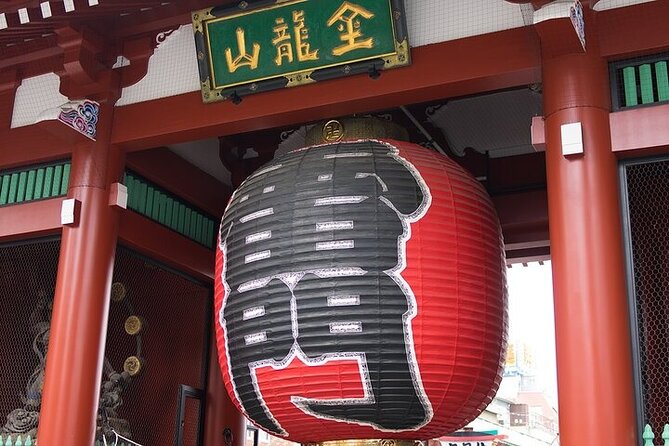
If you like photo moments, plan for two stops here: Shibuya Sky and Shibuya Crossing.
- Shibuya Sky is a 360° open-air observation deck on the roof of Shibuya Scramble Square. It’s listed at about 40 minutes and tickets are not included.
- Shibuya Crossing is free and only needs about 10 minutes, but it’s the kind of place you remember. It’s described as seven crossroads meeting, with the lights switching red together, and thousands of people crossing at the same time.
Is Shibuya Crossing worth your time if crowds are your least favorite thing? If you’re going for the iconic Tokyo moment, yes, and your guide can position you so you’re not stuck in the worst angles for photos or where you can’t move.
Shibuya Sky is the “pay once, then relax with views” choice. If you’re budget-conscious, pick one viewpoint for the day and let the rest stay free.
Readers also shortlisted these Tokyo bookings:
- Tokyo 6hr Private Tour with Government-Licensed Guide★ 5.0 · 3,902 reviews
- Private Tour to Mt. Fuji and Hakone (Fully Licenced Operator)★ 5.0 · 1,910 reviews
- Tokyo Customized Private Tour (Must See Places in 1 Day)★ 5.0 · 1,499 reviews
- Mount Fuji Full-Day Private Tour from Tokyo (Customizable)★ 4.9 · 1,470 reviews
- Tokyo: Private City Highlights Tour with Local Guide★ 4.8 · 1,433 reviews
Tokyo Tower and Zojo-ji: classic Tokyo near the skyline
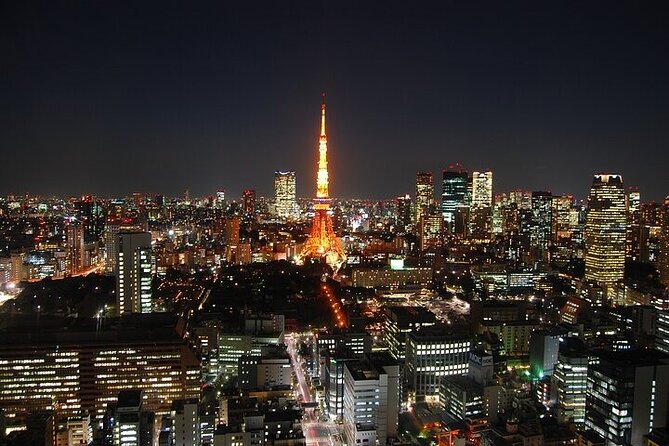
Next up is a pairing that feels like real Tokyo’s layers: Tokyo Tower and Zojo-ji Temple.
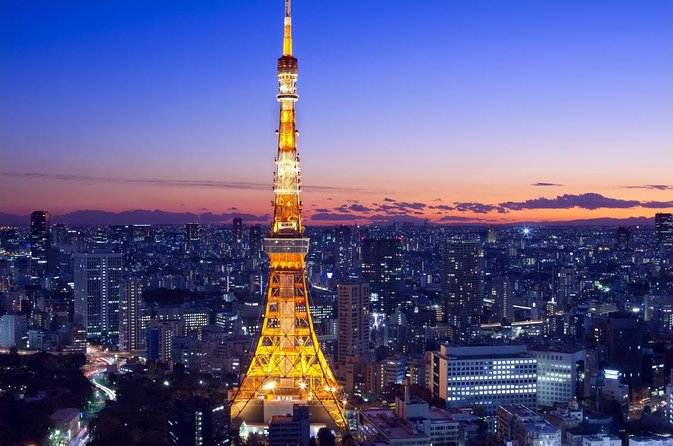
- Tokyo Tower is a symbol tied to Tokyo’s post–World War II rebirth, and it rises to 333 meters. It’s listed for about 40 minutes, and observation deck entry is not included.
- Zojo-ji Temple sits right next door, with grounds that include the Tokugawa family mausoleum. It’s free and about 20 minutes.
This pair works because you’re not choosing between “city view” and “temple mood.” You get both within a compact area.
If you do Tokyo Tower, think of it as your “retro landmark” moment. It’s not trying to be brand new. It’s part of the skyline identity, and it pairs well with shrine-and-temple days earlier.
Tsukiji Fish Market area: outside market energy without the heavy commitment
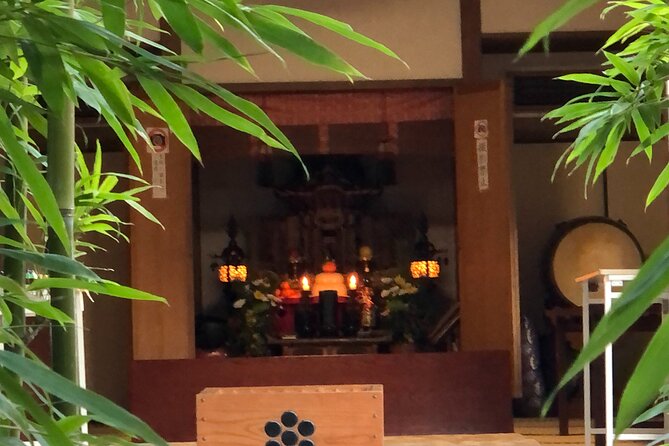
One of the most helpful stops on the list is Tsukiji Fish Market. It’s about 1 hour and listed as free. The focus is the outer market, where top chefs shop for high-quality fish.
What this means for you: you can experience a food-focused side of Tokyo without needing to commit to expensive tastings or long indoor-only tours. It’s a great way to add local flavor to a day that already includes shrines, towers, and big-city streets.
Even if you’re not a seafood fanatic, Tsukiji’s value is that it shows you Tokyo’s food culture as a working system, not just as a restaurant list. And since lunch isn’t included, your guide can point you to realistic choices after you’ve seen the market.
Imperial Palace: a free reset from the city rush
Then the tour shifts toward a calmer central zone: the Imperial Palace area.
You’ll get about 40 minutes, and the listing notes that most grounds aren’t open to the public, but the East Gardens are accessible on select days. This stop is free and works well after the “high-energy” parts of Shibuya and Tsukiji.
Think of it as a palate cleanser. You’re still in central Tokyo, but the mood changes from crowds and neon visuals to wide space and history-linked walls and pathways.
A private guide matters here too. When access is limited, a guide can help you make the best of what you can actually enter that day, instead of wasting time at spots you can’t use.
Asakusa and Senso-ji: old Tokyo you can actually walk through
Next comes one of the most rewarding temple neighborhoods on the list: Asakusa and Senso-ji Temple.
- Asakusa is listed at 10 minutes and is free. It’s described as full of shops and restaurants, plus access to the temple area.
- Senso-ji is free and about 30 minutes. It’s a Buddhist temple known for being colorful and popular, with a legend tracing its origins to the year 628.
This is the kind of stop where you can slow down. Even if you only spend half an hour at the temple itself, you’ll likely want a little extra time wandering nearby streets.
If you’re traveling with kids or teens, this is often a hit because it mixes sightseeing with street atmosphere, snacks, and photo-worthy details.
Kappabashi: kitchen tools and the plastic-food-window obsession
Just after Senso-ji, there’s a quick but fun add-on: Kappabashi Street (Kappabashi Dogugai). It’s free and listed at about 10 minutes.
Kappabashi is known for:
- Kitchen equipment
- Paper supplies for restaurants
- Specialty plastic food items displayed in windows
This stop is small, but it’s memorable. It also gives you a practical souvenir option that feels more “Tokyo working life” than generic magnet-and-keychain shopping.
Tokyo Skytree: a skyline view you choose, not a requirement
Depending on your interests, you may add Tokyo Skytree (listed at about 40 minutes). It’s not included, and ticket prices vary by weekday versus holiday.
The listing frames Skytree as:
- A television broadcasting tower
- A landmark and centerpiece of Tokyo Skytree Town in Sumida City
- Not far from Asakusa
In a 6-hour day, Skytree is the kind of choice you make based on one question: do you want more height views, or would you rather use time on temple streets, market wandering, and shopping streets?
If you already plan to do Shibuya Sky or Tokyo Tower, Skytree might be overkill. If you skip those paid viewpoints, Skytree can be the best “one view only” option.
The guide factor: why Hiro-style guiding is a big deal
The standout theme in the praise is the guide’s quality. Hiro is repeatedly described as:
- Fluent in English
- Flexible with last-minute preference changes
- Skilled at using public transportation
- Focused on customs and etiquette, not just photos
- Able to help groups of different ages and needs
There’s also a practical element: guide notes about station access and elevators came up. That kind of detail matters in Tokyo, where stairs can add up fast.
Another common theme: food advice that feels local. You’ll get suggestions for where to eat, not just where the internet says to go. If lunch is a priority, this is one of the tour’s real advantages, since lunch isn’t included but planning is.
Timing, pace, and how to avoid a “6 hours and done” feeling
A walking tour can either be energizing or exhausting. The difference is smart pacing. This one is built around a short list of selectable sites, which helps you avoid the classic problem: spending your whole day moving between train stations and barely seeing anything.
To make it feel great:
- Pick one paid skyline stop if you want a view-heavy day
- Choose one shopping/people-watching zone (Harajuku or Kappabashi)
- Keep one “quiet” stop (Meiji Jingu or Imperial Palace) so the day has contrast
Also, plan for practical comfort. Tokyo weather can be intense in summer, and walking days add up. Bring water and wear shoes you can stand in for longer than you think you can.
Who this Tokyo day tour suits best
This is a strong choice if:
- You’re in Tokyo for a first visit and want a clear “highlights + guidance” day
- You don’t want to sort out subway transfers alone
- Your group has different interests (shrines, views, neighborhoods, food)
- You’d rather pay a bit for a guide than waste time and energy on logistics
It’s also a good fit for families, since the plan can be adjusted to keep everyone comfortable. And if you’re more itinerary-planning than wandering-by-chance, the pre-built menu of stops makes decision-making easy.
Should you book this private Tokyo day tour?
Book it if you want your first Tokyo day to feel organized, flexible, and understandable. The private format plus guide-led subway help can save you hours of confusion, especially if you’re hopping between iconic zones like Shibuya, Asakusa, and Tsukiji.
Skip it or trim your paid choices if you’re trying to stay ultra-budget. At $108.99, the guide is the main value, and the big-ticket viewpoints add costs. If you only want one or two paid entries, you’ll likely feel the best balance of price and payoff.
If you want a Tokyo day that actually teaches you how to move through the city while hitting the highlights that make people fall in love with Tokyo, this is a solid pick.
FAQ
What is the duration of the Tokyo walking tour?
The tour runs for about 6 hours.
Is this a private tour?
Yes. It’s private, so only your group participates.
Where does the tour start?
The meet-up point is near Shibuya Scramble Square at Shibuya, Tokyo (address listed in the tour details).
How many sites can I choose?
The tour is described as a customizable walking tour of your choice of 3–4 sites from the tour’s list of options.
Are the top viewpoints included in the price?
No. Shibuya Sky, Tokyo Tower observation decks, and Tokyo Skytree observation decks are listed as not included, with ticket prices provided.
Is transportation included?
Transportation fees are not included. A 24-hour Metro Pass cost is listed for adults and children.
Is cancellation free?
Yes. Free cancellation is available if you cancel at least 24 hours before the experience start time.
More Guided in Tokyo
- Tokyo 6hr Private Tour with Government-Licensed Guide
★ 5.0 · 3,902 reviews - Tokyo: Shinjuku Local Bar and Izakaya Guided Walking Tour
★ 4.9 · 1,794 reviews - Tokyo: Private City Highlights Tour with Local Guide
★ 4.8 · 1,433 reviews - Tokyo: Tsukiji Fish Market Guided Walking Tour
★ 4.9 · 1,397 reviews - Tokyo 4hr Private Tour with Government-Licensed Guide
★ 5.0 · 1,394 reviews
More Tours in Tokyo
- Mt Fuji and Hakone 1-Day Bus Tour Return by Bullet Train
★ 5.0 · 26,383 reviews - 1-Day Tokyo Bus Tour
★ 5.0 · 14,250 reviews - Tokyo: Shinjuku Food Tour (13 Dishes at 4 Local Eateries)
★ 5.0 · 6,603 reviews - Tokyo Mt Fuji 5th St & Hakone Cruise Bus Tour w/Bullet Train
★ 4.4 · 5,024 reviews - Flagship 2-Hours Official Street Go-Kart Tour – Tokyo Bay Shop
★ 5.0 · 4,974 reviews
More Tour Reviews in Tokyo
- Mt Fuji and Hakone 1-Day Bus Tour Return by Bullet Train
★ 5.0 · 26,383 reviews - 1-Day Tokyo Bus Tour
★ 5.0 · 14,250 reviews - Tokyo: teamLab Planets TOKYO Digital Art Museum Entry Ticket
★ 4.6 · 9,779 reviews - Mt Fuji & Hakone Cruise, Drum Show Bullet Train 1 Day from Tokyo
★ 4.0 · 7,413 reviews - Tokyo: Shinjuku Food Tour (13 Dishes at 4 Local Eateries)
★ 5.0 · 6,603 reviews
Latest Tokyo reviews off our desk






Guided, compared.
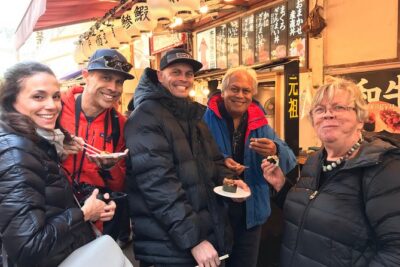 ★ 5.0Tokyo 6hr Private Tour with Government-Licensed GuideFrom $1553,902 reviews
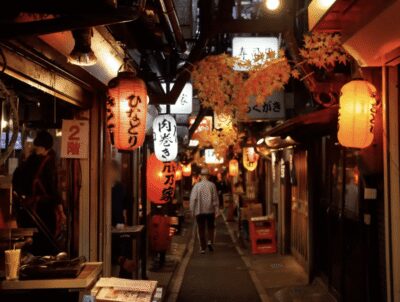 ★ 4.9Shinjuku Local Bar and Izakaya Guided Walking TourFrom $341,794 reviews
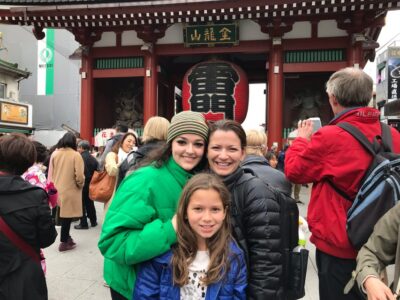 ★ 4.8Private City Highlights Tour with Local GuideFrom $1061,433 reviews
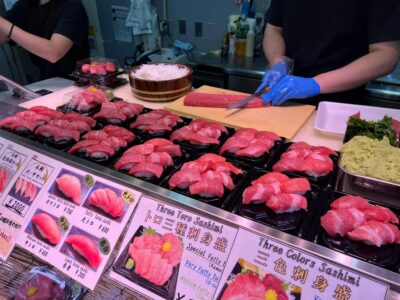 ★ 4.9Tsukiji Fish Market Guided Walking TourFrom $221,397 reviews
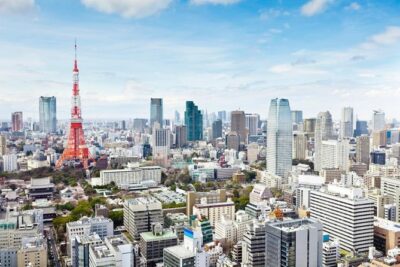 ★ 5.0Tokyo 4hr Private Tour with Government-Licensed GuideFrom $1091,394 reviews
 ★ 5.0Tokyo Guided Small-Group Biking TourFrom $1061,250 reviews
 ★ 4.6Samurai Ninja Museum Guided tour and ExperienceFrom $271,010 reviews
 ★ 5.0Tsukiji Fish Market Guided Tour and Sushi Making with Pro ChefFrom $104775 reviews