
Reviewed · SHIBUYA EXPERIENCES
Private Mochi Sweets Making class near Shibuya area
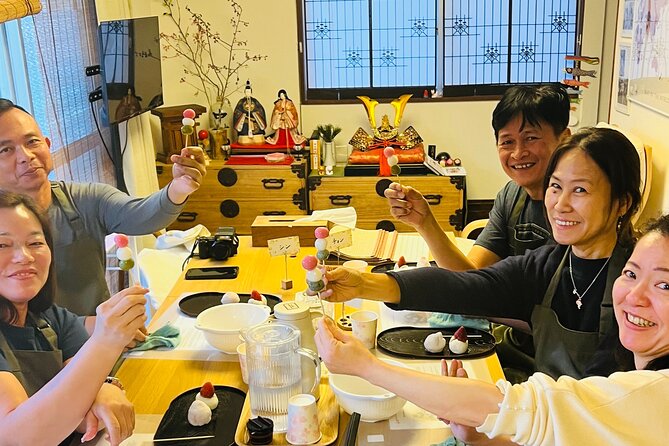
You can learn Tokyo sweets the hands-on way. I love that the class happens in Sakura’s own home in Sangenjaya, not a studio, and you’ll actually shape and cook your own mochi and dango. The tea tasting with matcha (plus a take-out option) makes the whole session feel complete. One thing to consider: her house has a second-floor entrance with stairs, and there’s also a dog on site, so dog allergies are a real factor.
I went in expecting a fun food activity, and I left with a clearer sense of why mochi shows up in Japanese life and celebrations. I also like how the class stays personal thanks to a max group size of 8, so you’re not stuck watching from the sidelines. If you’re in Tokyo without much flexibility, plan your timing carefully—this experience needs good weather and may require a minimum number of participants to run.
In This Review
- Key highlights worth planning around
- First stop: Sangenjaya Home Base Near Shibuya
- Meet Sakura: Why This Class Feels Personal
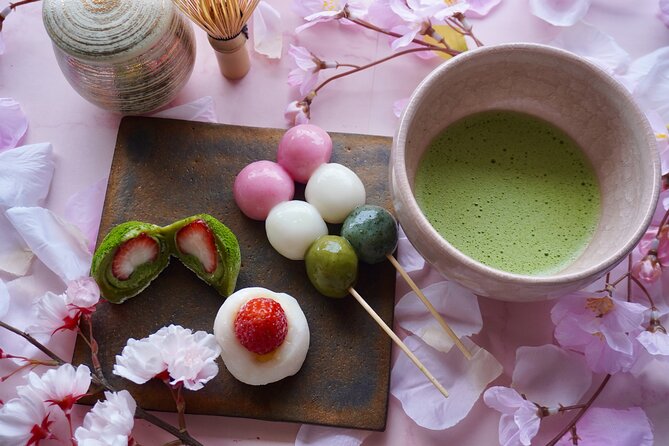
- What You’ll Make: Mochi + Dango, Shaped With Your Own Hands
- The 2-Hour Flow: From History to Matcha Tasting
- Tea Matters: Matcha, Green Tea, and a Cozy Pace
- How Much Is $79.28 Worth? Value for Your Time
- Who Should Book This Mochi-Making Class?
- Things to Watch: Stairs, Dog Allergy, and Expectations
- Getting the Most Out of Your Class Day
- Should You Book This Mochi-Making Class Near Shibuya?
- FAQ
- How long is the mochi sweets making class?
- How much does it cost per person?
- Where does the class meet?
- What’s included in the price?
- What will I make during the class?
- Is the class demonstration-only?
- Is there a limit on group size?
- Is the venue accessible for people who can’t use stairs?
- Is there a dog in the home where the class takes place?
- What if I don’t want caffeine?
Key highlights worth planning around
- Hands-on mochi and dango in a local home setting, not a lecture
- Sakura’s teaching style is patient and effective for kids and adults
- Tasting with green tea or matcha, plus a take-out bag for leftovers
- Small group size (max 8) for more help while you work
- Cultural context: mochi’s history and traditional meaning woven into the lesson
- Simple ingredient approach: fruit daifuku and dango using no gluten, no alcohol, and no additives (as described)
First stop: Sangenjaya Home Base Near Shibuya
This mochi-making class lands you in Sangenjaya, a residential pocket near Shibuya that feels calmer than the main tourist rush. The meeting point is at 1-chōme-11-13 Sangenjaya, Setagaya City (and the experience ends back there). If you like walking between train stations and browsing quiet streets for a change of pace, this is a good setup.
What makes Sangenjaya work for the experience is the atmosphere. The class is in Sakura’s household, so you’re not just consuming Japanese food culture—you’re stepping into everyday Tokyo life for a couple hours. That matters because mochi isn’t just a dessert. It’s tied to seasonal rhythms, traditions, and the way families share food.
Two practical notes before you go: the venue is on the second floor with stairs, and there’s a dog in the house. Service animals are allowed, but if dog allergies are part of your health picture, the operator specifically recommends against booking.
More booked around Shibuya Crossing
- Official Street Go-Kart in Shibuya
★ 5.0 · 3,435 reviews - Tokyo: Street Kart Experience in Shibuya
★ 4.9 · 1,484 reviews - Shibuya Meltdown Nightlife Tour: All-You-Can-Drink Bar Hopping
★ 5.0 · 1,058 reviews - Shibuya Official Street Go-Kart in Shibuya Annex
★ 5.0 · 972 reviews
Meet Sakura: Why This Class Feels Personal
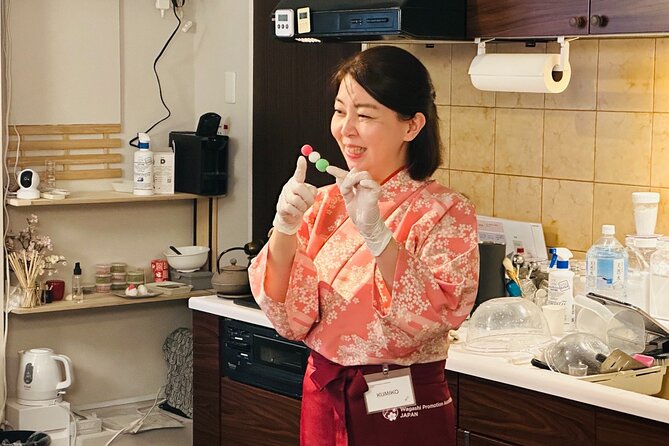
The standout here is the instructor, Sakura. She’s taught more than 1,000 guests from over 35 countries in her home, and she’s been invited to Switzerland as a guest instructor. That track record isn’t just marketing fluff—it matches what you’d hope to experience in a home kitchen: clear guidance, patience, and the ability to explain things without making you feel rushed.
Also, Sakura is described as a mother who has raised two children, and her teaching approach is gentle and effective for different ages. In practice, that’s exactly what you want when you’re learning a sticky, hands-on food. Mochi can be forgiving if the instructor shows you how to handle it, and frustrating if you’re left to guess. This class is built to keep you moving step-by-step.
One more detail I appreciate: multiple people noted that Sakura communicates well in English, so beginners won’t feel shut out. Some classes in Japan rely on assumed language skills. This one is set up so you can follow along.
What You’ll Make: Mochi + Dango, Shaped With Your Own Hands
You’ll learn to make mochi and dango by hand, guided from start to finish. Unlike a lot of cooking experiences that feel like a show with a tiny participation segment, this one is structured so you do the work yourself.
Here’s what to expect based on the class description: you’ll make fruit daifuku and dango. Daifuku is the classic mochi dessert with filling—here, it’s described as fruit daifuku. Dango is the chewy sweet dumpling you’ll often see on skewers or as part of seasonal treats. You’ll also get to make the process yours, with Sakura walking you through how things should look and feel as you go.
Several guests highlighted that the finished sweets were excellent—so you’re not just learning technique for the sake of it. You’ll leave with mochi you actually want to eat.
Another thoughtful detail: the class describes these sweets as using ingredients with no gluten, no alcohol, and no additives. That’s not a guarantee of full allergy safety for every possible ingredient, but it does tell you the class philosophy is about clean, traditional-style sweets rather than heavily processed products.
The 2-Hour Flow: From History to Matcha Tasting
The class lasts about 2 hours, and it usually feels like a steady rhythm rather than a marathon. A typical flow looks like this:
1) Welcome + intro
You start with an explanation of mochi—its cultural history and traditional recipes. Some guests mentioned Sakura uses tools like a slideshow, which helps you connect the food you’re making with the meaning behind it.
2) Hands-on shaping and cooking
Then comes the work: you shape, handle, and prepare the mochi and dango with guidance. This is where the small group size really matters. With max 8 people, you can ask questions, get corrections, and keep your hands moving without waiting for the instructor to cycle through a crowd.
3) Tea and tasting
When your sweets are ready, you’ll sample what you made with green tea or matcha. The class also notes coffee and/or tea, and if you don’t want caffeine, you can request decaffeinated black tea. Matcha is available as well.
4) Take-out for leftovers
You get a take-out bag, plus aprons are available to rent. If you make more than you can finish, you can pack it up. One guest specifically mentioned getting a take-away prepared for leftovers, so don’t assume you’re stuck eating everything on the spot.
That “history + hands-on + tasting + pack it up” structure is why this class works for many types of travelers. You get the cultural story, you do the work, and you leave with something tangible.
Tea Matters: Matcha, Green Tea, and a Cozy Pace
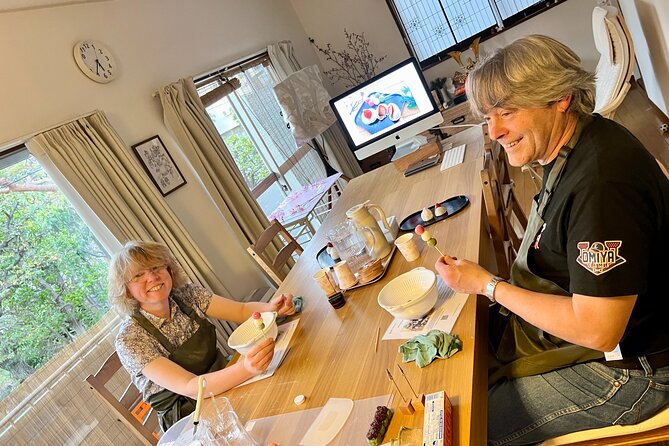
A cooking class can be technically good but still feel rushed. This one doesn’t. The home setting encourages a calmer pace, and the tea component makes it feel like a real Japanese sweets moment.
You’ll have green tea or matcha served, plus there’s coffee and/or tea options. If caffeine is a concern, decaf black tea is available. That’s helpful in Japan, where tea and matcha are often assumed to be your default.
Also, the class emphasizes a cozy home environment. That may sound vague, but in this case it’s practical: you’ll likely be seated in a space where you can focus on your hands, not on moving around a big kitchen. It’s easier to learn when your surroundings don’t constantly pull you away.
Readers also shortlisted these Tokyo bookings:
- Tokyo 6hr Private Tour with Government-Licensed Guide★ 5.0 · 3,902 reviews
- Private Tour to Mt. Fuji and Hakone (Fully Licenced Operator)★ 5.0 · 1,910 reviews
- Tokyo Customized Private Tour (Must See Places in 1 Day)★ 5.0 · 1,499 reviews
- Mount Fuji Full-Day Private Tour from Tokyo (Customizable)★ 4.9 · 1,470 reviews
- Tokyo: Private City Highlights Tour with Local Guide★ 4.8 · 1,433 reviews
How Much Is $79.28 Worth? Value for Your Time
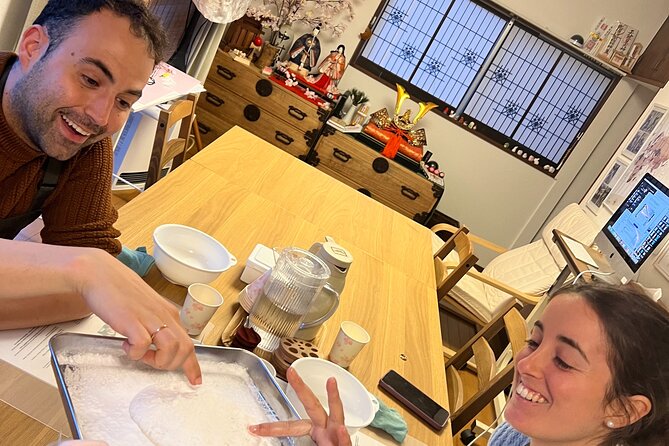
At $79.28 per person for about 2 hours, you’re not paying budget-class rates. But you are buying several things that most cheaper food activities don’t include.
You’re paying for:
- A real instructor-led home experience (Sakura’s household, not a venue you’ll forget in an hour)
- Hands-on participation in making mochi and dango
- Tea/matcha tasting
- Small group size (max 8), which increases how much guidance you actually get
- Materials support like aprons and a take-out bag
You also skip some hidden costs. The class includes coffee/tea and doesn’t list extra mandatory add-ons for tasting. What isn’t included is also clear: private transportation, bottled water, brunch, soda/pop, and alcoholic beverages.
In short: this is value-forward if you want a memorable Tokyo food moment that feels local and personal. If you only want to eat dessert and don’t care about making it, you could probably find cheaper mochi elsewhere. But if you want technique, story, and an edible souvenir you made yourself, the price makes more sense.
Who Should Book This Mochi-Making Class?
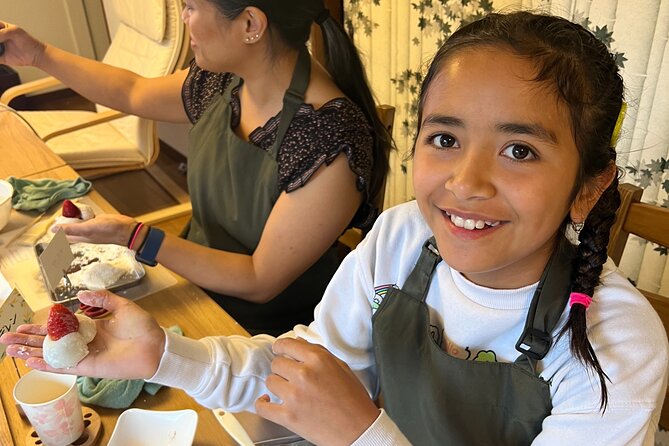
This class fits best if you like one (or more) of these:
- Food lovers who want to learn technique, not just taste
- Culture-minded travelers who enjoy small explanations about why a food matters
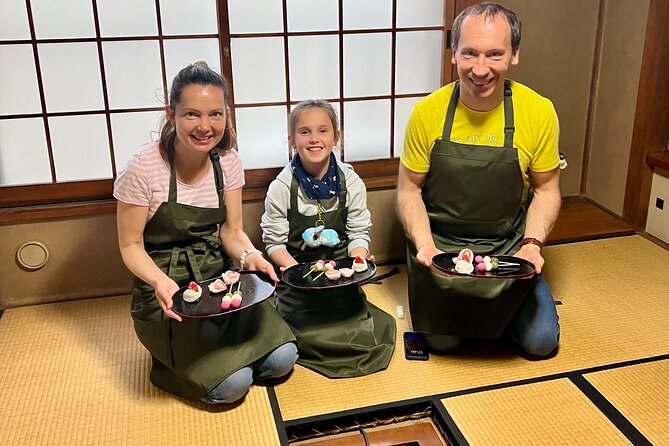
- Families: Sakura is described as patient and effective with kids, and multiple groups included children and teens
- People who prefer smaller, quieter experiences over big group tours
It’s also a smart choice if your Tokyo plan needs balance. Shibuya can be flashy and intense. A mochi lesson in Sangenjaya gives your trip a gentler texture.
One more reason I’d recommend it: the class aims for sweets you can recreate later, using ingredients described as being readily available abroad by at least one group. That’s the difference between a “cool story” and a skill you can practice at home.
Things to Watch: Stairs, Dog Allergy, and Expectations
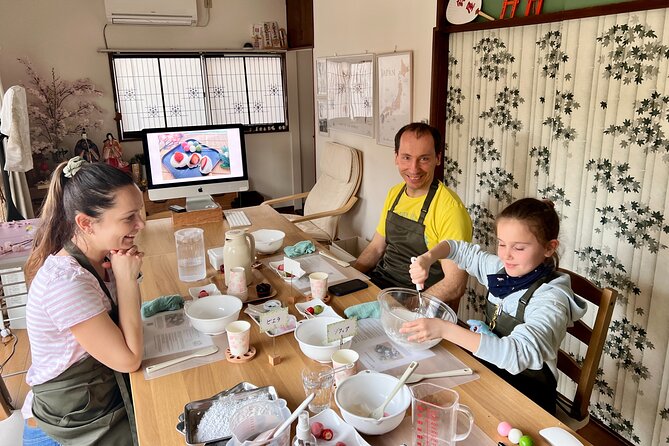
Before you book, I’d line up your expectations in a realistic way.
- Dog in the house: The operator notes there is a dog and says they don’t recommend the class for someone with a dog allergy.
- Second-floor stairs: The venue requires going up stairs, so plan accordingly if you have mobility limits.
- Not a quick grab-and-go: It’s a real workshop. You should expect hands-on involvement and learning, not passive entertainment.
- Weather dependence and minimum traveler requirements: The experience requires good weather and may be canceled or rescheduled if the minimum number of travelers isn’t met.
None of these are dealbreakers for everyone, but they’re important for planning so the day stays smooth.
Getting the Most Out of Your Class Day
To make this experience feel effortless, do a little prep:
- Wear comfortable clothing you don’t mind getting flour-like residue on (even with aprons).
- Be ready to get your hands a bit messy—mochi is a tactile food.
- Come hungry enough for tasting, but don’t expect a full meal afterward. The class isn’t described as a brunch replacement.
- If you’re sensitive to caffeine, decide ahead of time so you can ask for decaffeinated black tea.
And if you have time before or after, Sangenjaya is a nice neighborhood for a slow walk. You’re in a local area where you can reset from the busy Shibuya rhythm.
Should You Book This Mochi-Making Class Near Shibuya?
I’d book it if you want a Tokyo experience that’s more than eating. The combination of Sakura’s home setting, small-group attention, and hands-on mochi and dango making is exactly what turns a class into a highlight.
Skip it (or at least think twice) if dog allergies are an issue, if stairs are a problem for you, or if you’re looking for a fast snack with zero learning involved. Also, if your schedule is extremely tight and you can’t adapt at all, keep weather dependence and minimum-group timing in mind.
If you’re looking for a warm, practical, memorable way to experience Japanese sweets culture—daifuku, dango, and matcha included—this is one of the rare classes that feels personal from start to finish.
FAQ
How long is the mochi sweets making class?
The class is about 2 hours.
How much does it cost per person?
It costs $79.28 per person.
Where does the class meet?
The meeting point is 1-chōme-11-13 Sangenjaya, Setagaya City, Tokyo 154-0024, Japan. The activity ends back at the meeting point.
What’s included in the price?
You’ll get coffee and/or tea (including green tea or matcha), a take-out bag, and aprons are available for rent.
What will I make during the class?
You will learn to make mochi and dango by hand, including fruit daifuku and dango.
Is the class demonstration-only?
No. It’s not described as a demonstration-only class—you make the sweets yourself with instruction.
Is there a limit on group size?
Yes. The class has a maximum of 8 travelers.
Is the venue accessible for people who can’t use stairs?
The venue is on the second floor and requires going up stairs, so you should plan for that.
Is there a dog in the home where the class takes place?
Yes, there is a dog in the house, and the operator notes that people with dog allergies are not recommended to book.
What if I don’t want caffeine?
Decaffeinated black tea is available, and matcha is also available if you want it.
More Private in Tokyo
- Tokyo 6hr Private Tour with Government-Licensed Guide
★ 5.0 · 3,902 reviews - Private Tour to Mt. Fuji and Hakone (Fully Licenced Operator)
★ 5.0 · 1,910 reviews - Tokyo Customized Private Tour (Must See Places in 1 Day)
★ 5.0 · 1,499 reviews - Mount Fuji Full-Day Private Tour from Tokyo (Customizable)
★ 4.9 · 1,470 reviews - Tokyo: Private City Highlights Tour with Local Guide
★ 4.8 · 1,433 reviews
More Tour Reviews in Tokyo
- Mt Fuji and Hakone 1-Day Bus Tour Return by Bullet Train
★ 5.0 · 26,383 reviews - 1-Day Tokyo Bus Tour
★ 5.0 · 14,250 reviews - Tokyo: teamLab Planets TOKYO Digital Art Museum Entry Ticket
★ 4.6 · 9,779 reviews - Mt Fuji & Hakone Cruise, Drum Show Bullet Train 1 Day from Tokyo
★ 4.0 · 7,413 reviews - Tokyo: Shinjuku Food Tour (13 Dishes at 4 Local Eateries)
★ 5.0 · 6,603 reviews
More Around Shibuya Crossing
- Official Street Go-Kart in Shibuya
★ 5.0 · 3,435 reviews - Tokyo: Street Kart Experience in Shibuya
★ 4.9 · 1,484 reviews - Shibuya Meltdown Nightlife Tour: All-You-Can-Drink Bar Hopping
★ 5.0 · 1,058 reviews - Shibuya Official Street Go-Kart in Shibuya Annex
★ 5.0 · 972 reviews - Tokyo: Shibuya Food Tour (13 dishes and 4 Eateries)
★ 5.0 · 770 reviews
Latest Tokyo reviews off our desk




Shibuya Experiences, compared.
 ★ 5.0Official Street Go-Kart in ShibuyaFrom $763,435 reviews
 ★ 4.9Street Kart Experience in ShibuyaFrom $741,484 reviews
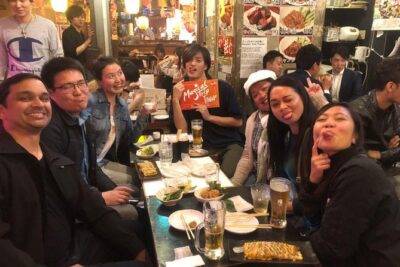 ★ 5.0Shibuya Meltdown Nightlife Tour: All-You-Can-Drink Bar HoppingFrom $1061,058 reviews
 ★ 5.0Shibuya Official Street Go-Kart in Shibuya AnnexFrom $69972 reviews
 ★ 5.0Shibuya Food Tour (13 dishes and 4 Eateries)From $77770 reviews
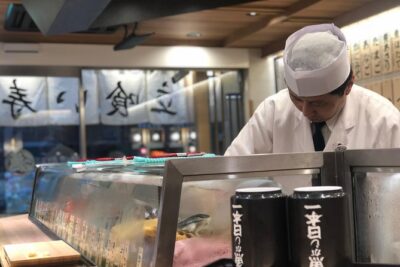 ★ 5.0Best of Shibuya Food TourFrom $217612 reviews
 ★ 4.8Shibuya Highlights Walking TourFrom $19601 reviews
 ★ 4.7Premium Go-Kart Tour with Tower & Shibuya CrossingFrom $116528 reviews
Browse the lists this tour appears in