
Reviewed · GUIDED
Private Tokyo Tour with English Speaking Guide
Tokyo feels huge until someone maps it. This private, English-speaking walking tour threads together the city’s big-name districts and quieter stops, with a guide helping you move efficiently. You’ll cover everything from Shibuya energy to Meiji Jingu calm, plus classic historic sights and modern viewpoints.
What I like most is the practical mix of stops and the smooth feel of having an actual guide. You get hotel meet-up and drop-off, and most major attractions on the route are marked as free entry, so your time goes to walking and seeing instead of guessing. If your guide is strong at communication (like Hikari, who’s described as responsive and easy with navigation), the day can feel noticeably less stressful.
One thing to consider: the price doesn’t cover transit, and the big observation tickets at Tokyo Tower and Tokyo Skytree are not included. So you’ll want a little extra budget and flexibility if you’re aiming for the views.
In This Review
- Key highlights to know before you go
- Tokyo in One Walk: what this private route gets right
- Price and Logistics: what you pay for, what you cover
- Getting started at Tokyo Station (and what that means for your day)
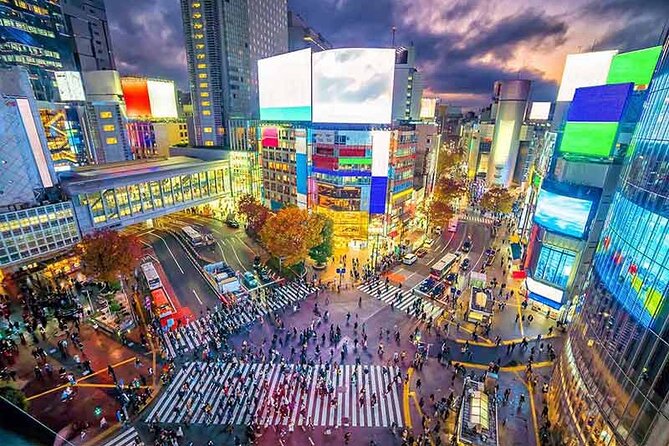
- Shibuya Crossing to Harajuku Station: neon chaos, then fashion cues
- Meiji Jingu Shrine and Shinjuku: quiet forest then skyline speed
- Asakusa and Senso-ji Temple: traditional Tokyo without the time sink
- Tsukiji Fish Market and Akihabara: street food vibes meet tech culture
- Tokyo Tower and Skytree: the viewpoints that add budget and time
- Odaiba in the mix: a futuristic finish by Tokyo Bay
- How long is enough? timing that affects your experience
- Best fit: who this tour suits (and who might want something else)
- Should you book this private Tokyo walking tour?
- FAQ
- How long is the Tokyo private walking tour?
- Where does the tour start and end?
- Is this tour really private, and is the guide in English?
- Are tickets included for Tokyo Tower and Tokyo Skytree?
- Are transport and snacks included in the price?
- What happens if the weather is bad or I need to cancel?
Key highlights to know before you go
- Private format for just your group, so pacing stays comfortable
- English-speaking guide plus hotel pickup and drop-off
- Most stops are free entry, which helps value
- A route that balances old Tokyo and modern Tokyo in one day
- Tokyo Tower and Skytree observation tickets cost extra
- Good weather matters, since it’s built around walking
Tokyo in One Walk: what this private route gets right
Tokyo has a way of overwhelming your mental map. One moment you’re staring at a sea of pedestrians, the next you’re walking through a shrine forest that feels like it belongs to a different city. This tour is designed to give you that contrast on purpose, without forcing you to plan each hop yourself.
The private part matters more than it sounds. When you’re just your group, your guide can adjust how long you linger at a photo spot or how quickly you cross busy areas. That can be especially helpful in Tokyo, where “nearby” can still mean a walk, a crossing, and a quick navigation problem.
I also like the structure because it keeps the day purposeful. You get a classic sequence of districts—west Tokyo into east Tokyo—so you’re not zig-zagging randomly. And because many stops are free entry, the day stays light on ticket logistics, which makes a big difference when you’re trying to see a lot in limited time.
Readers also shortlisted these Tokyo bookings:
- Tokyo 6hr Private Tour with Government-Licensed Guide
★ 5.0 · 3,902 reviews - Tokyo: Shinjuku Local Bar and Izakaya Guided Walking Tour
★ 4.9 · 1,794 reviews - Tokyo: Private City Highlights Tour with Local Guide
★ 4.8 · 1,433 reviews - Tokyo: Tsukiji Fish Market Guided Walking Tour
★ 4.9 · 1,397 reviews
Price and Logistics: what you pay for, what you cover
At $97.73 per person, this tour is priced like a “guided highlights day,” not a cheap group bus tour. The value comes from the combination of English-speaking guide and hotel meet-up and drop-off, plus the fact that most listed stops are free admission.
Here’s the practical math:
- What’s included: the guide, hotel pickup/drop-off, and access to stops that are free entry.
- What’s not included: public transportation cost and any observation deck admission at Tokyo Tower and Tokyo Skytree.
- Also not included: snacks (simple, but plan for it).
So when deciding if it’s worth it, think about your own time. If you’d otherwise spend part of the day figuring out directions and transit, the guide can save mental effort. If you’re the type who loves building your own plan, you might feel the price is only “fair” unless you truly use the guide’s navigation help.
Getting started at Tokyo Station (and what that means for your day)

The meet-up point is at Tokyo Station, specifically 1 Chome-9 Marunouchi in Chiyoda. If you’re not starting directly at the station, the tour offers hotel pickup too, and that can be a huge convenience in Tokyo where first-day navigation can be tricky.
The tour ends back at the meeting point. That matters because it keeps the day from stretching into an awkward final commute. You’ll also know you’re not leaving the tour mid-route and then trying to figure out what to do next.
One of the strongest practical benefits is that having a guide ready at the start reduces the “lost in the crowd” feeling. In the reports you have here, Hikari is highlighted as responsive before the tour and smooth with pickup, which suggests the early coordination is taken seriously.
Shibuya Crossing to Harajuku Station: neon chaos, then fashion cues
You start in Shibuya, with time set aside around the Shibuya Crossing area (about 30 minutes). This is one of those places where you don’t need history lessons to understand it. You just need a guide to help you position yourself for crossings and not waste time walking the wrong way into the mess.
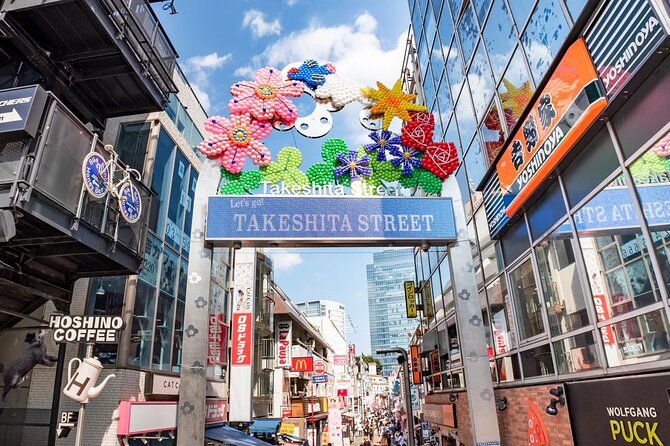
Next is Harajuku Station (about 30 minutes). This is the shift from iconic to quirky—street fashion, boutiques, and that youth-culture energy. With a guide, you’ll likely spend less time figuring out which streets to enter and more time actually noticing what’s around you.
The main consideration here is simple: these areas are crowded. If you’re sensitive to noise and people flow, keep expectations realistic. The stop times are short on purpose, so you’ll be skimming the surface rather than shopping for hours.
Meiji Jingu Shrine and Shinjuku: quiet forest then skyline speed
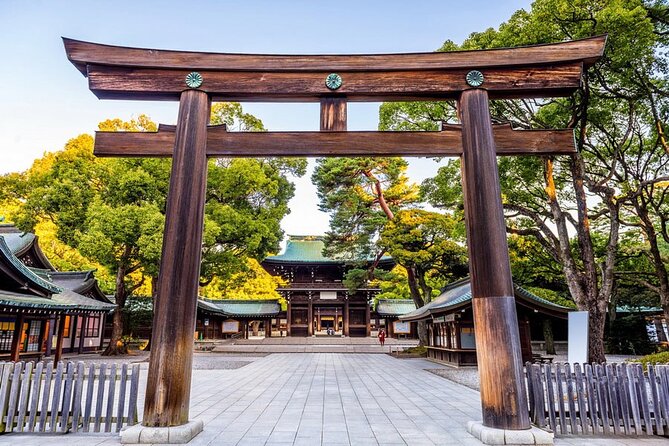
Then you step into Meiji Jingu Shrine (about 30 minutes). It’s dedicated to Emperor Meiji and Empress Shoken, and the grounds are surrounded by a forest-like setting. The torii gates create that immediate, physical shift from city streets to a slower rhythm.
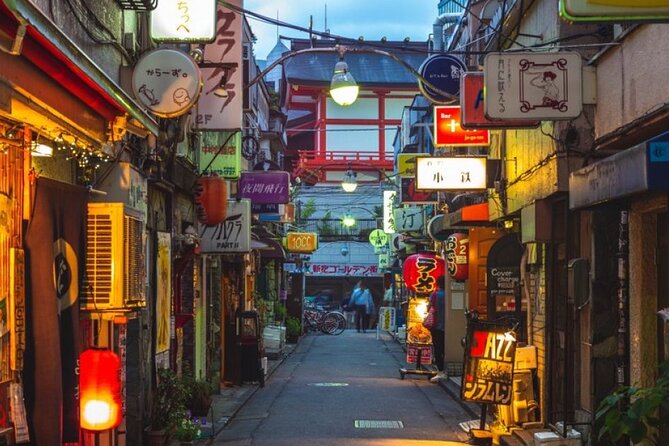
After that, Shinjuku takes over for about 1 hour. This district gives you skyscrapers, nightlife energy, and major shopping activity all in one place. If Shibuya is your first hit of modern Tokyo, Shinjuku is the place that keeps escalating it.
What makes this pairing work is contrast. Meiji Jingu is a reset. Shinjuku is where you prove to yourself that Tokyo can be both peaceful and loud in the same day. The drawback is pacing: 30 minutes at Meiji Jingu can feel quick if you like to wander. But for a highlights tour, it’s enough to feel the atmosphere and see the main shrine approach.
Readers also shortlisted these Tokyo bookings:
- Tokyo 6hr Private Tour with Government-Licensed Guide★ 5.0 · 3,902 reviews
- Private Tour to Mt. Fuji and Hakone (Fully Licenced Operator)★ 5.0 · 1,910 reviews
- Tokyo Customized Private Tour (Must See Places in 1 Day)★ 5.0 · 1,499 reviews
- Mount Fuji Full-Day Private Tour from Tokyo (Customizable)★ 4.9 · 1,470 reviews
- Tokyo: Private City Highlights Tour with Local Guide★ 4.8 · 1,433 reviews
Asakusa and Senso-ji Temple: traditional Tokyo without the time sink
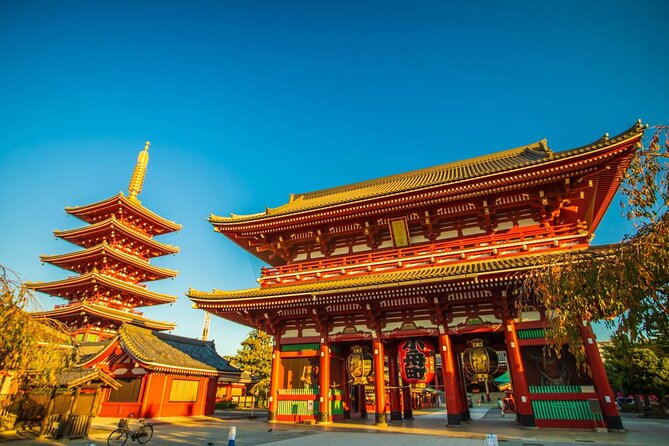
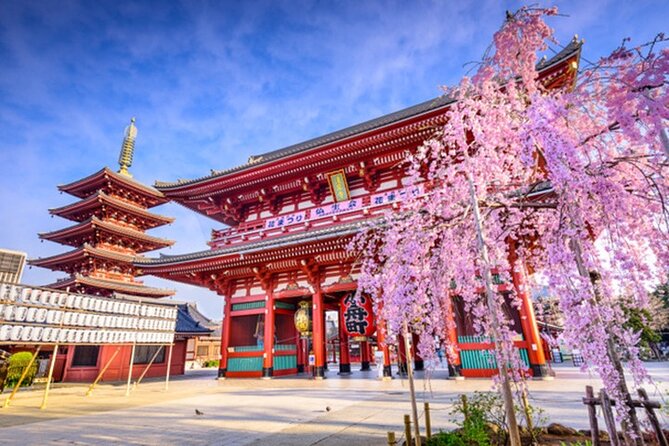
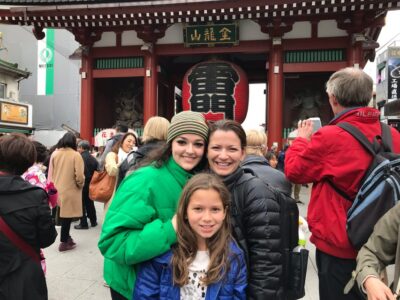
Asakusa is where the day starts to lean more traditional (about 1 hour), and it centers on Senso-ji Temple (about 30 minutes). Senso-ji is described as Tokyo’s oldest and most significant Buddhist temple, dating back to the 7th century. The main gate area, including Kaminarimon, is the kind of scene that’s easy to recognize and hard to ignore.
This stop is a big value moment. Because entry is free, you’re not paying to experience the atmosphere. You’re paying with time, and that’s the good kind of time—walking, looking, and taking in the layered streets around the temple.
A practical note: Asakusa can be busy, especially around major temple areas. You’ll likely want comfortable shoes and a willingness to move at a “flow rate” rather than stopping in the exact middle of foot traffic for photos. A guide helps you avoid the worst bottlenecks.
Tsukiji Fish Market and Akihabara: street food vibes meet tech culture
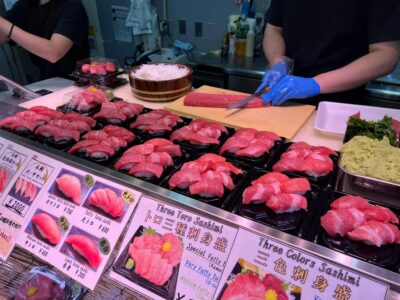
Tsukiji Fish Market is next (about 45 minutes). The inner wholesale market has relocated to Toyosu, but the outer market area remains a major stop, especially for food lovers. Even if you’re not hunting a specific item, the food-street feel is part of what makes Tsukiji worth it.
Then you head to Akihabara (about 45 minutes), Tokyo’s Electric Town. This is where electronics shops, anime culture, and gaming hubs create a very different atmosphere from Asakusa. If you like browsing, this is the kind of district where you can lose track of time fast.
The challenge with both Tsukiji and Akihabara is that they’re highly tempting. You might want to buy snacks, browse more shops, or follow a side street that looks interesting. But since your time is limited, you’ll have to prioritize. A guide can help you stick to the best-fit route—though if you prefer lots of shopping freedom with zero structure, you may feel slightly rushed at these stops.
Tokyo Tower and Skytree: the viewpoints that add budget and time
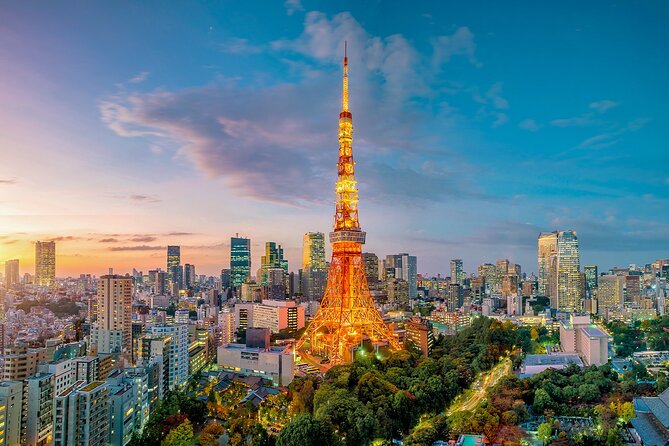
Tokyo Tower is a landmark symbol with panoramic views (about 30 minutes), and it has a strong visual identity, resembling the Eiffel Tower. Tokyo Skytree is Japan’s tallest structure at 634 meters, also offering city views from its observation decks (about 30 minutes).
Important detail: tickets for Tokyo Tower and Tokyo Skytree are not included. So treat this portion as your optional upgrade, not a free add-on. Also remember that observation decks can involve ticketing lines and security steps, which can eat into your time at each location.
If you’re choosing between the two, think about what you want your photo day to feel like:
- Tokyo Tower tends to feel like classic skyline Tokyo.
- Skytree often feels more like a big-ticket modern viewpoint.
If your goal is just to see the skyline and grab a few photos, you might still enjoy the exterior and nearby areas—but the observation experience itself won’t be free.
Odaiba in the mix: a futuristic finish by Tokyo Bay
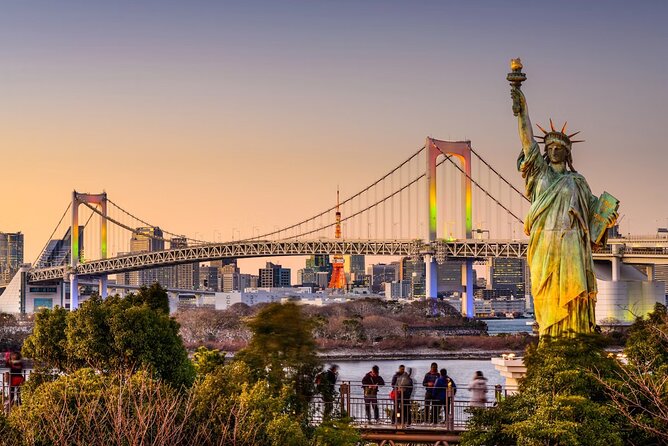
Odaiba is included as a stop (about 30 minutes). It’s described as a futuristic entertainment and shopping district on a man-made island in Tokyo Bay. You’ll see modern architecture and areas connected to attractions like Rainbow Bridge.
Why this works in a walking tour: Odaiba shifts the mood again. After dense neighborhoods and intense crowd energy, Odaiba feels more “open” and planned. Even if you only spend a short window here, you get that coastal Tokyo perspective that most first-timers don’t see unless they plan ahead.
A small practical consideration: Odaiba’s feel depends on the day and weather. If it’s gray or rainy, the “wow” factor for views may be muted, which is one reason good weather is called out as important.
How long is enough? timing that affects your experience
The total duration is listed as 2 to 8 hours. That range is wide, so your day likely depends on:
- whether you choose both Tower and Skytree (since tickets are not included),
- walking speed and crowd density,
- how your guide manages time between neighborhoods,
- and of course weather.
The stop times themselves are set in smaller chunks—often 30 minutes—while a couple places get a full hour. That means this tour is best as a “highlights sweep.” You’ll get a strong sense of Tokyo, but you won’t get a slow, full-day neighborhood experience like you would on a self-guided shopping crawl.
Best fit: who this tour suits (and who might want something else)
This is a strong pick if you want:
- a guided day with English support and navigation help,
- a plan that covers major districts without you building every step,
- a mix of shrines, historic areas, food culture, and modern Tokyo.
It’s especially helpful on a first trip. Tokyo is easy to feel lost in. A private guide with hotel pickup reduces friction and can help you keep your energy for actually seeing things.
It might be less ideal if you:
- only want one focused theme (pure food, pure anime shopping, pure temple wandering),
- hate crowds and need lots of time to slowly explore one place,
- or want everything priced in with no additional ticket budgeting (because Tower and Skytree admissions aren’t included).
Should you book this private Tokyo walking tour?
I’d book it if your goal is a guided highlights day with smart pacing and minimal stress. The combination of hotel pickup/drop-off, English guidance, and mostly free-entry stops makes it feel like solid value—especially if you’re using the guide not just to walk, but to navigate efficiently through busy districts.
I’d think twice if you’re trying to avoid extra costs for observation decks or if you only want deep, unhurried time in one neighborhood. In that case, you may get more satisfaction from a smaller-theme tour or a self-guided plan.
If your timing is flexible and you’re aiming for a day that shows you how Tokyo changes from block to block, this route is a good use of your time. And if your guide is as responsive as Hikari is described as being, the start-to-finish experience tends to run smoother than you’d expect.
FAQ
How long is the Tokyo private walking tour?
It runs for about 2 to 8 hours, depending on the pace of your group and how the route fits your schedule.
Where does the tour start and end?
The meeting point is Tokyo Station (1 Chome-9 Marunouchi, Chiyoda City, Tokyo). The tour ends back at the same meeting point.
Is this tour really private, and is the guide in English?
Yes. It’s a private tour, meaning only your group participates. The guide speaks English.
Are tickets included for Tokyo Tower and Tokyo Skytree?
Tokyo Tower and Tokyo Skytree admission tickets are not included. The other listed stops are marked as free entry.
Are transport and snacks included in the price?
Public transportation costs and snacks are not included.
What happens if the weather is bad or I need to cancel?
If it’s canceled due to poor weather, you’ll be offered a different date or a full refund. You can cancel for free up to 24 hours before the experience starts.
More Guided in Tokyo
- Tokyo 6hr Private Tour with Government-Licensed Guide
★ 5.0 · 3,902 reviews - Tokyo: Shinjuku Local Bar and Izakaya Guided Walking Tour
★ 4.9 · 1,794 reviews - Tokyo: Private City Highlights Tour with Local Guide
★ 4.8 · 1,433 reviews - Tokyo: Tsukiji Fish Market Guided Walking Tour
★ 4.9 · 1,397 reviews - Tokyo 4hr Private Tour with Government-Licensed Guide
★ 5.0 · 1,394 reviews
More Tours in Tokyo
- Mt Fuji and Hakone 1-Day Bus Tour Return by Bullet Train
★ 5.0 · 26,383 reviews - 1-Day Tokyo Bus Tour
★ 5.0 · 14,250 reviews - Tokyo: Shinjuku Food Tour (13 Dishes at 4 Local Eateries)
★ 5.0 · 6,603 reviews - Tokyo Mt Fuji 5th St & Hakone Cruise Bus Tour w/Bullet Train
★ 4.4 · 5,024 reviews - Flagship 2-Hours Official Street Go-Kart Tour – Tokyo Bay Shop
★ 5.0 · 4,974 reviews
More Tour Reviews in Tokyo
- Mt Fuji and Hakone 1-Day Bus Tour Return by Bullet Train
★ 5.0 · 26,383 reviews - 1-Day Tokyo Bus Tour
★ 5.0 · 14,250 reviews - Tokyo: teamLab Planets TOKYO Digital Art Museum Entry Ticket
★ 4.6 · 9,779 reviews - Mt Fuji & Hakone Cruise, Drum Show Bullet Train 1 Day from Tokyo
★ 4.0 · 7,413 reviews - Tokyo: Shinjuku Food Tour (13 Dishes at 4 Local Eateries)
★ 5.0 · 6,603 reviews
Latest Tokyo reviews off our desk






Guided, compared.
 ★ 5.0Tokyo 6hr Private Tour with Government-Licensed GuideFrom $1553,902 reviews
 ★ 4.9Shinjuku Local Bar and Izakaya Guided Walking TourFrom $341,794 reviews
 ★ 4.8Private City Highlights Tour with Local GuideFrom $1061,433 reviews
 ★ 4.9Tsukiji Fish Market Guided Walking TourFrom $221,397 reviews
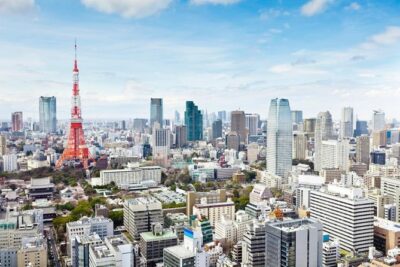 ★ 5.0Tokyo 4hr Private Tour with Government-Licensed GuideFrom $1091,394 reviews
 ★ 5.0Tokyo Guided Small-Group Biking TourFrom $1061,250 reviews
 ★ 4.6Samurai Ninja Museum Guided tour and ExperienceFrom $271,010 reviews
 ★ 5.0Tsukiji Fish Market Guided Tour and Sushi Making with Pro ChefFrom $104775 reviews