
Reviewed · GUIDED
Private Tour Guide in English or Spanish (Español)
Tokyo makes sense with a local in tow. A private guide meets you at your hotel and lines up a smart, first-time route across classic sights and modern neighborhoods. You can choose an English or Español tour, and keep the day flexible with a plan built around your interests.
I really like the no-meeting-place start. The guide comes to your hotel, which saves time and stress right when Tokyo still feels like a maze.
I also like that the tour mixes major icons with practical city help. You’ll go through Asakusa, Meiji Jingu, Tsukiji Fish Market, Akihabara, Shibuya Crossing, Shinjuku, and Ueno in about 2 to 4 hours, which is ideal for an overview day.
One thing to watch: it’s a short window for a lot of stops. Plus, you handle public transport fees and any paid add-ons like major attractions, so budgeting a little extra helps.
In This Review
- Key things that make this tour work
- Why a private guide matters in Tokyo
- Route in 2 to 4 hours: how they fit big Tokyo
- Asakusa and Senso-ji: the easiest cultural win
- Meiji Jingu: quiet space with clear context
- Tsukiji Fish Market: a timed taste of seafood Tokyo
- Akihabara: Electric Town for anime and electronics browsing
- Shibuya Crossing and Shinjuku: big-city scenes with a plan
- Ueno: a calmer cultural finish
- How the guide customizes your day
- Price and value: what $58.27 actually buys
- Who should book this private Tokyo tour
- Should you book this private Tokyo tour?
- FAQ
- Is this tour private?
- Where does the tour start?
- What languages are available?
- How long is the tour?
- What stops are included?
- Are entrance tickets included?
- Do I pay for public transportation during the tour?
- Is lunch included?
- What if I want to add a paid attraction?
- What is the cancellation policy?
Key things that make this tour work
- Hotel pickup avoids the first-day scramble and keeps the plan stress-free
- Private format means only your party is on the schedule
- Free-entry stops cover temples, shrines, and major market/streets with less cash pressure
- English or Español lets you relax and actually understand what you’re seeing
- Public transit navigation is part of the value, not an afterthought
- Mobile ticket makes the day-of flow simpler
Why a private guide matters in Tokyo
Tokyo is great, but the logistics can steal your energy. Routes change by station exit, signs can feel indirect, and it’s easy to waste time figuring out the next transfer. This tour’s core advantage is simple: you don’t have to wrestle with that first.
I like that the guide can meet you at your hotel. That cuts out the typical downside of walking tours where you’re hunting for a meeting point while jet-lagged or just tired. You start the experience already underway, with a real person handling the flow of where to go next.
And since it’s private, you’re not forced into a one-size-fits-all group pace. Families, couples, and solo travelers can move at a comfortable rhythm. In the feedback for this experience, guides like Taisei, Himena, Chisato, Tai, and Junsei are described as friendly, responsive, and attentive to timing—which matters a lot when you’re moving through stations and crowds.
Readers also shortlisted these Tokyo bookings:
- Tokyo 6hr Private Tour with Government-Licensed Guide
★ 5.0 · 3,902 reviews - Tokyo: Shinjuku Local Bar and Izakaya Guided Walking Tour
★ 4.9 · 1,794 reviews - Tokyo: Private City Highlights Tour with Local Guide
★ 4.8 · 1,433 reviews - Tokyo: Tsukiji Fish Market Guided Walking Tour
★ 4.9 · 1,397 reviews
Route in 2 to 4 hours: how they fit big Tokyo
This is a half-day style tour. The listed schedule runs around 2 to 4 hours and includes multiple neighborhoods, so the guiding style tends to be “show you the essentials, then explain what matters.” That’s a good match for a first visit, an early itinerary slot, or a day where you still want energy left for dinner.
The stop list is built around variety:
- Traditional Tokyo at Asakusa and Meiji Jingu
- Street-level Tokyo at Tsukiji, Akihabara, Shibuya, and Ueno
- Neighborhood contrast with Shinjuku
Each stop gets a focused slice of time (for example, about 30 minutes at Asakusa and about 40 minutes at Tsukiji). That means you’ll see more than you could safely plan on your own in one afternoon—especially if you want to avoid the common beginner mistake of over-scheduling.
If you love one category (like temples, shopping, or anime electronics), you’ll likely appreciate the way the day can be adjusted to your priorities. The guides involved are repeatedly described as flexible and capable of tailoring the experience while still keeping everything on track.
Asakusa and Senso-ji: the easiest cultural win
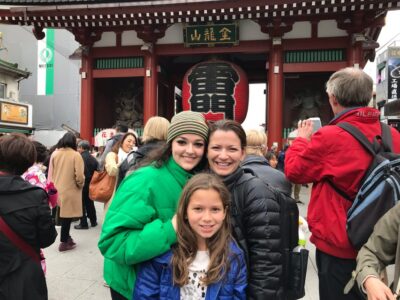
Asakusa is where many people fall in love with Tokyo. The tour includes Senso-ji Temple, and the time slot is about 30 minutes with admission listed as free.
Here’s why this stop is such a strong start: it grounds you in something you can feel immediately—spiritual and historic, with a street-and-temple atmosphere that makes Tokyo look and sound like Tokyo. You’ll get oriented fast. Even if you’re short on time, this is the kind of place where an explanation helps you read the scene instead of just taking photos.
The practical benefit is that you don’t need pre-planning. The guide handles the route and timing so you can enjoy the place without turning the visit into an itinerary spreadsheet.
Potential downside: if you want a slow, detailed temple experience (long walks, extra side streets, or multiple paid viewing spots), 30 minutes may feel tight. Think of it as a strong introduction, not the full story.
Meiji Jingu: quiet space with clear context
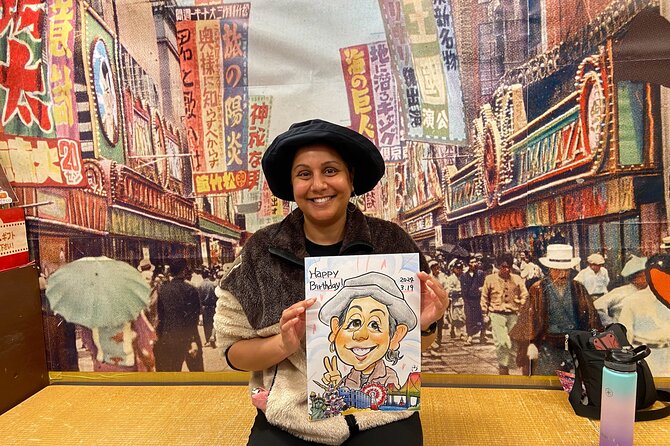
Next up is Meiji Jingu Shrine, also listed as about 30 minutes with admission free. This shrine was established in 1920 to honor Emperor Meiji, who played a pivotal role in Japan’s modernization during the Meiji Restoration in the late 19th century.
That context matters. Without it, a shrine visit can become just visuals and manners. With it, you’ll understand why the place is set up the way it is and why it’s culturally important. You also get a nice rhythm break after Asakusa—an easy way to balance the day so it doesn’t feel like one nonstop crowd scene.
This stop also tends to work well for different ages. In the feedback, several guides are noted for being patient and good with kids, and Meiji Jingu is often a spot where a family can slow down and reset without needing extra tickets.
Tsukiji Fish Market: a timed taste of seafood Tokyo
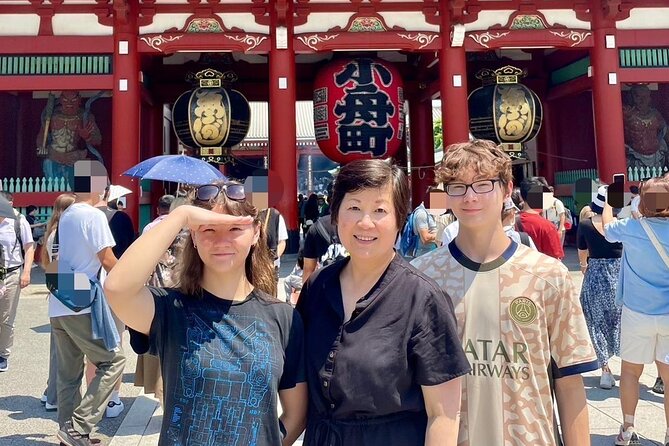
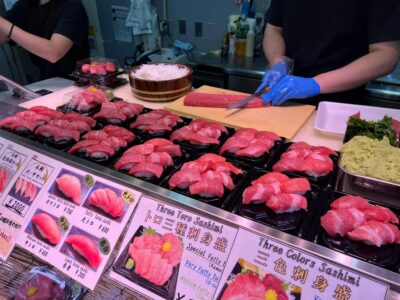
Tsukiji Fish Market is scheduled for about 40 minutes and is also listed as admission free. The description emphasizes how it’s one of the world’s largest and most famous fish markets, with a wide variety of seafood and a high-energy atmosphere.
Even if you’re not a hardcore seafood person, Tsukiji gives you Tokyo’s pulse in a hurry. It’s the kind of place where you see trade, craft, and food culture all at once. In a short half-day, having a guide can help you make better use of your minutes—like knowing where to spend your time so you’re not wandering aimlessly.
One more practical detail: lunch is not included. So if you want to eat there, plan on handling food on your own. That’s not a deal-breaker; it just means you’re deciding whether this is a browse stop, a taste stop, or both.
A small consideration: Tsukiji can be crowded. A private guide won’t change that, but they can help you move in a smarter pattern and keep your group from getting stuck in the wrong flow.
Readers also shortlisted these Tokyo bookings:
- Tokyo 6hr Private Tour with Government-Licensed Guide★ 5.0 · 3,902 reviews
- Private Tour to Mt. Fuji and Hakone (Fully Licenced Operator)★ 5.0 · 1,910 reviews
- Tokyo Customized Private Tour (Must See Places in 1 Day)★ 5.0 · 1,499 reviews
- Mount Fuji Full-Day Private Tour from Tokyo (Customizable)★ 4.9 · 1,470 reviews
- Tokyo: Private City Highlights Tour with Local Guide★ 4.8 · 1,433 reviews
Akihabara: Electric Town for anime and electronics browsing
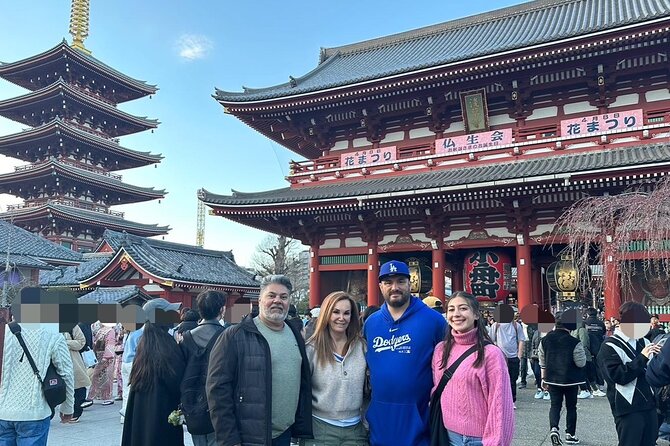
Then you head to Akihabara, often called Electric Town and known as a center for Japanese pop culture, electronics, and anime. The stop is about 40 minutes, admission listed as free.
This is a great contrast to the temples and shrine. Akihabara turns Tokyo’s personality up a notch: you get gadgets, characters, games, and the kind of browsing that’s fun even if you don’t buy anything. And because this tour is private, you can spend more attention where your group wants it.
In the feedback around this experience, guides are described as flexible enough to support different interests, from manga and Nintendo-style browsing to shopping priorities. If that’s your style, Akihabara is usually the easiest place for the guide to “customize within the schedule.”
Consideration: electronics and character shopping can slow time down fast. If your group has a lot of “just one more store” energy, you may need to agree early on a browse plan so you don’t run out of time for Shibuya or Shinjuku.
Shibuya Crossing and Shinjuku: big-city scenes with a plan
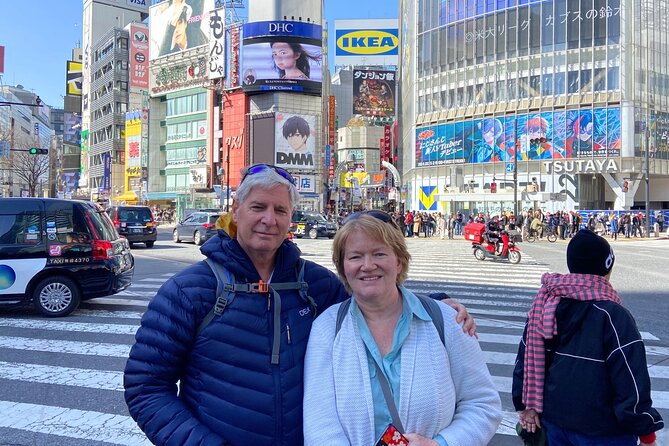
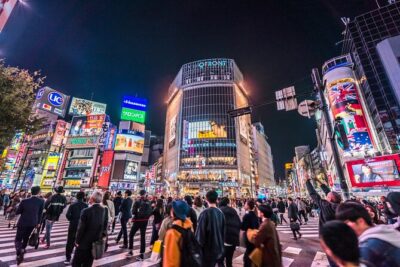
Shibuya Crossing is scheduled for about 20 minutes with admission free. It’s described as one of the busiest pedestrian crossings in the world, a spectacle and a symbol of Tokyo’s energy. You’ll get the classic view moment, and you’ll have enough time to take it in without turning it into a long photo line.
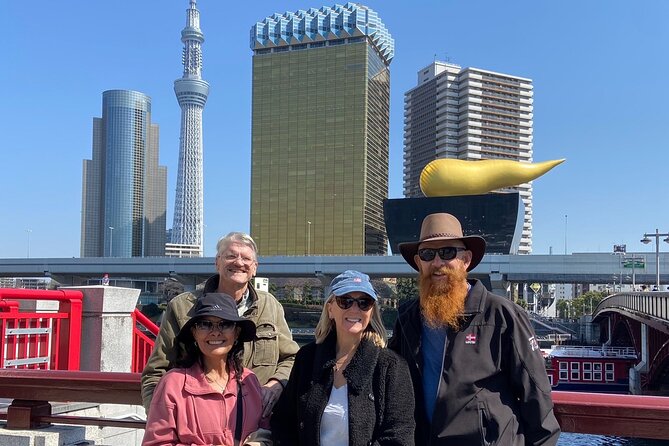
Then the itinerary moves to Shinjuku for about 40 minutes, again with admission free. Shinjuku is described as one of Tokyo’s most busy, mixed districts—skyscrapers and neon-lit streets plus serene park space within the area.
Why this combo works in a short tour: Shibuya gives you the “watch Tokyo move” experience, and Shinjuku gives you a sense of how Tokyo shifts moods block to block. The guide can help you step through the area so you’re not just seeing fragments—you’re getting a readable sense of the neighborhoods.
Practical tip: if you’re sensitive to crowds or standing around for photos, tell your guide early. Several guides are described as attentive to pacing and not rushing people, including those who walk slower or are traveling with children.
Ueno: a calmer cultural finish
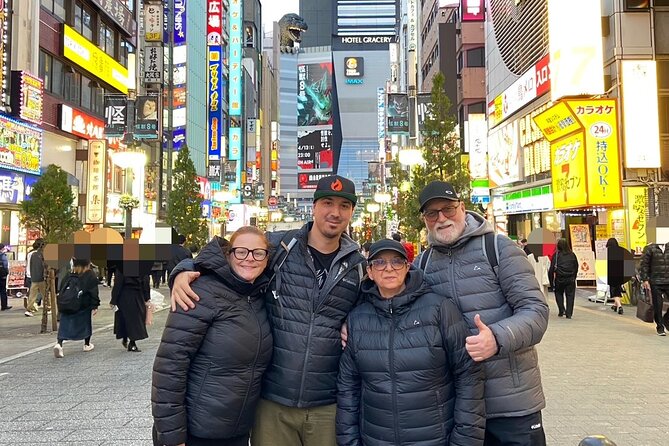
The last neighborhood stop is Ueno, scheduled for about 40 minutes. It’s described as known for park space, museums, and overall cultural atmosphere, with cherry blossoms in spring and different museum options mentioned in the description.
Ueno is a nice way to finish because it’s not only about one street scene. It gives you a chance to see Tokyo with a bit more “city life around culture” energy than the tech and crossing stops.
If you want a strong sense of what Tokyo’s museum-and-park areas feel like, Ueno is a smart final chapter. And because it’s still within the free-entry stop list, you keep costs controlled.
Potential drawback: if you’re planning to add a paid attraction later, you’ll need to budget for entrance tickets separately. The tour notes that paid attractions like Skytree or TeamLab aren’t included, and your guide may wait outside or join if you provide a ticket.
How the guide customizes your day
The schedule gives you a strong backbone, but the best part is how the guide can adjust. In the feedback, guides are repeatedly described as:
- messaging ahead to build the right route
- meeting at the hotel lobby
- staying friendly and attentive
- tailoring the itinerary for different priorities
- helping families travel smoothly through stations
For example, one guide was described as coordinating the plan ahead of time for a family group, then adjusting around the energy level of the day. Another was described as organizing routes through trains and subways while keeping the pace comfortable even during rain.
That kind of flexibility matters because Tokyo isn’t only about landmarks. It’s about time, transit, and how much energy you want to spend walking versus sitting versus browsing.
If you want to maximize value, send your guide a short list before the tour: top 2 priorities and any must-avoid things (like too much shopping, too many stairs, or long standing). The tour format is built to work with that.
Price and value: what $58.27 actually buys
At $58.27 per person, this isn’t a cheap add-on—but it often makes sense for the value it removes from your day. Here’s what you’re paying for:
- Private time with a guide (only your party participates)
- Hotel pickup, which saves the cost and time of figuring out meeting logistics
- A guide who handles the route across multiple neighborhoods
- Free-entry stops during the scheduled itinerary
Also, Tokyo transport can be tricky for first-timers. Even when the subway is affordable, the time cost can be big. This tour includes the human part: navigation help, pacing, and transitions. That’s hard to replicate with a guidebook app.
Just be realistic about what isn’t included. You handle:
- public transport fees
- entrance fees for paid attractions (the itinerary’s listed stops are free, but optional adds may cost extra)
- lunch and drinks
- any bicycle or private transportation options (not part of this format)
If you’re thinking about doing a lot of Tokyo in a first afternoon, this tour can be a high-return way to get orientation fast. If you prefer to wander freely without structure, a self-guided day may feel like better value.
Who should book this private Tokyo tour
This tour fits best if you:
- are in Tokyo for a short trip and want an overview
- want a low-stress plan with hotel pickup
- enjoy a mix of temples, market life, tech/anime browsing, and major city landmarks
- value help navigating the subway and stations
- are traveling as a couple, family, or small group that wants control of the pace
It can also work for people who want a first-day confidence boost. Guides are described as helpful and patient, including for families with kids. If your group tends to walk slower or needs breaks, it’s worth mentioning that at the start so your guide can set expectations.
You might skip it if:
- you already have a detailed Tokyo transit plan and hate having a schedule
- you’re only interested in one niche area and don’t want to split time across many neighborhoods
Should you book this private Tokyo tour?
If it’s your first time in Tokyo, I’d lean yes. The combination of hotel pickup, a guide who manages station-to-station movement, and a stop list that spans both traditional and modern Tokyo is a strong use of a half day. It’s especially good when you want to get your bearings fast and then enjoy the rest of your trip on your own.
Book it with a smart mindset: treat it as an orientation sampler. If you want long, deep stays at one site, plan those as follow-ups later. And budget separately for subway rides and any paid add-ons so there are no surprises.
FAQ
Is this tour private?
Yes. It is a private tour/activity, and only your group participates.
Where does the tour start?
There is no need to go to a meeting place. The guide offers hotel pickup.
What languages are available?
You can choose a private tour guide in English or Español.
How long is the tour?
The duration is listed as 2 to 4 hours (approx.).
What stops are included?
The itinerary lists Asakusa, Meiji Jingu Shrine, Tsukiji Fish Market, Akihabara, Shibuya Crossing, Shinjuku, and Ueno.
Are entrance tickets included?
Admission tickets are listed as free for the stops in the itinerary. Entrance fees for other paid attractions (example: Skytree, TeamLab) are not included.
Do I pay for public transportation during the tour?
Yes. You’re responsible for your own public transportation fees.
Is lunch included?
No. Lunch and any food or drinks during the tour are at your own expense.
What if I want to add a paid attraction?
The guide will wait outside or may join if you kindly provide a ticket.
What is the cancellation policy?
Free cancellation is available up to 24 hours in advance for a full refund. If you cancel less than 24 hours before the start time, the amount paid is not refunded.
More Guided in Tokyo
- Tokyo 6hr Private Tour with Government-Licensed Guide
★ 5.0 · 3,902 reviews - Tokyo: Shinjuku Local Bar and Izakaya Guided Walking Tour
★ 4.9 · 1,794 reviews - Tokyo: Private City Highlights Tour with Local Guide
★ 4.8 · 1,433 reviews - Tokyo: Tsukiji Fish Market Guided Walking Tour
★ 4.9 · 1,397 reviews - Tokyo 4hr Private Tour with Government-Licensed Guide
★ 5.0 · 1,394 reviews
More Tours in Tokyo
- Mt Fuji and Hakone 1-Day Bus Tour Return by Bullet Train
★ 5.0 · 26,383 reviews - 1-Day Tokyo Bus Tour
★ 5.0 · 14,250 reviews - Tokyo: Shinjuku Food Tour (13 Dishes at 4 Local Eateries)
★ 5.0 · 6,603 reviews - Tokyo Mt Fuji 5th St & Hakone Cruise Bus Tour w/Bullet Train
★ 4.4 · 5,024 reviews - Flagship 2-Hours Official Street Go-Kart Tour – Tokyo Bay Shop
★ 5.0 · 4,974 reviews
More Tour Reviews in Tokyo
- Mt Fuji and Hakone 1-Day Bus Tour Return by Bullet Train
★ 5.0 · 26,383 reviews - 1-Day Tokyo Bus Tour
★ 5.0 · 14,250 reviews - Tokyo: teamLab Planets TOKYO Digital Art Museum Entry Ticket
★ 4.6 · 9,779 reviews - Mt Fuji & Hakone Cruise, Drum Show Bullet Train 1 Day from Tokyo
★ 4.0 · 7,413 reviews - Tokyo: Shinjuku Food Tour (13 Dishes at 4 Local Eateries)
★ 5.0 · 6,603 reviews
Latest Tokyo reviews off our desk

Guided, compared.
 ★ 5.0Tokyo 6hr Private Tour with Government-Licensed GuideFrom $1553,902 reviews
 ★ 4.9Shinjuku Local Bar and Izakaya Guided Walking TourFrom $341,794 reviews
 ★ 4.8Private City Highlights Tour with Local GuideFrom $1061,433 reviews
 ★ 4.9Tsukiji Fish Market Guided Walking TourFrom $221,397 reviews
 ★ 5.0Tokyo 4hr Private Tour with Government-Licensed GuideFrom $1091,394 reviews
 ★ 5.0Tokyo Guided Small-Group Biking TourFrom $1061,250 reviews
 ★ 4.6Samurai Ninja Museum Guided tour and ExperienceFrom $271,010 reviews
 ★ 5.0Tsukiji Fish Market Guided Tour and Sushi Making with Pro ChefFrom $104775 reviews