
Reviewed · SHIBUYA EXPERIENCES
Retro Shibuya Food Tour
Shibuya after 4 p.m. hits different. I like how the tour mixes Showa-era street stories with real food stops, and I also like the included drinks that turn a sightseeing walk into an actual night out. The only drawback: you’ll be on your feet a lot, and parts of the food scene lean toward standing-room style places.
This is a small-group walk (up to 10 people) with a local English-speaking guide, geared toward adults 20 and up. You’ll move through famous landmarks and then slip into back streets you’d struggle to find on your own, all with a mobile ticket and a start time of 4:00 pm from Shibuya Station.
In This Review
- Key Things to Know Before You Go
- Shibuya Station at 4:00 pm: How the Tour Starts and Moves
- Hachiko and Shibuya Crossing: The Showa-Era Story You Can’t Get from a Map
- Center-gai: Where the Tastings and Drinks Actually Happen
- MEGA Don Quijote, Shibuya Mark City, and Shibuya 109 Without the Tourist Trap Feel
- Nonbei Yokocho and the Back-Alley Night: Izakaya Vibes, Real Local Flow
- Food, Dessert, and Included Drinks: What Your Money Actually Covers
- Guides, Pace, and Group Size: Why the Experience Feels Personal
- Price and Value at $221: Why It’s Not Just a Walk With Snacks
- Who This Retro Shibuya Food Tour Fits Best
- Book It or Pass: My Practical Take
- FAQ
- Where does the Retro Shibuya Food Tour meet, and what time does it start?
- How long is the tour?
- What’s included in the price?
- Does the tour include alcoholic drinks?
- Is the tour suitable for vegetarians or gluten-free travelers?
- Is it recommended for vegans?
- How large is the group?
- What should I wear or consider for the walking portion?
Key Things to Know Before You Go
- Small group pace (max 10) keeps the walk from feeling chaotic and helps questions stay easy
- Three included drinks (beer, local sake, and other beverages) means you’re not guessing what to order
- Showa-era context at major landmarks like Hachiko and Shibuya Crossing adds meaning to the route
- Center-gai and back alleys link big shopping streets to the kind of side-street eating locals use
- Dietary support for vegetarians, pescetarians, and gluten-free is built in, but not vegan
- Karaoke after party available if you want to stretch the night beyond the 3-hour tour
Shibuya Station at 4:00 pm: How the Tour Starts and Moves
The tour meets at Shibuya Station (2 Chome-24, Shibuya) and runs for about 3 hours, starting at 4:00 pm. That timing matters. Late afternoon in Shibuya is a sweet spot where shops are still active, the crowds are building, and the food streets feel like they’re waking up.
You’ll get a mobile ticket, and the route ends at Tokyu Department Honten Store (basement level under the station). That end point is practical: you can regroup fast, grab water or something light after, and take transit without dragging your feet across more neighborhoods.
One more practical note: the tour calls for moderate physical fitness. It’s not a marathon, but expect walking on uneven city sidewalks and sections that don’t feel built for long seated meals. If you know you get tired standing in line, plan to move slower at tastings and use the guide’s rhythm to rest when possible.
More booked around Shibuya Crossing
- Official Street Go-Kart in Shibuya
★ 5.0 · 3,435 reviews - Tokyo: Street Kart Experience in Shibuya
★ 4.9 · 1,484 reviews - Shibuya Meltdown Nightlife Tour: All-You-Can-Drink Bar Hopping
★ 5.0 · 1,058 reviews - Shibuya Official Street Go-Kart in Shibuya Annex
★ 5.0 · 972 reviews
Hachiko and Shibuya Crossing: The Showa-Era Story You Can’t Get from a Map
Right away, the tour sets context. You’ll pass the Hachiko Statue, which works as a mental anchor in a place that can feel like sensory overload. From there, the route brings you to Shibuya Crossing, and this is where the guide’s storytelling really pays off.
The tour includes history dating back to the Showa era, and the way it’s explained is what makes it useful. Instead of treating landmarks like photoshops on a travel card, you’re given reasons the area became what it is: the neighborhood’s role in postwar-era Tokyo life, how street culture formed, and why so many people still treat Shibuya like a meeting point.
I also like that the tour doesn’t get stuck in trivia. You walk, look, and then taste. The history acts like a lens. When you later hit side streets, it’s easier to understand what you’re seeing and why older spots keep surviving alongside newer trends.
Center-gai: Where the Tastings and Drinks Actually Happen
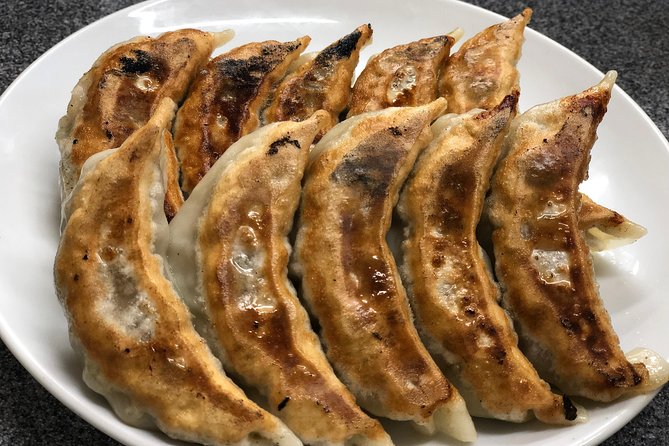
One of the main food stops is Shibuya Center-gai, a lively corridor that’s well known for shopping and people-watching. For this tour, it’s not just a pass-through. You’ll get a mix of local and seasonal dishes, and you’ll also have three drinks included on the tour.
The drinks can include beer and local sake, plus other beverages depending on what’s available. This is one of the best value parts of the experience, because Shibuya dining is expensive when you’re ordering à la carte with no plan. Here, you’re given structure: the guide helps you choose what fits the moment, and you don’t spend the first hour figuring out how to order.
What to keep in mind: you can’t expect every tasting to be a full meal replacement. Think of it as a guided sampler—enough to get you happily fed, but still designed to keep you moving. If you’re the type who likes a big sit-down dinner later, this tour pairs nicely with a post-tour meal where you can pick your favorite thing from the night.
MEGA Don Quijote, Shibuya Mark City, and Shibuya 109 Without the Tourist Trap Feel
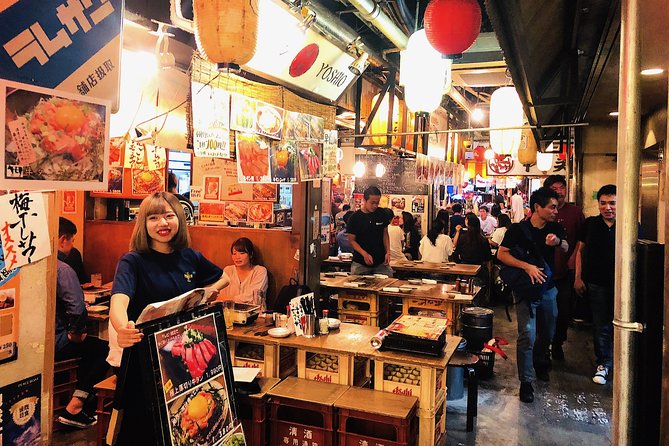
After Center-gai, the route weaves through bigger Shibuya landmarks, including MEGA Don Quijote, plus stops near Shibuya Mark City and Shibuya 109. These names are famous for a reason, and you get the benefit of seeing them with a purpose: orientation and cultural context, not just shopping.
MEGA Don Quijote is part of the rhythm of Shibuya shopping streets, and the guide also gives you a sneak peek into souvenir shopping where you can actually find things to take home. You’ll then keep walking through the areas where younger Tokyo culture leaves fingerprints on the city—billboards, crowds, and the energy that makes Shibuya feel different from quieter neighborhoods.
The key point for your expectations: this portion still supports the tour’s main goal, which is getting you to small eating and drinking spaces you’d miss. The big storefronts are like signposts. Once you’ve used them to set your bearings, you’re ready for the back-street shift.
Nonbei Yokocho and the Back-Alley Night: Izakaya Vibes, Real Local Flow
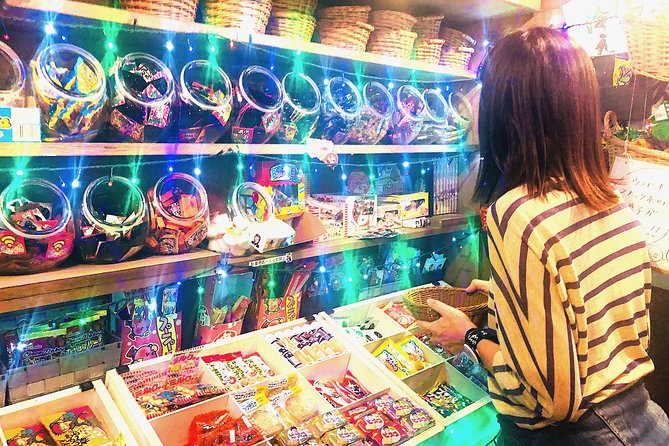
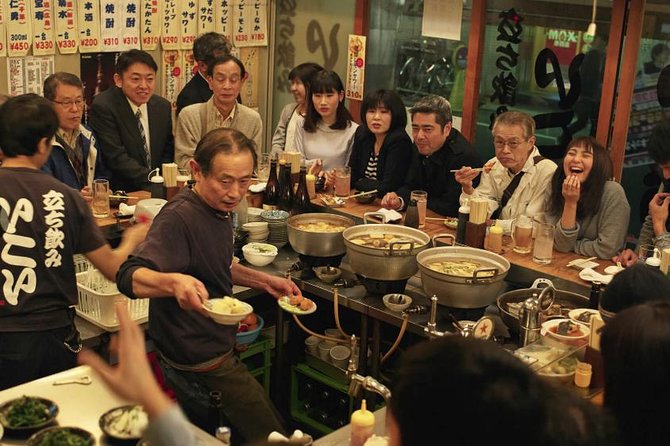
The heart of the experience is the move away from the main drag and into back streets around Shibuya, including Nonbei Yokocho. This is where the tour leans into what Shibuya is known for after dark: small places, quick bites, and social energy.
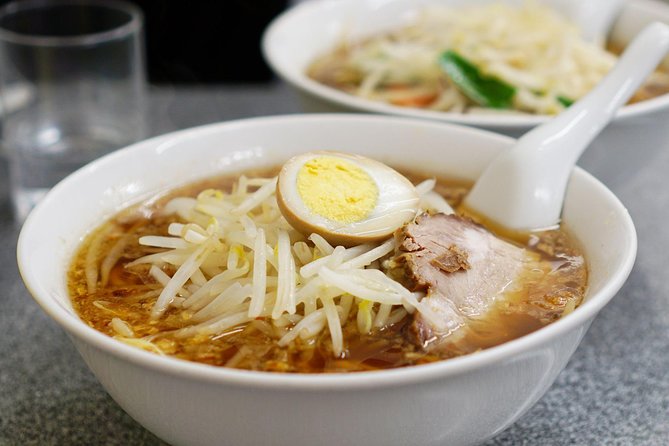
You’ll get access to eating styles that are hard to replicate on your own. The tour description highlights things like standing-room bar setups and older noodle spots, and that fits the vibe of these lanes—compact, busy, and meant for casual evening pacing. For me, this is the part that turns Shibuya from something you walk through into something you feel part of.
Also, the guide helps you navigate the practical side of places like these. Even if you speak some Japanese, it’s not always easy to know what’s normal to order, how long you’ll wait, or how to fit into a place that’s clearly used to locals coming and going. Having a local English-speaking guide turns that uncertainty into a smooth night.
Readers also shortlisted these Tokyo bookings:
- Tokyo: Shinjuku Food Tour (13 Dishes at 4 Local Eateries)★ 5.0 · 6,603 reviews
- Tokyo Tsukiji Fish Market Food and Culture Walking Tour★ 5.0 · 3,184 reviews
- Tokyo: Shinjuku Food Tour (15 Dishes and 4 Eateries)★ 4.9 · 2,033 reviews
- Best of Shinjuku: Izakaya Food Tour (4 Stops, 14+ Tastings)★ 5.0 · 1,863 reviews
- Tokyo: Tsukiji Fish Market Food and Walking tour★ 5.0 · 1,724 reviews
Food, Dessert, and Included Drinks: What Your Money Actually Covers
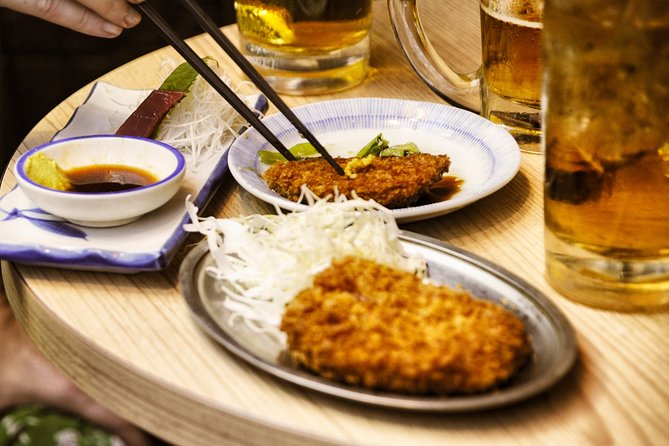
Here’s what the tour includes in the way that matters most for value:
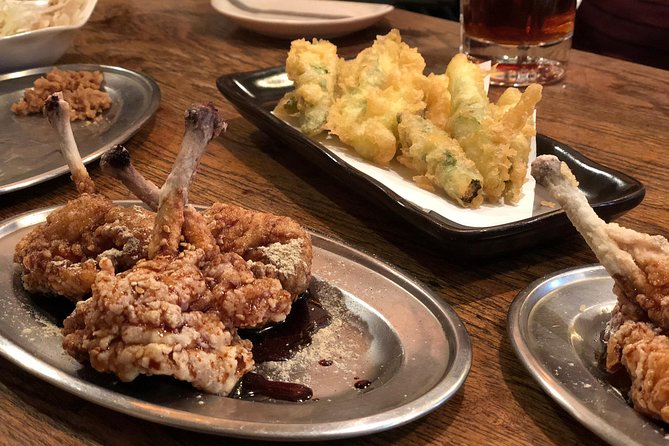
- Local food tastings across the route
- Dessert
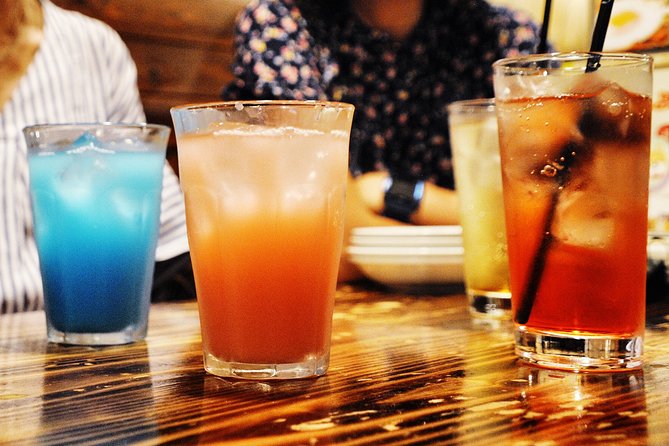
- Three complimentary drinks (beer, local sake, and other beverages)
- A local English-speaking guide
Anything beyond that—extra drinks or additional food—is on you. That’s normal for food tours, but it’s worth planning for. You’re getting a structured sampler, so if you want one signature drink or one last snack after the tour ends, you’ll likely still do it yourself.
Dietary notes are clear and helpful. The tour is vegetarian, pescetarian, and gluten-free friendly, but it says it’s not recommended for vegans. That last part is important. If you’re vegan, don’t assume you’ll be able to swap everything cleanly. If you eat dairy or eggs, you’ll usually have an easier time; if you’re avoiding animal products completely, ask questions in advance.
One more practical tip: since you’ll have alcohol included, pace your water between stops. Shibuya is walk-heavy, and once you’re a few sips in, the line between happy and tired can get thin fast. The guide’s pace is generally good, but your comfort matters more than keeping up.
Guides, Pace, and Group Size: Why the Experience Feels Personal
The tour caps out at 10 travelers, which is a big deal here. In a neighborhood like Shibuya, large groups can feel like a stampede, and you lose time at each stop. With a small group, you can actually hear what the guide is saying, and the guide can shape the tasting flow to your questions.
Guide quality seems consistent. People highlight guides like Josh and Jacob for sharing interesting historical facts while finding delicious stops around Shibuya. Another name that comes up is Sharon, described as accommodating and knowledgeable about the area. I take that as a sign that the guide isn’t just handing you a menu—they’re teaching you what you’re looking at and helping you taste without stress.
You should also know there’s a karaoke after party available. That’s not required, but it’s a nice bonus if you want to keep the group energy going. If you don’t care about karaoke, you can still enjoy the 3-hour tour and then head off on your own for a quiet meal.
Price and Value at $221: Why It’s Not Just a Walk With Snacks
At $221 per person for about 3 hours, this tour isn’t bargain-bin pricing. But it does include key pieces that reduce your own decision-making costs:
- Three drinks are included
- You’ll get dessert and multiple tastings
- You’re paying for a local guide to steer you into back streets and older-style places
If you were doing this on your own, you’d spend time figuring out where to go, how to order, and what’s actually worth your attention. In Shibuya, that planning time can eat hours. Here, the route is doing that work for you, and the guide’s context helps you enjoy the stops more.
Also note that this tour is often booked about 18 days in advance on average. That’s a good sign of steady demand. If your schedule is fixed, don’t treat it like a last-minute idea.
Who This Retro Shibuya Food Tour Fits Best
This is a strong choice if you:
- Want a guided way to experience Shibuya beyond the obvious photo stops
- Like walking and tasting rather than a sit-down restaurant tour
- Enjoy food paired with short, practical history context (Showa-era references included)
- Drink alcohol or at least don’t mind that it’s part of the plan
- Need options for vegetarian, pescetarian, or gluten-free preferences
It may be a less ideal choice if:
- You don’t want to stand or walk much
- You’re strictly vegan (the tour is not recommended for that)
- You want a private, highly personalized plan (this is capped at 10)
- You prefer a family-friendly daytime activity (it’s adults 20+)
Book It or Pass: My Practical Take
I’d book this if your goal is to understand Shibuya as a living neighborhood—how people eat, meet, and hang out—rather than just ticking off famous spots. The best part is the mix: big-name landmarks for orientation and story, then real back streets where the food and drink make sense together.
Skip it only if standing-room style places would make you miserable, or if vegan dining is non-negotiable for you. Otherwise, this tour is an efficient way to spend an evening in Shibuya: you’ll leave fed, a little more informed, and with streets in your head that you can still recognize later.
FAQ
Where does the Retro Shibuya Food Tour meet, and what time does it start?
It starts at Shibuya Station (2 Chome-24, Shibuya, Tokyo 150-0002) and begins at 4:00 pm.
How long is the tour?
The tour lasts about 3 hours.
What’s included in the price?
You get local food tastings, dessert, a local English-speaking guide, and three complimentary drinks.
Does the tour include alcoholic drinks?
Yes. The included drinks can include beer, local sake, and other beverages.
Is the tour suitable for vegetarians or gluten-free travelers?
Yes. The tour is described as vegetarian, pescetarian, and gluten-free friendly.
Is it recommended for vegans?
No. It is not recommended for vegans.
How large is the group?
The tour has a maximum of 10 travelers.
What should I wear or consider for the walking portion?
It’s best for people with moderate physical fitness, and you should be ready for walking and getting to different spots around Shibuya.
More Tours in Tokyo
- Mt Fuji and Hakone 1-Day Bus Tour Return by Bullet Train
★ 5.0 · 26,383 reviews - 1-Day Tokyo Bus Tour
★ 5.0 · 14,250 reviews - Tokyo: Shinjuku Food Tour (13 Dishes at 4 Local Eateries)
★ 5.0 · 6,603 reviews - Tokyo Mt Fuji 5th St & Hakone Cruise Bus Tour w/Bullet Train
★ 4.4 · 5,024 reviews - Flagship 2-Hours Official Street Go-Kart Tour – Tokyo Bay Shop
★ 5.0 · 4,974 reviews
More Tour Reviews in Tokyo
- Mt Fuji and Hakone 1-Day Bus Tour Return by Bullet Train
★ 5.0 · 26,383 reviews - 1-Day Tokyo Bus Tour
★ 5.0 · 14,250 reviews - Tokyo: teamLab Planets TOKYO Digital Art Museum Entry Ticket
★ 4.6 · 9,779 reviews - Mt Fuji & Hakone Cruise, Drum Show Bullet Train 1 Day from Tokyo
★ 4.0 · 7,413 reviews - Tokyo: Shinjuku Food Tour (13 Dishes at 4 Local Eateries)
★ 5.0 · 6,603 reviews
More Around Shibuya Crossing
- Official Street Go-Kart in Shibuya
★ 5.0 · 3,435 reviews - Tokyo: Street Kart Experience in Shibuya
★ 4.9 · 1,484 reviews - Shibuya Meltdown Nightlife Tour: All-You-Can-Drink Bar Hopping
★ 5.0 · 1,058 reviews - Shibuya Official Street Go-Kart in Shibuya Annex
★ 5.0 · 972 reviews - Tokyo: Shibuya Food Tour (13 dishes and 4 Eateries)
★ 5.0 · 770 reviews
Latest Tokyo reviews off our desk






Shibuya Experiences, compared.
 ★ 5.0Official Street Go-Kart in ShibuyaFrom $763,435 reviews
 ★ 4.9Street Kart Experience in ShibuyaFrom $741,484 reviews
 ★ 5.0Shibuya Meltdown Nightlife Tour: All-You-Can-Drink Bar HoppingFrom $1061,058 reviews
 ★ 5.0Shibuya Official Street Go-Kart in Shibuya AnnexFrom $69972 reviews
 ★ 5.0Shibuya Food Tour (13 dishes and 4 Eateries)From $77770 reviews
 ★ 5.0Best of Shibuya Food TourFrom $217612 reviews
 ★ 4.8Shibuya Highlights Walking TourFrom $19601 reviews
 ★ 4.7Premium Go-Kart Tour with Tower & Shibuya CrossingFrom $116528 reviews
Browse the lists this tour appears in