
Reviewed · MOUNT FUJI TOURS
Seasonal Mt. Fuji Scenic Views, Fruit Picking and Ropeway!
Mt. Fuji changes with the calendar. This one-day trip strings together seasonal views, a ropeway ride, and orchard time so you see the mountain in different moods.
What I like most is the combo: you’re not just looking at Fuji from one angle. You get a gondola ride with big panoramic potential, plus a hands-on fruit-picking stop in Yamanashi.
One thing to factor in: visibility can be hit-or-miss when weather rolls in. The tour notes that Fuji may not be visible, and there are no refunds tied to weather or schedule changes.
In This Review
- Key things to notice before you go
- Seasonal Mt. Fuji views: why the month you book matters
- The Tokyo bus and meeting point setup
- Kawaguchiko Ropeway: your best shot at a wide Fuji moment
- Oishi Park and other seasonal stops around Fuji
- Fruit picking in Yamanashi: the hands-on part that makes it feel real
- Lunch with Yamanashi flavors: houtou noodles and seasonal vegetables
- Logistics you’ll feel: timing, group size, and Fuji visibility
- Wi‑Fi, comfort, and what to bring
- Price and value: what $90 actually covers
- Who this tour suits best
- Should you book it? My decision rule
- FAQ
- What’s included in the tour price?
- Does the tour always include the ropeway?
- What fruit can you pick, and does it vary by season?
- What seasonal highlights are planned besides fruit picking?
- Is there a lunch, and what does it include?
- Where do you meet for the tour in Tokyo?
- What should you bring?
- Can Mt. Fuji be hidden by weather?
Key things to notice before you go
- Season-by-season Fuji plan: the exact scenery focus shifts by month, so you’re not locked into a single template
- Fujisan Panorama Ropeway: your time includes a gondola ride for wide views over Lake Kawaguchi and Fuji
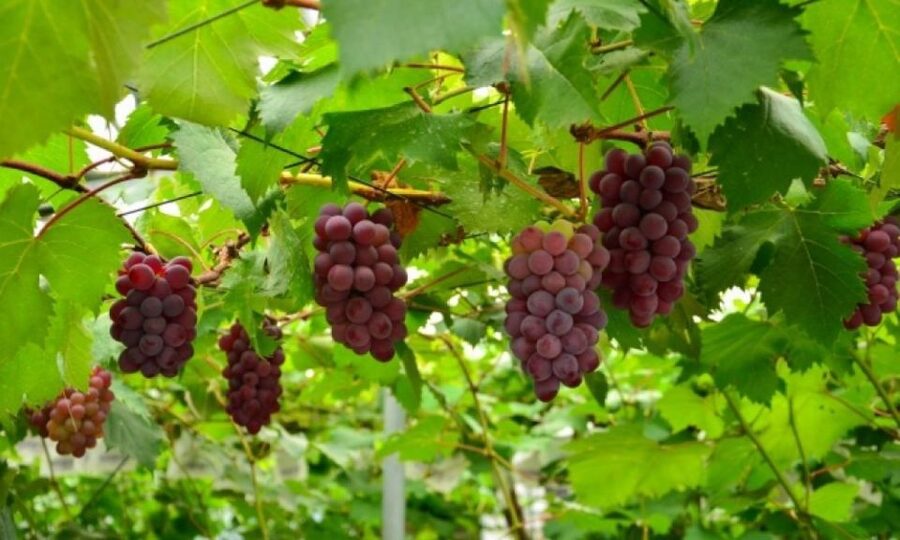
- Fruit picking with a clear schedule: strawberries, cherry picking, peaches, grapes, and sometimes apples or oranges depending on season
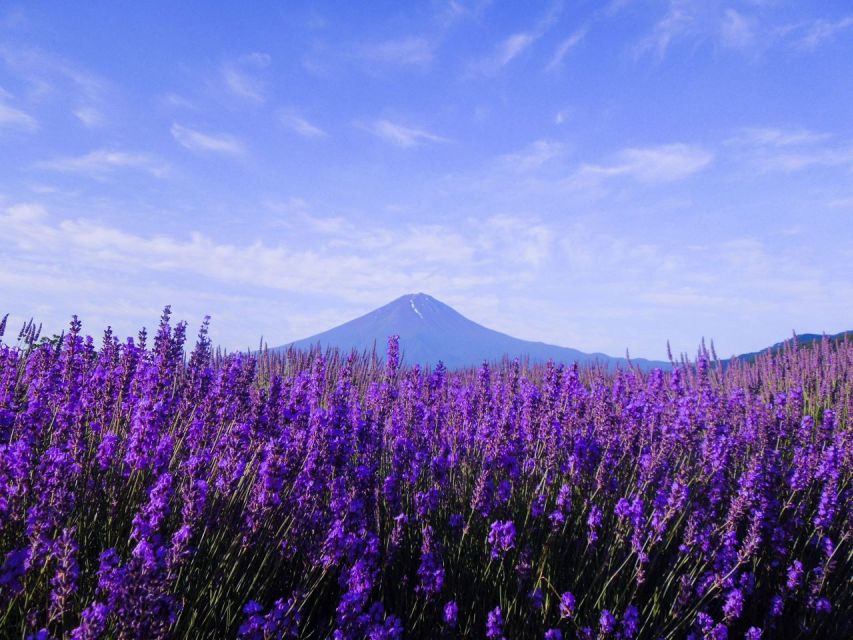
- Oishi Park + seasonal highlights: expect different signature stops such as Saiko Iyashi no Sato, shibazakura, lavender, 5th Station, or autumn foliage
- Local lunch option: Yamanashi thick houtou noodles with pork and seasonal vegetables is included if you select lunch
- English-speaking guide on a group bus: one guide, air-conditioned coach, and English support throughout
Seasonal Mt. Fuji views: why the month you book matters
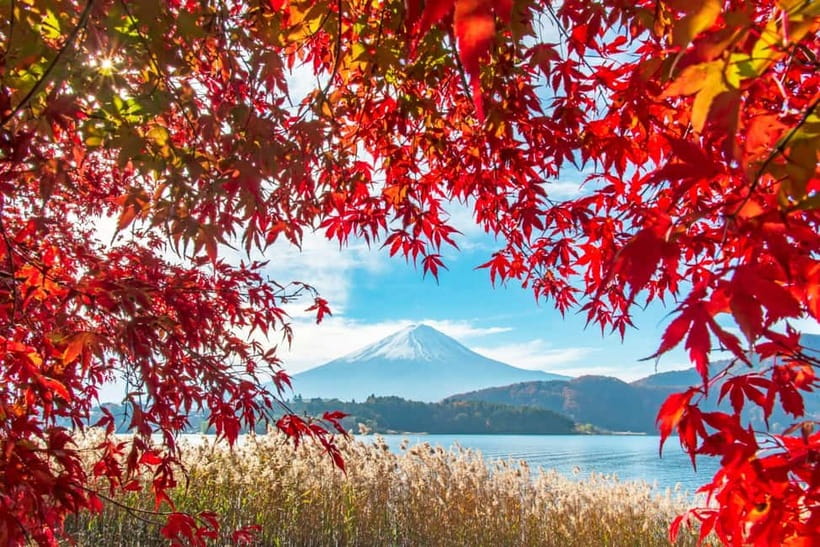
This tour is built around a simple truth about Mt. Fuji: the best experience depends on when you visit. Instead of repeating the same stops year-round, the day’s focus shifts with the season. That means you’re more likely to connect Fuji with what’s happening nearby—blossoms in spring, lavender in summer, and autumn foliage in fall.
There’s also a timing note that matters for planning. For departures until May 10, the plan includes Oishi Park and Mt. Fuji. From May 25, the tour adjusts to give you more time at each destination. In plain terms, you’ll spend less time feeling rushed and more time actually looking, photographing, and walking at your own pace.
For you, that seasonal approach can be the difference between seeing Fuji as a postcard and experiencing it as part of daily life around Lake Kawaguchi. You’ll still be chasing great viewpoints, but the day is structured to make those viewpoints meaningful in the season you’re actually in.
More Fuji day trips our readers rated highly
- Mt Fuji and Hakone 1-Day Bus Tour Return by Bullet Train
★ 5.0 · 26,383 reviews - Mt Fuji & Hakone Cruise, Drum Show Bullet Train 1 Day from Tokyo
★ 4.0 · 7,413 reviews - Tokyo Mt Fuji 5th St & Hakone Cruise Bus Tour w/Bullet Train
★ 4.4 · 5,024 reviews - From Tokyo: Mount Fuji Full-Day Sightseeing Trip
★ 4.5 · 4,970 reviews
The Tokyo bus and meeting point setup
This is a 1-day trip that starts from Tokyo and uses an air-conditioned bus (Yamato Kankō). There’s no hotel pickup listed, so you’ll want to arrive at the meeting point a bit early and avoid stress.
If you’re coming from JR Shinjuku Station, the walk from the West Exit is about 10 minutes. If you’re using Tokyo Metro Marunouchi Line Nishi-Shinjuku Station, it’s about 3 minutes from Exit E7.
You’ll travel with an English-speaking guide (one guide) and a group minimum set at 10 passengers. That helps keep the day efficient—especially for a route that mixes viewpoint stops and an orchard, where timing is everything.
Practical tip: bring comfortable shoes. The tour explicitly calls it out, and that’s because viewpoint areas and orchard paths tend to reward sturdy footwear more than fancy shoes.
Kawaguchiko Ropeway: your best shot at a wide Fuji moment
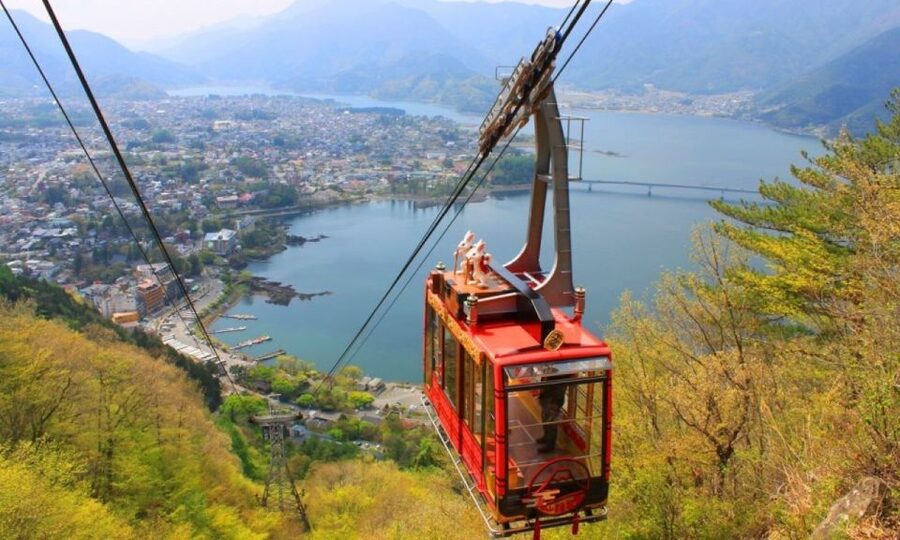
One of the headline parts of this day is the Mt. Fuji Panoramic Ropeway (gondola). The description emphasizes a 360-degree breathtaking view experience, and it’s there for a reason: ropeways lift you above the usual sightlines. From up there, you can often see Fuji with Lake Kawaguchi and the surrounding hills in the same frame—something you just can’t fully replicate from flat ground.
The tour uses the Fujisan Panorama Ropeway, and the promise here is not just height. It’s the angle. You’re positioned for broad sightlines, which is especially valuable if Fuji is partially hidden at ground level.
Here’s the realistic part you should plan for: the tour notes that if the ropeway does not operate, your itinerary will shift to alternative destinations such as the Fuji Visitor Center or Oshino Hakkai. That’s a smart backup, but it also changes the feel of the day—so don’t expect the exact same view style if conditions prevent the gondola from running.
Also, be aware the tour says Mt. Fuji may not be visible depending on weather like high humidity, heavy rain, and fog. So your best strategy is to keep expectations flexible and use the viewpoint time to enjoy what you can see, even if Fuji is muted or wrapped.
Oishi Park and other seasonal stops around Fuji
The heart of this trip is how it pairs Fuji with seasonal “signature moments.” The tour lists a seasonal highlight plan, so what you do day-of depends on your departure date.
Here’s what’s included in the season logic:
- Winter (late December–March): Saiko Iyashi no Sato Healing Village. This is a traditional village setting with views of Mt. Fuji, so your experience leans calm and cultural rather than purely floral or hiking-based.
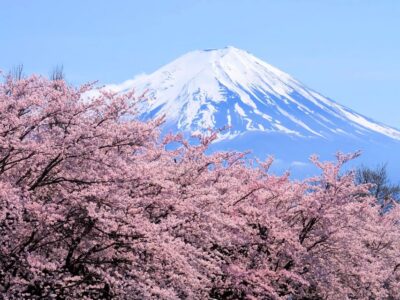
- Spring (April): cherry blossoms at the Kawaguchiko area, with the tour calling out the Kawaguchiko cherry blossom season.
- Shibazakura season (late Apr–late May): Fuji Shibazakura Festival in Motosu Lake Resort. If you’re visiting around this window, you’re chasing the vivid pink moss phlox effect against Fuji.
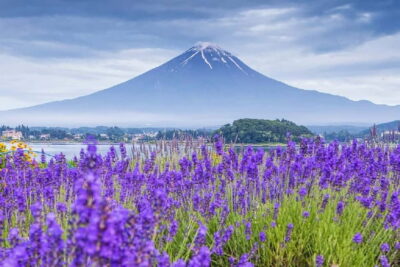
- Summer (June–July): Oishi Park for lavender fields with Fuji in the background. This is one of those “Fuji as a backdrop” seasons where the foreground plants do a lot of the work for the photos.
- Late summer (August–September): the Mt. Fuji 5th Station. This is the closest, most direct “Fuji is the main character” stop listed in the tour info.
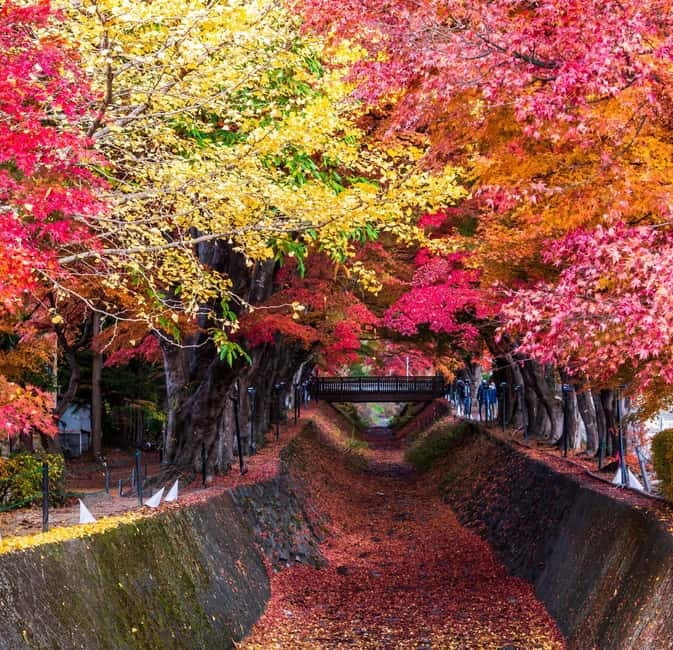
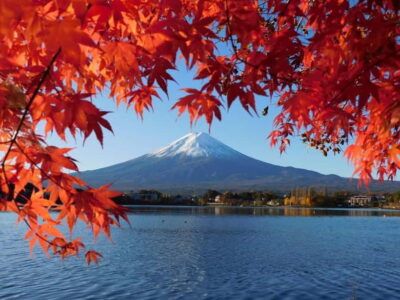
- Autumn (October–November): autumn foliage at Oishi Park or the Momiji Corridor (Maple Leaf Tunnel). This is the season when the viewpoint feels like a timed visual track: you’re watching color change along the way.
Two things I appreciate in this approach for your experience:
1) Each season has a specific theme, not just “go see Fuji.”
2) Oishi Park acts like a seasonal anchor in multiple months, so you’re not constantly learning new places from scratch.
A consideration: the tour mentions an itinerary that can change based on operations and weather. So if you’re booking around a very specific seasonal photo goal, come with a plan that includes at least one alternative viewpoint option in your mind.
Fruit picking in Yamanashi: the hands-on part that makes it feel real
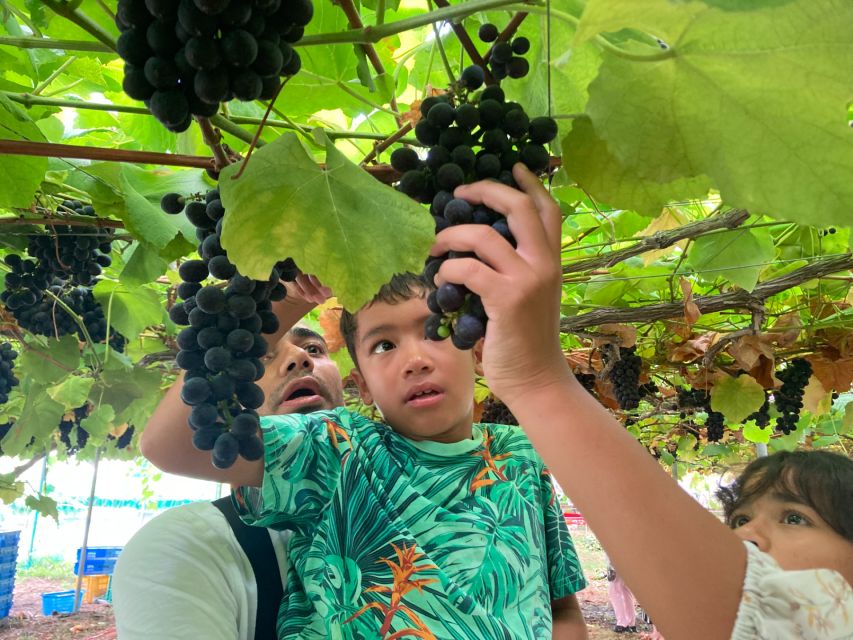
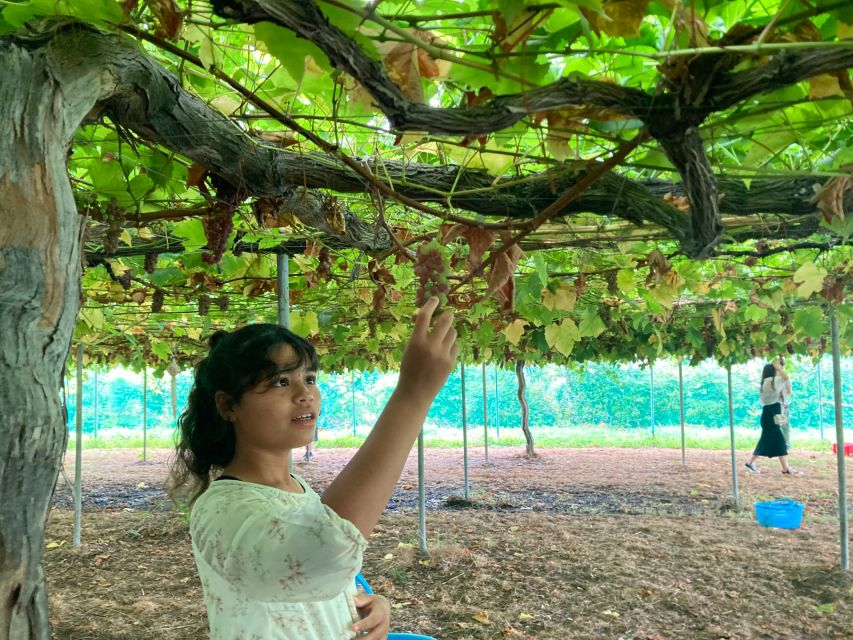
If you want the day to feel more local than touristy, the fruit picking is the payoff. This isn’t presented as a short photo op. You get orchard admission for seasonal fruit picking, and that’s what turns your time around Fuji into something you can taste and remember.
The fruit schedule is clearly laid out:
- Late December–early May: sweet strawberries
- June: Japanese cherry picking
- July: sweet peaches
- August–late November: various types of grapes
The tour also notes that depending on the season, you may be able to experience apple or orange picking.
What this means for you: the orchard stop is your chance to slow down and trade skyline chasing for hands-on activity. When you pick, you notice ripeness, scent, and texture in a way you can’t get from a shop. Even if the Fuji view is cloudy, the orchard experience still gives you a strong “I was there” memory.
And there’s a practical edge, too. Fruit picking usually gives you a natural break from bus time and camera time. It’s one of the reasons this kind of combo tour can feel more satisfying than a pure sightseeing day.
- Tokyo: Shinjuku Food Tour (13 Dishes at 4 Local Eateries)★ 5.0 · 6,603 reviews
- Tokyo Mt Fuji 5th St & Hakone Cruise Bus Tour w/Bullet Train★ 4.4 · 5,024 reviews
- Flagship 2-Hours Official Street Go-Kart Tour – Tokyo Bay Shop★ 5.0 · 4,974 reviews
- From Tokyo: Mount Fuji Full-Day Sightseeing Trip★ 4.5 · 4,970 reviews
- Tokyo: Hop-On Hop-Off Sightseeing Bus Ticket★ 3.9 · 4,207 reviews
Lunch with Yamanashi flavors: houtou noodles and seasonal vegetables
Lunch is listed as included if you select the option. The menu includes Yamanashi thick houtou noodles, pork, and fresh seasonal vegetables. This is a good “local food” anchor because houtou noodles are part of Yamanashi’s identity, not just generic noodles.
There’s also a helpful note for dietary needs. If you request a Muslim-friendly meal, the menu contents will be adjusted.
What’s not included: drinks. So it’s smart to plan for water and any additional beverages on your own.
Also keep in mind that the day can be long enough that you’ll appreciate a sit-down lunch. Between ropeway time and fruit picking, having a scheduled meal helps prevent you from snacking only and feeling tired later.
Logistics you’ll feel: timing, group size, and Fuji visibility
This is a bus tour with one English-speaking guide, and that usually means decisions happen in real time. The tour information warns that Mt. Fuji may not be visible in conditions like heavy rain, high humidity, and fog.
And here’s the tough-but-important part: the tour states that no refunds will be issued for weather-related claims or for schedule changes made by the guide or staff.
So how do you protect your experience? Think in terms of flexibility:
- Use viewpoint stops as opportunities, not guarantees.
- Expect that the guide may adjust where you pause based on visibility.
- Don’t plan your whole trip around one single “must-see” shot.
The good news is that a recent highlight from the tour experience is exactly this kind of on-the-ground responsiveness. The guide named Christy was described as accommodating, and the driver understood how eager the group was to see the peak. The result was a better spot for a view. That’s the kind of practical teamwork you want when conditions aren’t perfect.
Wi‑Fi, comfort, and what to bring
The tour includes Wi‑Fi service, which is handy for quick map checks, messaging, and sorting your photos afterward.
Comfort-wise, the big item is shoes. Comfortable shoes matter for orchard walking and for moving around scenic areas. If you’re traveling in a season with slippery ground (winter rain or early spring moisture), sturdier footwear becomes even more important.
Also consider bringing an extra layer. Even when the day is bright, Fuji areas around Lake Kawaguchi can feel cooler than you expect, especially at higher elevations like the 5th Station when included.
Price and value: what $90 actually covers
At about $90 per person, the value depends on how you price convenience.
Here’s what’s included:
- Air-conditioned bus
- Mt. Fuji Panoramic Ropeway (gondola) ticket
- Orchard admission fee for fruit picking
- English-speaking guide
- Wi‑Fi service
- Lunch if the option is selected
What’s not included:
- Drinks
- Hotel pickup and drop-off
If you tried to DIY this day from Tokyo, you’d likely spend time coordinating transport, paying for viewpoints separately, and arranging orchard access. This tour packages those pieces with a guide and a schedule that rotates by season. For first-timers, that’s the biggest value: you get a clear plan without needing to research each stop’s logistics.
The only real value wobble is weather. If Fuji is obscured, you still get the ropeway (if operating), the orchard, and the seasonal stop theme, but the iconic “Mt. Fuji view” part may be less dramatic. Since refunds aren’t tied to weather visibility, treat Fuji as the star, not the certainty.
Who this tour suits best
This is a strong fit if you:
- Want a one-day Mt. Fuji experience without renting a car
- Like a mix of sightseeing and something hands-on like fruit picking
- Are traveling from Tokyo and want an English-speaking guide
- Care about seasonal atmosphere (blossoms, lavender, foliage, or winter calm)
It’s also a good choice for travelers who prefer structured time. You’ll have bus transport, entry fees covered for the orchard, and guidance on where to go next based on the seasonal theme.
Should you book it? My decision rule
Book it if you want a day that connects Mt. Fuji with local seasonal life. The ropeway ticket, the orchard experience in Yamanashi, and the season-specific stops are a convincing combo for one trip.
Skip it or adjust expectations if your trip is tightly planned around one single Fuji-photo moment. The tour explicitly warns that Mt. Fuji may not be visible due to weather and that there are no refunds for visibility or schedule changes. In that case, you’re booking for the full experience, not a guaranteed mountain peak view.
If you can handle a little uncertainty and you’re excited for fruit picking plus a ropeway viewpoint, this tour is a solid way to make a one-day Fuji trip feel more than just sightseeing.
FAQ
What’s included in the tour price?
You get an air-conditioned bus, the Mt. Fuji Panoramic Ropeway ticket (gondola), orchard admission for fruit picking, an English-speaking guide, and Wi‑Fi service. Lunch is included only if you select the lunch option.
Does the tour always include the ropeway?
It depends on operations. If the Mt. Fuji Panoramic Ropeway does not operate, the tour will be redirected to alternatives such as the Fuji Visitor Center or Oshino Hakkai.
What fruit can you pick, and does it vary by season?
Yes, it varies by season. The schedule listed includes sweet strawberries (late Dec–early May), Japanese cherry picking (June), sweet peaches (July), and various grapes (August–late November). Apples or oranges may also be available depending on the season.
What seasonal highlights are planned besides fruit picking?
The tour lists seasonal highlights such as Saiko Iyashi no Sato Healing Village in winter, cherry blossoms at Kawaguchiko in April, shibazakura at Fuji Shibazakura Festival in Motosu Lake Resort in late Apr–late May, lavender fields at Oishi Park in June–July, Mt. Fuji 5th Station in late summer, and autumn foliage at Oishi Park or the Momiji Corridor in October–November.
Is there a lunch, and what does it include?
Lunch is included if you select the option. The meal includes Yamanashi thick houtou noodles with pork and fresh seasonal vegetables. If you request a Muslim-friendly meal, the menu will be adjusted.
Where do you meet for the tour in Tokyo?
Meet at the spot where the HIS logo blue flag or HIS logo meeting board is held. From JR Shinjuku Station, it’s about a 10-minute walk from the West Exit. From Nishi-Shinjuku Station (Marunouchi Line), it’s about 3 minutes from Exit E7.
What should you bring?
The tour recommends comfortable shoes.
Can Mt. Fuji be hidden by weather?
Yes. The tour states that Mt. Fuji may not be visible depending on conditions like high humidity, heavy rain, and fog. It also notes that no refunds are issued for weather-related visibility issues or schedule changes.
More Tour Reviews in Tokyo
- Mt Fuji and Hakone 1-Day Bus Tour Return by Bullet Train
★ 5.0 · 26,383 reviews - 1-Day Tokyo Bus Tour
★ 5.0 · 14,250 reviews - Tokyo: teamLab Planets TOKYO Digital Art Museum Entry Ticket
★ 4.6 · 9,779 reviews - Mt Fuji & Hakone Cruise, Drum Show Bullet Train 1 Day from Tokyo
★ 4.0 · 7,413 reviews - Tokyo: Shinjuku Food Tour (13 Dishes at 4 Local Eateries)
★ 5.0 · 6,603 reviews
More Mount Fuji Days We Have Reviewed
- Mt Fuji and Hakone 1-Day Bus Tour Return by Bullet Train
★ 5.0 · 26,383 reviews - Mt Fuji & Hakone Cruise, Drum Show Bullet Train 1 Day from Tokyo
★ 4.0 · 7,413 reviews - Tokyo Mt Fuji 5th St & Hakone Cruise Bus Tour w/Bullet Train
★ 4.4 · 5,024 reviews - From Tokyo: Mount Fuji Full-Day Sightseeing Trip
★ 4.5 · 4,970 reviews - Tokyo: Mt. Fuji Tour, Hakone Ropeway, Owakudani, Lake Ashi
★ 4.7 · 4,002 reviews
Latest Tokyo reviews off our desk






Mount Fuji Tours, compared.
 ★ 5.0Mt Fuji and Hakone 1-Day Bus Tour Return by Bullet TrainFrom $16326,383 reviews
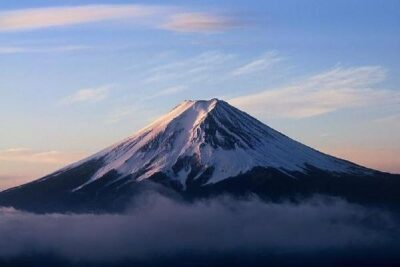 ★ 4.0Mt Fuji & Hakone Cruise, Drum Show Bullet Train 1 Day from TokyoFrom $1497,413 reviews
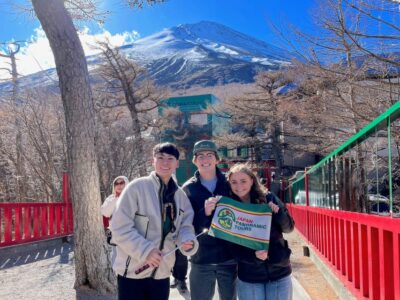 ★ 4.4Tokyo Mt Fuji 5th St & Hakone Cruise Bus Tour w/Bullet TrainFrom $1545,024 reviews
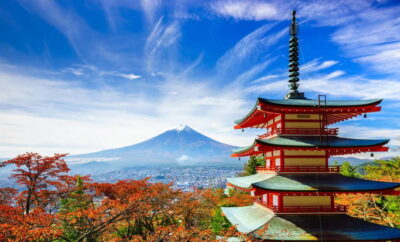 ★ 4.5From Tokyo: Mount Fuji Full-Day Sightseeing TripFrom $684,970 reviews
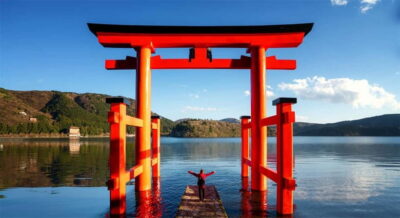 ★ 4.7Mt. Fuji Tour, Hakone Ropeway, Owakudani, Lake AshiFrom $544,002 reviews
 ★ 4.4Mt.Fuji,Kawaguchiko Oishi Park,Arakurayama Sengen ParkFrom $542,682 reviews
 ★ 4.2Mt. Fuji 5th Station & Hakone Cruise 1-Day Bus TourFrom $1292,381 reviews
 ★ 4.7Mt Fuji Top 5 Spots Day Tour: Arakurayama Park,Oshino HakkaiFrom $532,066 reviews