Reviewed · TOKYO
Shibamata: Step Back into Old Japan!
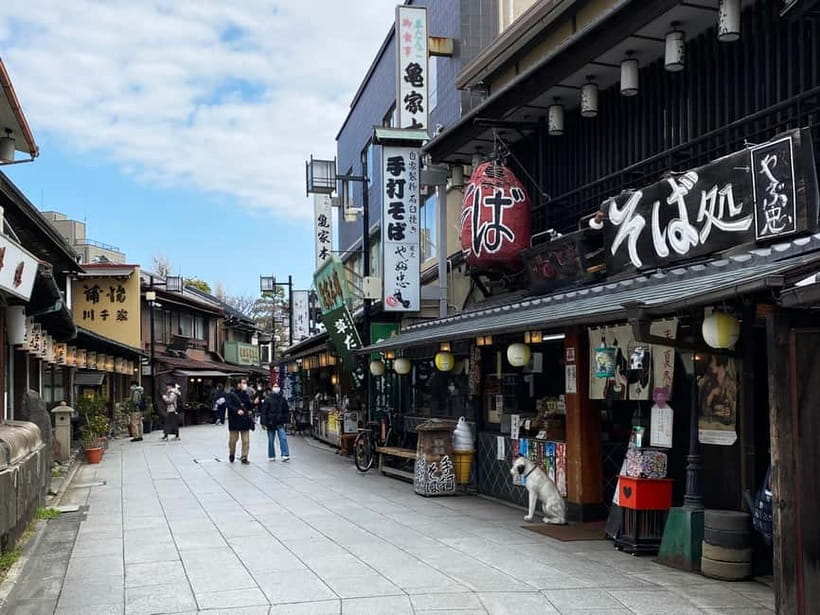
Shibamata slows Tokyo down. In just three hours, I liked seeing Taishakuten Temple up close and trying local snacks on the Taishakuten Sandō lane. It’s a simple walk, but it feels like a time shift into old Japan.
The garden stroll stays calm and unhurried, and the stop at Yamamoto-tei gives you a proper tea pause. One possible drawback: the schedule is tight, so you won’t have a long free-roam window if you want extra time inside the temple grounds or the Tora-san sites.
In This Review
- Key highlights you’ll actually feel on this tour
- Getting oriented in Shibamata: Keisei Shibamata Station and the Tora-san statues
- Taishakuten Sandō street food: the 30-minute snack-and-stroll warmup
- Shibamata Taishakuten: woodcarvings and temple details you can actually see
- Tora-san Memorial Hall: a quiet detour that adds personality
- Yamamoto-tei break time: green tea and scenic garden views
- What the $90 price really covers (and why it can be good value)
- Small group pacing: why max 5 matters in a place like this
- Practical stuff you should know before you go
- Should you book this Shibamata tour?
- FAQ
- Where is the meeting point for the Shibamata tour?
- How long is the tour, and is it a small group?
- What’s included in the tour price?
- What food and drink are included during the experience?
- Do I need cash for this tour?
- What if my plans change?
Key highlights you’ll actually feel on this tour
- A small group (max 5) keeps the pace gentle and makes it easier to ask questions.
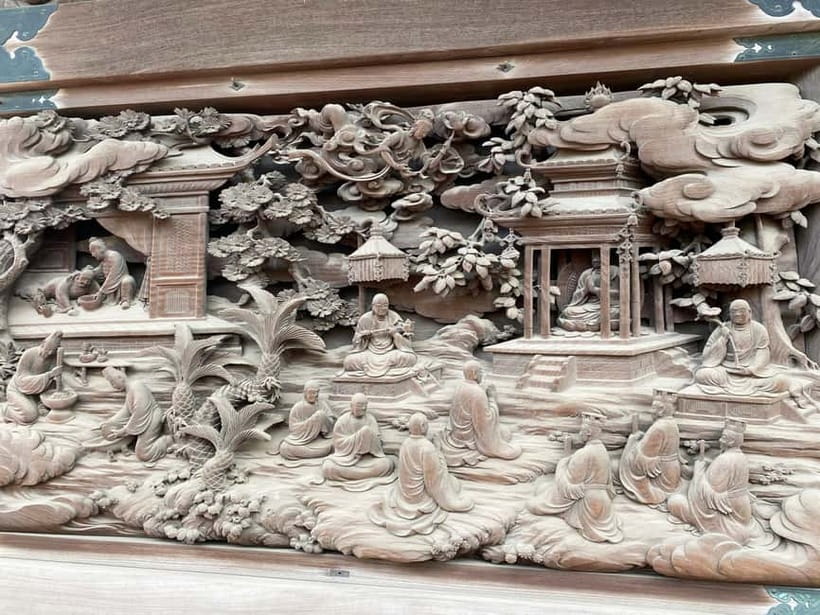
- Taishakuten’s woodcarvings are the main event, with detailed decorations and vibrant color you can see at eye level.
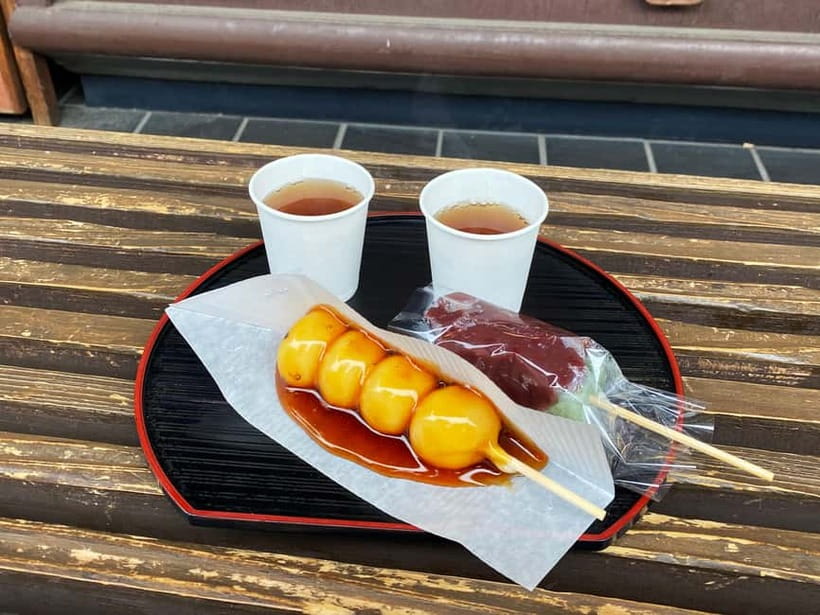
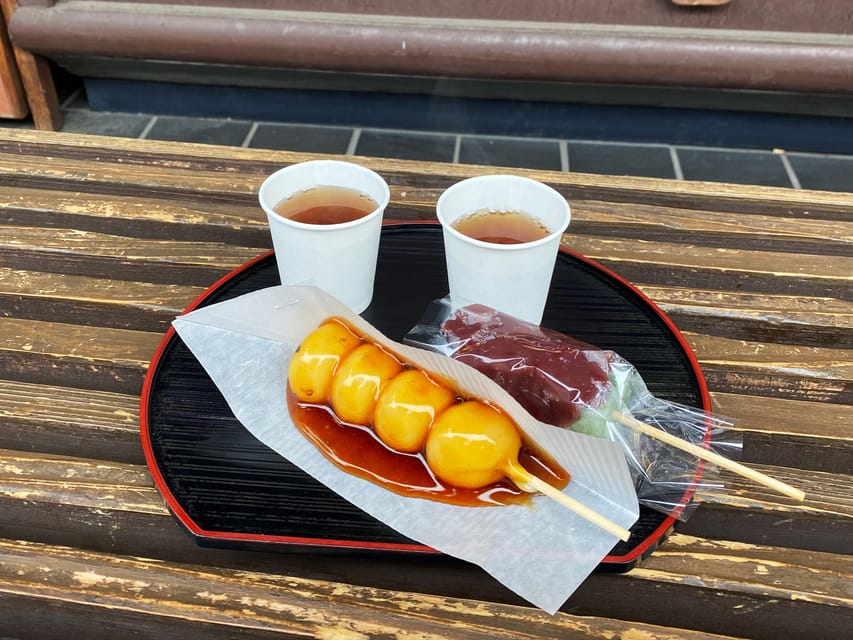
- Street snacks on Taishakuten Sandō include grass dumplings, mitarashi dumplings, rice crackers, and savory Japanese-style omelets.
- Tora-san Memorial Hall adds a cultural layer beyond temple tourism, with a photo stop built in.
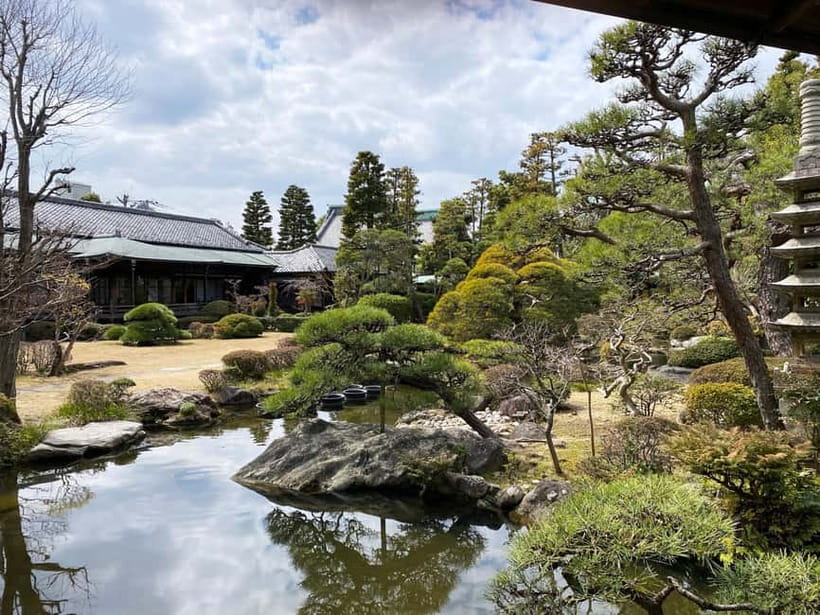
- Yamamoto-tei tea by the garden turns the last stretch into a slow exhale.
Getting oriented in Shibamata: Keisei Shibamata Station and the Tora-san statues
This tour starts in an easy-to-find pocket of Tokyo east of the big-center rush. You meet in front of the Tora-san statue in front of Keisei Shibamata Station. If you’ve ever felt lost in Japan because there are too many signs and not enough landmarks, you’ll appreciate that this one is tied to a very specific spot.
At the beginning, you’re guided past the Futen Tora Statue and Sakura Statue. That sets the tone right away: this isn’t just “see a temple and go.” It’s a neighborhood walk with a story you can follow step by step.
Because the group is capped at 5 participants, the guide can slow down when a sight needs attention. I also like that the tour is in English, so explanations don’t feel like a guessing game.
Readers booked these Tokyo options in the same breath. Here is how each one scored:
- Mt Fuji and Hakone 1-Day Bus Tour Return by Bullet Train
★ 5.0 · 26,383 reviews - 1-Day Tokyo Bus Tour
★ 5.0 · 14,250 reviews - Tokyo: teamLab Planets TOKYO Digital Art Museum Entry Ticket
★ 4.6 · 9,779 reviews - Mt Fuji & Hakone Cruise, Drum Show Bullet Train 1 Day from Tokyo
★ 4.0 · 7,413 reviews
Taishakuten Sandō street food: the 30-minute snack-and-stroll warmup
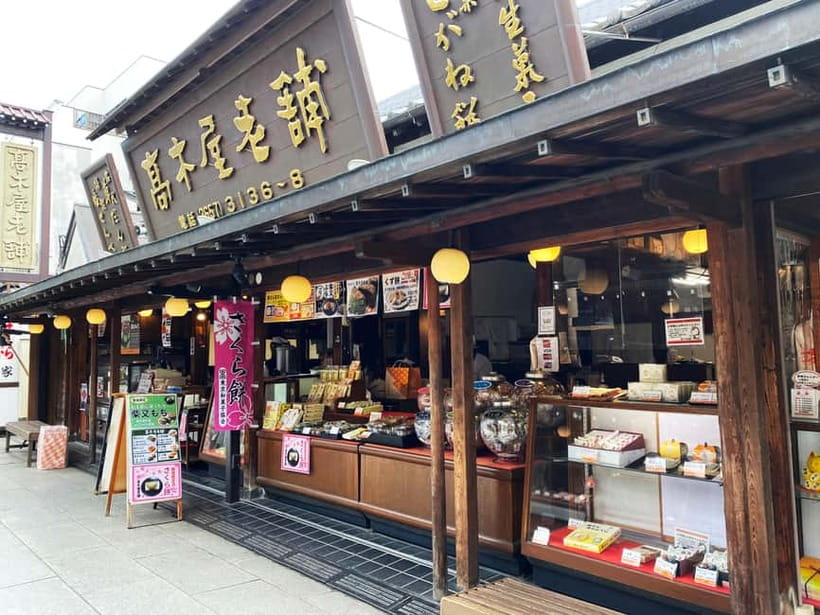
The first timed segment is the Taishakuten Sandō approach: guided walk plus street snacks. You get about 30 minutes here, which is exactly enough to sample and settle your bearings without dragging.
Here’s what you can expect to try on this lane:
- Grass dumplings
- Mitarashi dumplings
- Rice crackers
- Savory Japanese-style omelets
Think of Taishakuten Sandō as your introduction to how Shibamata eats: small, hand-held bites, not big meals. It’s a good move for a short, 3-hour tour because you don’t end up committing to a full restaurant stop. If you’re picky about texture or sweetness, this format also helps you try a few things without betting the whole hour on one dish.
A practical note: since some shops may not accept cards, I’d show up with cash. Even if the tour includes refreshments later, street-food stops can be the place where payment methods vary.
Shibamata Taishakuten: woodcarvings and temple details you can actually see
Next comes the heart of the tour: Shibamata Taishakuten with a guided visit of about 40 minutes. This is where the itinerary stops being casual and turns into real looking.
What makes Taishakuten special in this experience is the focus on the craft work—intricate wood carvings, decorated details, and vivid colors. When a temple is this ornamented, it can be easy to skim. A good guide changes that by pointing out what to look for and where to look.
In a 40-minute window, you’ll want to do two things:
- Pause when the guide points out a detail, even if you feel like you should keep walking.
- Look up and then level-eye, so you catch both the big architectural lines and the smaller carving work.
This is also one of the best moments for photos, because the temple surfaces give you texture from every angle. If you’re the type who enjoys “I can see the craftsmanship,” you’ll enjoy this stop more than the average temple visit.
Tora-san Memorial Hall: a quiet detour that adds personality
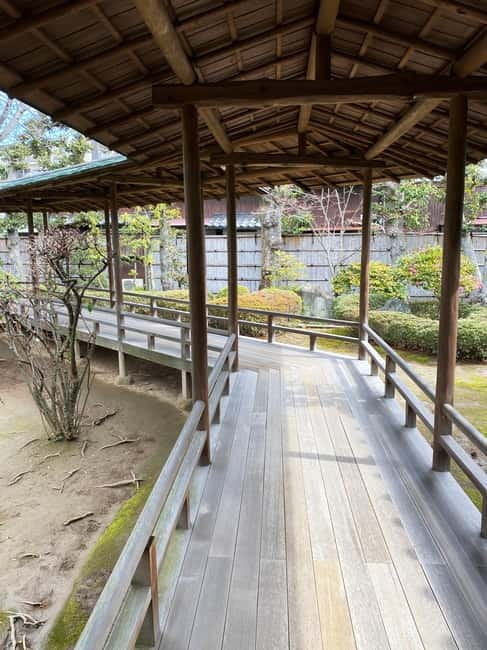
After Taishakuten, you’ll have a photo stop plus guided time of about 20 minutes at the Tora-san Memorial Hall. Even if you’ve never heard of Tora-san, this stop can still work, because it’s not just about a name—it’s about creating an atmosphere of everyday life and storytelling around the character.
The big value here is contrast. Temples are all about space, structure, and ritual. The Tora-san site is more about character and familiarity, which helps the tour feel human rather than purely sightseeing.
If you’re traveling with someone who likes photos and local culture, this part usually lands well. And if you personally prefer less time in museums, the short length is a bonus rather than a problem.
Yamamoto-tei break time: green tea and scenic garden views
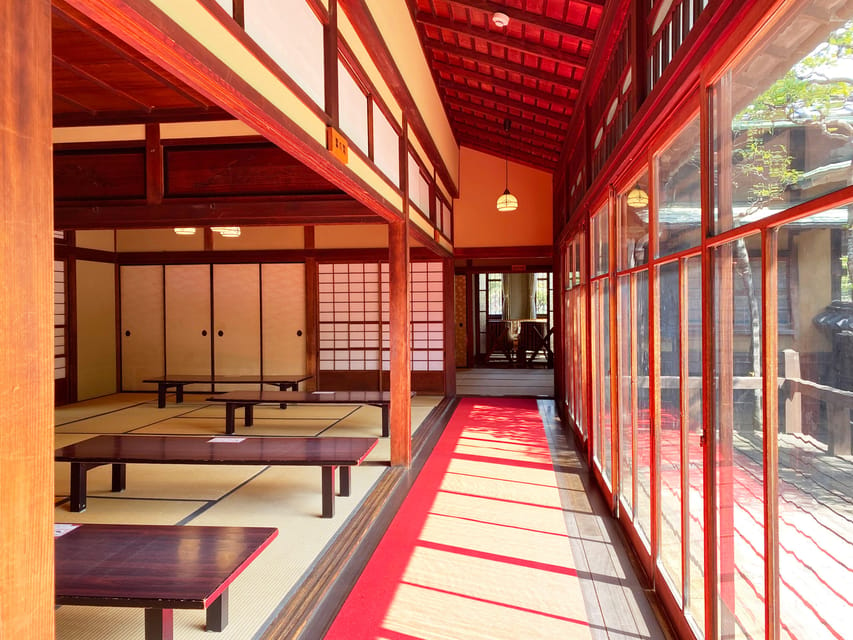
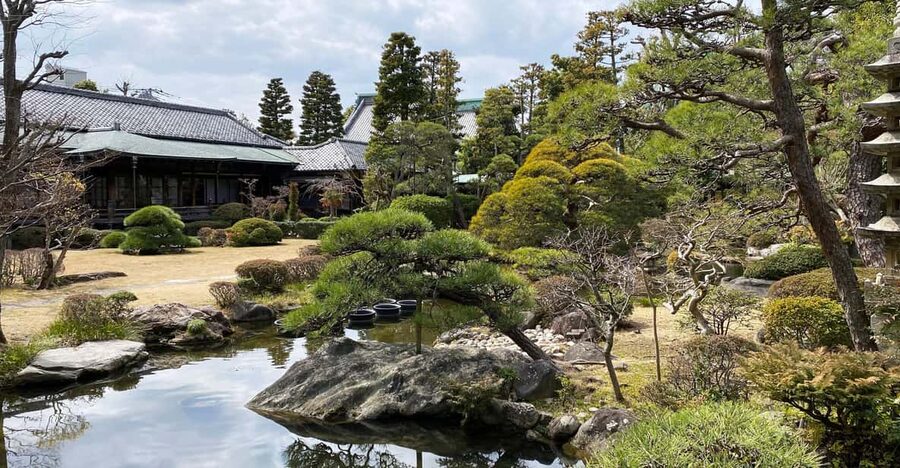
The final main stop is Yamamoto-tei, with about 30 minutes for a break. You’ll have a photo stop, tea time, guided context, and scenic views on the way.
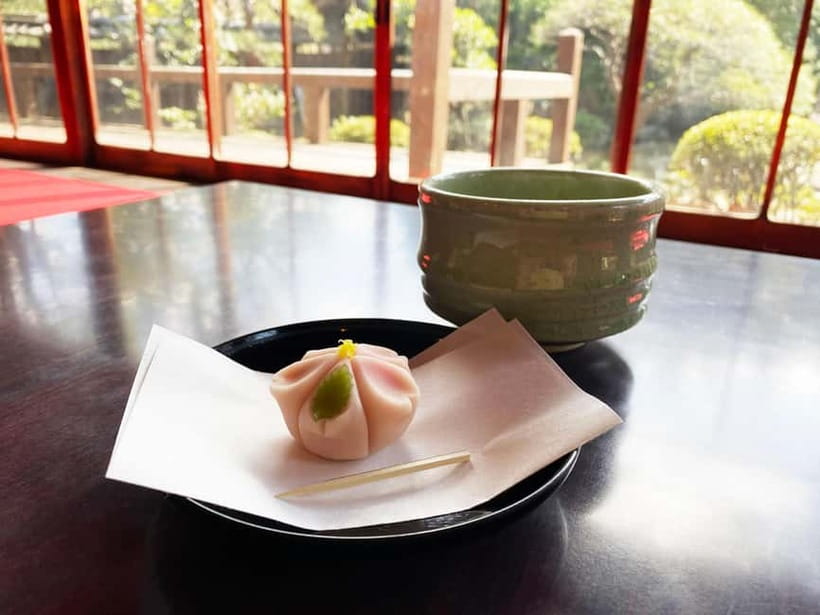
This is the “slow down” section. The tour shifts from moving-and-snacking to sitting-and-watching. And you’re not just drinking tea—you’re doing it by the Japanese garden setting, with traditional green tea included.
I love this kind of ending because it turns the tour into something you feel in your body, not just your camera roll. If you’ve been walking all day, tea here is a reset button.
Also, this is where some included value becomes obvious. The tour includes access to Yamamoto-tei and refreshments there, so you’re not scrambling to find somewhere to sit and pay for tea separately.
- Mt Fuji and Hakone 1-Day Bus Tour Return by Bullet Train★ 5.0 · 26,383 reviews
- 1-Day Tokyo Bus Tour★ 5.0 · 14,250 reviews
- Tokyo: teamLab Planets TOKYO Digital Art Museum Entry Ticket★ 4.6 · 9,779 reviews
- Mt Fuji & Hakone Cruise, Drum Show Bullet Train 1 Day from Tokyo★ 4.0 · 7,413 reviews
- Tokyo: Shinjuku Food Tour (13 Dishes at 4 Local Eateries)★ 5.0 · 6,603 reviews
What the $90 price really covers (and why it can be good value)
At $90 per person for roughly 3 hours, the question is: what are you paying for?
You’re paying for:
- A live English guide
- A small-group setting (up to 5 participants)
- Access/entry to key stops, including Tora-san Memorial Hall
- Access to the Sculpture Gallery & Garden at Taishakuten
- Tea and refreshments at Yamamoto-tei
In other words, it’s not just “someone walks with you.” You’re also getting admission and a built-in break. For many short tours, that kind of included entry is what makes the math work—especially in Japan where you might otherwise buy multiple tickets and still feel rushed.
One more value point: the pace. The guide structure is designed so you can enjoy the neighborhood without turning the experience into a sprint. Based on feedback from past guests, the area often feels calm and peaceful, and the small group size helps keep it that way.
Small group pacing: why max 5 matters in a place like this
This isn’t central Tokyo. Shibamata is the kind of neighborhood where you notice details: street textures, gateways, small shops, and the rhythm of slower life.
In a group larger than about 10, you can lose that rhythm. With a cap of 5, you can:
- hear the guide without straining
- ask a follow-up question
- pause without holding everyone up
- take photos without fighting for space constantly
I also like that the tour isn’t advertised as a long endurance walk. It’s short enough to fit into a day, but structured enough that you’re not wandering aimlessly.
Practical stuff you should know before you go
A few details can make your tour smoother:
- Bring cash. Some shops may not accept cards, so it’s smart to arrive prepared.
- Eat lightly before you go. The street snacks are part of the experience, but you’ll also want room for tea and a normal dinner afterward.
- Wear comfortable shoes. Even though it’s gentle pacing, you’re walking multiple segments through streets and garden paths.
- If you’re not feeling well, skip it. Participation is declined for those who are unwell on the day of the event.
If you’re the type who plans your day around tours, this one is a clean block: 3 hours start-to-finish, then you’re free to explore the neighborhood on your own after.
Should you book this Shibamata tour?
If you want old Japan vibes without the stress of full-day transit, I think this is a strong choice. You get the standout craft focus at Taishakuten Temple, plus a calmer neighborhood walk, plus a tea break that actually lets you rest.
I’d skip it only if you’re looking for a long, free-form itinerary or you hate structured sightseeing. The schedule is tight by design, so it’s best for people who want a guided highlight route, not hours of optional wandering.
If you do book, go with the mindset of slow looking: pause for the carvings, savor the street bites, and let the garden tea be the finish. That’s where Shibamata really does its job.
FAQ
Where is the meeting point for the Shibamata tour?
You meet in front of the Tora-san statue in front of Keisei Shibamata Station.
How long is the tour, and is it a small group?
The tour lasts 3 hours and is a small group limited to 5 participants.
What’s included in the tour price?
Entry/access is included for Tora-san Memorial Hall, the Sculpture Gallery & Garden at Taishakuten, and access to Yamamoto-tei, plus refreshments at Yamamoto-tei.
What food and drink are included during the experience?
You’ll have local snacks such as grass dumplings, mitarashi dumplings, rice crackers, and savory Japanese-style omelets, plus traditional green tea at Yamamoto-tei.
Do I need cash for this tour?
Yes, it’s a good idea to bring cash, because some shops may not accept cards.
What if my plans change?
You can cancel up to 24 hours in advance for a full refund. The experience also offers reserve now & pay later to keep plans flexible.
More Tour Reviews in Tokyo
- Mt Fuji and Hakone 1-Day Bus Tour Return by Bullet Train
★ 5.0 · 26,383 reviews - 1-Day Tokyo Bus Tour
★ 5.0 · 14,250 reviews - Tokyo: teamLab Planets TOKYO Digital Art Museum Entry Ticket
★ 4.6 · 9,779 reviews - Mt Fuji & Hakone Cruise, Drum Show Bullet Train 1 Day from Tokyo
★ 4.0 · 7,413 reviews - Tokyo: Shinjuku Food Tour (13 Dishes at 4 Local Eateries)
★ 5.0 · 6,603 reviews