
Reviewed · SHIBUYA EXPERIENCES
Shibuya: Ramen Dojo Tokyo | Make All 3 (Tonkotsu/Shoyu/Miso)
Shibuya smells like ramen practice. This hands-on class near Shibuya Station gives you the rare chance to make fresh noodles and compare three ramen styles side by side. You’ll leave with a real recipe and the technique to keep going at home.
I like that the lesson is built around three specific targets—tonkotsu, shoyu, and miso—so you’re not just learning one bowl. I also like the small group setup, which means you get enough attention to figure out noodle dough, cutting, and finishing without feeling rushed.
One drawback to flag: this experience isn’t a fit if you have severe gluten, egg, or soy concerns (or celiac disease), since it uses wheat flour in a working kitchen.
In This Review
- Key highlights worth caring about
- Ramen Dojo Tokyo near Shibuya: what you’re really paying for
- Where to go: finding the studio and avoiding first-class jitters
- The 90 minutes: how the lesson flows (and why each step matters)
- 1) Check-in and briefing (10 minutes)
- 2) Chicken chashu prep (5 minutes)
- 3) Noodle making (20 minutes)
- 4) Chicken chashu finishing (10 minutes)
- 5) Boiling noodles / soup preparation (10 minutes)
- 6) Plating (5 minutes)
- 7) Tasting and photo time (30 minutes)
- Tonkotsu, shoyu, miso: what you’re learning beyond flavor
- Small group lessons: why the teaching feels hands-on
- The food part: three mini bowls, not one big meal
- Digital recipe after class: how to actually use it at home
- Who this class suits best (and who should skip)
- Price and value: does it feel worth it?
- After class: using your Shibuya time smartly
- Should you book Shibuya Ramen Dojo Tokyo?
- FAQ
- What ramen styles will I make and taste?
- How long is the ramen class?
- Is the class suitable for beginners?
- Is the class a small-group experience?
- What’s included in the price?
- What should I bring or prepare?
- Is transportation included?
- Are there dietary restrictions or allergies that make this not suitable?
- Where do I meet and when does it end?
Key highlights worth caring about
- Triple ramen in one lesson: tonkotsu, shoyu, miso, served as three mini bowls
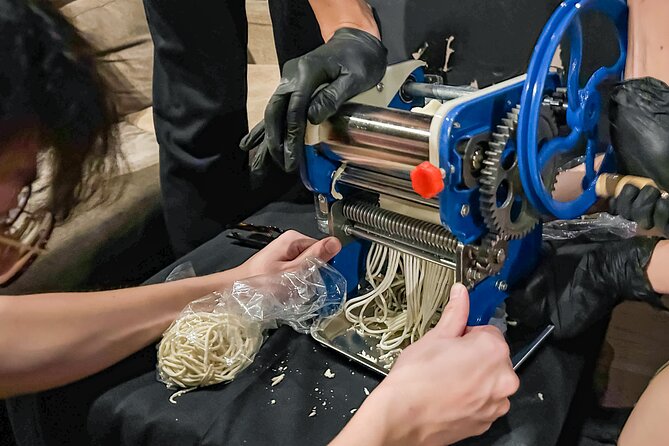
- Fresh noodle machine time: you’ll make and cut the noodles instead of skipping to eating
- Small-group instruction: up to 8 people, so you can ask questions while you work
- Chicken chashu prep: you’ll handle the chashu component, not just the broth theory
- Digital recipe after class: a way to repeat what you learned at home
- Beginner-friendly English support: guidance is there even if you’ve never cooked ramen
Ramen Dojo Tokyo near Shibuya: what you’re really paying for
At about $86.22 per person, this class isn’t trying to be the cheapest ramen experience in Tokyo. You’re paying for hands-on cooking time, small-group coaching, and the fact that you leave with a repeatable process.
You get three mini bowls to taste, but the bigger value is the method. Lots of Tokyo ramen tastings teach you what to like. This one helps you understand how noodle texture changes, how toppings and chashu fit together, and how broth style affects the final bowl.
Also, the location is practical. The studio is around a 10-minute walk from Shibuya Station, and the activity starts and ends at the same meeting point, so you’re not juggling transport plans before and after.
More booked around Shibuya Crossing
- Official Street Go-Kart in Shibuya
★ 5.0 · 3,435 reviews - Tokyo: Street Kart Experience in Shibuya
★ 4.9 · 1,484 reviews - Shibuya Meltdown Nightlife Tour: All-You-Can-Drink Bar Hopping
★ 5.0 · 1,058 reviews - Shibuya Official Street Go-Kart in Shibuya Annex
★ 5.0 · 972 reviews
Where to go: finding the studio and avoiding first-class jitters
Your meeting point is the Umekita Building, 7-11 Maruyamachō, Shibuya, Tokyo 150-0044. You’ll check in there and then the lesson runs at the studio.
A quick reality check: Shibuya can be loud and slightly confusing when you’re first arriving. Give yourself a little buffer so you can slow down, find the entrance, and settle. Once you’re inside, the class rhythm is clear and timed, and you won’t be left guessing what’s next.
You’ll also use a mobile ticket, which is convenient if you hate paper and want everything on your phone.
The 90 minutes: how the lesson flows (and why each step matters)
The class runs about 1 hour 30 minutes, and it follows a tight sequence. Here’s what to expect, in plain terms.
1) Check-in and briefing (10 minutes)
This is where you’ll get the game plan and the basics of what you’re making. For beginners, this matters because ramen is part cooking and part coordination. If you start without understanding the order, you end up multitasking badly.
2) Chicken chashu prep (5 minutes)
Before noodles take over your brain, you’ll get into the chashu workflow. Chashu gives ramen its satisfying, savory backbone. Even if you never touch ramen again after this trip, getting comfortable with this component helps you make more than one dish at home.
- Tokyo: Shinjuku Food Tour (13 Dishes at 4 Local Eateries)★ 5.0 · 6,603 reviews
- Tokyo Mt Fuji 5th St & Hakone Cruise Bus Tour w/Bullet Train★ 4.4 · 5,024 reviews
- Flagship 2-Hours Official Street Go-Kart Tour – Tokyo Bay Shop★ 5.0 · 4,974 reviews
- From Tokyo: Mount Fuji Full-Day Sightseeing Trip★ 4.5 · 4,970 reviews
- Tokyo: Hop-On Hop-Off Sightseeing Bus Ticket★ 3.9 · 4,207 reviews
3) Noodle making (20 minutes)
This is the core. You’ll knead ramen dough, then cut it with a professional noodle cutter (and use the noodle-machine workflow the class provides). Fresh noodles change the whole experience. They also teach you the most important ramen habit: dough handling affects bite.
If you’re a first-timer, it can feel awkward for the first few minutes. That’s normal. You’re learning a new muscle memory, not just following instructions.
4) Chicken chashu finishing (10 minutes)
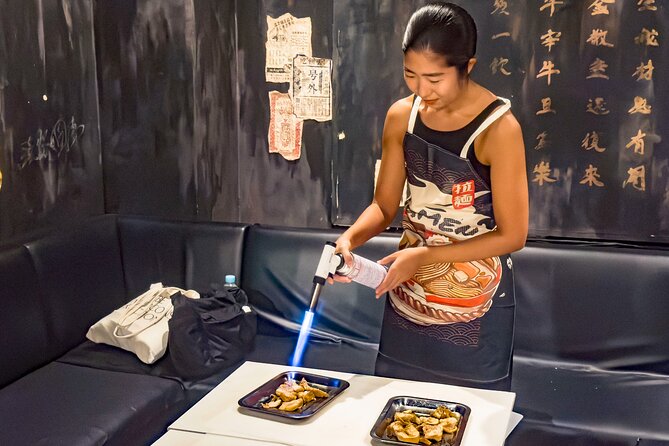
While noodles and broth prep are happening, the chashu gets attention. This timing keeps you from feeling like you’re waiting around. It also helps you understand how cooking schedules overlap in real ramen kitchens.
5) Boiling noodles / soup preparation (10 minutes)
This is where your ramen trio starts to come together. The class includes broth prep for your ramen styles, and you’ll be guided through the parts you need for your own bowls.
One useful thing here: you’ll see that ramen isn’t just one soup. The lesson is designed so the broth style is part of the learning, not an afterthought.
6) Plating (5 minutes)
This is short, but don’t skip paying attention. Plating is where proportions become real. Three mini bowls sounds easy, but you want each one to look and taste intentional, not accidental.
7) Tasting and photo time (30 minutes)
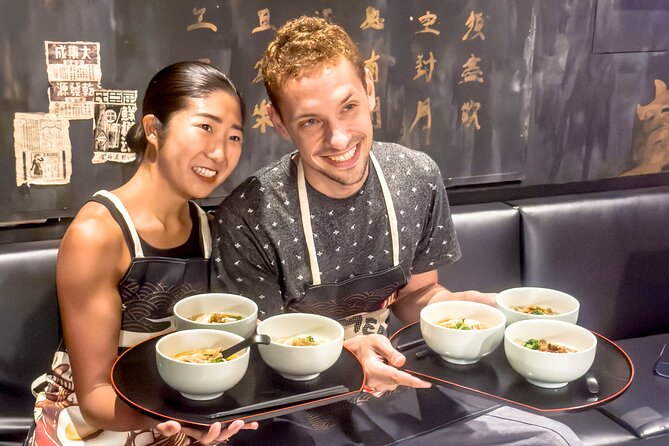
You get time to sit down and eat what you made, and you also get photo time. The triple-style tasting is the fun part: tonkotsu, shoyu, and miso sit next to each other so you can compare without walking across the city.
If you’re the type who likes to take notes while traveling, this is the moment to do it. Write down which broth tasted saltier, which felt thicker, and how the noodle bite matched each style.
Tonkotsu, shoyu, miso: what you’re learning beyond flavor
The class is built around three ramen identities. When you taste them side by side, you start noticing how each style behaves.
- Tonkotsu tends to feel rich and heavier. You learn the kind of broth character that pairs with noodles and toppings.
- Shoyu leans into soy sauce style. It teaches you balance—how savory depth lands without needing the same thickness as the pork-forward style.
- Miso adds a different personality. It often comes across as warmer and more aromatic, and tasting it next to the other two makes the difference clearer than reading about it.
This is why I think this class is a better buy than a single ramen meal. You’re training your palate in a structured way.
Small group lessons: why the teaching feels hands-on
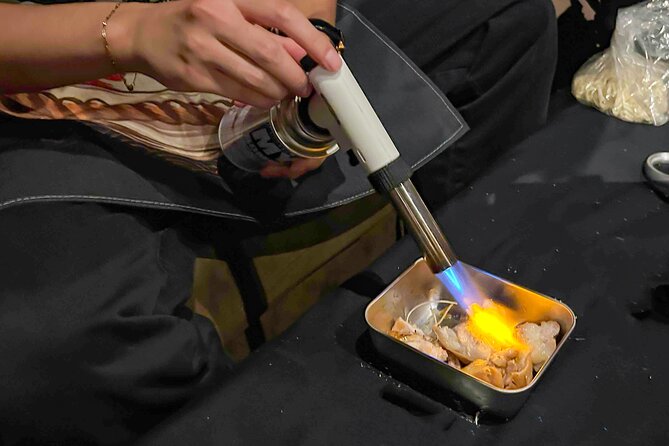
The group size caps at 8 travelers. That’s the sweet spot for a cooking class. Big groups usually turn into watching and waiting. Here, you can move through steps and still get correction when you need it.
You’ll also have an English-speaking instructor who supports the process. Multiple beginners have said the guides are patient, and that matters, because noodle dough can be stubborn when you’re new to it.
If you’re traveling with kids, this is one of the more approachable cooking activities around Shibuya. The learning pace is friendly enough that an 8-year-old has been able to participate with guidance, and that’s a good sign for families who want interaction, not just spectatorship.
The food part: three mini bowls, not one big meal
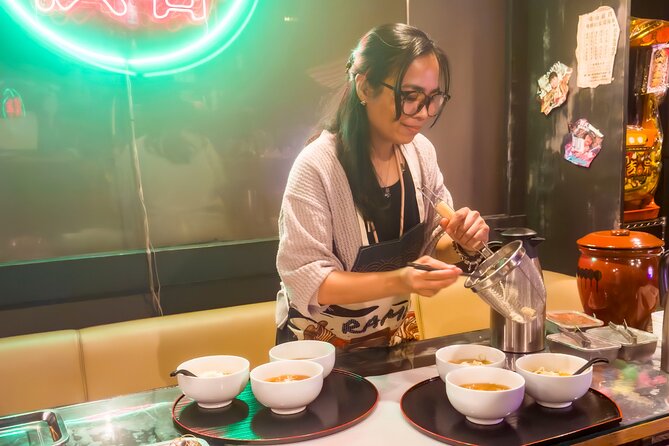
You’ll get three mini bowls of ramen included—tonkotsu, shoyu, miso. This is smart for a class format. You get enough to compare and enjoy without making the tasting round so full that your brain checks out.
After you finish, you can keep exploring Shibuya with energy. The activity ends back at the meeting point, so you’re not stuck figuring out transportation while full and tired.
Digital recipe after class: how to actually use it at home

You’ll receive a digital recipe after the class. That’s the difference between a fun memory and a skill you can repeat.
What I’d do: before your trip ends, skim the recipe once so you understand the structure. Then when you get home, re-check it while you’re grocery shopping. Ramen at home becomes much easier when you know what ingredients you’re hunting for and what steps come first.
Also, if you learned you like one style more than the others, focus your first practice round on that broth style. The lesson structure helps you choose, because you tasted all three.
Who this class suits best (and who should skip)
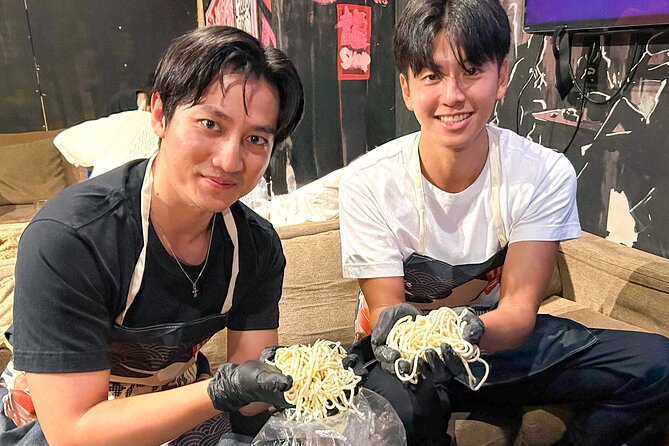
This is a great match if:
- you want a hands-on ramen workshop near Shibuya rather than another restaurant meal
- you’re comfortable cooking a bit and learning technique
- you want a structured ramen comparison: three styles in one session
- you’d like beginner support in English
- you like the idea of learning fresh noodle handling and cutting
It’s not a fit if:
- you have severe wheat (gluten), egg, or soy allergies, or celiac disease
- you have severe airborne flour sensitivity
- you can’t use stairs (the class isn’t suitable for guests who can’t manage them)
- you require strict dietary compliance like fully strict vegan or religious diets (the class doesn’t offer substitutes beyond what’s already covered)
If dietary needs are complicated, I’d treat this as a “confirm first” situation before booking.
Price and value: does it feel worth it?
For $86.22, you’re buying three things: (1) instruction, (2) equipment and ingredients, and (3) the triple tasting.
Compare that to paying for three ramen bowls in Tokyo. The class still wins for most people because you’re not just eating. You’re making noodles, prepping chashu, and working through broth style enough to understand differences. Plus, you get a digital recipe afterward, which can make the cost feel even better if you plan to cook at home.
If you mainly want the best ramen you’ve ever had, a restaurant tasting might feel cheaper. But if you want skills plus food, the price makes sense.
After class: using your Shibuya time smartly
Since the lesson ends back at the meeting point, you can continue exploring right away. A good approach is to keep your first stop easy and close. You’ll already have your bearings near that Umekita Building area.
Also, if you’re going to hit more food spots, pace yourself. You just ate three mini bowls. In Japan, that’s often enough to turn your hunger into curiosity rather than urgency.
Should you book Shibuya Ramen Dojo Tokyo?
Book it if you want a practical ramen skill in one afternoon near Shibuya. The triple-style format makes it more educational than a typical ramen meal, and the small group size helps you actually participate.
Think twice if you’re mainly hunting for a low-cost meal or you have the allergy/diet restrictions mentioned. And if you know you care most about broth technique, note that the lesson includes broth/soup preparation, but your most hands-on learning time will be around noodles and the components you assemble.
If you’re a ramen fan who wants to do more than taste, this is one of the better ways to turn Shibuya downtime into something useful.
FAQ
What ramen styles will I make and taste?
You’ll make and taste three mini bowls: tonkotsu, shoyu, and miso.
How long is the ramen class?
The lesson runs about 1 hour 30 minutes (approximately 90 minutes).
Is the class suitable for beginners?
Yes. The class is designed for beginners, and the instruction is provided in English with attentive support for small groups.
Is the class a small-group experience?
Yes. There is a maximum group size of 8 travelers, which helps you get hands-on help.
What’s included in the price?
The price includes tasting of the three mini ramen bowls, an English-speaking instructor, all ingredients, use of kitchen equipment, an apron loan, and a digital recipe after the class.
What should I bring or prepare?
You’ll use a mobile ticket. Other than that, the class provides the needed ingredients and equipment, and you receive an apron.
Is transportation included?
No. Private transportation and hotel pick-up/drop-off are not included.
Are there dietary restrictions or allergies that make this not suitable?
Yes. It’s not suitable for severe wheat (gluten), egg, or soy allergies, or celiac disease, severe airborne flour sensitivity, guests unable to use stairs, or guests needing strict dietary compliance such as fully strict vegan/religious diets.
Where do I meet and when does it end?
You meet at the Umekita Building, 7-11 Maruyamachō, Shibuya, Tokyo 150-0044, Japan, and the activity ends back at the same meeting point.
More Tour Reviews in Tokyo
- Mt Fuji and Hakone 1-Day Bus Tour Return by Bullet Train
★ 5.0 · 26,383 reviews - 1-Day Tokyo Bus Tour
★ 5.0 · 14,250 reviews - Tokyo: teamLab Planets TOKYO Digital Art Museum Entry Ticket
★ 4.6 · 9,779 reviews - Mt Fuji & Hakone Cruise, Drum Show Bullet Train 1 Day from Tokyo
★ 4.0 · 7,413 reviews - Tokyo: Shinjuku Food Tour (13 Dishes at 4 Local Eateries)
★ 5.0 · 6,603 reviews
More Around Shibuya Crossing
- Official Street Go-Kart in Shibuya
★ 5.0 · 3,435 reviews - Tokyo: Street Kart Experience in Shibuya
★ 4.9 · 1,484 reviews - Shibuya Meltdown Nightlife Tour: All-You-Can-Drink Bar Hopping
★ 5.0 · 1,058 reviews - Shibuya Official Street Go-Kart in Shibuya Annex
★ 5.0 · 972 reviews - Tokyo: Shibuya Food Tour (13 dishes and 4 Eateries)
★ 5.0 · 770 reviews
Latest Tokyo reviews off our desk






Shibuya Experiences, compared.
 ★ 5.0Official Street Go-Kart in ShibuyaFrom $763,435 reviews
 ★ 4.9Street Kart Experience in ShibuyaFrom $741,484 reviews
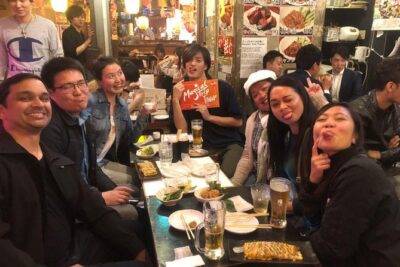 ★ 5.0Shibuya Meltdown Nightlife Tour: All-You-Can-Drink Bar HoppingFrom $1061,058 reviews
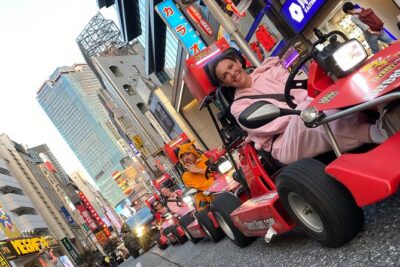 ★ 5.0Shibuya Official Street Go-Kart in Shibuya AnnexFrom $69972 reviews
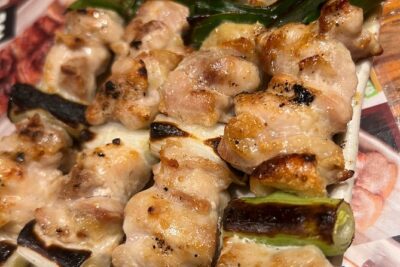 ★ 5.0Shibuya Food Tour (13 dishes and 4 Eateries)From $77770 reviews
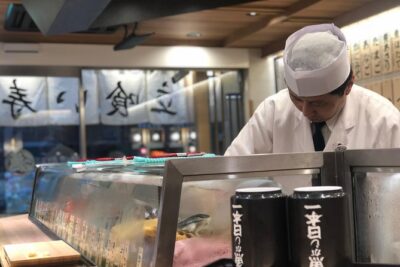 ★ 5.0Best of Shibuya Food TourFrom $217612 reviews
 ★ 4.8Shibuya Highlights Walking TourFrom $19601 reviews
 ★ 4.7Premium Go-Kart Tour with Tower & Shibuya CrossingFrom $116528 reviews
Browse the lists this tour appears in