
Reviewed · TOURS
Shinto Shrine Tour: Explore Japanese Culture in Tokyo
Shrines in Tokyo teach faster than guidebooks. This private group tour connects Shinto practice, mythology, and everyday Japanese culture in just three focused stops. You’ll start at Harajuku, move by public transit, and learn how people purify themselves and pray for good fortune.
Two things I really like: first, the private, group-only format means your guide can match the pace to your questions (and even handle real-life issues, like needing short rests). Second, you’re not just looking at pretty buildings; the guide walks you through how to visit and pray with respect, so you actually understand what you’re doing at each shrine.
One drawback to consider: the route includes a lot of walking, often on paved paths and shrine approaches. If your knees or feet aren’t great, wear supportive shoes and plan for slower moments with the guide.
In This Review
- Key highlights to know before you go
- Shinto shrine touring feels different from sightseeing
- Meeting at Harajuku Station and timing your morning
- Meiji Jingu: the donated-forest feeling in the middle of Tokyo
- Kanda Shrine: Tokyo’s oldest vibes and its rebuilding history
- Tokyo Daijingu: O-Ise-sama vibes and prayers for good marriage
- What your guide teaches: purification, praying, and respect
- Getting around and what to pack for the shrine walk
- Price and value: why $206.26 can make sense
- Who should book this Shinto tour
- Should you book this tour?
- FAQ
- How long is the Shinto Shrine Tour?
- Where do we meet, and when does it start?
- Which shrines are included on the tour?
- Is this tour private?
- What’s included in the price?
- Are food and drinks included?
- What should I wear?
Key highlights to know before you go
- Three shrines, about three hours: Meiji Jingu, Kanda Shrine, and Tokyo Daijingu, all in one morning.
- Entrance fees included: you don’t have to stop and sort out ticketing mid-walk.
- Shinto etiquette, not just facts: you’ll learn how to purify yourself and pray properly.
- Meiji Jingu’s forest setting: a calm, donated-tree atmosphere right in the city.
- Kanda Shrine’s long survival story: dating back about 1,270 years and rebuilt after fires and earthquakes.
- Tokyo Daijingu’s marriage-focused reputation: a well-known place to pray for girls’ good match outcomes.
Shinto shrine touring feels different from sightseeing
Most Tokyo tours move you from landmark to landmark. This one works the other way: it trains you to notice what’s happening in a Shinto space. You’ll learn the basic logic behind the rituals you see—how purity matters, how prayers are offered, and why certain shrines are associated with specific hopes.
I also like that the tour frames Shinto as a living part of Japanese culture. That matters because it changes how you experience the shrines. If you treat it like museum viewing, you miss half the point. If you understand the etiquette, the whole visit becomes more meaningful and less awkward.
And the pacing helps. Three shrines in about three hours means you get the variety—big-city calm, old Tokyo endurance, and a shrine with a specific prayer theme—without burning your whole day.
Readers booked these Tokyo options in the same breath. Here is how each one scored:
- Mt Fuji and Hakone 1-Day Bus Tour Return by Bullet Train
★ 5.0 · 26,383 reviews - 1-Day Tokyo Bus Tour
★ 5.0 · 14,250 reviews - Tokyo: teamLab Planets TOKYO Digital Art Museum Entry Ticket
★ 4.6 · 9,779 reviews - Mt Fuji & Hakone Cruise, Drum Show Bullet Train 1 Day from Tokyo
★ 4.0 · 7,413 reviews
Meeting at Harajuku Station and timing your morning
You meet at Harajuku Station (in Shibuya), with the start time set for 9:00 am. The address listed for the meeting area is 1 Chome-18 Jingumae, Shibuya, Tokyo 150-0001, Japan. That early start is useful: you’re already in the shrine rhythm before the day gets fully hot and crowded.
Between shrines, you’ll use public transportation. That’s a big value for most visitors. Tokyo shrine districts can be scattered, and trying to route yourself without local guidance can turn into extra walking and wrong turns. Here, the guide keeps the flow moving and you get more time for the shrines themselves.
Dress is smart casual, which is a good fit for shrine walking: you want to look neat, but also move comfortably. Bring a light layer if mornings are chilly, especially around leafy areas like Meiji Jingu.
Meiji Jingu: the donated-forest feeling in the middle of Tokyo
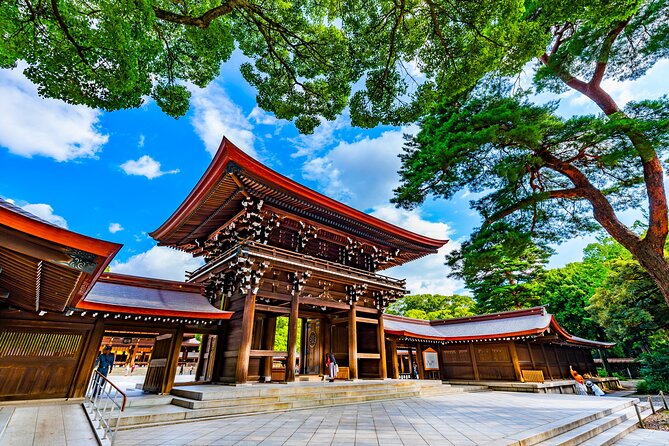
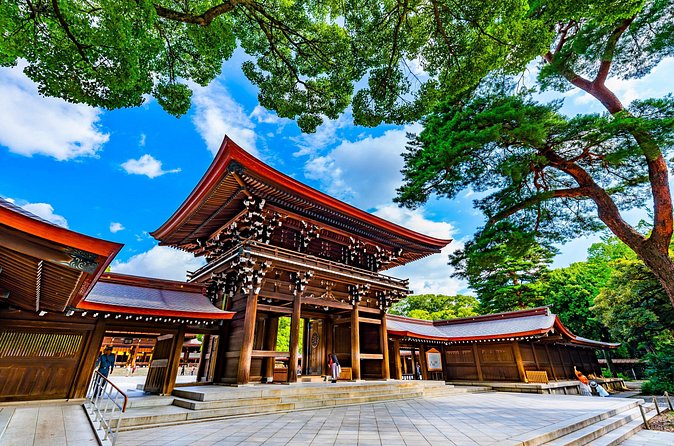
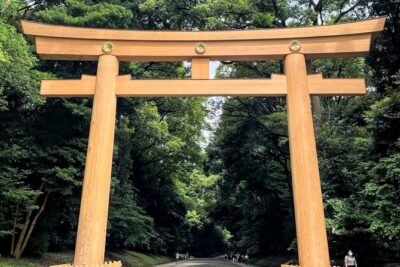
Meiji Jingu is where the tour turns atmospheric fast. The shrine is dedicated to the souls of the late Emperor Meiji and Empress Shōken, and it’s surrounded by a lush forest made up of trees donated from different regions of Japan. Even if you’ve never cared about Japanese history before, the space itself is the lesson.
This stop is also where you get a feel for why Shinto practice is so tied to everyday behavior. The approaches, the quiet corners, and the way people move through the space all reinforce one theme: you’re entering a sacred environment, not a generic attraction. The guide helps you understand how to act and what you’re seeing, so you’re not stuck guessing.
Time at this shrine is about one hour, which is enough to slow down without feeling rushed. If you’re the type who likes to take photos, you’ll get those opportunities too—without letting photography take over the whole visit.
Kanda Shrine: Tokyo’s oldest vibes and its rebuilding history
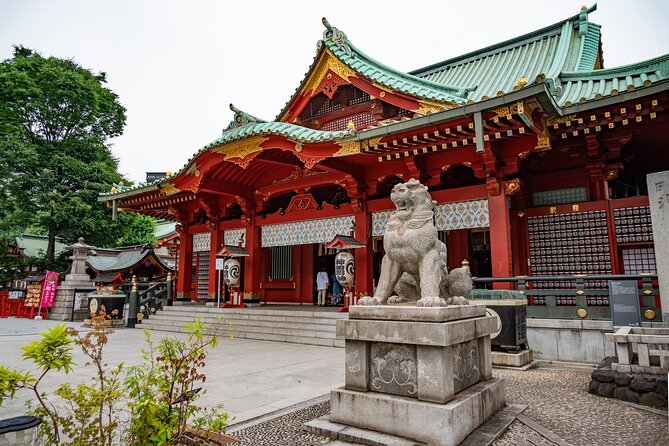
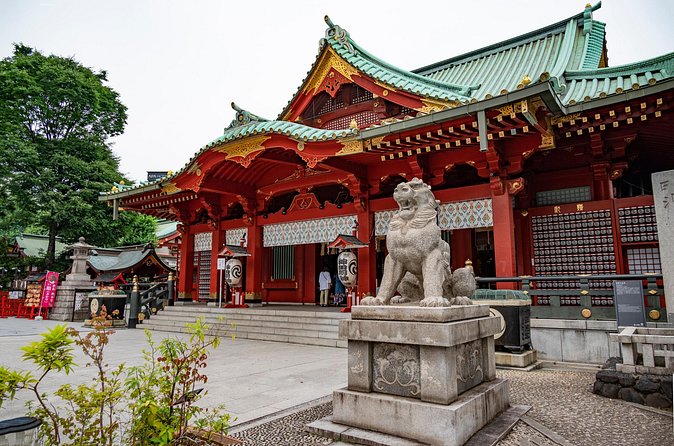
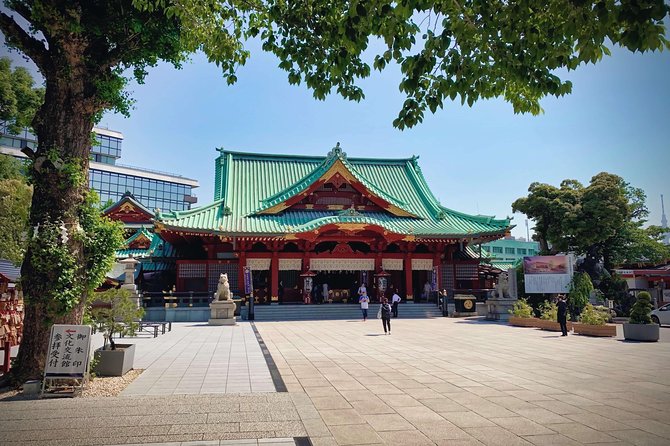
Next is Kanda Shrine in Chiyoda, with roots that date back about 1,270 years. What makes this stop click is the story of resilience. The current structure has been rebuilt multiple times due to fire and earthquakes—a reminder that cities change, but sacred places try to continue.
Kanda is also a great contrast to Meiji Jingu. Meiji Jingu feels like a calm retreat, while Kanda brings you back into the pulse of Tokyo. You get history plus an urban context, and that mix helps you understand how Shinto fits into real neighborhoods.
Plan for roughly one hour here as well. The guide’s explanations help you connect the present-day shrine to the earlier centuries you can’t see directly. And because you’ve already learned basic etiquette at the first shrine, this one feels easier—you’ll know what to do, where to pause, and how to participate respectfully.
Tokyo Daijingu: O-Ise-sama vibes and prayers for good marriage
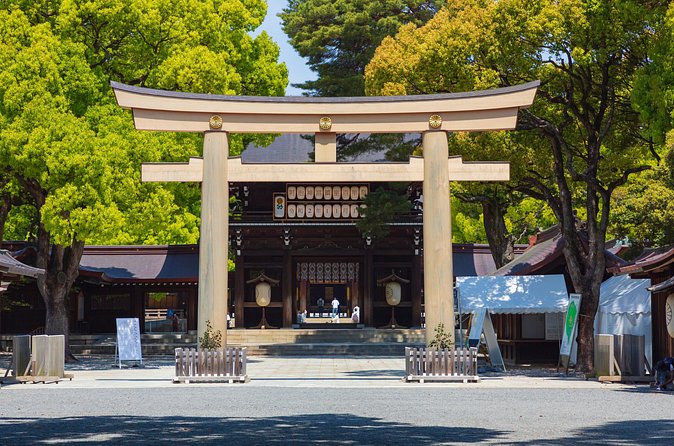
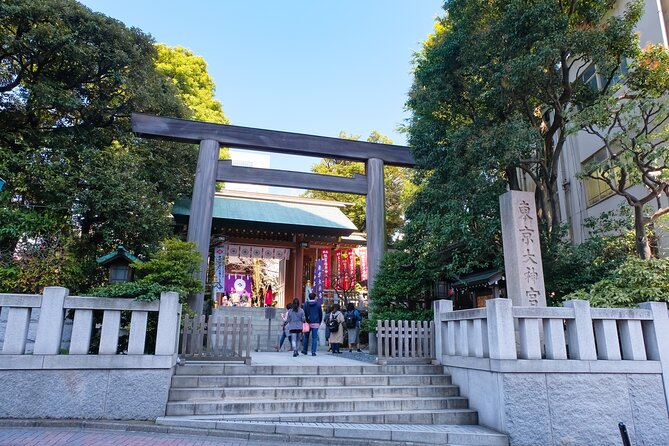
Tokyo Daijingu is affectionately linked to Ise Shrine energy, and it’s often described as O-Ise-sama in Tokyo. It’s known for housing deities that people visit for specific wishes, and one of its best-known associations is the god of marriage among girls.
This is the stop that feels the most personal for many visitors. People aren’t just sightseeing; they’re making a hope into a prayer. When the guide explains the focus of the shrine, you’ll understand why you might see particular dedication styles, offerings, or visitors concentrating on similar intentions.
You’ll spend about one hour here. It’s also a good moment to slow down, reflect on what the tour taught you so far, and practice the etiquette you learned earlier. By now, the rituals you perform will feel less like a checklist and more like a language.
- Tokyo: Shinjuku Food Tour (13 Dishes at 4 Local Eateries)★ 5.0 · 6,603 reviews
- Tokyo Mt Fuji 5th St & Hakone Cruise Bus Tour w/Bullet Train★ 4.4 · 5,024 reviews
- Flagship 2-Hours Official Street Go-Kart Tour – Tokyo Bay Shop★ 5.0 · 4,974 reviews
- From Tokyo: Mount Fuji Full-Day Sightseeing Trip★ 4.5 · 4,970 reviews
- Tokyo: Hop-On Hop-Off Sightseeing Bus Ticket★ 3.9 · 4,207 reviews
What your guide teaches: purification, praying, and respect
The most praised part of this tour is the guidance itself. Your guide is a professional English-speaking tour leader who explains Shinto in plain language—less theology lecture, more practical meaning. Names you might encounter include Ami, Hitomi, Atsuko Kobayashi, Shunsu, Katsunori Fugiwara, Asami, and Ken, and the consistent theme is clear explanations and patient pacing.
Here’s what you should expect to learn as you move through the shrines:
- How to purify yourself: You’ll get the basics of what purity means in Shinto practice and how visitors perform purification respectfully.
- How to pray for good fortune: The guide will show you the standard rhythm and etiquette for offering prayers.
- How people seek success: You’ll hear how wishes connect to the specific shrine identities you’re visiting.
The value here is huge. Without that guidance, it’s easy to feel awkward, do the wrong thing, or ignore the purpose of the ritual entirely. With it, you gain a real sense of why Shinto remains part of Japanese life.
And since the tour is exclusively for your group, your guide can tailor explanations to how curious you are. If you want more context, you can ask. If you’d rather just follow along, the guide keeps you moving.
Getting around and what to pack for the shrine walk
This tour includes photo opportunities and moves you between shrines using public transport. What’s not included is food and drinks, so treat this as a cultural walk you’ll pair with breakfast snacks before you go and a meal after.
Comfort matters because the route involves walking, including shrine approaches that can feel longer than you expect. One important tip: wear shoes that handle uneven outdoor areas, and carry a small water bottle if you’re prone to getting tired. The tour is about respect and calm, not speed, so you’ll do better if you’re physically comfortable enough to slow down.
If you need to pause for any reason, the guide is set up to keep the group together. That’s especially helpful for people dealing with minor injury or mobility limits—though you should still plan for a walking-focused morning.
Price and value: why $206.26 can make sense
At $206.26 per person for about three hours, this isn’t the cheapest way to see Tokyo shrines. The question is whether you’re paying for convenience or for real understanding.
You’re paying for:
- A professional English-speaking guide
- Entrance fees included at each stop
- Public transportation between shrines
- A private, group-only experience
- Organized timing (so you see three sites without spending your day routing)
For me, the value comes from replacing guesswork with guidance. When you’re learning purification and prayer etiquette, you’re not just buying sightseeing. You’re buying the ability to participate correctly and understand what’s happening while you’re there. That’s hard to do on your own if you don’t already know the basics.
If you’ve got limited time in Tokyo, the “three shrines, one morning” structure also helps. It’s a focused itinerary without the all-day fatigue that can happen when you DIY everything across scattered areas.
Who should book this Shinto tour
This tour is a great fit if you:
- Want to understand Japanese culture through Shinto practice, not just architecture
- Prefer a guided route with included entry fees and transit
- Have limited time and want three major shrines in one short window
- Like learning etiquette so you feel confident participating respectfully
It’s also a good choice for couples, small friend groups, or anyone who likes the feeling of a quieter, more personal tour rather than a large bus crowd.
Should you book this tour?
Yes, if your goal is to learn how Shinto works in daily life and you want a guide to show you what to do and why. The private group setup, the included entrance fees, and the focus on etiquette make the experience feel more “understanding” than “checking boxes.”
Skip it (or pick a slower alternative) if you know you struggle with walking for a few hours. The shrine paths can add up fast, and the tour runs on a schedule built around multiple stops.
FAQ
How long is the Shinto Shrine Tour?
The tour lasts about 3 hours (approx.).
Where do we meet, and when does it start?
You meet at Harajuku Station, 1 Chome-18 Jingumae, Shibuya, Tokyo 150-0001, Japan, and the start time is 9:00 am.
Which shrines are included on the tour?
You visit Meiji Jingu Shrine, Kanda Shrine, and Tokyo Daijingu Shrine.
Is this tour private?
Yes. It’s exclusively for your group, so it’s a private and personalized experience.
What’s included in the price?
The tour includes a professional English-speaking guide, photo opportunities, public transportation between shrines, and entrance fees.
Are food and drinks included?
No. Food and drinks are not included.
What should I wear?
The dress code is smart casual.
More Tours in Tokyo
- Mt Fuji and Hakone 1-Day Bus Tour Return by Bullet Train
★ 5.0 · 26,383 reviews - 1-Day Tokyo Bus Tour
★ 5.0 · 14,250 reviews - Tokyo: Shinjuku Food Tour (13 Dishes at 4 Local Eateries)
★ 5.0 · 6,603 reviews - Tokyo Mt Fuji 5th St & Hakone Cruise Bus Tour w/Bullet Train
★ 4.4 · 5,024 reviews - Flagship 2-Hours Official Street Go-Kart Tour – Tokyo Bay Shop
★ 5.0 · 4,974 reviews
More Tour Reviews in Tokyo
- Mt Fuji and Hakone 1-Day Bus Tour Return by Bullet Train
★ 5.0 · 26,383 reviews - 1-Day Tokyo Bus Tour
★ 5.0 · 14,250 reviews - Tokyo: teamLab Planets TOKYO Digital Art Museum Entry Ticket
★ 4.6 · 9,779 reviews - Mt Fuji & Hakone Cruise, Drum Show Bullet Train 1 Day from Tokyo
★ 4.0 · 7,413 reviews - Tokyo: Shinjuku Food Tour (13 Dishes at 4 Local Eateries)
★ 5.0 · 6,603 reviews
Latest Tokyo reviews off our desk






Tours, compared.
 ★ 5.0Mt Fuji and Hakone 1-Day Bus Tour Return by Bullet TrainFrom $16326,383 reviews
 ★ 5.01-Day Tokyo Bus TourFrom $12914,250 reviews
 ★ 5.0Shinjuku Food Tour (13 Dishes at 4 Local Eateries)From $866,603 reviews
 ★ 4.4Tokyo Mt Fuji 5th St & Hakone Cruise Bus Tour w/Bullet TrainFrom $1545,024 reviews
 ★ 5.0Flagship 2-Hours Official Street Go-Kart Tour – Tokyo Bay ShopFrom $644,974 reviews
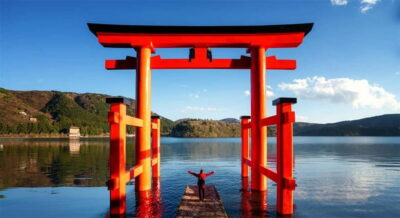 ★ 4.7Mt. Fuji Tour, Hakone Ropeway, Owakudani, Lake AshiFrom $544,002 reviews
 ★ 5.0Tokyo 6hr Private Tour with Government-Licensed GuideFrom $1553,902 reviews
 ★ 5.0Tokyo Bar Hopping Tour in Shinjuku (All-You-Can-Drink + Dinner)From $1063,587 reviews