
Reviewed · WINTER ACTIVITIES
Snow monkeys from Tokyo: Full-Day Private trip with Local Guide
Japan’s snow monkeys are worth the long day. This private Tokyo-to-Nagano trip trades crowded trains for a comfortable car and an English/Japanese-speaking guide, plus on-board WiFi for the drive. You’ll also get multiple chances to see winter scenery and traditional places around Nagano, with a big focus on the main event at Jigokudani.
I love that the tour handles the hardest part—getting there—so you can spend your energy on the views and the monkeys, not navigation. I also like that Jigokudani admission is included, and guides like Kye (and the support team energy like Ryoka) are the kind of people who think about timing, so you’re not just showing up whenever.
One drawback to consider is simple: it’s a 12-hour early start day (departure around 6:00 am), and it’s winter, so you’ll want to be ready for cold, snow, and potentially slick paths. Also, several stops list tickets as not included, so you may pay extra once you’re already out in the cold.
In This Review
- Key highlights at a glance
- A very long Tokyo-to-Nagano day, planned for winter
- Private car comfort plus on-board WiFi (you’ll actually use it)
- Jigokudani Snow Monkey Park: the whole reason to go
- Nagano Chausuyama Zoo: a quick add-on that changes the mood
- Zenko-ji Temple and Nakamisedori: slower and less Tokyo-like
- Winter viewpoints around Hakuba Goryu and Shiga Kogen
- Hakuba Goryu Ski Resort / Alpine Botanical Garden
- Shiga Kogen Resort Gondola
- Togakushi soba museum: the culture stop that isn’t just walking
- Short stops for sword-making, sake, and Matsumoto Castle
- The guide makes or breaks the day: Kye’s timing and answers
- Price and value math for a private group of up to 9
- What to pack for snow monkey weather (and comfort)
- Should you book this snow monkey private trip from Tokyo?
- FAQ
- FAQ
- How long is the full-day tour from Tokyo?
- What time does the tour start in Tokyo?
- Is pickup offered, and where does the tour start and end?
- Is this a private tour?
- What’s included in the price?
- What is not included?
- Do I need tickets for Zenko-ji and Nakamisedori?
- Are there stops beyond the snow monkeys?
- Can the itinerary be customized?
- What happens if weather is bad?
Key highlights at a glance
- Jigokudani Monkey Park entry included for the full snow monkey experience
- English and Japanese-speaking guide/driver so you’re not stuck translating your day
- On-board WiFi to plan photos, maps, and the next stop while you ride
- Private car from Tokyo with options for different group sizes (up to 9)
- Bonus Nagano stops like Zenko-ji, soba making, and regional craft and tastings
- Winter-ready timing that can make the difference between good and great sightings
A very long Tokyo-to-Nagano day, planned for winter
This isn’t a quick half-day trip. You’re looking at about 12 hours round-trip, starting at 6:00 am and ending back at your meeting point in Tokyo. That long stretch is exactly why a private car is the right fit here: you lose less time to transfers and waiting, and you can stay present instead of stressed.
The drive also matters for snow monkey days. Winter light, road conditions, and the timing of your arrival at Jigokudani can all affect what the day feels like. With an English/Japanese-speaking guide at the wheel and a plan in place, you’re freer to enjoy the stops instead of turning the day into a logistics project.
Readers also shortlisted these Tokyo bookings:
- Tokyo 6hr Private Tour with Government-Licensed Guide
★ 5.0 · 3,902 reviews - Tokyo: Shinjuku Local Bar and Izakaya Guided Walking Tour
★ 4.9 · 1,794 reviews - Tokyo: Private City Highlights Tour with Local Guide
★ 4.8 · 1,433 reviews - Tokyo: Tsukiji Fish Market Guided Walking Tour
★ 4.9 · 1,397 reviews
Private car comfort plus on-board WiFi (you’ll actually use it)
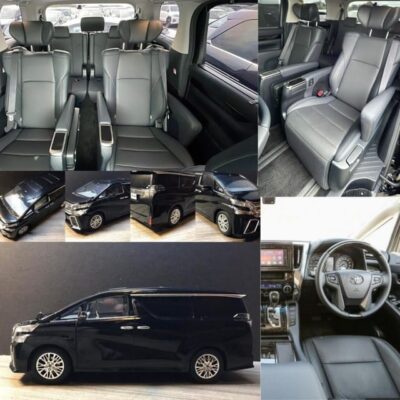
The tour is designed around an easy day: air-conditioned vehicle, private transportation, and WiFi on board. WiFi sounds like a small thing, but on a long drive it helps you keep your bearings, check where you are, and prep for photo stops without burning your phone battery.
The other major comfort perk is language support. You’re not guessing at schedules or trying to interpret signs at speed in winter. Even if you have some Japanese, having an English/Japanese-speaking driver and guide makes the day smoother.
Jigokudani Snow Monkey Park: the whole reason to go
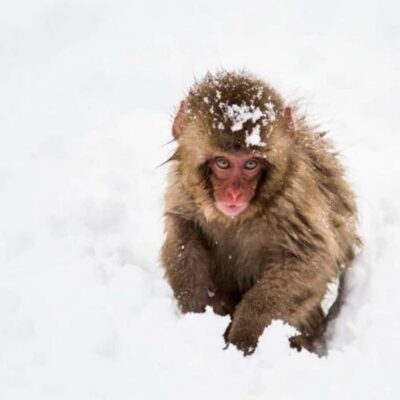
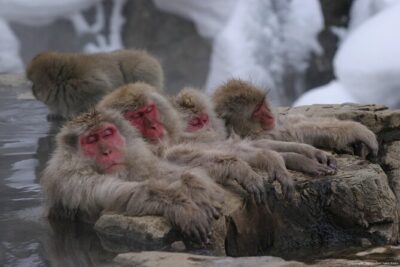
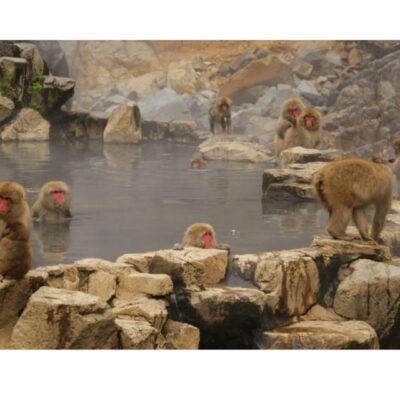
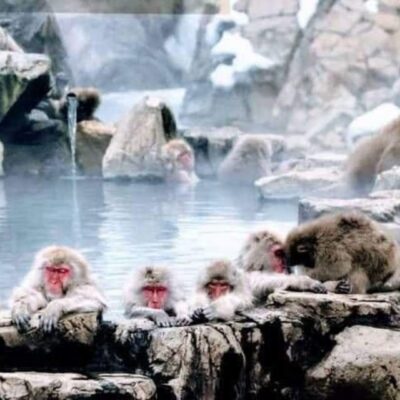
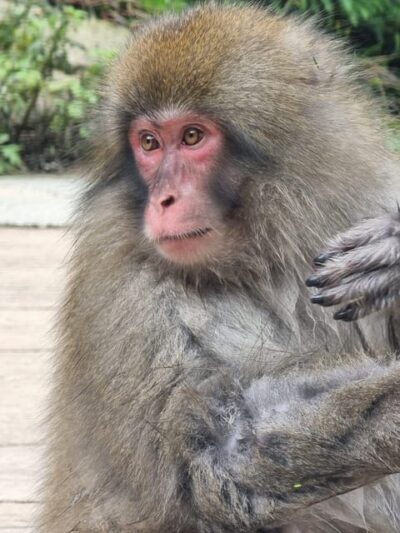
Jigokudani is the main event: Japanese red-faced snow monkeys in a (semi) natural setting. Admission is included, so you can focus on what you came for—watching their behavior and enjoying the contrast of wild animals with winter hot-spring life.
This is also the stop where timing and walking comfort matter most. The day is structured so you have a solid chunk of time—about 2 hours—and you’ll be walking in winter conditions. If you’re going in peak cold months, plan for slip risk and icy paths. One practical tip I’d take from the experience is to bring the right gear: warm layers and crampons if you’re the type who hates “almost falling” moments.
What makes Jigokudani special isn’t only the monkeys. It’s how the place lets you observe them without treating this like a theme-park show. You’ll likely spend your time watching how close they get to the areas people can see, how they move through snowy terrain, and how their temperament shifts around the timing of the day.
Nagano Chausuyama Zoo: a quick add-on that changes the mood
After the monkeys, the schedule shifts to a different kind of cuteness: Nagano Chausuyama Zoo and red pandas. This stop is about 1 hour, and since the admission is not included, you’ll either buy tickets on site or decide based on your day’s energy.
This part of the tour is valuable because it prevents the day from feeling like it’s only one big climax. You get a reset: animals, simpler viewing, and time to catch your breath before heading to temples and cultural streets.
Zenko-ji Temple and Nakamisedori: slower and less Tokyo-like
Next comes a very different pace: Zenko-ji Temple (around 2 hours) plus Nakamisedori (about 1 hour). If Tokyo feels like constant motion, this section is the antidote. Zenko-ji has a more traditional feel than some of the big city temples you might see first, and it can feel calmer than the busiest tourist hubs.
Nakamisedori is the classic “walk and browse” corridor: you can slow down, snack if you want (food isn’t included on this tour), and look at the crafts and souvenirs that match the temple area. I like this pairing because it gives you both the spiritual site and the human side of the neighborhood—the small shops, the foot traffic, and the easy strolling you can do without a strict agenda.
Practical note: don’t plan to sprint through either stop. This section works best if you move at temple pace: short walks, quick photos, and time to actually look.
Readers also shortlisted these Tokyo bookings:
- Tokyo 6hr Private Tour with Government-Licensed Guide★ 5.0 · 3,902 reviews
- Private Tour to Mt. Fuji and Hakone (Fully Licenced Operator)★ 5.0 · 1,910 reviews
- Tokyo Customized Private Tour (Must See Places in 1 Day)★ 5.0 · 1,499 reviews
- Mount Fuji Full-Day Private Tour from Tokyo (Customizable)★ 4.9 · 1,470 reviews
- Tokyo: Private City Highlights Tour with Local Guide★ 4.8 · 1,433 reviews
Winter viewpoints around Hakuba Goryu and Shiga Kogen
The itinerary adds two winter-experience stops that are more about scenery and optional rides than a required activity.
Hakuba Goryu Ski Resort / Alpine Botanical Garden
You get about 1 hour at Hakuba Goryu. The area is known for winter snow conditions, and the listing frames it as a powder-snow destination. If you’re not skiing, you’ll probably treat this as a scenic break—time to enjoy snow views, fresh air, and photo angles that you can’t get from street-level Tokyo.
Shiga Kogen Resort Gondola
Then there’s Shiga Kogen Resort Gondola for about 1 hour. Here’s the key: it’s a gondola activity, but tickets are not included, so you should budget for it if you want the ride. The payoff is usually the viewpoint experience—less trudging, more panoramic sightlines. If you’re short on time or money, you can treat it as a stop for the area itself and decide on the gondola later.
The useful way to think about these two stops: they’re flexible winter add-ons. With private pacing, you can decide how much effort you want to spend for views.
Togakushi soba museum: the culture stop that isn’t just walking
If you want one stop that feels hands-on, it’s Togakushi Soba Museum Tonkururin. You’ll spend about 2 hours here, and the tour description focuses on learning traditional soba from scratch.
Soba is a perfect match for a Nagano itinerary because the region is strongly associated with it. This is also the kind of stop that travels well as a “memory-maker.” Instead of only taking photos of buildings, you get the experience side—what soba-making involves, how it’s done, and why it’s treated as a craft rather than just food.
Admission is not included, so you’ll likely pay at the venue. Still, this is the portion of the day that tends to feel most worthwhile for visitors who like culture that you can actually do, not just look at.
Short stops for sword-making, sake, and Matsumoto Castle
The latter part of the itinerary includes a few extremely short timing blocks—each listed at about 1 minute. That doesn’t mean the places aren’t interesting; it means the schedule is tight and these are likely quick viewing or photo/photo-window moments rather than deep exploration.
Here’s what’s on the route:
- 2-339 Yaehara (katana/sword-making): You’re connected to a traditional katana maker, but the stop is so brief that you should expect quick interest points rather than a full workshop experience.
- Endo Sake Brewery: A quick stop connected to sake tasting. Since it’s not included, plan to pay if tasting is available during that stop window.
- Matsumoto Castle: Listed as a stop where you can go inside. Even with a castle, the time is short, so treat it as a “must-see exterior + quick interior look” rather than a slow museum-style visit.
I like including these in a private day because they give you a taste of local crafts and regional food culture without breaking the schedule. Just be realistic: if you love any one of these crafts and want a long session, you’d be better off pairing this tour with a separate add-on day.
The guide makes or breaks the day: Kye’s timing and answers
The best part of these snow monkey-style private trips isn’t only the monkeys. It’s how smoothly the day runs. In the feedback around this experience, Kye stands out as a guide who speaks excellent English and can explain what you’re seeing. That matters because Japan’s winter details—how people move, what you should watch for, which areas are easiest to view—aren’t always obvious to first-time visitors.
Another practical win is timing. Getting to Jigokudani at the right moment helps with sightlines and the chance to see monkeys in active behavior. In short, you want to avoid a “we arrived, we looked, we left” feeling. A guide who understands the rhythm of the day helps you slow down exactly at the right times.
And it’s not only factual explanations. One of the happiest outcomes for these kinds of trips is when your guide also understands what you care about—photos, views, or a calmer pace—and then adjusts.
Price and value math for a private group of up to 9
The price is $5,863.76 per group (up to 9 people). That can feel high at first glance, but private tours like this are built around real costs: fuel, highway tolls, a dedicated English/Japanese-speaking driver/guide, WiFi on board, and the snow monkey entry fee.
Here’s the value math in plain terms:
- If you fill the car (9 people), it works out to about $651 per person.
- If you travel as a smaller group, your per-person cost rises fast, since the driver, car, and base structure don’t change much.
This is the kind of tour that’s best when you have a group that genuinely wants the private format—families, friends, or two couples who want to avoid train chaos. If you’re traveling solo or as a duo and you mainly want only the monkeys, you might compare against cheaper shared options. But if you want Nagano culture + winter stops wrapped into one day with a guide, this price can start to look fair.
What to pack for snow monkey weather (and comfort)
Winter safety is not optional here. The parks and surrounding areas can mean icy paths, cold air, and snow that makes walking slower.
Based on the kind of practical advice that comes up repeatedly for winter tours:
- Bring warm layers and a hat or gloves you’ll actually wear.
- Consider crampons if you’re comfortable using them and you expect ice.
- Wear shoes with real traction. If your boots are more fashion than function, winter will remind you.
- Pack a spare layer for later in the day; long drives can dry you out, and cold can creep in once you stop moving.
Also, bring patience. The itinerary includes multiple short stops and longer ones, so you’ll bounce between car warmth and outdoor cold. You’ll feel better if you’re dressed for that rhythm.
Should you book this snow monkey private trip from Tokyo?
Book it if:
- Snow monkeys at Jigokudani are your top priority and you want the least-stress way to get there.
- You value private transportation and language support.
- You want more than one winter experience—temples, soba, and regional culture in the same day.
Skip it (or rethink) if:
- You dislike very long days starting early, since 6:00 am departure and about 12 hours on the schedule is the whole deal.
- You only want one highlight and don’t care about the additional stops that may cost extra on-site.
- You’re not prepared for winter walking and icy conditions.
FAQ
FAQ
How long is the full-day tour from Tokyo?
The tour lasts about 12 hours (approx.).
What time does the tour start in Tokyo?
The start time is 6:00 am.
Is pickup offered, and where does the tour start and end?
The tour starts in Tokyo and ends back at the meeting point. Pickup is offered, and it notes the start near public transportation.
Is this a private tour?
Yes. It’s a private tour/activity, so only your group participates.
What’s included in the price?
The price includes fuel/highway tolls, an English-speaking driver and guide, an air-conditioned vehicle, WiFi on board, snow monkey entry fee, and private transportation.
What is not included?
Tickets for activities (like ropeway/cruise-type items) are not included, and food and drinks are not included.
Do I need tickets for Zenko-ji and Nakamisedori?
Admission ticket information isn’t included for those stops in the tour details, so you should plan on paying separately if any ticket is required.
Are there stops beyond the snow monkeys?
Yes. The itinerary includes additional stops such as a zoo with red pandas, Zenko-ji and Nakamisedori, Hakuba Goryu / Alpine Botanical Garden, Shiga Kogen Gondola, Togakushi Soba Museum Tonkururin, and brief stops tied to sword-making, sake, and Matsumoto Castle.
Can the itinerary be customized?
Yes. The tour says you can customize the tour to your preferences or stick with the suggested itinerary.
What happens if weather is bad?
The experience requires good weather. If it’s canceled due to poor weather, you’ll be offered a different date or a full refund.
More Private in Tokyo
- Tokyo 6hr Private Tour with Government-Licensed Guide
★ 5.0 · 3,902 reviews - Private Tour to Mt. Fuji and Hakone (Fully Licenced Operator)
★ 5.0 · 1,910 reviews - Tokyo Customized Private Tour (Must See Places in 1 Day)
★ 5.0 · 1,499 reviews - Mount Fuji Full-Day Private Tour from Tokyo (Customizable)
★ 4.9 · 1,470 reviews - Tokyo: Private City Highlights Tour with Local Guide
★ 4.8 · 1,433 reviews
More Guided in Tokyo
- Tokyo 6hr Private Tour with Government-Licensed Guide
★ 5.0 · 3,902 reviews - Tokyo: Shinjuku Local Bar and Izakaya Guided Walking Tour
★ 4.9 · 1,794 reviews - Tokyo: Private City Highlights Tour with Local Guide
★ 4.8 · 1,433 reviews - Tokyo: Tsukiji Fish Market Guided Walking Tour
★ 4.9 · 1,397 reviews - Tokyo 4hr Private Tour with Government-Licensed Guide
★ 5.0 · 1,394 reviews
More Tour Reviews in Tokyo
- Mt Fuji and Hakone 1-Day Bus Tour Return by Bullet Train
★ 5.0 · 26,383 reviews - 1-Day Tokyo Bus Tour
★ 5.0 · 14,250 reviews - Tokyo: teamLab Planets TOKYO Digital Art Museum Entry Ticket
★ 4.6 · 9,779 reviews - Mt Fuji & Hakone Cruise, Drum Show Bullet Train 1 Day from Tokyo
★ 4.0 · 7,413 reviews - Tokyo: Shinjuku Food Tour (13 Dishes at 4 Local Eateries)
★ 5.0 · 6,603 reviews
Latest Tokyo reviews off our desk

Winter Activities, compared.
 ★ 4.7From Tokyo: Private Tour Snow Monkey Park & Zenko-ji TempleFrom $445184 reviews
 ★ 4.7Snow Monkey Park and Zenkoji Temple Private Day TourFrom $464127 reviews
 ★ 4.5Nagano Snow Monkey 1 Day Tour with Beef Sukiyaki Lunch from TokyoFrom $151123 reviews
 ★ 4.7Nagano Tokyo: Snow Monkey Private Day Tour Hotel Pick & DropFrom $45584 reviews
 ★ 4.9From Tokyo/Nagano: Luxury Snow Monkey Private Full-Day TourFrom $53782 reviews
 ★ 5.0From Tokyo: Snow Monkey Private Customize Day TourFrom $49054 reviews
 ★ 4.5Snow Monkey Park & Zenkoji Temple Nagano Pvt. Full Day Tour.From $80053 reviews
 ★ 4.7From Tokyo: Snow Monkey Park and Miso Production Day TourFrom $45545 reviews
Browse the lists this tour appears in