
Reviewed · TOURS
Tokio A: Tour de la ciudad en Español – Spanish
Tokyo surprises you fast, and this Spanish tour keeps it moving. I like that it balances the classic sights (Sensō-ji and Ueno) with street-level Tokyo in Ameyoko and Kabukicho. I also really like the close, friendly guiding style, and how guides like Nikita, Camila, and Emi are praised for giving practical tips so your day keeps paying off after the tour. One consideration: you’ll need to manage expectations about transportation and meals, since they are not included and you should travel light.
You start in Asakusa and end in Kabukicho, so you see a real cross-section of the city instead of hopping between a bunch of unrelated landmarks. The route also has built-in flexibility if a viewpoint is closed, which matters when you’re planning a full day.
In This Review
- Key things that make this tour worth your time
- A Spanish day through Tokyo that actually makes sense
- Asakusa and Sensō-ji: starting with the Tokyo you feel in your feet
- Quick metro link to Ueno: the calm before the market energy
- Ueno Park and lunch: a guided walk plus enough time to eat well
- Ameyoko market after lunch: the real Tokyo street texture
- Shinjuku and the viewpoint plan: skyline payoff with a smart backup
- Kabukicho and the Golden Gai feel: neon nightlife, guided and controlled
- Skip-the-line, hotel pickup, and what $96 really covers
- Who this tour fits best (and who should think twice)
- Small rules that matter more than you think
- What you’ll carry home: practical tips, not just photos
- Should you book Tokio A: Tour de la ciudad en Español?
- FAQ
- What language is the tour in?
- How long is Tokio A?
- Where do I meet the guide?
- Is hotel pickup included?
- Is transportation included in the price?
- Is food and drink included?
- What happens if the Shinjuku viewpoint is closed?
- Can I bring large luggage?
Key things that make this tour worth your time
- Spanish live guide: you’ll actually understand what you’re seeing, not just follow signs.
- Skip-the-line access at key moments: less waiting, more looking.
- Asakusa to Kabukicho in one day: tradition, markets, viewpoints, and neon streets.
- Friendly, close guidance: guides like Nikita, Camila, and Emi get strong praise for being attentive.
- Environment-respectful pacing: the flow encourages thoughtful sightseeing instead of rushing.
- Guidance for after the tour: you come away with recommendations to keep enjoying Tokyo.
A Spanish day through Tokyo that actually makes sense
If you’re visiting Tokyo for the first time, it’s easy to spend your day sprinting from place to place and still miss the meaning behind what you see. This tour is built as a guided route that walks you from temples and parks into markets and nightlife districts, with explanations in Spanish all the way.
You’ll spend your morning on the traditional side, your midday around Ueno and Ameyoko, then shift into Shinjuku’s city energy and finish in Kabukicho, known for its neon and late-night buzz. The best part is that the guiding style is described as friendly and close, so questions don’t feel awkward, and you can ask for tips as you go.
The downside is simple: you need to plan for getting around on your own budget for transit (400¥) and bringing money for drinks and food. At $96, you’re paying for the guide, the route, and the time structure, not for every yen you’ll spend.
Readers booked these Tokyo options in the same breath. Here is how each one scored:
- Mt Fuji and Hakone 1-Day Bus Tour Return by Bullet Train
★ 5.0 · 26,383 reviews - 1-Day Tokyo Bus Tour
★ 5.0 · 14,250 reviews - Tokyo: teamLab Planets TOKYO Digital Art Museum Entry Ticket
★ 4.6 · 9,779 reviews - Mt Fuji & Hakone Cruise, Drum Show Bullet Train 1 Day from Tokyo
★ 4.0 · 7,413 reviews
Asakusa and Sensō-ji: starting with the Tokyo you feel in your feet
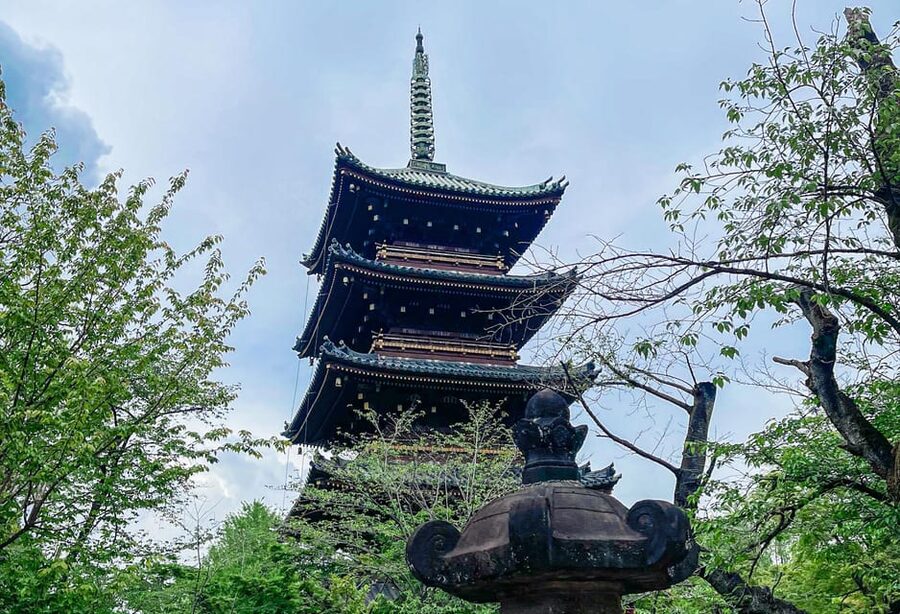
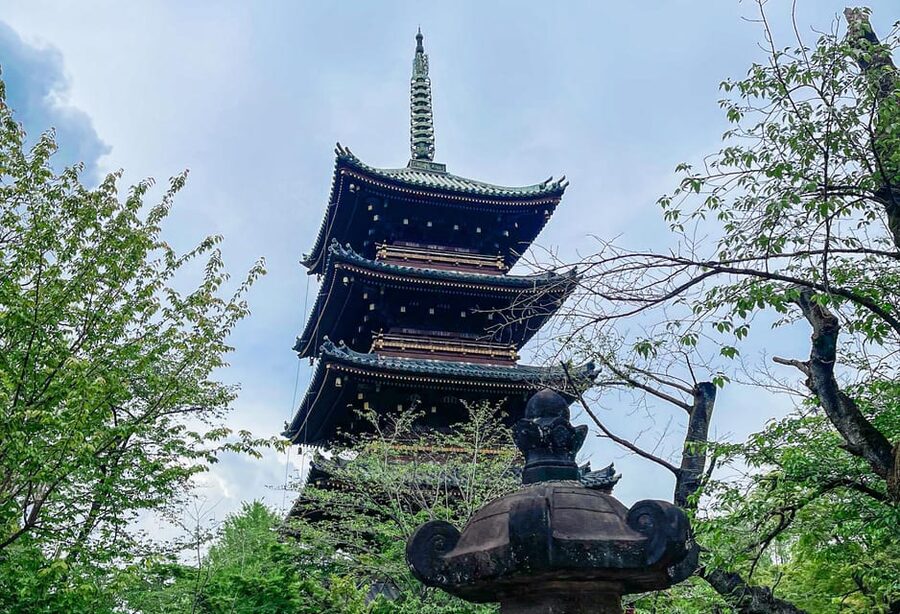
The day opens in Asakusa, at the meeting point in front of the Asakusa Tourist and Cultural Information Center. Look for the guide with identification that says NIPONEANDO. From there, you head straight to Sensō-ji, one of Japan’s best-known temples.
You get a guided tour of about 2 hours, which is long enough to slow down and understand what you’re looking at, rather than doing a quick photo stop. Asakusa can feel like sensory overload at first. A good guide makes it easier: you learn what to notice, why it matters, and how to move through the area without getting stuck in crowds.
Practical note: the tour doesn’t allow luggage or large bags. If you’re traveling with a big suitcase, you’ll want to handle storage before this day. Also, the tour includes a separate entrance for skipping the line, which helps when Sensō-ji is packed.
Quick metro link to Ueno: the calm before the market energy
After Sensō-ji, there’s a short subway/metro transfer (about 10 minutes) to the Ueno area. This short ride is actually part of the value: it keeps your morning compact so you still have enough daylight for viewpoints and nightlife.
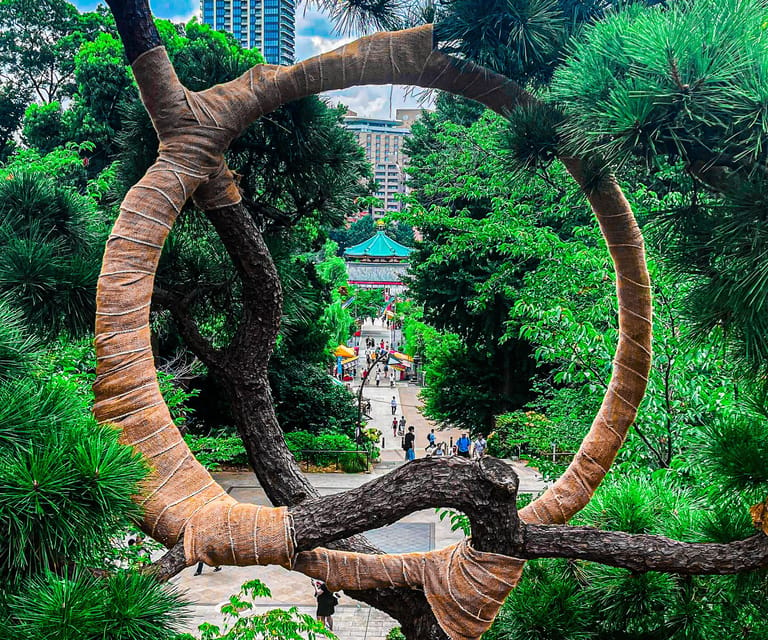
Ueno is a different mood. Instead of incense and temple movement, you shift into park space and a wider sense of the city. You also get time to breathe, which matters because later you’ll be walking more in busier districts.
Ueno Park and lunch: a guided walk plus enough time to eat well
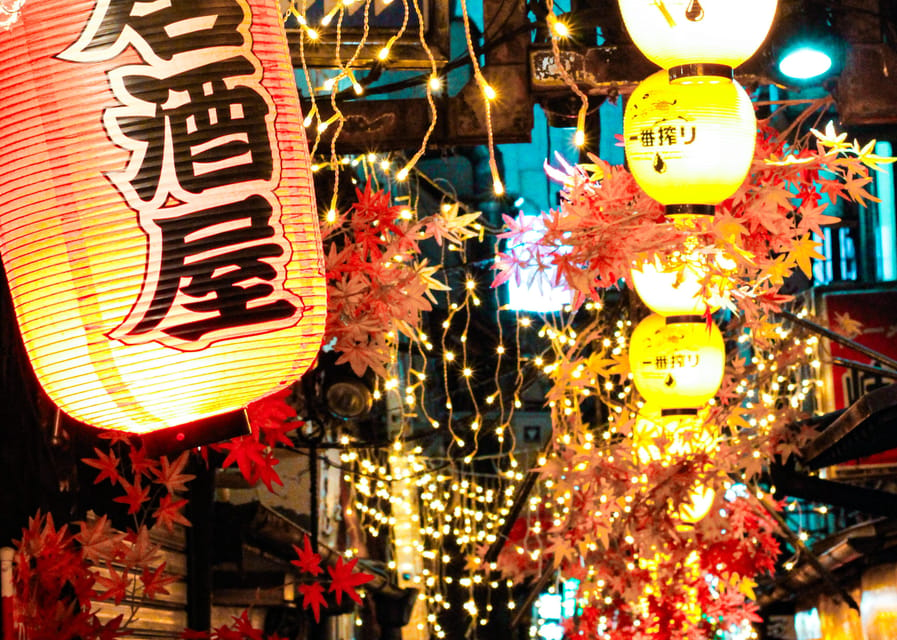
In Ueno, you get about 1.5 hours guided, then 80 minutes for lunch. That lunch block is key because it’s not just time to grab something and run. You’ll be in a popular area, so you can choose what fits your day, whether you want something casual or slightly more sit-down.
Ueno Park is “popular” for a reason, but what you get on a guided route is context: you’re not only seeing scenery, you’re learning how locals use these spaces. For many first-timers, this is where Tokyo feels less like sightseeing and more like everyday life.
A small drawback: because you’re on a schedule, you might not get to fully wander every side path. Still, the combo of guided time and a real lunch window is a solid setup if you want both structure and freedom.
Ameyoko market after lunch: the real Tokyo street texture
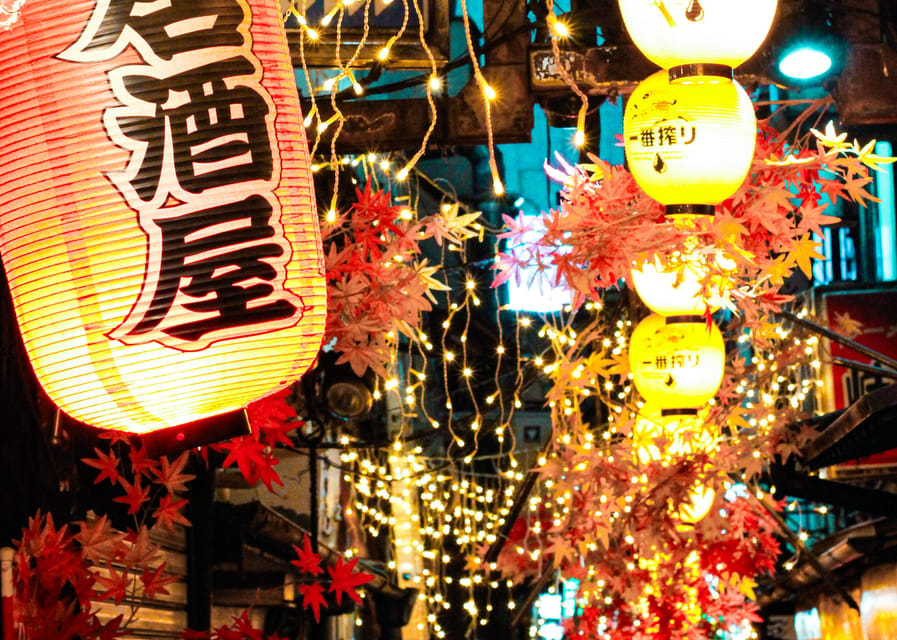
After lunch, the itinerary takes you to Ameyoko market, described as atypical and a major Tokyo experience. This is where you tend to feel Tokyo’s energy in your shopping instincts: small storefronts, quick conversations, and everyday items that look nothing like museum displays.
Even though the tour description doesn’t list how long the market stop is, the intent is clear: you’re not just passing through. You’re supposed to walk it with a guide so you can understand what you’re seeing and make choices without feeling lost.
I like this part of the day because it’s a cultural switch. Temples and parks can teach you about heritage and space. Markets teach you how people live: what they buy, how they browse, and how the city works in smaller rhythms.
- Tokyo: Shinjuku Food Tour (13 Dishes at 4 Local Eateries)★ 5.0 · 6,603 reviews
- Tokyo Mt Fuji 5th St & Hakone Cruise Bus Tour w/Bullet Train★ 4.4 · 5,024 reviews
- Flagship 2-Hours Official Street Go-Kart Tour – Tokyo Bay Shop★ 5.0 · 4,974 reviews
- From Tokyo: Mount Fuji Full-Day Sightseeing Trip★ 4.5 · 4,970 reviews
- Tokyo: Hop-On Hop-Off Sightseeing Bus Ticket★ 3.9 · 4,207 reviews
Shinjuku and the viewpoint plan: skyline payoff with a smart backup
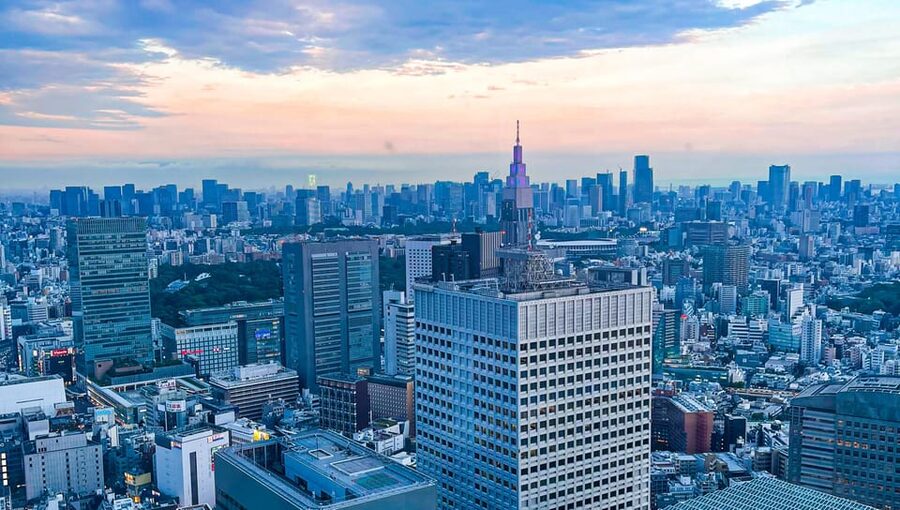
Next comes Shinjuku, with about 1.5 hours guided, plus time to reach a viewpoint. The tour aims for one of the best viewpoints in Tokyo, and that’s often the moment that makes the whole day feel “worth it” at a glance.
There’s one important planning detail: if the planned Shinjuku mirador is closed for reasons outside the tour’s control, the viewpoint visit can be switched to the Ebisu viewpoint. That’s the kind of practical flexibility you want in a full-day itinerary.
Why this stop matters: Shinjuku is where Tokyo’s scale hits you. You’ll see how neighborhoods connect, and you’ll start to understand why Tokyo feels like a living network instead of a list of disconnected attractions.
Kabukicho and the Golden Gai feel: neon nightlife, guided and controlled
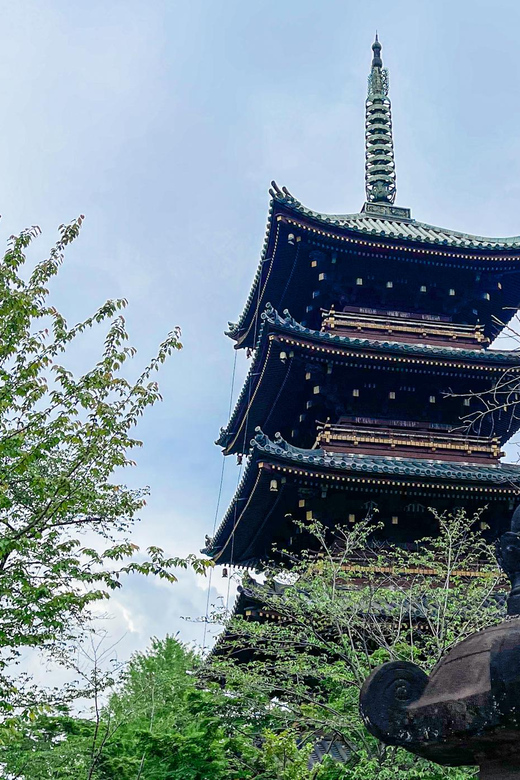
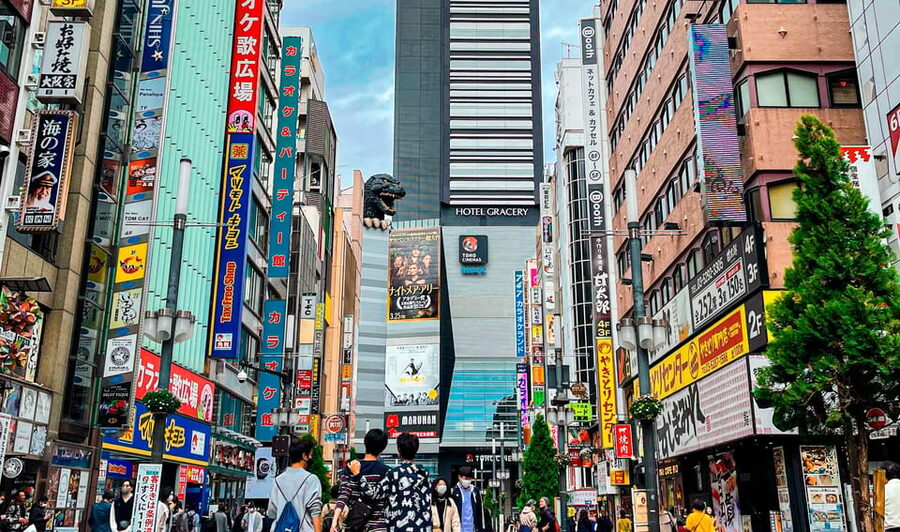
You end the tour in Kabukicho, a neighborhood often linked with Tokyo’s red-light district reputation and the Golden Gai area known for nightlife. You’ll have about 50 minutes guided, after a short on-foot segment (about 10 minutes) to get into the heart of the area.
This ending works because it gives you contrast. You go from temples to skyline to neon streets in one day, which is exactly how Japan often plays in real life: tradition and modern energy sharing the same evening.
What you’ll likely notice here is the density of small venues: karaoke bars, bars, restaurants, and gaming stores with bright neon facades. A guide matters in areas like this because it’s easy to wander aimlessly, stare at signs, and not know what’s meaningful or just noise. The tour keeps it structured, while still letting you feel the atmosphere.
You finish at Kabukicho Theater, which is a clear endpoint for wrapping the day.
Skip-the-line, hotel pickup, and what $96 really covers
At $96 per person for 8 hours, you’re not buying an “all-you-can-eat Tokyo.” You’re buying a guided route in Spanish that bundles several major areas into one organized day.
Here’s what’s included:
- Spanish-led tour for the full day
- Skip-the-line access via a separate entrance
- Guided time at major stops (Sensō-ji, Ueno, Shinjuku, Kabukicho)
- Hotel pickup is optional if you add the supplement or choose private options
- If you book with hotel pickup, the guide picks you up using public transportation
What’s not included:
- Transportation (400¥) for getting around as part of the day
- Drink and food
So is it good value? Usually, yes, if:
- You want Spanish explanations without having to plan every museum-level detail yourself
- You prefer a route that reduces “decision fatigue”
- You’d otherwise pay for guides or spend extra time figuring out how to connect neighborhoods
If you’re comfortable moving independently and only need one or two “anchor” sights, you could do it cheaper on your own. But for many first-timers, paying for guidance and timing is what makes the day feel efficient instead of stressful.
Who this tour fits best (and who should think twice)
This tour is a strong match if you:
- Want Spanish guidance across multiple Tokyo neighborhoods
- Like seeing real contrasts: temple area, park, market, skyline, neon nightlife
- Appreciate when your guide gives recommendations so your trip continues well after the tour
- Prefer a friendly, close guiding style rather than a distant lecture
It may not be the best fit if you:
- Need a very quiet, seated experience (this is a walking day with district changes)
- Have trouble with hearing-related accessibility, since it’s not suitable for hearing-impaired people based on the provided info
Good news: the tour is marked as wheelchair accessible, so it’s designed with that in mind.
Small rules that matter more than you think
A few details can save you headaches:
- No luggage or large bags. Travel light on this day.
- Unaccompanied minors are not allowed, so you’ll need an adult supervisor if minors are coming.
- The tour is in Spanish, so plan your language comfort accordingly.
- The viewpoint can change from Shinjuku to Ebisu if the original spot is closed.
Also, the tour emphasizes being respectful of the environment. That usually translates into a calmer, more mindful pace, which is nice when you’re moving through crowded areas.
What you’ll carry home: practical tips, not just photos
The guide experience gets strong praise for being friendly and communicative, including specific named guides like Nikita, Camila, and Emi. I take that seriously because the “tips” part is often where a guided tour becomes more than sightseeing.
The best kind of recommendation is the kind that helps you plan the rest of your trip. In a city like Tokyo, small decisions can make a big difference: where to eat next, what areas to prioritize, and how to plan your time so you’re not repeating the same neighborhoods.
If you like having a roadmap for the day and a few take-home suggestions afterward, this tour is built for that.
Should you book Tokio A: Tour de la ciudad en Español?
Yes, you should book it if you want a structured Spanish day that covers major Tokyo moods in one go: Asakusa temples, Ueno park area, Ameyoko market energy, Shinjuku skyline, and Kabukicho neon nightlife.
Book it with clear expectations about money and movement. You’ll pay separately for local transportation (400¥) and you’ll need to cover drinks and food. If you’re traveling with large luggage, this is also not your day.
If you want a guided route that feels friendly and genuinely useful, this is a solid choice.
FAQ
What language is the tour in?
The tour is in Spanish, with a live Spanish-speaking guide.
How long is Tokio A?
It’s an 8-hour tour.
Where do I meet the guide?
Meet the guide in front of the entrance to the Asakusa Tourist and Cultural Information Center. The guide will have an identification hanging that says NIPONEANDO.
Is hotel pickup included?
Hotel pickup is optional. It’s available if you add the supplement or if you select the private option. Recogidas happen using public transportation.
Is transportation included in the price?
No. Transportation is not included, and the amount listed is 400¥.
Is food and drink included?
No. Drink and food are not included.
What happens if the Shinjuku viewpoint is closed?
The viewpoint visit may be changed to the Ebisu viewpoint if the original Shinjuku mirador is closed.
Can I bring large luggage?
No. Luggage or large bags are not allowed.
More Tours in Tokyo
- Mt Fuji and Hakone 1-Day Bus Tour Return by Bullet Train
★ 5.0 · 26,383 reviews - 1-Day Tokyo Bus Tour
★ 5.0 · 14,250 reviews - Tokyo: Shinjuku Food Tour (13 Dishes at 4 Local Eateries)
★ 5.0 · 6,603 reviews - Tokyo Mt Fuji 5th St & Hakone Cruise Bus Tour w/Bullet Train
★ 4.4 · 5,024 reviews - Flagship 2-Hours Official Street Go-Kart Tour – Tokyo Bay Shop
★ 5.0 · 4,974 reviews
More Tour Reviews in Tokyo
- Mt Fuji and Hakone 1-Day Bus Tour Return by Bullet Train
★ 5.0 · 26,383 reviews - 1-Day Tokyo Bus Tour
★ 5.0 · 14,250 reviews - Tokyo: teamLab Planets TOKYO Digital Art Museum Entry Ticket
★ 4.6 · 9,779 reviews - Mt Fuji & Hakone Cruise, Drum Show Bullet Train 1 Day from Tokyo
★ 4.0 · 7,413 reviews - Tokyo: Shinjuku Food Tour (13 Dishes at 4 Local Eateries)
★ 5.0 · 6,603 reviews
Latest Tokyo reviews off our desk






Tours, compared.
 ★ 5.0Mt Fuji and Hakone 1-Day Bus Tour Return by Bullet TrainFrom $16326,383 reviews
 ★ 5.01-Day Tokyo Bus TourFrom $12914,250 reviews
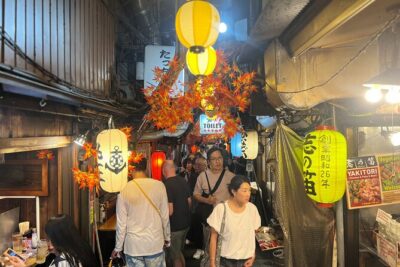 ★ 5.0Shinjuku Food Tour (13 Dishes at 4 Local Eateries)From $866,603 reviews
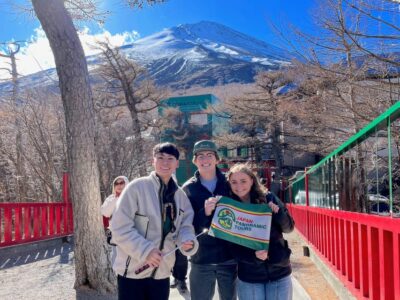 ★ 4.4Tokyo Mt Fuji 5th St & Hakone Cruise Bus Tour w/Bullet TrainFrom $1545,024 reviews
 ★ 5.0Flagship 2-Hours Official Street Go-Kart Tour – Tokyo Bay ShopFrom $644,974 reviews
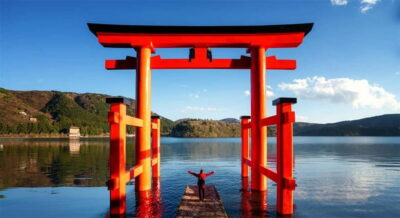 ★ 4.7Mt. Fuji Tour, Hakone Ropeway, Owakudani, Lake AshiFrom $544,002 reviews
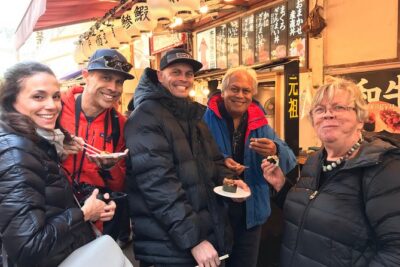 ★ 5.0Tokyo 6hr Private Tour with Government-Licensed GuideFrom $1553,902 reviews
 ★ 5.0Tokyo Bar Hopping Tour in Shinjuku (All-You-Can-Drink + Dinner)From $1063,587 reviews