
Reviewed · CYCLING TOURS
Tokyo: 3-Hour Bike/E-Bike Tour of the City’s Highlights
Tokyo looks best from two wheels. This 3-hour bike/e-bike highlight loop is built for people who want Tokyo landmarks with local navigation so you don’t burn time figuring routes. You cover major sights like Zojo-ji and Shibuya Crossing without bouncing between trains and walking.
I love how the pacing is tight and practical: you get short, focused stops at big-picture places rather than long waits. I also like that guides (English and Japanese) explain what you’re seeing while you ride, which makes famous stops feel more understandable, whether it’s the Imperial Palace gates or the energy of Shibuya streets. Guides such as Naoki and Rin are specifically praised for bringing the story to life while keeping the group moving.
One thing to consider: you should be comfortable riding with traffic and crowds at least some of the time, especially around Shibuya. Also, the bike helmet is not included, and the helmet rental is ¥1000 in cash.
In This Review
- Key highlights worth centering your decision on
- Why this 3-hour Tokyo bike loop makes sense
- Where you start and where you end (so you can plan the rest)
- The ride itself: comfort, traffic stress, and why the guide positioning matters
- Stop-by-stop: from Zojo-ji to Shibuya Crossing
- Zojo-ji Temple: history near Tokyo Tower
- Imperial Palace area: the calm, formal side of Tokyo
- Tokyo Station Marunouchi frontage: red-brick classic
- Kokyo Otemon Gate: photo-ready historic entrance energy
- Akasaka Palace (State Guesthouse): royal villa to state guesthouse
- Japan National Stadium: Olympic venue context
- Aoyama Street: high-end fashion with interesting architecture
- Shibuya Cat Street: vintage + youth fashion street energy
- Shibuya Crossing: the finale with real motion
- What you actually get for the money (and what costs extra)
- Timing tips: how to get the best photos and not lose the group
- Who this tour fits best (and who should rethink it)
- Should you book this Tokyo bike/e-bike highlights tour?
- FAQ
- How long is the bike/e-bike tour?
- Is this tour private?
- What’s included in the price?
- Do I need to rent a helmet?
- Is food and drink included?
- Where does the tour start and end?
- What sights will we see during the ride?
- What kind of fitness level do I need?
- What if it’s raining?
- What’s the cancellation policy?
Key highlights worth centering your decision on
- Three hours, many anchors: Zojo-ji, Imperial Palace gates, Tokyo Station area, Japan National Stadium, and Shibuya Crossing
- E-bike friendly for real sightseeing: pedal assist makes the route manageable for moderate fitness levels
- Short stops that prevent “photo fatigue”: you’ll see the key parts without spending half the day in one spot
- Phone-and-key ready: a mini pouch rides with you so you’re not balancing a bag while pedaling
- Safety-minded group riding: guides often ride at the front and back to keep everyone together
- A clean end point for further exploring: you finish near Yoyogi Park and the Harajuku/Shibuya fringe so you can keep going
Why this 3-hour Tokyo bike loop makes sense
Tokyo can feel endless when you’re trying to pick the “best of” list. This tour solves that problem by compressing a lot of famous territory into a ride that’s long enough to matter but short enough to fit almost any schedule. You’re not trying to memorize subway lines. You’re just following a planned route and letting a guide steer you between areas.
At $63.01 per person for about three hours (including travel time between stops), the value is less about “cheap” and more about “what you get in that time.” You get a bike or e-bike, route planning, guide time, and insurance. If you’ve ever spent half a day bouncing around Tokyo trying to stitch together top sights, this kind of structure is what you’re paying for.
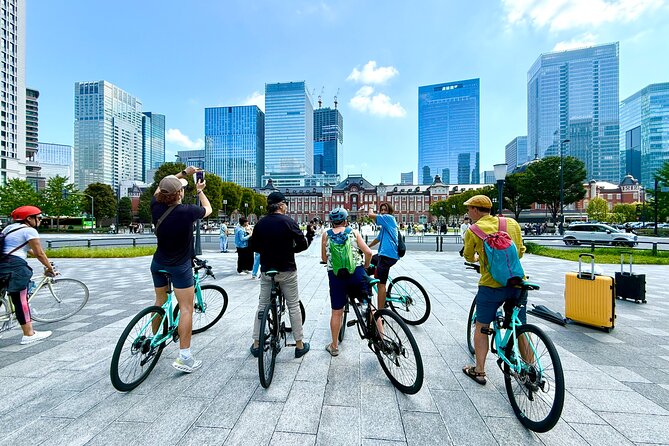
The other part I like is that the stops are chosen like a map. Zojo-ji sets a historical tone near Tokyo Tower. The Imperial Palace gate area gives you the formal side of Japanese history. Tokyo Station adds the classic rail-and-architecture landmark. Then you transition into modern city style with Akasaka, Aoyama, and catwalk-adjacent streets before ending in Shibuya’s electric center.
Readers also shortlisted these Tokyo bookings:
- Tokyo Guided Small-Group Biking Tour
★ 5.0 · 1,250 reviews - Tokyo Great Cycling Tour
★ 5.0 · 811 reviews - Tokyo Top Highlights 3h Guided E-bike Tour
★ 5.0 · 714 reviews - 3h Tokyo E-Bike Tour: Hidden Gems, and Local Life with guide
★ 5.0 · 670 reviews
Where you start and where you end (so you can plan the rest)
The meeting point is at the Statue of Commodore Perry, 2-chōme-2-20 Shibakōen, Minato City. It’s in the Minato/Shiba Park area, which is convenient for accessing central Tokyo without starting deep inside one neighborhood.
You’ll end at the Bell of Peace in Udagawacho, Shibuya. Practically, you finish in the Jinnan area between Yoyogi Park and Shibuya. The tour ends with you close to Yoyogi Park and within walking distance of Shibuya Station, so you can easily continue to dinner or pop into Harajuku afterward. That matters because it avoids the common “tour ends far from everything” feeling.
The ride itself: comfort, traffic stress, and why the guide positioning matters
Tokyo bike touring is all about rhythm. The route includes road segments and intersections, and at points you’ll be riding in or near busy areas. The good news is that the e-bike setup helps you keep momentum without turning the trip into a workout you didn’t ask for.
You should plan for some moments where traffic and crowds are part of the experience. If that makes you nervous, focus on what your guide does. Guides are praised for keeping groups together and for communicating road rules during the ride. One thing that’s repeatedly highlighted is guide attention and group control, sometimes with guides riding at different points in the group for safety.
If you’re unsure about your comfort in crowds, this is still a strong option as long as you’re willing to take it slow when needed. The whole experience is designed around a moderate pace and practical stops, not a breakneck “see everything” sprint.
Stop-by-stop: from Zojo-ji to Shibuya Crossing
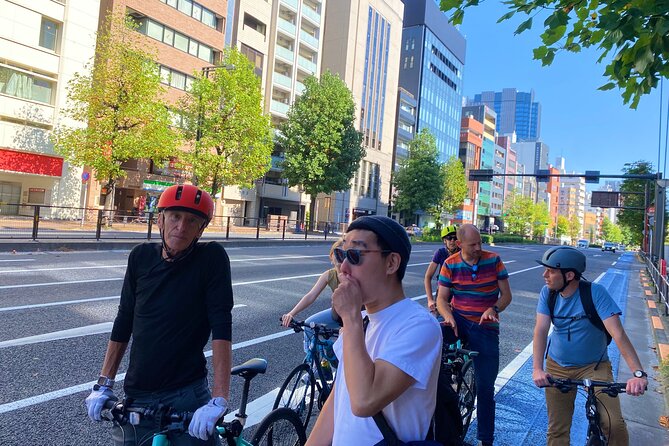
This is the part you care about: where you go, what you’ll notice, and what each stop is really for.
Zojo-ji Temple: history near Tokyo Tower
You start with Zojo-ji, a religious center and the resting place of warlords. It’s a big name for Tokyo history, and it sits near Tokyo Tower, so the scenery hits that satisfying contrast: temple grounds in one direction, city skyline in the other. The best part of a short Zojo-ji stop is that you get context quickly. You’re not just taking a picture of a gate; you’re seeing why this area is tied to Japan’s older story.
Even though the time is brief, you’ll have enough to absorb the setting and get oriented for what comes next.
Readers also shortlisted these Tokyo bookings:
- Tokyo: Private City Highlights Tour with Local Guide★ 4.8 · 1,433 reviews
- Tokyo: Asakusa, Skytree & Akhihabara Go-Kart City Experience★ 4.7 · 761 reviews
- Tokyo: 3-Hour Bike or E-Bike City Highlights Tour★ 4.8 · 435 reviews
- Tokyo: Sumo Morning Practice Tour at Sumida City★ 4.8 · 308 reviews
- Private Haneda Airport (HND) to Central Tokyo City Transfer★ 4.5 · 260 reviews
Imperial Palace area: the calm, formal side of Tokyo
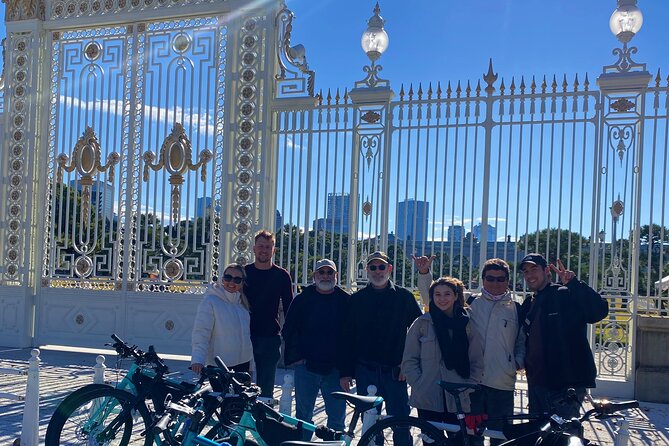
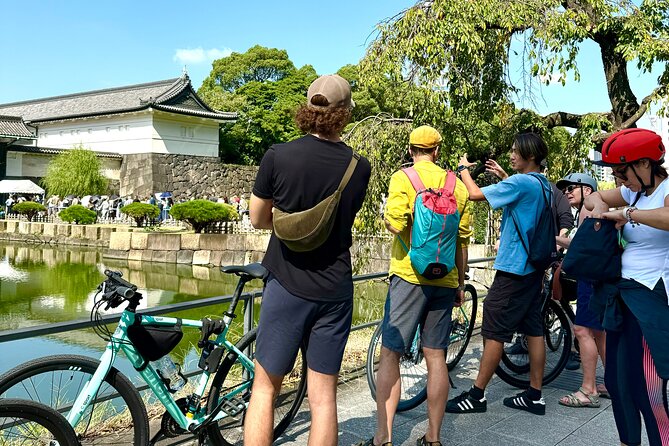
Next you’ll head to the Imperial Palace area for a focused look at the main entrance gate area, including the Otemon gate. This is the residence of Japan’s Emperor, so the vibe is less about flashy tourism and more about respectful architecture and ceremonial space.
The value here is tone shift. After the temple, you switch to imperial-era symbolism. It helps you “read” the city instead of just scrolling landmarks through your camera. The stop is short, but the architecture is easy to frame, and it’s also a great place to pause and take photos without feeling rushed.
Tokyo Station Marunouchi frontage: red-brick classic
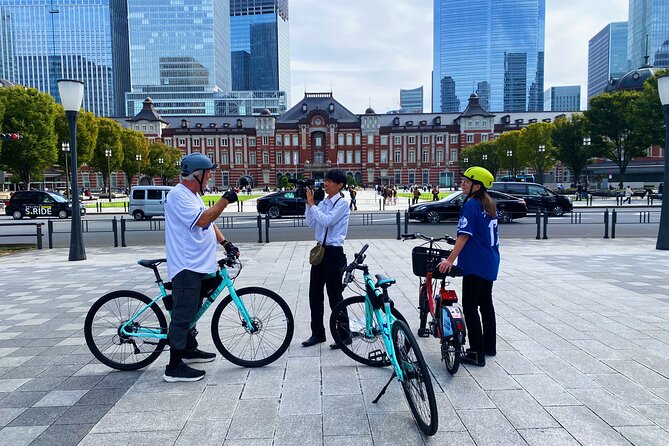
Then it’s Tokyo Station, specifically the Marunouchi Ekimae Hiroba area. You get the famous red-brick facade feel, which opened in 1914. This is one of those places where Tokyo’s modern transit system wears a little bit of old-school elegance.
Why it works in a bike tour: you don’t have to choose between train travel and sightseeing. You pass by and get the look, plus a guided explanation that helps it click as more than just a pretty building.
A practical note: because it’s busy, you’ll want to keep your eyes on your guide and your path. The best photos usually come from quick stops rather than trying to linger while cars and pedestrians stream through.
Kokyo Otemon Gate: photo-ready historic entrance energy
You’ll spend time at Kokyo Otemon gate as a dedicated stop, including time to take pictures. This is the “front page” view for many people, and that’s why it’s worth treating it as a checkpoint in your day.
A small caution: it’s a popular photo spot, so expect it to feel active. If crowds bother you, keep your photo timing efficient and focus on the gate details instead of standing in the densest area.
Akasaka Palace (State Guesthouse): royal villa to state guesthouse
From there you go to Akasaka Palace, known today as a State Guesthouse. It was originally built as a royal villa, and that original purpose still shows up in how the grounds and presentation feel.
This stop is short, but it helps balance the whole route. If all you saw were temples and entertainment streets, Tokyo would feel one-dimensional. Akasaka adds a quieter layer of cultural heritage and political significance.
Japan National Stadium: Olympic venue context
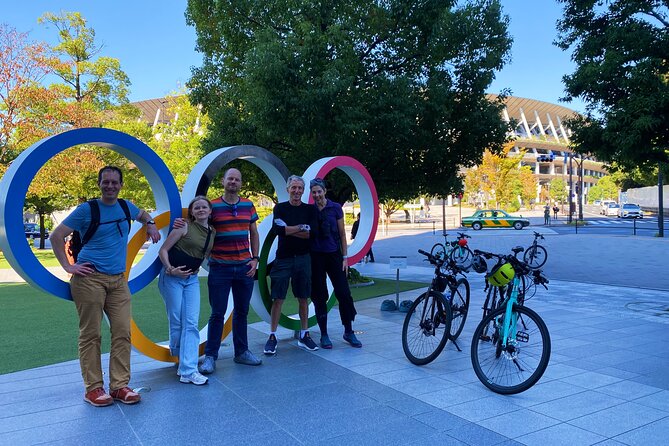
Then you visit Japan National Stadium, where the 2020 Olympic and Paralympic games took place. For many visitors, this is one of those “I’ve seen the broadcasts, now I’m here” moments. It gives your trip a global context without needing to book a separate ticket.
Time here is enough for a clear look and orientation, especially since you’re already in motion by bike.
Aoyama Street: high-end fashion with interesting architecture
After the stadium, you hit Aoyama Street, a shopping-and-style corridor known for high-end fashion brands and unique architecture. This stop works because Aoyama feels like its own mini-world. It’s not just name-brand shopping; it’s also a place where the city’s design language shows up clearly.
You’ll likely appreciate this stop most if you like architecture and urban design. If you’re only chasing the most famous sights, you might see it as “nice scenery,” but the guided context helps you notice what’s different.
Shibuya Cat Street: vintage + youth fashion street energy
Then it’s Shibuya Cat Street, a street associated with the latest fashion brands and vintage shops. This is where Tokyo’s street culture becomes the main character.
Unlike a museum stop, the point isn’t one monument. The point is the atmosphere: storefront rhythm, foot traffic, and that mix of modern and retro that you can’t really get from a brochure.
Shibuya Crossing: the finale with real motion
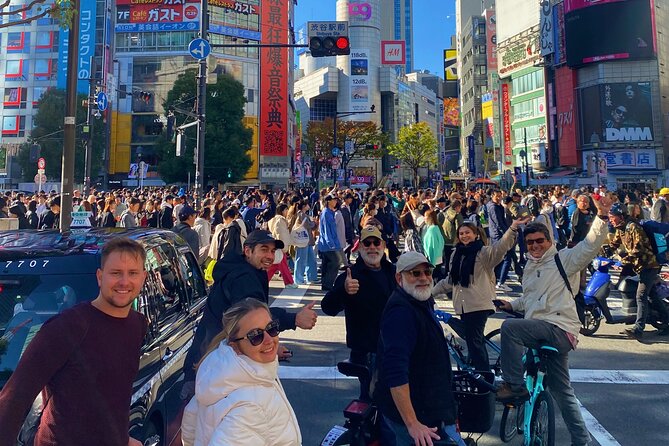
Finally, you bike through Shibuya Crossing. This is a classic “you have to see it once” moment. Even if you’ve watched it on video, experiencing it by bike adds a sense of scale and movement that you don’t get standing still.
If you booked the afternoon tour, you might get extra energy depending on day and crowd flow. Either way, plan to keep your head up and follow the guide’s cues. The most satisfying part of Shibuya Crossing is not just the view; it’s how you feel inside the flow of a city that never fully pauses.
The tour ends near Yoyogi Park and Harajuku/Shibuya area, which is perfect because it turns the finale into a launchpad for your next meal or stroll.
What you actually get for the money (and what costs extra)
Here’s the practical value breakdown.
You’re included with:
- Use of the bicycle (and the e-bike experience is described as pedal assist in guides’ praise)
- A raincoat on rainy days
- An in-person guide in English and Japanese
- A mini pouch for phone, wallet, keys, etc.
- Bike insurance
What’s not included:
- Helmet rental is ¥1000, and you need cash on the activity date
- Food and drinks
That helmet detail is important. Tokyo bike routes can feel quick and tight, and even if you’re a confident rider, you’ll want the helmet. Bring the cash so there’s no scramble at the start.
Also, don’t plan the tour around a food break. You’ll get time for stops, but the tour is designed as a sightseeing ride, not a sit-down meal experience.
Timing tips: how to get the best photos and not lose the group
Because the stops are time-boxed, you’ll want to think like a photographer with a schedule. Spend your effort on:
- gate and facade shots when you’re at the architectural landmark
- short street moments where you can frame signage and the flow of people
You also want to be ready for the reality of city biking: a few minutes of waiting to cross, a slow-down to keep the group together, and brief pauses for photo opportunities. Guides are patient when people need a moment, but the tour’s value is its efficiency. If you go too “wander mode” at one stop, it changes the experience.
One more small practical note from the guide vibe you’ll often see praised: rest stops and pacing. Expect that you’ll have a comfortable rhythm, including time breaks when needed, rather than constant motion with no breathing room.
Who this tour fits best (and who should rethink it)
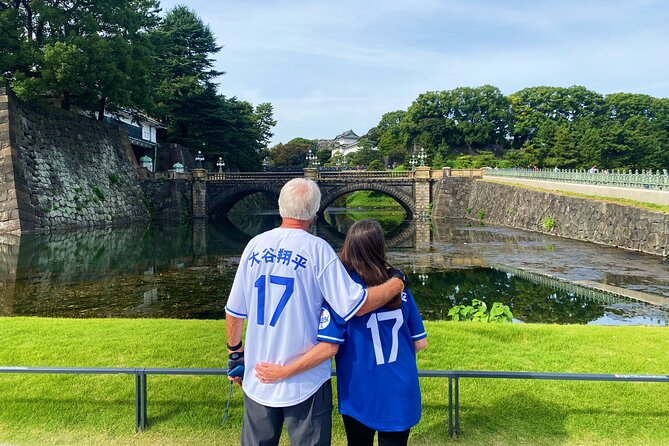
This tour is ideal for time-tight visitors. If you’re trying to pack Tokyo highlights into a day or you want a first-orientation loop before exploring on your own, it’s a strong match.
It’s also a great fit if you want a mix of:
- major historical anchors (Zojo-ji and the Imperial Palace gate area)
- signature architecture (Tokyo Station frontage)
- modern city energy (Aoyama, Cat Street, and Shibuya Crossing)
You should reconsider if:
- you don’t feel comfortable riding in busier streets and crowds at least occasionally
- you need long stops for deep exploration at each location (the tour is designed for short, efficient viewing)
If you’re doing Tokyo as a first trip, or if you’ve only got a layover and want a meaningful chunk of the city, this kind of route is one of the most efficient ways to get your bearings.
Should you book this Tokyo bike/e-bike highlights tour?
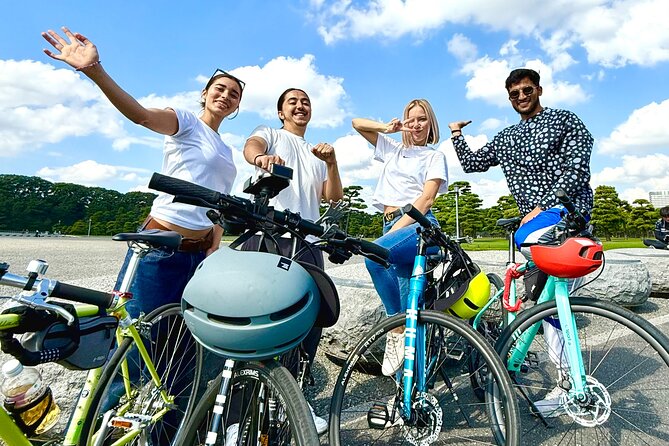
I’d book it if you want a fast, guided route that hits Tokyo’s biggest “I need to see that” landmarks while still giving you enough context to understand why they matter. The structure is the win: bike transport, short sightseeing stops, and a guide who helps the city click, with multiple guides praised for clear communication and friendly, patient leadership.
I’d skip or look for another option if you’re very sensitive to traffic and crowds, because Shibuya-area riding is part of the deal. And make sure you’re ready for the small extra cost of a helmet rental in cash.
If your goal is to get out of Tokyo’s transit maze and start seeing the city like a local, this is a smart use of three hours.
FAQ
How long is the bike/e-bike tour?
The tour runs for about 3 hours, including travel time between stops.
Is this tour private?
Yes. It’s private, meaning only your group participates.
What’s included in the price?
Included are the bike use, a raincoat on rainy days, an in-person guide (English and Japanese), a mini pouch for your phone/wallet/keys, and bike insurance.
Do I need to rent a helmet?
A helmet is not included. You can rent one for ¥1000, and you should bring cash on the activity date.
Is food and drink included?
No. Food and drink are not included.
Where does the tour start and end?
It starts at the Statue of Commodore Perry in Shibakōen (Minato City). It ends at the Bell of Peace in Udagawacho (Shibuya), with the finish in the Jinnan area near Yoyogi Park.
What sights will we see during the ride?
You’ll stop for time at Zojo-ji, the Imperial Palace area (including Otemon gate), Tokyo Station (Marunouchi Ekimae Hiroba), Akasaka Palace (State Guesthouse), Japan National Stadium, Aoyama Street, Shibuya Cat Street, Shibuya Crossing, and then end near Yoyogi Park/Harajuku.
What kind of fitness level do I need?
You should have a moderate physical fitness level for the ride.
What if it’s raining?
The experience requires good weather. If it’s canceled due to poor weather, you’ll be offered a different date or a full refund.
What’s the cancellation policy?
You can cancel for a full refund if you cancel at least 24 hours before the experience’s start time. If you cancel less than 24 hours before, the amount you paid will not be refunded.
More Cycling Tours in Tokyo
- Tokyo Guided Small-Group Biking Tour
★ 5.0 · 1,250 reviews - Tokyo Great Cycling Tour
★ 5.0 · 811 reviews - Tokyo Top Highlights 3h Guided E-bike Tour
★ 5.0 · 714 reviews - 3h Tokyo E-Bike Tour: Hidden Gems, and Local Life with guide
★ 5.0 · 670 reviews - Tokyo: 3-Hour Bike or E-Bike City Highlights Tour
★ 4.8 · 435 reviews
More Tours in Tokyo
- Mt Fuji and Hakone 1-Day Bus Tour Return by Bullet Train
★ 5.0 · 26,383 reviews - 1-Day Tokyo Bus Tour
★ 5.0 · 14,250 reviews - Tokyo: Shinjuku Food Tour (13 Dishes at 4 Local Eateries)
★ 5.0 · 6,603 reviews - Tokyo Mt Fuji 5th St & Hakone Cruise Bus Tour w/Bullet Train
★ 4.4 · 5,024 reviews - Flagship 2-Hours Official Street Go-Kart Tour – Tokyo Bay Shop
★ 5.0 · 4,974 reviews
More Tour Reviews in Tokyo
- Mt Fuji and Hakone 1-Day Bus Tour Return by Bullet Train
★ 5.0 · 26,383 reviews - 1-Day Tokyo Bus Tour
★ 5.0 · 14,250 reviews - Tokyo: teamLab Planets TOKYO Digital Art Museum Entry Ticket
★ 4.6 · 9,779 reviews - Mt Fuji & Hakone Cruise, Drum Show Bullet Train 1 Day from Tokyo
★ 4.0 · 7,413 reviews - Tokyo: Shinjuku Food Tour (13 Dishes at 4 Local Eateries)
★ 5.0 · 6,603 reviews
Latest Tokyo reviews off our desk






Cycling Tours, compared.
 ★ 5.0Tokyo Guided Small-Group Biking TourFrom $1061,250 reviews
 ★ 5.0Tokyo Great Cycling TourFrom $99811 reviews
 ★ 5.0Tokyo Top Highlights 3h Guided E-bike TourFrom $63714 reviews
 ★ 5.03h Tokyo E-Bike Tour: Hidden Gems, and Local Life with guideFrom $63670 reviews
 ★ 4.83-Hour Bike or E-Bike City Highlights TourFrom $45435 reviews
 ★ 4.83-hour Guided E-Bike Tour of the City’s Hidden GemsFrom $65251 reviews
 ★ 5.0Tokyo West-Side Cycling & Food TourFrom $99214 reviews
 ★ 5.0Small Group Cycling Tour in TokyoFrom $66184 reviews
Browse the lists this tour appears in