
Reviewed · SUMO TOURNAMENTS & SHOWS
Tokyo: Sumo Morning Practice Tour at Sumida City
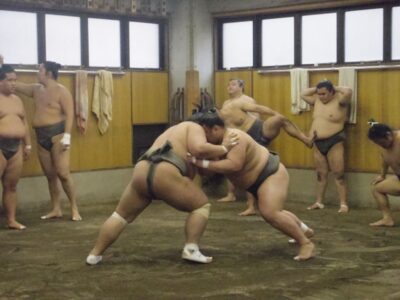
Sumo in Tokyo starts early, and it’s never quiet. This Sumida City morning practice tour puts you on the ground floor of Japan’s most ritual-heavy sport, with an English guide explaining what you’re seeing while you watch wrestlers train inches from you. It’s one of those experiences where the distance between athlete and audience feels almost unreal.
What I really like is the focus on ritual and rules, not just watching bodies slam into each other. I also love that you get time for a Q&A with the stable master after practice, so you can leave with real context for how wrestlers live and why the training looks the way it does. Your morning doesn’t feel like a show; it feels like you’re being allowed to observe a serious routine.
The main drawback to plan around is the physical setup: there are no chairs, and you’ll sit on the floor/cross-legged for roughly 1.5 hours. If that kind of sitting is a problem for you (or your group is likely to be noisy), this won’t be comfortable—nor is it something the stable can easily adjust.
In This Review
- Key Highlights You’ll Actually Care About
- Why This Morning Sumo Practice Feels Different Than TV
- Oshiage 7:15 AM: The Logistics That Make or Break Your Experience
- The Short Walk to the Stable: Rules That Keep the Moment Sacred
- Inside the Stable: Silence, No Chairs, and a View That’s Close Enough to Feel
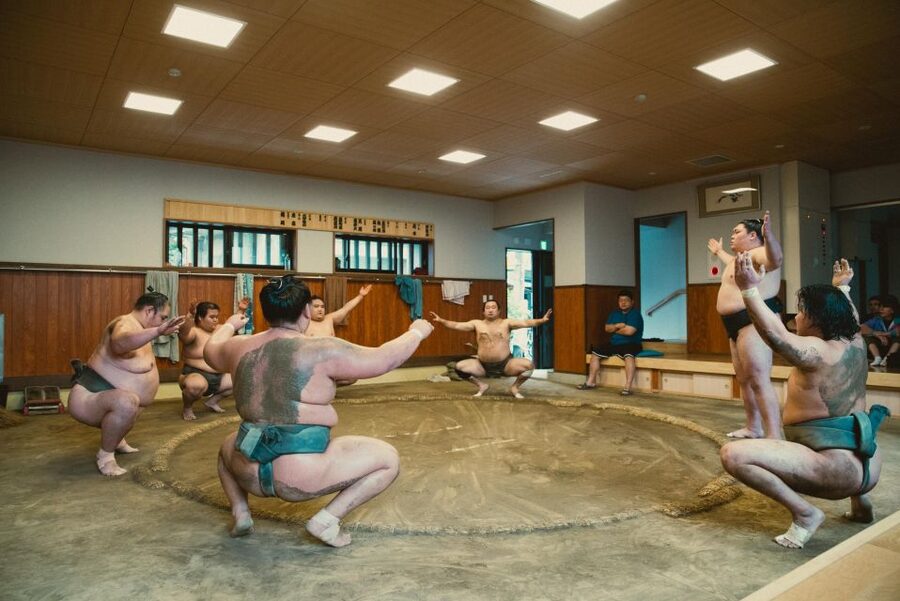
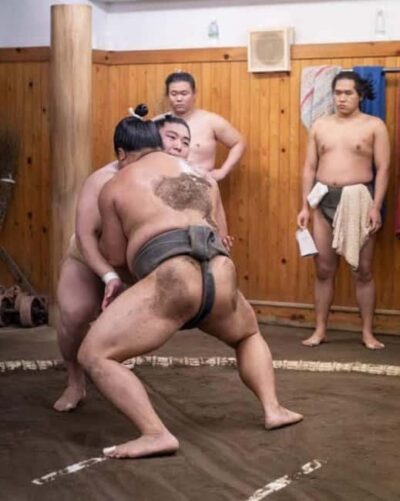
- The Training Session: What You’ll See Up Close
- Stable Master Q&A: The Best Part for Understanding Wrestler Life
- Photos and Video: What You Can Capture (and What You Can’t)
- Price and Value: Is $116 Worth a Two-Hour Morning?
- Who Should Book This Sumo Morning Practice Tour
- When Sumo Practice Tours Don’t Run: Plan Around the Big Tournament Months
- Should You Book This Tokyo Sumo Morning Practice Tour?
- FAQ
- What time do I need to meet for the tour?
- How long is the walk from the meeting point to the sumo stable?
- Are there restrooms available during the practice?
- What should I wear or bring?
- Can I take photos or videos?
- Is flash photography allowed?
- What’s included in the tour price?
- What’s not included?
- Who is this tour not suitable for?
- When don’t the tours run?
Key Highlights You’ll Actually Care About
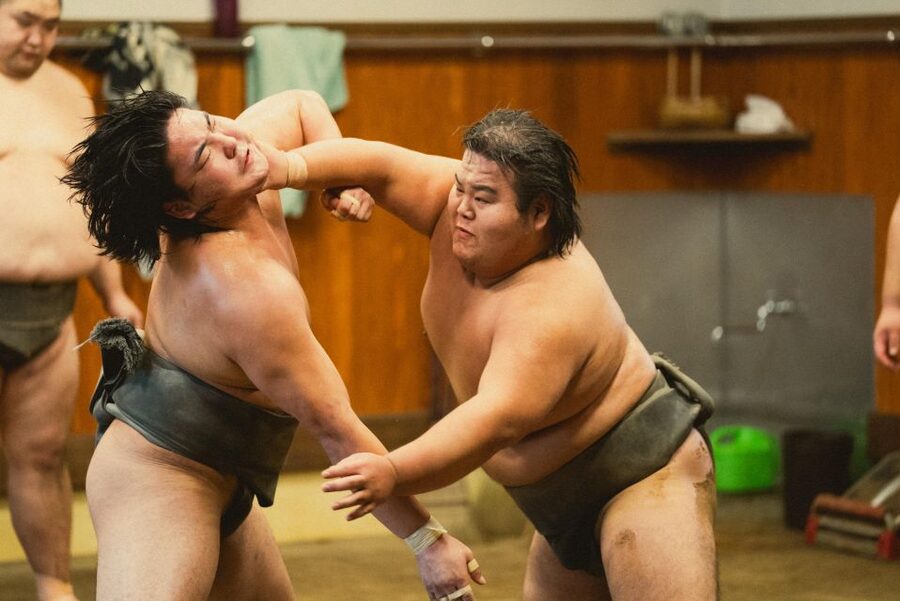
- Super close viewing: you sit right alongside the ring, so you can see footwork, training habits, and sheer size up close
- English guide + stable access: an expert guide and stable entrance fee are included, so you’re not stuck guessing
- After-practice Q&A: you can ask questions and get answers from the stable master
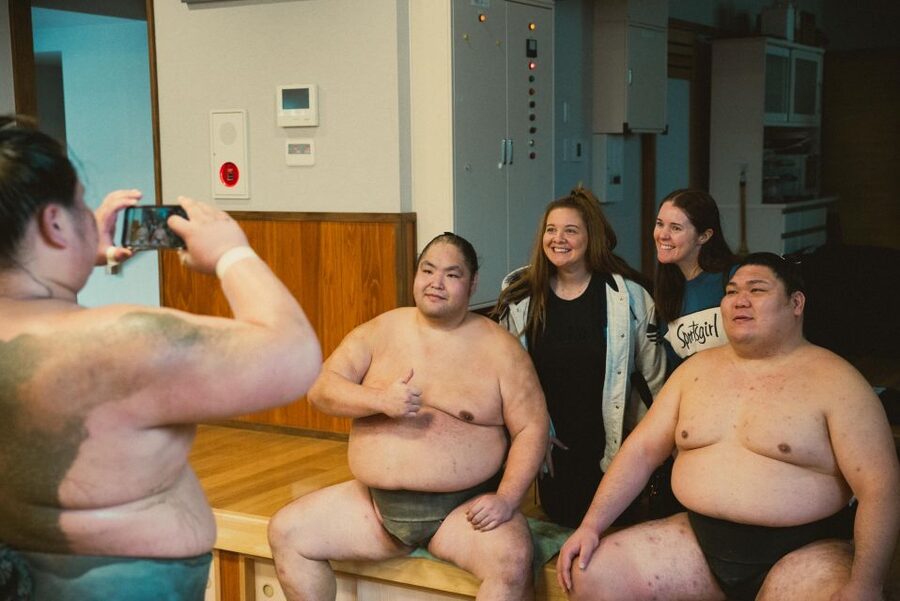
- Photo possibility: you may have a chance to take a photo with the wrestlers
- Strict practice etiquette: silence, no flash, and no interruptions are part of the experience
- Early start in Oshiage: plan for a 7:15 AM meet-up and a short walk to the stable
Why This Morning Sumo Practice Feels Different Than TV
TV sumo often turns the sport into loud highlights and quick explanations. Here, you’re watching training inside a stable setting where routine matters as much as results. You’ll notice how much time is spent on warmups, basic movements, and repeating techniques—because sumo is built on discipline, not just match day fireworks.
I also appreciate that the tour is structured around understanding what you’re seeing. The guide explains the history, rules, and rituals, so when you watch the wrestlers move, you’re not just thinking big men doing big things. You’re following the logic of the training and the culture that surrounds it.
And yes, the wrestlers are impressive in a very physical way. Even if you’ve seen sumo on a screen, it’s a different thing to sit close enough that you can feel how controlled their bodies are—plus how much effort goes into practice that looks simple until you try it.
Other ringside bookings readers scored
- Tokyo: Sumo Show and Dining Experience
★ 4.8 · 2,742 reviews - the SUMO show
★ 5.0 · 1,960 reviews - Tokyo Shinjuku Sumo Show & Experience with Photo
★ 5.0 · 1,750 reviews - Tokyo: Sumo Show and Experience in Shinjuku
★ 4.8 · 1,001 reviews
Oshiage 7:15 AM: The Logistics That Make or Break Your Experience
This tour begins with a 7:15 AM meet-up at Tokyo Metro Oshiage (Skytree Mae) Station, Toei-Asakusa Line Oshiage Station A1 Exit (ground floor). The tour starts at 7:30 AM, so you’ll want to be there early enough to get your bearings without stress.
From the meeting point, you’re looking at about a 15–20 minute walk to the stable. That time matters because the tour doesn’t wait for you to arrive together. One practical tip from past participants: use the restroom before joining the tour—once practice starts, you can’t go to the toilet during the session.
If you’re visiting in rain, bring a small towel. The walk can get your feet wet, and you’ll be dealing with shoe rules once you reach the stable space. Wear footwear that’s easy to slip on and off.
The Short Walk to the Stable: Rules That Keep the Moment Sacred
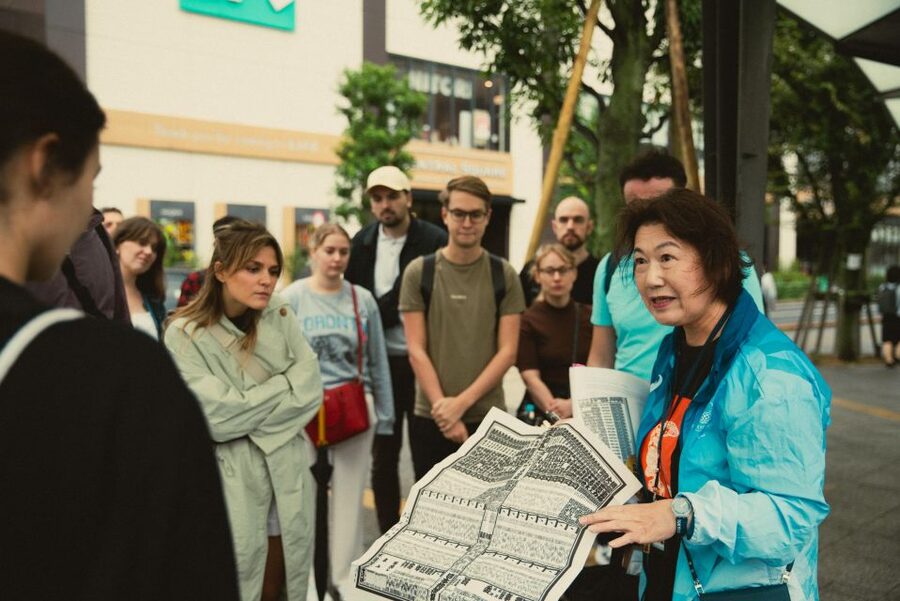
Once you’re near the stable, the small details matter. You should not enter the stable on your own. Wait outside until your guide meets you, and please don’t ring a doorbell—this is to avoid disturbing the wrestlers’ concentration.
If you’re late, the plan is clear: send a message so the team can share the stable address, then go there yourself. But even then, you won’t be able to enter unless you contact the activity provider first—so it’s worth arriving early and avoiding the scramble.
Also keep your kit simple. No luggage or large bags are allowed, and you shouldn’t bring things like hats, sunglasses, baby strollers, food, or anything that could slow you down. In a quiet stable environment, minimal and respectful is the easiest way to enjoy the morning.
Inside the Stable: Silence, No Chairs, and a View That’s Close Enough to Feel
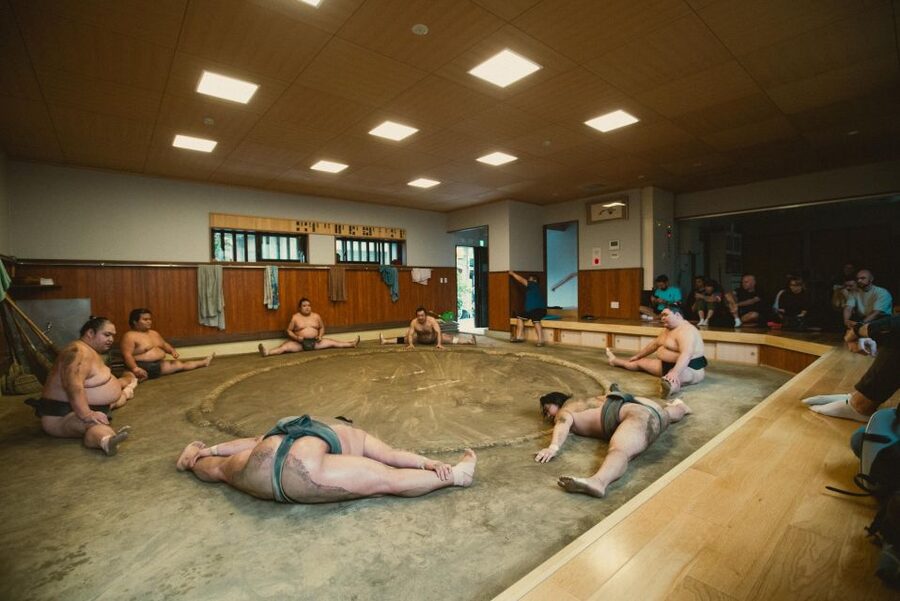
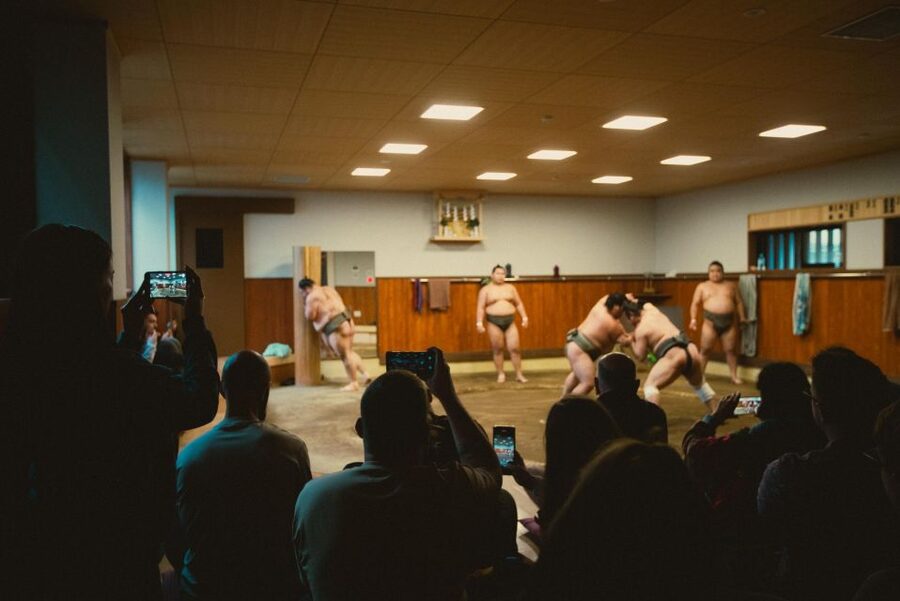
You’ll be watching practice without chairs. The setup is designed for everyone to sit on the floor, and the practice segment is about 1.5 hours. If cross-legged sitting for that long isn’t realistic for you, the provider recommends skipping this tour—because you’ll spend part of the experience fighting your own comfort, not the training.
The viewing style is also part of the authenticity. You may need a moment to find your sightline at first. In some sessions, groups rotate to improve viewpoints, so even if you start in a slightly awkward spot, you might not be stuck looking at the same angle the whole time.
Your behavior is simple: watch silently and respectfully. Flash photography is off-limits, and you can take photos/videos only under the allowed conditions (no flash and no loud shutter sounds). Think “quiet observer,” not “tour group with a camera party.”
And one more thing: the stable environment is close and human-sized—meaning the wrestlers notice your presence. That’s why the etiquette rules exist. You’ll get more out of the experience if you treat it like you’re invited into their space for observation, not entertainment.
The Training Session: What You’ll See Up Close
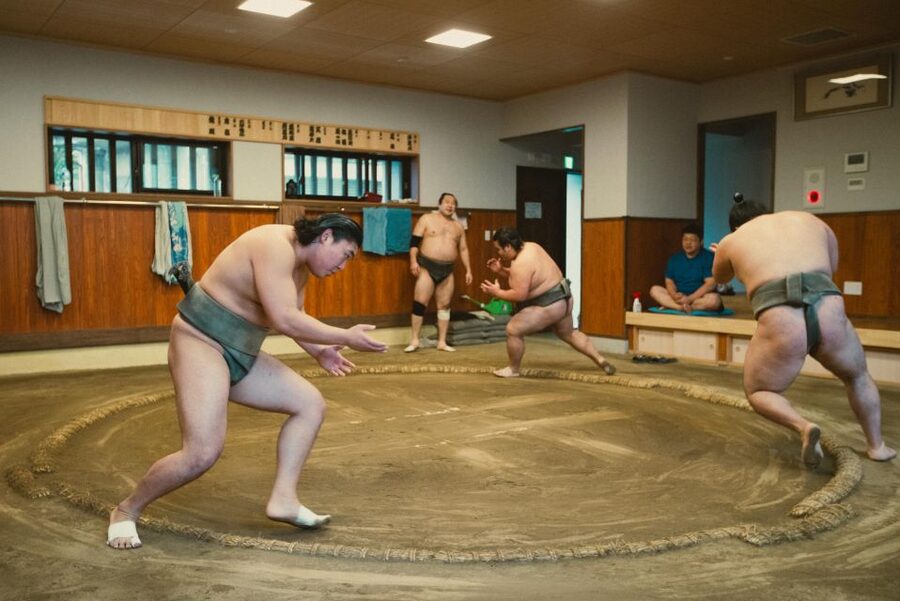
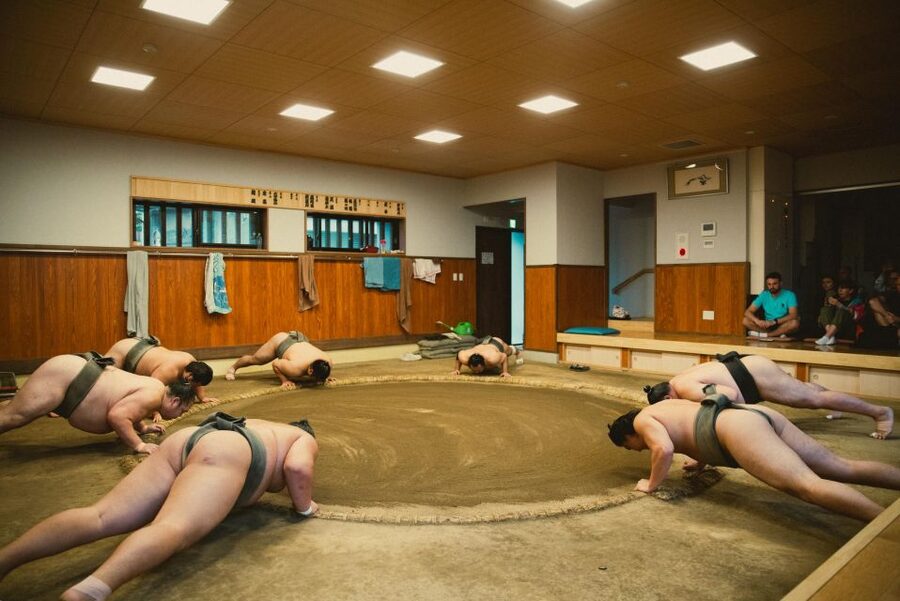
During practice, you’ll see wrestlers working through technique rather than only fighting in match style. That matters because sumo training is about repetition: getting footwork right, practicing timing, and building power through controlled drills. You’ll likely notice how often they reset and redo movements, because precision is the point.
The tour also aims to connect those movements to sumo’s structure. You’ll learn about the rules and rituals, so when the training looks ceremonial or patterned, it won’t feel random. This is where a good guide helps a lot: your brain starts labeling what you’re seeing—then the sport clicks.
One practical consideration: on certain days, you might experience the session as more training-focused than a full “bout” spectacle. So set your expectations for watching the craft of practice, not only highlight-reel fighting.
The upside is that this is exactly what most visitors can’t do on their own. With a guide and stable access, you’re not trying to piece together timing, etiquette, and what the movements mean—you’re there at the right moment and given context as you watch.
Readers also shortlisted these Tokyo bookings:
- Tokyo: Private City Highlights Tour with Local Guide★ 4.8 · 1,433 reviews
- Tokyo: Asakusa, Skytree & Akhihabara Go-Kart City Experience★ 4.7 · 761 reviews
- Tokyo: 3-Hour Bike or E-Bike City Highlights Tour★ 4.8 · 435 reviews
- Tokyo: Sumo Morning Practice Tour at Sumida City★ 4.8 · 308 reviews
- Private Haneda Airport (HND) to Central Tokyo City Transfer★ 4.5 · 260 reviews
Stable Master Q&A: The Best Part for Understanding Wrestler Life
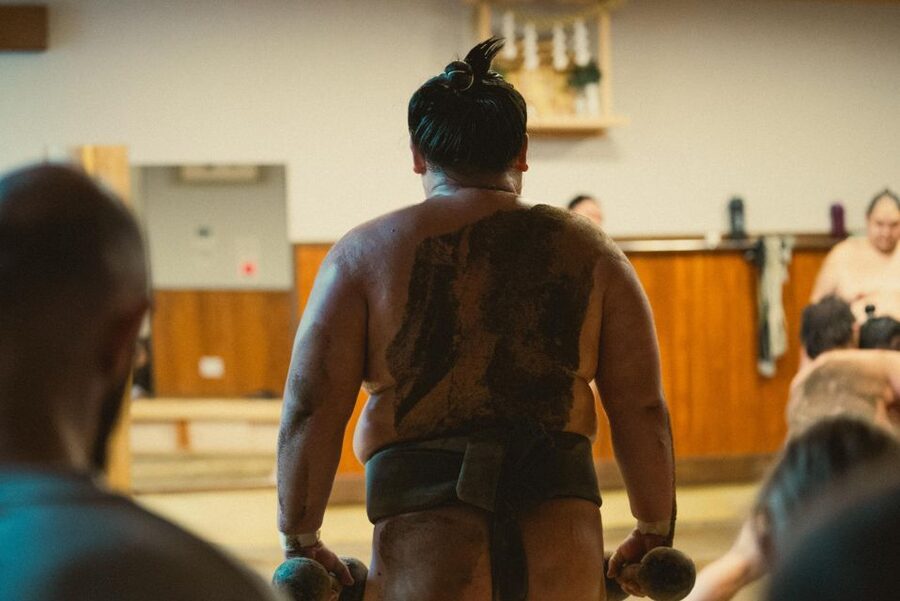
The after-practice portion is a major reason people rate this tour so highly. When the training ends, you’ll get a chance for questions with the stable master and conversation about the wrestlers’ world. This is where you learn the human side behind the costumes and ceremonies.
Guides have been especially praised for keeping things clear. People have mentioned guides like Tadashi and Kiyomi for being warm and organized, and other English-speaking guides such as Oku, Yoko, Yuriko, Yukiko, Juki, and Julie have been reported as making expectations and etiquette easy to follow.
You don’t have to be a sumo superfan to benefit. Even if you’re new, questions help you connect the dots: why routines exist, what training days look like, and what respect means in stable life. It also helps you leave the tour understanding the sport rather than just remembering how impressive the athletes looked.
And depending on how the day goes, you may get a friendly farewell moment as you’re leaving—small human interactions that make the morning feel warmer and more personal.
Photos and Video: What You Can Capture (and What You Can’t)
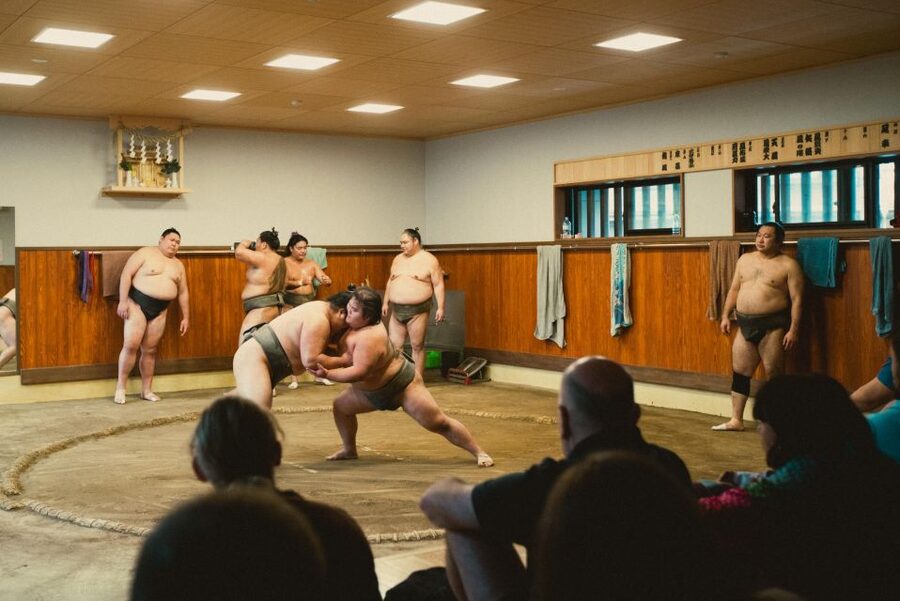
You can take photos and videos, but the rules are strict. No flash photography is allowed, and the tour follows a quiet environment approach where loud camera noises aren’t wanted.
There’s also a clear restriction: you may take photos and videos, but you cannot upload them on any social media platform. So if your goal is instant Instagram posting, plan on sharing later through private memories, or simply keep the moment to yourself like the stable intended.
If you want photos, come prepared. Bring a charged phone/camera, check your settings for flash, and keep your hands ready so you’re not fumbling while the wrestlers are performing.
Price and Value: Is $116 Worth a Two-Hour Morning?
At $116 per person for a 2-hour experience, this isn’t a budget activity. But it’s also not a generic museum-style tour. You’re paying for rare access: sitting close to the ring in an active training stable, with an English guide and the entrance fee included.
What’s included is meaningful. You get an expert English-speaking guide, plus the stable entrance. What’s not included is also straightforward: there’s no hotel pickup or drop-off, and there’s no food or drinks. So your real cost is the tour price plus what you spend for transit and breakfast plans before or after.
When I think about value here, I weigh two things:
- You’re getting context (rules/rituals) while you watch, not only a raw observation.
- You’re getting access to a Q&A with the stable master, which most casual visitors never experience.
If you want a deeper understanding of sumo culture—and not just a quick photo and move-on—this price starts to make sense.
Who Should Book This Sumo Morning Practice Tour
This tour is a strong fit if you:
- want an authentic, respectful observation of sumo training
- enjoy learning cultural context as you watch
- like guided experiences where someone explains what the sport means
It’s less suitable if you:
- need chairs or cannot comfortably sit cross-legged for about 1.5 hours
- have mobility impairments (the tour is not suitable for people with mobility impairments)
- plan to bring very young kids or expect a lot of noise—minimum age is 6, and if children are noisy, moving around, or can’t watch quietly, they may be asked to leave the stable during the tour
If you’re traveling with kids who can truly stay calm for the session, the tour can be a memorable education in Japanese tradition and discipline.
When Sumo Practice Tours Don’t Run: Plan Around the Big Tournament Months
This tour doesn’t operate in March, July, and November because there are Grand Sumo tournaments outside of Tokyo. The schedule is also known one to two months in advance, so it’s smart to check the website around two months before your dates.
If you’re visiting during those months, you’ll need an alternate plan—because this specific morning practice tour won’t be available.
Should You Book This Tokyo Sumo Morning Practice Tour?
Book it if you want your Tokyo morning to be hands-on with real training, close enough to understand the sport’s scale, and guided enough to learn the rituals and rules as you watch. The Q&A with the stable master is the part that can turn a cool viewing into a meaningful cultural experience.
Skip it if you know you can’t do the floor seating for about 1.5 hours, if your group won’t manage quiet attention, or if you expect an action-heavy “match day” show. This is practice. It’s serious. And that’s exactly why it works when you’re prepared for the format.
If you’re the type who loves authentic moments over polished entertainment, this is a great match for your itinerary. Just get there early, follow the silence rules, and bring comfortable footwear for that short walk in the morning.
FAQ
What time do I need to meet for the tour?
Meet at 7:15 AM at Tokyo Metro Oshiage (Skytree Mae) Station (Toei-Asakusa Line Oshiage Station A1 Exit, ground floor). The tour starts at 7:30 AM.
How long is the walk from the meeting point to the sumo stable?
It’s about 15 to 20 minutes on foot.
Are there restrooms available during the practice?
You should use the restroom before joining the tour. You cannot go to the toilet during the practice.
What should I wear or bring?
Wear easy-to-manage shoes since you may need to adjust footwear when you arrive at the stable. If it’s rainy, bring a towel to wipe wet feet. Avoid prohibited items like hats and sunglasses.
Can I take photos or videos?
Yes, you may take photos and videos without flash. You cannot upload them on any social media platform.
Is flash photography allowed?
No. Flash photography is not allowed during the practice.
What’s included in the tour price?
The tour includes an English-speaking guide and the entrance fee to the sumo stable.
What’s not included?
There’s no hotel pickup or drop-off, and food or drinks aren’t included.
Who is this tour not suitable for?
It’s not suitable for children under 5 and it’s also not suitable for people with mobility impairments. Kids must be able to watch quietly, and noisy kids may be asked to leave.
When don’t the tours run?
Morning practice and tours will not be held in March, July, and November due to Grand Sumo tournaments outside of Tokyo.
More Tours in Tokyo
- Mt Fuji and Hakone 1-Day Bus Tour Return by Bullet Train
★ 5.0 · 26,383 reviews - 1-Day Tokyo Bus Tour
★ 5.0 · 14,250 reviews - Tokyo: Shinjuku Food Tour (13 Dishes at 4 Local Eateries)
★ 5.0 · 6,603 reviews - Tokyo Mt Fuji 5th St & Hakone Cruise Bus Tour w/Bullet Train
★ 4.4 · 5,024 reviews - Flagship 2-Hours Official Street Go-Kart Tour – Tokyo Bay Shop
★ 5.0 · 4,974 reviews
More Tour Reviews in Tokyo
- Mt Fuji and Hakone 1-Day Bus Tour Return by Bullet Train
★ 5.0 · 26,383 reviews - 1-Day Tokyo Bus Tour
★ 5.0 · 14,250 reviews - Tokyo: teamLab Planets TOKYO Digital Art Museum Entry Ticket
★ 4.6 · 9,779 reviews - Mt Fuji & Hakone Cruise, Drum Show Bullet Train 1 Day from Tokyo
★ 4.0 · 7,413 reviews - Tokyo: Shinjuku Food Tour (13 Dishes at 4 Local Eateries)
★ 5.0 · 6,603 reviews
More Sumo, Ringside and Rated
- Tokyo: Sumo Show and Dining Experience
★ 4.8 · 2,742 reviews - the SUMO show
★ 5.0 · 1,960 reviews - Tokyo Shinjuku Sumo Show & Experience with Photo
★ 5.0 · 1,750 reviews - Tokyo: Sumo Show and Experience in Shinjuku
★ 4.8 · 1,001 reviews - Tokyo Grand Sumo Tournament Viewing Tour with Tickets
★ 5.0 · 692 reviews
Latest Tokyo reviews off our desk






Sumo Tournaments & Shows, compared.
 ★ 4.8Sumo Show and Dining ExperienceFrom $792,742 reviews
 ★ 5.0the SUMO showFrom $891,960 reviews
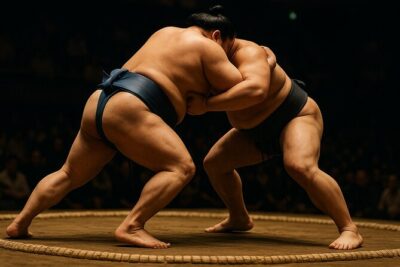 ★ 5.0Tokyo Shinjuku Sumo Show & Experience with PhotoFrom $791,750 reviews
 ★ 4.8Sumo Show and Experience in ShinjukuFrom $691,001 reviews
 ★ 5.0Tokyo Grand Sumo Tournament Viewing Tour with TicketsFrom $124692 reviews
 ★ 5.0Tokyo Sumo Wrestling Tournament ExperienceFrom $124660 reviews
 ★ 4.7Luxury Sumo Show Experience & Japanese cuisine & DrinkFrom $103577 reviews
 ★ 4.8Sumo Morning Practice Viewing TourFrom $81570 reviews
Browse the lists this tour appears in