

Reviewed · TOKYO
Tokyo: AR Activity Experience HADO
AR dodgeball feels like a game show.
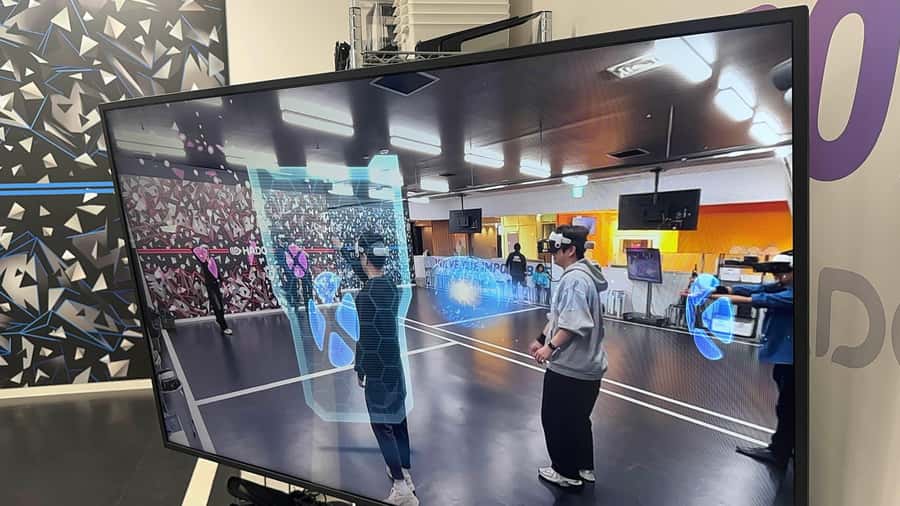
HADO is a Japan-born AR activity where your hands become energy tools, and you dodge and jump like you’re inside a TV game world. I like that it’s rain-proof indoor fun, so your Tokyo day doesn’t need to bend around weather. I also like the competitive credibility: HADO traces back to Japan and has world championships, so this isn’t just a novelty demo.
The one catch is practical: the meeting point inside a larger building can be tricky to locate, especially if you arrive a bit late or don’t have clear directions.
In This Review
- Key things to know before you play HADO
- HADO in Tokyo: what the AR dodgeball game actually feels like
- Timing and how the session fits: 30 minutes, weekdays only window
- What happens during your AR session: shoes, briefing, then game play
- Who should go: families, kids, and adults new to AR
- Price and value: is 3,000 yen worth it?
- Where it is and how to avoid the location headache
- Why HADO’s AR experience is fun (not just a tech demo)
- Should you book HADO in Tokyo?
- FAQ
- What is HADO?
- How long is the experience?
- Where does the activity take place and where do I meet?
- What’s included with the ticket?
- Is there an instructor and will beginners be okay?
- What languages are available?
- Is it suitable for young children?
Key things to know before you play HADO
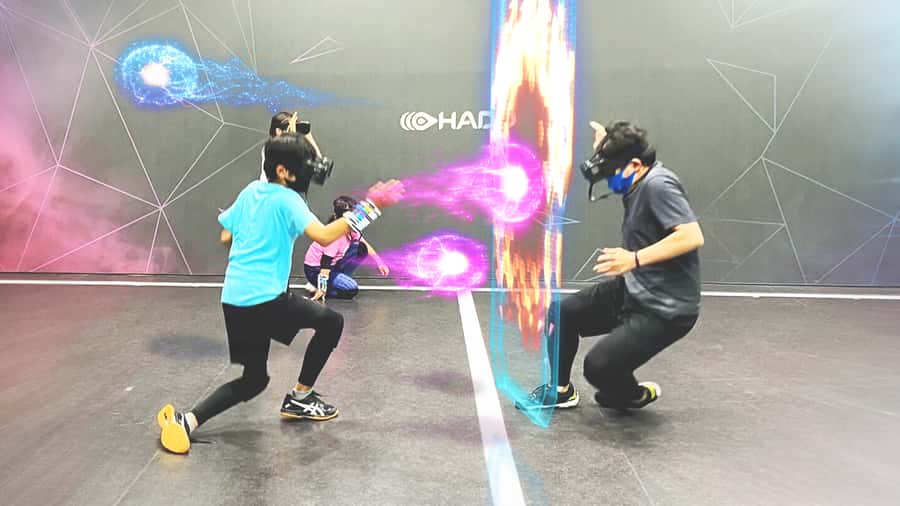
- AR hand beams + real movement: you’re not just watching screens; you’re dodging, jumping, and reacting fast.
- Small groups (max 6 people): you get more instructor attention and less waiting around.
- English instruction: an instructor teaches the rules and shows you how to play before you start.
- 30 minutes total: a focused session that fits easily into a sightseeing schedule.
- Family-friendly age rules: kids can play, but the youngest group needs parent support.
- Indoor and all-weather: go anytime without checking the forecast.
HADO in Tokyo: what the AR dodgeball game actually feels like
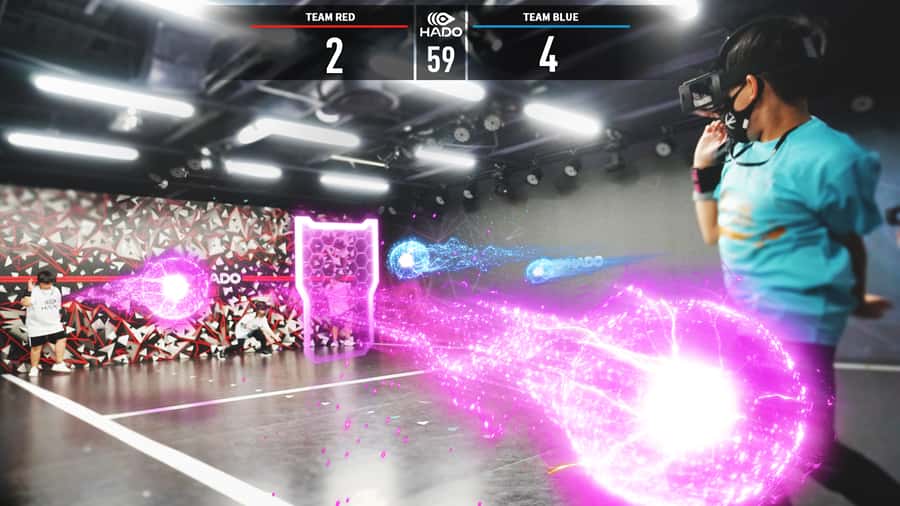
HADO is best understood as dodgeball plus AR tech. You’ll move around a playing area while the system tracks you and projects game effects that look like energy balls and targets in the action. The big appeal is that your body is part of the control system. When the beams are in play, you’re not passively entertained—you’re actively trying to dodge, react, and throw your hands into the game.
What makes it feel special in a Tokyo context is that it’s playful but built with serious game mechanics. Since HADO originated in Japan and has world championships, the experience is designed like a real competition activity, not a loose gimmick. Even if you’ve never played anything like it, the structure helps you get up to speed quickly.
And yes, it’s exciting for kids and adults. Adults get that game-world adrenaline. Kids get the immediate fun of making stuff happen with their hands.
Readers booked these Tokyo options in the same breath. Here is how each one scored:
- Mt Fuji and Hakone 1-Day Bus Tour Return by Bullet Train
★ 5.0 · 26,383 reviews - 1-Day Tokyo Bus Tour
★ 5.0 · 14,250 reviews - Tokyo: teamLab Planets TOKYO Digital Art Museum Entry Ticket
★ 4.6 · 9,779 reviews - Mt Fuji & Hakone Cruise, Drum Show Bullet Train 1 Day from Tokyo
★ 4.0 · 7,413 reviews
Timing and how the session fits: 30 minutes, weekdays only window
You’re booking a 30-minute experience inside a studio setting. The available time window shown is weekdays from 14:00 to 21:00, so plan your day around that schedule rather than assuming you can go at any hour.
Because the activity itself is only half an hour, I see it as a smart add-on, not a full-day commitment. If you’re building a Tokyo itinerary with temples, neighborhoods, and food stops, HADO works like a short burst of energy. It’s especially helpful if you have a day where your motivation might dip due to rain or crowds.
Group size also matters for timing. With a maximum of 6 people, you’re less likely to get stuck waiting through long rounds. The session is paced so beginners can catch on without feeling left behind.
What happens during your AR session: shoes, briefing, then game play
Here’s the flow you should expect, based on what’s included and how the activity is run:
First, you’ll check in at a meeting point that can vary by booking option. The session ends back at the same meeting point, so you’re not dealing with a complicated drop-off puzzle.
Next, you’ll put on the included indoor shoes. This is a small detail, but it’s a big comfort factor. Indoor AR play can involve quick steps and dodges, so good grip and proper footwear keeps things smoother and safer.
Then comes the key part: the instructor. Before any match starts, the instructor teaches you the rules and shows you how to play. This instruction isn’t vague. It’s designed so beginners and first-time kids can get used to the mechanics after one match. That tells you they expect newcomers—so don’t worry if you feel awkward at the start.
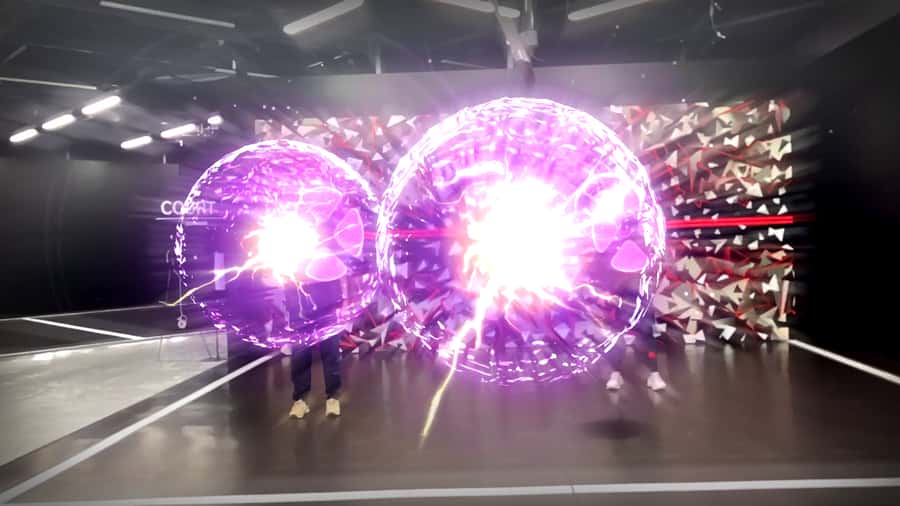
After the briefing and example play, you’ll jump in for your 30-minute session with your group. The whole point is that energy balls and game effects show up in the playing area, and you react physically. Expect to laugh at yourself when you miss the timing, then adjust quickly.
Who should go: families, kids, and adults new to AR

HADO is explicitly built to work for a range of ages. The activity isn’t suitable for children under 5. For ages 5–6, the rule is that they must be accompanied by a parent. For age 7 and over, kids can experience it by themselves.
That setup makes this an easy choice for family travel because you don’t have to guess whether your child will be able to handle the experience. You just match the age rule and show up ready to move.
Adults often worry about looking silly. Here’s the good news: the game is designed for beginners, and the instructor teaches the rules first. A first match is part of the learning process, not a test. So you can focus on the fun—dodge, beam, jump—without the stress of being the only person who doesn’t know what’s going on.
This is also a great choice if you’re traveling with mixed ages. A parent can play too, while the other adult helps steer the family into the action. The AR format keeps things interesting even if someone doesn’t want to run around outside all day.
Price and value: is 3,000 yen worth it?

The price listed is 3,000 yen per person (about $20). For an activity, that’s not “cheap,” but it’s also not inflated compared with what you’d pay for many short, instructor-led experiences in big cities.
Here’s why I think the value makes sense:
- You get an instructor who teaches rules and shows play, not just a self-guided setup.
- The group size is capped at 6, so you’re not just one face in a crowd.
- You get included indoor shoes, which is one less thing to plan.
- The session is a clear 30 minutes, so you’re paying for focused activity time, not waiting.
If you’re comparing it to other paid entertainment in Tokyo, the best way to judge value is by your goal. If you want a fast, indoor, energetic experience that works even on rainy days, this fits. If you prefer long, immersive museum-style time blocks, HADO might feel short. But if you want motion and a game you can actually participate in, 30 minutes is plenty to leave with a strong memory.
- Tokyo: Shinjuku Food Tour (13 Dishes at 4 Local Eateries)★ 5.0 · 6,603 reviews
- Tokyo Mt Fuji 5th St & Hakone Cruise Bus Tour w/Bullet Train★ 4.4 · 5,024 reviews
- Flagship 2-Hours Official Street Go-Kart Tour – Tokyo Bay Shop★ 5.0 · 4,974 reviews
- From Tokyo: Mount Fuji Full-Day Sightseeing Trip★ 4.5 · 4,970 reviews
- Tokyo: Hop-On Hop-Off Sightseeing Bus Ticket★ 3.9 · 4,207 reviews
Where it is and how to avoid the location headache

One practical tip based on real-world experience: the venue can be hard to find inside a building. So plan for that.
Since the meeting point can vary by option booked, I recommend doing two things:
- Confirm your exact meeting point details before you leave your hotel.
- Build in a little extra buffer time so you can locate the correct entrance or check the signage without rushing.
Tokyo buildings can be confusing if you arrive just at the start time. Studios and activity spaces are often tucked inside larger complexes, and it can take a minute to spot the right door.
Once you find it, the rest is straightforward. You check in, get indoor shoes, meet the instructor, and then you’re playing. The activity ends back at the meeting point, so you won’t have to retrace your steps or puzzle out transit from a separate location.
Why HADO’s AR experience is fun (not just a tech demo)
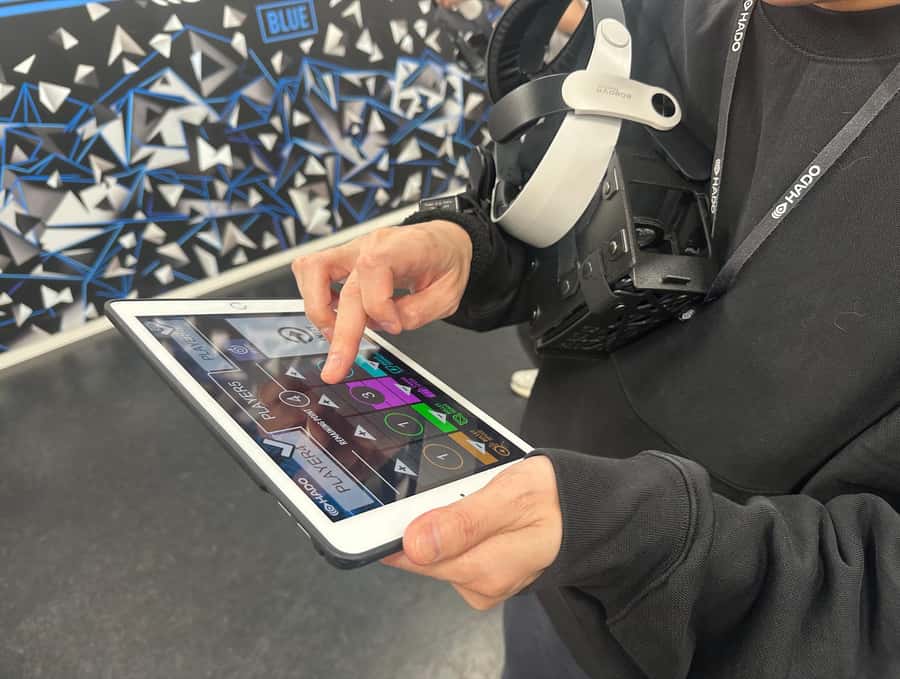
A good AR activity has to do more than look cool on a phone. HADO’s strength is that the technology creates a reason for you to move. The energy beams from your hands become part of the action, and the goal is tied to reaction—dodge, jump, and time your moves as the effects come at you.
That matters because it changes the vibe. Instead of standing around, you’re part of the gameplay loop. The activity has that game-world feel where you temporarily stop thinking about real life and start thinking in split-second decisions.
I also like the fact that it’s an indoor activity you can enjoy even on rainy days. Tokyo rain can put a dent in long walks and outdoor plans. HADO gives you a controlled environment that still feels playful and energetic.
And since HADO has world championships, there’s a sense that the system is tested and refined. Even if you’re not chasing competition, that background usually shows up in smoother rules and better pacing.
Should you book HADO in Tokyo?
Book it if you want:
- Indoor, rainy-day friendly fun
- An activity where you actually move, not just watch
- A game-style experience that works for both adults and kids
- A short 30-minute commitment that fits into a sightseeing day
Skip it if:
- You’re looking for a long, sit-down cultural experience
- You dislike physical play or reaction-based games
- You’re traveling with children under 5 (since it isn’t suitable)
If you’re on the fence, the deciding factor should be this: do you want a quick burst of AR game action with an instructor and a small group? If yes, HADO is a smart bet for Tokyo, especially when the weather or crowds make you rethink your outdoor plans.
FAQ
What is HADO?
HADO is an AR activity where you use hand beams and play a dodge-and-react style game in a designated indoor field. You can expect energy effects and gameplay that feels like a TV or game world.
How long is the experience?
The experience time is 30 minutes.
Where does the activity take place and where do I meet?
The meeting point can vary depending on the option you book. The activity ends back at the same meeting point.
What’s included with the ticket?
Your ticket includes the HADO experience and indoor shoes.
Is there an instructor and will beginners be okay?
Yes. An instructor is present before the match to teach the rules and show you how to play. Even first-timers and children should get used to it after one match.
What languages are available?
The activity is offered in English.
Is it suitable for young children?
It is not suitable for children under 5. Children aged 5–6 must be accompanied by a parent, while children aged 7 and over can experience it by themselves.
More Tour Reviews in Tokyo
- Mt Fuji and Hakone 1-Day Bus Tour Return by Bullet Train
★ 5.0 · 26,383 reviews - 1-Day Tokyo Bus Tour
★ 5.0 · 14,250 reviews - Tokyo: teamLab Planets TOKYO Digital Art Museum Entry Ticket
★ 4.6 · 9,779 reviews - Mt Fuji & Hakone Cruise, Drum Show Bullet Train 1 Day from Tokyo
★ 4.0 · 7,413 reviews - Tokyo: Shinjuku Food Tour (13 Dishes at 4 Local Eateries)
★ 5.0 · 6,603 reviews





