
Reviewed · TOKYO
Tokyo : Authentic Soba Noodle Making Experience
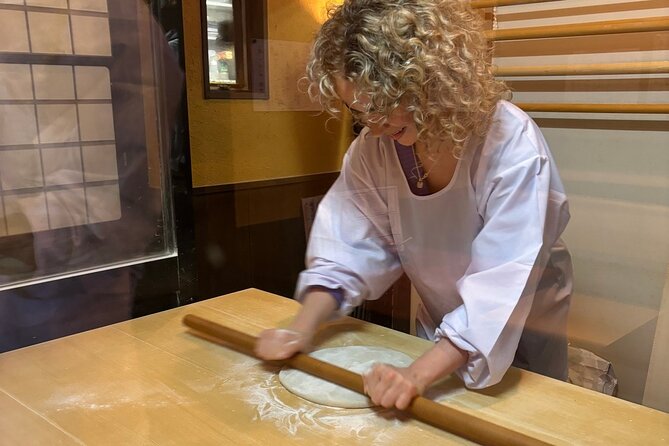
Fresh soba dough beats watching any TV show. In Tokyo, this hands-on soba-making workshop lets you mix, knead, roll, and cut buckwheat dough under a soba master’s eye, and I love that you’re not just watching. I also love the chef-made comparison, since you get to taste both noodles made by you and noodles prepared by the chef, so you can really understand texture and thickness. One important consideration: this class uses buckwheat flour plus flour, so it’s not for people with buckwheat, wheat, or soy allergies.
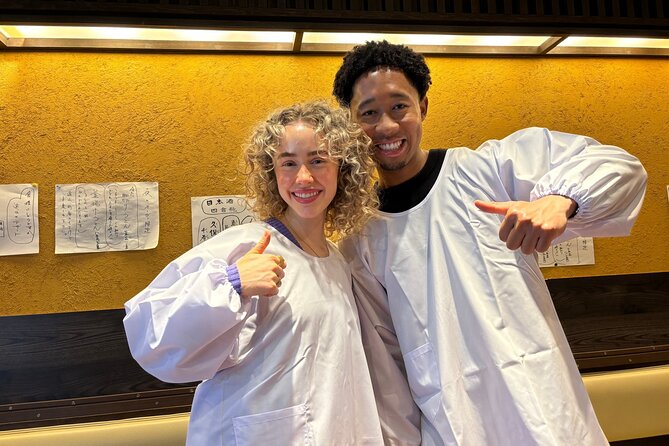
You’ll get a real, working-restaurant feel, not a staged demo room. The group stays small (up to 6), and there’s an English-speaking guide to keep things smooth and to help you ask questions while you’re elbow-deep in dough. You should also plan on clothes that can handle flour and a little mess, even though an apron is provided.
At about $154 per person for 2 hours, it’s not a budget activity, but it’s a rare one where you leave with actual skills and fresh noodles in hand. If you want a hands-on food experience in Tokyo that feels authentic and not touristy, this is one of the better bets.
In This Review
- Key Things I’d Put on Your Radar
- The Real Deal: What This Soba Workshop Feels Like
- Where You Meet and How the Timing Works in Tokyo
- Inside the Working Soba Restaurant: The Setup You’ll Appreciate
- The Hands-On Part: Mixing, Kneading, Rolling, and Cutting
- Cooking the Fresh Noodles (and Why Fresh Matters)
- What You’ll Eat: Cold Dipping Soba and Tempura-Style Extras
- Your Guide and the Q&A Moment: Making It Click in English
- What’s Included (and How to Think About the Price)
- Practical Notes: Clothing, Allergies, and Who This Fits
- Should You Book This Tokyo Soba Noodle Making Experience?
- FAQ
- How long is the soba noodle making experience?
- What is the group size limit?
- Where do I meet the guide?
- Is the tour private?
- Is there an English-speaking guide?
- Can vegetarians join?
- Can I join if I have a food allergy?
- What should I wear?
- Is the experience wheelchair accessible?
- What is included in the price?
Key Things I’d Put on Your Radar
- Soba master-led, hands-on dough work that goes beyond a quick mixing lesson
- Chef-made versus your noodles, so you can taste the difference yourself
- Small group of 6 with an English-speaking guide for real back-and-forth
- Working soba restaurant setup, including a dedicated group space during breaks
- Cold dipping soba tasting on site, often with tempura alongside
The Real Deal: What This Soba Workshop Feels Like
Tokyo has no shortage of food experiences, but this one targets a very specific skill: making soba noodles properly, from dough to plate. You’re learning in the environment where soba is actually made and served, which changes the whole vibe. It’s louder, busier at the restaurant level, and more grounded in how the process really works.
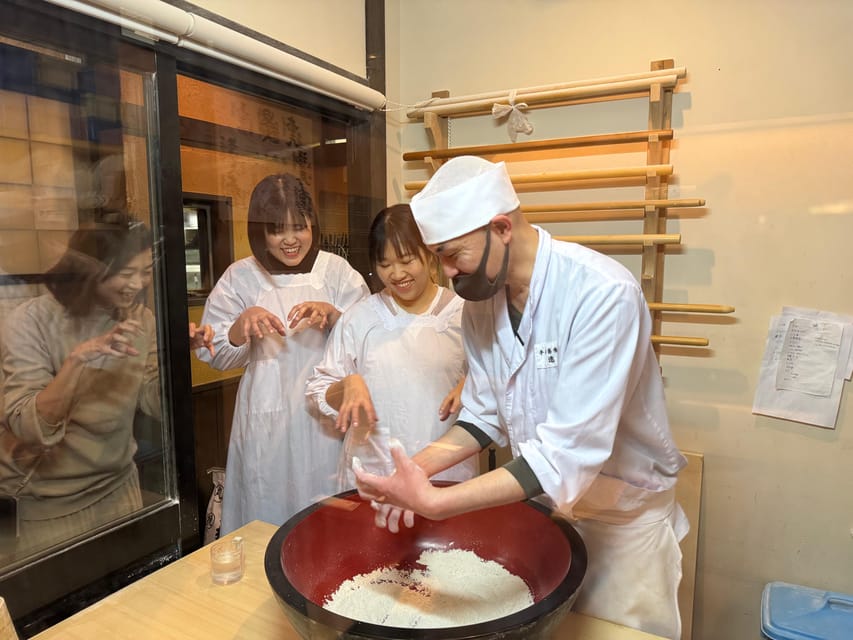
What I like is that you’re not stuck in a “stand there and look” role. You get to use the master’s workspace and professional utensils, then do the key steps yourself. That hands-on element is where the value is hiding.
This is also a culture-forward experience, not just a technique class. You’ll learn about soba-cooking and Japanese food culture as you go, with your English-speaking guide helping you connect what you’re doing to why it matters.
Readers booked these Tokyo options in the same breath. Here is how each one scored:
- Mt Fuji and Hakone 1-Day Bus Tour Return by Bullet Train
★ 5.0 · 26,383 reviews - 1-Day Tokyo Bus Tour
★ 5.0 · 14,250 reviews - Tokyo: teamLab Planets TOKYO Digital Art Museum Entry Ticket
★ 4.6 · 9,779 reviews - Mt Fuji & Hakone Cruise, Drum Show Bullet Train 1 Day from Tokyo
★ 4.0 · 7,413 reviews
Where You Meet and How the Timing Works in Tokyo
You’ll meet near Nippori Station, taking about a one-minute walk to a McDonald’s. Then you look for your guide holding a signboard. It’s simple, but it’s also one of those small details that can save you stress—show up a bit early and you won’t have to hunt.
The total time is 2 hours. That matters because you’ll be moving through the stages at a working pace: mixing, kneading, rolling, cutting, cooking, and tasting, without long downtime. If you’re the kind of person who gets antsy waiting around, this schedule helps.
And because the activity ends back at the meeting point, you’re not stuck figuring out transport afterward. You’ll have a clear finish line.
Inside the Working Soba Restaurant: The Setup You’ll Appreciate
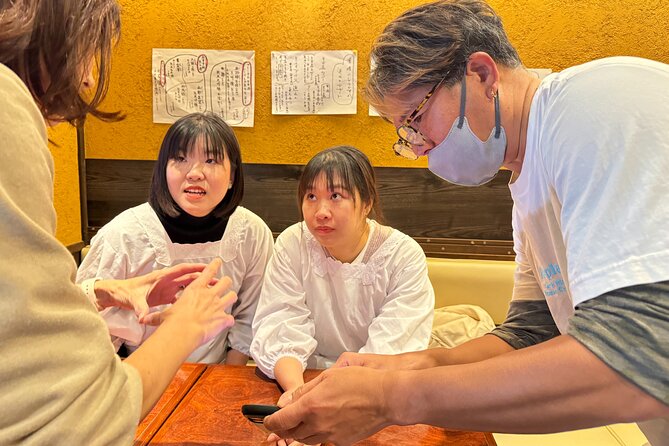
This isn’t a private cooking school room. The experience takes place in a real soba restaurant, and the group is given a dedicated space during breaks. Practically, that means you’re experiencing how a restaurant operates, even while your session has its own pocket of attention.
Another quiet win: the workshop includes instruction on how to use the work area and cooking utensils. That’s important, because soba isn’t just about taste—it’s about handling dough and using tools correctly. When you get to use professional gear, your results depend less on luck.
Small-group limits (up to 6 people) also help here. You can actually ask questions, and you’re not squeezed into a line where everyone rushes through the same motion.
The Hands-On Part: Mixing, Kneading, Rolling, and Cutting
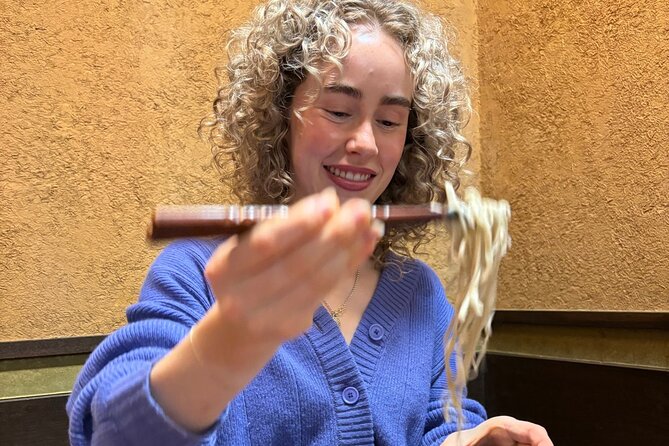
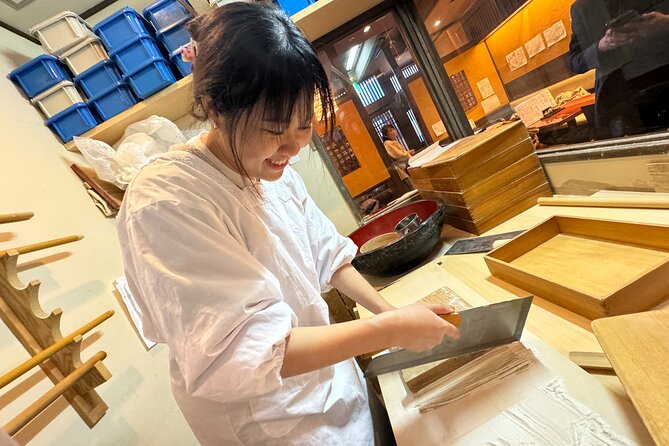
This workshop’s core is the dough work. You’ll learn how to handle buckwheat noodle dough, then do it yourself at the master’s workspace. Expect the steps to move from mixing to kneading, then rolling out and cutting into thin noodles.
Here’s what you’re really training for: thickness, evenness, and how the dough behaves under your hands. Fresh soba is sensitive. If the noodles are too thick, cooking and texture will feel different. If they’re uneven, the bite changes. Your goal isn’t perfection on the first try—it’s understanding what the master is aiming for.
Also, you’ll see how much work goes into noodles that seem simple once they’re on your plate. That transformation—dough to delicate strands—is the moment the class turns from “activity” into “skill.”
Cooking the Fresh Noodles (and Why Fresh Matters)
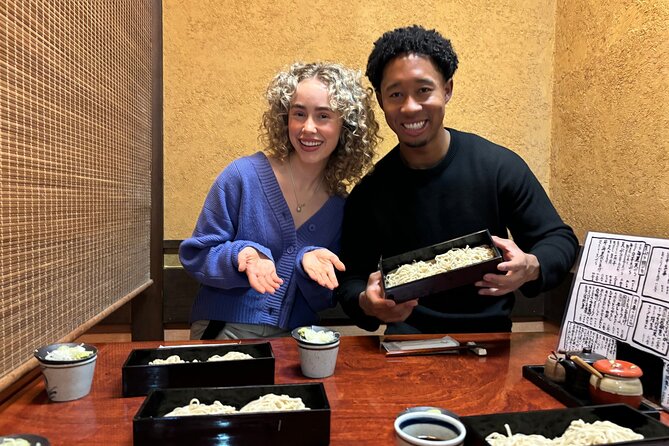
Once the noodles are cut, you’ll shift to cooking. The chef will show you how to cook the fresh noodles, and then you’ll get to enjoy what you made.
Fresh soba is a different animal than dried noodles. When soba is cooked on the spot, the texture lands closer to tender and springy, and the aroma feels more immediate. That’s part of why this experience is more satisfying than a hands-off food tour.
You’re also learning a cooking rhythm, not just a recipe. You’ll pick up why the noodles need careful timing and how you should watch the process rather than rely only on guesswork.
- Tokyo: Shinjuku Food Tour (13 Dishes at 4 Local Eateries)★ 5.0 · 6,603 reviews
- Tokyo Mt Fuji 5th St & Hakone Cruise Bus Tour w/Bullet Train★ 4.4 · 5,024 reviews
- Flagship 2-Hours Official Street Go-Kart Tour – Tokyo Bay Shop★ 5.0 · 4,974 reviews
- From Tokyo: Mount Fuji Full-Day Sightseeing Trip★ 4.5 · 4,970 reviews
- Tokyo: Hop-On Hop-Off Sightseeing Bus Ticket★ 3.9 · 4,207 reviews
What You’ll Eat: Cold Dipping Soba and Tempura-Style Extras
The tasting is one of the best payoff moments. You’ll get to try your own handmade soba right there, and you’ll also taste noodles prepared by the chef. That comparison is powerful because it tells you what to adjust next time.
In practice, the meal often comes as cold dipping soba, with a variety of tempura alongside. Even if you’re already a soba fan, there’s a special satisfaction in eating food that came from your own hands.
Keep your expectations practical: this is a restaurant meal tied to a class, not an endless tasting menu. The value is in the noodles you make and the lesson you take home with you.
Your Guide and the Q&A Moment: Making It Click in English
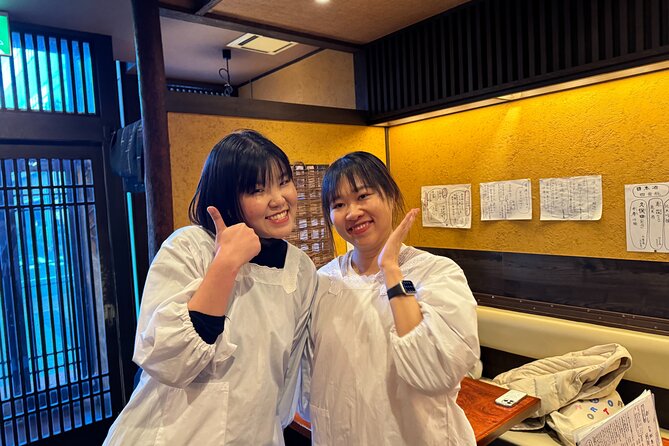
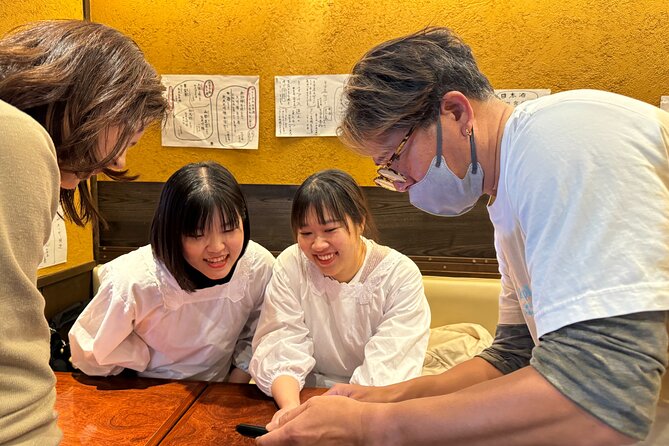
An English-speaking guide supports you throughout, and that changes how much you take away. Food classes can be frustrating when you miss the why behind the technique. Here, the guide helps connect your actions to soba-cooking logic and Japanese food culture.
In one session, the translator Rie was praised for being great, and another guide interpreter named Miho helped keep things clear while the chef explained the basics first. That matters because you’ll have time to ask questions while your hands are busy and while your mind is still fresh.
Also, the pacing often leaves room for a chat after the main cooking steps. That informal moment helps you understand what you should focus on if you ever try soba again at home.
What’s Included (and How to Think About the Price)
For $154 per person, you’re paying for more than ingredients. The price covers a tour guide, the ingredients for buckwheat noodles, instruction on using the work area and utensils, and the experience in a real soba restaurant with dedicated space for your group(s). You’re also getting a small group format, limited to 6 people, which keeps attention on you rather than on a crowd.
Is it pricey compared to eating a bowl of soba? Yes. But it’s closer to paying for a skill-building workshop than buying dinner. You’re leaving with a “how it works” understanding of dough handling and noodle preparation, plus the tasting comes from your own work.
What’s not included is additional food or drinks you order. So if you tend to want extra beer, soft drinks, or extra courses, budget a little extra.
If you’re traveling with someone, this can still be good value because both of you get your own hands-on turn. The experience isn’t private, but the ratio of guide-to-students stays manageable because of the small group limit.
Practical Notes: Clothing, Allergies, and Who This Fits
Before you book, check the allergy rules carefully. People allergic to buckwheat, wheat, or soybeans can’t participate. The workshop involves handling buckwheat flour and regular flour, so it’s not a “safe by avoiding it” situation.
Vegetarians are welcome, and you should let the operator know in advance if you have dietary restrictions. The data doesn’t list specific vegetarian substitutions, so the best move is to communicate early so they can plan the session safely.
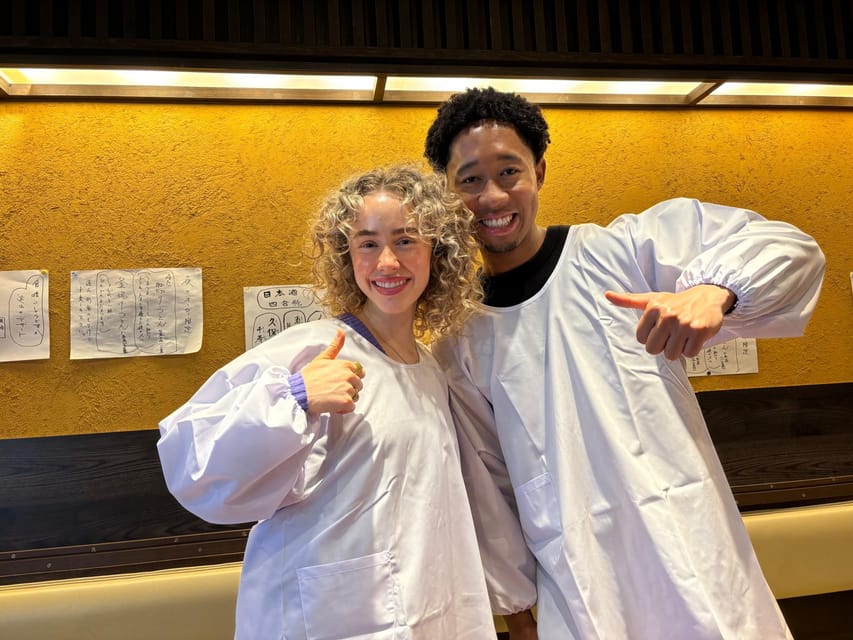
Wear clothes you don’t mind getting dirty. Aprons are provided, but flour has a way of finding the cracks in your life. Also note that it’s not suitable for wheelchair users.
If you love hands-on cooking, enjoy learning Japanese food techniques, and you want a small-group class with real restaurant context, you’ll likely feel right at home here. If you only want a quick snack and no mess, you might find it more work than you expected.
Should You Book This Tokyo Soba Noodle Making Experience?
I’d book it if you want a Tokyo food experience that gives you both taste and technique. The combination of a soba master-led session, small group size, English guidance, and on-site tasting is exactly what makes this worth considering.
Skip it if allergies apply, since buckwheat and related ingredients are part of the process. And if you’re not comfortable getting flour on your clothes, plan to treat this like a cooking workshop, not a neat cultural stop.
If you’re aiming for an authentic, practical class in central Tokyo food culture, this is a strong choice.
FAQ
How long is the soba noodle making experience?
It lasts about 2 hours.
What is the group size limit?
The tour is limited to a small group of up to 6 participants.
Where do I meet the guide?
You meet near Nippori Station. It’s about a 1-minute walk to the McDonald’s, and you should look for a guide holding a signboard.
Is the tour private?
No, it is not private.
Is there an English-speaking guide?
Yes, the guide is English-speaking.
Can vegetarians join?
Vegetarians are welcome. You should let the operator know in advance if you have dietary restrictions.
Can I join if I have a food allergy?
No. People with allergies such as buckwheat, wheat, and soybeans cannot participate.
What should I wear?
Wear clothes you don’t mind getting dirty, since you’ll handle buckwheat flour and flour. An apron is provided.
Is the experience wheelchair accessible?
It is not suitable for wheelchair users.
What is included in the price?
Included: a tour guide, ingredients for buckwheat noodles, instruction on using the work area and utensils, an experience in a real soba restaurant, and a dedicated space for the group during breaks.
More Tour Reviews in Tokyo
- Mt Fuji and Hakone 1-Day Bus Tour Return by Bullet Train
★ 5.0 · 26,383 reviews - 1-Day Tokyo Bus Tour
★ 5.0 · 14,250 reviews - Tokyo: teamLab Planets TOKYO Digital Art Museum Entry Ticket
★ 4.6 · 9,779 reviews - Mt Fuji & Hakone Cruise, Drum Show Bullet Train 1 Day from Tokyo
★ 4.0 · 7,413 reviews - Tokyo: Shinjuku Food Tour (13 Dishes at 4 Local Eateries)
★ 5.0 · 6,603 reviews





