
Reviewed · SHIBUYA EXPERIENCES
Tokyo: Best of Shibuya Food Tour
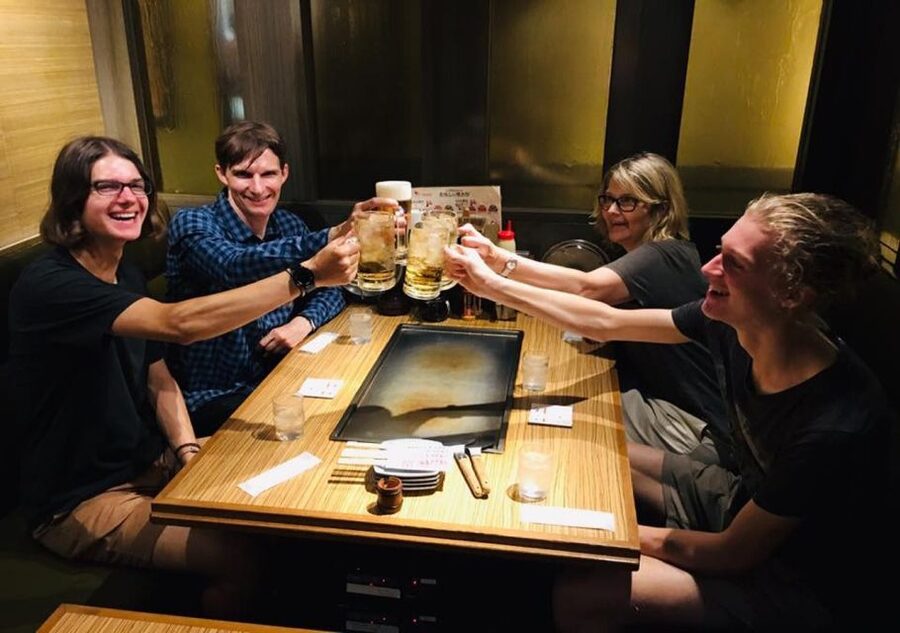
Shibuya has a lot of noise, but this tour has a plan. In just 3 hours, you walk past the obvious sights and eat your way through neighborhood streets where Tokyoites actually stop for a meal. The big win for me is that you get five food stops (not random snacks), plus 2 drinks and a dessert finish in a depachika.
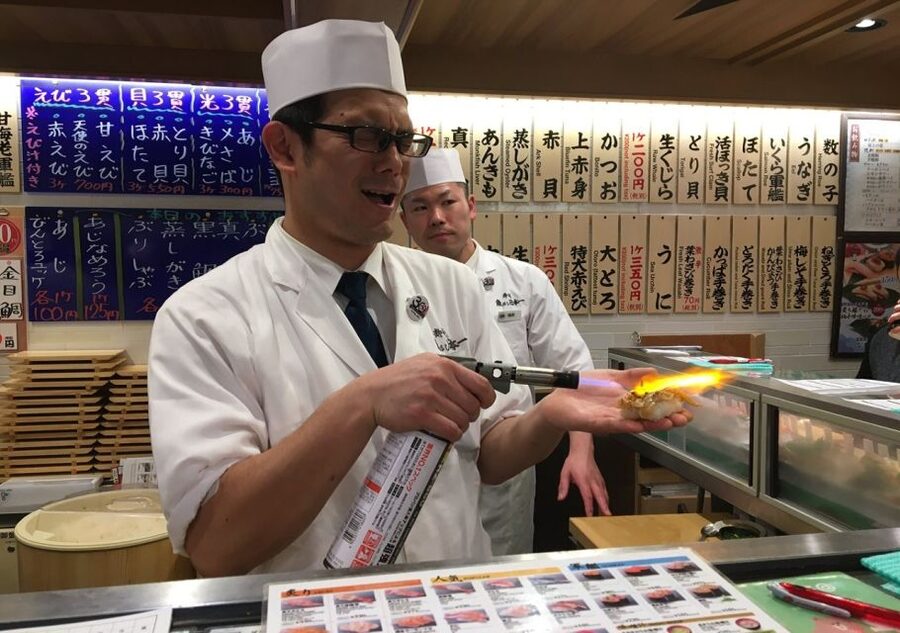
I also like how the tour is built around real variety. Expect everything from stand-up-style sushi spots to izakaya food, plus comfort classics like okonomiyaki and ramen, then a traditional sweet at the end. You’ll get stories as you walk—on local customs, what you’re eating, and how Shibuya’s food scene fits into everyday life.
One thing to consider: you may spend time standing or moving between tight restaurants, and the portions can add up fast. If you’re traveling with kids, have a sensitive stomach, or prefer lots of seating breaks, I’d plan your expectations accordingly.
In This Review
- Key things I’d circle on your map
- Shibuya, not just the Scramble: what this 3-hour walk gets you
- Meeting point at the Hachiko mural: the fast way to start
- The 5 food stops plus drinks: what you’ll likely taste and why it matters
- Backstreets, tiny entrances, and the depachika dessert finish
- Guides and small-group size: why the pace feels human
- Price and value: why $170 can still feel fair in Tokyo
- How to plan your day: shoes, walking, and what to wear
- Who should book this Shibuya food tour
- Should you book this Shibuya Food Tour?
- FAQ
- Where is the meeting point?
- How long is the tour?
- How many food stops are included?
- What’s included in the price?
- What is not included?
- Is the guide available in English?
- How big are the groups?
- Do I need a passport copy?
- Is there a cancellation deadline?
Key things I’d circle on your map
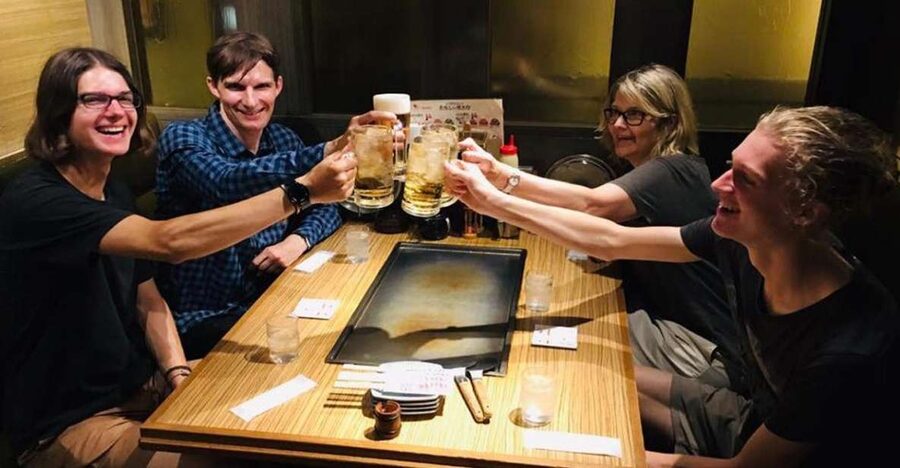
- 5 structured food stops that cover multiple Japanese styles, not just one cuisine
- English live guide with a small group size capped at 10
- Depachika dessert finale right in the Shibuya shopping world
- Backstreet route that helps you see Shibuya beyond the big intersection
- Meet at the Hachiko mural, not the statue crowd, for an easier start
Shibuya, not just the Scramble: what this 3-hour walk gets you
Shibuya can be overwhelming on day one. The famous crossing is loud, bright, and packed—but it tells you very little about how people actually eat. This tour is designed to fix that. You spend your time walking the surrounding lanes where small storefronts, tiny entrances, and food smells do the talking.
In practice, that means you’re not just ticking off sights. You’re learning what to look for. You start noticing the patterns—where locals queue, how restaurants tuck into side streets, and why depachika food halls matter so much in Tokyo. And because the tour is only 3 hours, it works even if you’re building a full itinerary for Tokyo and still want something memorable that isn’t another museum line.
You’re also getting a guided taste of Shibuya’s range. From savory meals to a sweet ending, the food choices help you understand why Japanese cuisine feels both familiar and endlessly regional. You’ll probably leave with more confidence ordering on your own later—plus a mental list of what to seek out again.
More booked around Shibuya Crossing
- Official Street Go-Kart in Shibuya
★ 5.0 · 3,435 reviews - Tokyo: Street Kart Experience in Shibuya
★ 4.9 · 1,484 reviews - Shibuya Meltdown Nightlife Tour: All-You-Can-Drink Bar Hopping
★ 5.0 · 1,058 reviews - Shibuya Official Street Go-Kart in Shibuya Annex
★ 5.0 · 972 reviews
Meeting point at the Hachiko mural: the fast way to start
Meeting logistics matter in Shibuya. This tour’s start is in front of the wall mural of Hachiko right outside the station, at the Hachiko exit. The detail that saves time: don’t aim for the most crowded statue of Hachiko. Instead, look for the colorful wall mural you can spot as soon as you come out.
Position yourself the right way: you should be facing the big intersection with the mural to your back. That direction helps you line up with where guides naturally gather people before moving as a group.
There’s also a strict timing reality. They can wait only five extra minutes after the starting time, and once the tour begins, you can’t rely on calling or getting directions by phone. So if you’re coming from a different line or you’re changing exits, give yourself extra buffer.
Small group tours run smoothly when everyone shows up on time. This one is set up that way on purpose.
The 5 food stops plus drinks: what you’ll likely taste and why it matters
The tour promises five food stops, with 2 drinks included, plus dessert to close. While exact items can vary, the overall “mix” is consistent in the way it’s described and in the kinds of meals guests highlight.
Here’s the practical picture of what those stops usually add up to:
1) A sushi stop (often stand-up style)
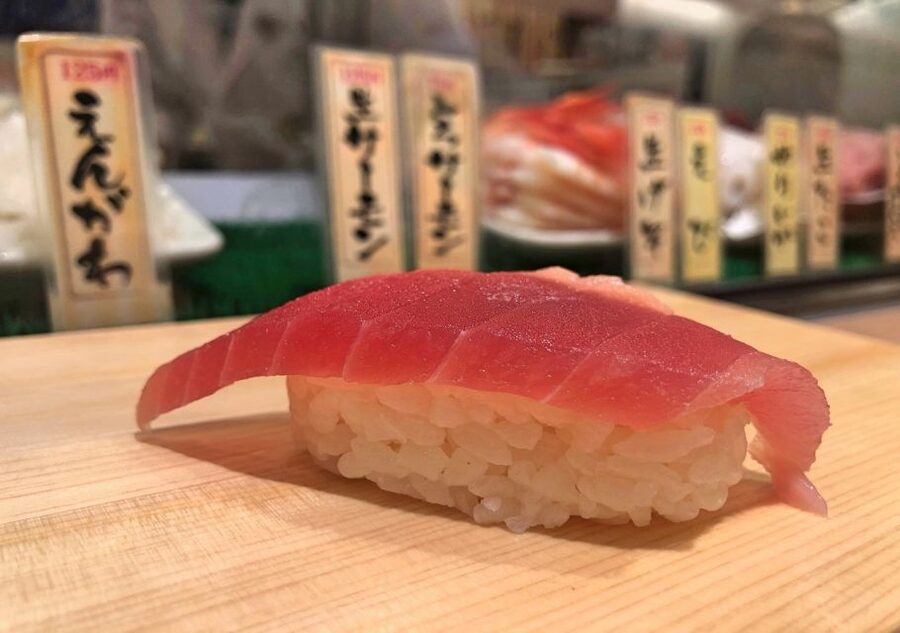
Multiple guide experiences point toward a sushi tasting at a small, sometimes standing-room restaurant. Sushi works well early in the route because it’s portioned enough to keep you moving, and it sets the tone for how quality is built—rice, fish, seasonings, and technique.
2) An izakaya stop for Japanese pub food
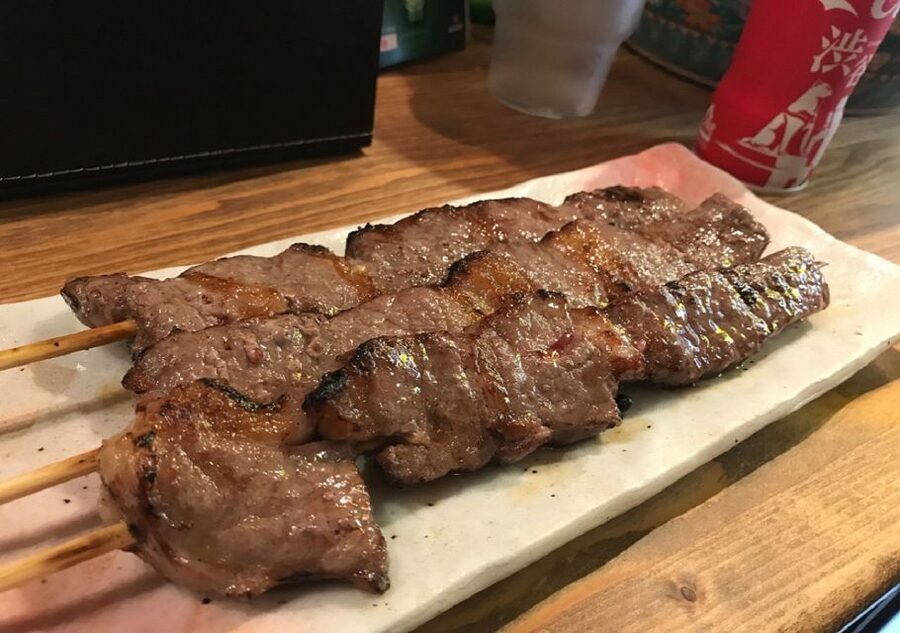
An izakaya meal is where Tokyo street dining becomes social. You’ll likely see comfort items and small plates meant for sharing. It’s also a good place to learn the rhythm of ordering in Japan—what you ask for, what pairs well, and how the meal flows.
3) A regional favorite like okonomiyaki
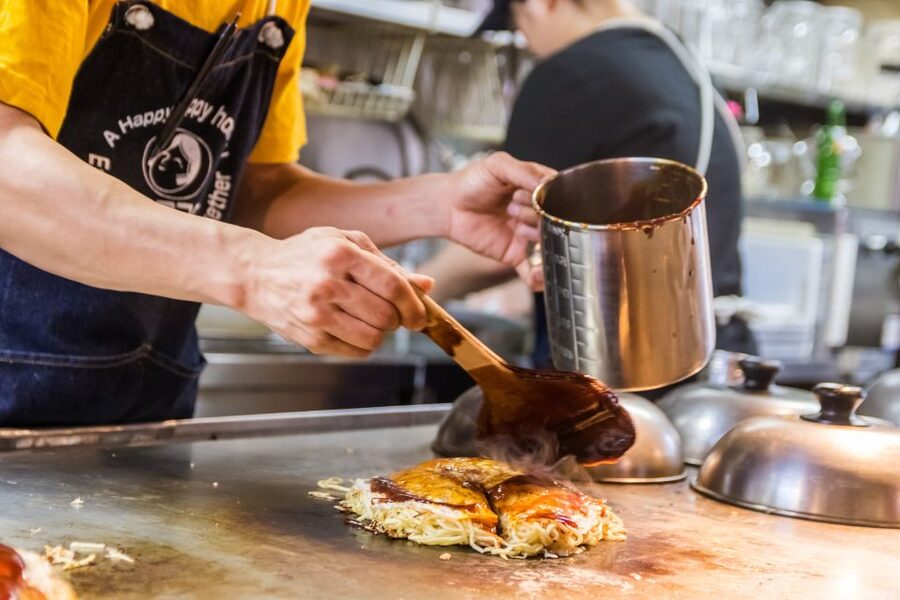
Okonomiyaki is described in the tour mix often enough that it’s safe to expect at least one savory griddle-style stop. The value here isn’t just flavor. It’s understanding the regional twist—how batter, toppings, and sauce choices create a different experience than what you might have had elsewhere.
4) A ramen street-style stop
Ramen shows up as another core stop type. You don’t just taste it; you learn what makes one style different from another and why certain toppings exist. It’s the kind of food where a guide’s context turns a bowl into something you can name and repeat later.
5) A final traditional dessert stop, plus depachika sweets
Dessert is part of what they’re selling: you end your tour with a sweet finish in a depachika. Depachika is Tokyo’s department-store underground food culture—structured, polished, and packed with seasonal treats. It’s a very Shibuya way to end: you’ve walked through side streets all evening, then you land somewhere that feels like a candy aisle with serious standards.
A quick note on portions. One review-style theme in the feedback you provided is that some guests feel the schedule can fill you up quickly. That doesn’t mean you’ll be overwhelmed—but it does mean you should eat lightly before you start, and don’t plan a big dinner right after.
Backstreets, tiny entrances, and the depachika dessert finish
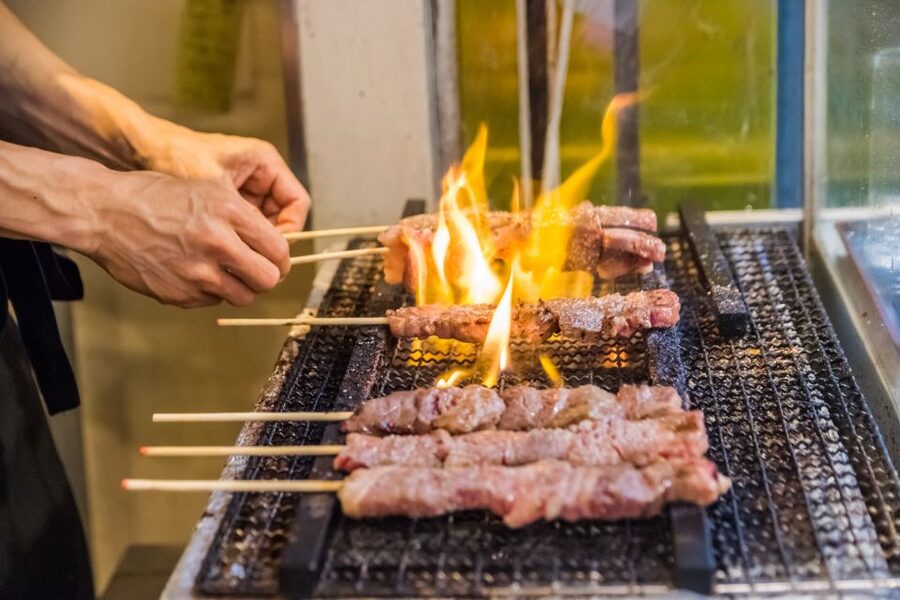
What makes this tour feel “worth it” is the sequence. You start outside the station and move away from the postcard version of Shibuya. You go into side streets and cozy entrances where the pace slows just enough to notice the details.
Even the way the stops are described hints at how you’ll experience them:
- The route takes you through alleyways and backstreets
- You’ll hear cooking in action—sizzle on grills and chatter around small dining rooms
- You end in a major food-shopping zone with dessert in a depachika
That ending matters. Depachika isn’t only about sweets. It’s about how food becomes a souvenir and a treat you buy for the next day, the next train ride, or a host gift. When the tour places dessert at the end, it gives you a clean mental reward: you’ve earned it, and it’s the kind of thing you can easily replicate later in your own planning.
Also, a small but useful tip: if you’re the kind of person who wants photos, Shibuya is built for it. Several guide experiences in the info you shared mention guides taking pictures along the way, which is handy if you’re trying to document food without constantly juggling your phone and chopsticks.
Guides and small-group size: why the pace feels human
This tour limits groups to 10 participants, and that matters more than it sounds. Food stops aren’t spacious in Tokyo. Small groups move faster, take less space inside tiny shops, and get more personal attention when ordering or when a dish needs explaining.
The guide is also consistently a big part of the experience in the feedback you provided. Names that come up include Alex, Serena, Jane, Saika, Dan, and Kumie. Across these accounts, the same patterns show up: friendly pacing, clear English, and the ability to answer questions about both food and daily life. One standout theme is flexibility—guides adjusting the plan for comfort, energy, and sometimes dietary needs.
Here’s the part you can use for your decision: if you’re new to Tokyo or you hate feeling lost, a guide helps you avoid the most common mistake—finding a restaurant you like but not knowing what to order or how to order. Even if you can read basic Japanese, a guide gives you “instant confidence” at every stop.
Readers also shortlisted these Tokyo bookings:
- Tokyo: Shinjuku Food Tour (13 Dishes at 4 Local Eateries)★ 5.0 · 6,603 reviews
- Tokyo Tsukiji Fish Market Food and Culture Walking Tour★ 5.0 · 3,184 reviews
- Tokyo: Shinjuku Food Tour (15 Dishes and 4 Eateries)★ 4.9 · 2,033 reviews
- Best of Shinjuku: Izakaya Food Tour (4 Stops, 14+ Tastings)★ 5.0 · 1,863 reviews
- Tokyo: Tsukiji Fish Market Food and Walking tour★ 5.0 · 1,724 reviews
Price and value: why $170 can still feel fair in Tokyo
The price is $170 per person for 3 hours, with multiple dishes, 2 drinks, and dessert included, plus a live English-speaking guide and a small group.
In Tokyo, food tours can get expensive fast because restaurants often charge more for organized tastings, and guides need time to secure stops that work for groups. What makes this one feel like solid value is the structure: five stops means you’re not paying for one big meal and four filler bites. You’re paying for a route that sequences different dining styles—sushi, izakaya-style eating, griddle food, ramen, then depachika sweets—so you walk away with a broader picture of Shibuya’s culinary identity.
Also, the “hidden cost” you save is planning. If you were doing this on your own, you’d spend time hunting down good places that match your tastes, navigating language gaps, and figuring out which meals are actually worth it. Paying for a guided route is often cheaper than paying for wasted dinners that don’t hit.
One caution: you need to show up hungry enough to enjoy the stops. If you eat a heavy lunch first, the tour may feel like too much. If you arrive with an empty stomach, the value turns into pure convenience.
How to plan your day: shoes, walking, and what to wear
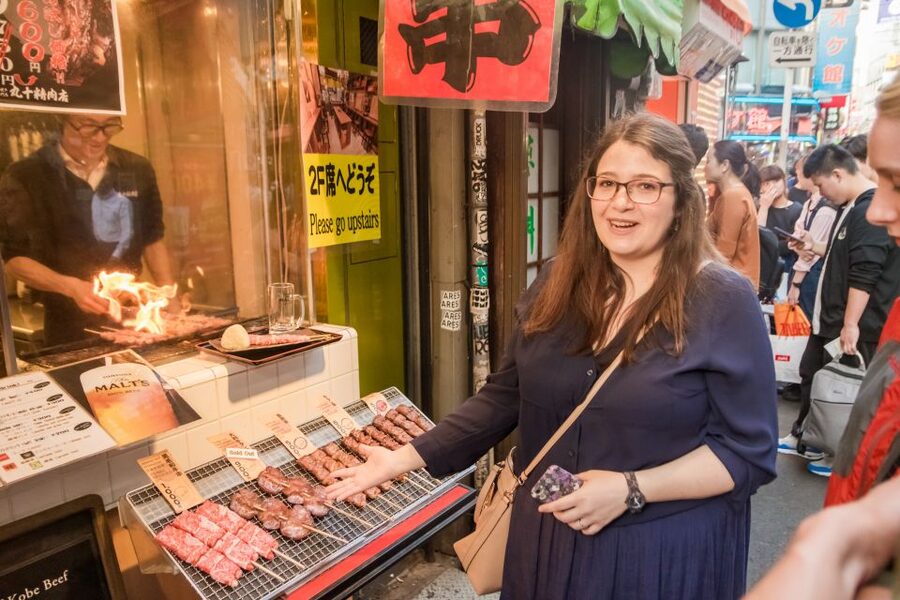
You’ll be walking in comfortable shoes mode. The tour spends time moving between restaurants and along side streets, and at least some stops may be more standing-focused than sit-down. That’s not a reason to skip it, but it is a reason to wear footwear that can handle Tokyo pavement without complaints.
A few practical planning tips based on what’s described and what guests highlight:
- Eat lightly beforehand so the five stops and dessert feel enjoyable, not forced
- Bring a passport (and be ready for a passport information copy requirement for participants aged 10 and over)
- Plan for a warm day or cold day depending on the season, since you’ll be outside between stops
- If you’re meeting right at the exit, give yourself extra time to orient to the correct Hachiko mural area
And if you’re someone who likes to shop after tours, ending at depachika is a gift. Your legs may feel it, but your snack brain gets rewarded.
Who should book this Shibuya food tour
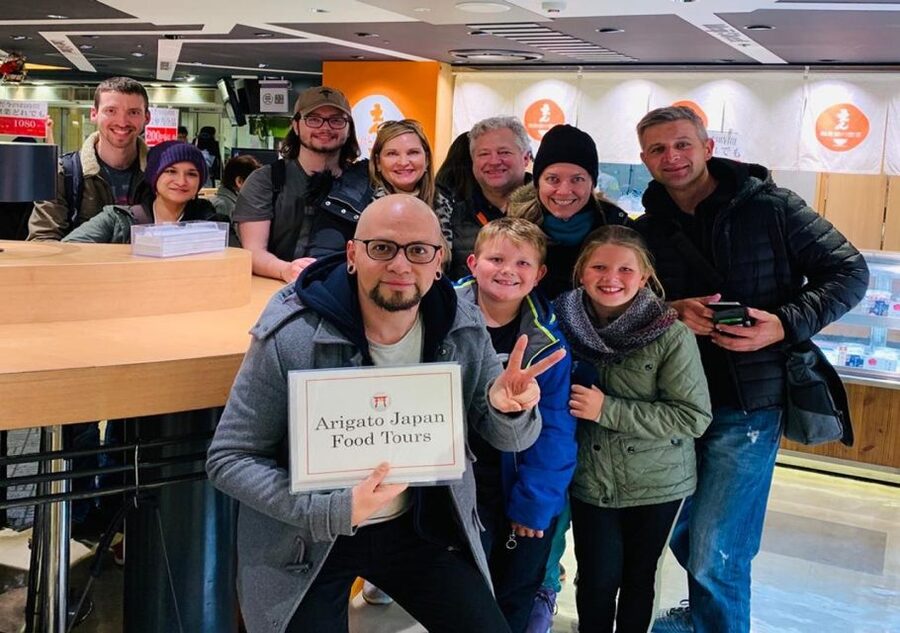
This is a strong fit if you want:
- A first-time introduction to Shibuya food that goes beyond the famous crossing
- A guided way to try multiple styles in one evening: sushi, izakaya-style bites, okonomiyaki, ramen, and traditional sweets
- A small group experience where you can ask questions and keep moving without getting swallowed by a large crowd
- A dessert finish at depachika, which is a very Tokyo way to end a food day
It may be less ideal if you:
- Need lots of seating breaks throughout a tour
- Want a completely relaxed pace with minimal walking
- Are very sensitive to crowds or standing-room restaurants (some stops can be tight)
For families, it can still work, especially when guides adjust pacing for kids. But you’ll want to bring patience for walking time and plan snack timing smartly.
Should you book this Shibuya Food Tour?
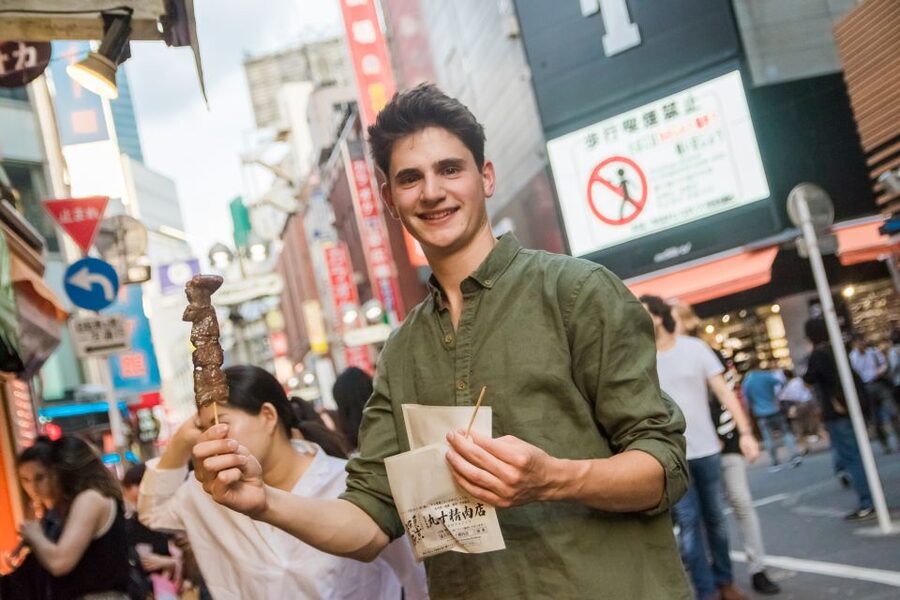
I’d book it if you’re planning a Tokyo trip and you want one evening that actually teaches you how Shibuya eats. The 5-stop structure, English guide, and depachika dessert finish create a “full circuit” of flavors and food culture in a short window.
Skip it (or swap for another option) if you hate standing, have mobility limits, or prefer very light tasting schedules. Also, if you’re prone to arriving late, this one’s strict start timing means you should be on time and ready to meet at the Hachiko mural.
If you want a reliable, food-first Shibuya plan with a guide who can connect dishes to daily life, this tour has the ingredients.
FAQ
Where is the meeting point?
Meet in front of the wall mural of Hachiko right outside the station at the Hachiko exit. Do not meet at the very crowded statue. Face the big intersection with the mural to your back.
How long is the tour?
The tour lasts 3 hours.
How many food stops are included?
You’ll visit 5 food stops, plus dessert at the end.
What’s included in the price?
Included are the variety of dishes at multiple food stops, 2 drinks, dessert, and a local English-speaking guide.
What is not included?
Hotel pick-up (available for an additional charge), gratuity, transportation costs, and any additional drinks or food you choose to purchase.
Is the guide available in English?
Yes. The guide is English-speaking.
How big are the groups?
It’s a small group limited to 10 participants.
Do I need a passport copy?
Yes. A copy of your passport information is required for all participants aged 10 and over.
Is there a cancellation deadline?
You can cancel up to 24 hours in advance for a full refund.
More Tours in Tokyo
- Mt Fuji and Hakone 1-Day Bus Tour Return by Bullet Train
★ 5.0 · 26,383 reviews - 1-Day Tokyo Bus Tour
★ 5.0 · 14,250 reviews - Tokyo: Shinjuku Food Tour (13 Dishes at 4 Local Eateries)
★ 5.0 · 6,603 reviews - Tokyo Mt Fuji 5th St & Hakone Cruise Bus Tour w/Bullet Train
★ 4.4 · 5,024 reviews - Flagship 2-Hours Official Street Go-Kart Tour – Tokyo Bay Shop
★ 5.0 · 4,974 reviews
More Tour Reviews in Tokyo
- Mt Fuji and Hakone 1-Day Bus Tour Return by Bullet Train
★ 5.0 · 26,383 reviews - 1-Day Tokyo Bus Tour
★ 5.0 · 14,250 reviews - Tokyo: teamLab Planets TOKYO Digital Art Museum Entry Ticket
★ 4.6 · 9,779 reviews - Mt Fuji & Hakone Cruise, Drum Show Bullet Train 1 Day from Tokyo
★ 4.0 · 7,413 reviews - Tokyo: Shinjuku Food Tour (13 Dishes at 4 Local Eateries)
★ 5.0 · 6,603 reviews
More Around Shibuya Crossing
- Official Street Go-Kart in Shibuya
★ 5.0 · 3,435 reviews - Tokyo: Street Kart Experience in Shibuya
★ 4.9 · 1,484 reviews - Shibuya Meltdown Nightlife Tour: All-You-Can-Drink Bar Hopping
★ 5.0 · 1,058 reviews - Shibuya Official Street Go-Kart in Shibuya Annex
★ 5.0 · 972 reviews - Tokyo: Shibuya Food Tour (13 dishes and 4 Eateries)
★ 5.0 · 770 reviews
Latest Tokyo reviews off our desk






Shibuya Experiences, compared.
 ★ 5.0Official Street Go-Kart in ShibuyaFrom $763,435 reviews
 ★ 4.9Street Kart Experience in ShibuyaFrom $741,484 reviews
 ★ 5.0Shibuya Meltdown Nightlife Tour: All-You-Can-Drink Bar HoppingFrom $1061,058 reviews
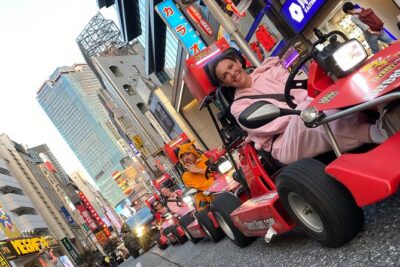 ★ 5.0Shibuya Official Street Go-Kart in Shibuya AnnexFrom $69972 reviews
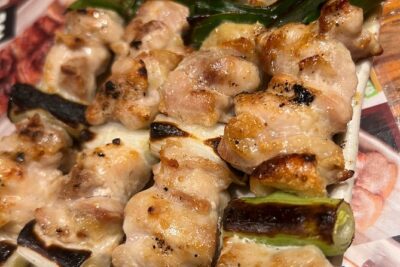 ★ 5.0Shibuya Food Tour (13 dishes and 4 Eateries)From $77770 reviews
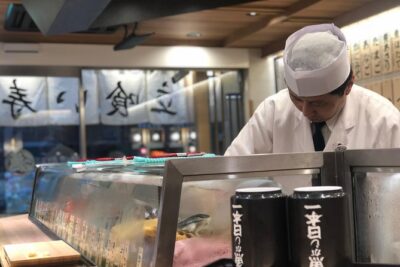 ★ 5.0Best of Shibuya Food TourFrom $217612 reviews
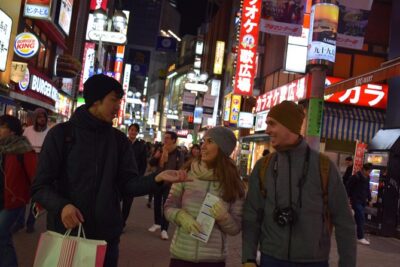 ★ 4.8Shibuya Highlights Walking TourFrom $19601 reviews
 ★ 4.7Premium Go-Kart Tour with Tower & Shibuya CrossingFrom $116528 reviews
Browse the lists this tour appears in