
Reviewed · TOURS
Tokyo: Buddhism and Shinto Temple Tour with a Real Local
Fire, prayers, and quiet rules this Tokyo tour teaches both. I really liked traveling with Manami Watanabe, a local guide born and raised in East Tokyo with a Ph.D., and I loved the practical fire ceremony etiquette and photography rules that most tours skip. The only real downside: you have strict limits on recording and photography inside temples and shrines, so bring your eyes, not your phone, for a lot of it.
This is a small-group walk through Monzen-nakacho, Shitamachi’s calmer side, mixing quick neighborhood stops with two major spiritual sites. You’ll get scene-by-scene context for what you’re seeing, plus a calm, respectful way to participate without turning it into a show.
In This Review
- Key highlights worth your time
- Entering Monzen-nakacho’s Shitamachi with a real local
- Meet Manami Watanabe and get Ph.D-level clarity on Buddhism vs Shinto
- Oyoko River and Tatsumi-shindo: how the tour sets the spiritual mood
- Naritasan Fukagawa Fudōdō fire ceremony: the rules and the respect part
- The seating choice that changes the whole vibe
- Etiquette mistakes to avoid
- Tomioka Hachimangu Shrine: goshuin, wish bars, and sumo ties
- Etiquette and photo rules that keep you respectful (and out of trouble)
- Price and timing: how $62 stacks up for value
- Who should book this temple and shrine tour in Tokyo
- Should you book this Monzen-nakacho spiritual tour?
- FAQ
- How long is the Tokyo Buddhism and Shinto Temple Tour?
- Where do we meet for the tour in Monzen-nakacho?
- What’s included in the tour price?
- Is anything optional and not included?
- Can I take photos or record video?
- What should I wear and bring?
- What should I expect during the fire ceremony?
- Is the tour suitable for kids or older adults?
Key highlights worth your time
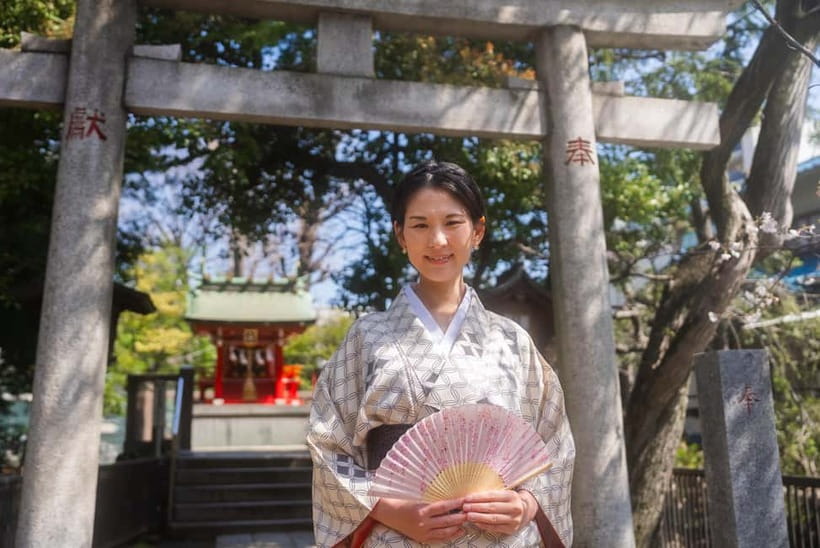
- Monzennakacho, Shitamachi-style East Tokyo: fewer tourist crowds, more local rhythm.
- Manami Watanabe’s Ph.D. angle: she connects Buddhism and Shinto to what people actually do day to day.
- Fukagawa Fudōdō fire ceremony, explained step-by-step: you’re not just watching fire and drums.
- Temple seating with respect in mind: the guide prioritizes Buddhist community needs over the best camera view.
- Clear etiquette that prevents mistakes: from how to sit to how to handle worship spaces.
- Tomioka Hachimangu shrine focus: goshuin stamps, wish bars, fortune paper, and Shinto symbols.
Entering Monzen-nakacho’s Shitamachi with a real local
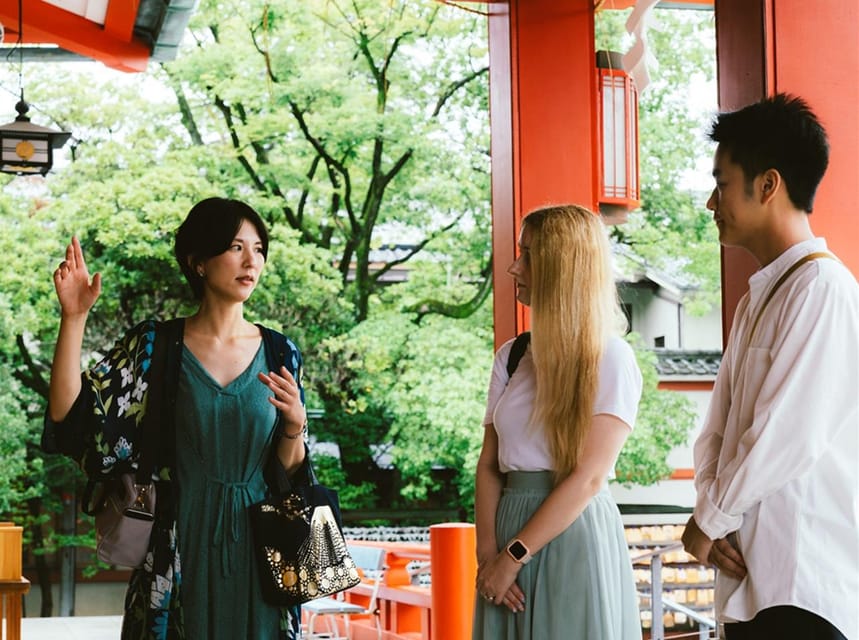
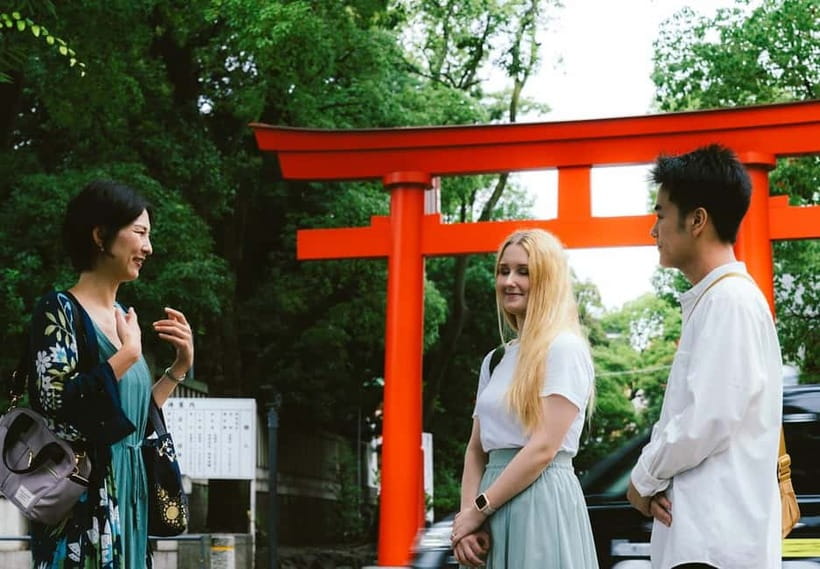
Tokyo has plenty of big-name temples. This one starts smaller, in Monzen-nakacho, a historic East Tokyo neighborhood people often miss when they only chase the famous skyline routes.
The walk begins at Monzen-nakacho Station (Exit 4). From there, I like the way the tour doesn’t jump straight to the most dramatic moment. First you get a short look at the Oyoko River area (about 10 minutes), then a stop at Tatsumi-shindo (another 10 minutes). These aren’t filler. They help you understand how spiritual places sit inside normal city life—close to streets, shops, and everyday routines.
The group stays small, limited to 6 participants, which matters here. Temple space can feel tight. A smaller group also makes it easier for Manami to answer your questions without steamrolling the pace.
And Manami’s approach is rooted in being from here. That shows in the tone of the explanations. Instead of sounding like a lecture, the tour reads like someone walking you through how local people think about these places and why they behave the way they do.
Readers booked these Tokyo options in the same breath. Here is how each one scored:
- Mt Fuji and Hakone 1-Day Bus Tour Return by Bullet Train
★ 5.0 · 26,383 reviews - 1-Day Tokyo Bus Tour
★ 5.0 · 14,250 reviews - Tokyo: teamLab Planets TOKYO Digital Art Museum Entry Ticket
★ 4.6 · 9,779 reviews - Mt Fuji & Hakone Cruise, Drum Show Bullet Train 1 Day from Tokyo
★ 4.0 · 7,413 reviews
Meet Manami Watanabe and get Ph.D-level clarity on Buddhism vs Shinto
The headline is religion, but what you’re really getting is how Japanese spirituality works in daily life. The tour is built around Buddhism and Shinto, and it keeps returning to a simple question: how can one city carry two different belief systems and still feel coherent to ordinary people?
Manami Watanabe is not just an enthusiast. She’s a local guide with a Ph.D. in cultural heritage protection, and you can feel the difference in how she explains terms and rituals. When she talks about what Buddhism emphasizes and what Shinto emphasizes, it doesn’t stay theoretical. She ties it to behavior you’ll see at shrines and temples—how people move, what they expect from visitors, and what matters to locals when they worship.
Two things I found especially useful:
- She explains how to interpret what you’re seeing without forcing Western categories onto it.
- She gives you etiquette in plain language—so you’re less likely to accidentally do something that feels disrespectful.
This is also where the tour distinguishes itself from the quick-hit style experiences. You’re not just passing photos through a camera lens. You’re learning the mental framework needed to understand why people do things in specific ways.
Oyoko River and Tatsumi-shindo: how the tour sets the spiritual mood
Those early stops at Oyoko River and Tatsumi-shindo are short, but they do real work. You’ll notice the tour’s pacing: it gradually shifts you from neighborhood life into ritual focus.
In many temple tours, you show up, hear a couple facts, then run to the main event. Here, you’re eased in. That matters because the big moments—the fire ceremony and shrine worship—can feel intense if you’re unprepared.
I also appreciate that the tour gives you context before asking you to be still and observant. The fire ritual later isn’t presented like theater. Instead, the guide helps you understand what you’re about to witness and how you should hold yourself while watching.
If you’re the type who likes the who-what-why of travel—why this place exists, why people behave a certain way—you’ll probably enjoy this section more than you’d expect. It’s not flashy. It’s useful.
Naritasan Fukagawa Fudōdō fire ceremony: the rules and the respect part
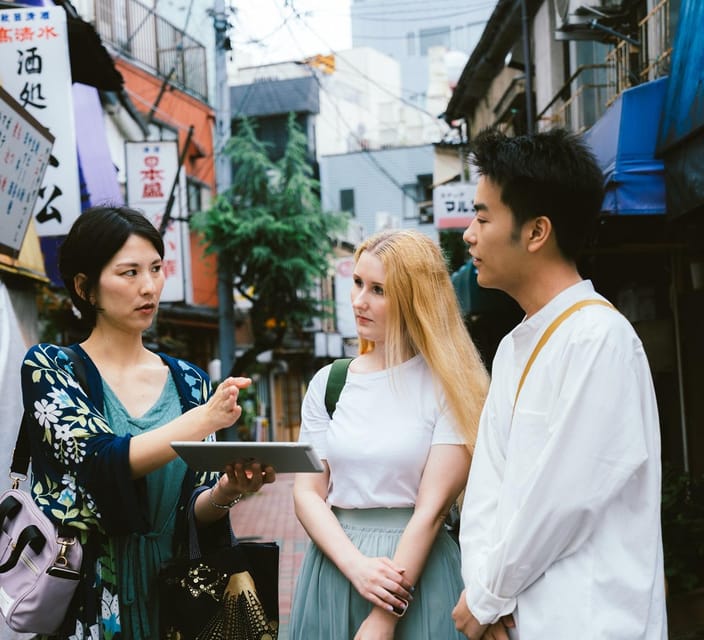
The main event is the Naritasan Fukagawa Fudōdō fire ceremony. The time block is about 40 minutes, and the structure is what makes it worth it.
First, you get scene-by-scene explanations. This isn’t just drums are loud, fire is hot. You’ll hear what’s happening and why, before the most intense moments arrive. You also get explanation sheets, so while you’re watching, you’re not guessing.
Then comes the key behavior: you observe the ritual in silence. That’s a big deal. It’s not asking you to be awkward. It’s asking you to treat the ceremony as serious worship and everyday practice for Buddhist people, not a stage performance built for visitors.
The seating choice that changes the whole vibe
Many tours optimize for the best view. This one takes a different approach. Instead of grabbing front-middle seats for the camera angle, the guide discusses why the best seats should be offered to the Buddhist community first. That means your viewing can be less “perfect” for photos—but the tour’s priorities feel correct.
I like this for two reasons:
- It reminds you that worship is for locals, not for your itinerary.
- It pushes you to experience the moment rather than just record it.
- Tokyo: Shinjuku Food Tour (13 Dishes at 4 Local Eateries)★ 5.0 · 6,603 reviews
- Tokyo Mt Fuji 5th St & Hakone Cruise Bus Tour w/Bullet Train★ 4.4 · 5,024 reviews
- Flagship 2-Hours Official Street Go-Kart Tour – Tokyo Bay Shop★ 5.0 · 4,974 reviews
- From Tokyo: Mount Fuji Full-Day Sightseeing Trip★ 4.5 · 4,970 reviews
- Tokyo: Hop-On Hop-Off Sightseeing Bus Ticket★ 3.9 · 4,207 reviews
Etiquette mistakes to avoid
The tour also covers small, practical rules that you won’t likely hear elsewhere. One example mentioned in the tour approach: crossing your legs at chairs is considered rude in this context toward Buddha and the monks. Whether you’re careful by nature or you’re worried you’ll mess up, this kind of guidance keeps you grounded.
You also get clear boundaries around what’s allowed during the ceremony, including strict limits on recording and photography inside worship spaces.
Bottom line: this is the kind of tour where you leave understanding how to be respectful, not just impressed.
Tomioka Hachimangu Shrine: goshuin, wish bars, and sumo ties
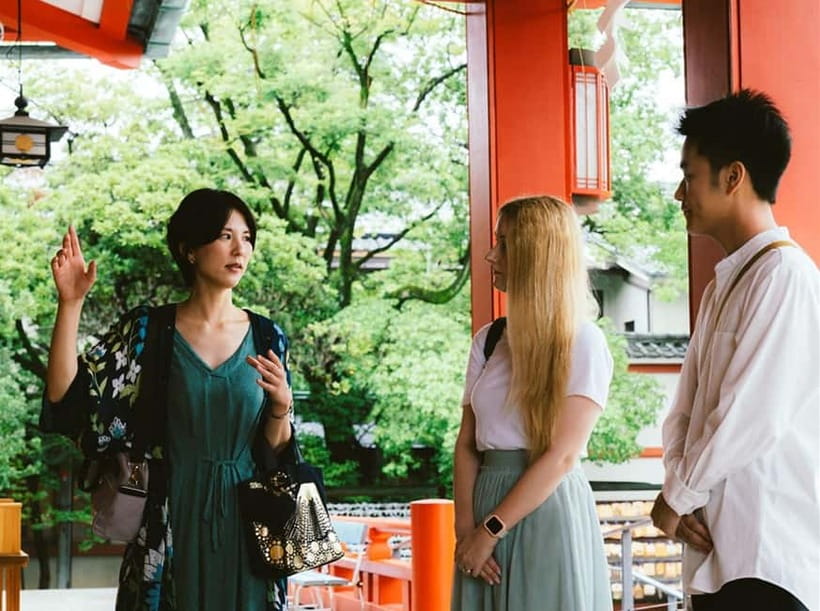
After the fire ceremony, you head to Tomioka Hachimangu Shrine for about 25 minutes.
This stop feels calmer, and that’s part of why it works. The tour shifts from intense Buddhist fire worship to Shinto shrine practices that involve symbols, wishes, and community stories.
Here’s what you’ll look for with Manami:
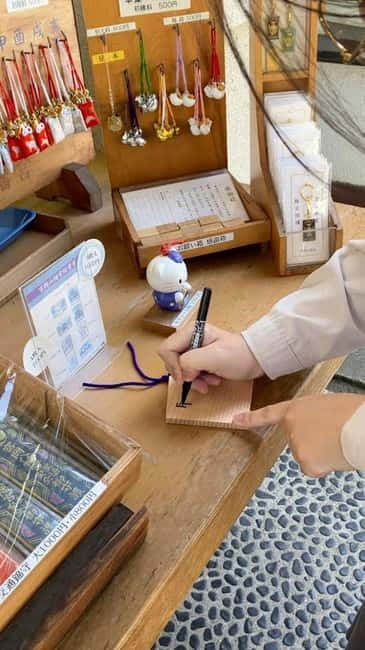
- White fortune-telling paper (the kind people use for predictions or readings)
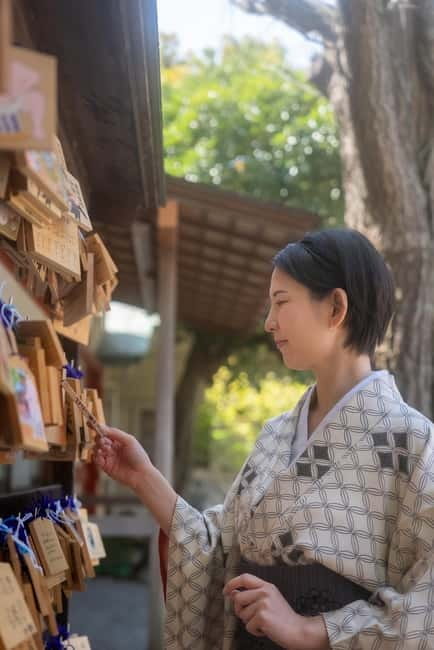
- Wooden wish bars
- goshuin stamps, which are shrine visiting seals you collect in many parts of Japan
- Shinto symbols, explained so you’re not just seeing patterns without meaning
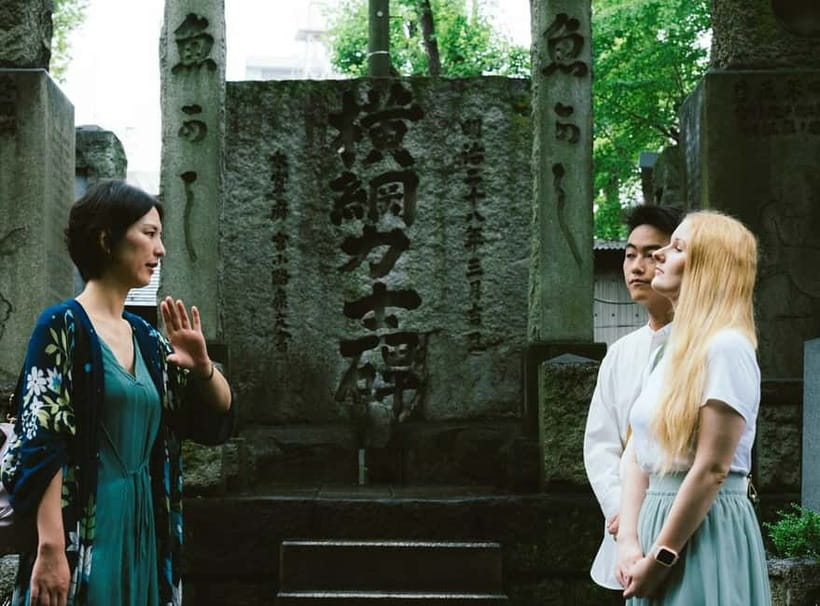
- The shrine’s connection to sake and sumo, including impressive sumo rocks
I especially liked the way this shrine visit links ritual objects to everyday cultural themes. Sumo isn’t only sports here—it shows up as part of what people associate with luck, strength, and tradition.
And Manami adds personal context through family stories tied to the place. That’s often what separates a tour from a script. It’s one thing to read about a shrine connection. It’s another to hear it explained through someone’s lived ties to the neighborhood.
Etiquette and photo rules that keep you respectful (and out of trouble)
This tour takes etiquette seriously, and the rules are clear. If you follow them, everything feels smoother—no frantic guessing, no accidental offense.
A few important items:
- You’ll need shoes removed indoors. The tour explicitly lists shoes indoors as not allowed, which usually means you’ll switch to slippers where provided.
- Clothing rules are part of the respect code. The tour lists no short skirts and no sleeveless shirts, plus restrictions against see-through clothing and hats.
- If you’re worried about your outfit, shawls are provided to cover shoulders or knees. That’s a practical kindness and worth paying attention to.
On the media side, the restrictions are firm:
- No video recording
- Photography inside is not allowed
- No audio recording
One way to think about this: don’t plan this tour as a content shoot. Plan it as a first-time orientation to how people behave in religious spaces. You’ll still take memories home—you just won’t “collect” your experience the same way.
Also, bring cash and drinks, and wear comfortable shoes. You’ll be moving between stops and standing during explanations.
Price and timing: how $62 stacks up for value
At $62 per person for 2 hours, the cost may feel specific. Here’s where I see the value.
First, the price includes admission fee to the fire ceremony at Fukagawa Fudōdō. That’s not always true on temple tours, where you sometimes pay extra at the gate.
Second, you’re paying for more than entry. You’re paying for:
- A Ph.D.-level explanation of Buddhism and Shinto concepts
- English live guiding
- A focus on etiquette and photography rules
- A small group format (max 6), which is genuinely helpful in worship spaces
Third, the tour is short enough to fit into a packed Tokyo schedule, but long enough to include multiple stops: quick neighborhood segments, the fire ceremony, and the shrine.
One logistics note: this tour has clear boundaries and observance rules. So you’ll get more value if you’re willing to follow instructions and treat the ceremony with respect, not just curiosity.
If you’re trying to plan with flexibility, the experience offers free cancellation up to 24 hours in advance and you can reserve then pay later.
Who should book this temple and shrine tour in Tokyo
This is a strong match if you want:
- A local-led Tokyo experience that focuses on how religion works in real life
- A clear, respectful approach to temple etiquette
- Step-by-step guidance for a ritual that many visitors only watch from the outside
- A small group where you can ask questions without feeling rushed
It’s also a good fit if you’re the type who likes details: photography rules, sitting posture norms, what goshuin means, why shrine symbols show up where they do.
Who should think twice:
- Anyone who struggles with strict rules around recording or indoor footwear
- People who want a purely visual, free-roaming photo tour
- Anyone who doesn’t like quiet observation during worship
The tour is not suitable for children under 5 and not suitable for people over 80.
Should you book this Monzen-nakacho spiritual tour?
If you’re deciding between a quick temple stop and something that teaches you how to act and understand what you’re seeing, I’d recommend booking this. The big reason is the fire ceremony approach: you get the context, the etiquette, and the respectful seating philosophy, not just fire and drums.
Also, the two-site format works. You don’t just experience one religion’s world. You get Buddhism first, then Shinto at Tomioka Hachimangu, with practical explanations for worship objects like wish bars and goshuin.
If strict rules sound annoying, this probably won’t feel fun. But if you want to do it right and come away with a real understanding—not just a photo set—this small-group tour hits the mark.
FAQ
How long is the Tokyo Buddhism and Shinto Temple Tour?
It lasts about 2 hours.
Where do we meet for the tour in Monzen-nakacho?
You meet outside Exit 4 of Monzen-nakacho Station (O-edo & Tozai lines), at the drug store called Kusuri no Fukutaro with a red sign banner.
What’s included in the tour price?
The price includes guided service, the admission fee for the Fukagawa Fudōdō fire ceremony, and a local host who speaks English. Shawls are also provided if you need to cover shoulders or knees.
Is anything optional and not included?
Small coins for throwing at the temple and shrine are optional and not included.
Can I take photos or record video?
No video recording is allowed, and photography inside is not allowed. Audio recording is also not allowed.
What should I wear and bring?
Wear comfortable shoes, and bring cash and drinks. The tour provides shawls for shoulder or knee coverage if needed. Avoid short skirts, sleeveless shirts, hats, and see-through clothing.
What should I expect during the fire ceremony?
You’ll watch the Naritasan Fukagawa Fudōdō fire ritual while following etiquette guidance from your guide. You also use explanation sheets and observe the ritual in silence.
Is the tour suitable for kids or older adults?
It’s not suitable for children under 5, and it’s not suitable for people over 80.
More Tours in Tokyo
- Mt Fuji and Hakone 1-Day Bus Tour Return by Bullet Train
★ 5.0 · 26,383 reviews - 1-Day Tokyo Bus Tour
★ 5.0 · 14,250 reviews - Tokyo: Shinjuku Food Tour (13 Dishes at 4 Local Eateries)
★ 5.0 · 6,603 reviews - Tokyo Mt Fuji 5th St & Hakone Cruise Bus Tour w/Bullet Train
★ 4.4 · 5,024 reviews - Flagship 2-Hours Official Street Go-Kart Tour – Tokyo Bay Shop
★ 5.0 · 4,974 reviews
More Tour Reviews in Tokyo
- Mt Fuji and Hakone 1-Day Bus Tour Return by Bullet Train
★ 5.0 · 26,383 reviews - 1-Day Tokyo Bus Tour
★ 5.0 · 14,250 reviews - Tokyo: teamLab Planets TOKYO Digital Art Museum Entry Ticket
★ 4.6 · 9,779 reviews - Mt Fuji & Hakone Cruise, Drum Show Bullet Train 1 Day from Tokyo
★ 4.0 · 7,413 reviews - Tokyo: Shinjuku Food Tour (13 Dishes at 4 Local Eateries)
★ 5.0 · 6,603 reviews
Latest Tokyo reviews off our desk

Tours, compared.
 ★ 5.0Mt Fuji and Hakone 1-Day Bus Tour Return by Bullet TrainFrom $16326,383 reviews
 ★ 5.01-Day Tokyo Bus TourFrom $12914,250 reviews
 ★ 5.0Shinjuku Food Tour (13 Dishes at 4 Local Eateries)From $866,603 reviews
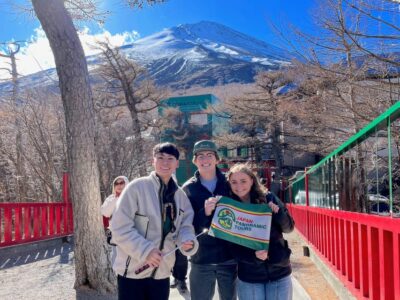 ★ 4.4Tokyo Mt Fuji 5th St & Hakone Cruise Bus Tour w/Bullet TrainFrom $1545,024 reviews
 ★ 5.0Flagship 2-Hours Official Street Go-Kart Tour – Tokyo Bay ShopFrom $644,974 reviews
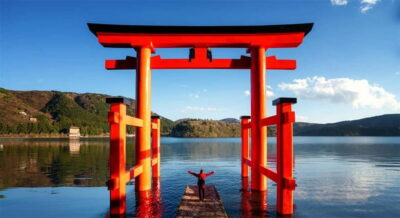 ★ 4.7Mt. Fuji Tour, Hakone Ropeway, Owakudani, Lake AshiFrom $544,002 reviews
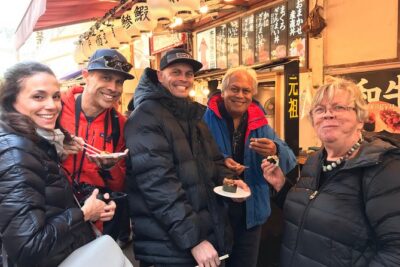 ★ 5.0Tokyo 6hr Private Tour with Government-Licensed GuideFrom $1553,902 reviews
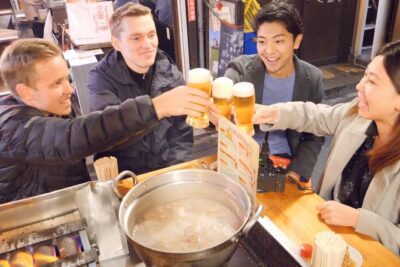 ★ 5.0Tokyo Bar Hopping Tour in Shinjuku (All-You-Can-Drink + Dinner)From $1063,587 reviews