
Daikoku PA at night hits different. In four hours, you roll through Tokyo’s night roads, then spend real time in the middle of Japan’s car-culture scene—where JDM meets everything from Euro builds to classic American muscle.
I like how the car-spotting is the main event, not a side quest. You’re set up to see a wide spread of customized cars, from everyday legends (think GTRs and Supras) to the kind of supercars that feel like movie props, plus plenty of conversation fuel for anyone who cares about engines, fitment, or tuning.
One thing to consider: police may clear the area by around 8:30, so if you arrive later than ideal, you could see fewer cars than you hoped. Still, the tour is built to keep the experience moving and your time full.
In This Review
- Key things that make this tour worth your time
- Night JDM Meets at Daikoku: Why This Area Feels Like a Car Film
- Price and Value: What $112 Buys in 4 Hours
- Tokyo or Yokohama Pickup: How the Meeting Points Affect Your Timing
- The Cl and Wangan Highway Ride: Skyline Views Without the Stress
- Daikoku Parking Area: The Best Part, and the One Timing Risk
- Autobacs Shinonome: A Quick Reset That Adds Real Tokyo Flavor
- Tokyo Tower Photo Stop: A Classic Landmark Moment at Night
- The Guide Factor: Bilingual Car Talk That Changes the Whole Trip
- Practical Tips So You Don’t Lose Time (or Your Photos)
- Who This Tour Suits Best (and Who Might Want a Different Plan)
- Should You Book This Daikoku Night JDM Tour?
- FAQ
- How long is the tour?
- How much does it cost?
- Where do pickups happen?
- Where does the tour stop?
- Are meals included?
- Are Tokyo Tower tickets included?
- What languages are spoken?
- Is wheelchair access available?
- What’s included in the ticket besides the tour time?
- Can I smoke, drink alcohol, or bring pets?
- Is there any age limit?
Key things that make this tour worth your time
- Daikoku PA night vibe with a focused photo stop and a full visit window
- Cl and Wangan highway ride aimed at skyline views of Tokyo and Yokohama
- Bilingual car talk with English/Japanese drivers, including passionate guide personalities like Ali, David, and Kareem
- Autobacs Shinonome break for a quick reset and Japanese retail energy
- Tokyo Tower photo/visit so you leave with a classic Tokyo landmark moment
- Entry included for Koto and the Daikoku parking lot, which helps you skip hassle and just watch cars
Night JDM Meets at Daikoku: Why This Area Feels Like a Car Film
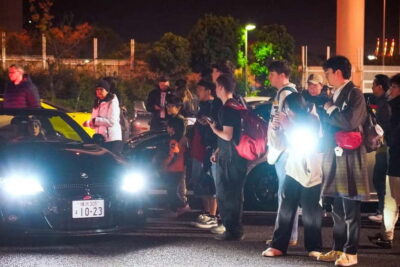
Daikoku Parking Area is the kind of place people only really “get” after they see it at night. The energy is less about one specific brand and more about the whole scene: the mix of styles, the pride in builds, and that low-key intensity you can feel when hundreds of enthusiasts converge with cameras out and radios on low.
What makes this tour work is that it treats Daikoku as the centerpiece. You don’t just roll in, snap two photos, and leave. You get an actual visit block (about an hour), and you’re set up to see cars across categories—JDM staples like RX-7s and skyline legends, plus Euro and American cars that show up for the same reason: the culture is shared, even when the brands aren’t.
The biggest win for me is that you’re not only watching cars. You’re also being pulled into the “why” behind them—what this scene means in Japan, how people talk about tuning, and how car life intersects with real daily life in the country.
More Daikoku nights and JDM runs, rated
- Tokyo: Fast & Furious Tokyo Drift III Experience
★ 4.8 · 2,432 reviews - GT-R35 800hp Club Membership – secret underground car meet
★ 4.8 · 998 reviews - Tokyo: Daikoku JDM Car Meet & Night Car Culture Tour
★ 4.8 · 626 reviews - Secret Car Meet: R34 Skyline Car Club Membership
★ 4.8 · 494 reviews
Price and Value: What $112 Buys in 4 Hours
At $112 per person for about four hours, the value comes from three things that cost money and time if you try to DIY:
Hotel pickup and drop-off in Tokyo (23 wards) or Yokohama-area stays. That matters because night traffic and finding the right entry points can turn a simple plan into a stressful search.
A bilingual driver (English and Japanese) who’s there for more than transportation. The driving is smooth, but the real value is the translation layer and the car-culture context.
Entry included for Koto and the Daikoku parking lot. Even if you find the place, access and timing can be the difference between a great session and a frustrating one.
Two costs are not included: food and drinks, and Tokyo Tower entry tickets (you can still do the photo/visit portion, but you should plan on paying if you want to go inside).
Bottom line: if you care about seeing cars without navigating Japanese logistics at night, this is priced like a practical option—not a luxury splurge.
Tokyo or Yokohama Pickup: How the Meeting Points Affect Your Timing
The tour is set up with two pickup choices: Tokyo or Yokohama. In practical terms, where you start can change how comfortably you reach Daikoku before the late-night crowd tightens or the police presence increases.
Pick-up is offered for hotels, Airbnb-style stays, and other accommodations, but not airports and seaports. You’ll meet the driver in your hotel lobby or at the location address you provide.
A helpful detail: this tour is wheelchair accessible, so it’s not one of those “only if you can do stairs” situations. Still, you’ll be doing walking for photo spots and short visits, so wearing comfy shoes is smart.
If you’re outside the Tokyo/Yokohama area, you’ll need to coordinate directly—so plan ahead and confirm the pickup point before you assume it’s automatic.
The Cl and Wangan Highway Ride: Skyline Views Without the Stress
One of the reasons I like this itinerary style is that it doesn’t just jump straight to the meet. You get the ride first—specifically on the Cl and Wangan highways—which is where the Tokyo-and-bay skyline payoff happens.
This part is more than “transportation.” It’s your transition into the mood. You’re seeing the city stretch out at night, and you’re moving like a local car scene would: not rushed, not stuck in constant stop-and-go confusion.
If you’re traveling with someone who’s on the fence about car culture, this highway segment is often the hook. Even if they aren’t into tuning, the night views and the sense of scale land for everyone.
Daikoku Parking Area: The Best Part, and the One Timing Risk
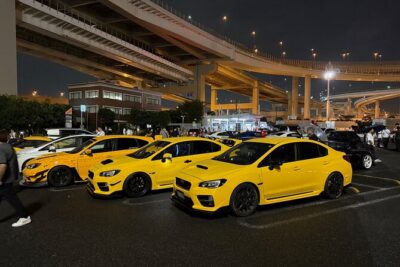
Daikoku is the main show. Expect photo opportunities, plus time to walk around and take in the variety up close. The cars can range from well-known build styles to truly wild custom work—widebody looks, engine swaps, stance-focused setups, and more.
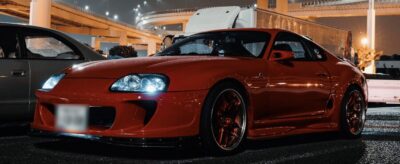
The standout praise here is the variety. You may see GTRs, Supras, RX-7s, and other fan favorites, and you might also spot supercars like Lamborghini, McLaren, and Ferrari-type machines. Even if you don’t catch every brand, the mix of ages and styles is the point.
Now the caution: police can clear the area around 8:30. That doesn’t mean the tour is doomed; it means timing matters. If your pickup is tight and the schedule runs late for any reason, your Daikoku window could be less packed than you were expecting.
What I recommend:
- Come ready to walk and shoot photos fast during the busiest parts of your visit window.
- Be flexible with your expectations. This is a live scene, not a staged museum.
Readers also shortlisted these Tokyo bookings:
- Tokyo Night Foodie Tour in Shinjuku – Seasonal Sushi, Wagyu Beef★ 5.0 · 1,161 reviews
- Tokyo: Daikoku JDM Car Meet & Night Car Culture Tour★ 4.8 · 626 reviews
- Tokyo After 5: Authentic Japanese Food & Drink Night Tour★ 4.5 · 560 reviews
- Tokyo: Samurai Entertainment Night Show in Kanda Shrine★ 4.6 · 417 reviews
- The Dark Side of Tokyo – Night Walking Tour Shinjuku Kabukicho★ 4.5 · 297 reviews
Autobacs Shinonome: A Quick Reset That Adds Real Tokyo Flavor
Between car-spotting stops, you get a break at Autobacs Shinonome for about 30 minutes. This isn’t just a bathroom stop. It’s a chance to see Japanese automotive retail culture in the wild.
Even if shopping isn’t your thing, this is where you can look at accessories, parts, and the general “car obsession” vibe in Japan. For car people, it’s often the “how do they fit all that into one place?” moment.
If you’re traveling with a teen or someone who loves gear, this stop can quietly become a highlight. If your group isn’t into stores, treat it as a short pause and regroup for the next landmark moment.
Tokyo Tower Photo Stop: A Classic Landmark Moment at Night
After the car-culture stops, you wrap with Tokyo Tower for a photo stop and a short visit (about 30 minutes). It’s a smart contrast: high-speed highways and car meets on one side, a famous Tokyo skyline icon on the other.
Tokyo Tower is also practical for photos. You’ll get a well-known silhouette without needing to spend a long time commuting later in the trip.
Just remember: Tokyo Tower entry tickets are not included, so if you want views from inside, budget for that separately.
The Guide Factor: Bilingual Car Talk That Changes the Whole Trip
This is where the tour can feel dramatically better—or worse—depending on your driver.
The best experiences come from guides who bring real enthusiasm and can talk both languages. People have had excellent experiences with drivers such as Ali, David, and Kareem, with smooth driving and strong English.
What you should look for in a good guide for this type of tour:
- They can explain the scene without turning it into a lecture
- They can connect car culture to broader Japanese life
- They can adjust the plan to your interests when conditions allow
One theme that shows up clearly is flexibility. If you want extra time at a stop (within reason) or want to skip a shop moment because your group isn’t in the mood, a responsive guide can make that difference.
Also worth noting: some experiences are specifically praised for following local rules carefully even if the meet locations feel unofficial. That’s important when you’re doing this at night with a group, and you want a stress-free vibe.
Practical Tips So You Don’t Lose Time (or Your Photos)
Night tours can be fun and slightly chaotic. These are the little things that keep the evening from feeling rushed:
- Wear comfortable clothing and shoes for walking and standing in photo areas.
- Bring a camera (or at least a phone with enough storage). The cars can be close, and you’ll want fast shots.
- Plan for a late return. The tour can extend into the night, depending on how the scene runs.
- Have a way to communicate with the driver if you don’t have local cell service, especially if you’re not meeting them from a clearly listed lobby spot.
- If weather is bad, dress for it. Tokyo nights can turn from pleasant to chilly fast.
And since the car scene can change quickly, keep your head in the moment. If you treat it like a moving target rather than a guaranteed car show, you’ll enjoy it more.
Who This Tour Suits Best (and Who Might Want a Different Plan)
This is a strong fit if:
- You want car culture as the main attraction, not just a quick photo stop
- You’re excited by customized builds and want to see a mix of JDM, Euro, and American styles
- You like learning as you go—about Japan, the car scene, and the realities of life here
It may be less ideal if:
- You’re expecting a guaranteed, overflowing parking lot no matter the hour. The police timing can affect what’s visible.
- You want a tour that’s mostly walking and museum-style structure. This is about spotting, chatting, and moving between key points.
There’s also a clear suitability limit: it’s not suitable for people over 95 years.
Should You Book This Daikoku Night JDM Tour?
If your main goal is to see Daikoku at night with a driver who handles logistics and adds car-culture context, I’d say this is book-worthy. The best versions of this tour combine smooth transportation, passionate conversations, and a strong chance at seeing a real spread of cars—sometimes even supercars.
I’d hesitate only if you’re the type who needs everything to be perfectly timed and guaranteed. Because the meet can be cleared, you should see this as a “go see it live” experience, not a timed ticket to a permanent exhibit.
My quick decision checklist:
- You’re okay with a night schedule that can run later.
- You’re excited about Daikoku as the core stop.
- You’re fine with quick stops like Autobacs Shinonome and Tokyo Tower rather than long hangs everywhere.
- You prefer a guided ride over figuring it out on your own in a late-night city.
If that’s you, book it and aim to arrive with a camera ready and flexible expectations. That’s when this tour turns into a memory you’ll actually talk about.
FAQ
How long is the tour?
The duration is 4 hours.
How much does it cost?
The price is $112 per person.
Where do pickups happen?
Pickup is offered in Tokyo (Tokyo 23 wards) and Yokohama areas. You can also have pickup from hotels/Airbnbs and other accommodations, except airports and seaports.
Where does the tour stop?
It includes Daikoku Parking Area (photo stop and visit), Autobacs Shinonome (break, visit, shopping time), and Tokyo Tower (photo stop and visit). Entry to Koto is included, and the drive also follows the Cl and Wangan highways.
Are meals included?
No. Food and drinks are not included.
Are Tokyo Tower tickets included?
No. Tokyo Tower entry tickets are not included.
What languages are spoken?
The driver provides English and Japanese.
Is wheelchair access available?
Yes, the tour is listed as wheelchair accessible.
What’s included in the ticket besides the tour time?
Hotel pickup and drop-off, an English-speaking driver (English/Japanese), the JDM tour experience, entry to Koto, and entry to the Daikoku parking lot.
Can I smoke, drink alcohol, or bring pets?
No pets, and no smoking in the vehicle. Alcohol and drugs are not allowed, and fireworks are not allowed.
Is there any age limit?
Yes. It’s not suitable for people over 95 years.
More Evening Experiences in Tokyo
- Tokyo Night Foodie Tour in Shinjuku – Seasonal Sushi, Wagyu Beef
★ 5.0 · 1,161 reviews - Tokyo: Daikoku JDM Car Meet & Night Car Culture Tour
★ 4.8 · 626 reviews - Tokyo After 5: Authentic Japanese Food & Drink Night Tour
★ 4.5 · 560 reviews - Tokyo: Samurai Entertainment Night Show in Kanda Shrine
★ 4.6 · 417 reviews - The Dark Side of Tokyo – Night Walking Tour Shinjuku Kabukicho
★ 4.5 · 297 reviews
More Tour Reviews in Tokyo
- Mt Fuji and Hakone 1-Day Bus Tour Return by Bullet Train
★ 5.0 · 26,383 reviews - 1-Day Tokyo Bus Tour
★ 5.0 · 14,250 reviews - Tokyo: teamLab Planets TOKYO Digital Art Museum Entry Ticket
★ 4.6 · 9,779 reviews - Mt Fuji & Hakone Cruise, Drum Show Bullet Train 1 Day from Tokyo
★ 4.0 · 7,413 reviews - Tokyo: Shinjuku Food Tour (13 Dishes at 4 Local Eateries)
★ 5.0 · 6,603 reviews
More JDM and Drift Nights
- Tokyo: Fast & Furious Tokyo Drift III Experience
★ 4.8 · 2,432 reviews - GT-R35 800hp Club Membership – secret underground car meet
★ 4.8 · 998 reviews - Tokyo: Daikoku JDM Car Meet & Night Car Culture Tour
★ 4.8 · 626 reviews - Secret Car Meet: R34 Skyline Car Club Membership
★ 4.8 · 494 reviews - Tokyo Drift: Daikoku PA Supreme Car Experience 大黒PA
★ 4.7 · 372 reviews
Latest Tokyo reviews off our desk






JDM & Drift Car Meets, compared.
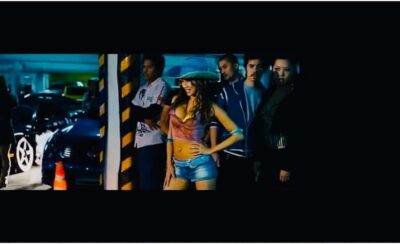 ★ 4.8Fast & Furious Tokyo Drift III ExperienceFrom $1502,432 reviews
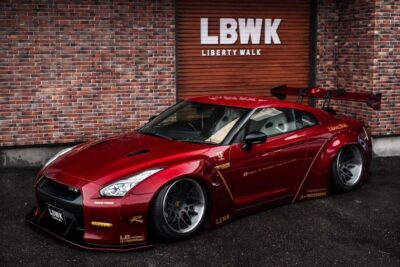 ★ 4.8GT-R35 800hp Club Membership – secret underground car meetFrom $205998 reviews
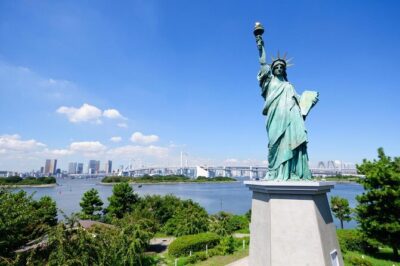 ★ 4.8Daikoku JDM Car Meet & Night Car Culture TourFrom $98626 reviews
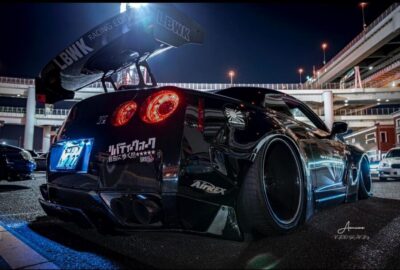 ★ 4.8Secret Car Meet: R34 Skyline Car Club MembershipFrom $236494 reviews
 ★ 4.9EVO, WRX, Skyline – JDM Night Run to Daikoku Car MeetFrom $125478 reviews
 ★ 4.7Tokyo Drift: Daikoku PA Supreme Car Experience 大黒PAFrom $58372 reviews
 ★ 4.9Legendary JDM CAR Daikoku Underground MeetupFrom $82360 reviews
 ★ 4.6Go Daikoku PA Fast & Furious 3 Sports Car MeetupFrom $49356 reviews
Browse the lists this tour appears in