
Reviewed · FOOD & DRINK
Tokyo After 5: Authentic Japanese Food & Drink Night Tour
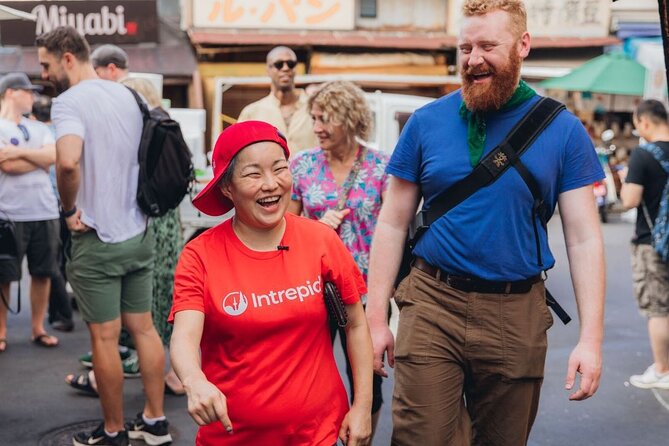
After 5 pm, Tokyo turns into a food festival. This 3.5-hour night walk is built around local spots and a tight plan that helps you eat well without getting twisted up in the subway. I like that it’s a small group (max 8) with bars and restaurants run by locals, so you’re not just grazing in tourist traps.
What I also like is that you actually leave with a real sampler of Tokyo tastes: monjayaki, wagashi, and yakitori—plus two drinks included. The one drawback to weigh first is the diet situation: there are no vegetarian, vegan, or gluten-free options, and food allergies can be a tricky topic since every stop is different.
In This Review
- Key things to look forward to
- Ginza After 5: Mitsukoshi, the Lion statue, and the pace check
- Wagashi and the Itoya detour: food culture wrapped in shopping culture
- Tsukishima Monja Street: cooking monjayaki while it sizzles
- Yurakucho Yakitori Alley: tare sauce, grilled skewers, and sake time
- Small-group local run, and why your guide matters (Yuko, Yuki, Mizuki, Rocky)
- Included snacks and drinks: what you actually get for the money
- Getting the most out of the Tokyo After 5 night: a simple game plan
- So, is this tour worth booking?
- FAQ
- Where is the meeting point?
- Where does the tour end?
- How long is the Tokyo After 5 tour?
- What food and drinks are included?
- Are vegetarian, vegan, or gluten-free options available?
- What is the minimum age, and can under-20s drink?
- Is public transportation included?
- Do I need a paper ticket?
- What if it’s canceled due to weather?
- Can I get a full refund if plans change?
Key things to look forward to
- Meet at Ginza Mitsukoshi at the Lion statue facing Chuo Street, right when the evening energy kicks in
- Three classic Tokyo flavors: wagashi, monjayaki, and yakitori
- Cook-your-own style monjayaki on a hot grill in Tsukishima
- Izakaya-style yakitori alley in Yurakucho with tare sauce and after-work vibes
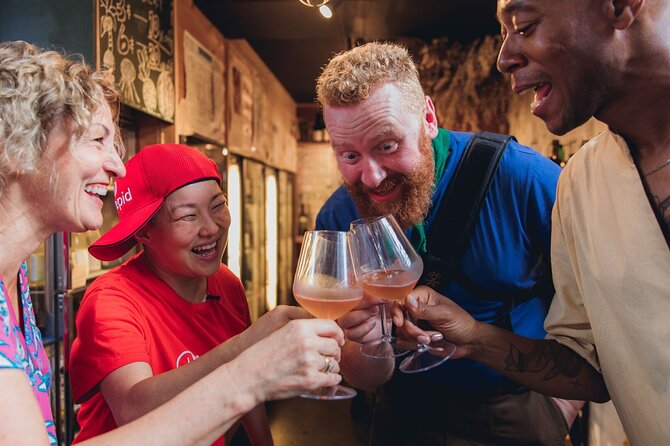
- Two drinks included, with options like beer or sake (sake rules apply)
- Max 8 people, so you get real attention rather than a herd march
Ginza After 5: Mitsukoshi, the Lion statue, and the pace check
You start in Ginza at Mitsukoshi, meeting your guide in front of the iconic Lion statue facing Chuo Street. The timing matters here. The tour starts on schedule, and the whole night flows from that first step.
This is also a walking tour. The tour notes a moderate amount of walking, and at least one review called out stairs during the early department-store stretch. If your feet get cranky fast, wear shoes that you trust for a few hours of moving and climbing.
Ginza is a great place to begin because it feels modern and orderly, yet the food scene is still very local. You’re not stuck in a single lane of restaurants. You’re moving through districts that give you a sense of how Tokyo eats after work.
Readers also shortlisted these Tokyo bookings:
- Tokyo: Shinjuku Food Tour (13 Dishes at 4 Local Eateries)
★ 5.0 · 6,603 reviews - Tokyo Tsukiji Fish Market Food and Culture Walking Tour
★ 5.0 · 3,184 reviews - Tokyo: Shinjuku Food Tour (15 Dishes and 4 Eateries)
★ 4.9 · 2,033 reviews - Best of Shinjuku: Izakaya Food Tour (4 Stops, 14+ Tastings)
★ 5.0 · 1,863 reviews
Wagashi and the Itoya detour: food culture wrapped in shopping culture
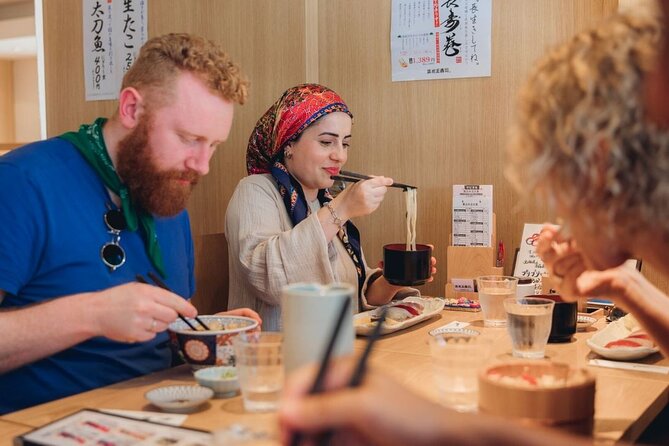
One of the first tastes you’re set up for is wagashi, the elegant Japanese sweets often tied to tea and seasons. On this tour, wagashi isn’t just dessert. It’s a quick lesson in how Japanese sweets can be subtle, not sugary-heavy, and designed to look as good as they taste.
There’s also time to wander Ginza, and the plan may include a stop at Itoya, a famous stationery store. This is where the tour can split people into two camps: you’ll either love the chance to see a proper Tokyo institution, or you’ll feel like the night is slipping into shopping territory.
My practical take: go with the mindset that wagashi and the Ginza storefronts are part of the culture. If you’re strictly chasing grilled food and booze from minute one, you might wish the tour traded more of this block for extra eating time.
Tsukishima Monja Street: cooking monjayaki while it sizzles
Tsukishima is where the tour gets really Tokyo-original. You’ll take the subway to Monja Street for monjayaki, a pan-fried style pancake made on a grill. The key part isn’t just tasting—it’s watching it being cooked and learning how it comes together.
In the experience, you should expect a hands-on feel at the grill. You’ll be at the table while it cooks, and you’ll be hearing explanations about the snack’s interesting origin and how locals think about it. One guide-led detail that sticks from real-life accounts: monja can include things like cabbage plus seafood ingredients such as shrimp and mussels, so it’s savory and hearty, not sweet.
Monjayaki has a reputation for being a little unconventional if you’ve mostly had okonomiyaki-style food. One thing to watch for is texture and toppings. If cabbage isn’t your thing, you might find yourself working through it rather than loving it instantly.
Still, this stop is one of the best reasons to book. It’s the kind of food moment that feels like you’re getting an actual local routine, not a curated plate that could be anywhere.
Yurakucho Yakitori Alley: tare sauce, grilled skewers, and sake time
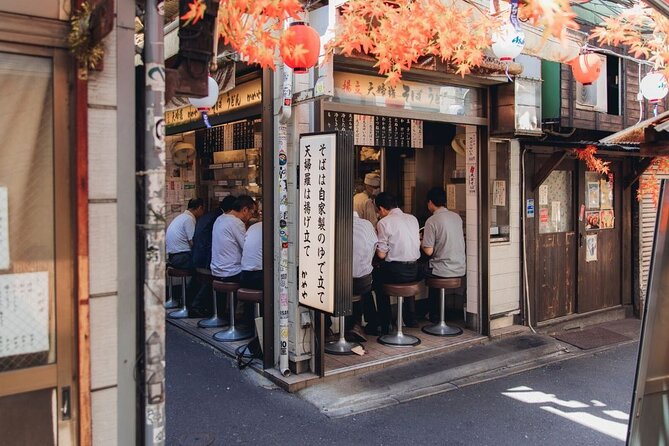
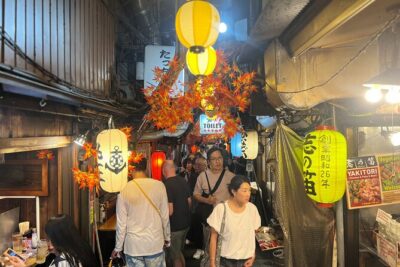
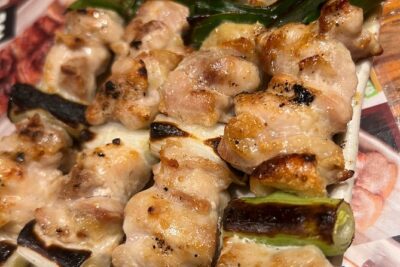
After Tsukishima, you head to Yurakucho for the finish, in and around the Yakitori Alley area near Yurakucho’s dining lanes. This is where the night becomes classic izakaya Tokyo: small bars, people lingering after work, and grilled skewers that arrive with a strong smell of smoke and char.
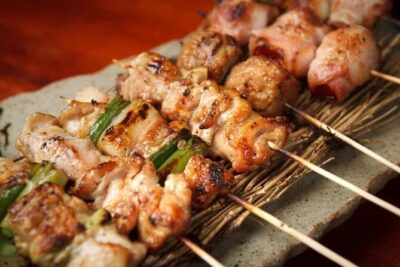
You’ll be sampling yakitori, and the tour notes that each spot can use its own tare sauce. Translation for your stomach: don’t assume the flavor will be the same from one place to the next. That sauce difference is often where the variety shows up.
Then comes the drinks. The tour includes two drinks, and you can choose things like beer or sake depending on what’s offered at the stops. Tokyo’s legal drinking age is 20, so if you’re under that age, you’ll be served non-alcoholic drinks instead.
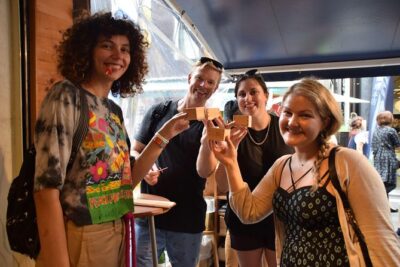
One detail that can make this part feel extra fun is how sake can be served. In at least one real group experience, the pouring came with a small show—sake poured until it overflows from a wooden box while the glass gets filled too. It’s a tiny ritual, but it adds energy when the group is already in full tasting mode.
A balanced warning: some food is grilled to order, and preferences vary. One account mentioned yakitori being less cooked than they wanted. Another mentioned chicken cartilage on skewers, which may not match the cut you expected. If you’re picky about what part of the chicken you’re eating, say so early and be ready to adapt.
Small-group local run, and why your guide matters (Yuko, Yuki, Mizuki, Rocky)
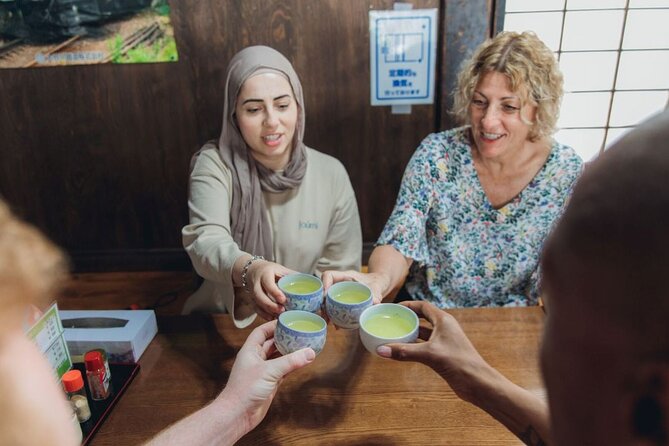
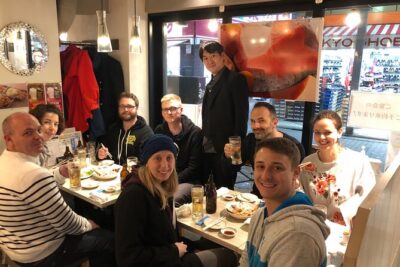
The tour caps at 8 people, and that matters more than you’d think. With a group that size, your guide can actually keep track of you, explain what you’re eating, and translate menus in real time.
It also seems to vary by guide. Some people got Yuko and described her as excellent at handling the subway and getting everyone to the Monja area smoothly. Others had Yuki, praised the knowledge and the evening vibe, or highlighted how well the guide related to the group. Mizuki and Rocky also came up in positive accounts, with comments about humor and making the first-time experience feel easy.
At the same time, English comfort can vary between guides. One review complained that the guide’s English was hard to follow, and that affected how much they learned. I’d handle this by approaching the tour as much about tasting and seeing as it is about explanations. You can still enjoy the food even if the language isn’t perfect, but if you need detailed cultural talk, go in with flexibility.
Readers also shortlisted these Tokyo bookings:
- Tokyo: Tsukiji Fish Market Food and Walking tour★ 5.0 · 1,724 reviews
- Tokyo Night Foodie Tour in Shinjuku – Seasonal Sushi, Wagyu Beef★ 5.0 · 1,161 reviews
- Eat and Drink Like a Local: Tokyo Ueno Food Tour-Taverns&Ramen★ 5.0 · 957 reviews
- Tokyo: Shibuya Food Tour (13 dishes and 4 Eateries)★ 5.0 · 770 reviews
- Tokyo: Tsukiji Fish Market Food and Culture Walking Tour★ 4.7 · 757 reviews
Included snacks and drinks: what you actually get for the money
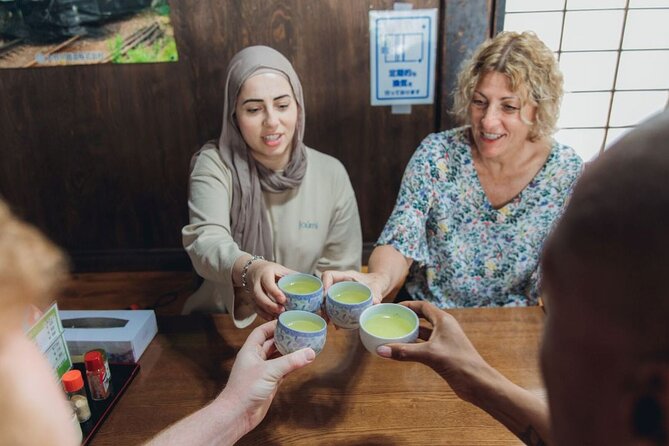
You’re built around three core food stops: yakitori, monja-yaki, and wagashi. You’re also included for two local drinks, often beer or sake. On top of that, the tour includes transportation help—specifically two subway tickets—so you’re not doing ticket math mid-taste.
Value-wise, $122.33 can make sense because you’re paying for more than food. You’re paying for the guide, the routing, and access to places you probably wouldn’t pick on your own. If you’ve ever tried to piece together an evening in Tokyo based on instinct alone, you know how easy it is to waste time chasing menus and finding that a place is too small or too confusing to enter confidently.
One “value” thing to be aware of: the tour is designed with the idea of visiting three eateries. But there are accounts where the actual number felt like it landed closer to two spots, which made some guests feel short-changed. If you’re the type who needs a strict count of stops, read the descriptions carefully and ask yourself if you’ll still enjoy the night if a stop is shorter or folded into another segment.
Getting the most out of the Tokyo After 5 night: a simple game plan
Here’s what will help you have a smoother night and eat more confidently.
First: come hungry, but not starving. You’re sampling multiple items across the evening. If you arrive too full, you may feel rushed through the monja portion, which is where most people need the space to slow down and figure it out.
Second: wear comfortable shoes. You’re on the move, including subway segments and likely some stairs early on. You’ll enjoy the food more if your legs aren’t counting down the minutes.
Third: know the diet limits in advance. The tour states there are no vegetarian, vegan, or gluten-free options. It also visits places that aren’t able to cater all dietary requirements. If you have allergies, tell the guide directly and clearly at the start. One account mentioned being asked about peanuts, which hints that allergy conversations do happen—but you should still treat it as your responsibility to communicate.
Fourth: use the guide for what they do best. If they can translate menu items, ask what’s in the dish and what makes it local. If they’re less strong on English, it’s still worth asking simple questions like what the sauce is based on or how the monja is typically mixed at the table.
Finally: treat the last bar as optional momentum. The tour ends in Ginza Station area, but you can stay in the bar if you want. That’s a good way to extend the night without dragging yourself through Tokyo’s maze alone.
So, is this tour worth booking?
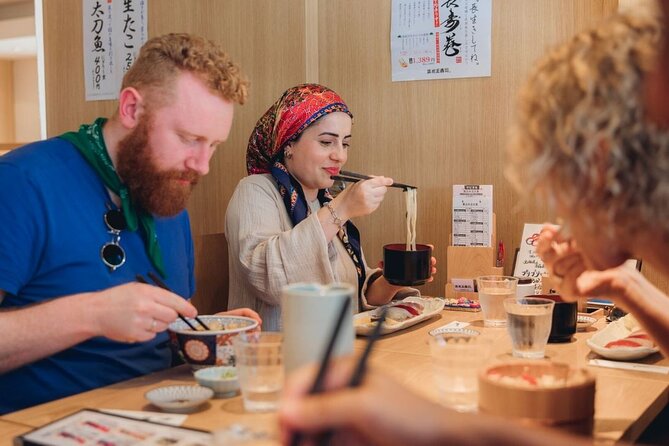
I’d book Tokyo After 5 if you want a structured night that covers three very different eating styles in three different neighborhoods: department-store sweets, Tsukishima monja, and Yurakucho yakitori alley. The small group size and the local-run venues are the biggest wins, and the included drinks help the evening feel social right from the start.
I’d hesitate if you fall into one of these buckets:
- You need strict vegetarian, vegan, or gluten-free options (the tour doesn’t offer them).
- You hate any shopping-style detour at the beginning, since Ginza and possible Itoya time can take some focus.
- You’re very picky about chicken parts or texture, since what you get at yakitori can vary.
- You expect exactly three full eateries every time with lots of deep explanation. Some groups reported fewer stops or less helpful English.
If you match the tour to your expectations—come curious, be open-minded with food types, and pack comfy shoes—you’ll likely get a genuinely fun Tokyo night that feels like Tokyo, not just like a checklist. And if you want the most from it, ask questions early, especially about what you’re eating and how to handle it at the table.
FAQ
Where is the meeting point?
You meet in Mitsukoshi Ginza at 4-chōme-6-16 Ginza, Chuo City, Tokyo 104-8212, in front of the Lion statue facing Chuo Street.
Where does the tour end?
The tour ends at Ginza Station, 4-chōme-1-2 Ginza, Chuo City, Tokyo 104-0061 (near Tokyo Metro Ginza Station).
How long is the Tokyo After 5 tour?
It runs about 3 hours 30 minutes.
What food and drinks are included?
You get three local dishes: yakitori, monja-yaki, and wagashi. You also get two drinks, such as sake, beer, or a soft drink.
Are vegetarian, vegan, or gluten-free options available?
No. The tour notes that it is not able to cater all dietary requirements, and vegetarian, vegan, or gluten-free options are not available.
What is the minimum age, and can under-20s drink?
The minimum age is 12. The legal drinking age in Tokyo is 20. Customers under 20 will only be served non-alcoholic drinks.
Is public transportation included?
Yes. The tour includes taking public transport, and it includes 2 subway tickets.
Do I need a paper ticket?
No. The tour uses a mobile ticket.
What if it’s canceled due to weather?
The experience requires good weather. If it’s canceled due to poor weather, you’ll be offered a different date or a full refund.
Can I get a full refund if plans change?
Yes. You can cancel for a full refund if you cancel at least 24 hours in advance of the experience start time. If you cancel less than 24 hours before, the amount paid is not refunded.
More Food & Drink in Tokyo
- Tokyo: Shinjuku Food Tour (13 Dishes at 4 Local Eateries)
★ 5.0 · 6,603 reviews - Tokyo Tsukiji Fish Market Food and Culture Walking Tour
★ 5.0 · 3,184 reviews - Tokyo: Shinjuku Food Tour (15 Dishes and 4 Eateries)
★ 4.9 · 2,033 reviews - Best of Shinjuku: Izakaya Food Tour (4 Stops, 14+ Tastings)
★ 5.0 · 1,863 reviews - Tokyo: Tsukiji Fish Market Food and Walking tour
★ 5.0 · 1,724 reviews
More Tours in Tokyo
- Mt Fuji and Hakone 1-Day Bus Tour Return by Bullet Train
★ 5.0 · 26,383 reviews - 1-Day Tokyo Bus Tour
★ 5.0 · 14,250 reviews - Tokyo: Shinjuku Food Tour (13 Dishes at 4 Local Eateries)
★ 5.0 · 6,603 reviews - Tokyo Mt Fuji 5th St & Hakone Cruise Bus Tour w/Bullet Train
★ 4.4 · 5,024 reviews - Flagship 2-Hours Official Street Go-Kart Tour – Tokyo Bay Shop
★ 5.0 · 4,974 reviews
More Tour Reviews in Tokyo
- Mt Fuji and Hakone 1-Day Bus Tour Return by Bullet Train
★ 5.0 · 26,383 reviews - 1-Day Tokyo Bus Tour
★ 5.0 · 14,250 reviews - Tokyo: teamLab Planets TOKYO Digital Art Museum Entry Ticket
★ 4.6 · 9,779 reviews - Mt Fuji & Hakone Cruise, Drum Show Bullet Train 1 Day from Tokyo
★ 4.0 · 7,413 reviews - Tokyo: Shinjuku Food Tour (13 Dishes at 4 Local Eateries)
★ 5.0 · 6,603 reviews
Latest Tokyo reviews off our desk

Food & Drink, compared.
 ★ 5.0Shinjuku Food Tour (13 Dishes at 4 Local Eateries)From $866,603 reviews
 ★ 5.0Tokyo Tsukiji Fish Market Food and Culture Walking TourFrom $993,184 reviews
 ★ 4.9Shinjuku Food Tour (15 Dishes and 4 Eateries)From $852,033 reviews
 ★ 5.0Best of Shinjuku: Izakaya Food Tour (4 Stops, 14+ Tastings)From $921,863 reviews
 ★ 5.0Tsukiji Fish Market Food and Walking tourFrom $301,724 reviews
 ★ 5.0Eat and Drink Like a Local: Tokyo Ueno Food Tour-Taverns&RamenFrom $95957 reviews
 ★ 5.0Shibuya Food Tour (13 dishes and 4 Eateries)From $77770 reviews
★ 4.7Tsukiji Fish Market Food and Culture Walking TourFrom $96757 reviews
★ 5.0Shibuya Food Tour (13 dishes and 4 Eateries)From $77770 reviews
★ 4.7Tsukiji Fish Market Food and Culture Walking TourFrom $96757 reviews
Browse the lists this tour appears in