
Reviewed · SHINJUKU FOOD & BAR TOURS
The Dark Side of Tokyo – Night Walking Tour Shinjuku Kabukicho
Neon has a second side in Shinjuku. The Dark Side of Tokyo night walk takes you on foot through Kabukicho and nearby streets, with a guide translating the chaos into real stories you can actually use. You’ll spot hundreds of signs after dark and learn why this part of Tokyo feels so intense.
I especially like the small group size (up to 12) and the way the guide keeps things personal. Names like Polina, Loc, Gray, and Danny come up again and again in feedback for clear English and for answering the hard questions, including how the nightlife world works and why it exists the way it does.
One thing to consider: the tour can feel a bit like a one-way walk. It starts at the Shinjuku Station East Exit police box and finishes around Shinjuku 3-Chome, so it may not return you to your exact start spot, and crowds can make the meeting point tricky in the dark.
In This Review
- Key highlights you’ll care about
- Tokyo After Dark: Getting Oriented in Shinjuku
- Starting at Shinjuku Station: Meeting Point Tips That Save Time
- Kabukicho and the Neon Factor: The Neighborhood Layout You Can Feel
- Omoide Yokocho-Style Drinking Alley: Short Streets, Big Atmosphere
- Godzilla Head at Night: A Photo Stop With a Real Reason
- Narrow Bar Districts: Where Tokyo Gets Up Close
- A Shinto Shrine Pause: Calm Inside the Noise
- Gay Town and LGBTQI+ Nightlife: Context That Doesn’t Feel Like a Lecture
- The Adult Industry Topic: Learning Without the Shock Factor
- Safety and Comfort: Why the Guide Reduces the Risk of Wandering
- Price and Value: What $25 Buys in Tokyo Nightlife
- Group Size and Pacing: Small Means Personal
- Who This Tour Fits Best (and Who Should Skip It)
- Should You Book This Dark Side of Tokyo Night Walk?
- FAQ
- How long is the Dark Side of Tokyo night walking tour?
- How much does the tour cost?
- What’s included, and what costs extra?
- Where do I meet the guide?
- What’s the group size?
- What neighborhoods and sights are covered?
- Is the tour affected by weather?
Key highlights you’ll care about
- Up to 12 people: easier questions, less noise, better pacing in the street maze
- Shinjuku, Kabukicho, and Omoide Yokocho on foot: you get the layout, fast
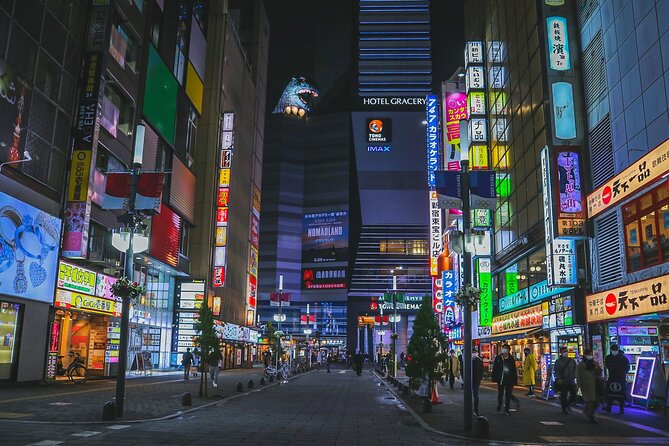
- Godzilla Head stop: you’ll see it and catch his nighttime show
- A Shinto shrine pause: a calm counterpoint right in the nightlife zone
- Gay Town / LGBTQI+ district context: why the neighborhood looks and feels the way it does
- Price is guide-only: food and drinks cost extra, so plan a small budget
Tokyo After Dark: Getting Oriented in Shinjuku
Tokyo’s night scene can hit you like sensory overload. This tour helps you turn that overload into something you understand. Instead of wandering with your phone brightness turned up and your sense of direction turned off, you follow a guide through the big-name areas of Shinjuku.
Kabukicho is the star of the show, but it’s not just neon for neon’s sake. You also get the human side: how people use these streets, how the rules shape what you see, and why some parts feel more comfortable to walk than others. The guide frames it so it feels like Tokyo culture, not just a spectacle.
I like that the tour is built for real first-timers. If you’re arriving the same day and want to get your bearings before you bar-hop on your own, this is a strong start.
More Shinjuku plates and pours our readers rated
- Tokyo: Shinjuku Food Tour (13 Dishes at 4 Local Eateries)
★ 5.0 · 6,603 reviews - Tokyo Bar Hopping Tour in Shinjuku (All-You-Can-Drink + Dinner)
★ 5.0 · 3,587 reviews - Tokyo: Shinjuku Food Tour (15 Dishes and 4 Eateries)
★ 4.9 · 2,033 reviews - Best of Shinjuku: Izakaya Food Tour (4 Stops, 14+ Tastings)
★ 5.0 · 1,863 reviews
Starting at Shinjuku Station: Meeting Point Tips That Save Time
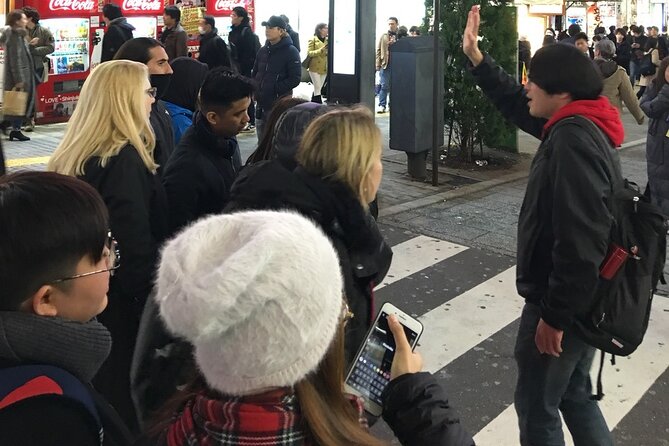
You meet at Shinjuku Station East Exit Police Box, near 3-chōme (the exact street address is around 3-chōme-38-1 Shinjuku). This is useful because Shinjuku Station is a beast. It’s also the kind of spot where, at night, you can lose minutes searching if you don’t have a clear visual target.
Bring your mobile ticket up on your screen. Then plan to arrive a few minutes early so you can confirm you’re at the right police box. One review noted difficulty finding the meeting point because it wasn’t the phone booth style people expect, so give yourself a buffer.
Also, this is a walking tour. That sounds obvious, but the pacing matters in Shinjuku crowds. Wear shoes you can walk in for about two hours without thinking about it.
Kabukicho and the Neon Factor: The Neighborhood Layout You Can Feel
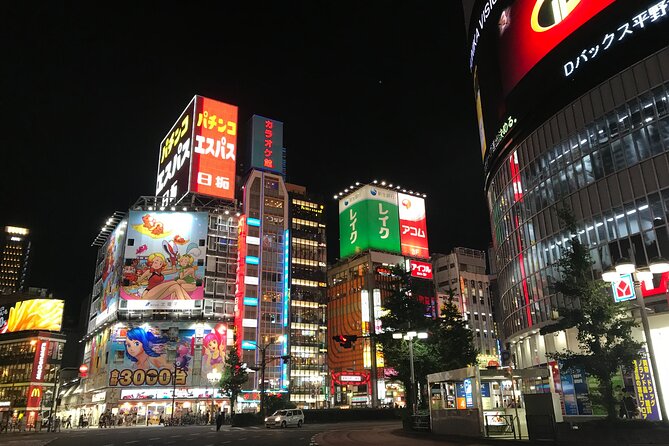
Kabukicho is Tokyo’s biggest night-life zone, and you don’t just look at it from the sidewalk. You move through it, so your brain starts mapping it. That’s the real value. After the tour, you’re not just seeing neon signs; you’re understanding where the streets funnel and where the crowd energy changes.
The guide walks with a safety-first mindset. That doesn’t mean you’re doing anything timid. It means you learn where the boundaries are and why certain areas feel off-limits or uncomfortable to wander into without context. With a guide, you avoid the classic rookie move: chasing a cool sign and ending up in a wrong turn you can’t reverse.
A nice bonus is how the guide answers questions as you go. Reviews call out guides like Loc and Danny for explaining not only history and culture, but also the legal and practical realities behind the nightlife. That makes the whole experience feel more grounded and less like watching a movie.
Omoide Yokocho-Style Drinking Alley: Short Streets, Big Atmosphere
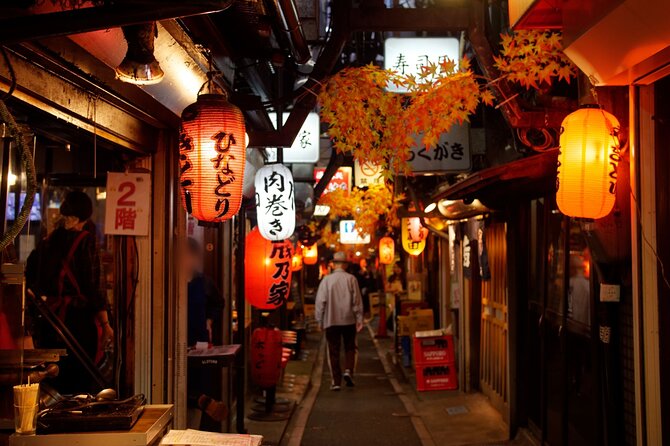
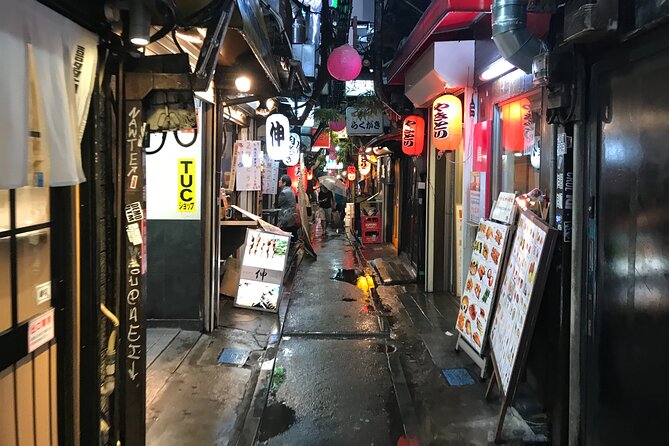
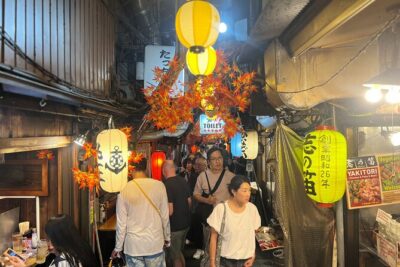
One stop centers on a famous drinking alley in Tokyo, and it gives you a different texture than the main neon corridors. This is where Tokyo’s nightlife becomes smaller-scale. The alley feel matters because it changes the way you notice sound, light, and people-watching from a close distance.
Walking here with a guide helps you read the place. You learn what the space is for, how it fits into the larger Shinjuku nightlife machine, and what kind of vibe belongs in each corner. Even if you don’t plan to drink at every stop (and food and drinks are not included), just knowing what you’re looking at makes you more confident.
Practical angle: if you’re tempted to snack or order something during the walk, keep your budget in mind. The tour guide fee is included, but food and drinks are extra.
Godzilla Head at Night: A Photo Stop With a Real Reason
You’ll also reach the famous Godzilla Head to see his show. This is one of those Tokyo moments that can be easy to miss if you’re walking alone. With the timing built into the route, you’re much more likely to catch it rather than arriving right after the show ends and feeling like you came all that way for nothing.
This stop also breaks up the density of Kabukicho. You get a quick reset: look up, watch the show, then get back to walking. It’s a fun change of pace that keeps the tour from feeling like one long neon stare.
If you love pop culture landmarks, this is the “yes, I want to see it” stop. If you’re more practical than thrill-seeking, it still works because it’s a clear marker in a part of town where landmarks blur together fast.
Readers also shortlisted these Tokyo bookings:
- Tokyo Tsukiji Fish Market Food and Culture Walking Tour★ 5.0 · 3,184 reviews
- Tokyo: Imperial Palace and Shogun Historical Walking Tour★ 5.0 · 2,251 reviews
- Tokyo: Shinjuku Local Bar and Izakaya Guided Walking Tour★ 4.9 · 1,794 reviews
- Tokyo: Tsukiji Fish Market Food and Walking tour★ 5.0 · 1,724 reviews
- Tokyo: Asakusa Walking Tour with Sensoji Temple Visit★ 4.8 · 1,583 reviews
Narrow Bar Districts: Where Tokyo Gets Up Close
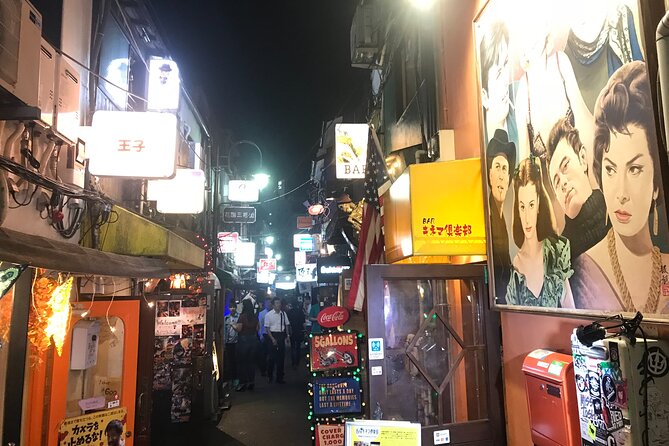
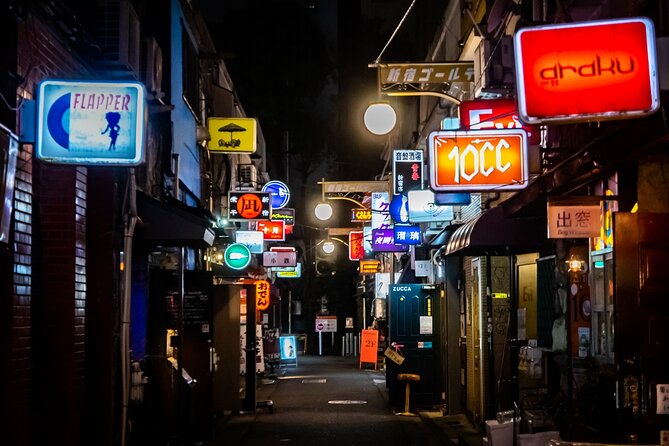
The route includes a narrow bar district stop. This part is where Shinjuku feels the most specific. The streets compress, and your experience becomes about proximity. That can be intimidating if you don’t know what’s normal and what’s just confusing.
Having a guide in front helps in two ways. First, you’re moving through a small space without turning your night into a slow shuffle of hesitation. Second, you get context for what these lanes represent in Tokyo nightlife culture.
You should expect that this kind of area can get busy. That can be fun, but it also means you’ll want to stay close to your group and not drift while people are moving through narrow lanes.
A Shinto Shrine Pause: Calm Inside the Noise
Then, you get a Shinto shrine stop in Shinjuku. This is not just a decorative detour. It gives you a moment to step back from the adult-nightlife heat and remember you’re in Japan, not just a nightlife set.
Even if you don’t consider yourself religious, the contrast is useful. The shrine stop works like a reset button: breathe, observe quietly, and switch your brain from shopping-for-sensation mode into noticing mode.
It also gives the tour more balance than many “dark side” walks. You’re learning, yes. But you’re also seeing how daily spiritual spaces coexist beside nightlife zones in the same city blocks.
Gay Town and LGBTQI+ Nightlife: Context That Doesn’t Feel Like a Lecture
Another big highlight is the LGBTQI+ district often called Gay Town. This is where the tour shifts from sightseeing into cultural understanding. Instead of treating the neighborhood like a list of bars, the guide explains the story behind the area and how it became what it is.
The most helpful thing here is the tone. The best moments are when the guide connects the visible street scene to lived reality: community presence, cultural identity, and how the neighborhood fits into broader Tokyo nightlife. You get language for what you’re seeing, which is what makes a guided walk worth it.
If you’re visiting Tokyo and want a nightlife experience that’s more than stereotypes, this stop is one reason the tour scores so well. You leave with a clearer picture of why this district matters and how it works socially, not just visually.
The Adult Industry Topic: Learning Without the Shock Factor
One of the standout themes in feedback is learning about the adult industry and how workers navigate laws. This tour doesn’t treat that subject like a tabloid stunt. The guide approach (described in multiple reviews) focuses on the practical and legal realities behind how the scene operates.
That matters because Shinjuku can feel chaotic if you don’t understand the constraints shaping it. When you learn the “why,” you stop feeling like you’re just watching strangers and start seeing systems: how regulations, economics, and street-life intersect.
You should only book this if you’re comfortable with mature subject matter and adult-nightlife context. If you prefer a strictly food-and-drinks night walk without those topics, you might want a different option.
Safety and Comfort: Why the Guide Reduces the Risk of Wandering
A big selling point is not getting lost or straying into unpleasant places. In practice, this means the guide keeps you moving with purpose and helps you understand which streets are fine to explore and which ones are better handled with direction.
Even if you’re street-smart, Shinjuku is not a place you should treat like a simple grid. Crowds, signage, and side streets can scramble your sense of where you are. The guide reduces that risk without sucking the fun out of the night.
The small group size helps here too. Up to 12 travelers means you can hear the guide and stay together more easily than in larger tours.
Price and Value: What $25 Buys in Tokyo Nightlife
It costs $25 per person, and the tour includes the tour guide fee. Food and drinks are not included, so you should treat this as a guided walk with optional spending, not an all-in dinner tour.
For two hours in some of Tokyo’s most complicated night districts, that price is reasonable if your goal is understanding and orientation. You’re paying for time, route knowledge, and cultural framing. If you’d otherwise wander for hours and still miss the context, a guided walk often feels like the smarter deal.
Also, the tour has a strong rating: 4.7 out of 5 with 95% recommended. That doesn’t automatically mean it’s perfect for everyone, but it does suggest consistent quality and guide performance.
Group Size and Pacing: Small Means Personal
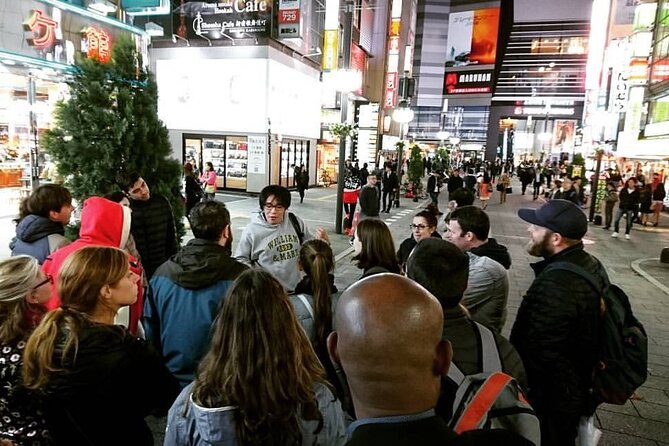
With a maximum of 12 travelers, you’re more likely to get back-and-forth questions. That’s a big deal in a place where many signs and details aren’t in English. Reviews highlight that guides like Paulina and Gray explain things clearly and answer questions, including the history and legalities people are curious about.
The pacing is active. You’re walking for roughly two hours, and the route covers multiple neighborhood vibes. That makes the tour best as an early evening activity, or as a way to kick off your night and then branch out with confidence.
One more practical note: the tour ends around Shinjuku 3-Chome, so plan your next step. If you’re heading to a specific bar, show, or restaurant, give yourself time to get there.
Who This Tour Fits Best (and Who Should Skip It)
This tour is a good fit if you want a guided introduction to Tokyo nightlife with real context. It’s also great if you’re going solo but don’t want to feel alone in a sensory-heavy area.
You’ll probably enjoy it most if you:
- are curious about cultural and legal realities behind the nightlife
- want to see multiple districts in one evening without getting lost
- like having a guide recommend what to look for and what to avoid
Skip it if:
- you want a purely family-friendly, daytime-style sightseeing vibe
- you’re uncomfortable with adult-industry topics and mature street-life context
- you dislike one-way routes and prefer everything to return you to the exact start spot
Should You Book This Dark Side of Tokyo Night Walk?
If your goal is to understand Shinjuku after dark, I think it’s worth booking. The value comes from the combination: on-foot access to major districts, a guide who can explain what you’re seeing, and enough stops to give you variety without feeling like a long slog.
I’d book it on your first or second night in Tokyo, when you still need your bearings. And if the idea of adult-nightlife context doesn’t bother you, you’ll likely come away feeling informed, not just entertained.
If you hate crowds and are easily overwhelmed at night, you can still enjoy it, but go in prepared: close to the group, patient in tight lanes, and ready for the tour to be more discussion-heavy than photo-heavy.
FAQ
How long is the Dark Side of Tokyo night walking tour?
It runs for about 2 hours.
How much does the tour cost?
The price is $25 per person.
What’s included, and what costs extra?
The tour guide fee is included. Dinner and food or drinks are not included, so plan to spend extra if you want to eat or drink during the walk.
Where do I meet the guide?
You meet at Shinjuku Station East Exit Police Box (near 3-chōme-38-1 Shinjuku).
What’s the group size?
The tour has a maximum of 12 travelers.
What neighborhoods and sights are covered?
You’ll walk through Shinjuku and Kabukicho, visit Omoide Yokocho, stop near the Godzilla Head for his show, include a Shinto shrine stop, and visit the LGBTQI+ district often called Gay Town.
Is the tour affected by weather?
Yes. The experience requires good weather, and if it’s canceled due to poor weather, you’ll be offered a different date or a full refund.
If you want, tell me when you’re going (and whether you’re traveling with friends, solo, or with someone who prefers low-intensity nightlife), and I’ll help you decide what time of night to book.
More Tours in Tokyo
- Mt Fuji and Hakone 1-Day Bus Tour Return by Bullet Train
★ 5.0 · 26,383 reviews - 1-Day Tokyo Bus Tour
★ 5.0 · 14,250 reviews - Tokyo: Shinjuku Food Tour (13 Dishes at 4 Local Eateries)
★ 5.0 · 6,603 reviews - Tokyo Mt Fuji 5th St & Hakone Cruise Bus Tour w/Bullet Train
★ 4.4 · 5,024 reviews - Flagship 2-Hours Official Street Go-Kart Tour – Tokyo Bay Shop
★ 5.0 · 4,974 reviews
More Tour Reviews in Tokyo
- Mt Fuji and Hakone 1-Day Bus Tour Return by Bullet Train
★ 5.0 · 26,383 reviews - 1-Day Tokyo Bus Tour
★ 5.0 · 14,250 reviews - Tokyo: teamLab Planets TOKYO Digital Art Museum Entry Ticket
★ 4.6 · 9,779 reviews - Mt Fuji & Hakone Cruise, Drum Show Bullet Train 1 Day from Tokyo
★ 4.0 · 7,413 reviews - Tokyo: Shinjuku Food Tour (13 Dishes at 4 Local Eateries)
★ 5.0 · 6,603 reviews
More Shinjuku Food and Drink
- Tokyo: Shinjuku Food Tour (13 Dishes at 4 Local Eateries)
★ 5.0 · 6,603 reviews - Tokyo Bar Hopping Tour in Shinjuku (All-You-Can-Drink + Dinner)
★ 5.0 · 3,587 reviews - Tokyo: Shinjuku Food Tour (15 Dishes and 4 Eateries)
★ 4.9 · 2,033 reviews - Best of Shinjuku: Izakaya Food Tour (4 Stops, 14+ Tastings)
★ 5.0 · 1,863 reviews - Tokyo: Shinjuku Local Bar and Izakaya Guided Walking Tour
★ 4.9 · 1,794 reviews
Latest Tokyo reviews off our desk






Shinjuku Food & Bar Tours, compared.
 ★ 5.0Shinjuku Food Tour (13 Dishes at 4 Local Eateries)From $866,603 reviews
 ★ 5.0Tokyo Bar Hopping Tour in Shinjuku (All-You-Can-Drink + Dinner)From $1063,587 reviews
 ★ 4.9Shinjuku Food Tour (15 Dishes and 4 Eateries)From $852,033 reviews
 ★ 5.0Best of Shinjuku: Izakaya Food Tour (4 Stops, 14+ Tastings)From $921,863 reviews
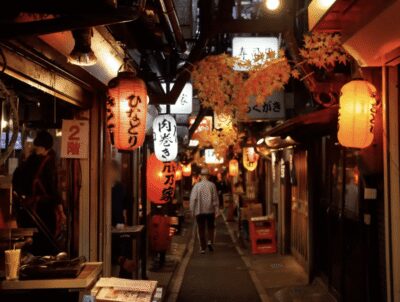 ★ 4.9Shinjuku Local Bar and Izakaya Guided Walking TourFrom $341,794 reviews
 ★ 5.0Tokyo Shinjuku Chopsticks Making ClassFrom $201,763 reviews
 ★ 5.0Tokyo Shinjuku Sumo Show & Experience with PhotoFrom $791,750 reviews
 ★ 5.0Tokyo Night Foodie Tour in Shinjuku – Seasonal Sushi, Wagyu BeefFrom $1111,161 reviews
Browse the lists this tour appears in