
Reviewed · SHIBUYA EXPERIENCES
Tokyo Food and Culture tour (Shibuya and Harajyuku)
Tokyo does street food best when you have a local lead. This private half-day walk mixes Harajuku cuteness, Shibuya’s iconic crosswalk, and a guided stop for snacks and lunch that you can actually plan around. I like that you get built-in time for questions and small shopping breaks, and I also like that the tasting choices don’t force you to “eat the same thing” just because you’re on a tight schedule. One thing to consider: it’s a walking tour, so expect moderate walking during the full 4 hours 30 minutes.
You’ll start near the Hachiko Statue and end up down at Takeshita Street, which makes the tour feel like a neat route through two of Tokyo’s most recognizable zones. The stops are short—especially the big photo moments—so the value comes from the context: why Hachiko’s story matters, how to time Shibuya views, and what to look for in candy and fashion on the way.
In This Review
- Key highlights you’ll feel right away
- Why this Harajuku and Shibuya route works
- The walking game plan: 4.5 hours, smart stops, real breaks
- Start at Hachiko: the photo stop with the story behind it
- Harajuku’s sweet spot: Takeshita Street area and kawaii culture
- Shibuya Scramble Crossing: how to enjoy the most famous crosswalk
- Miyashita Park and the KITKAT Chocolatory souvenir stop
- The food and lunch value: snacks you can’t easily DIY
- Private tour perks: questions, flexibility, and a smoother pace
- Getting there and where the route naturally ends
- Price and value: is $150.24 a good deal?
- Who should book this Tokyo food and culture tour
- Should you book this tour?
- FAQ
- What neighborhoods does this tour cover?
- How long is the Tokyo Food and Culture tour?
- Is this a private tour?
- What time does the tour start, and where does it meet?
- Where does the tour end?
- What’s included in the price?
- What is not included?
- What cancellation options are available?
- Do I need a physical ticket?
- Are there admission tickets for the main stops?
Key highlights you’ll feel right away
- Private, question-friendly guide for a more personal food-and-culture pace
- Harajuku shopping time for candy stores and trendy boutiques on your own
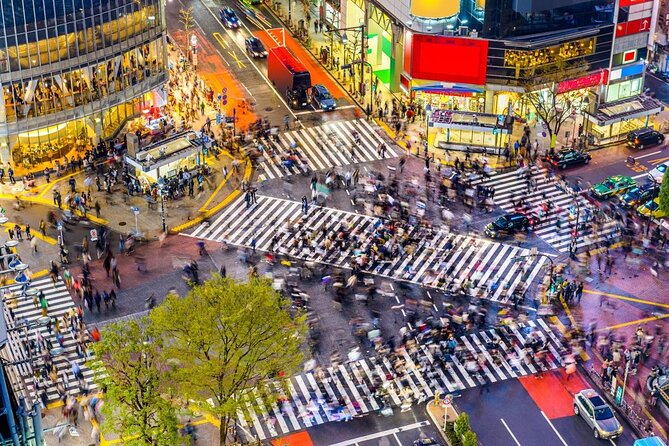
- Shibuya Scramble Crossing photos without getting lost in the crowd
- Hachiko statue stop focused on the story behind the meeting point
- Miyashita Park + KITKAT Chocolatory souvenir run with admission included
- Snacks and lunch included, with examples like Tokyo-style pancakes and sumo wrestler food
Why this Harajuku and Shibuya route works
This tour is built around a simple idea: in Tokyo, the difference between seeing a place and understanding it is often a few local facts and good timing. You’ll cover Harajuku and Shibuya in one half-day, but you won’t feel like you’re sprinting from landmark to landmark. Instead, the route is paced so you can actually look around—then eat.
You’re paying for more than just “walking.” At each stop, the tour format gives you a reason to be there, and then it gives you breathing room. That matters in areas like Harajuku and Shibuya where everything looks interesting, and it’s easy to wander into expensive shops or miss the food angle entirely.
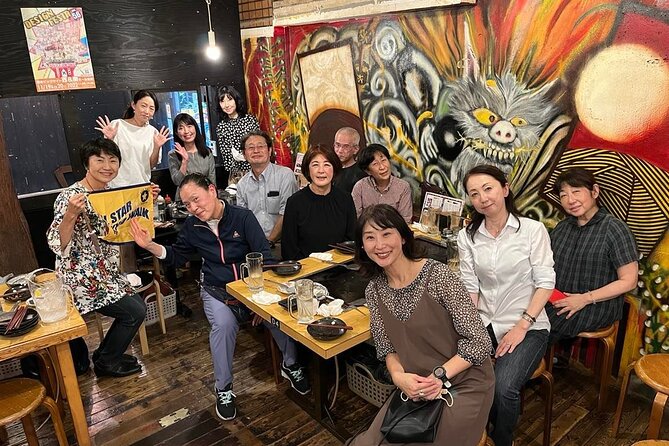
Also, this is a private tour for your group only. That means no waiting for strangers, and you can ask questions as you go—what to try, what things mean, and how to shop without overthinking it.
More booked around Shibuya Crossing
- Official Street Go-Kart in Shibuya
★ 5.0 · 3,435 reviews - Tokyo: Street Kart Experience in Shibuya
★ 4.9 · 1,484 reviews - Shibuya Meltdown Nightlife Tour: All-You-Can-Drink Bar Hopping
★ 5.0 · 1,058 reviews - Shibuya Official Street Go-Kart in Shibuya Annex
★ 5.0 · 972 reviews
The walking game plan: 4.5 hours, smart stops, real breaks
The total time is about 4 hours 30 minutes, and the schedule mixes quick landmark moments with longer practical wandering time. For example:
- Harajuku gets about 40 minutes
- Shibuya Scramble Crossing gets 20 minutes
- The Hachiko photo stop is about 10 minutes
- Miyashita Park’s KITKAT Chocolatory time is about 10 minutes
On paper, those time blocks look short—especially the food. The key is that snacks and lunch are part of the experience during the in-between walking and food breaks, so you’re not stuck carrying your hunger around.
My practical tip: wear comfortable shoes and plan for crowds. Shibuya is famous for a reason, and it can feel shoulder-to-shoulder around the crosswalk. The tour helps because it keeps you from wasting time trying to figure out where you should stand for photos.
Start at Hachiko: the photo stop with the story behind it
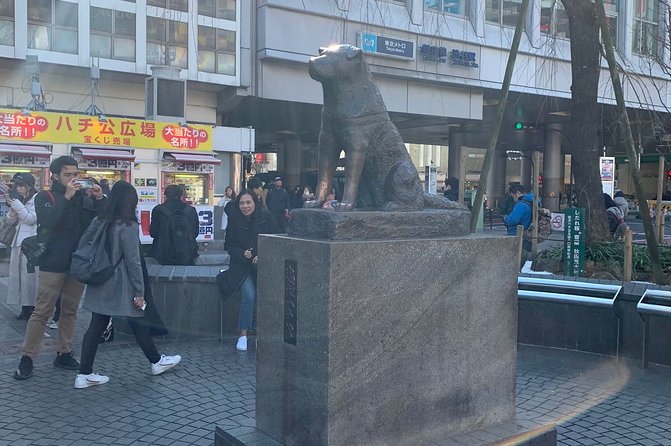
You meet near the Hachiko Statue at 2 Chome-1 Dogenzaka, Shibuya (start time is 10:30am). This is a smart starting point because it’s already tied to Tokyo’s everyday rhythm: commuters, meeting points, and the kind of local symbolism that tourists often miss.
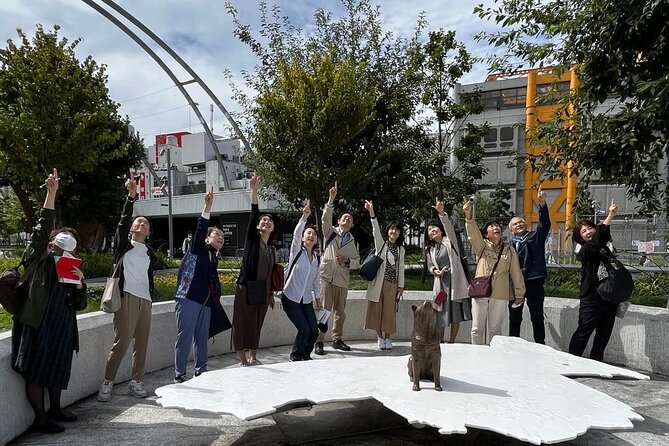
Hachiko is more than a cute statue. The guide focuses on the heartwarming story of the loyal Akita dog and how his story has been shared for a century. That context changes how you look at the statue. You’re not just taking a snapshot—you’re understanding why people treat this spot like a landmark with meaning.
The stop itself is brief (about 10 minutes), which is perfect if you’re also aiming to enjoy Harajuku afterward. If you’re the type who likes lingering at photo spots, just know you’ll have to accept a tighter pace here.
Harajuku’s sweet spot: Takeshita Street area and kawaii culture
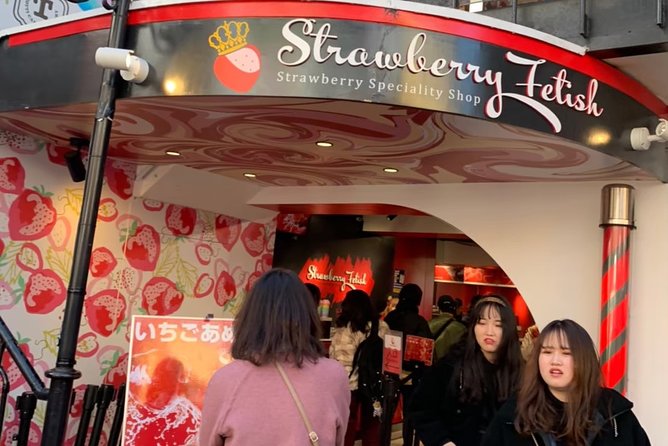
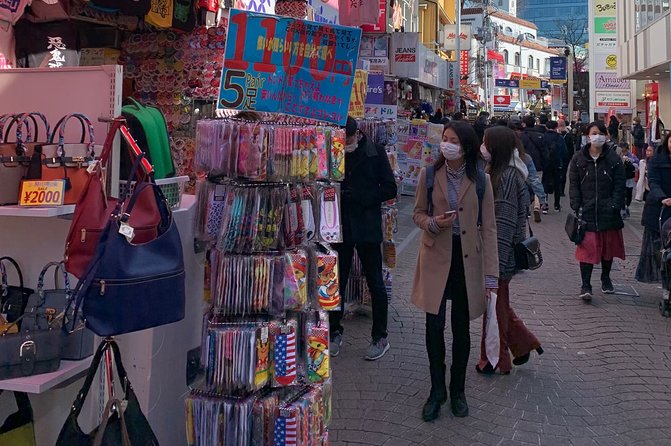
Your next major block is Harajuku, the center of kawaii (cute) culture in Japan. This is where you’ll see the energy that made Takeshita Street so famous—trendy boutiques, snack shops, and all the candy-color chaos.
You get about 40 minutes, and the tour includes time to explore on your own. That’s important because Harajuku isn’t one single street with one single vibe. It’s a zone. Some people want outfits; others want candy; others just want to watch storefronts and vibe with the neighborhood energy.
One drawback to plan for: Harajuku can be crowded and visually loud. If you’re shopping, your best bet is to decide your “must buys” before you’re standing in front of ten versions of the same-looking snack.
The tour keeps your time efficient with an easy flow: you get the big landmark vibe, then you get free time to pick what you actually want—especially candy stores and trendy boutiques.
Shibuya Scramble Crossing: how to enjoy the most famous crosswalk
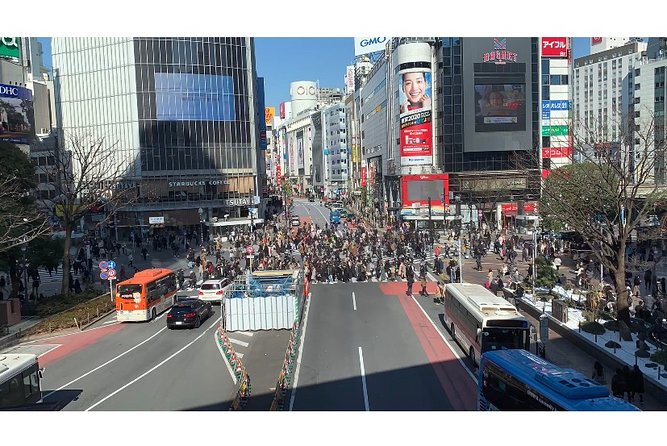
Next up is the Shibuya Crossing, where you’ll spend about 20 minutes. This is the “everybody knows it” view, but it’s still worth doing—because the real experience isn’t a postcard. It’s the timing, the movement, and the sheer number of people crossing at once.
The tour doesn’t try to make you stand in one perfect spot for a long time. Instead, it gives you enough time to:
- take photos
- understand what makes the crossing so iconic
- reset your bearings before you head toward Hachiko’s story again or toward the next shopping stop
Practical move: if your goal is photos, arrive with your phone/camera already ready. You’ll lose less time and enjoy the moment more. Also, if you’re sensitive to crowds, keep some distance from the thickest clusters and let people move around you.
Readers also shortlisted these Tokyo bookings:
- Tokyo: Shinjuku Food Tour (13 Dishes at 4 Local Eateries)★ 5.0 · 6,603 reviews
- Tokyo Tsukiji Fish Market Food and Culture Walking Tour★ 5.0 · 3,184 reviews
- Tokyo: Shinjuku Food Tour (15 Dishes and 4 Eateries)★ 4.9 · 2,033 reviews
- Best of Shinjuku: Izakaya Food Tour (4 Stops, 14+ Tastings)★ 5.0 · 1,863 reviews
- Tokyo: Tsukiji Fish Market Food and Walking tour★ 5.0 · 1,724 reviews
Miyashita Park and the KITKAT Chocolatory souvenir stop
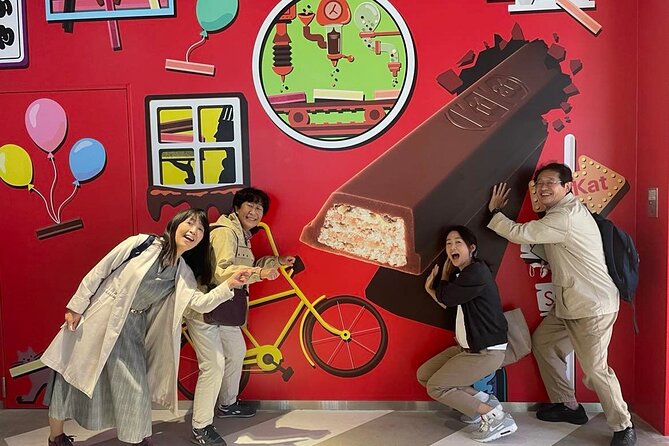
Then you shift toward a more “shopping for treats” vibe at Miyashita Park. This is a trendy fashion arcade, and the centerpiece of this portion is the KITKAT Chocolatory where you’ll find different kinds of KITKAT.
You get around 10 minutes, and the tour says the admission is included for this stop. That matters because you’re not guessing whether the experience is fee-only or what you’re supposed to do when you arrive. You can focus on choosing something you’ll actually carry home.
What you should do in this short window: decide on your souvenir target fast. If you want variety, go for small multipacks. If you’re buying for someone picky, choose one flavor theme you know they’d like.
And yes, KITKAT is a classic Japanese souvenir for a reason—it’s easy to share, easy to pack, and there are enough flavors to make it feel special without turning it into a long shopping quest.
The food and lunch value: snacks you can’t easily DIY
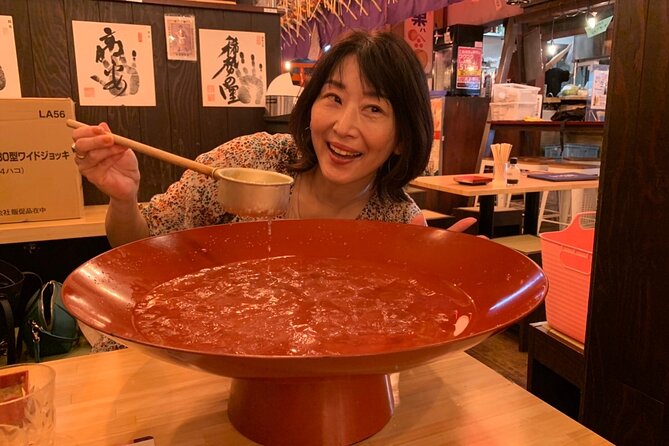
The tour isn’t only sightseeing. You’ll try traditional Japanese treats and you’ll also get snacks and lunch included.
The food examples given include:
- sumo wrestler food
- Tokyo-style pancakes
- locally made candy
I like this mix because it covers three different “Tokyo food moods”:
- comfort and novelty (like pancake style treats)
- themed street-food ideas (like sumo-style options)
- take-home sweetness (candy you can bring back)
One of the best signals from real-world feedback is variety. In one example, the group (a family of 6) didn’t repeat food items, and the guide stayed patient and accommodating. That’s exactly the kind of result you want from a paid tour: you’re not trapped in a repeat-menu situation just because the group is large or time is short.
Smart planning tip: eat breakfast lightly. Since lunch is included, going too heavy at breakfast can leave you eating with a full stomach and missing the fun of sampling.
Private tour perks: questions, flexibility, and a smoother pace
A private tour sounds like a nice upgrade, but here’s what it changes on the ground.
First, you can ask questions anytime. That means you’re not stuck saving curiosity for later. Want to know the difference between two candy types? Ask. Want help choosing what’s worth the price in a crowded shop? Ask. Want to understand what a landmark actually represents? Ask.
Second, the pace stays tuned to your group. The tour is designed for a moderate physical fitness level and a walking format, so the guide can manage timing so you’re not constantly sprinting to keep up.
Third, the end point is useful: the tour finishes at Takeshita Street, so you’re not left miles from where the fun continues. You can head out for more shopping or keep exploring the Harajuku vibe on your own.
Getting there and where the route naturally ends
You’ll start at the Hachiko area in Shibuya and end on Takeshita Street in Harajuku (both spots are in the Shibuya area). The tour notes that you’ll be near public transportation, which is a big deal in Tokyo where trains and stations can be confusing if you’re arriving on your own.
Because the ending is in Harajuku, it’s easier to keep your afternoon flexible:
- if you want more shopping, you’re already there
- if you want to grab a café, you can do it nearby
- if you want to pivot to something else, you’re positioned well for train connections
My advice: keep your schedule open after the tour. You’ll likely want to keep wandering, especially since you’ll already have momentum from the candy and fashion stops.
Price and value: is $150.24 a good deal?
The price is $150.24 per person for about 4.5 hours, with snacks and lunch included. For Tokyo, that’s not a bargain price, but it’s also not “only for luxury shoppers.”
Here’s why it can still be good value:
- You’re paying for a private walking format (your group only).
- Admission is handled where it matters (KITKAT Chocolatory stop is included; other named stops note free admission).
- Food is included: snacks plus lunch, with specific examples of the kinds of treats you’ll try.
- The tour reduces guesswork. In Harajuku and Shibuya, that’s valuable. You spend less time wondering what’s worth it.
If you already plan to walk those areas anyway and you’re the type who loves researching and choosing food on your own, you might not need a guided tour. But if you want structure and good “what to try” decisions without spending your whole day deciding, this fits well.
Also, the tour has free cancellation up to 24 hours before the start time. That’s a small but real advantage if your plans are still changing.
Who should book this Tokyo food and culture tour
Book it if you:
- want a guided route through Shibuya + Harajuku without map stress
- like tasting food with a plan (snacks and lunch are included)
- enjoy candy shopping and themed treats as souvenirs
- want to ask lots of questions and get direct answers while you walk
- prefer a private group experience over crowd herding
Skip it (or at least think hard) if you:
- dislike crowds and don’t like photo stops in busy areas
- want a long, slow museum-style pace
- have very strict dietary needs, since the data provided only says snacks and lunch are included (it doesn’t specify customization)
Should you book this tour?
If your goal is a smart half-day in Tokyo that blends iconic sights with real food breaks, I think this is a strong pick. The structure is efficient: Harajuku gives you time to shop and snack, Shibuya gives you the main photo moment, Hachiko adds meaning, and Miyashita Park wraps the day with a practical souvenir stop at KITKAT Chocolatory.
I’d book it when you want local guidance, not just tourist photos. It’s also a good match for families or mixed-age groups who still want variety without spending the day sorting out where to eat.
FAQ
What neighborhoods does this tour cover?
It covers Harajuku and Shibuya, including stops at Harajuku areas, Shibuya Crossing, Hachiko, and Miyashita Park.
How long is the Tokyo Food and Culture tour?
The duration is approximately 4 hours 30 minutes.
Is this a private tour?
Yes. It’s a private tour, and only your group participates.
What time does the tour start, and where does it meet?
The tour starts at 10:30am and meets at the Hachiko Statue area in Shibuya.
Where does the tour end?
The tour ends at Takeshita Street.
What’s included in the price?
The price includes snacks and lunch. A KITKAT Chocolatory-related stop also notes admission included.
What is not included?
Alcoholic beverages and insurance are not included.
What cancellation options are available?
There is free cancellation, and you can cancel up to 24 hours before the experience’s start time for a full refund.
Do I need a physical ticket?
The tour uses a mobile ticket.
Are there admission tickets for the main stops?
Admission is listed as free for Harajuku, Shibuya Crossing, and Hachiko stops, and admission is included for the KITKAT Chocolatory Miyashita Park Shibuya stop.
More Tours in Tokyo
- Mt Fuji and Hakone 1-Day Bus Tour Return by Bullet Train
★ 5.0 · 26,383 reviews - 1-Day Tokyo Bus Tour
★ 5.0 · 14,250 reviews - Tokyo: Shinjuku Food Tour (13 Dishes at 4 Local Eateries)
★ 5.0 · 6,603 reviews - Tokyo Mt Fuji 5th St & Hakone Cruise Bus Tour w/Bullet Train
★ 4.4 · 5,024 reviews - Flagship 2-Hours Official Street Go-Kart Tour – Tokyo Bay Shop
★ 5.0 · 4,974 reviews
More Tour Reviews in Tokyo
- Mt Fuji and Hakone 1-Day Bus Tour Return by Bullet Train
★ 5.0 · 26,383 reviews - 1-Day Tokyo Bus Tour
★ 5.0 · 14,250 reviews - Tokyo: teamLab Planets TOKYO Digital Art Museum Entry Ticket
★ 4.6 · 9,779 reviews - Mt Fuji & Hakone Cruise, Drum Show Bullet Train 1 Day from Tokyo
★ 4.0 · 7,413 reviews - Tokyo: Shinjuku Food Tour (13 Dishes at 4 Local Eateries)
★ 5.0 · 6,603 reviews
More Around Shibuya Crossing
- Official Street Go-Kart in Shibuya
★ 5.0 · 3,435 reviews - Tokyo: Street Kart Experience in Shibuya
★ 4.9 · 1,484 reviews - Shibuya Meltdown Nightlife Tour: All-You-Can-Drink Bar Hopping
★ 5.0 · 1,058 reviews - Shibuya Official Street Go-Kart in Shibuya Annex
★ 5.0 · 972 reviews - Tokyo: Shibuya Food Tour (13 dishes and 4 Eateries)
★ 5.0 · 770 reviews
Latest Tokyo reviews off our desk






Shibuya Experiences, compared.
 ★ 5.0Official Street Go-Kart in ShibuyaFrom $763,435 reviews
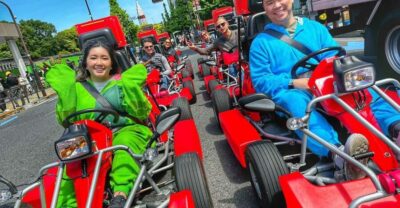 ★ 4.9Street Kart Experience in ShibuyaFrom $741,484 reviews
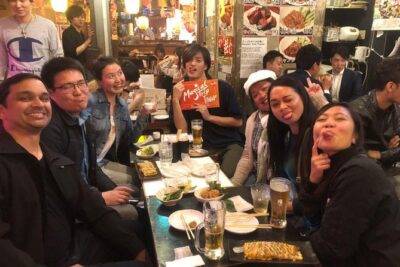 ★ 5.0Shibuya Meltdown Nightlife Tour: All-You-Can-Drink Bar HoppingFrom $1061,058 reviews
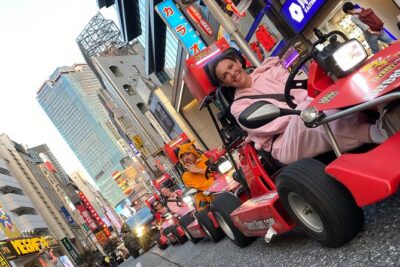 ★ 5.0Shibuya Official Street Go-Kart in Shibuya AnnexFrom $69972 reviews
 ★ 5.0Shibuya Food Tour (13 dishes and 4 Eateries)From $77770 reviews
 ★ 5.0Best of Shibuya Food TourFrom $217612 reviews
 ★ 4.8Shibuya Highlights Walking TourFrom $19601 reviews
 ★ 4.7Premium Go-Kart Tour with Tower & Shibuya CrossingFrom $116528 reviews
Browse the lists this tour appears in