
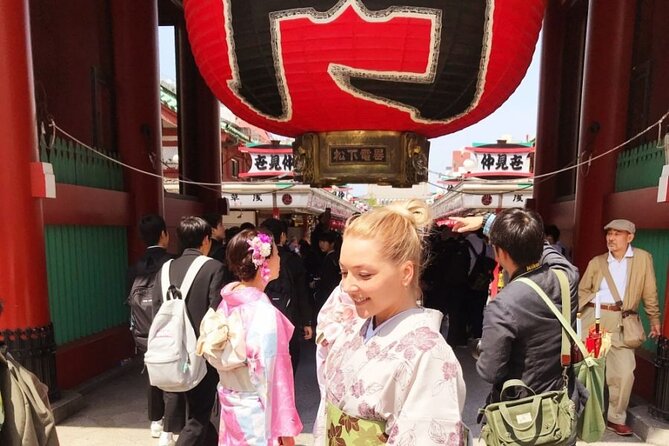
Reviewed · TOURS
Tokyo Full Course Tour: Explore 10 Must-See Sights & Hidden Gems
Tokyo moves fast. This tour keeps up.
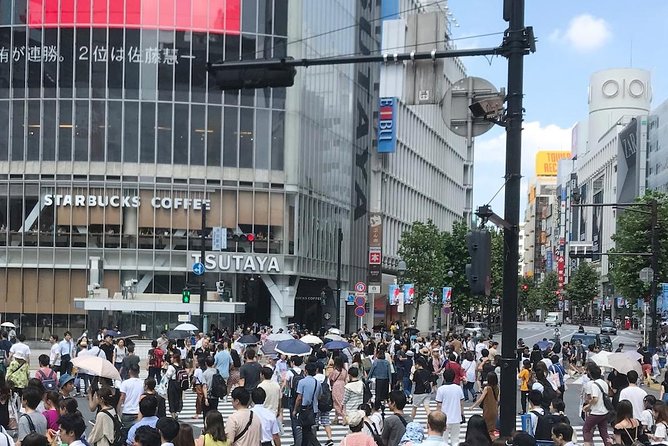
This full-day route strings together 10 key Tokyo sights with a guide who knows how to navigate transit without turning your day into a sprint. You start near Yoyogi, then hop by metro and on foot through neighborhoods like Harajuku, Shibuya, Tsukiji, and Asakusa, with time built in to stop, look around, and learn why each place matters.
I especially like the way the guide turns famous spots into real context. Guides such as Sam (and in at least one case, Takashi) explain the history behind shrines and temples, plus everyday etiquette and how to use public transport like a local. I also like the small size: it caps at 5 travelers, which makes it easier to hear the plan, follow together, and ask questions mid-walk.
One thing to consider: this is a feet-on-the-ground day. The tour lists moderate fitness, and the pace can feel brisk if you want long hangs in every location, so pack comfy shoes and plan for a lot of walking.
In This Review
- 5 Things You’ll Notice Right Away
- A 7-Hour Tokyo Route That Actually Fits Together
- Getting Started at Yoyogi Station (9:30am) and Staying With the Group
- Meiji Jingu Shrine and Harajuku: A Calm Start, Then Street Style
- Hachiko and Shibuya Crossing: Tokyo’s Daily Performance
- Tsukiji Honganji Temple, Sushi Lunch, and the Fish-Market Stop
- Imperial Palace and Marunouchi: Power, Planning, and the City’s Center
- Akihabara: Japanese Subculture Without Getting Lost
- Senso-ji and Asakusa Shrine: Old Tokyo Closes the Loop
- Price and Value: Why $78.18 Can Work (If You Budget Meals and Transit)
- Pace: Fun, But Plan for Walking
- Who Should Book This Tokyo Full Course Tour?
- Should You Book It?
- FAQ
- How long is the Tokyo Full Course Tour?
- What time does the tour start, and where do I meet?
- Where does the tour end?
- Is the ticket mobile?
- What are some of the stops included in the tour?
- Are admission tickets included for the sights?
- Is lunch included?
- Do I need a transit IC card?
- How many people are in a group?
- What if the tour is canceled due to weather?
5 Things You’ll Notice Right Away
- Small group (max 5): easier conversation and easier navigation through Tokyo’s rail maze
- Transit-focused day: you’ll be pushed to use a transport IC card like SUICA/PASMO and follow the guide closely
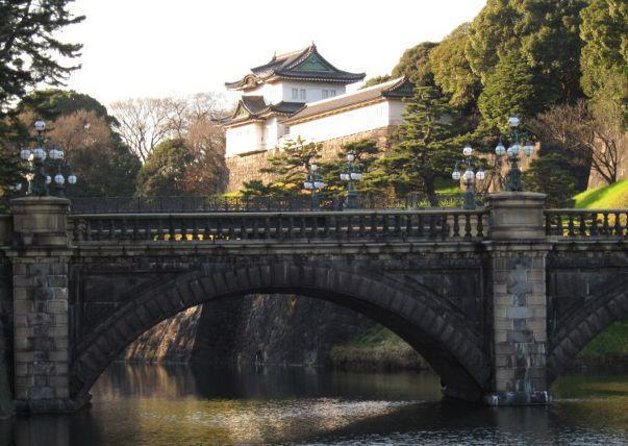
- Iconic-to-local mix: Meiji Jingu, Shibuya’s scramble, Tsukiji, Imperial Palace exteriors, Tokyo Station areas, Akihabara, Senso-ji, and Asakusa Shrine
- Market time plus a pre-temple lunch stop: Tsukiji includes the market, with a sushi meal option around $13 before visiting Tsukiji Honganji Temple
- Time stays tight: it starts on time at 9:30am, and the program expects punctual arrival
A 7-Hour Tokyo Route That Actually Fits Together
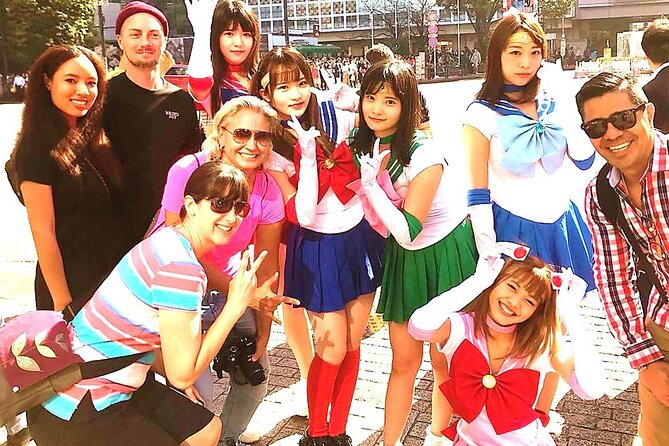
Tokyo is big, spread out, and frequently confusing—especially on a first trip. This tour is designed to solve that problem in one day. Instead of you figuring out the order of sights and the fastest routes between them, you’re given a ready-made sequence: start at Yoyogi, build your day around central Tokyo, and end at Asakusa.
The value here isn’t just “you see a lot.” It’s that the itinerary is organized around the areas you’ll want anyway—shrines, modern city life, the Tsukiji food-and-tradition zone, and the old-culture streets of Asakusa—then stitched together using public transit at a pace your group can handle.
You should also like the tone. The tour isn’t framed as lecture-only sightseeing. The guide is there to connect dots: history and culture, how people behave, and how to ride trains and metro without stress. That matters because Tokyo’s unwritten rules are half the experience.
Readers booked these Tokyo options in the same breath. Here is how each one scored:
- Mt Fuji and Hakone 1-Day Bus Tour Return by Bullet Train
★ 5.0 · 26,383 reviews - 1-Day Tokyo Bus Tour
★ 5.0 · 14,250 reviews - Tokyo: teamLab Planets TOKYO Digital Art Museum Entry Ticket
★ 4.6 · 9,779 reviews - Mt Fuji & Hakone Cruise, Drum Show Bullet Train 1 Day from Tokyo
★ 4.0 · 7,413 reviews
Getting Started at Yoyogi Station (9:30am) and Staying With the Group
Your start point is Yoyogi Station, with the meeting address at 1 Chome-34 Yoyogi, Shibuya. The tour begins at 9:30am, and it’s explicit that the program starts on time and late arrivals aren’t allowed to join. Because this is a guided walking + transit day, the tour also requires you to follow the host from your side—if you drift off, the guide can’t look for you.
Here’s the practical tip that makes the whole day smoother: get your transport IC card ready ahead of time. SUICA or PASMO is recommended, and you’ll use it for metro and rail moves between neighborhoods. If your card isn’t set up, you’ll lose precious moments just to pay and scan.
The tour uses a mobile ticket, so keep your phone charged. With a day full of transit and photos, that battery check is not a suggestion—it’s survival.
Meiji Jingu Shrine and Harajuku: A Calm Start, Then Street Style
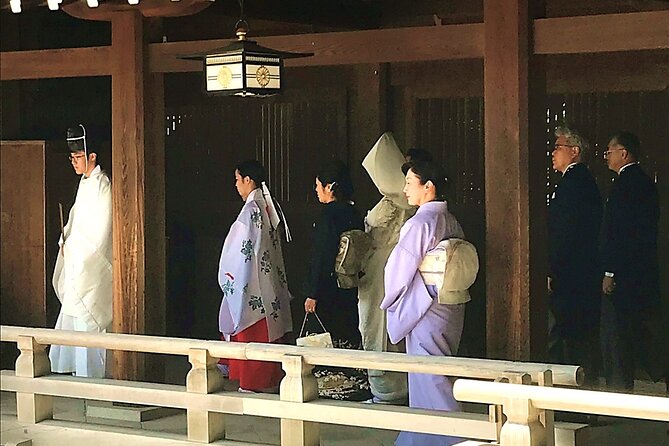
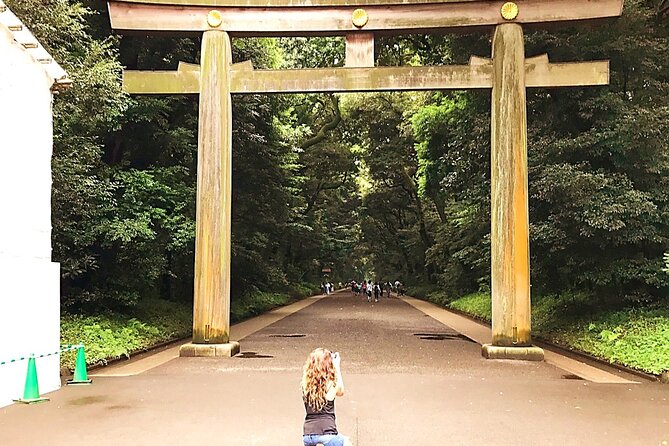
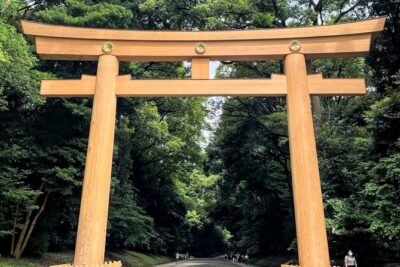
You begin at Meiji Jingu Shrine. The good part here is the contrast. One moment you’re stepping into a quiet shrine space with free admission time, then you’re headed toward Harajuku—famous for fashion street energy. The time per stop is about 30 minutes, so you won’t get stuck watching only crowds. You’ll get enough to notice how the place feels, then move on before Tokyo turns your attention into pure sensory overload.
Harajuku fashion street is listed as optional. If you enjoy people-watching and street culture, this is your window. If you’d rather keep things calm, you can use the time to focus on the walk-through vibe rather than trying to cover every shop or sidestreet.
This early pairing works because it sets up the day’s theme: Japan isn’t one mood. It’s constantly switching gears.
Hachiko and Shibuya Crossing: Tokyo’s Daily Performance
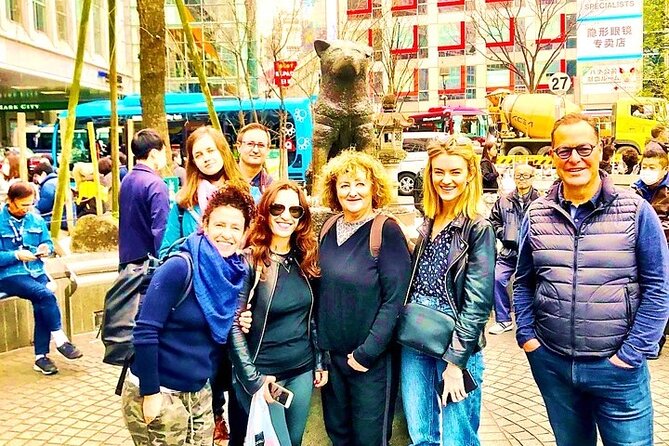
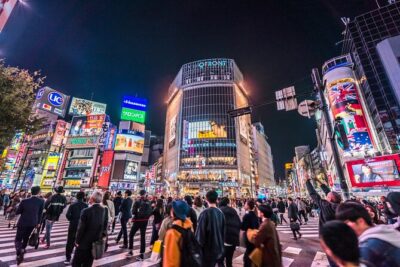
Next you hit Shibuya, starting with the Hachiko stop and then the famous scramble crossing. This is classic Tokyo—yes. But with a guide, you’re more likely to understand what you’re seeing than just snapping photos while everyone flows around you.
Expect 30 minutes at each segment, and expect it to feel busy. What makes it worthwhile is the built-in context: the guide can explain how this area fits into Tokyo’s rhythms and what locals pay attention to while crossing, shopping, and commuting.
A small practical note: if you’re sensitive to crowds, arrive in “observe mode,” not “get somewhere specific” mode. The crossing is about movement, not a single viewpoint you can lock down for a long time.
Tsukiji Honganji Temple, Sushi Lunch, and the Fish-Market Stop
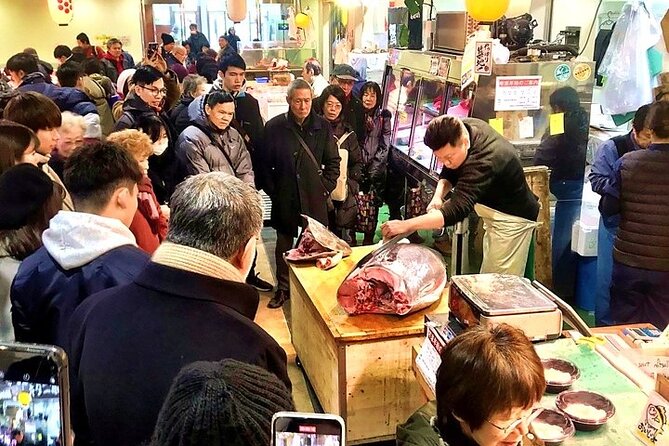
The Tsukiji portion is one of the most practical parts of the day, because it mixes food culture and temple context. You start with Tsukiji Honganji Temple, then you’re tied to a lunch option at a sushi restaurant listed at about $13, followed by time at Tsukiji traditional fish market.
A key thing to know: food isn’t included in the tour price. The tour fee covers the tour and consumption tax, but not meals. So you’ll pay out of pocket for lunch and anything else you want to eat or snack on. Cash is recommended, and I’d also plan your budget around this one meal if you’re traveling on a set number.
How long you spend at the market is listed at 30 minutes. That’s short, but it’s enough to get your bearings: you’ll see the idea of Tsukiji as a working food hub, not just a tourist photo stop. If you want deeper exploration, treat this as your “first exposure” moment and consider adding extra time later in your trip.
If you’re the type who loves learning “how things work” (rather than only “what things look like”), this segment is likely to feel like more than sightseeing.
- Tokyo: Shinjuku Food Tour (13 Dishes at 4 Local Eateries)★ 5.0 · 6,603 reviews
- Tokyo Mt Fuji 5th St & Hakone Cruise Bus Tour w/Bullet Train★ 4.4 · 5,024 reviews
- Flagship 2-Hours Official Street Go-Kart Tour – Tokyo Bay Shop★ 5.0 · 4,974 reviews
- From Tokyo: Mount Fuji Full-Day Sightseeing Trip★ 4.5 · 4,970 reviews
- Tokyo: Hop-On Hop-Off Sightseeing Bus Ticket★ 3.9 · 4,207 reviews
Imperial Palace and Marunouchi: Power, Planning, and the City’s Center
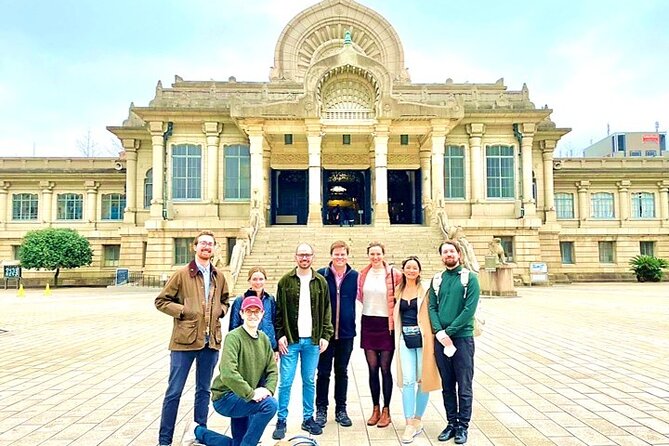
After Tsukiji, the tour moves into a quieter-but-meaningful zone: Imperial Palace (you view the exterior on foot) and then Marunouchi, described as the center of economy.
This is where you slow down just enough to feel the architecture and urban planning. Even though the Imperial Palace time is listed as 30 minutes and it’s an exterior walk, it’s still a good “big picture” stop. You’ll see the way Tokyo presents official spaces inside a dense city.
Then you’re in Marunouchi, with time at Tokyo Station Marunouchi Ekimae Hiroba and Tokyo Station nearby. This area is perfect for orientation. Tokyo Station isn’t just a landmark; it’s also a key hub that explains why trains move the way they do. If you’re going to spend more time in Tokyo later, understanding this central grid helps.
Also: these stops are free on the itinerary, and that makes the “big city centerpiece” feeling more accessible.
Akihabara: Japanese Subculture Without Getting Lost
Next up is Akihabara, framed as a Japanese subculture street. This is a good match for people who want a break from shrines and history and still want Tokyo to feel distinctly Tokyo.
With only about 30 minutes here, you’re not shopping deeply unless you’re laser-focused. Instead, aim to use this time for exploration: see the storefront energy, understand the vibe, and pick one or two things you actually want rather than trying to cover the whole district.
The value of having a guide isn’t that they’ll tell you exactly what to buy. It’s that they help you avoid wasting your short time fighting crowds, crossing streets awkwardly, or losing your path back to the meeting point for the next move.
Senso-ji and Asakusa Shrine: Old Tokyo Closes the Loop
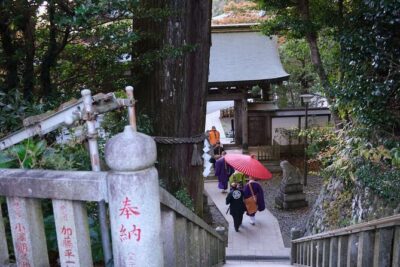
Your day ends in Asakusa, starting with Senso-ji Temple—listed as the oldest Buddhist temple in Tokyo and one of the most popular tourist sights in Japan. You’ll also visit Asakusa Shrine afterward.
These are both free-admission stops on the plan, and they make a strong final act. By the time you arrive in Asakusa, you’ve already seen Shibuya’s modern speed and Tsukiji’s food pulse. Asakusa brings the day back to tradition: incense, ritual spaces, and streets that feel built for slow looking even if your schedule is faster.
The tour ends at Asakusa Station (metro), using the address 1-chōme-1-3 Asakusa, Taito City. That end location is handy because it lets you smoothly transfer to dinner plans or a night ride back to your hotel.
If you only have a limited number of days in Tokyo, this ending gives you that “I got the old stuff too” satisfaction without needing to design a whole second itinerary.
Price and Value: Why $78.18 Can Work (If You Budget Meals and Transit)
The tour costs $78.18 per person and runs about 7 hours. On average, it’s booked about 17 days in advance, which suggests it’s popular with people planning a tight schedule.
Here’s the honest math: the tour fee includes the tour itself and consumption tax, but it does not include transportation or food and beverage. So you still need to budget for:
- Metro and rail rides (you’ll pay using your IC card)
- Lunch or snacks (Tsukiji sushi is listed around $13)
- Any extra meals beyond what you choose during the day
When the tour feels like value is when you factor in the time you’re saving. Tokyo’s transit complexity is real—even for Japanese people, as the tour information points out. Paying for a local who guides your routes and timing often costs less than spending that day stuck in wrong lines, wrong stations, or wandering between areas that seem close on a map but aren’t.
Small group size also adds value. With a max of 5 travelers, you’re more likely to feel like the day is guided for your specific group, not just one of many faces in a giant line.
Still, if you’re someone who refuses to spend money on guided “efficiency,” you might decide to DIY. But if your priority is reducing stress while still covering major neighborhoods in one day, this price can make sense.
Pace: Fun, But Plan for Walking
The tour lasts about 7 hours, and most stops are 30 minutes. That structure tends to mean:
- You’ll see a lot of Tokyo landmarks
- You won’t get long, slow sitting time in every place
- You’ll walk between points more than you expect
Reviews include feedback that the day can feel extremely fast-paced, and that you’ll be on your feet for hours. The tour itself asks for moderate physical fitness. Translation: pack shoes you can walk in for a long day, and don’t schedule an intense workout or late-night plan right after.
One practical compromise: treat the tour as a highlight loop. Then, on a different day, return to the one or two places you liked most and spend extra time there on your own.
Who Should Book This Tokyo Full Course Tour?
This tour is a strong fit if you:
- Are new to Tokyo and want a logical route covering major highlights and classic neighborhoods
- Want help using metro and trains instead of guessing your way around
- Like combining shrine/temple time with modern Tokyo stops like Shibuya and Akihabara
- Prefer a smaller group experience (max 5)
It’s less ideal if you:
- Want very slow pacing with lots of free time at each stop
- Hate crowds and don’t do well in high-traffic areas like Shibuya Crossing
- Want a lunch experience that’s fully self-directed (food isn’t included, and the plan references a sushi restaurant stop)
Also, remember this tour starts on time, and it runs only in good weather. If weather looks shaky, keep your flexibility in mind.
Should You Book It?
Yes—if your goal is a high-value “first Tokyo day” that covers Meiji Jingu, Shibuya, Tsukiji, the Imperial Palace area, Tokyo Station/Marunouchi, Akihabara, and Asakusa in one organized loop with a local guide like Sam.
I’d say go in confidently if you’re ready for walking and you’ll budget extra for transit and meals. Bring an IC card, charge your phone for the mobile ticket, and wear shoes that feel boring (in the best way).
Skip it or choose something lighter if you want slow sightseeing, minimal walking, or fully free-form exploration. This tour is efficient by design, and that efficiency is the whole point.
FAQ
How long is the Tokyo Full Course Tour?
It’s about 7 hours.
What time does the tour start, and where do I meet?
The tour starts at 9:30am at Yoyogi Station (1 Chome-34 Yoyogi, Shibuya, Tokyo 151-0053, Japan).
Where does the tour end?
It ends at Asakusa Station (1-chōme-1-3 Asakusa, Taito City, Tokyo 111-0032, Japan).
Is the ticket mobile?
Yes, the tour uses a mobile ticket.
What are some of the stops included in the tour?
The listed stops include Meiji Jingu Shrine, Harajuku (fashion street option), Hachiko, Shibuya Crossing, Tsukiji Honganji Temple, Tsukiji fish market, Imperial Palace (walk outside), Marunouchi, Tokyo Station Marunouchi Ekimae Hiroba, Akihabara, Senso-ji Temple, and Asakusa Shrine.
Are admission tickets included for the sights?
Admission is listed as free at the stops shown on the plan (for example Meiji Jingu and Senso-ji, and the temple/shrine stops).
Is lunch included?
Food and beverage are not included. The plan notes a sushi restaurant option before visiting Tsukiji Honganji Temple, listed at about $13.
Do I need a transit IC card?
Yes. The tour recommends preparing an IC card such as SUICA or PASMO in advance.
How many people are in a group?
The tour has a maximum of 5 travelers.
What if the tour is canceled due to weather?
The program requires good weather. If it’s canceled due to poor weather, you’ll be offered a different date or a full refund.
More Tours in Tokyo
- Mt Fuji and Hakone 1-Day Bus Tour Return by Bullet Train
★ 5.0 · 26,383 reviews - 1-Day Tokyo Bus Tour
★ 5.0 · 14,250 reviews - Tokyo: Shinjuku Food Tour (13 Dishes at 4 Local Eateries)
★ 5.0 · 6,603 reviews - Tokyo Mt Fuji 5th St & Hakone Cruise Bus Tour w/Bullet Train
★ 4.4 · 5,024 reviews - Flagship 2-Hours Official Street Go-Kart Tour – Tokyo Bay Shop
★ 5.0 · 4,974 reviews
More Tour Reviews in Tokyo
- Mt Fuji and Hakone 1-Day Bus Tour Return by Bullet Train
★ 5.0 · 26,383 reviews - 1-Day Tokyo Bus Tour
★ 5.0 · 14,250 reviews - Tokyo: teamLab Planets TOKYO Digital Art Museum Entry Ticket
★ 4.6 · 9,779 reviews - Mt Fuji & Hakone Cruise, Drum Show Bullet Train 1 Day from Tokyo
★ 4.0 · 7,413 reviews - Tokyo: Shinjuku Food Tour (13 Dishes at 4 Local Eateries)
★ 5.0 · 6,603 reviews
Latest Tokyo reviews off our desk


Tours, compared.
 ★ 5.0Mt Fuji and Hakone 1-Day Bus Tour Return by Bullet TrainFrom $16326,383 reviews
 ★ 5.01-Day Tokyo Bus TourFrom $12914,250 reviews
 ★ 5.0Shinjuku Food Tour (13 Dishes at 4 Local Eateries)From $866,603 reviews
 ★ 4.4Tokyo Mt Fuji 5th St & Hakone Cruise Bus Tour w/Bullet TrainFrom $1545,024 reviews
 ★ 5.0Flagship 2-Hours Official Street Go-Kart Tour – Tokyo Bay ShopFrom $644,974 reviews
 ★ 4.7Mt. Fuji Tour, Hakone Ropeway, Owakudani, Lake AshiFrom $544,002 reviews
 ★ 5.0Tokyo 6hr Private Tour with Government-Licensed GuideFrom $1553,902 reviews
 ★ 5.0Tokyo Bar Hopping Tour in Shinjuku (All-You-Can-Drink + Dinner)From $1063,587 reviews