
Reviewed · TOURS
Tokyo Full Course Tour: Explore 15 Must-See Sights & Hidden Gems
Tokyo is fun, but it’s also a lot. This full-day 15-stop plan gives you structure, local context, and plenty of street-level Tokyo without the stress of plotting every hop.
I like that it’s a small group (max 5 travelers), which means the guide can keep an eye on where you are and explain what you’re seeing as you go. Another big win: you don’t just hit the famous postcards, you also get short, meaningful stops that help you understand how Tokyo layers old belief, modern style, shopping crowds, and food culture in one day.
One thing to consider: it’s a 10-hour day with a moderate walking pace and metro time, and the tour expects you to be on time. Also, food and transit are not included, so you’ll want an IC card and some cash ready.
In This Review
- Key highlights worth getting excited about
- How this Tokyo tour works (and why the 10 hours feel “just right”)
- Yoyogi to Meiji Jingu: a quiet start with real cultural context
- Shibuya’s icons: Hachiko and the scramble crossing, timed for photos and understanding
- Tsukiji: temple pause, fish-market time, and a sushi lunch window
- Imperial Palace outside views and Marunouchi’s polished city feel
- Akihabara for tech culture, then Ueno Park for a slower reset
- Ameyoko market lanes and Asakusa’s temple approach
- The food and drink side: sushi lunch and an izakaya tipple
- Price and what you’re really buying for about $104.34
- Guide energy matters: what I’d watch for with guides like Yasuko, Michiko, or Takashi
- Getting around and staying on schedule without losing your day
- Should you book this Tokyo full course tour?
- FAQ
- How long is the Tokyo full course tour?
- What is included in the price?
- Do I need an IC card like Suica or Pasmo?
- Is admission included for the main stops?
- What’s the group size?
- Is this tour suitable for children?
Key highlights worth getting excited about
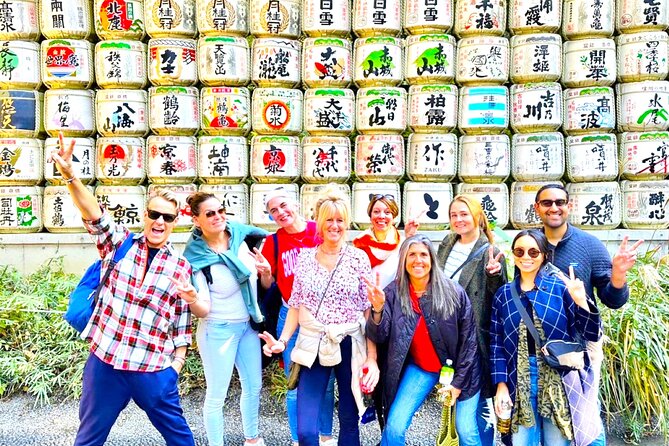
- Meiji Jingu + Harajuku in the same day: tradition, then fashion street energy.
- Shibuya’s big icons fast: Hachiko and the scramble crossing in a tightly timed stop.
- Tsukiji temple moment + market area time: a food-focused stretch with lunch options nearby.
- Akihabara and Ueno Park contrast: tech street culture followed by a calmer urban park scene.
- Asakusa with two temple stops: Sensoji area views plus Higashi Hongan-ji/Southern Asakusa atmosphere.
- Small-group pacing: more guide attention, less wandering off on your own.
How this Tokyo tour works (and why the 10 hours feel “just right”)
This is a full-course day designed to move across Tokyo without turning your trip into a spreadsheet. You’ll travel mostly on foot and by metro, with a local host guiding you through major neighborhoods. The format matters: each stop is time-boxed, so you get a taste of many places instead of spending half a day waiting in one long line.
The group size cap of five is a real quality-of-life upgrade. In Tokyo, crowds can make it easy to get separated. Here, the host’s keeping track of everyone is part of the experience. If you want a day that feels coordinated rather than chaotic, this is built for that.
You’re also going to be asked to follow the guide’s lead. That’s not just “house rules.” It’s what keeps the day on schedule, especially when you’re moving through big stations and busy shopping streets. If you tend to wander when something catches your eye, plan to rein it in and come back quickly.
Readers booked these Tokyo options in the same breath. Here is how each one scored:
- Mt Fuji and Hakone 1-Day Bus Tour Return by Bullet Train
★ 5.0 · 26,383 reviews - 1-Day Tokyo Bus Tour
★ 5.0 · 14,250 reviews - Tokyo: teamLab Planets TOKYO Digital Art Museum Entry Ticket
★ 4.6 · 9,779 reviews - Mt Fuji & Hakone Cruise, Drum Show Bullet Train 1 Day from Tokyo
★ 4.0 · 7,413 reviews
Yoyogi to Meiji Jingu: a quiet start with real cultural context
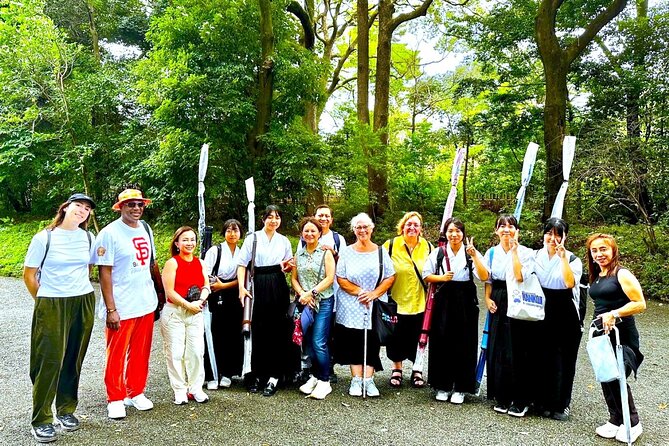
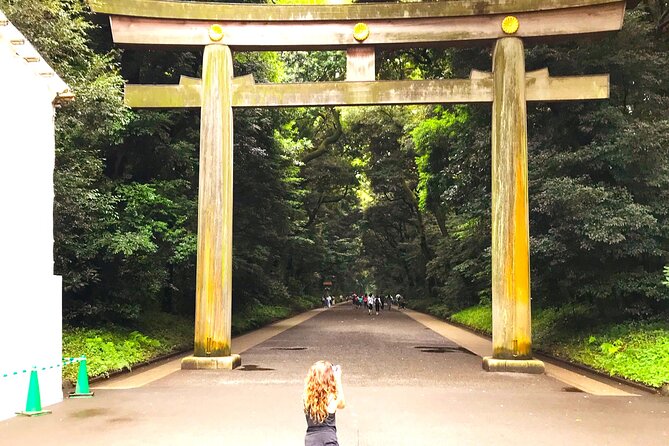
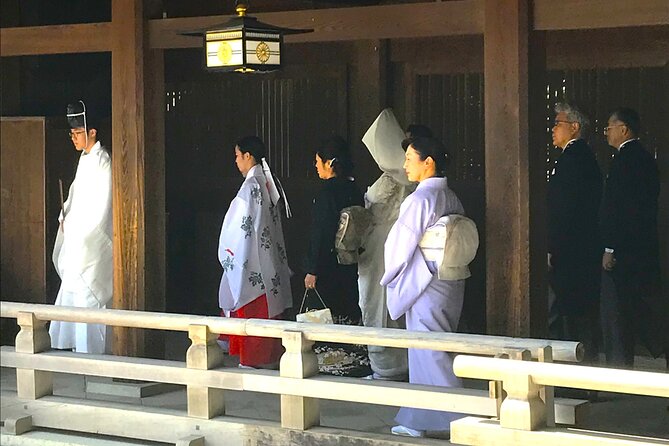
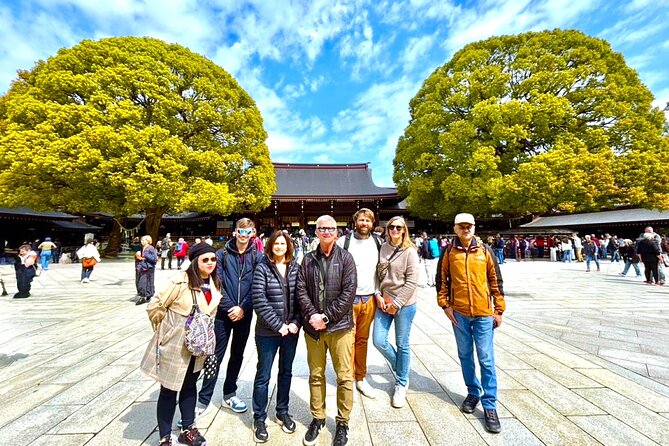
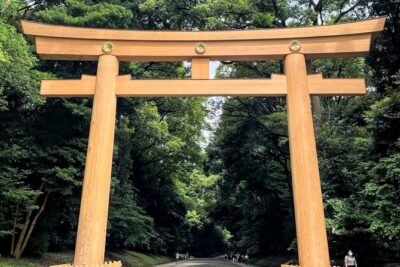
You begin near Yoyogi Station in Shibuya, and the first stop is Meiji Jingu Shrine. You’ll have about 30 minutes, and it’s time you can use well if you slow down. This shrine is famous for a reason, but the bigger value is what the guide helps you notice: how the space feels intentionally calm, even though you’re not far from Tokyo’s louder neighborhoods.
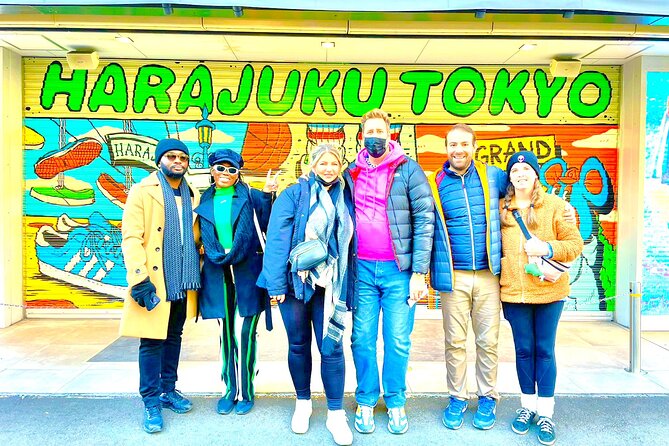
After that, the route swings to Harajuku for around 30 minutes. This is where Tokyo’s “youth street” identity shows up in plain sight. Think fashion, color, and that quick, busy back-and-forth that makes Harajuku feel like a living magazine spread.
Why this pairing works: it sets up the day’s theme. You’re not just checking boxes. You’re seeing two faces of Tokyo right away—spiritual tradition, then everyday pop culture.
Practical tip: Meiji Jingu is a great place to reset your energy. If you’re visiting during peak crowd hours later, you’ll be glad you started with this steadier pace.
Shibuya’s icons: Hachiko and the scramble crossing, timed for photos and understanding
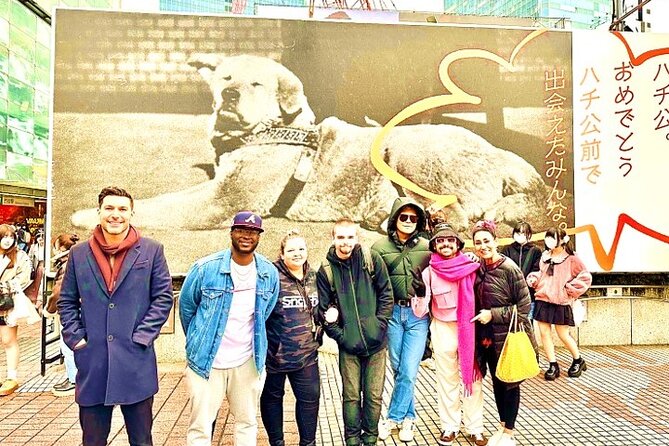
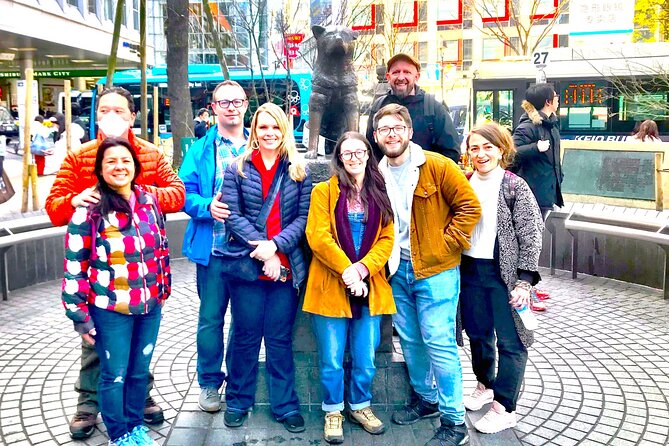
Next you hit Hachiko at Shibuya, about 10 minutes. This is one of those Tokyo moments you can’t really fake in your own sightseeing plan, because it’s so tied to the station flow and local reference points. The guide helps you connect the story to why the statue matters in daily Tokyo life.
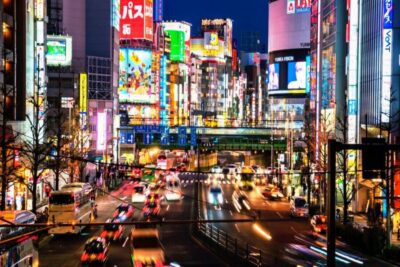
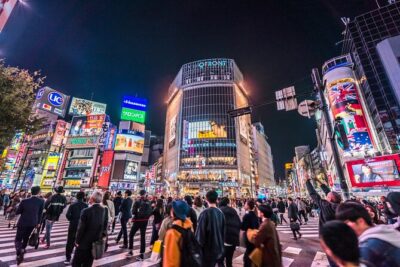
Then it’s Shibuya Crossing for another 10 minutes. The crossing itself is quick to reach and quick to photograph, but you’ll get more from it if you treat it like an observation moment. Watch how people move with the signals, how crossings create rhythm, and how Shibuya works like a machine built for motion.
A short stop is not a drawback here. It’s the point. The day is long, and Tokyo’s best-known sites can eat time. Getting these two done efficiently still leaves you energy for the markets and neighborhoods later.
Tsukiji: temple pause, fish-market time, and a sushi lunch window
The tour moves into the Tsukiji area with Tsukiji Hongwanji Temple for about 30 minutes. This stop is a nice counterweight. You get a calmer, more reflective feel before going into the sensory food zone.
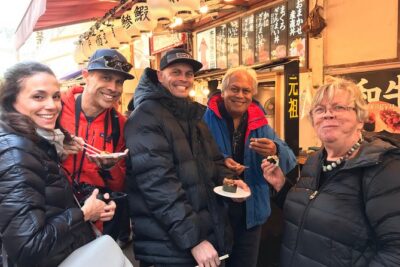
Then comes Tsukiji Fish Market time for about 1.5 hours, and this is the part of the day that fits food lovers the most. The tour includes time to eat sushi lunch at a sushi restaurant, but the key detail is this: food is not included in the tour price. So you’ll pay for your meal on your own during that window.
Here’s why this works for value: Tsukiji can be overwhelming if you’re trying to navigate without local context. You’re not doing it alone. You’re also not trying to master every stall. Instead, you get a guided feel for the area and then a realistic lunch plan.
A practical mindset for this segment:
- Come hungry, but keep your budget flexible for lunch.
- If you’re sensitive to crowds, know that the market area can be busy. Give yourself grace and expect tight movement.
Imperial Palace outside views and Marunouchi’s polished city feel
After Tsukiji, you get a quick Imperial Palace walk-by outside the grounds, about 15 minutes. This is another “short but meaningful” stop. You’re not going for an all-day deep visit. You’re getting orientation: how the imperial area sits within Tokyo’s dense city pattern.
Then it’s Marunouchi for 15 minutes, a district known for its office-town clarity. This is a good place for quick photos and for understanding Tokyo’s geography. Marunouchi also helps you connect what you’ve seen to the bigger city map: Shibuya’s fashion scene, Tsukiji’s food energy, and then this more composed, central Tokyo feel.
Stop 9 also includes Tokyo Station Marunouchi Ekimae Hiroba for about 15 minutes. The admission there is not included, so treat it as a view/photo and streetscape stop. Even if you only get a short look, Tokyo Station is one of those landmarks that instantly makes the city feel “real.”
- Tokyo: Shinjuku Food Tour (13 Dishes at 4 Local Eateries)★ 5.0 · 6,603 reviews
- Tokyo Mt Fuji 5th St & Hakone Cruise Bus Tour w/Bullet Train★ 4.4 · 5,024 reviews
- Flagship 2-Hours Official Street Go-Kart Tour – Tokyo Bay Shop★ 5.0 · 4,974 reviews
- From Tokyo: Mount Fuji Full-Day Sightseeing Trip★ 4.5 · 4,970 reviews
- Tokyo: Hop-On Hop-Off Sightseeing Bus Ticket★ 3.9 · 4,207 reviews
Akihabara for tech culture, then Ueno Park for a slower reset
Next up: Akihabara for about 30 minutes. This is Tokyo’s electronics and pop-culture street reputation in physical form. Even if you don’t buy anything, it’s worth walking through at least once. You’ll see how consumer culture and niche communities overlap here.
Then you shift to Ueno Park for about 30 minutes. This is a strong contrast after Akihabara. The park gives you a breathing space, a way to cool down your senses, and a different kind of Tokyo experience: not “shop and scan,” but “walk and observe.”
If you only visit one tech-pop area in Tokyo, Akihabara is usually the one. And if you only add one big green break, Ueno Park is a practical choice because it’s close to other city sights.
Ameyoko market lanes and Asakusa’s temple approach
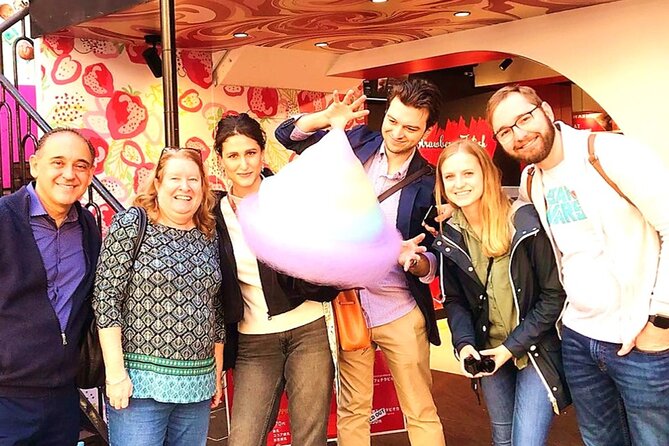
The tour hits Ameyoko Shopping Street for about 15 minutes. Ameyoko has that classic “market street” vibe: lots of motion, lots of signage, and lots of snack and shopping temptations. The time is short, so your best move is to think of it as a browse-and-sample zone rather than a full shopping expedition.
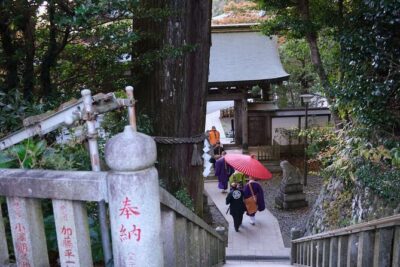
Then it’s into Asakusa, with Asakusa Higashi Hongan-ji Temple for about 30 minutes and a stop described alongside Sensoji for that same segment. After that, you continue to Asakusa Shrine for about 10 minutes.
Asakusa is where Tokyo turns ceremonial again. Even with time limits, the feeling is different from the earlier neighborhoods. You’ll likely notice more tourists here than in calmer areas, but the temple spaces still reward you if you pay attention to how people move through the grounds and how the setting frames the views.
Two practical notes for Asakusa:
- Wear shoes you can handle for uneven pavement and crowd flow.
- If you plan to buy snacks or small souvenirs, budget time in your head, because quick stops can feel sudden when you’re walking with a group.
The food and drink side: sushi lunch and an izakaya tipple
You’ll get a sushi lunch opportunity during the Tsukiji market area segment. Food isn’t included in the price, so you’re choosing your exact meal.
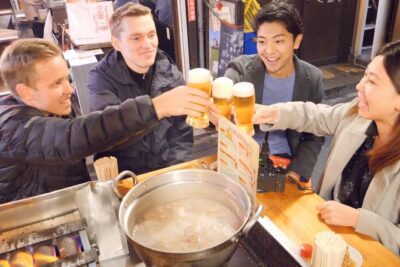
And later, the day includes time to enjoy a tipple at an izakaya bar. That part is one of the best “Tokyo texture” moments because it changes the day’s rhythm. After temples and busy streets, an izakaya drink and small bites help you end the day like a local who’s done sightseeing for now.
One caution: the tour notes that guests who are unwell or under the influence of alcohol won’t be permitted to participate. If you’re planning to drink, do it responsibly and don’t treat the tour schedule like a suggestion.
Price and what you’re really buying for about $104.34
At $104.34 per person for an approx. 10-hour day, this isn’t cheap in the sense of “you can ignore the details.” But it can be good value when you price it the way Tokyo actually costs time.
You’re paying for:
- a local host to guide you between widely spaced neighborhoods
- a structured day across the top sights (and several practical side stops)
- small-group attention (max 5), which reduces the risk of getting separated in crowd-heavy areas
- admissions that are listed as free for many stops
What’s not included is also clear: transportation expenses and food and beverage expenses. That means your total trip cost will depend on how you eat at sushi lunch, what you drink at the izakaya, and any metro/bus fares you use during your day. The good news: you’ll be told to prepare an IC card like SUICA or PASMO, and that makes transit simpler and usually faster.
For first-timers, the value case is strongest. You’re buying efficiency plus context. If you’re the type who enjoys planning every detail yourself, you might not need this. If you want your first days to feel guided and low-stress, it’s easier to justify.
Guide energy matters: what I’d watch for with guides like Yasuko, Michiko, or Takashi
The experience is run by local hosts, and the reviews included guide names like Yasuko and Michiko, plus an example of a Takashi-led group adjusting plans for a panda zoo visit for a guest. While you shouldn’t expect changes every time, it tells you something important: your guide’s personality and flexibility are part of the experience.
What to look for during the day:
- clear explanations that connect what you’re seeing to Japanese culture and daily life
- pacing that keeps you moving, not just standing in front of signs
- small turns that help you get the “why” behind a spot, not only the “what”
That’s also why the small-group setup tends to feel better. You’ll get more room to ask questions, and your guide can steer you when crowds or confusion pop up.
Some groups also mention a kimono dress option. If that matters to you, check what’s offered when you book, because it’s not listed as a standard feature in the core tour description.
Getting around and staying on schedule without losing your day
This tour starts on time and expects punctuality. Late arrivals don’t join, and there’s no refund if you miss the start. That’s not meant to be strict for fun; it’s because the day is built on a timeline, and each short stop is there for a reason.
Also, the tour expects you to follow the host. If you break away, the host can’t look for you. That means if you’re the “quick selfie, then back” type, keep it simple: take your photos as you walk, and stay with the group for the transitions.
You’ll want:
- an IC card such as SUICA/PASMO ready before you go
- cash ready since the tour says it recommends having cash on hand for food and other expenses
- comfortable shoes for a moderate walking day
If you’re traveling with kids, note that guests under 18 must be accompanied by a guardian. For kids under 13, you’re asked to request a Private Tour.
Should you book this Tokyo full course tour?
I’d book it if you:
- want a structured first-day or second-day overview of Tokyo’s major neighborhoods
- like learning context while you walk, not only taking photos
- value a small group (max 5) that keeps the day controlled and easier
I’d think twice if you:
- hate walking or you want lots of long, unhurried time in one place
- expect food and transit to be included in the price
- prefer fully independent touring with no guide-driven schedule
If you’re trying to see a lot without turning Tokyo into logistics work, this is a smart way to do it. You’ll end the day tired (in a good way), with a clearer sense of how Tokyo’s different worlds connect—shrines, street fashion, markets, tech culture, and Asakusa’s ceremonial heart.
FAQ
How long is the Tokyo full course tour?
The tour runs for approximately 10 hours.
What is included in the price?
The price includes the tour fee and consumption tax. Food and beverage are not included, and transportation expenses are not included.
Do I need an IC card like Suica or Pasmo?
Yes. You’re advised to prepare an IC card such as SUICA or PASMO in advance.
Is admission included for the main stops?
Most listed attractions show admission ticket free, but one stop (Tokyo Station Marunouchi Ekimae Hiroba) specifically notes that admission is not included. The tour also includes walking/exterior viewing at places like the Imperial Palace.
What’s the group size?
This experience has a maximum of 5 travelers.
Is this tour suitable for children?
Guests under 18 must be accompanied by a guardian. If you include persons under 13, you need to send a request as a Private Tour.
More Tours in Tokyo
- Mt Fuji and Hakone 1-Day Bus Tour Return by Bullet Train
★ 5.0 · 26,383 reviews - 1-Day Tokyo Bus Tour
★ 5.0 · 14,250 reviews - Tokyo: Shinjuku Food Tour (13 Dishes at 4 Local Eateries)
★ 5.0 · 6,603 reviews - Tokyo Mt Fuji 5th St & Hakone Cruise Bus Tour w/Bullet Train
★ 4.4 · 5,024 reviews - Flagship 2-Hours Official Street Go-Kart Tour – Tokyo Bay Shop
★ 5.0 · 4,974 reviews
More Tour Reviews in Tokyo
- Mt Fuji and Hakone 1-Day Bus Tour Return by Bullet Train
★ 5.0 · 26,383 reviews - 1-Day Tokyo Bus Tour
★ 5.0 · 14,250 reviews - Tokyo: teamLab Planets TOKYO Digital Art Museum Entry Ticket
★ 4.6 · 9,779 reviews - Mt Fuji & Hakone Cruise, Drum Show Bullet Train 1 Day from Tokyo
★ 4.0 · 7,413 reviews - Tokyo: Shinjuku Food Tour (13 Dishes at 4 Local Eateries)
★ 5.0 · 6,603 reviews
Latest Tokyo reviews off our desk

Tours, compared.
 ★ 5.0Mt Fuji and Hakone 1-Day Bus Tour Return by Bullet TrainFrom $16326,383 reviews
 ★ 5.01-Day Tokyo Bus TourFrom $12914,250 reviews
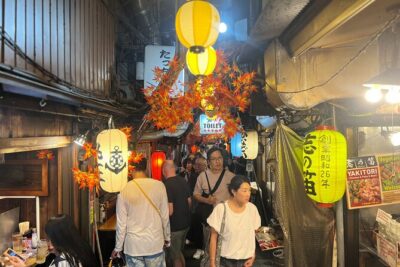 ★ 5.0Shinjuku Food Tour (13 Dishes at 4 Local Eateries)From $866,603 reviews
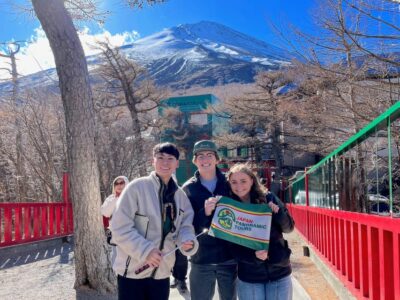 ★ 4.4Tokyo Mt Fuji 5th St & Hakone Cruise Bus Tour w/Bullet TrainFrom $1545,024 reviews
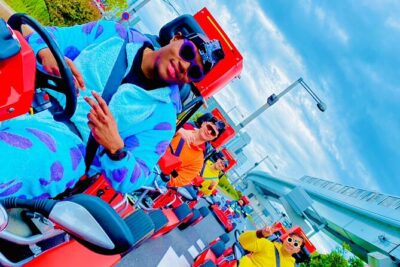 ★ 5.0Flagship 2-Hours Official Street Go-Kart Tour – Tokyo Bay ShopFrom $644,974 reviews
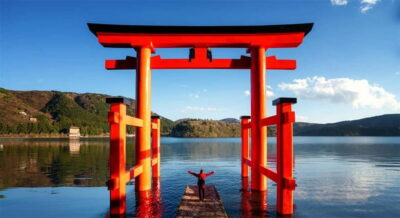 ★ 4.7Mt. Fuji Tour, Hakone Ropeway, Owakudani, Lake AshiFrom $544,002 reviews
 ★ 5.0Tokyo 6hr Private Tour with Government-Licensed GuideFrom $1553,902 reviews
 ★ 5.0Tokyo Bar Hopping Tour in Shinjuku (All-You-Can-Drink + Dinner)From $1063,587 reviews