
Reviewed · TOURS
Tokyo: Full Course Tour: Explore 15 Must-Sees & Hidden Gems
Tokyo can feel like a lot at once. This day tour maps the city’s big hits and local shortcuts into one efficient loop. I like that it packs 15 stops into 10 hours without wasting time, and I especially like the promise that the sights are free to enter. One trade-off: it’s a serious walking day, and the tour isn’t built for slow, stop-and-stare pacing.
You’ll start in Yoyogi, then ride the metro between neighborhoods and walk the rest—so you see how Tokyo connects in real life. I think this works best for your first day, when you need orientation fast and you want to learn how Tokyo works (trains, etiquette, cash habits). If you’re someone who hates crowds or struggles with long distances, this may feel like too much.
In This Review
- Key Highlights You’ll Feel on the Ground
- Why This 10-Hour Tokyo Loop Works for a First Visit
- Starting at JR Yoyogi: Getting Oriented on Foot and Metro
- Meiji Jingu to Harajuku: Shrine Quiet, Youth Energy
- Hachikō and Shibuya Crossing: The Icon Details That Matter
- Tsukiji Hongan-ji and the Outer Market: Architecture and Food Without the Chaos Spiral
- Imperial Palace to Marunouchi to Tokyo Station: Stone Walls and the Red-Brick Signal
- Akihabara After Lunch: Pop Culture by Way of Practical Walking
- Ueno Park and Ameyoko: Art Energy Meets Street Shopping
- Sensō-ji and Asakusa Shrine: Old Tokyo’s Spiritual Center
- The Izakaya Goal Celebration: How Dinner Plans Work
- Price and Logistics: Does $90 Make Sense?
- Pacing, Walking, and Who Should Skip This Day
- Should You Book This Full Course Tokyo Day?
- FAQ
- How long is the Tokyo full course tour?
- Where does the tour meet?
- Is the entrance fee included for the sights?
- What does the $90 price include?
- What isn’t included in the tour price?
- Do I need cash or an IC card?
- Is the tour available for vegetarians or vegans?
- What group size is it?
Key Highlights You’ll Feel on the Ground
- A tight route across Tokyo’s classic zones: Meiji Jingu, Harajuku, Shibuya, Tsukiji, Tokyo Station area, Akihabara, Ueno, and Asakusa
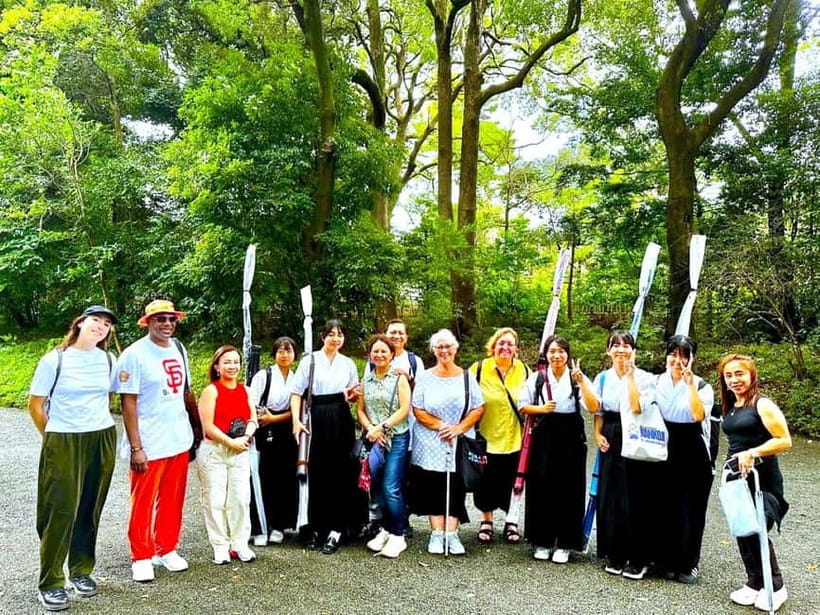
- English-speaking local guides trained to top standards (you may even get guide names like Yasuko or Michiko, based on past groups)
- All stops are free to enter, so your money goes to transit and meals instead of ticket lines
- Real Tokyo navigation practice using metro plus walking, not just a list of landmarks
- Food guidance with vegetarian and vegan options, including a Tsukiji food stop and an Izakaya dinner plan (not included)
Why This 10-Hour Tokyo Loop Works for a First Visit
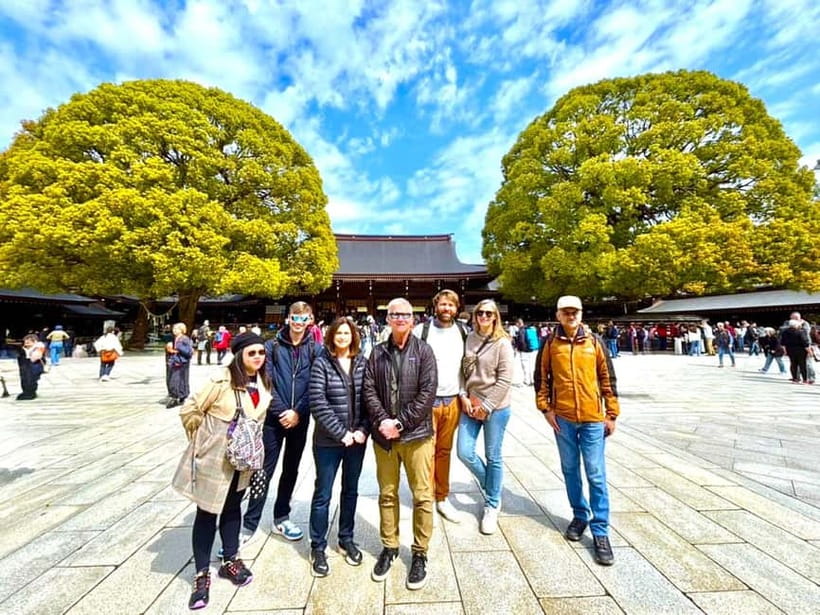
Tokyo is huge, and your first instinct is to cram everything into one plan. This tour handles that temptation by doing the math for you: 15 major sights plus well-chosen side streets packed into one day. You’re not just checking boxes—you’re moving through neighborhoods in an order that makes sense for foot travel and metro jumps.
The other thing I like is the time focus. The itinerary is designed around short sightseeing windows at most stops (often 10 to 30 minutes), which keeps you from burning half the day in line or wandering without direction. It’s the kind of structure that helps you come away with real orientation: where things are, how to get there later, and what matters most to see at street level.
That said, you should treat this like a hike with photos. The tour’s own guidance points to around 20,000 steps, so it’s not a sit-down sightseeing day.
Readers booked these Tokyo options in the same breath. Here is how each one scored:
- Mt Fuji and Hakone 1-Day Bus Tour Return by Bullet Train
★ 5.0 · 26,383 reviews - 1-Day Tokyo Bus Tour
★ 5.0 · 14,250 reviews - Tokyo: teamLab Planets TOKYO Digital Art Museum Entry Ticket
★ 4.6 · 9,779 reviews - Mt Fuji & Hakone Cruise, Drum Show Bullet Train 1 Day from Tokyo
★ 4.0 · 7,413 reviews
Starting at JR Yoyogi: Getting Oriented on Foot and Metro
The meeting point is JR Yoyogi Station, West exit, outside the ticket gate. Getting there is half the battle on day one, and Yoyogi is a smart start: it’s connected enough to make your arrival easier, but it’s also close to the first historic-and-fashion contrast you’ll see today.
Before you even leave the station area, you’ll benefit from a guide who can explain the city’s practical rules. Tokyo runs on systems, and the tour explicitly emphasizes public transport etiquette and daily life—the stuff that saves you from awkward pauses (like when to queue, how to move with the crowd, and how to keep your pace without pushing people).
You’ll also want to show up ready for payment logistics. The tour asks you to bring cash in JPY and have a pre-charged IC card (Suica, Pasmo, or Icoca) for metro travel. That matters because a day built on constant metro hops will break your rhythm if you’re hunting for ticket machines or figuring out payment on the fly.
Meiji Jingu to Harajuku: Shrine Quiet, Youth Energy
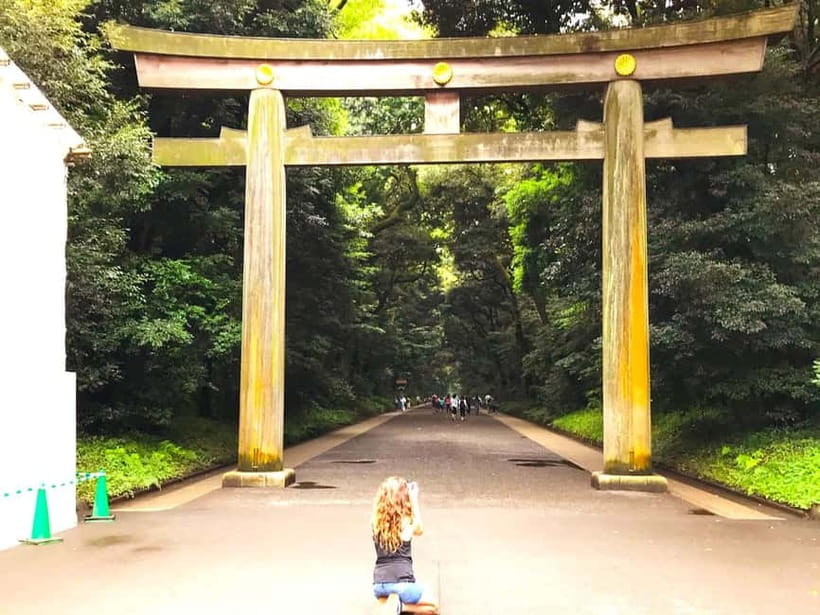
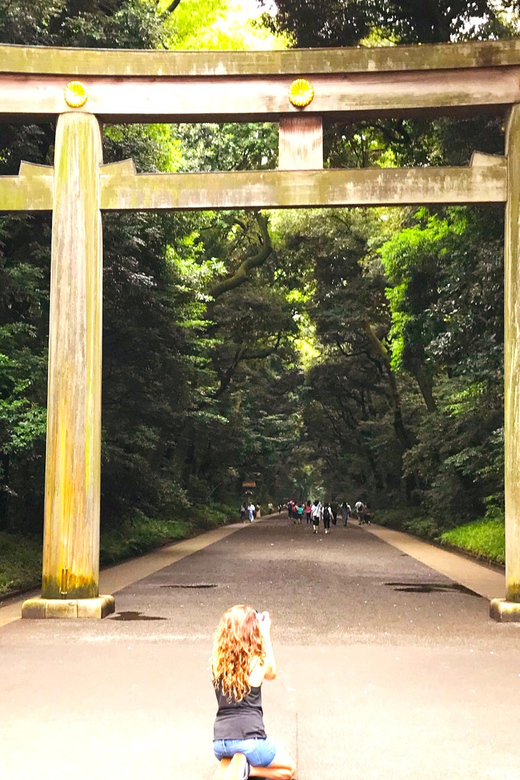
You begin with Meiji Jingu Shrine, a serene forest-feeling space right in the middle of Tokyo’s motion. Even if you’ve seen photos of the torii gates, what I think you’ll notice in person is the contrast in atmosphere. It’s a mental reset after train stations—less noise, more space to breathe, and a chance to understand why this kind of shrine culture is still central to modern life.
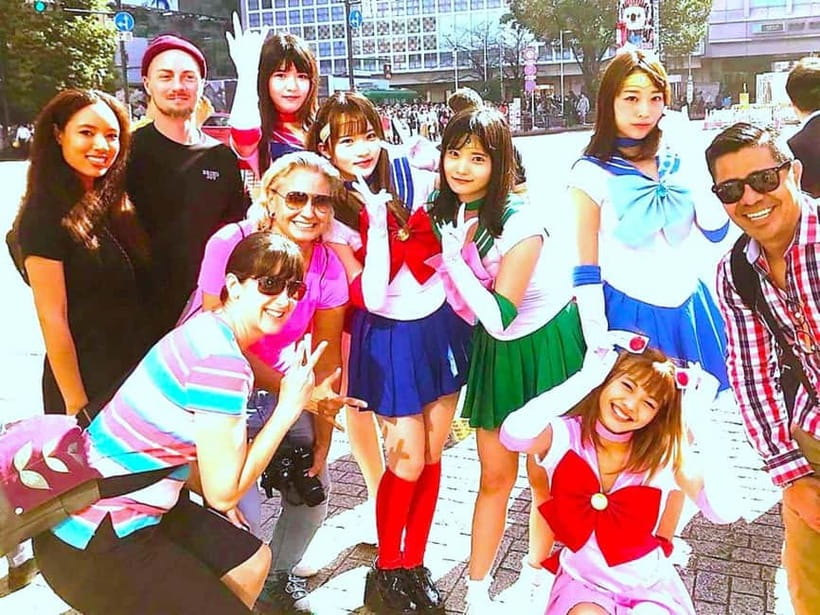
Next comes Harajuku, where street fashion and youth culture take the lead. This stop is short, so don’t expect a full shopping spree. Instead, think of it as a guided walk that gives you context: what you’re seeing, why it exists, and how the area’s identity differs from the shrine side.
From there, the tour shifts you into “Tokyo icons on your phone camera.” The route moves toward the famous Hachikō statue for a quick story stop, then heads to Shibuya Crossing for the world-famous scramble.
Hachikō and Shibuya Crossing: The Icon Details That Matter
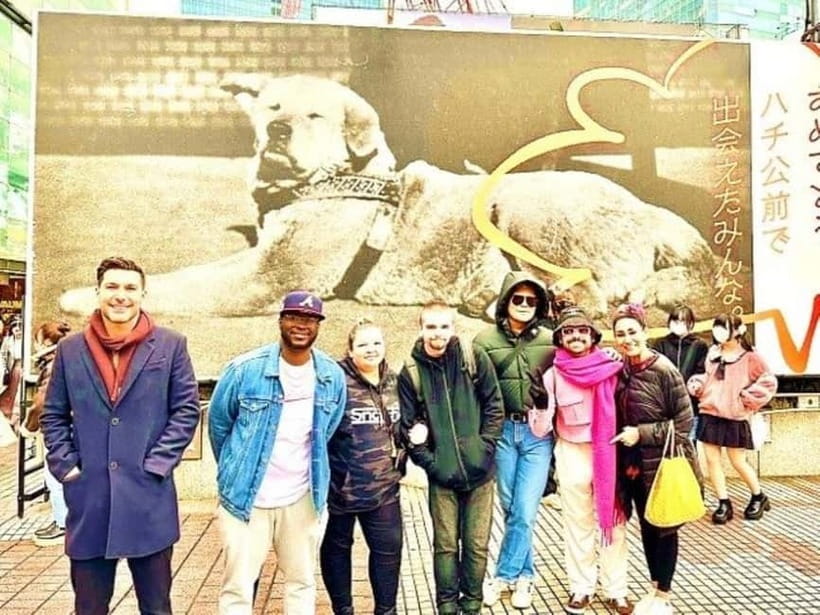
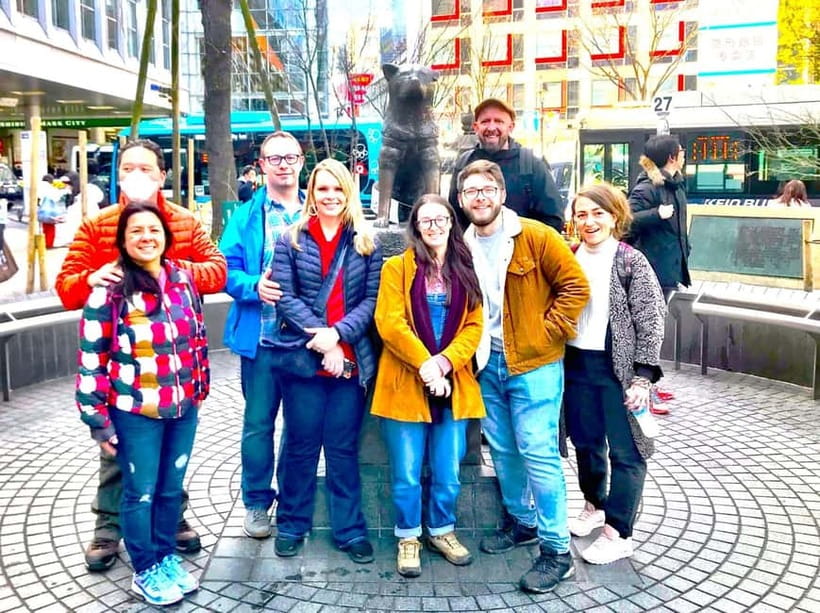
The Hachikō Statue isn’t just a photo moment. The tour frames it as a story you can understand—why it became iconic, and what the symbolism means in Japan’s public life. Those short explanation windows are valuable because they prevent the usual tourist move: taking a picture without knowing what you’re photographing.
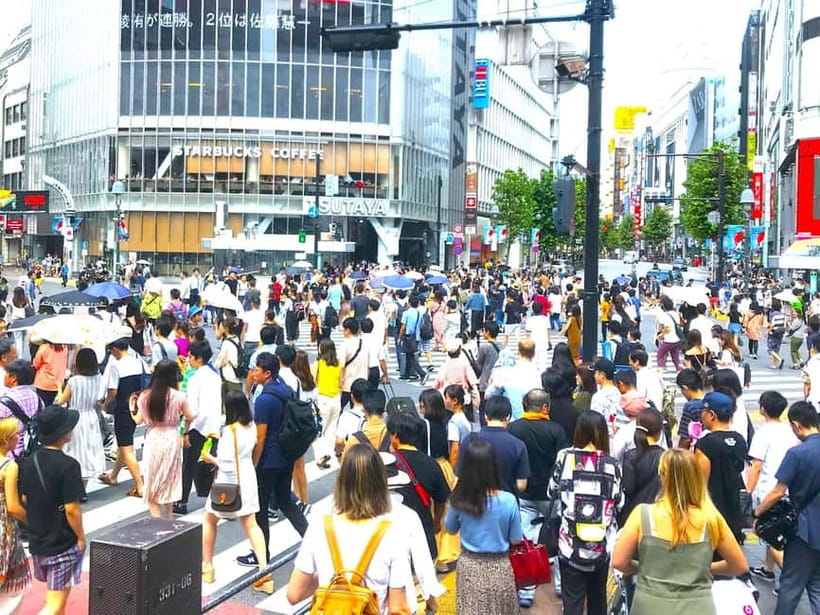
Then you hit Shibuya Scramble Crossing, the kind of place where your brain says take 20 photos immediately and your feet say maybe only five. The sightseeing time is brief, so you’ll want to position yourself early and let the light and crowd flow do the work. You’ll likely notice how quickly Tokyo moves in waves—people cross, pause, and re-cross with almost clockwork timing.
After Shibuya, there’s a metro transfer, which is part of the tour’s rhythm. Those transitions may not feel glamorous, but they’re what keeps the day from falling apart.
Tsukiji Hongan-ji and the Outer Market: Architecture and Food Without the Chaos Spiral
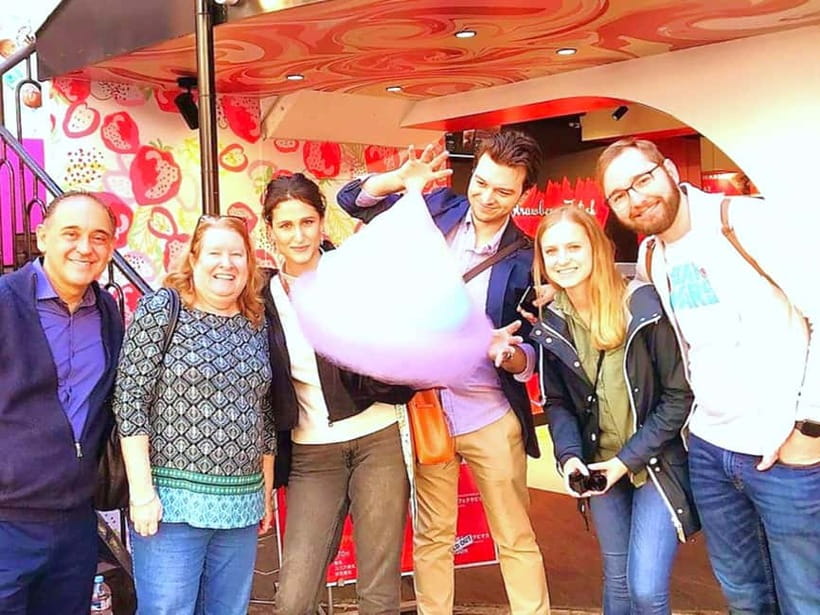
One of the smartest choices on this tour is pairing Tsukiji Hongan-ji with Tsukiji Outer Market. The temple stop is about atmosphere and visuals—Indian-inspired architecture and stained glass are specifically called out—so it gives your eyes a break from neon and signage. Then you move straight into market energy, where you can shift from culture mode to food mode instantly.
The Outer Market stop is long enough to make it real: about 1.5 hours. This is where the “free to enter” idea pays off again. You can spend your time browsing instead of paying admission, and you can treat it like your own scouting mission for what you want to eat later on your trip.
Two practical notes I’d keep in mind:
- Your lunch meal isn’t included, even though you’ll get the food-focused setup. Budget for it during the stop.
- Bring cash. Markets and small shops often run on quick, cash-based transactions.
Also, the tour states vegetarian and vegan options are always available. That doesn’t mean every stand has a menu board in English, but it does mean your guide should be able to steer you toward workable choices.
- Tokyo: Shinjuku Food Tour (13 Dishes at 4 Local Eateries)★ 5.0 · 6,603 reviews
- Tokyo Mt Fuji 5th St & Hakone Cruise Bus Tour w/Bullet Train★ 4.4 · 5,024 reviews
- Flagship 2-Hours Official Street Go-Kart Tour – Tokyo Bay Shop★ 5.0 · 4,974 reviews
- From Tokyo: Mount Fuji Full-Day Sightseeing Trip★ 4.5 · 4,970 reviews
- Tokyo: Hop-On Hop-Off Sightseeing Bus Ticket★ 3.9 · 4,207 reviews
Imperial Palace to Marunouchi to Tokyo Station: Stone Walls and the Red-Brick Signal
After Tsukiji, the route takes you to the Imperial Palace grounds for a short walk—about 15 minutes. You’re not doing a full history lecture here. The value is the snap-shot exposure to what used to be Edo Castle space and the feel of the palace’s stone and walls. Even in a short window, you can tell this area isn’t built to impress through noise; it impresses through scale and layout.
Then it’s on to Marunouchi, with Tokyo Station Square and the classic red-brick Tokyo Station landmark. This is a great segment for two reasons:
- It’s easy to pause, look up, and notice the way Tokyo blends old and new.
- It’s a good break zone before the day turns more pop-culture and street-market intense.
Tokyo Station is more than a building—it’s a visual anchor. If you’ve never seen it in person, you’ll likely be surprised it still feels like a grand gateway rather than a pure transit hub.
Akihabara After Lunch: Pop Culture by Way of Practical Walking
Next comes Akihabara, where the day leans into anime, gaming, and Japanese pop culture. The stop is set for about 30 minutes, which is enough time to walk a couple blocks, see the bigger storefronts, and get oriented to the area’s vibe without getting stuck in shop overload.
What I like about including Akihabara is that it’s not treated as a single-point attraction. The tour places it as a natural link in the day’s flow: temples and markets earlier, then pop culture now, then art and old Tokyo later.
If you’re the type who wants deep shopping, this won’t replace a dedicated Akihabara trip. But if you want to understand what makes Akihabara different and decide what to return for, this stop earns its place.
Ueno Park and Ameyoko: Art Energy Meets Street Shopping
The next segment is Ueno Park, described as a “forest of art” with world-class museums and samurai history. The stop time here is about 30 minutes, which is ideal for walking the grounds and taking the temperature of the area. Even if museums aren’t on the agenda today, you’ll get a sense of why Ueno is a cultural magnet.
Then you head to Ameya-Yokocho (Ameyoko Street) for about 15 minutes. This is a high-activity market street, and it tends to feel a bit more scruffy and local than polished shopping areas. It’s also the kind of place where your guide can help you avoid the dead ends and focus on the best street stretches for quick browsing.
This is another cash-and-comfort segment. If you’re carrying snacks for the day, keep them stashed away from buying moments. In crowded market streets, you’ll want both hands free when you’re navigating stalls.
Sensō-ji and Asakusa Shrine: Old Tokyo’s Spiritual Center
Now you get the classic closing vibe: Sensō-ji Temple for around 30 minutes, plus Asakusa Shrine for about 10 minutes inside the broader Sensō-ji complex area. This is one of the most satisfying ways to end a long day because it slows your mind down at the exact moment you might be ready to rush.
Sensō-ji is Tokyo’s oldest temple, and even in a timed window, you can feel how many generations keep returning to this place. The tour’s structure helps: you start in iconic bustle, then you move to calmer shrine space for a quieter contrast.
If you’re worried about ending tired, I’ll say this: Asakusa’s tone tends to make walking feel less like an obligation and more like part of the experience. It also gives you a strong last visual memory—one you’ll recognize later when you see photos of Tokyo’s old-street feel.
The Izakaya Goal Celebration: How Dinner Plans Work
Toward the end, there’s a Goal Celebration Party at an Izakaya. The name is friendly, and it fits the day’s structure: you finish the major sights, then you share a simple local meal/pit stop as a reward.
Here’s what you should know to plan: food and drinks aren’t included, so you’ll pay your share. The tour does say no alcohol, which matters if you were hoping for a casual drink toast at the end. Still, even without alcohol, an Izakaya meal can be a great way to connect the day’s experiences through food.
Price and Logistics: Does $90 Make Sense?
The price is $90 per person for a full day of guided sightseeing. What’s included is the professional guide fee and all taxes. What’s not included is the part that can surprise people: metro and JR fares (about 1,500 JPY / 10 USD) plus food and drinks.
Here’s why I think the value is fair for the right person:
- You get an English live guide and a route built for efficiency across Tokyo.
- You get 15 free-to-enter stops, which helps your budget stay predictable.
- The group size is capped at 7, which usually means you’re not fighting for attention or getting separated.
The main cost-management trick for you is to budget for meals and transit. If you treat the day as a guided sightseeing plan and plan your lunch/dinner spending accordingly, the price feels more like a convenience fee than a money grab.
Pacing, Walking, and Who Should Skip This Day
This tour runs 10 hours, and it’s a foot-and-metro day. The tour’s own guidance is clear: expect to walk roughly 20,000 steps, wear sporty, comfortable shoes, and bring rain gear if the weather turns.
It’s also not ideal for people with certain limitations: it’s not for pregnant guests, people with mobility issues, or those with back problems. It also lists low fitness level and even a cold as reasons it may not be suitable.
The “late arrivals can’t join” note is important. Tokyo is easy to get around, but the tour is time-tight. If you’re even slightly unsure about getting to Yoyogi on time, give yourself buffer.
On group feel: the reviews praise guides like Yasuko for being friendly and informative and for adapting to individual needs, and they praise Michiko for doing the extra practical stuff (including helping someone get a taxi back to their hotel). That matches what you want from a small group day: someone who keeps the pace manageable and helps you solve problems quickly.
Should You Book This Full Course Tokyo Day?
Book it if:
- You’re visiting Tokyo for the first time and want a structured overview of top neighborhoods.
- You like walking but you’re fine with about 20,000 steps.
- You want an English guide who focuses on practical Tokyo life, not just famous-name landmarks.
- Your budget can handle paying for transit and meals during the day.
Skip it (or look for a slower option) if:
- You’re not comfortable with long walking days or crowded intersections.
- You need accessibility support that this format may not fit.
- You want a “two hours here, snack there, museum later” pace.
One last practical tip: if you’re going, pack for comfort and cash. Bring your IC card, wear shoes you can walk in for hours, and accept that the best photos will come from staying with the group plan rather than drifting off to chase every side street.
FAQ
How long is the Tokyo full course tour?
The tour lasts 10 hours.
Where does the tour meet?
You meet at JR Yoyogi Station, West exit, outside the ticket gate.
Is the entrance fee included for the sights?
Yes. The tour states that all attractions are free to enter.
What does the $90 price include?
It includes the professional guide fee and all taxes.
What isn’t included in the tour price?
Metro/JR transportation fares and food and drinks are not included. Food guidance includes lunch at Tsukiji and a dinner plan at an Izakaya, but you pay for meals yourself.
Do I need cash or an IC card?
Yes. You should bring cash in JPY and have a pre-charged IC card such as Suica, Pasmo, or Icoca for metro travel.
Is the tour available for vegetarians or vegans?
The tour states that vegetarian and vegan options are always available.
What group size is it?
It’s a small group limited to 7 participants.
More Tours in Tokyo
- Mt Fuji and Hakone 1-Day Bus Tour Return by Bullet Train
★ 5.0 · 26,383 reviews - 1-Day Tokyo Bus Tour
★ 5.0 · 14,250 reviews - Tokyo: Shinjuku Food Tour (13 Dishes at 4 Local Eateries)
★ 5.0 · 6,603 reviews - Tokyo Mt Fuji 5th St & Hakone Cruise Bus Tour w/Bullet Train
★ 4.4 · 5,024 reviews - Flagship 2-Hours Official Street Go-Kart Tour – Tokyo Bay Shop
★ 5.0 · 4,974 reviews
More Tour Reviews in Tokyo
- Mt Fuji and Hakone 1-Day Bus Tour Return by Bullet Train
★ 5.0 · 26,383 reviews - 1-Day Tokyo Bus Tour
★ 5.0 · 14,250 reviews - Tokyo: teamLab Planets TOKYO Digital Art Museum Entry Ticket
★ 4.6 · 9,779 reviews - Mt Fuji & Hakone Cruise, Drum Show Bullet Train 1 Day from Tokyo
★ 4.0 · 7,413 reviews - Tokyo: Shinjuku Food Tour (13 Dishes at 4 Local Eateries)
★ 5.0 · 6,603 reviews
Latest Tokyo reviews off our desk






Tours, compared.
 ★ 5.0Mt Fuji and Hakone 1-Day Bus Tour Return by Bullet TrainFrom $16326,383 reviews
 ★ 5.01-Day Tokyo Bus TourFrom $12914,250 reviews
 ★ 5.0Shinjuku Food Tour (13 Dishes at 4 Local Eateries)From $866,603 reviews
 ★ 4.4Tokyo Mt Fuji 5th St & Hakone Cruise Bus Tour w/Bullet TrainFrom $1545,024 reviews
 ★ 5.0Flagship 2-Hours Official Street Go-Kart Tour – Tokyo Bay ShopFrom $644,974 reviews
 ★ 4.7Mt. Fuji Tour, Hakone Ropeway, Owakudani, Lake AshiFrom $544,002 reviews
 ★ 5.0Tokyo 6hr Private Tour with Government-Licensed GuideFrom $1553,902 reviews
 ★ 5.0Tokyo Bar Hopping Tour in Shinjuku (All-You-Can-Drink + Dinner)From $1063,587 reviews