
Reviewed · TOURS
Tokyo: Ghost Tour with Scary Japanese Stories and Folklore
Tokyo has plenty of neon, but this tour walks you into the darker stories underneath it. I like how the guide threads true ghost legends and local folklore into a real night walk you can follow on foot. You start at Tokyo Station, then move through places with enough history and superstition to make the streetlights feel different.
Two things I especially like: the stop at Yoshiwara-jinja Shrine, tied to a vengeful spirit said to have haunted the area for over 1000 years, and the way the tour carries you into Asakusa’s Shitamachi district for an old-town feeling at night. One drawback to note: this is a walking-at-night experience, so comfortable shoes and sensible clothing matter.
In This Review
- Key moments you will actually remember
- Tokyo Station as your spooky starting line
- What the guide does with the stories in the first stretch
- Yoshiwara-jinja Shrine: the superstition you can see in people’s behavior
- Asakusa Shitamachi at night: why this district fits the theme
- The snack and the small rules that keep things easy
- Price and value: what $90 gets you in real terms
- Group size, language, and the feel of the night
- Who should book this ghost tour (and who should skip)
- Should you book it? My practical take
- FAQ
- Where is the meeting point?
- How long is the ghost tour?
- What languages are available for the guide?
- What is included in the tour price?
- What is not included?
- Are there any photography rules or items to bring?
Key moments you will actually remember
- Marunouchi North Exit, inside Tokyo Station: your guide meets you with a sign, so you can start without stress.
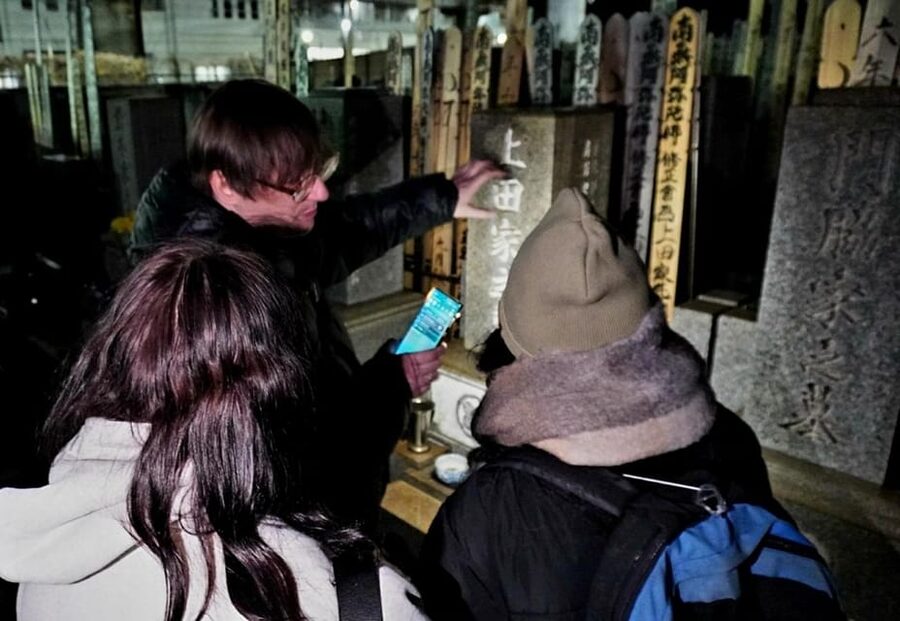
- Ghost stories that mix in crime-and-case style detail: the storytelling covers legends alongside true crime and missing-person angles.
- Yoshiwara-jinja Shrine etiquette: you’ll hear why office workers in the area still hesitate to turn their backs toward the shrine location.
- A small-group night walk through Shitamachi: you get a calmer, more personal pace than big group hopping.
- A Japanese traditional snack included: you get a small taste without adding extra stops.
Tokyo Station as your spooky starting line
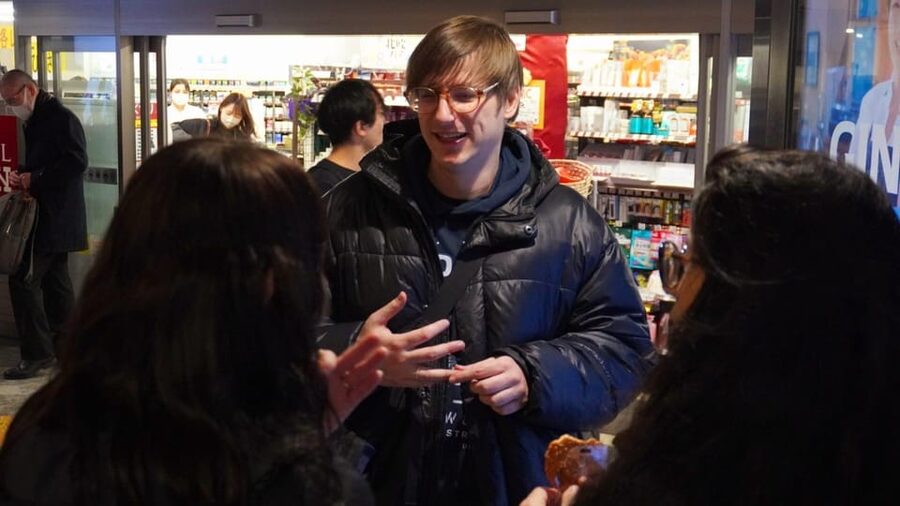
Meet happens inside Tokyo Station at the Marunouchi North Exit (Marunouchi-Kitaguchi). This is one of the smartest parts of the tour, because Tokyo Station is where you likely already are, and it’s easy to orient yourself. Look for signs for the Marunouchi North Exit on the inside station signage, then watch for your guide holding a card with your name.
Starting here also shapes how the night feels. You’re not thrown into a random alley at the first minute. Instead, you begin with an organized handoff into the stories, which helps you tune in fast. The guide takes over the map in your head, and you start connecting what you see around you with what you’re hearing.
One more practical note: you’ll be walking at night, and the tour expects you to be comfortable moving. Tokyo is safe, but the pace is still a pace. If you’re planning heavy footwear, bring the kind you can handle for an evening stroll.
Readers booked these Tokyo options in the same breath. Here is how each one scored:
- Mt Fuji and Hakone 1-Day Bus Tour Return by Bullet Train
★ 5.0 · 26,383 reviews - 1-Day Tokyo Bus Tour
★ 5.0 · 14,250 reviews - Tokyo: teamLab Planets TOKYO Digital Art Museum Entry Ticket
★ 4.6 · 9,779 reviews - Mt Fuji & Hakone Cruise, Drum Show Bullet Train 1 Day from Tokyo
★ 4.0 · 7,413 reviews
What the guide does with the stories in the first stretch
Once you’re underway, the tour’s main trick is pacing: it doesn’t just tell scary tales and hope you’re hooked. It keeps the stories tied to specific places, so your brain can build a reason for why something is remembered.
In the best moments, the guide connects folklore with the human side of mystery. In particular, I like that guides such as Matthias and Maikel are reported to share a wide mix, including local legends and ghost stories alongside true crime and missing-person themes. That variety matters. If you’ve done only a standard “spooky voices in dark alleys” tour before, this feels less repetitive, more like a guided investigation through Tokyo’s darker rumor network.
You also tend to feel how “real” the legends are to locals. The tour’s tone isn’t just shock value. It’s about what people feared, what they avoided, and how certain locations turned into stories people kept repeating. That’s the difference between a jump-scare tour and one that actually sticks.
Yoshiwara-jinja Shrine: the superstition you can see in people’s behavior
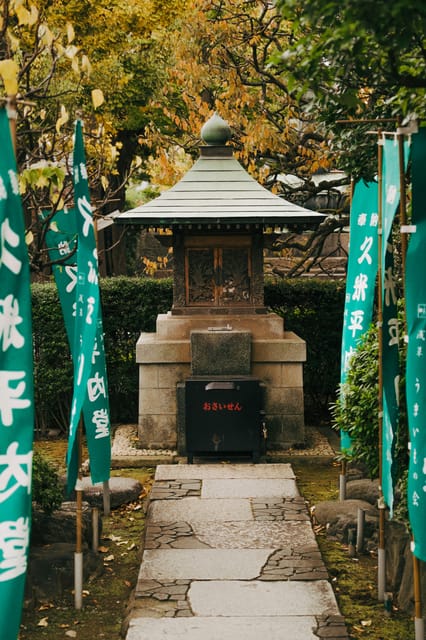
This is the main stop, and it’s the one you’ll talk about afterward. You’ll visit Yoshiwara-jinja Shrine, and the tour focuses on a vengeful spirit said to have haunted the area for more than 1000 years.
The detail I find most compelling is not just that the spirit exists in the story. It’s the way people behave because of it. You’ll hear why workers around the shrine still don’t dare to turn their backs toward the shrine location. That kind of everyday caution is what makes folklore feel alive, even if you approach it with a skeptical mind.
At a shrine, you also have to be respectful with your presence. The tour doesn’t ask for anything extreme, but you will want to follow the guide’s cues and keep your attention on the explanations. This stop is where the tour leans hardest into atmosphere and meaning, so go in ready to listen rather than multitask.
One practical caution: there are rules about photos. Flash photography isn’t allowed, so plan your shots accordingly. If you want pictures, rely on natural light and slower camera settings rather than trying to overpower the dark with a flash.
Asakusa Shitamachi at night: why this district fits the theme
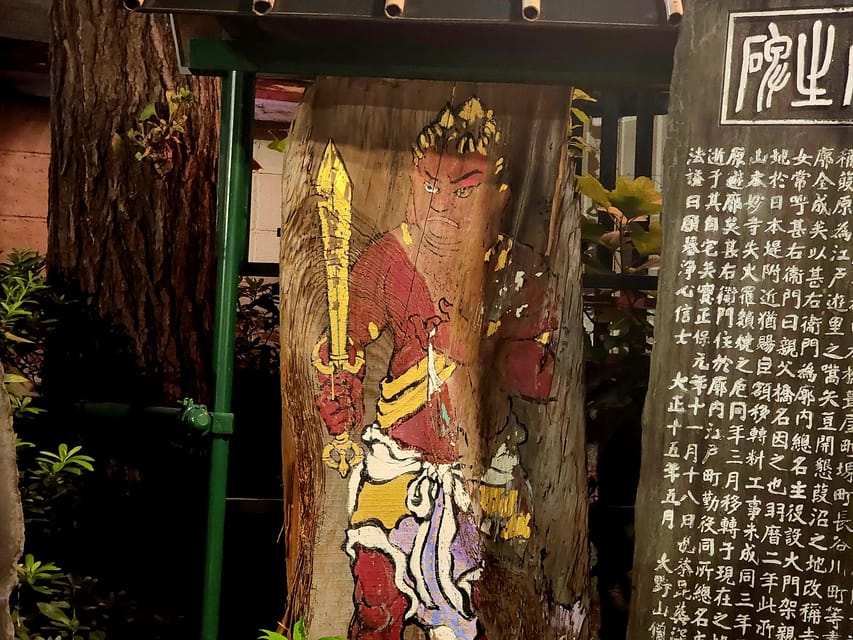
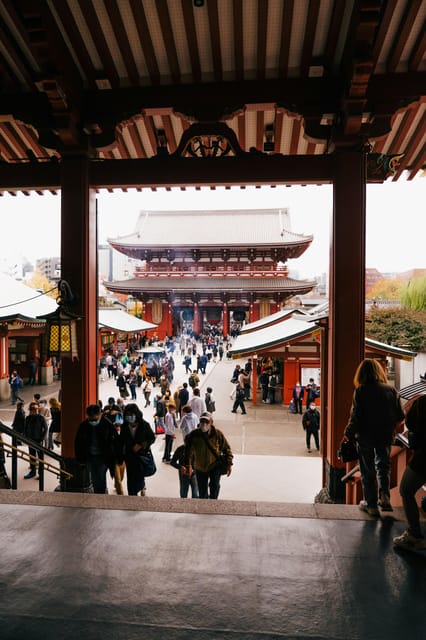
After the shrine, the tour moves you into Asakusa’s Shitamachi district. This is a great pairing with ghost stories because Shitamachi is associated with old-town Tokyo, and night is when those streets start feeling like they belong to a different era.
The tour is described as small-group, which makes a difference here. You can actually hear the guide without competing with the noise of a crowd every few minutes. You also get time to look around, notice the feel of the streets, and absorb the way the stories connect to the neighborhood.
What you should expect at this stage is a walking rhythm: short moves, then a story tied to where you’re standing. That’s the format that works best for folklore. If you stop too long, the mood dissolves. If you rush too fast, you miss the point. This tour aims for the middle.
If you’re the type who loves “place-based” travel (learning the why behind what you’re seeing), you’ll enjoy this part. You’ll leave with a set of locations and a sense of how fear and rumor can become part of local identity.
The snack and the small rules that keep things easy
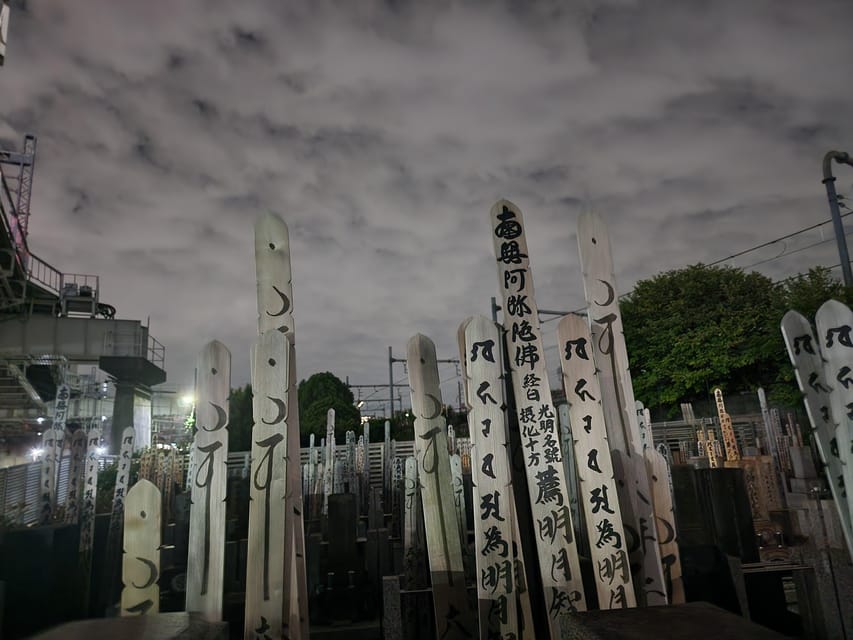
I like that the tour includes a Japanese traditional snack. It’s not a full meal plan, but it keeps the pace comfortable, especially on a night when you might otherwise end up hunting for something in a busy area.
The tour also comes with a couple of simple behavior rules:
- Bring comfortable shoes, because you’re walking.
- Flash photography is not allowed.
- Dress for the weather, since the experience includes night walking.
If you’re coming from a hotel with questionable late-evening sidewalks, this matters. Tokyo’s infrastructure is solid, but your comfort depends on your shoes more than you expect. Choose something you can keep steady for an hour or two of casual walking.
You’ll also want to remember what’s not included: drinks. If you think you’ll want water during the night, plan to pick it up on your own before you meet the guide or during the earlier parts of your outing.
- Tokyo: Shinjuku Food Tour (13 Dishes at 4 Local Eateries)★ 5.0 · 6,603 reviews
- Tokyo Mt Fuji 5th St & Hakone Cruise Bus Tour w/Bullet Train★ 4.4 · 5,024 reviews
- Flagship 2-Hours Official Street Go-Kart Tour – Tokyo Bay Shop★ 5.0 · 4,974 reviews
- From Tokyo: Mount Fuji Full-Day Sightseeing Trip★ 4.5 · 4,970 reviews
- Tokyo: Hop-On Hop-Off Sightseeing Bus Ticket★ 3.9 · 4,207 reviews
Price and value: what $90 gets you in real terms
The price is listed at $90 per person for a 1-day experience. That’s not a bargain, but it’s also not a luxury price if you look at what’s included: a professional guide, true ghost stories and folklore, a visit to a shrine tied to the legends, and that traditional snack.
Here’s how I judge value for a tour like this:
- If you want a tour where the guide explains the why behind local superstition, you’re paying for storytelling plus on-foot navigation.
- If you’d rather wander alone and read signs, you could probably do it cheaper—but you’d lose the connective tissue that turns scattered locations into a coherent narrative.
- If you care about small-group pacing, you’re paying for a quieter experience with less time waiting for the whole group to catch up.
Also, starting at Tokyo Station reduces wasted time. You don’t have to solve transit puzzles at the beginning, which is part of the value you feel immediately.
Group size, language, and the feel of the night
The tour runs with a live guide in English, French, German, and Italian, and it notes that private group options are available. If you’re traveling with friends who want control over pacing, private can be worth it, especially for a story format where you might want more questions.
I also like the idea of a multi-language guide team because it usually means the guide is trained to deliver a set narrative clearly, not just wing it in whichever language happens to be available. You’ll hear the stories told in a way designed for your language, so you won’t be “half lost” while trying to catch key points.
One thing to keep in mind: this isn’t a sit-and-watch performance. It’s a walking tour, and the story delivery depends on you staying with the group. If you’re prone to lagging behind, the experience can feel harder than it needs to be.
Who should book this ghost tour (and who should skip)
This tour is aimed at adults and older kids, and it’s not suitable for children under 10. It also flags heart problems as a reason it may not be a good fit. Even if you feel fine in the daytime, night walking and the natural adrenaline of spooky stories can be a lot.
Who will likely enjoy it:
- First-time visitors who want a Tokyo experience that goes beyond temples and shopping streets
- People who like folklore with specific places, not just generic scary talk
- Travelers who enjoy a mix of ghost legends with mystery-style storytelling
Who might feel uneasy:
- Anyone who gets overwhelmed by night walking, even if the area is safe
- People who strongly dislike creepy supernatural themes, since the tour leans into the vengeful spirit legend at a shrine
Should you book it? My practical take
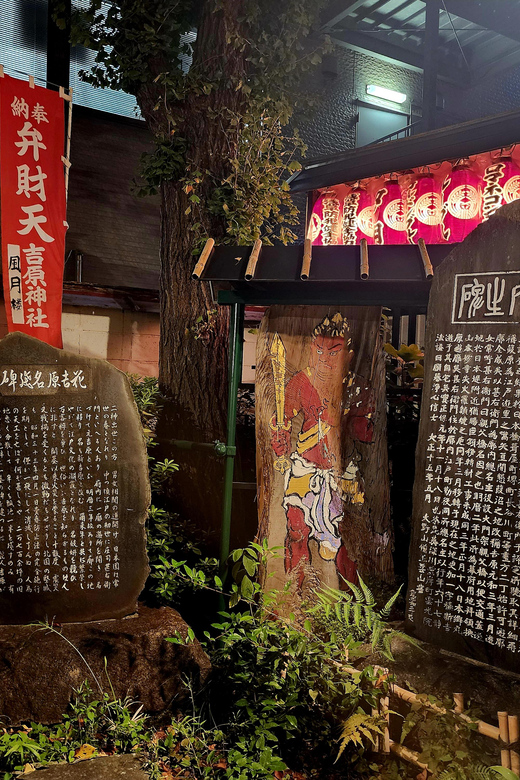
If you want a Tokyo night that feels story-driven and place-specific, this tour is a strong choice. I’d book it if you enjoy folklore that connects to real locations, and if you like your guides to do more than recite scary lines. The shrine stop and the Asakusa Shitamachi night walk are the two anchors, and the included snack keeps the outing from feeling purely academic.
But skip it if you can’t do walking at night, or if the supernatural theme stresses you out rather than entertains you. Also, check your comfort with the photo rule: no flash means you may not get the dramatic shots you’re imagining.
If you’re on the fence, here’s the decision shortcut I use: spend $90 when you know you want the human-guided story format. Spend less only if you’re happy to self-navigate and read on your own.
FAQ
Where is the meeting point?
You meet at Tokyo Station inside the station at the Marunouchi North Exit (Marunouchi-Kitaguchi). Your guide picks you up with a sign that has your name on it.
How long is the ghost tour?
The tour is listed as lasting 1 day. It also involves walking at night, so plan for an evening outing.
What languages are available for the guide?
The live tour guide is available in French, German, Italian, and English.
What is included in the tour price?
The tour includes a professional guide, true ghost stories and folklore, a visit to a haunted shrine, and a Japanese traditional snack.
What is not included?
Transportation to and from the attractions is not included, and drinks are also not included.
Are there any photography rules or items to bring?
Flash photography is not allowed. Bring comfortable shoes, and dress appropriately for the weather since you’ll be walking at night.
—
If you tell me your travel dates and whether you prefer English or another language, I can help you think through timing and what kind of night-you atmosphere to expect.
More Tours in Tokyo
- Mt Fuji and Hakone 1-Day Bus Tour Return by Bullet Train
★ 5.0 · 26,383 reviews - 1-Day Tokyo Bus Tour
★ 5.0 · 14,250 reviews - Tokyo: Shinjuku Food Tour (13 Dishes at 4 Local Eateries)
★ 5.0 · 6,603 reviews - Tokyo Mt Fuji 5th St & Hakone Cruise Bus Tour w/Bullet Train
★ 4.4 · 5,024 reviews - Flagship 2-Hours Official Street Go-Kart Tour – Tokyo Bay Shop
★ 5.0 · 4,974 reviews
More Tour Reviews in Tokyo
- Mt Fuji and Hakone 1-Day Bus Tour Return by Bullet Train
★ 5.0 · 26,383 reviews - 1-Day Tokyo Bus Tour
★ 5.0 · 14,250 reviews - Tokyo: teamLab Planets TOKYO Digital Art Museum Entry Ticket
★ 4.6 · 9,779 reviews - Mt Fuji & Hakone Cruise, Drum Show Bullet Train 1 Day from Tokyo
★ 4.0 · 7,413 reviews - Tokyo: Shinjuku Food Tour (13 Dishes at 4 Local Eateries)
★ 5.0 · 6,603 reviews
Latest Tokyo reviews off our desk

Tours, compared.
 ★ 5.0Mt Fuji and Hakone 1-Day Bus Tour Return by Bullet TrainFrom $16326,383 reviews
 ★ 5.01-Day Tokyo Bus TourFrom $12914,250 reviews
 ★ 5.0Shinjuku Food Tour (13 Dishes at 4 Local Eateries)From $866,603 reviews
 ★ 4.4Tokyo Mt Fuji 5th St & Hakone Cruise Bus Tour w/Bullet TrainFrom $1545,024 reviews
 ★ 5.0Flagship 2-Hours Official Street Go-Kart Tour – Tokyo Bay ShopFrom $644,974 reviews
 ★ 4.7Mt. Fuji Tour, Hakone Ropeway, Owakudani, Lake AshiFrom $544,002 reviews
 ★ 5.0Tokyo 6hr Private Tour with Government-Licensed GuideFrom $1553,902 reviews
 ★ 5.0Tokyo Bar Hopping Tour in Shinjuku (All-You-Can-Drink + Dinner)From $1063,587 reviews