
Reviewed · TOURS
Tokyo Hidden Shrine and Temple Tour
Three shrines, one well-paced morning. This Tokyo hidden shrine and temple tour strings together Meiji Jingu serenity, the rare Shinto-Buddhism mix at Toyokawa Inari, and the classic old-Tokyo draw of Senso-ji. I like that admission tickets are free at every stop, and I also like the small-group feel with planning that helps you manage crowds. One thing to consider: you start at Meiji Jingu and end at Sensoji, so plan onward travel for Asakusa after the tour.
The tour runs about 3 hours at 9:00 am, with a mobile ticket and a maximum of 20 people. I’d also pay attention to the guide’s style here; Ryu is described as friendly, informative, and flexible with the day’s timing, including on New Year’s Day when crowds can be a challenge. If you want a totally hands-off, all-transport-included day, this is more of a guided walking experience than a bus tour.
In This Review
- Key highlights you’ll actually feel during the tour
- Why This Tokyo Shrine Tour Works Better Than a Temple Checklist
- Meiji Jingu: A Forest Pause Right in Central Tokyo
- Toyokawa Inari: The Fox-Statue Temple With Shinto-Buddhism Mix
- Senso-ji in Asakusa: Classic Old-Tokyo Sights With a Guided Route
- The Guide, the Pace, and How 3 Hours Fits Real Travel Days
- Price and Value: What $84.92 Covers (and What It Doesn’t)
- Who This Tour Suits Best (and Who Might Skip It)
- Should You Book This Tokyo Hidden Shrine and Temple Tour?
- FAQ
- Where does the tour start and end?
- What time does the tour begin?
- How long is the tour?
- Which stops are included?
- Is admission included for the shrines and temple?
- How much does the tour cost?
- Is a mobile ticket used?
- What’s the maximum group size?
- Can I cancel for a full refund?
- How far in advance do people usually book?
Key highlights you’ll actually feel during the tour
- Meiji Jingu’s calm start: a nature-walk style shrine visit in central Tokyo
- Toyokawa Inari’s fox statues: a less common temple that blends Buddhism and Shinto
- Senso-ji in Asakusa: the iconic gate and the surrounding shopping street area
- Small group size: up to 20 people keeps the pacing more human
- Guide flexibility: Ryu is noted for timing around crowds, even on major dates
Why This Tokyo Shrine Tour Works Better Than a Temple Checklist
If you’ve only seen Tokyo through the usual headline attractions, this kind of tour changes the texture fast. The idea here is simple: you’re not just collecting three famous landmarks. You’re moving through different spiritual settings in a way that feels readable, with breathing room at each stop.
I like the mix of experiences across the itinerary. Meiji Jingu is more about atmosphere and a peaceful walk, while Toyokawa Inari leans into a specific religious blend (Buddhism and Shinto) and its fox statues. Then you finish at Senso-ji, where the energy is unmistakably Tokyo and the iconic gate anchors the whole area.
One more thing: the tour description promises more than shrine sightseeing. It points to Instagram-friendly photo stops, and it also mentions elements like aerial views and boating, plus an ending that includes a taste of Japanese comfort food. You should treat that as part of the overall flow, not just extra “stuff.” The value is that you get a guided route plus moments that make the day feel fun, not only reverent.
Readers booked these Tokyo options in the same breath. Here is how each one scored:
- Mt Fuji and Hakone 1-Day Bus Tour Return by Bullet Train
★ 5.0 · 26,383 reviews - 1-Day Tokyo Bus Tour
★ 5.0 · 14,250 reviews - Tokyo: teamLab Planets TOKYO Digital Art Museum Entry Ticket
★ 4.6 · 9,779 reviews - Mt Fuji & Hakone Cruise, Drum Show Bullet Train 1 Day from Tokyo
★ 4.0 · 7,413 reviews
Meiji Jingu: A Forest Pause Right in Central Tokyo
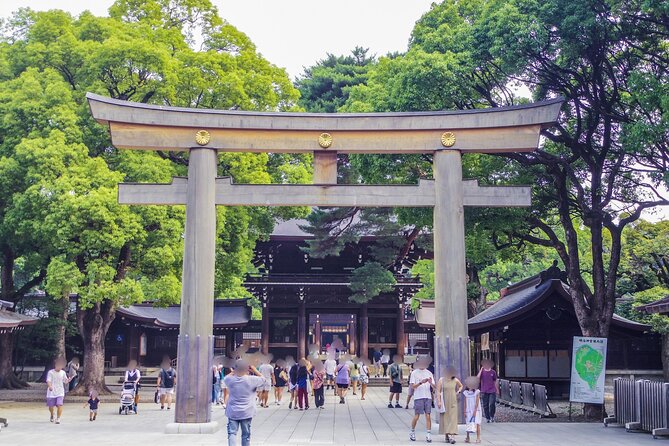
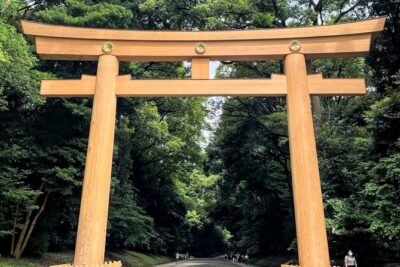
You start at Meiji Jingu Ichino Torii near Jingūmae, and the first stop is Meiji Jingu Shrine. You’ll get about 40 minutes here, and admission is free. This is a smart opener because it sets a slower tempo immediately after you arrive.
What makes Meiji Jingu special for a first stop is the way it feels like an urban reset. Even if you know Tokyo is built for speed, you’ll still notice how different this shrine setting feels: calmer, more nature-walk oriented, and very focused on the mood of visiting rather than photo ops alone. If you’re the kind of traveler who wants to start with quiet and then build into busier scenes later, this works.
Practical tip: arrive ready to walk at a comfortable pace. Forty minutes can disappear fast if you stop every few steps to take a picture. If you care about photos, plan to spend extra time near the most recognizable areas and keep moving the rest of the time so you actually get the full atmosphere.
Drawback to keep in mind: because it’s a shrine and nature setting, it can feel more reflective than structured. If you’re hoping for lots of quick “aha” moments every minute, you’ll still get guidance, but the experience may be calmer than a typical city sight tour.
Toyokawa Inari: The Fox-Statue Temple With Shinto-Buddhism Mix
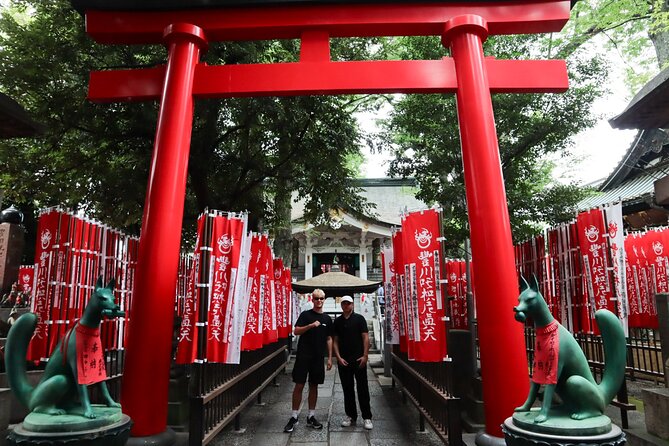
Next up is Toyokawa Inari Temple, with about 30 minutes on the clock and free admission. This is the stop that adds something you can’t easily replace with a standard Tokyo itinerary.
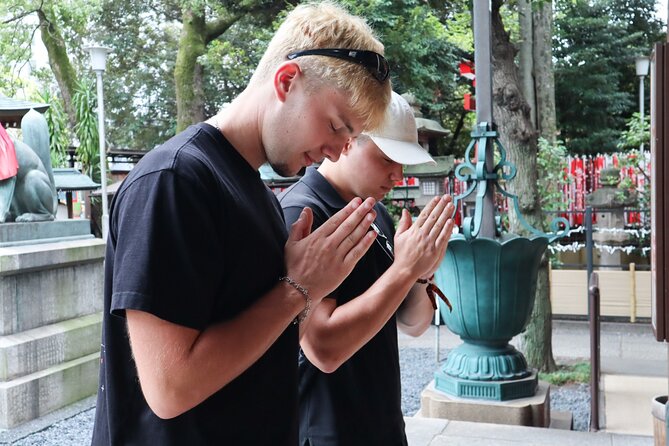
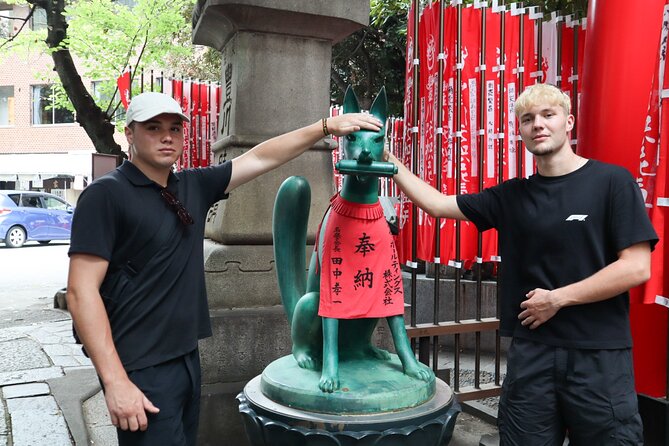
The key detail is the temple’s unusual religious blend: it combines Buddhism and Shinto, and it’s known for its fox statues. That combo matters because it helps you understand why Japan’s sacred spaces can feel both familiar and different depending on what you’re walking into. This is a great stop if you like learning how places evolve and overlap instead of treating religion as separate “categories.”
Why this time slice works: a half-hour is long enough to see the main features and soak up the theme, without turning the day into one long religious marathon. It’s also a useful pivot. After the calm start at Meiji Jingu, Toyokawa Inari gives you a more distinctive visual identity right away.
What to watch for: bring your eyes for details. The fox statues are the hook, but the blend of spiritual traditions is the real lesson. If you ask your guide a question here, it’ll likely make the rest of the day easier to interpret.
Senso-ji in Asakusa: Classic Old-Tokyo Sights With a Guided Route
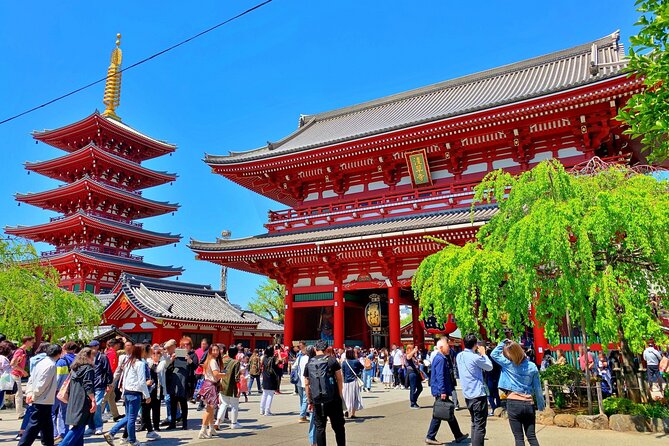
You’ll finish at Senso-ji Temple in Asakusa, with about 45 minutes. Admission is free again. This is the stop many people recognize from photos, and it’s also the area where Tokyo’s famous “old meets new” feeling becomes very physical.
The tour frames Senso-ji around the basics that matter: it’s the oldest and one of the most famous temples in Tokyo, and the iconic gate anchors your orientation. From there, you’re in the zone of the surrounding shopping street area.
A balanced note: this is also where crowds tend to show up. That doesn’t mean you’ll be miserable, especially with a guide who knows how to time movement. The guide planning matters here; Ryu is specifically mentioned as friendly and flexible, and he’s been noted for helping time visits around crowds on New Year’s Day. Even when you’re not traveling on a peak date, that kind of timing sense is valuable.
Practical move: keep your camera ready but don’t let shopping distractions eat your time. You want to leave Senso-ji feeling like you visited the temple first, then enjoyed the area second. The most efficient way is to follow your guide for the key sights, then decide how long to linger.
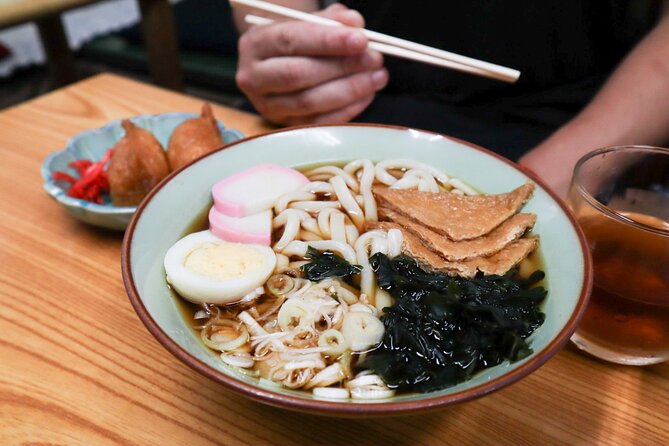
Also, the tour description says you’ll end with a taste of Japan’s comfort food. You’ll feel that as the emotional payoff at the end of a spiritual and photo-heavy morning. It’s the kind of wrap-up that makes this more than just walking between sacred sites.
The Guide, the Pace, and How 3 Hours Fits Real Travel Days
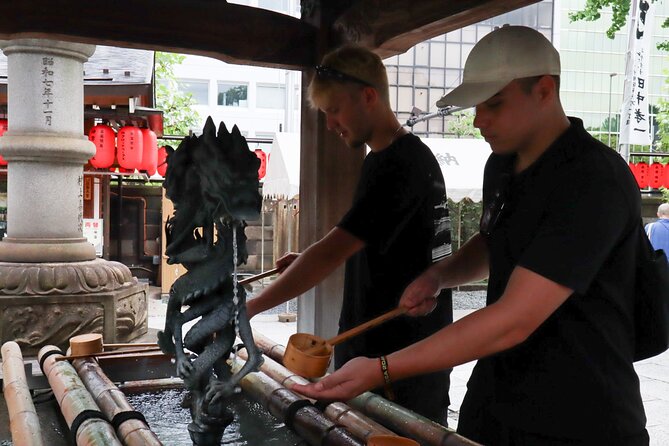
This tour is designed for a tight window: about 3 hours total, starting at 9:00 am. Group size is capped at 20 travelers, and that’s a sweet spot. Large enough to feel social, small enough that you can still keep your place in a moving line and ask questions without shouting.
The mobile ticket is another practical win. You’re not juggling paper. It’s also easier for last-minute check-ins because you’re working from your phone.
Ryu’s name comes up in the feedback I see, and the consistent theme is that he’s friendly, informative, and flexible. That last word matters more than people think. Tokyo crowds can change minute by minute. On major days like New Year’s Day, flexibility means you time key parts well rather than just marching forward and hoping it’s fine.
If you’re considering this tour because you want “hidden” moments, this is how they usually happen: not through secret passwords, but through pacing and a guide who can adjust when conditions shift. That’s what you’re paying for in a guided experience like this.
- Tokyo: Shinjuku Food Tour (13 Dishes at 4 Local Eateries)★ 5.0 · 6,603 reviews
- Tokyo Mt Fuji 5th St & Hakone Cruise Bus Tour w/Bullet Train★ 4.4 · 5,024 reviews
- Flagship 2-Hours Official Street Go-Kart Tour – Tokyo Bay Shop★ 5.0 · 4,974 reviews
- From Tokyo: Mount Fuji Full-Day Sightseeing Trip★ 4.5 · 4,970 reviews
- Tokyo: Hop-On Hop-Off Sightseeing Bus Ticket★ 3.9 · 4,207 reviews
Price and Value: What $84.92 Covers (and What It Doesn’t)

At $84.92 per person for about 3 hours, this isn’t the cheapest way to see Tokyo’s sacred sites. But the value case is pretty clear when you look at what’s included.
Admission is free at every stop listed: Meiji Jingu, Toyokawa Inari, and Senso-ji. So you’re paying mostly for the guide, the route planning, and the time efficiency. You’re also paying for a guided day that targets more than one type of experience: serene shrine walking, a specific spiritual style at Toyokawa Inari, and a classic Tokyo temple setting at Senso-ji.
The other value factor is quality of routing. The tour isn’t framed as a random walk between famous points. It’s set up to hit the highlights and then keep moving, with the guide’s crowd-timing skills (mentioned with Ryu) as a major benefit.
One caution on value: the tour description mentions activities like aerial views and boating, but the provided itinerary focuses on three main shrine/temple stops. That doesn’t mean the extra components aren’t part of your day, but it does mean you’ll want to keep expectations tied to the stops. In other words, treat those added elements as “part of the experience,” not as the main event.
If your goal is to spend almost no money and just explore on your own, you can. If your goal is to make the day easier to navigate, more meaningful, and less stressful, the price starts to make sense.
Who This Tour Suits Best (and Who Might Skip It)
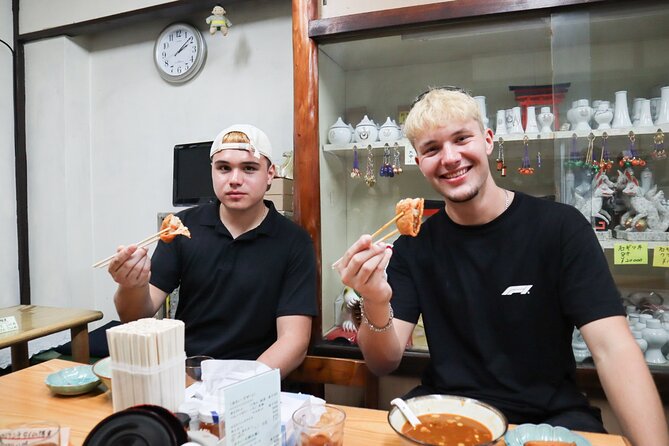
This experience fits best if you want a guided Tokyo shrine day that doesn’t feel like a drive-by. It’s especially good for you if:
- you like Japanese spirituality and want to see more than one style of sacred space
- you want a photo-friendly day, without turning it into a pure sightseeing sprint
- you prefer small groups (20 max) and a guide who can adjust timing
It may not be ideal if:
- you hate walking or want a long seated tour format (this is a walking tour, and it ends with Asakusa travel)
- you want a deep lecture style format at every stop, because two of the stops are shorter by design
Best match: couples, solo travelers, and anyone who wants a first-rate morning that turns into a relaxed afternoon afterward.
Should You Book This Tokyo Hidden Shrine and Temple Tour?
I think you should book this tour if you’re after three clear, meaningful sacred stops with strong guidance and practical pacing. The biggest reasons: free admission at all the key sites, a small group cap, and guide flexibility that helps with crowds. Add in the promise of Instagram-friendly moments and a comfort-food ending, and you get a morning that feels complete.
Skip it if you already know you’ll want long independent exploration time, or if you dislike tours that blend culture with route management. Also think about your travel plan: because it starts at Meiji Jingu and ends at Senso-ji in Asakusa, you’ll want your afternoon transport figured out.
If you’re on the fence, here’s the decision shortcut: choose this tour when you want structure that still leaves you with time to absorb each place. Choose independent wandering when you want total control over timing and you don’t mind the crowd uncertainty.
FAQ
Where does the tour start and end?
The tour starts at Meiji Jingu Ichino Torii in Jingūmae, Shibuya, Tokyo, and it ends at Senso-ji Temple in Asakusa, Taito City.
What time does the tour begin?
The start time is 9:00 am.
How long is the tour?
The duration is about 3 hours.
Which stops are included?
You’ll visit Meiji Jingu Shrine, Toyokawa Inari Temple, and Senso-ji Temple.
Is admission included for the shrines and temple?
Admission tickets for the listed stops are marked free.
How much does the tour cost?
The price is $84.92 per person.
Is a mobile ticket used?
Yes, the tour uses a mobile ticket.
What’s the maximum group size?
The tour has a maximum of 20 travelers.
Can I cancel for a full refund?
Yes. You can cancel up to 24 hours in advance for a full refund. If you cancel less than 24 hours before the start time, the amount paid is not refunded.
How far in advance do people usually book?
On average, it’s booked about 9 days in advance.
More Tours in Tokyo
- Mt Fuji and Hakone 1-Day Bus Tour Return by Bullet Train
★ 5.0 · 26,383 reviews - 1-Day Tokyo Bus Tour
★ 5.0 · 14,250 reviews - Tokyo: Shinjuku Food Tour (13 Dishes at 4 Local Eateries)
★ 5.0 · 6,603 reviews - Tokyo Mt Fuji 5th St & Hakone Cruise Bus Tour w/Bullet Train
★ 4.4 · 5,024 reviews - Flagship 2-Hours Official Street Go-Kart Tour – Tokyo Bay Shop
★ 5.0 · 4,974 reviews
More Tour Reviews in Tokyo
- Mt Fuji and Hakone 1-Day Bus Tour Return by Bullet Train
★ 5.0 · 26,383 reviews - 1-Day Tokyo Bus Tour
★ 5.0 · 14,250 reviews - Tokyo: teamLab Planets TOKYO Digital Art Museum Entry Ticket
★ 4.6 · 9,779 reviews - Mt Fuji & Hakone Cruise, Drum Show Bullet Train 1 Day from Tokyo
★ 4.0 · 7,413 reviews - Tokyo: Shinjuku Food Tour (13 Dishes at 4 Local Eateries)
★ 5.0 · 6,603 reviews
Latest Tokyo reviews off our desk

Tours, compared.
 ★ 5.0Mt Fuji and Hakone 1-Day Bus Tour Return by Bullet TrainFrom $16326,383 reviews
 ★ 5.01-Day Tokyo Bus TourFrom $12914,250 reviews
 ★ 5.0Shinjuku Food Tour (13 Dishes at 4 Local Eateries)From $866,603 reviews
 ★ 4.4Tokyo Mt Fuji 5th St & Hakone Cruise Bus Tour w/Bullet TrainFrom $1545,024 reviews
 ★ 5.0Flagship 2-Hours Official Street Go-Kart Tour – Tokyo Bay ShopFrom $644,974 reviews
 ★ 4.7Mt. Fuji Tour, Hakone Ropeway, Owakudani, Lake AshiFrom $544,002 reviews
 ★ 5.0Tokyo 6hr Private Tour with Government-Licensed GuideFrom $1553,902 reviews
 ★ 5.0Tokyo Bar Hopping Tour in Shinjuku (All-You-Can-Drink + Dinner)From $1063,587 reviews