
Reviewed · GUIDED
Tokyo Japanese Garden Lover’s Private Tour with Government-Licensed Guide
Tokyo gardens feel like another planet.
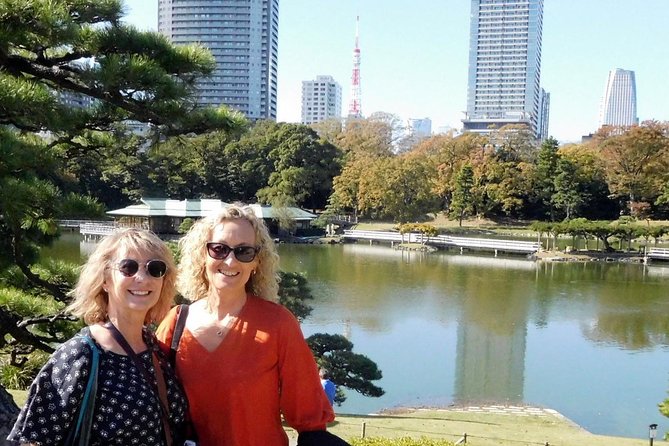
This private walking route is built for Japanese garden lovers: you’ll choose 3–4 stops from a set of famous gardens and parks, and you’ll learn what the stones and plants are meant to suggest—like traditional spirits shown through nature. My favorite part is the guidance: you don’t just look, you understand the design choices. The only real caution is that entrance fees and getting between stops are on you, and it’s still a full 6-hour walk through busy areas.
You also get something practical: a guide who can handle the tricky parts of the day—timing, directions, and what to prioritize once you’re there. In a couple of the real-world tour experiences I studied, guides like Shiraga Yukino-san and Keiko were praised for their English flow and for helping with navigation when Tokyo’s transit got confusing. Still, remember one key boundary: the tour does not include access inside the Imperial Palace itself, so don’t plan on palace interiors.
In This Review
- Key things that make this Tokyo garden tour work
- A private Tokyo Japanese garden day that’s actually designed for your taste
- The government-licensed guide is the difference between seeing and understanding
- How choosing 3–4 sites makes the tour better than a long bus-style loop
- Imperial Palace surroundings: what you can see (and what you can’t)
- Shinjuku Gyoen National Garden: the efficient pick for a single big garden moment
- Meiji Jingu Shrine near Harajuku: when the city quiets down
- Koishikawa Korakuen: one of Tokyo’s oldest garden classics
- Rikugien: elegant Edo-era design built around poems
- Hama Rikyu Gardens by Tokyo Bay: tides, seawater ponds, and tea-house vibes
- Yoyogi Park and Ueno Park: when green space is the break you need
- Yoyogi Park
- Ueno Park
- Koishikawa Botanical Garden: plant variety plus a small Japanese garden
- Former Shiba Rikyu and Kiyosumi Teien: quieter traditional garden structure
- Former Shiba Rikyu Gardens
- Kiyosumi Teien
- Nezu Museum garden and Happo-en: urban oases and photo-friendly viewpoints
- Nezu Museum
- Happo-en
- Seasonal note: Tokyo National Museum garden during hanami and koyo
- Mejiro Garden: the free, peaceful pause near Ikebukuro
- Tokyo logistics, walking pace, and how to plan your ticket spending
- Who this tour suits best (and who might want something else)
- Should you book this Tokyo Japanese Garden Lover’s Private Tour?
- FAQ
- What’s included in the tour price?
- How long is the tour?
- Does the tour include access inside the Imperial Palace?
- Do I need to pay entrance fees?
- Is there a private vehicle?
- Can I combine this with another tour group?
- Is this tour actually private?
- Is transportation between stops included?
- What kind of guide do you get?
- What’s the cancellation window?
- FAQ
- Is the tour walking-friendly for most people?
- Are service animals allowed?
- Which season is best for the seasonal garden stop at Tokyo National Museum?
Key things that make this Tokyo garden tour work
- Government-licensed English guide who helps you read gardens instead of just sightseeing them
- Custom pick of 3–4 sites from a longer menu, so you can match your pace and interests
- A calmer pace inside crowded Tokyo—shrines, ponds, and quiet paths become the main event
- Design “meaning” explained through rocks and plants tied to traditional spirits
- Walking-first logistics with pickup on foot (no private vehicle), plus simple meeting points
- Top stops with strong variety: dry rock gardens, Edo-era layouts, tide-pond settings, and museum gardens
A private Tokyo Japanese garden day that’s actually designed for your taste
Tokyo can feel like an endless sprint—train, crosswalk, repeat. This tour flips the rhythm. I like that the concept is not a giant checklist of everything in Tokyo. It’s about choosing a small set of garden experiences—typically three to four sites—and spending enough time to notice patterns: how water is used, how paths guide your attention, and how a garden can feel quiet even while you’re surrounded by the city.
The value here is partly intellectual, partly practical. Your guide is licensed and English-speaking, and the tour is described as multilingual with interpreter-style support. That matters when you want more than a quick explanation like “this is pretty.” In real guide-led moments, people highlighted how the guidance clarified nuances in gardens, not just the headline facts.
The pacing also makes sense for real travelers. At about 6 hours, you have enough time to see multiple locations without turning the day into a blur. Just go in knowing it’s still walking, and the tour doesn’t cover transport costs or entry tickets.
Readers also shortlisted these Tokyo bookings:
- Tokyo 6hr Private Tour with Government-Licensed Guide
★ 5.0 · 3,902 reviews - Tokyo: Shinjuku Local Bar and Izakaya Guided Walking Tour
★ 4.9 · 1,794 reviews - Tokyo: Private City Highlights Tour with Local Guide
★ 4.8 · 1,433 reviews - Tokyo: Tsukiji Fish Market Guided Walking Tour
★ 4.9 · 1,397 reviews
The government-licensed guide is the difference between seeing and understanding
I love guided garden days because gardens are built to be read. A pond isn’t only a pond. A rock placement isn’t only decoration. A guide who can explain those choices changes the whole experience.
In the feedback I reviewed, guides were repeatedly praised for communication and preparation. Shiraga Yukino-san was called out for strong English conversation and for explaining subtleties in the gardens. Minuro earned compliments for starting the day smoothly and keeping the flow comfortable between stops. Koji was praised for excellent preparation and communication. And Nobu/Nobuko was highlighted for educational materials that helped deepen the cultural context.
So what does that mean for you on the ground? It means you’ll likely get:
- a better sense of why a garden looks the way it does
- guidance on what to notice first when you arrive
- an easier day when the transit and neighborhood geography get tricky
And because it’s private, you can ask questions without feeling rushed.
How choosing 3–4 sites makes the tour better than a long bus-style loop
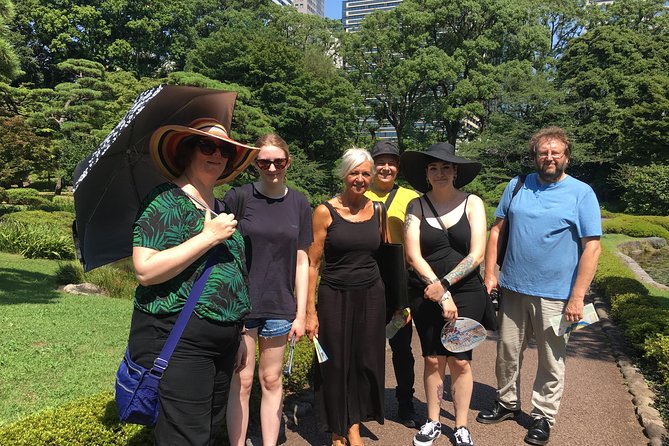
The tour is presented as a customizable walking experience. That sounds simple, but it’s a big deal in Tokyo. If you try to see too many gardens, your brain gets overloaded: you’ll remember the locations, not the design ideas.
Here’s the key advantage: your guide works from a set of well-known options (shrines, gardens, botanical spaces, and a few major parks). You choose what you want most. In practice, that lets you build a day around a theme, like:
- dry and artful gardens plus one calm “water and tide” stop
- Edo-era garden design plus a museum garden
- a mix of shrine + park + garden, if you want more atmosphere and less “only gardens”
It also helps with energy. Garden lovers often want to linger, but Tokyo punishes lingering when you’re forced into a rigid schedule. A smaller number of stops means you can slow down without losing the day.
Imperial Palace surroundings: what you can see (and what you can’t)
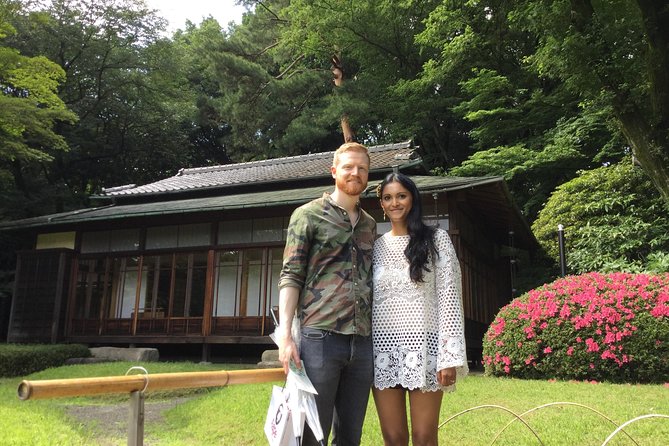
Your day may start at the Imperial Palace area. The tour highlights the Imperial Palace grounds as a free stop, but with an important note: it does not include access inside the Imperial Palace.
What you’ll get instead is the setting. The current palace sits on the former Edo Castle site, with major park grounds, moats, and massive stone walls. Even without palace interiors, it’s a strong start because the scale and defensive architecture create a historical frame for what comes next: you’re entering Tokyo’s garden-and-power story from the outside.
One practical consideration: if you expected palace interior rooms or exhibits, you’ll be disappointed. But if your goal is atmosphere and garden-adjacent history, it works well as an opening act.
Shinjuku Gyoen National Garden: the efficient pick for a single big garden moment
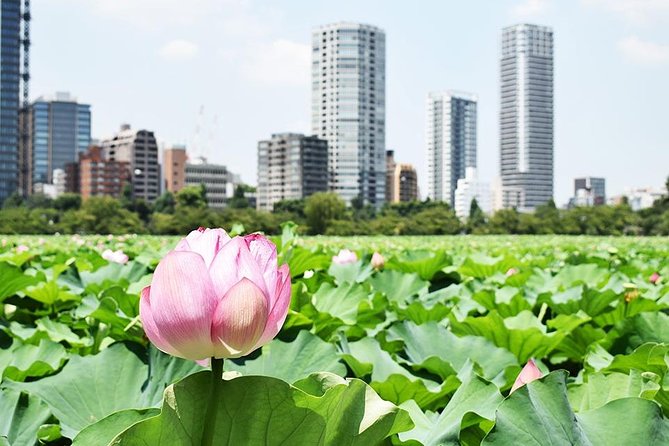
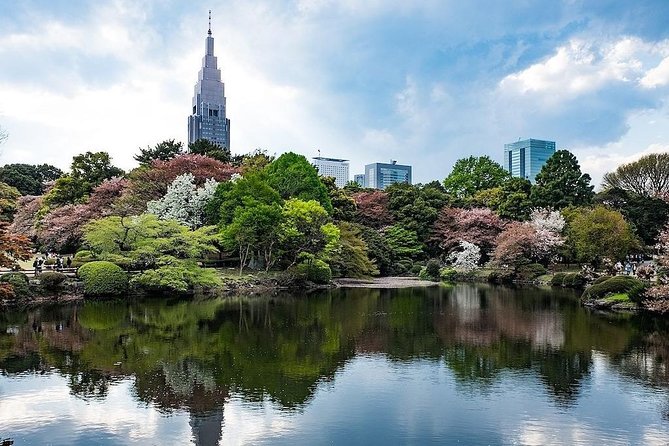
Shinjuku Gyoen is included as a major option. The tour format is designed to help you move through Tokyo efficiently in one day, and this garden is a good anchor because it’s a major destination compared with smaller pockets.
The data we have confirms it as a stop where you can explore Tokyo more efficiently with the guide. Entrance fees aren’t included, so budget time for ticketing when you choose it.
I’d pick Shinjuku Gyoen if you want a “main garden” feel—one that’s big enough to make your day feel complete, even if the other stops are smaller and more intimate.
Readers also shortlisted these Tokyo bookings:
- Tokyo 6hr Private Tour with Government-Licensed Guide★ 5.0 · 3,902 reviews
- Private Tour to Mt. Fuji and Hakone (Fully Licenced Operator)★ 5.0 · 1,910 reviews
- Tokyo Customized Private Tour (Must See Places in 1 Day)★ 5.0 · 1,499 reviews
- Mount Fuji Full-Day Private Tour from Tokyo (Customizable)★ 4.9 · 1,470 reviews
- Tokyo: Private City Highlights Tour with Local Guide★ 4.8 · 1,433 reviews
Meiji Jingu Shrine near Harajuku: when the city quiets down
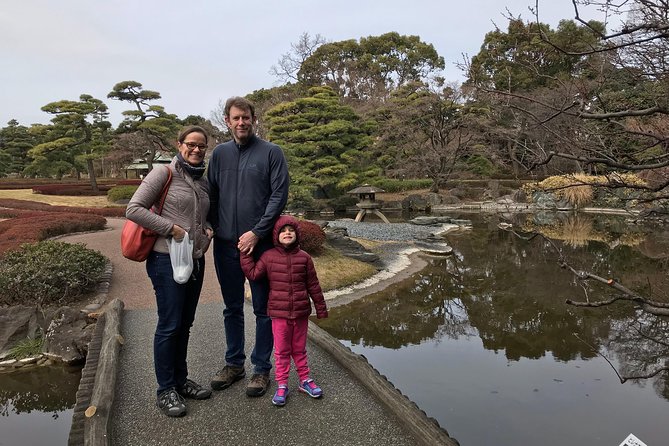
Meiji Jingu is a standout stop because it’s right by the busy Harajuku area, yet it’s described as a calm, shrine-centered experience. The tour notes it’s dedicated to the deified spirits of Emperor Meiji and Empress Shoken, which gives you a clear cultural anchor before you even enter the grounds.
It’s also strategically placed near the JR Yamanote Line at Harajuku, so it’s a smart choice if you want a garden-focused day that still connects you to major transit corridors.
Entrance is free for this stop. The main drawback isn’t money—it’s crowding. When you pick a major shrine, you’re choosing a place where Tokyo energy can show up. The upside is atmosphere: the contrast between chaotic streets and a solemn shrine space is part of what makes the day feel like a break.
Koishikawa Korakuen: one of Tokyo’s oldest garden classics
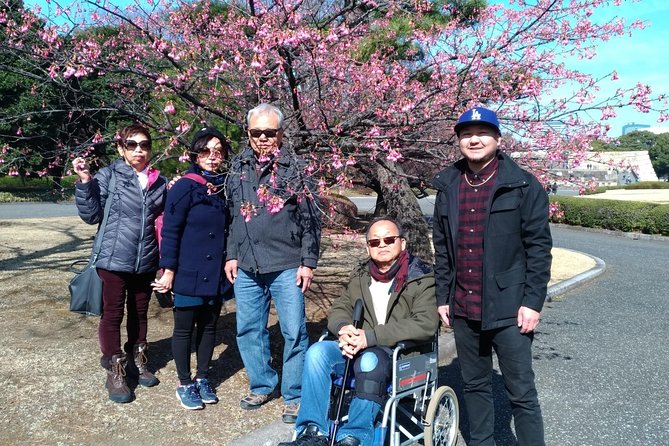
If you love “this is why Japanese gardens became a big deal” energy, Koishikawa Korakuen is a top choice. It’s described as one of Tokyo’s oldest and best Japanese gardens, built in the early Edo Period (1600–1867) at the residence connected with the Mito branch of the ruling family.
This is also a place where a guide really helps. Your understanding improves when you hear how the garden’s design functions—how it organizes views into mini-scenes. The tour description also says Korakuen represents famous Japanese and Chinese scenery in miniature, which gives you a useful lens: you’re not just walking; you’re looking at curated scenes.
The only caution is that entrance fees are not included. So if you’re building a “value day,” remember this stop can cost extra on your side.
Rikugien: elegant Edo-era design built around poems
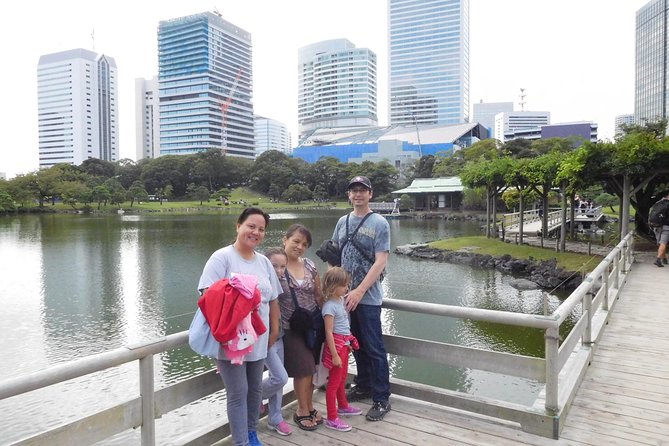
Rikugien is often held in the same conversation as Koishikawa Korakuen, and it’s in the tour’s options for a reason. It’s described as being built around 1700 for the 5th Tokugawa Shogun, and the name points to a structure tied to poems—literally described as the six poems garden.
For you, this matters because it gives the garden a cultural “reason to exist.” You’re not guessing. You can listen for explanations tied to how the views are staged.
Like many famous gardens here, entrance fees are not included. But the payoff is typically time well spent because you’ll likely find the garden’s layout more meaningful with a good guide.
Hama Rikyu Gardens by Tokyo Bay: tides, seawater ponds, and tea-house vibes
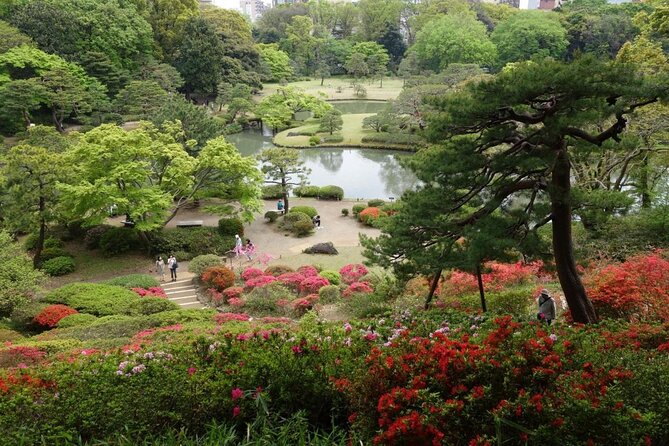
This stop is unique because it’s described as being alongside Tokyo Bay, with seawater ponds that change level with the tides. That’s not just a cute detail. It changes how the garden feels from moment to moment, because water levels become part of the scenery and the photos.
There’s also mention of a teahouse, so you get that classic garden rhythm: walk, pause, look at water, and take in the seasonal mood.
Entrance fees aren’t included. So if you want a “special settings” garden that feels different from inland ponds, this is a strong pick.
Yoyogi Park and Ueno Park: when green space is the break you need
Not every stop has to be “ticketed garden perfection.” The tour includes big park options that help your day breathe.
Yoyogi Park
Yoyogi Park is described as one of Tokyo’s largest city parks, with wide lawns, ponds, and forested areas. It’s good for jogging and picnicking—so it’s not only a viewing location; it’s a reset space. The tour notes free admission for Yoyogi.
It’s also included twice in the itinerary list as two variations of the same park experience, one noting the general layout and the second pointing out a Western-style park feel with wide lawns and ginkgo trees, especially for autumn leaves. You can treat it as a flexible stop depending on the season you’re visiting.
Ueno Park
Ueno is described as a mix of major attractions: museums, a zoo, a Toshogu Shrine, and Shinobazu Pond. It’s also called out as a notable cherry blossom party spot.
This is one of those stops where the garden day can drift into “Tokyo culture weekend.” That’s not a problem, as long as it fits your goal. If you want pure garden time, keep it to a shorter slice with your guide’s help on what to prioritize.
Both Yoyogi and Ueno are free stops in the tour data, which can help your budget.
Koishikawa Botanical Garden: plant variety plus a small Japanese garden
Koishikawa Botanical Garden is described as maintained by the University of Tokyo, with many tree and plant species and a small Japanese landscape-style garden included in the grounds. The tour data specifically notes it’s particularly nice during cherry blossom season.
This is a good choice if you want something slightly different from the “classic strolling garden” format: more plant variety, plus a calmer, scenic pocket.
Entrance fees aren’t included, but it can be an excellent “interest match” if you’re into gardens as living collections, not only as designed compositions.
Former Shiba Rikyu and Kiyosumi Teien: quieter traditional garden structure
These two stops are the kind you pick when you want less crowd energy and more intentional design.
Former Shiba Rikyu Gardens
This is described as a green oasis surrounded by tall buildings. It has a pond and man-made hills and used to be part of the residence of feudal lords, later becoming an imperial villa. If you want that sense of “this was once a private world,” this stop delivers.
Entrance fees aren’t included.
Kiyosumi Teien
Kiyosumi Teien is described as a pretty Japanese garden with walking trails around a central pond. It also notes that some parts of the trail lead over stones placed into the pond—so there’s a built-in tactile moment: your route feels like part of the garden artwork.
Entrance fees aren’t included, but this one tends to be rewarding for people who like moving at walking pace rather than standing still.
Nezu Museum garden and Happo-en: urban oases and photo-friendly viewpoints
Two stops here are strongly about atmosphere and setting.
Nezu Museum
The tour calls the Nezu Museum garden an urban oasis. It’s located in Omotesando, described as a stylish hub. The museum was formerly the private residence of Nezu Kaichiro, and now houses a museum that includes this garden experience.
Entrance fees aren’t included. For garden lovers, this stop often feels like a “city escape” because it’s tucked into a modern neighborhood without losing its calm.
Happo-en
Happo-en is described as a vast park in Minato District. The name means Garden of Eight Views and is designed for appeal in all seasons and angles. The tour notes the grounds provide a strong photo backdrop, and you’ll have plenty of space to move.
Entrance fees aren’t included. If you like parks with viewpoints and room to wander, Happo-en fits.
Seasonal note: Tokyo National Museum garden during hanami and koyo
Tokyo National Museum garden is included, but only opens for a few weeks during spring hanami (cherry blossoms) and during November koyo (autumn leaves). It’s described as opening for limited windows, so if you’re planning around seasons, check your dates carefully.
Entrance fees aren’t included.
This stop is especially attractive if you’re visiting in those narrow seasonal windows. Outside them, you might not get the garden access you’re hoping for.
Mejiro Garden: the free, peaceful pause near Ikebukuro
Mejiro Garden is described as small and peaceful, near Ikebukuro Station, with admission free. It’s a good option when you want a quiet moment without adding ticket costs.
If your day includes heavier hitters like big shrines or famous gardens, Mejiro can act like a soft landing.
Entrance fees aren’t included (because it’s free, the tour data says it’s admission free). Budget win.
Tokyo logistics, walking pace, and how to plan your ticket spending
A few practical points matter here:
- It’s a walking tour, and pickup is on foot, not with a vehicle.
- Transportation fees aren’t included, so plan on paying for trains/subways between chosen stops.
- Entrance fees and lunch are not included, so build a budget for tickets and a meal.
- You cannot combine multiple tour groups; this is private, just your group.
The upside: walking tours with a strong guide often help you avoid the time sink of figuring out transit while everyone’s tired. In one praised experience, Keiko helped navigate Tokyo’s complex transportation system, and the group felt like they would never have found the gardens as efficiently without her.
My advice: pick one “paid garden must-see,” one “free park/shrine reset,” and one “wildcard garden” depending on your season. That mix keeps your day feeling rich without all your spending happening at once.
Who this tour suits best (and who might want something else)
This tour fits best if you:
- love Japanese gardens and want design meaning explained, not just photos
- prefer a calmer day in Tokyo with less frantic switching
- want a licensed local English guide who can keep the day moving
- like the idea of choosing only 3–4 sites so you can actually notice details
It’s less ideal if you:
- want to spend every minute inside the Imperial Palace (this tour does not include palace interior access)
- hate walking for hours and prefer a vehicle-based plan
- don’t want to pay additional entrance fees for gardens that aren’t free
Should you book this Tokyo Japanese Garden Lover’s Private Tour?
I’d book it if you want a garden-focused Tokyo day that feels intentional, not random. The best part is the combination: a government-licensed English guide plus a small set of high-quality garden and park experiences, with explanations of how rocks and plants connect to traditional spirits.
If you’re the type who enjoys learning what you’re looking at—like why Rikugien is tied to poems or how Koishikawa Korakuen reflects famous scenes—you’ll likely love the way this tour helps the day click.
Book it especially in a season when gardens shine, and keep your ticket budget flexible for whichever paid gardens you choose. If you’re mainly chasing the biggest Tokyo names with no interest in garden details, you might prefer a more general city tour. But if Japanese gardens are your thing, this one is built for you.
FAQ
What’s included in the tour price?
You get a licensed local English-speaking guide and a customizable walking tour where you choose 3–4 sites from the available garden and park options. Pickup is offered on foot (meeting on foot within a designated area). Transportation fees, entrance fees, lunch, and personal expenses are not included.
How long is the tour?
The duration is listed as about 6 hours.
Does the tour include access inside the Imperial Palace?
No. The tour does not include access to the inside of the Imperial Palace.
Do I need to pay entrance fees?
Yes. Entrance fees are listed as not included, and only certain sights are covered for the guide’s entry. You should plan to pay for garden or museum admission when you select those stops.
Is there a private vehicle?
No private vehicle is included. It’s a walking tour, and pickup is on foot.
Can I combine this with another tour group?
No. The tour data states you cannot combine multiple tour groups.
Is this tour actually private?
Yes. It’s described as private, so only your group participates.
Is transportation between stops included?
No. Transportation fees aren’t included.
What kind of guide do you get?
You get a licensed local English-speaking guide, and the tour description also mentions multilingual support with interpreter certification.
What’s the cancellation window?
Free cancellation is offered up to 24 hours in advance for a full refund.
FAQ
Is the tour walking-friendly for most people?
The information says most travelers can participate, but it is still a walking tour, so comfortable walking shoes help.
Are service animals allowed?
Yes, service animals are allowed.
Which season is best for the seasonal garden stop at Tokyo National Museum?
The Tokyo National Museum garden opens for a few weeks during hanami (spring cherry blossoms) and during November koyo (autumn leaves).
More Guided in Tokyo
- Tokyo 6hr Private Tour with Government-Licensed Guide
★ 5.0 · 3,902 reviews - Tokyo: Shinjuku Local Bar and Izakaya Guided Walking Tour
★ 4.9 · 1,794 reviews - Tokyo: Private City Highlights Tour with Local Guide
★ 4.8 · 1,433 reviews - Tokyo: Tsukiji Fish Market Guided Walking Tour
★ 4.9 · 1,397 reviews - Tokyo 4hr Private Tour with Government-Licensed Guide
★ 5.0 · 1,394 reviews
More Tours in Tokyo
- Mt Fuji and Hakone 1-Day Bus Tour Return by Bullet Train
★ 5.0 · 26,383 reviews - 1-Day Tokyo Bus Tour
★ 5.0 · 14,250 reviews - Tokyo: Shinjuku Food Tour (13 Dishes at 4 Local Eateries)
★ 5.0 · 6,603 reviews - Tokyo Mt Fuji 5th St & Hakone Cruise Bus Tour w/Bullet Train
★ 4.4 · 5,024 reviews - Flagship 2-Hours Official Street Go-Kart Tour – Tokyo Bay Shop
★ 5.0 · 4,974 reviews
More Tour Reviews in Tokyo
- Mt Fuji and Hakone 1-Day Bus Tour Return by Bullet Train
★ 5.0 · 26,383 reviews - 1-Day Tokyo Bus Tour
★ 5.0 · 14,250 reviews - Tokyo: teamLab Planets TOKYO Digital Art Museum Entry Ticket
★ 4.6 · 9,779 reviews - Mt Fuji & Hakone Cruise, Drum Show Bullet Train 1 Day from Tokyo
★ 4.0 · 7,413 reviews - Tokyo: Shinjuku Food Tour (13 Dishes at 4 Local Eateries)
★ 5.0 · 6,603 reviews
Latest Tokyo reviews off our desk






Guided, compared.
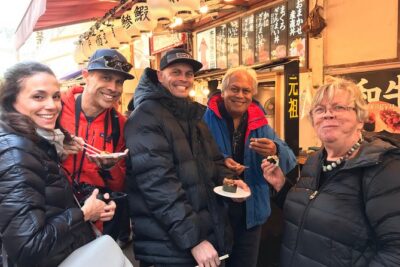 ★ 5.0Tokyo 6hr Private Tour with Government-Licensed GuideFrom $1553,902 reviews
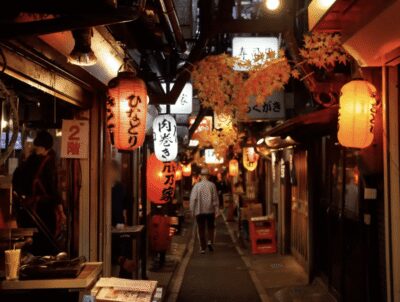 ★ 4.9Shinjuku Local Bar and Izakaya Guided Walking TourFrom $341,794 reviews
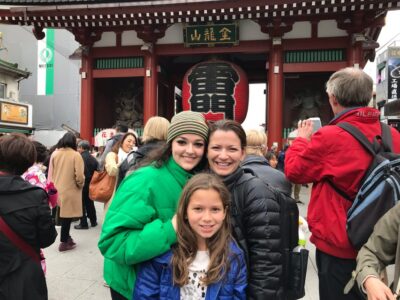 ★ 4.8Private City Highlights Tour with Local GuideFrom $1061,433 reviews
 ★ 4.9Tsukiji Fish Market Guided Walking TourFrom $221,397 reviews
 ★ 5.0Tokyo 4hr Private Tour with Government-Licensed GuideFrom $1091,394 reviews
 ★ 5.0Tokyo Guided Small-Group Biking TourFrom $1061,250 reviews
 ★ 4.6Samurai Ninja Museum Guided tour and ExperienceFrom $271,010 reviews
 ★ 5.0Tsukiji Fish Market Guided Tour and Sushi Making with Pro ChefFrom $104775 reviews