
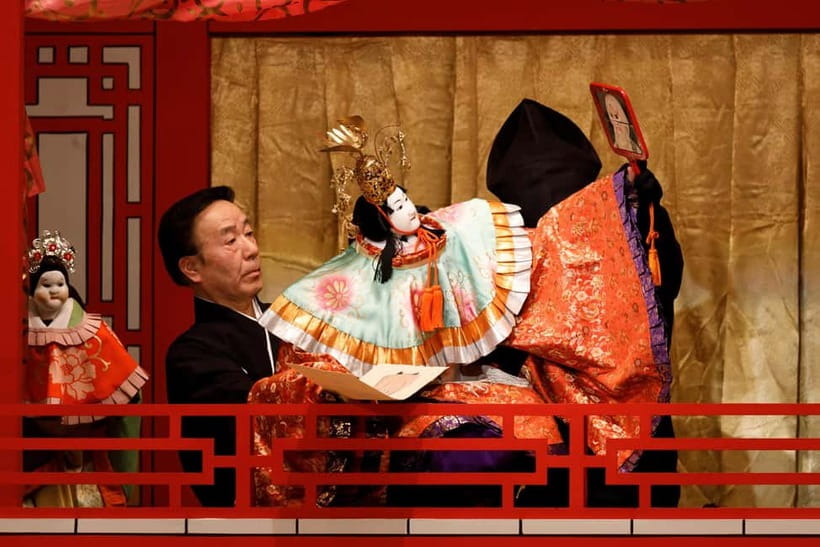
Reviewed · TOKYO
Tokyo: KABUKI, BUNRAKU, etc. presented by National Theatre
A night of Japanese classical drama hits different. I love that this program mixes Kabuki, Bunraku, and traditional music without drowning the stage in loud narration. The English support is genuinely helpful, and the performances feel like the real deal, not a museum imitation. One thing to consider: the audio guide is an overview (not a line-by-line translation), and the pace may feel slow if you’re expecting nonstop action.
Here’s the practical twist: even though it’s presented by National Theatre Japan, the venue is not the National Theatre in Hanzomon. You’ll be in Yokohama at KAAT Kanagawa Arts Theatre, and you’ll want to plan your commute so you’re seated and ready. Also, the program content can vary by date, so double-check what the option lists before you go.
In This Review
- Key takeaways before you go
- National Theatre Japan, but your seat is in Yokohama
- Kabuki: music-and-dance theatre you can follow in English
- Bunraku: why puppet theatre feels so human
- Hogaku: traditional music with snow in the spotlight
- The real value: English guidance that respects the performance
- Timing and pacing: 75 minutes or closer to 3 hours
- Theatre etiquette: quiet rules that keep the magic intact
- Value for $37: when this is a smart use of your time
- Who this night is best for
- Should you book this Kabuki/Bunraku/Hogaku performance?
- FAQ
- Where is the performance venue for this experience?
- Is the performance in Tokyo’s National Theatre (Hanzomon)?
- What’s the nearest station to KAAT Kanagawa Arts Theatre?
- How long is the experience?
- Is there an English audio guide?
- Does Hogaku include English support too?
- Do I need to exchange my ticket at the theatre?
- Are photos or video recording allowed inside?
Key takeaways before you go
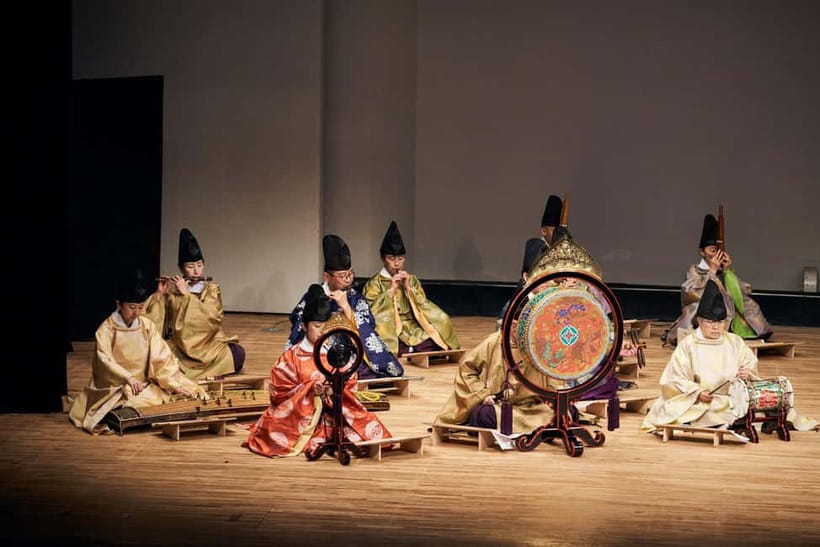
- National Theatre Japan presentation with authentic performers and classical-form focus
- Yokohama venue at KAAT Kanagawa Arts Theatre (not Hanzomon)
- English audio guide for Kabuki and Bunraku, plus a free English explanation sheet for Hogaku
- No photography and no recording, so treat it like a focused, live performance night
- Content varies by date, including which arts you’ll actually see
- A show length that can run from 75 minutes up to about 3 hours, depending on the program
National Theatre Japan, but your seat is in Yokohama
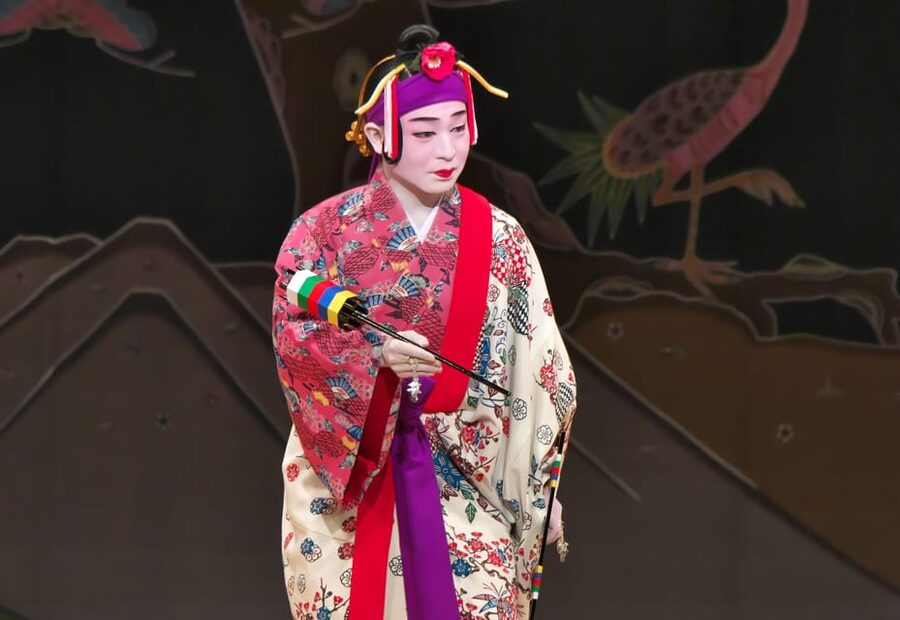
This experience is presented by National Theatre Japan, the kind of organization that has kept Japanese classical performing arts on the map for decades. Still, don’t let the name fool you: the venue is KAAT Kanagawa Arts Theatre in Yokohama, not the National Theatre building in Hanzomon.
So yes, you’re doing Tokyo-area sightseeing. But you’re also doing one very Japan thing: taking the show seriously enough to leave central Tokyo for the right hall and the right program.
Getting there is straightforward once you know the anchors:
- Walk from Nihon-ōdōri Station (MM05), about 5 minutes from Exit 3 or 4
- Or use Motomachi-Chukagai Station (MM06), about 8 minutes from Exit 1
- From Shibuya, expect around 45 minutes by train if you take the Minatomirai Line connections
One more logistics note that matters once you arrive: you’ll exchange your GetYourGuide ticket for the theatre-issued ticket at the entrance. Staff will ask for the name used for your reservation. Build a few extra minutes into your arrival plan so this doesn’t feel rushed.
Readers booked these Tokyo options in the same breath. Here is how each one scored:
- Mt Fuji and Hakone 1-Day Bus Tour Return by Bullet Train
★ 5.0 · 26,383 reviews - 1-Day Tokyo Bus Tour
★ 5.0 · 14,250 reviews - Tokyo: teamLab Planets TOKYO Digital Art Museum Entry Ticket
★ 4.6 · 9,779 reviews - Mt Fuji & Hakone Cruise, Drum Show Bullet Train 1 Day from Tokyo
★ 4.0 · 7,413 reviews
Kabuki: music-and-dance theatre you can follow in English
Kabuki is dramatic theatre built from music, dance, and staged storytelling. The big win here is that it still feels like theatre, not just tradition on display. Even with centuries of evolution behind it, Kabuki keeps pulling in audience attention through bold gestures, stylized movement, and story momentum.
What I especially like for non-Japanese speakers is the English audio guide. It’s not a word-for-word script, but it helps you track what’s happening at key moments—so you’re not stuck guessing why someone has just struck a pose or turned their head in a very specific way. Think of it as a storyteller’s map: you’ll see the route even if you’re not reading every sign.
A few practical expectations for Kabuki:
- The program doesn’t aim to make costumes and movement feel like a homework assignment. It’s more about guiding you into the logic of the performance.
- You may notice that stories and scenes can unfold in a way that doesn’t always match Western expectations of plot closure. One review noted that the show can include multiple acts with unresolved or unfinished story threads. In other words: don’t show up expecting a neat Hollywood ending on every stage.
If you love theatre, visual storytelling, and Japanese performance craft, Kabuki is your easiest entry point.
Bunraku: why puppet theatre feels so human
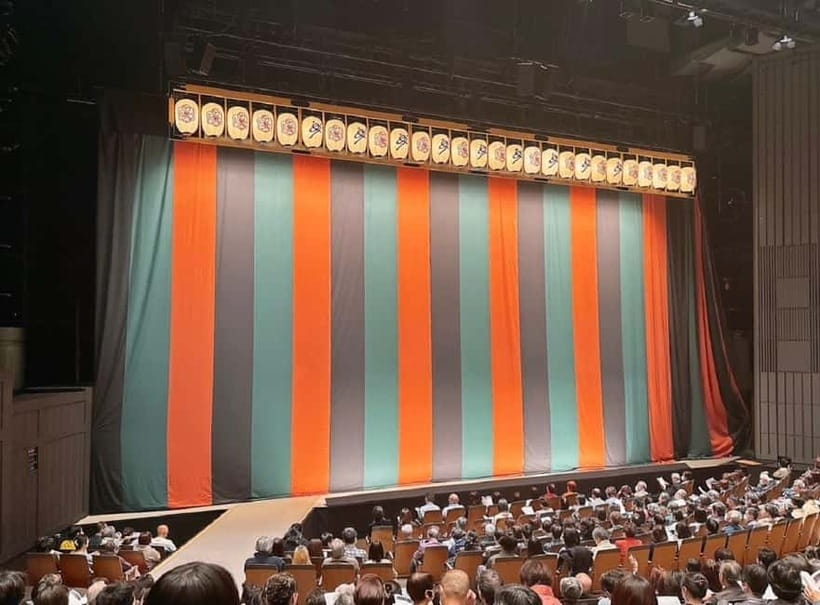
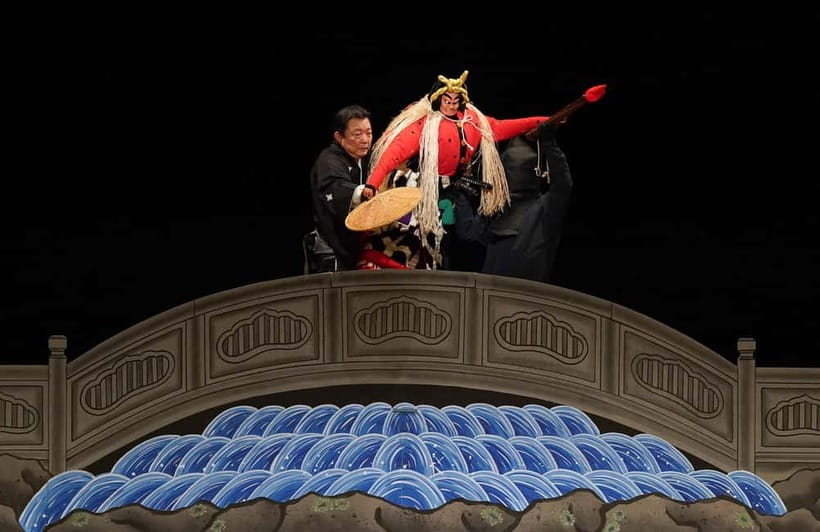
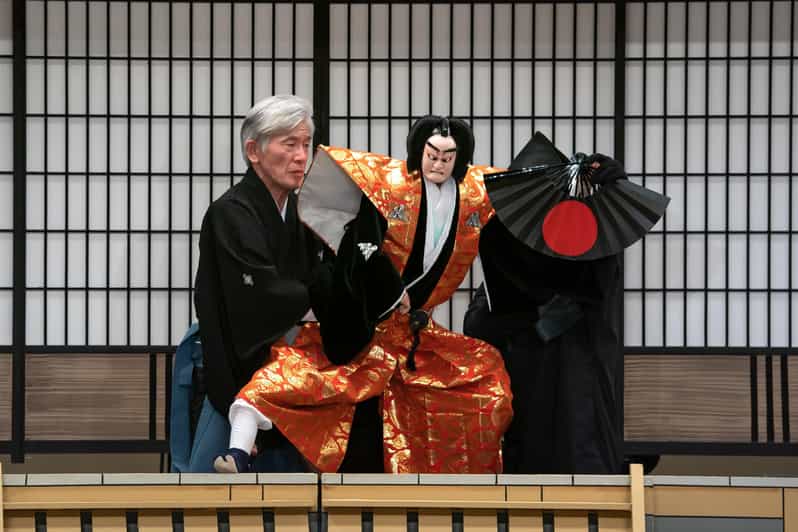
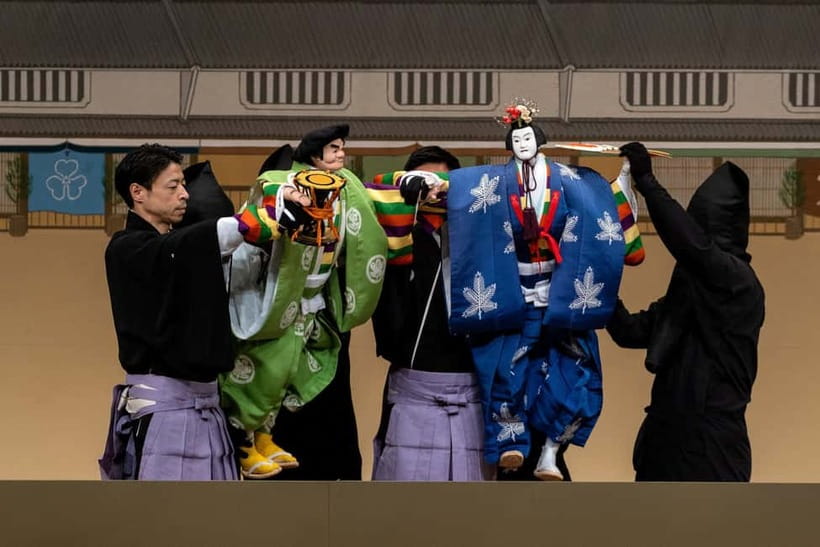
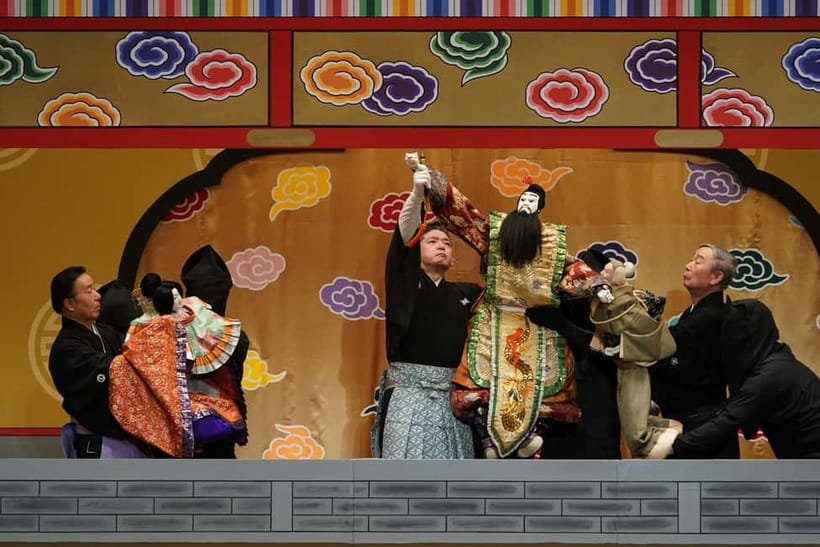
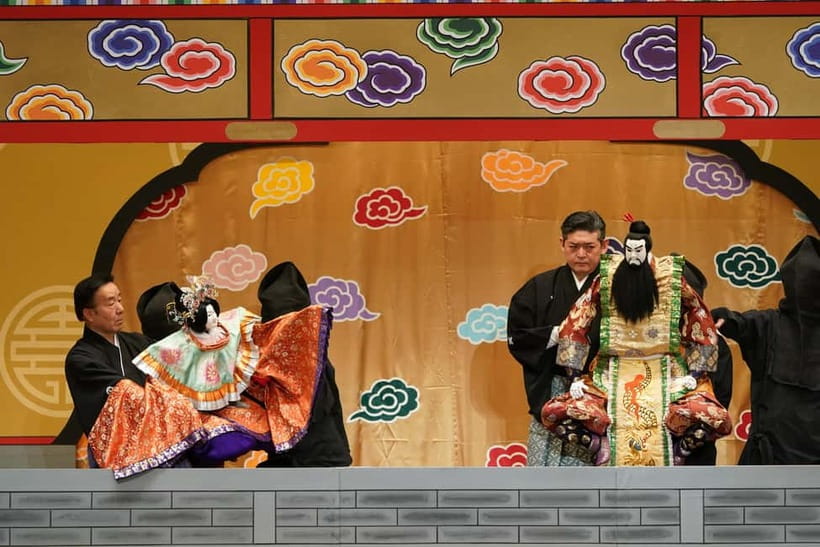
Bunraku is the adult-focused puppet theatre form that many people instantly associate with jaw-dropping craftsmanship. It’s also far more than a puppet show. The core magic is the tight teamwork between:
- a narrator who delivers the recitation with full power,
- the shamisen music,
- and the puppetry itself, which moves with a surprising sense of timing and intention.
When it works (and it’s built to work), you don’t watch a puppet as an object. You watch it as a character.
The English support here again is the audio guide for Kabuki and Bunraku, and the general idea is the same: you’ll get an overview of the main points rather than literal translations of the dialogue. That matters because Bunraku is driven by performance voices and musical phrasing. If you try to treat the guide like subtitles, you’ll lose some of what makes the form special.
One piece of practical wisdom from the experience: plan for a brief adjustment period. A reviewer described the mental shift of listening to English translation in one ear while also hearing the performers directly. That doesn’t ruin the show—it just takes a few minutes for your brain to switch gears. Arriving a little early to let any house explanations settle in helps.
Also, because the content varies by date, don’t assume every night includes the exact same Bunraku setup. The option title should tell you what’s on that day.
Hogaku: traditional music with snow in the spotlight
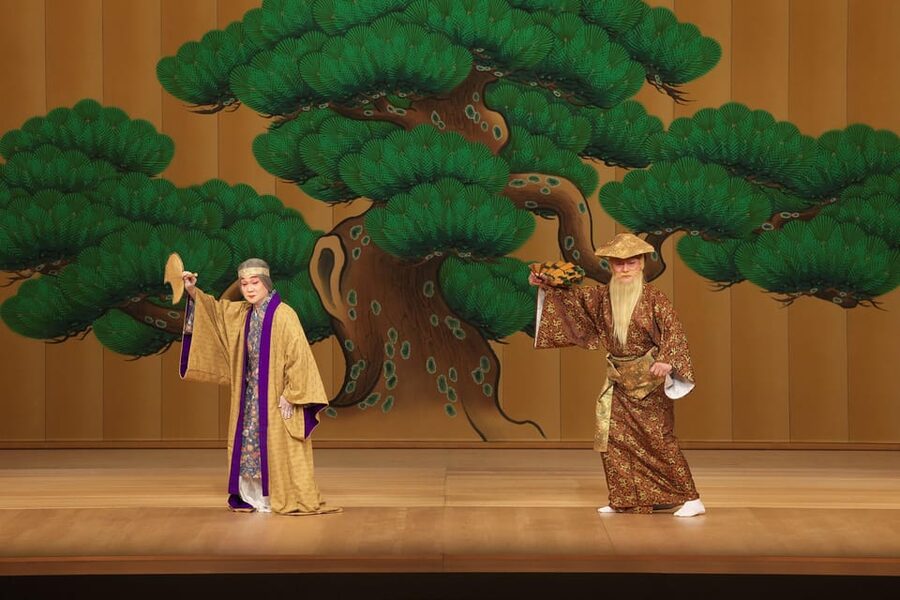
Hogaku is where this program slows down. It’s a concert-style look at traditional Japanese music, and the featured theme centers on melodies that symbolize snow—specifically through a piece referred to as “Yuki no Aikata.”
This is the kind of segment where you’ll either lean in or drift out. If you lean in, you’ll notice how the music carries meaning through repetition, interludes, and musical shape. One term in the description is the long shamisen interlude within the Jiuta section titled “Yuki.” That’s not just trivia—it’s the reason the music can feel like weather. You’re listening for how falling snow becomes a familiar musical idea.
The helpful thing for English speakers: Hogaku includes a free English explanation sheet. That means you don’t have to juggle a device as much during this portion. You can focus on listening and use the sheet as context when you want it.
If you’re hoping for a fast, action-heavy theatre night, Hogaku might feel calmer than the staged dramas. If you’re open to being patient, it’s a nice reset between or alongside the heavier drama forms.
The real value: English guidance that respects the performance
This is one of the best parts of the experience. A lot of translation systems try to replace the original. This one doesn’t. The guide and sheets are meant to give you the “what’s going on” and the context, not to drown out the acting or narration.
Here’s what you should know so you’re not disappointed:
- The English audio guide is English only.
- It provides overview context, not literal translation.
- The guide is designed so it doesn’t interfere with the performers’ voices, acting, and delivery.
In practice, that means you’ll miss some micro-details of dialogue nuance. But you gain something more useful: you can follow the main turns of the story and appreciate the craft without feeling lost.
A smart pre-show move: if you have time, skim a little about Kabuki costumes, makeup, and basic structure before you arrive. Even a short background reading can help your eye catch symbolism faster—especially if you end up noticing lots of detail in facial expression, stance, and movement. You’ll get more out of the performance with less effort.
- Tokyo: Shinjuku Food Tour (13 Dishes at 4 Local Eateries)★ 5.0 · 6,603 reviews
- Tokyo Mt Fuji 5th St & Hakone Cruise Bus Tour w/Bullet Train★ 4.4 · 5,024 reviews
- Flagship 2-Hours Official Street Go-Kart Tour – Tokyo Bay Shop★ 5.0 · 4,974 reviews
- From Tokyo: Mount Fuji Full-Day Sightseeing Trip★ 4.5 · 4,970 reviews
- Tokyo: Hop-On Hop-Off Sightseeing Bus Ticket★ 3.9 · 4,207 reviews
Timing and pacing: 75 minutes or closer to 3 hours
Duration is listed as 75 minutes to 3 hours, depending on the start time and the program combination. If you’re trying to fit this into a Tokyo day with multiple stops, plan like it could take most of an afternoon or early evening block.
A couple things that affect how the time feels:
- Traditional forms often build through rhythm and repetition, so it won’t feel like a Western “scene changes every five minutes” show.
- Breaks can stretch your total evening, and there can be an interval between parts.
One practical detail from a real-world note: drinks were described as not allowed inside the theatre. If you rely on caffeine to stay human, plan to manage your timing. You might grab something before you go in, then settle into the performance.
If your schedule is tight and you’re only in Tokyo for a short trip, be selective. One reviewer said that with less than five days in Tokyo, the show length can feel like a big chunk of sightseeing time. That doesn’t mean it’s not worth it. It just means you should treat it like a centerpiece, not a casual add-on.
Theatre etiquette: quiet rules that keep the magic intact
This is live performance. So the venue asks for the basics:
- No video recording
- No photography
- No audio recording
- No making noise
- No smoking
- No pets (assistance dogs are allowed)
- No alcohol and drugs
It’s not just “because rules.” It’s because the whole format depends on careful listening. Bunraku, shamisen music, and narrated recitation all lose power if the room turns into a phone-store soundscape.
If you’re the type who likes to be comfortable without fuss, bring a calm mindset. Sit back. Let the sound do its job.
Value for $37: when this is a smart use of your time
At $37 per person, this sits in a reasonable range for a live cultural night. The value comes from two things you rarely get together:
1) Top-notch performers in an authentic classical-form setting
2) English support that’s built for non-native listeners
You’re not paying mainly for novelty. You’re paying for access to a high-craft performance style that’s hard to find on your own. One review nailed the feeling: it’s the kind of show you have to experience, not just watch through photos.
Is it perfect value for everyone? Not automatically. A couple of negative-leaning comments pointed out that the pace can feel slow or that some nuance doesn’t fully translate. If you want constant action, this might not match your ideal evening.
But if your goal is authentic Japanese performing arts—Kabuki drama, Bunraku puppet theatre, and Hogaku music—this is the kind of ticket that pays you back in cultural understanding, not just Instagram moments.
Who this night is best for
This works well if you:
- love theatre and want to see Japanese classical forms in a real hall,
- want English help that doesn’t try to replace the performers,
- enjoy structured shows and listening more than “tourist entertainment.”
It may be less ideal if you:
- need a high-stimulation show with constant movement,
- get restless with slower, music-driven pacing,
- expect a translation that functions like subtitles line-by-line.
Should you book this Kabuki/Bunraku/Hogaku performance?
Yes, if you want an authentic classical arts night with real English guidance. This is especially worth it when you’re the type who appreciates craft: acting, voice, music, staging, and the discipline of forms that have been handed down for generations.
I’d book it with one condition: check the option details for which arts you’re actually seeing that day, because the content varies. Then plan your commute to Yokohama with enough time to get situated. When you do that, you’ll walk out with the feeling that you didn’t just attend a show—you understood what you were watching.
FAQ
Where is the performance venue for this experience?
The venue is KAAT Kanagawa Arts Theatre in Yokohama.
Is the performance in Tokyo’s National Theatre (Hanzomon)?
No. The venue is not the National Theatre in Hanzomon, and it varies by date. For this ticket, it’s in Yokohama.
What’s the nearest station to KAAT Kanagawa Arts Theatre?
You can use Nihon-ōdōri Station (MM05), about a 5-minute walk, or Motomachi-Chukagai Station (MM06), about an 8-minute walk.
How long is the experience?
The duration is listed as 75 minutes to 3 hours, depending on the starting time and program.
Is there an English audio guide?
Yes. An English audio guide is included for the Kabuki and Bunraku performances. It is English only.
Does Hogaku include English support too?
Yes. The Hogaku concert includes a free English explanation sheet.
Do I need to exchange my ticket at the theatre?
Yes. You exchange the ticket issued by GetYourGuide for the theatre-issued ticket at the entrance on the day of the performance.
Are photos or video recording allowed inside?
No. Video recording and photography inside are not allowed.
If you tell me your travel dates and whether you prefer Kabuki, Bunraku, or music most, I can help you pick the best option title for that day.
More Tour Reviews in Tokyo
- Mt Fuji and Hakone 1-Day Bus Tour Return by Bullet Train
★ 5.0 · 26,383 reviews - 1-Day Tokyo Bus Tour
★ 5.0 · 14,250 reviews - Tokyo: teamLab Planets TOKYO Digital Art Museum Entry Ticket
★ 4.6 · 9,779 reviews - Mt Fuji & Hakone Cruise, Drum Show Bullet Train 1 Day from Tokyo
★ 4.0 · 7,413 reviews - Tokyo: Shinjuku Food Tour (13 Dishes at 4 Local Eateries)
★ 5.0 · 6,603 reviews





