
Reviewed · TOKYO
Tokyo: Learn to play traditonal songs on Tsugaru Shamisen
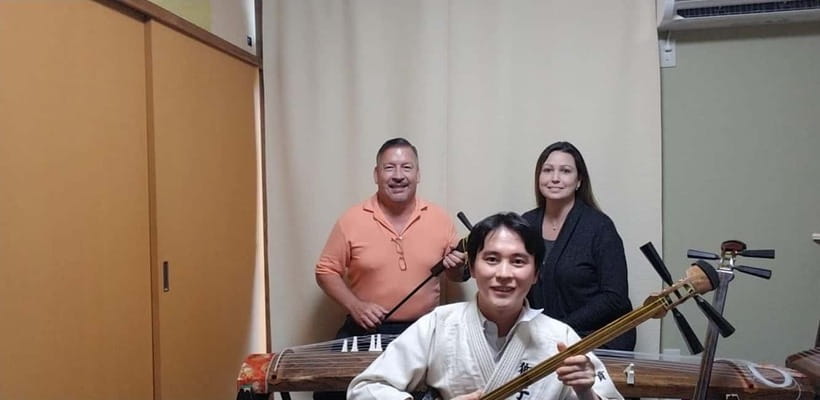
Three strings, one wild hour of sound. This Tsugaru shamisen lesson near Shinjuku takes you from first contact to playing a real song, with Kouzan Oyama guiding you step by step in English. I like that the class is taught by a top-level performer who explains technique clearly, and I really like that you get time to practice a song of your choice, then take photos and videos of your performance.
You’ll start with the basics of how this three-string instrument works, then move into the fast, punchy feel that makes Tsugaru shamisen special. The instructor is a master of Oyama style, and in recent years he has backed that up with major wins in the Tsugaru Shamisen World Cup (2018 and 2019), so the lesson has that rare mix of artistry and practical instruction.
One thing to keep in mind: an hour is short. You can absolutely learn to make music and feel the technique, but you should expect to leave at the “solid first session” level, not as a polished player for the long haul.
In This Review
- Key Things I’d Pay Attention To
- Tsugaru Shamisen Sounds Like Wind You Can Hear
- Meeting Kouzan Oyama Near Shinjuku and Getting Oriented Fast
- How the One-Hour Lesson Works: from First Tone to Your Song
- A Quick Tour of Shamisen Styles: Tsugaru vs Okinawa Sanshin
- Photos, Videos, and the Confidence Boost of Finishing a Tune
- Price and Value: Is $59 for an Hour a Good Deal?
- Who Should Book This Tsugaru Shamisen Class
- Should You Book This Tsugaru Shamisen Class?
- FAQ
- How long is the Tsugaru shamisen lesson?
- Where does the lesson take place in Tokyo?
- What is the price per person?
- Is the instruction available in English?
- Can I request the song I want to practice?
- Are photos or videos included?
- Is there a cancellation option with a full refund?
Key Things I’d Pay Attention To
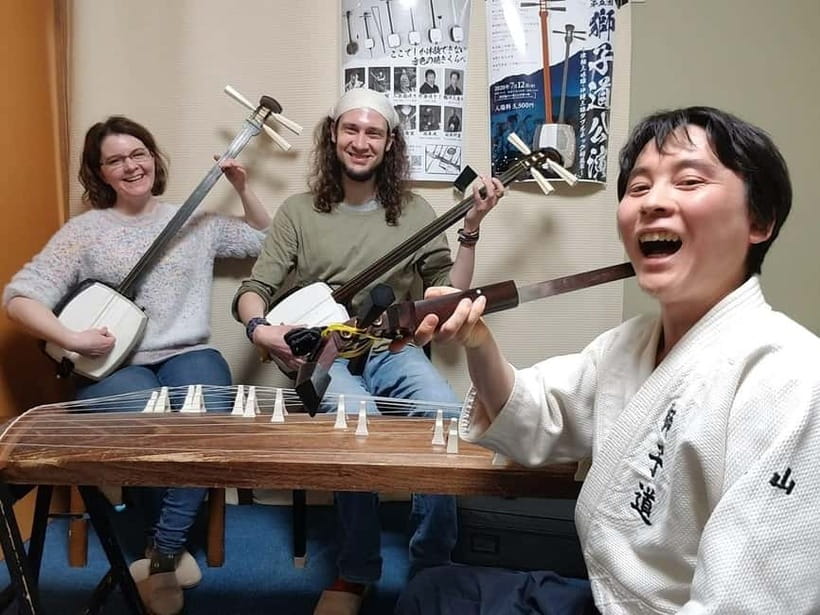
- Oyama style teaching from double Tsugaru Shamisen World Cup champion Kouzan Oyama
- Your song choice at the start of class, or a traditional folk song if you prefer
- Tsugaru technique focus on the sharp, clear sound that hits like fast wind and waves
- Hands-on practice using instructor-written books meant for first-timers
- Different shamisen sounds including Okinawa sanshin for quick musical comparison
- Photos and videos of your performance together with the instructor
Tsugaru Shamisen Sounds Like Wind You Can Hear
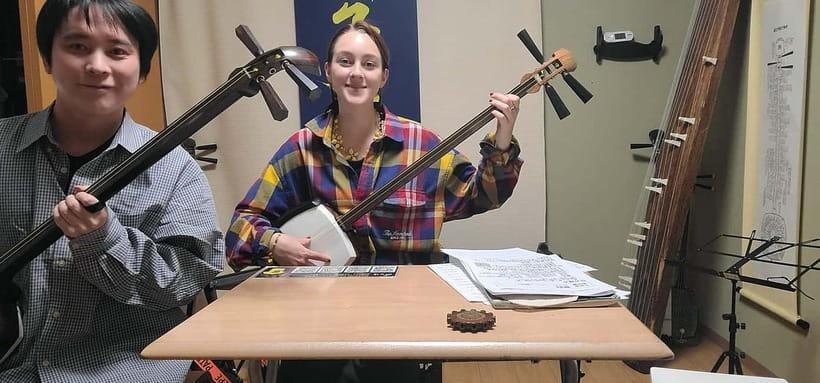
Shamisen is a traditional Japanese three-string instrument that some people compare to a banjo, mostly because of the way you pluck and hold the rhythm. But Tsugaru shamisen pushes it into a different world. The sound is sharp and clear, and the style is known for speed and energy, the kind that feels like you’re hearing strong winds and sea-like motion in musical form.
The big payoff for you is that this lesson is built around sound production, not just theory. You’re not only learning where your hands go; you’re learning how to shape the tone so it has the punch Tsugaru is famous for. And that matters if you want to go beyond being a tourist who watches a performance and instead leave able to play something you can recognize.
There’s also a cultural angle that’s practical, not preachy: you’ll get explanations about how Japanese instruments produce sound compared with Western instruments. Even if you don’t consider yourself a musician, these comparisons help your brain connect the dots fast.
Readers booked these Tokyo options in the same breath. Here is how each one scored:
- Mt Fuji and Hakone 1-Day Bus Tour Return by Bullet Train
★ 5.0 · 26,383 reviews - 1-Day Tokyo Bus Tour
★ 5.0 · 14,250 reviews - Tokyo: teamLab Planets TOKYO Digital Art Museum Entry Ticket
★ 4.6 · 9,779 reviews - Mt Fuji & Hakone Cruise, Drum Show Bullet Train 1 Day from Tokyo
★ 4.0 · 7,413 reviews
Meeting Kouzan Oyama Near Shinjuku and Getting Oriented Fast
This class runs near Shinjuku, one of the easiest places to fit into a Tokyo day because you’ll likely already be moving around that part of the city. It’s a private group experience, so you’re not competing with a crowd for attention. If you’re traveling with one friend, it can work especially well because you can both ask questions and get feedback without feeling rushed.
Your instructor, Kouzan Oyama, is an English-speaking teacher and also a serious performer. He’s known for playing Oyama style Tsugaru shamisen, and he has competed at the highest level, including world championships in 2018 and 2019. That’s not just bragging rights. In a one-hour lesson, it translates into teaching that focuses on what to do first so you start producing good sound quickly.
Another plus: the class uses instructor-written books. That sounds small, but for a first-time learner it’s huge. You get something concrete to follow so you’re not trying to memorize technique while your fingers are still figuring everything out. In recent sessions, the instructor has also been generous with performance demonstrations, playing himself to show technique as he teaches, so you can hear the target sound before you try to replicate it.
Also, you don’t have to worry about one more “Tokyo gym workout” problem. The experience is wheelchair accessible, so the setup is designed to be usable for different needs.
How the One-Hour Lesson Works: from First Tone to Your Song
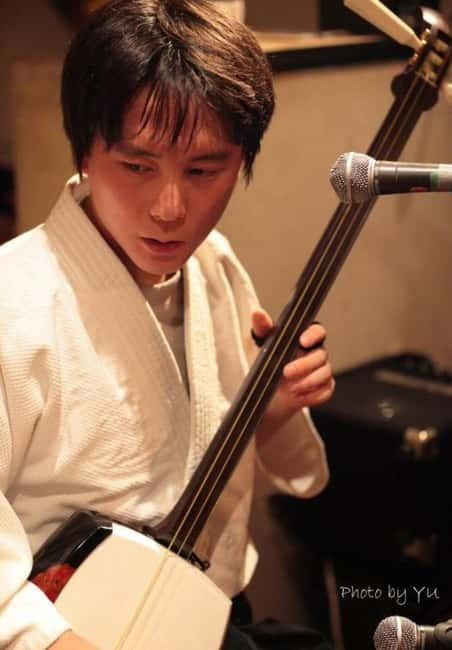
Expect the session to move in a tight, efficient line. In an hour, there’s no time for the slow “watch then maybe someday try” approach. The goal is to get you to a playable result quickly, using technique drills and guided practice.
Here’s the flow you can reasonably expect:
1) Learn what the Tsugaru shamisen is and what it’s made of
You’ll get explanations of the three-string instrument, including secrets of how the instrument works and what it’s built from. This matters because your first instinct might be to treat it like a typical string instrument. Shamisen technique has its own logic, and understanding the instrument’s structure helps you avoid fighting the tool.
2) Produce the Tsugaru-style sound
The lesson focuses on how to get the distinctive Tsugaru tone—sharp, clear, and fast. You’ll practice the techniques needed to make those sounds on command, not just by accident.
3) Practice a song you choose
If you have a favorite track you want to attempt, you should request it at the beginning of the lesson. If you don’t, you’ll practice a traditional Japanese folk song. Either way, you’re not just learning scales. You’re learning a sequence that turns into a finished mini-performance by the end of the hour.
4) Perform together with the instructor
The instructor doesn’t just set tasks and leave you. He plays as a model and helps you adjust as you go. In one class, he also incorporated his other string-instrument expertise (he plays the koto too) and shared examples and a short tune, which can add a nice bonus comparison for people curious about Japanese instruments beyond the shamisen.
A practical tip: if you want to request a specific song, come with a clear title and be ready to show it verbally. In a one-hour class, small delays can eat into your practice time.
A Quick Tour of Shamisen Styles: Tsugaru vs Okinawa Sanshin
One of the most interesting parts is the comparison. You’ll get to hear and see sounds from different types of shamisen, including Okinawa sanshin. Even if you’re only there for Tsugaru, this kind of side-by-side listening helps you understand what makes Tsugaru distinct.
Tsugaru shamisen is often associated with a powerful vibe, a quick pace, and energetic performances. Okinawa sanshin has its own character, and hearing them next to each other gives you a real mental checklist: what changes in tone, feel, and attack when the style shifts.
For you, this is the difference between “I played a fun song” and “I understand what I played.” That’s why these comparisons belong in a beginner lesson. You don’t need to be an expert to hear contrast.
Also, because the instructor is a master of a specific school, you get grounded instruction rather than generic facts. You’re learning Tsugaru from someone who performs it at a high level, and then you get quick context for other regional variants.
Photos, Videos, and the Confidence Boost of Finishing a Tune
This class is designed to end with something you can show. You’ll be able to take photos and videos of your performance together with the instructor. That’s not just for social media. It helps you do two useful things after the lesson:
- Review what you played while the technique is still fresh in your memory.
- Identify what felt right versus what needs adjustment the next time you practice.
And there’s a confidence factor that’s hard to quantify. Shamisen lessons can feel intimidating at first, especially when the instrument looks unfamiliar. But getting to a finished song in an hour changes your relationship to the learning curve. You leave with proof you can produce the core sound, not just a memory of instruction.
If you’re the type who learns faster by watching yourself, record as much as you can during the performance segment. Even a short clip can be more helpful than a long verbal explanation later.
- Tokyo: Shinjuku Food Tour (13 Dishes at 4 Local Eateries)★ 5.0 · 6,603 reviews
- Tokyo Mt Fuji 5th St & Hakone Cruise Bus Tour w/Bullet Train★ 4.4 · 5,024 reviews
- Flagship 2-Hours Official Street Go-Kart Tour – Tokyo Bay Shop★ 5.0 · 4,974 reviews
- From Tokyo: Mount Fuji Full-Day Sightseeing Trip★ 4.5 · 4,970 reviews
- Tokyo: Hop-On Hop-Off Sightseeing Bus Ticket★ 3.9 · 4,207 reviews
Price and Value: Is $59 for an Hour a Good Deal?
At $59 per person for a one-hour lesson, the value comes down to what you’re buying: a real skill session with a world-class performer, plus guided practice and recording of your result.
Here’s why it can be a strong value:
- You’re not paying for a lecture. You’re paying for technique instruction and time to practice a song.
- The instructor brings high-level experience, including major Tsugaru Shamisen World Cup titles, which you feel in how quickly the lesson gets you making the right sounds.
- You get tangible learning materials in the form of instructor-written books, which help first-timers follow along.
- Photos and videos are included, which adds real end-to-end “I finished something” value.
Where the price might feel less perfect is if you’re hoping for deep mastery. One hour won’t turn you into a performer ready for gigs. If your main goal is serious skill building, you might want repeat sessions. But if your goal is to learn to play a traditional instrument, get technique basics, and walk away with an actual song in hand, this price is reasonable.
Who Should Book This Tsugaru Shamisen Class
This experience fits best if you want hands-on culture with a clear outcome.
You’ll likely enjoy it if you:
- Are curious about Japanese traditional music and want to do more than watch.
- Want a fast-start instrument lesson with guided practice.
- Like the idea of playing Tsugaru style, known for energetic, fast phrasing.
- Have a specific song in mind and want to challenge yourself in one session.
- Prefer a small, private setting where you can ask questions and get direct feedback.
You might reconsider if:
- You only want passive listening or a long, lecture-style history lesson. This is built around playing.
- You expect the lesson to function like a multi-week training program.
Should You Book This Tsugaru Shamisen Class?
If you’re in Tokyo and you have one hour to spend wisely, I’d put this high on your list—especially if you want a beginner-friendly path to producing Tsugaru shamisen sound and finishing with a song you can record. The combination of hands-on practice, English explanations, and instruction from Kouzan Oyama makes it more than a novelty activity.
My decision advice is simple:
- Book it if you want a musical souvenir that’s also a real skill.
- Ask for your chosen song early in the session planning if you have one.
- Go in with patience for the fact that technique takes repetition, but trust the structure: you’ll be guided toward a playable outcome by the end of the hour.
FAQ
How long is the Tsugaru shamisen lesson?
The lesson lasts 1 hour.
Where does the lesson take place in Tokyo?
It runs near Shinjuku, Tokyo.
What is the price per person?
The price is $59 per person.
Is the instruction available in English?
Yes, the instructor explains in English.
Can I request the song I want to practice?
Yes. You can request a preferred song at the beginning of the lesson. If you don’t have one, you’ll practice a traditional Japanese folk song.
Are photos or videos included?
Yes, you can take photos and videos of your performance together with the instructor.
Is there a cancellation option with a full refund?
Yes. You can cancel up to 24 hours in advance for a full refund.
More Tour Reviews in Tokyo
- Mt Fuji and Hakone 1-Day Bus Tour Return by Bullet Train
★ 5.0 · 26,383 reviews - 1-Day Tokyo Bus Tour
★ 5.0 · 14,250 reviews - Tokyo: teamLab Planets TOKYO Digital Art Museum Entry Ticket
★ 4.6 · 9,779 reviews - Mt Fuji & Hakone Cruise, Drum Show Bullet Train 1 Day from Tokyo
★ 4.0 · 7,413 reviews - Tokyo: Shinjuku Food Tour (13 Dishes at 4 Local Eateries)
★ 5.0 · 6,603 reviews





