
Reviewed · TOKYO
Tokyo: Learnt to cook Bento, Oyakodon and More!
Cooking Japanese comfort food always hits a sweet spot. This class turns that into a practical, small-group lesson on home-style techniques and what each dish means in daily life.
I like two things most: the chance to cook hands-on with an instructor who can explain every step in clear English, and the way the teaching sticks because you leave with detailed recipes you can actually follow at home. One drawback to plan around: it’s not suitable for many dietary needs, including vegan/vegetarian preferences and several allergy-friendly situations.
In This Review
- Key Points You’ll Really Use
- Step Into a Tokyo Kitchen That Feels Local, Not Performative
- Getting Started: Yuki, Clean Workspaces, and Clear Explanations
- The Cooking Core: Dashi, Miso Soup, and Oyakodon Logic
- Why this matters at home
- A realistic note
- Bento Skills: Simple Ingredients, Better Results
- What to expect from a bento lesson
- A Typical 2-Hour Flow (What You’ll Do, Not Just Watch)
- Small Group Size Means Real Help While You Cook
- What’s Included: Recipes, Equipment, and a Surprise Souvenir
- The recipes are the real takeaway
- About meals
- Price and Value: Is $83 Fair for Tokyo?
- My value read
- Practical Tips Before You Go (So You Don’t Lose Time)
- Who Should Book This, and Who Should Skip It
- Important limitations
- Should You Book This Tokyo Bento and Oyakodon Class?
- FAQ
- How long is the cooking class?
- What is the class group size?
- What kinds of dishes will I learn?
- Do I need to bring ingredients or cooking tools?
- What should I bring to the class?
- Are meals included?
- Is translation provided in other languages besides English or Japanese?
- Is the class suitable for vegans or vegetarians?
- Where do I meet the instructor?
Key Points You’ll Really Use
- Small group of up to 6 means more direct help as you cook, not just watching.
- English-first instruction (with Japanese also possible by request) keeps things flowing even if your Japanese is beginner level.
- You learn the logic behind flavors, including dashi broth, which shows up in multiple dishes.
- You practice bento-style thinking: simple ingredients, smart prep, and tidy presentation.
- Take-home recipes are detailed enough to recreate the dishes for friends back home.
- A surprise Japanese souvenir is included, plus you get an apron and towel for the session.
Step Into a Tokyo Kitchen That Feels Local, Not Performative
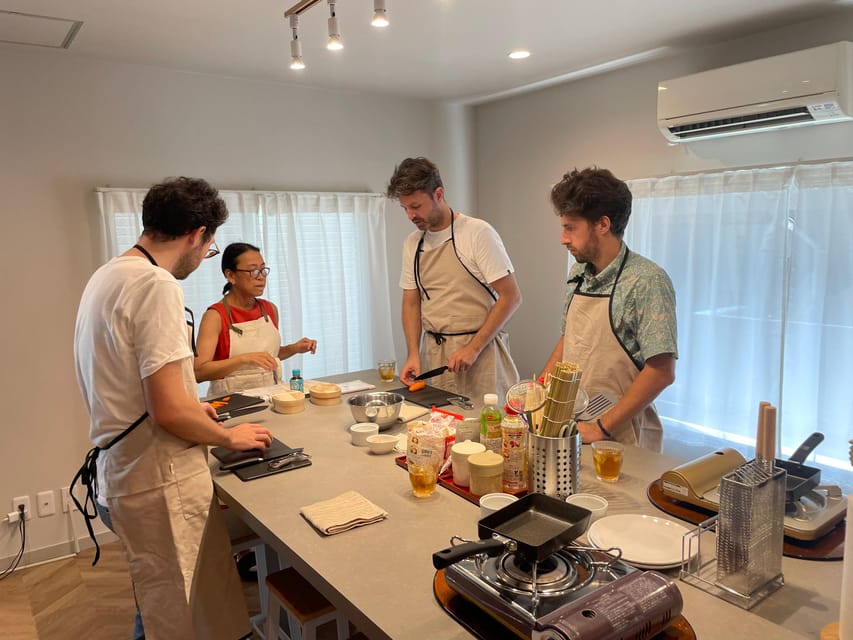
Tokyo cooking classes can range from showy demos to quiet, kitchen-level coaching. This one leans toward the real deal: a small, modern kitchen setting where you’re not just learning terms, you’re learning process.
The meeting point is in a central Tokyo area, inside a four-story gray building. You turn into the alley, look for the Alleyway Gourmet Lab sign, then head to the 2nd floor. It’s the kind of setup that’s easy to reach while still feeling like you’ve slipped off the main tourist lanes.
Even better, the experience is designed around beginner-friendly momentum. You’re provided with everything for class—ingredients and equipment, plus aprons, towels, and slippers—so the friction is low. You can show up dressed comfortably and focus on cooking instead of logistics.
Readers booked these Tokyo options in the same breath. Here is how each one scored:
- Mt Fuji and Hakone 1-Day Bus Tour Return by Bullet Train
★ 5.0 · 26,383 reviews - 1-Day Tokyo Bus Tour
★ 5.0 · 14,250 reviews - Tokyo: teamLab Planets TOKYO Digital Art Museum Entry Ticket
★ 4.6 · 9,779 reviews - Mt Fuji & Hakone Cruise, Drum Show Bullet Train 1 Day from Tokyo
★ 4.0 · 7,413 reviews
Getting Started: Yuki, Clean Workspaces, and Clear Explanations
Classes run in English, with Japanese also possible. The instructor support you in a way that makes Q&A feel normal rather than awkward. One name you’ll hear here is Yuki, and the standout detail in feedback is her calm competence—she explains confidently and helps you fix small issues as you go.
Before you touch food, you get oriented to the space and the rhythm of the class. For a hands-on experience, that matters more than people think. If you don’t know when you’re supposed to chop, cook, or assemble, you waste time and get flustered. In this setting, the pacing is practical: you can keep up without feeling rushed.
Also, the workspace is described as clean and modern. That’s not a tiny detail. When you’re learning Japanese home cooking—where the quality of broth and timing can matter—clean organization makes it easier to taste, adjust, and repeat later.
The Cooking Core: Dashi, Miso Soup, and Oyakodon Logic
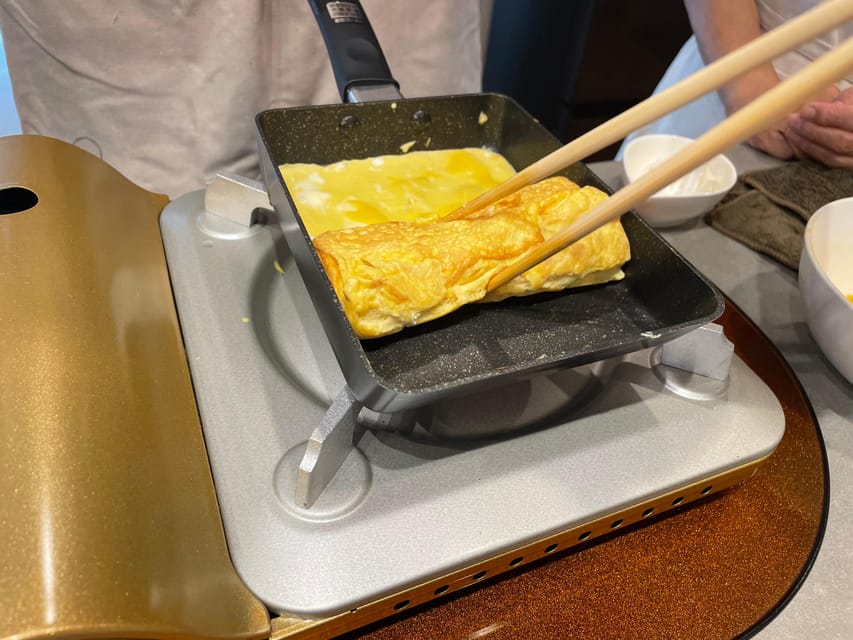
If you want Japanese cooking to make sense, you start with the flavor backbone. In this class format, you do exactly that by learning about dashi, the broth base that supports multiple dishes.
One confirmed menu focus includes:
- Miso soup
- Oyakodon (chicken and egg over rice)
And the key insight is how dashi broth is used for more than one outcome. That’s the kind of skill you can take home. Instead of learning one isolated recipe, you learn a building block. Then you can reproduce the flavor pattern in other Japanese dishes later.
Why this matters at home
Many home cooks get stuck on Japanese food because they don’t know where flavor comes from. Dashi is a shortcut to understanding. When you see how it becomes miso soup and supports the comfort-food balance in oyakodon, you stop treating recipes like magic and start treating them like technique.
A realistic note
Japanese home cooking depends on timing and temperature. You don’t need to be a pro, but it helps if you’re comfortable paying attention to small changes—like when to add ingredients and how to manage heat—because that’s where the dish quality shows.
- Tokyo: Shinjuku Food Tour (13 Dishes at 4 Local Eateries)★ 5.0 · 6,603 reviews
- Tokyo Mt Fuji 5th St & Hakone Cruise Bus Tour w/Bullet Train★ 4.4 · 5,024 reviews
- Flagship 2-Hours Official Street Go-Kart Tour – Tokyo Bay Shop★ 5.0 · 4,974 reviews
- From Tokyo: Mount Fuji Full-Day Sightseeing Trip★ 4.5 · 4,970 reviews
- Tokyo: Hop-On Hop-Off Sightseeing Bus Ticket★ 3.9 · 4,207 reviews
Bento Skills: Simple Ingredients, Better Results
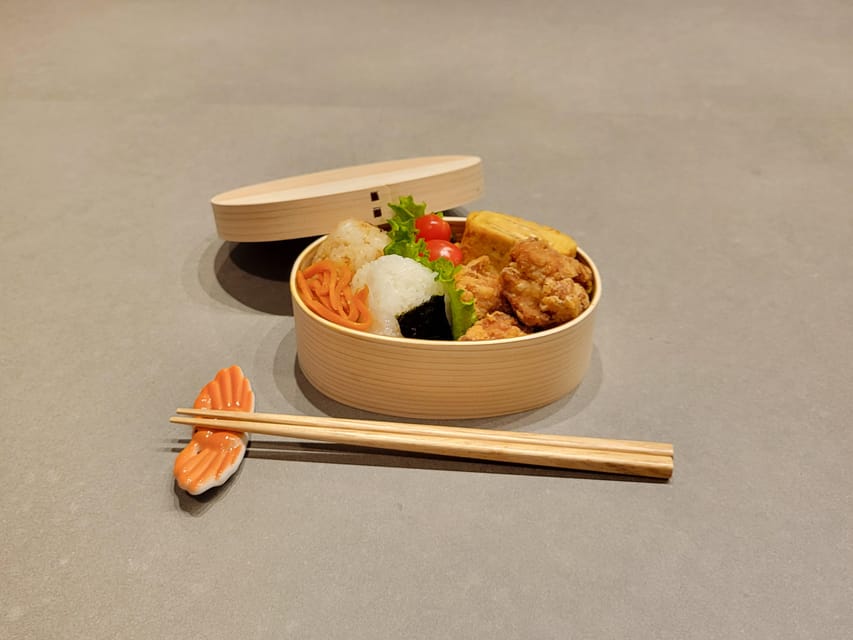
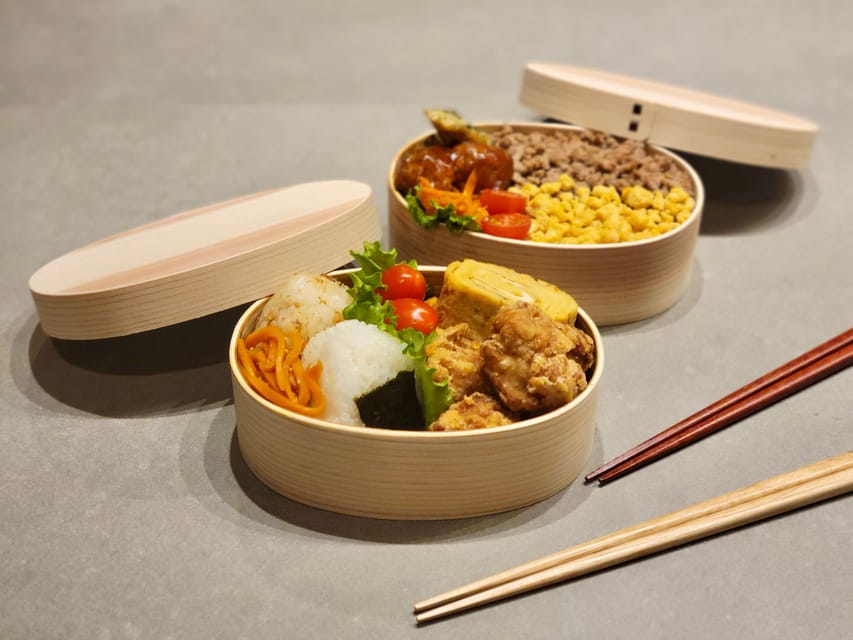
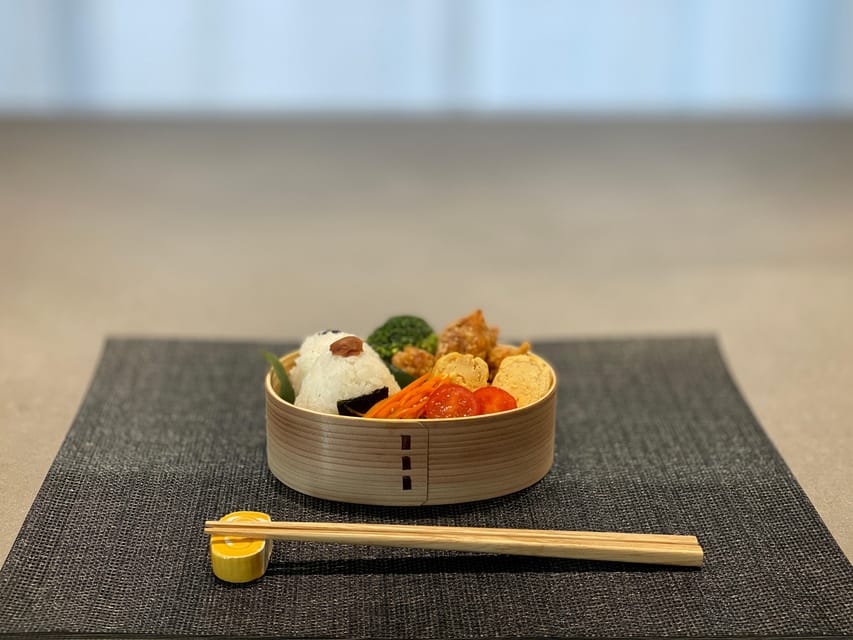
The title promises bento learning, and that’s a big deal. Bento isn’t only about lunch. It’s about planning and presentation—how Japanese home cooks pack food so it stays appealing and easy to eat.
In a class like this, you’ll learn the mindset behind bento:
- pick simple ingredients that work well together
- prep with purpose (not random chopping)
- assemble neatly so the final box looks intentional
Even if you don’t plan to pack lunches every week, the bento approach upgrades your everyday cooking. It trains you to think in components: protein, warm elements, and sides that keep their shape and flavor.
What to expect from a bento lesson
You’re in a small group, and you actively participate in preparation and cooking. That means you’ll practice the hands-on parts rather than just being shown the final box. You also get the recipes afterward, which is where bento gets really useful—because you can repeat the method at home.
A Typical 2-Hour Flow (What You’ll Do, Not Just Watch)
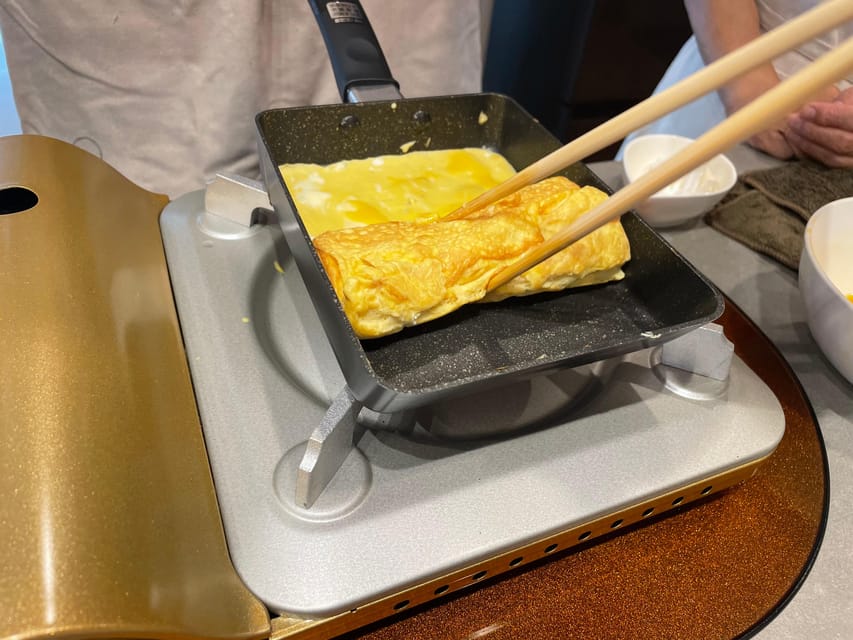
This is a 2-hour hands-on session, built for participation. You’ll be guided through steps, then you’ll perform them. That’s the difference between a class that feels fun and a class that actually changes your cooking.
Here’s the kind of flow you should expect:
- Start with instruction and setup in the kitchen (how to work, what you’re making)
- Ingredient handling and prep, where you practice technique rather than just assembling at the end
- Cooking phases, including broth-based flavor building
- Finishing and assembling, with attention to how the dish should look and taste
- Wrap-up where you confirm what to remember and how to recreate it later
Because the class is limited to 6 participants, the instructor can correct details in real time. That’s crucial in dishes like oyakodon, where egg timing and broth balance affect the final bite.
Small Group Size Means Real Help While You Cook
One of the best ways to judge a cooking class is to ask what happens when things go slightly off. Here, that’s where the small group matters.
With only up to 6 people, you’re more likely to get:
- personal guidance while you’re working
- answers that fit your specific question, not generic tips
- a chance to adjust without waiting for a long pause
In feedback, participants highlighted how easily the instructor handled questions and how confidently she explained things. That’s what makes a small group worth paying for. If you’ve ever taken a class where the teacher can only speak to the whole room, you know how frustrating it can be when you need one direct correction.
What’s Included: Recipes, Equipment, and a Surprise Souvenir
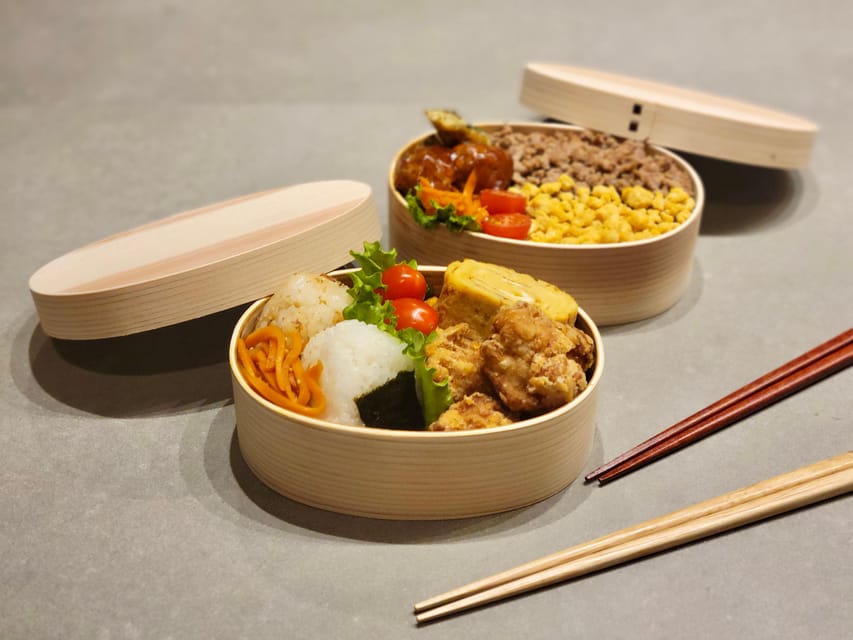
You won’t need to bring cooking gear. The class includes:
- hands-on cooking class
- insights into Japanese culture and customs
- personalized attention from an experienced instructor
- detailed recipes to take home
- all ingredients and equipment for the session
- rental apron and towel
- a Japanese souvenir (contents are a surprise)
It also mentions you’ll get slippers during class. That’s a small comfort, but it helps—when you’re cooking, you want your feet stable and warm enough to focus.
The recipes are the real takeaway
A lot of classes hand you vague instructions. Here, the takeaway is positioned as detailed recipes meant to help you recreate what you made and impress friends and family. That’s a practical promise. You’ll be able to shop smarter after the class because you know what you actually used.
About meals
Meals aren’t included beyond what you prepare during the class. Plan your day accordingly. You’ll leave having cooked and eaten the dishes made in the session, but you shouldn’t assume you’ll get extra restaurant-style food before or after.
Price and Value: Is $83 Fair for Tokyo?
$83 per person for a 2-hour small-group cooking class in central Tokyo can be a good value, if you look at what you’re paying for.
Here’s what’s bundled:
- instructor time and small-group coaching
- all ingredients and cooking equipment
- recipes you can use later
- apron, towel, and slippers
- cultural context, not just cooking steps
- a souvenir included
What’s not bundled:
- transportation to the meeting point
- meals outside what you cook in class
- translation services beyond the class language (English or Japanese)
My value read
If you try to replicate the class on your own, you’ll likely spend money on ingredients, time hunting down specialty items, and still miss the technique coaching. You’re paying for that shortcut: guided learning plus reusable written recipes, all in one session.
In short: it’s priced like a serious workshop, not a cheap demo. If you want technique and a home-cooking payoff, it’s likely worth it.
Practical Tips Before You Go (So You Don’t Lose Time)
This class is friendly, but it has rules. They’re about safety and respect in the kitchen.
Bring:
- comfortable clothes
Plan to avoid:
- shoes indoors (you’ll use slippers)
- strong fragrances
- smoking or vaping
- pets (assistance dogs allowed)
Also, it specifically notes no weapons or sharp objects, alcohol and drugs, and a handful of access limitations. If you’re bringing anything unusual, double-check first so you don’t get stuck at the door.
Who Should Book This, and Who Should Skip It
This experience is designed for people who want practical Japanese home cooking and are okay following the class rules. It works well for:
- couples
- individuals
- small groups of friends
- beginner cooks who want clear guidance
- anyone who wants dashi-led flavor understanding
Important limitations
It’s not suitable for:
- children under 6
- wheelchair users
- vegans
- vegetarians
- people under 120 cm tall
- people with a cold
- people over 80 years
- people with food allergies
- people with gluten intolerance
- people with nut allergies
If you’re dealing with dietary restrictions, this is the one to carefully reconsider. The class doesn’t provide translation services beyond the class language, and it doesn’t provide special ingredients for outside-the-class cooking or personal needs.
Should You Book This Tokyo Bento and Oyakodon Class?
If you want a Tokyo cooking lesson that gives you real skills, this is a strong pick. The main reasons are simple: small-group hands-on teaching, a focus on flavor fundamentals like dashi, and the fact that you leave with detailed recipes plus a surprise souvenir.
Book it if:
- you want to learn bento-style planning, not just cook one dish
- you like clear English instruction
- you want recipes you’ll actually use again
Skip it if:
- you’re vegan/vegetarian or have gluten or nut allergies
- you have significant food allergies or other restrictions that could conflict with the class setup
- you need wheelchair access
If your goal is to go beyond eating Japanese food and start making it, this class is exactly the kind of practical step that pays off back home.
FAQ
How long is the cooking class?
The class lasts 2 hours.
What is the class group size?
It’s a small group limited to 6 participants.
What kinds of dishes will I learn?
You’ll learn Japanese home cooking skills focused on bento and oyakodon. One example menu includes miso soup and oyakodon, including learning about the dashi broth behind both.
Do I need to bring ingredients or cooking tools?
No. All cooking ingredients and equipment are provided for the class.
What should I bring to the class?
Wear comfortable clothes. You’ll also be provided with an apron and towel, plus slippers.
Are meals included?
Meals are not listed as included beyond what you prepare during the class.
Is translation provided in other languages besides English or Japanese?
No. Only English or Japanese class language is supported, and other translation services are not included.
Is the class suitable for vegans or vegetarians?
No. It’s not suitable for vegans or vegetarians.
Where do I meet the instructor?
Meet in an alley area at a four-story gray building. Enter through the door on the right labeled with the Alleyway Gourmet Lab sign, then go to the 2nd floor.
More Tour Reviews in Tokyo
- Mt Fuji and Hakone 1-Day Bus Tour Return by Bullet Train
★ 5.0 · 26,383 reviews - 1-Day Tokyo Bus Tour
★ 5.0 · 14,250 reviews - Tokyo: teamLab Planets TOKYO Digital Art Museum Entry Ticket
★ 4.6 · 9,779 reviews - Mt Fuji & Hakone Cruise, Drum Show Bullet Train 1 Day from Tokyo
★ 4.0 · 7,413 reviews - Tokyo: Shinjuku Food Tour (13 Dishes at 4 Local Eateries)
★ 5.0 · 6,603 reviews





