
Reviewed · TOKYO
Tokyo: Making a bento box with cute character look
Cute bento turns lunch into a craft. In this class you’ll learn how a chara-ben becomes a real, eatable meal—rice plus side dishes shaped into a character look. I love having an English-speaking instructor guiding the whole session, and I also love that the lesson isn’t just decoration; it covers nutrition, seasoning, and presentation. The main trade-off is simple: it’s hands-on and you’ll need to stand and work at the studio, so it may not suit everyone.
You’re paying $90 per person for ingredients, beverages, and the lesson—so it’s best if you want more than a quick snack stop. One consideration: there’s no hotel pickup, and the exact studio address comes closer to your date, so plan for a bit of self-navigation.
In This Review
- Key things to know before you go
- What you’re really making: chara-ben that’s cute and food-first
- Where the cooking studios are (and why the address matters)
- Your schedule: cooking first, then tasting
- The instructor experience: English-friendly and genuinely supportive
- Building the character look: where the real skill lives
- Nutrition and balance: why this class teaches more than “cute”
- What’s included (and what’s not) when you plan your day
- Practical etiquette: small rules that prevent big annoyances
- Price and value: is $90 worth it in Tokyo?
- Who this class suits best
- Should you book this chara-ben class?
- FAQ
- FAQ
- How long is the chara-ben cooking experience?
- Where is the cooking studio located?
- Is hotel pickup or drop-off included?
- Is the class taught in English?
- Is this activity suitable for vegans?
- What are the rules around cancellation and payment?
Key things to know before you go
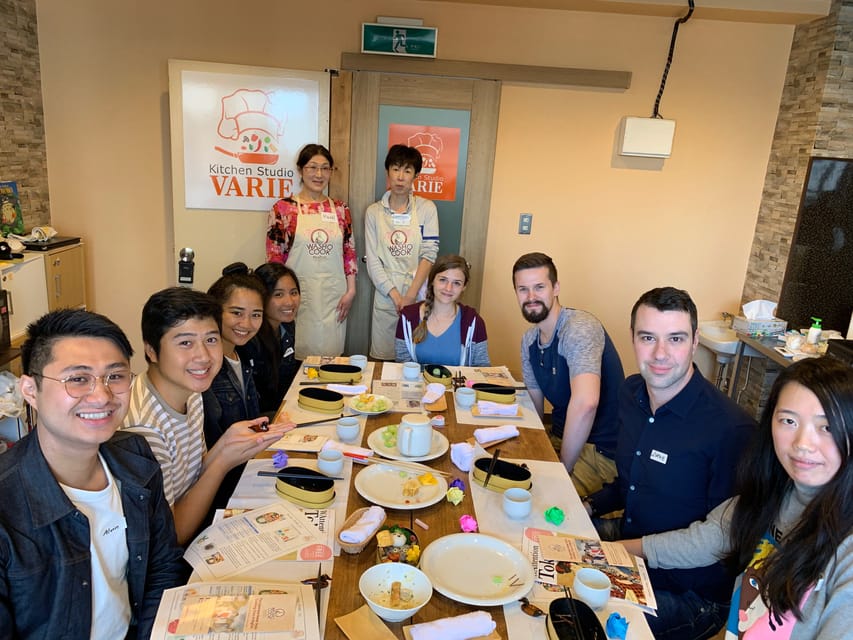
- English instruction you can actually follow while you cook
- Hands-on support that stays friendly, not bossy
- Chara-ben focus: rice + side dishes shaped into a character layout
- Practical learning on nutrition balance, seasoning, and looks
- Tasting time right after you finish, so it’s not just a project
What you’re really making: chara-ben that’s cute and food-first
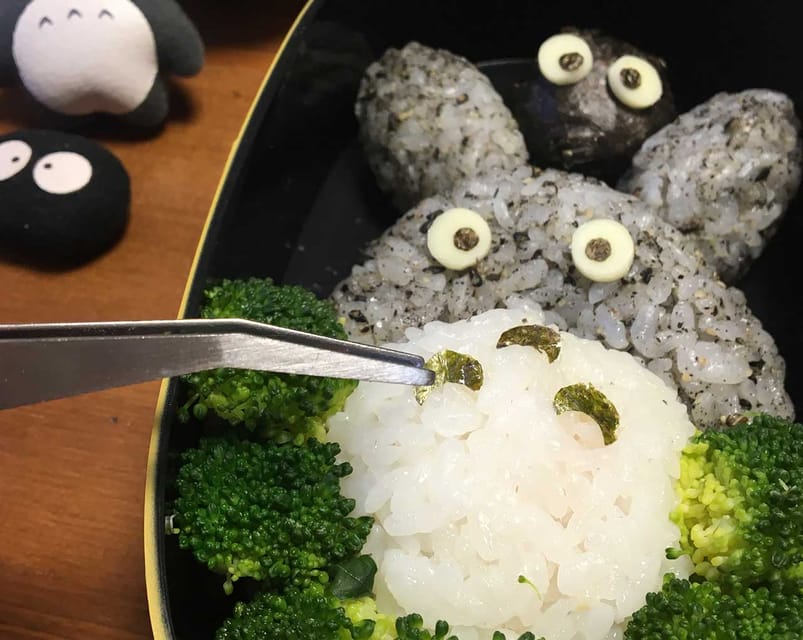
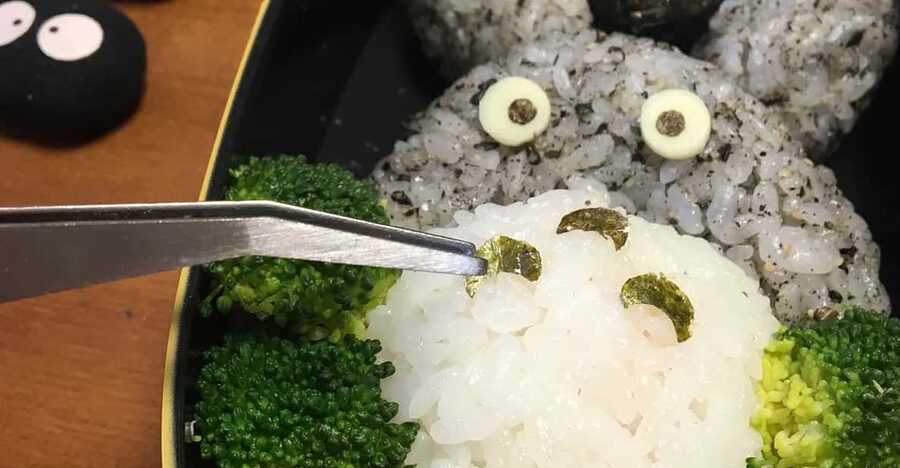
A chara-ben is a bento box designed to look like a popular character, usually using rice and side dishes arranged into a recognizable scene. The fun part is obvious—the character shapes and “awww” presentation—but the class is built around something more useful: your bento has to be tasty, not just photogenic.
That’s why I like this experience. You’re not wandering through a museum of food ideas. You’re making something you can eat, then seeing what worked when it hits your plate. And because the lesson includes guidance on nutritional balance and seasoning, you leave with tools you can use after the class—whether you’re packing lunch at home or just trying to understand Japanese flavor logic.
Also, the cuteness isn’t random. You’ll get feedback while you build, which helps you turn an idea into an actual layout that holds together.
Readers booked these Tokyo options in the same breath. Here is how each one scored:
- Mt Fuji and Hakone 1-Day Bus Tour Return by Bullet Train
★ 5.0 · 26,383 reviews - 1-Day Tokyo Bus Tour
★ 5.0 · 14,250 reviews - Tokyo: teamLab Planets TOKYO Digital Art Museum Entry Ticket
★ 4.6 · 9,779 reviews - Mt Fuji & Hakone Cruise, Drum Show Bullet Train 1 Day from Tokyo
★ 4.0 · 7,413 reviews
Where the cooking studios are (and why the address matters)
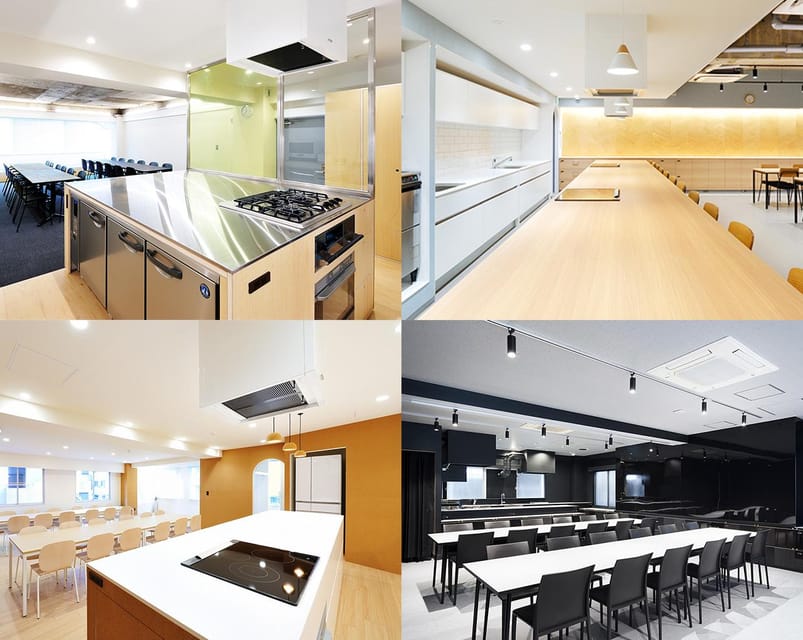
The studios are near Shinjuku, Chiyoda, and Minato wards, depending on your specific booking. The exact addresses aren’t shown the way you might expect on a map, and the experience notes that the Google Map listing can point to a different spot.
The practical move: come to the designated studio location before the start time. You’ll get the detailed address 3 days prior to your reservation, so watch for that message and don’t assume you can just type in the map location and arrive.
This setup is common for small cooking studios in Tokyo. It keeps the class area consistent and lets the provider staff up the right way. It just means you should treat “meeting point” as real information, not a suggestion.
Your schedule: cooking first, then tasting
The full experience runs about 150 minutes with a clear rhythm:
- 11:00–13:00 Cooking class
- 13:00–13:30 Tasting time
That timing is a sweet spot. You get enough time to actually build your bento (not rush through the fun part), then you sit down while it’s still fresh and rewarding. The tasting also helps you learn the outcome of your seasoning choices and presentation decisions—because you’ll see how it eats, not just how it looks.
If you like activities that end with a satisfying payoff, this format delivers. You finish your project and immediately get to enjoy it.
The instructor experience: English-friendly and genuinely supportive
This class is run by Patia’s Japanese Cooking Class, and the instructor speaks English. That matters more than you might think in a Japanese cooking setting, because chara-ben work isn’t only about heat and timing—it’s about forming, arranging, and getting small details right.
The support style is also specifically called out: you get hands-on help in a friendly way. In the reviews, the instructor comes across as sweet, which fits the best kind of cooking class tone—calm, encouraging, and practical. You should expect guidance that helps you fix problems early, before your bento turns into a stressed mess.
A small but real bonus: an instructor who can explain in English tends to save you from silent confusion. You spend your attention on the food, not on translating what the next step might be.
Building the character look: where the real skill lives
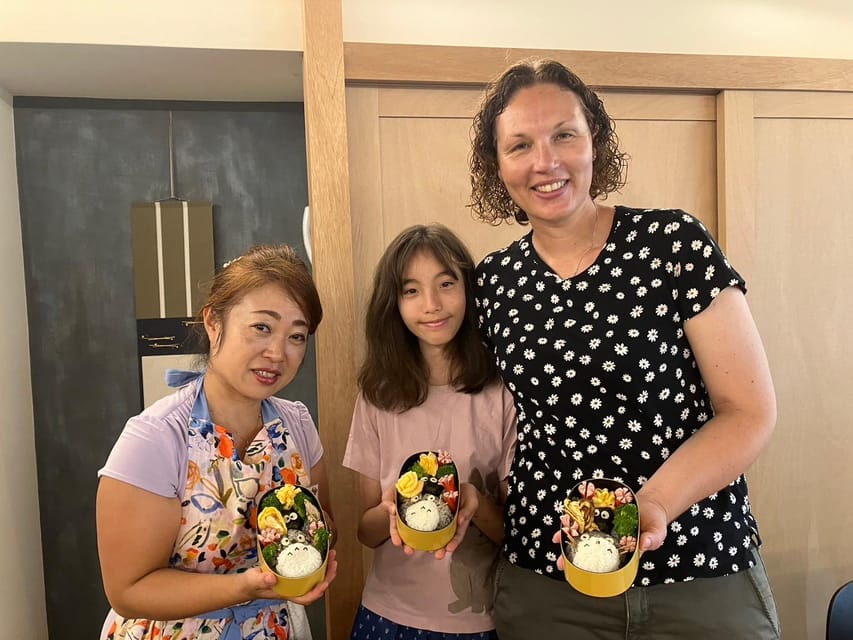
The core of the chara-ben lesson is shaping rice and arranging side dishes into a character-style design. Even if you’ve never done this before, you’re not thrown into the deep end. The class is designed as a guided project, with you actively creating your own bento.
Here’s what you’ll likely take away during the build:
- Rice matters
Bento characters depend on rice structure. If rice handling is off, the whole look suffers. The class helps you understand how to shape and position rice so it supports the character image.
- Side dishes are part of the design
Side dishes aren’t random scoops. They’re placed to create contrast, texture, and recognizable features. Getting that balance is where chara-ben becomes more than “pretty lunch.”
- Presentation is edible math
You’ll learn about food presentation, which in practice means thinking about layout, portions, and how each piece shows up in the final box.
- Seasoning isn’t optional
The experience includes insights on seasoning, which is crucial because Japanese-style bento usually aims for clear, clean flavors—not heavy sauces that hide mistakes.
In other words: you’re learning technique plus taste. That’s the difference between a craft class and a cooking class that makes you better at Japanese food at home.
- Tokyo: Shinjuku Food Tour (13 Dishes at 4 Local Eateries)★ 5.0 · 6,603 reviews
- Tokyo Mt Fuji 5th St & Hakone Cruise Bus Tour w/Bullet Train★ 4.4 · 5,024 reviews
- Flagship 2-Hours Official Street Go-Kart Tour – Tokyo Bay Shop★ 5.0 · 4,974 reviews
- From Tokyo: Mount Fuji Full-Day Sightseeing Trip★ 4.5 · 4,970 reviews
- Tokyo: Hop-On Hop-Off Sightseeing Bus Ticket★ 3.9 · 4,207 reviews
Nutrition and balance: why this class teaches more than “cute”
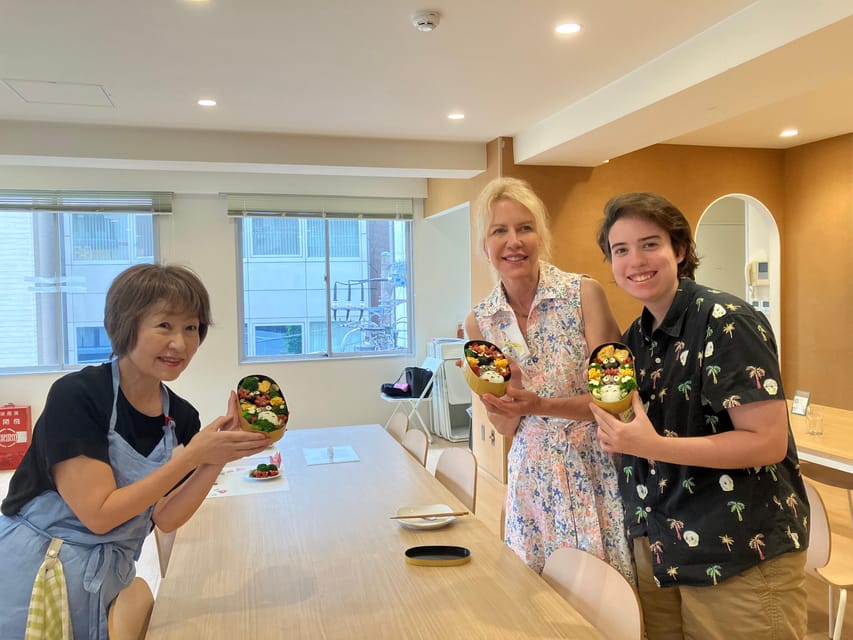
This is one of the reasons the experience feels more worthwhile than the basic “make something fun” idea. You’ll gain insights into nutritional balance, not just how to arrange rice into a character outline.
In a bento, balance can look like:
- variety across rice and sides
- seasoning choices that don’t overwhelm
- portion sense, so the box feels complete rather than lopsided
Even if you never replicate the exact design again, you’ll remember the approach: make a meal that’s satisfying and thoughtfully put together. That’s useful in real life, especially if you’re traveling and want lunch that doesn’t become expensive vending-machine roulette.
What’s included (and what’s not) when you plan your day
Included:
- Cooking experience
- Ingredients
- Beverages
- The tasting time after you finish
Not included:
- Hotel pickup and drop-off
Because pickup isn’t provided, you’ll want to plan your morning so you’re already in the Shinjuku/Chiyoda/Minato area—or can get there easily. The good news is that Tokyo transit makes this doable. The key is knowing your exact studio location once you get the message 3 days ahead.
Also remember the class runs late morning into early afternoon. If you’re scheduling other plans, keep the buffer tight enough that you don’t arrive flustered.
Practical etiquette: small rules that prevent big annoyances
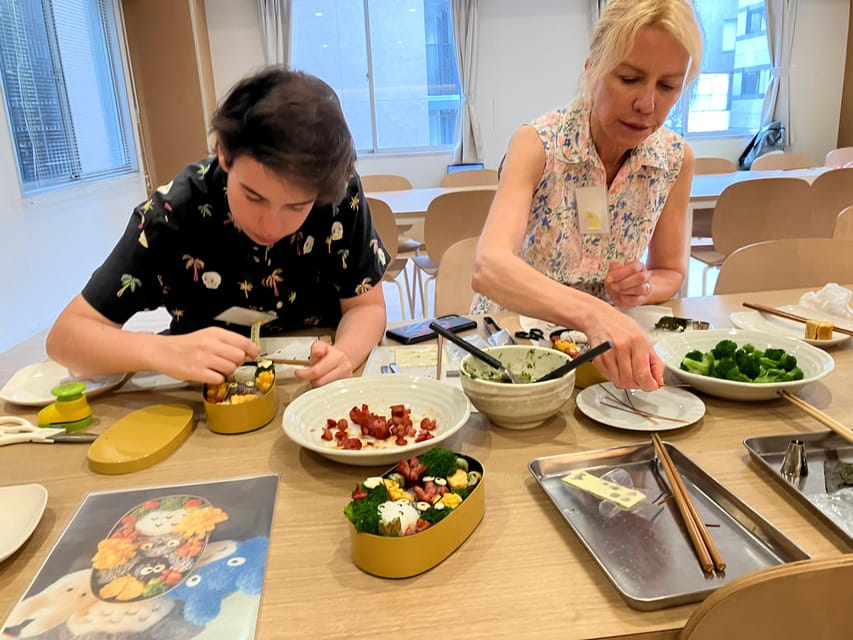
This activity has simple in-studio rules:
- No smoking indoors
That’s standard, but it’s worth knowing. Cooking classes are compact spaces, and smoke would be a dealbreaker for everyone’s meal time.
One other practical note from the experience details: it isn’t suitable for:
- children under 3 years
- people with back problems
So if you have mobility limitations, you’ll want to consider how long you’ll be working seated or standing at a cooking table. The class is hands-on, and chara-ben requires attention and positioning.
Finally, vegans aren’t listed as suitable. That doesn’t mean you can’t find vegan meals elsewhere in Japan—but it does mean this specific class likely isn’t designed for a vegan workaround.
Price and value: is $90 worth it in Tokyo?
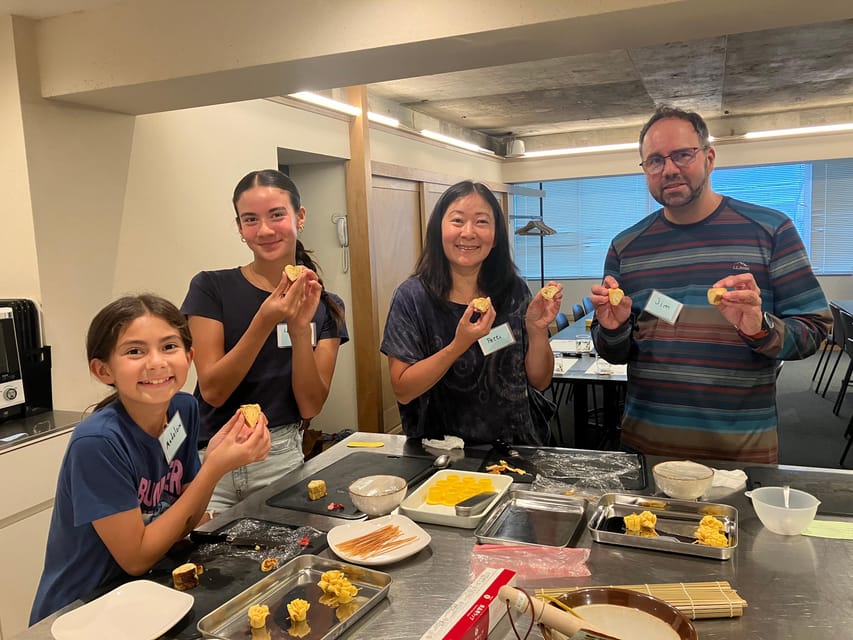
At $90 per person, this isn’t a budget impulse. It’s a paid cooking lesson with ingredients and drinks, plus structured teaching in English.
Here’s when it feels like good value:
- You want to do something interactive during your Tokyo stay, not just watch.
- You care about learning technique you can repeat.
- You’re interested in Japan’s food culture through a practical activity, not a lecture.
- You like the idea of bringing back a skill, not just photos.
Where it may feel pricey:
- If you primarily want the cuteness and don’t care about nutrition/seasoning education.
- If you’d rather spend your money on multiple food tastings around town.
But the balance here is that you’re paying for instructor time, a guided build, ingredients, beverages, and a sit-down tasting of what you made. If you’re the type who enjoys cooking, it’s one of those experiences that turns travel into something you can hold in your hands.
Who this class suits best
This is a great fit if you’re:
- cooking-curious and want a hands-on class in English
- fascinated by Japanese food culture and presentation
- excited by the idea of learning chara-ben basics you can apply later
- traveling with a mindset of trying “something you can only do here”
It’s less ideal if you:
- need hotel pickup (you’ll be responsible for getting to the studio)
- have back problems or need more physical flexibility
- follow a vegan diet (not listed as suitable)
Should you book this chara-ben class?
If you like the idea of making lunch that looks like a character and then actually eating it, I’d book it—especially if you want an instructor-led experience in English with friendly hands-on support. The $90 price feels fair when you factor in ingredients, beverages, and real teaching time built around nutrition, seasoning, and presentation.
Skip it if you’re looking for a simple tasting only, or if accessibility needs make a hands-on studio class difficult. Also skip if you’re vegan, since the class isn’t listed as suitable for that diet.
FAQ
FAQ
How long is the chara-ben cooking experience?
The experience runs about 150 minutes, with cooking from 11:00 to 13:00 and tasting time from 13:00 to 13:30.
Where is the cooking studio located?
The studios are near Shinjuku, Chiyoda, and Minato wards. The specific address is sent to you 3 days prior to your reservation date.
Is hotel pickup or drop-off included?
No. Hotel pickup and drop-off are not included.
Is the class taught in English?
Yes. The instructor speaks English.
Is this activity suitable for vegans?
No. People who are vegans are listed as not suitable for this activity.
What are the rules around cancellation and payment?
You can cancel up to 24 hours in advance for a full refund. You can also reserve now and pay later to keep your plans flexible.
More Tour Reviews in Tokyo
- Mt Fuji and Hakone 1-Day Bus Tour Return by Bullet Train
★ 5.0 · 26,383 reviews - 1-Day Tokyo Bus Tour
★ 5.0 · 14,250 reviews - Tokyo: teamLab Planets TOKYO Digital Art Museum Entry Ticket
★ 4.6 · 9,779 reviews - Mt Fuji & Hakone Cruise, Drum Show Bullet Train 1 Day from Tokyo
★ 4.0 · 7,413 reviews - Tokyo: Shinjuku Food Tour (13 Dishes at 4 Local Eateries)
★ 5.0 · 6,603 reviews





