
Reviewed · TOKYO
Tokyo Metropolis
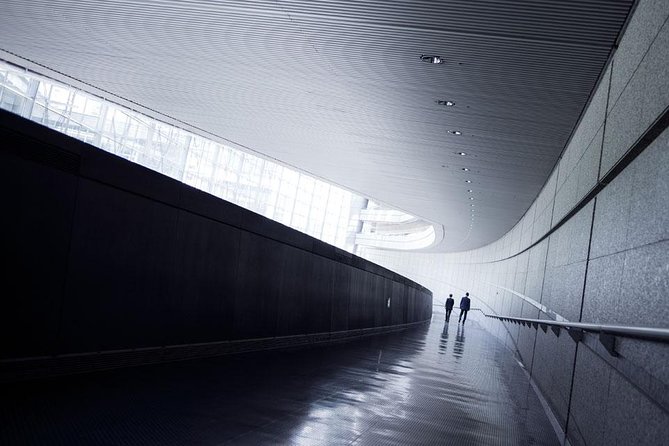
Tokyo turns photographic once you learn the angles. This 2.5-hour shoot-and-learn walk through Shiodome, Ginza, and the Tokyo International Forum helps you see lines, reflections, and story in plain sight. I love the way guides like Lukasz and Stephane coach real camera habits while you’re moving through the city.
Two things I like a lot: the hands-on composition help, and the small six-person limit that makes questions actually get answered. You’ll work on framing, timing, and settings, and you’ll also get feedback that pushes you beyond postcard shots into mood and narrative.
One possible drawback: this experience needs good weather, and you’ll be on foot for about 2 km total. If rain or heavy clouds change your schedule, it can affect what you can shoot that day.
In This Review
- Key Moments You’ll Remember
- Starting at Shinbashi’s Steam Locomotive: Get Your Shot Plan On
- Shiodome Siosite: Framing Steel and Glass in the Morning Light
- Ginza’s Architecture and Back Alleys: Lines, Patterns, and Real People
- Tokyo International Forum (Yurakucho): Indoor Geometry for Dramatic Shots
- How Small-Group Coaching Makes the Difference
- What You’ll Walk, How Long It Takes, and Why That Matters
- Price and Value: $158.52 for Up to Two People
- Weather and Camera-Day Reality in Tokyo
- Who This Tour Fits Best (And Who Might Want Another Option)
- Should You Book This Tokyo Metropolis Photo Workshop?
- FAQ
- What time does the Tokyo Metropolis photography workshop start?
- How long is the workshop?
- How many people are in the group?
- Where is the meeting point?
- Is admission included for the stops?
- What happens if it’s cancelled due to weather?
Key Moments You’ll Remember
- Shinbashi meeting at the Steam Locomotive: easy landmark start, right where Tokyo’s rail energy kicks in
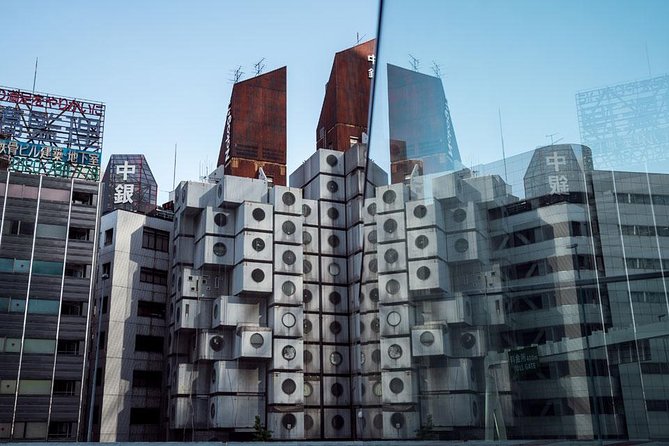
- Shiodome Siosite skyscraper practice: steel-and-glass framing with morning-light focus
- Ginza back-alleys with working life: salarymen, cooks, and wait staff used for photo storytelling
- Tokyo International Forum interior challenges: dramatic geometry and high-impact indoor angles
- Pro instructor feedback: you’re not just walking; you’re learning to see
- Up to six people, private feel: enough personal attention without the claustrophobic crowd
Starting at Shinbashi’s Steam Locomotive: Get Your Shot Plan On
The tour begins at 10:00 am at SL Square at Shimbashi Station’s west entrance, by the Steam Locomotive landmark. This matters more than you’d think. A clear meeting point means less scrambling, and you can spend those first minutes learning rather than navigating.
Once you’re together, the vibe is practical: you’re here to improve your eye and your technique fast. Expect coaching on composition (how to frame what you see) and storytelling (using the environment and people in view, not just buildings).
If you’re a total beginner, don’t worry. This kind of workshop is set up for both new and experienced photographers, and the goal is to help you get better without turning it into an exam.
Readers booked these Tokyo options in the same breath. Here is how each one scored:
- Mt Fuji and Hakone 1-Day Bus Tour Return by Bullet Train
★ 5.0 · 26,383 reviews - 1-Day Tokyo Bus Tour
★ 5.0 · 14,250 reviews - Tokyo: teamLab Planets TOKYO Digital Art Museum Entry Ticket
★ 4.6 · 9,779 reviews - Mt Fuji & Hakone Cruise, Drum Show Bullet Train 1 Day from Tokyo
★ 4.0 · 7,413 reviews
Shiodome Siosite: Framing Steel and Glass in the Morning Light
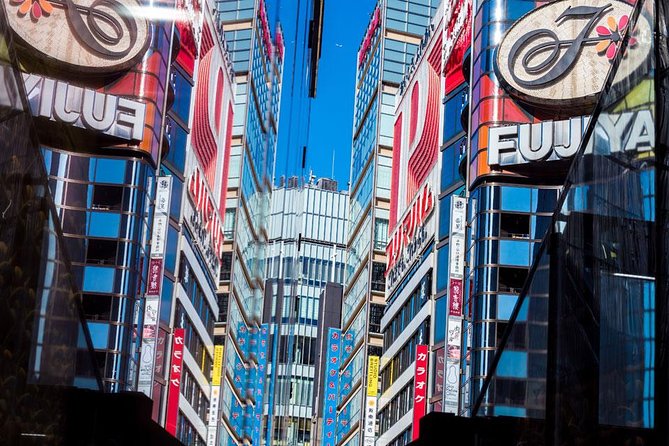
Your first stop is Shiodome’s skyscraper district at Shiodome Siosite, where you’ll spend about an hour photographing towers by the morning light. Shiodome is the right kind of Tokyo for this lesson: modern, clean lines, and lots of reflective surfaces that reward careful positioning.
Here’s what this stop is really good for. You’ll practice composition skills—specifically how to frame a scene so the image has structure, not just height. You’ll also learn how to think about camera timing, so your shots don’t end up with the wrong light or the wrong moment frozen in place.
A lot of first-time Tokyo architecture photos fail for one simple reason: they point the camera up and hope. This is where you learn to aim with intention—using the edges of buildings, reflections, and sight lines to guide the viewer.
Ginza’s Architecture and Back Alleys: Lines, Patterns, and Real People
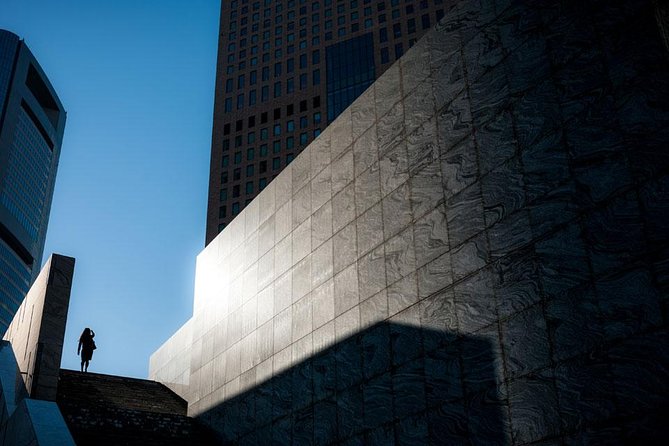
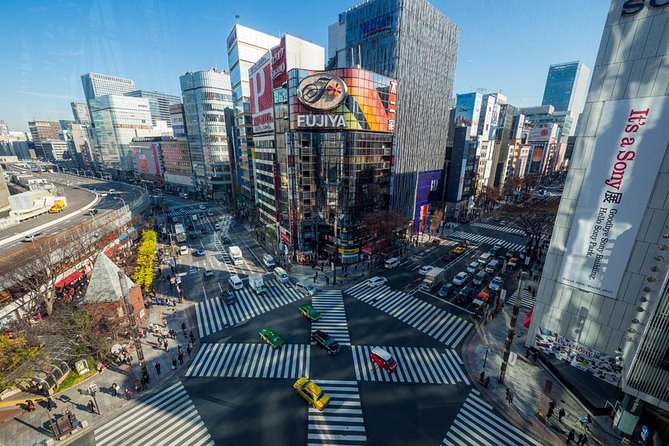
Next comes Ginza, around 45 minutes focused on architecture and street photography. The cool part is that you don’t just do the wide, obvious streets. You’ll also move through smaller pockets and back alleys where street life feels more human and less staged.
This stop is where the workshop starts to feel like city storytelling. You’ll encounter people working—cooks and wait staff, plus salarymen going through their routines—so your photos can show Tokyo in action, not only Tokyo in steel.
I like this approach because it trains you to build a photo around interaction and rhythm. Instead of photographing a building by itself, you practice making the space and the people work together.
And from the feedback I’ve seen described for this tour, you’ll get specific prompts that help you see things like lines and reflection—the stuff you can walk past a hundred times and never notice until someone points it out.
Tokyo International Forum (Yurakucho): Indoor Geometry for Dramatic Shots
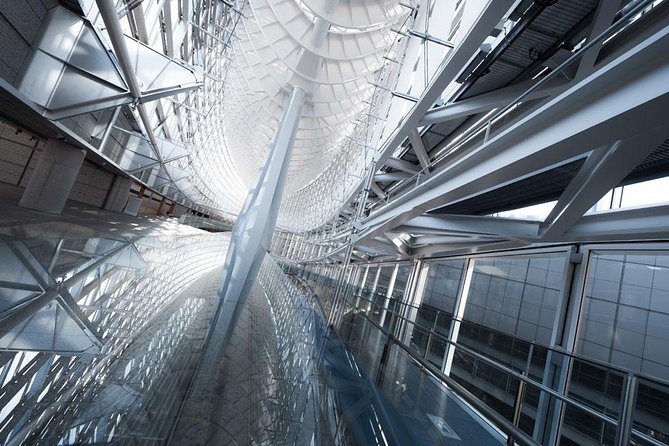
Your last main stop is the Tokyo International Forum, in the Yurakucho area, where you’ll photograph the interior. You’ll have about 45 minutes here, and the setting is designed to create photo problems (the fun kind).
Why “problems” are useful: good architecture photography is often about solving. You’ll face lots of different angles, materials, and lighting conditions, which pushes you to test ideas rather than relying on one easy view. The interior gives you dramatic options—good for shooting with stronger contrast, leading lines, and intentional framing.
This is also a smart wrap-up point. When you’re done, it’s straightforward to continue onward by train to your next Tokyo stop, instead of getting stuck far from transit.
If you shoot interiors poorly, don’t take it as a personal flaw. This is exactly the kind of place where learning how to approach scenes quickly pays off.
How Small-Group Coaching Makes the Difference
A big reason this tour scores so high is the way instruction is built into the walk. With a small group limited to six people, you’re not shouting questions into the void or waiting for your turn.
In the feedback connected to the experience, guides are described as friendly and patient, with a hands-on teaching style. Names that come up include Lukasz and Stephane, and the consistent theme is constructive, practical advice on composition, timing, and camera settings. One person also mentions getting their photos checked and discussed, including how to capture mood and story.
So if you’re the type who wants real improvement—not just photos—this format is a good match. You’ll get quick course corrections while the scene is still in front of you, which is when learning actually sticks.
If you’re more advanced, you still benefit. You’re not being forced into basic lessons; you’re refining how you see. Tokyo is full of reflections and angles, and a good guide helps you test what you’re already trying to do.
- Tokyo: Shinjuku Food Tour (13 Dishes at 4 Local Eateries)★ 5.0 · 6,603 reviews
- Tokyo Mt Fuji 5th St & Hakone Cruise Bus Tour w/Bullet Train★ 4.4 · 5,024 reviews
- Flagship 2-Hours Official Street Go-Kart Tour – Tokyo Bay Shop★ 5.0 · 4,974 reviews
- From Tokyo: Mount Fuji Full-Day Sightseeing Trip★ 4.5 · 4,970 reviews
- Tokyo: Hop-On Hop-Off Sightseeing Bus Ticket★ 3.9 · 4,207 reviews
What You’ll Walk, How Long It Takes, and Why That Matters
The tour runs about 2 hours 30 minutes. Average walking distance is listed as 1.3 miles (2 km), which is not a long trek, but it is a walking tour. You’ll be moving between architecture-heavy stops, so you’ll want to stay comfortable from the first block to the last.
Transportation isn’t a headache. The start and end points are near public transit, and one of the stops (Tokyo International Forum) is an easy place to connect onward. Also, bus fare isn’t included, so don’t plan on using buses as your main workaround if you miss the rail connection.
One more practical note: you’ll receive a mobile ticket, which is convenient for a city where your day is already full of subway taps and ticket machines.
Price and Value: $158.52 for Up to Two People
The price is $158.52 per group (up to 2), for the full 2.5-hour session with a professional photography instructor. That pricing structure is a big deal if you’re traveling as a pair. It means you can split the cost, and the group experience still feels small and directed.
Admission is listed as free for the stops, so you’re not adding extra site fees on top of the workshop. You’re also not paying for a long bus ride—this is mostly on foot and focused on where the photo opportunities are.
Is it “cheap”? In Tokyo, few good guided experiences are cheap. But for the time you spend with real instruction—composition, timing, and camera settings—it can feel like better value than paying for an hour of generic sightseeing where the camera sits idle.
Weather and Camera-Day Reality in Tokyo
This experience requires good weather. That’s not a small detail. Tokyo can move from sunny to cloudy quickly, and for architecture photography, light changes how reflections behave and how interior contrast reads.
If the weather is poor, the tour can be canceled and you’ll be offered a different date or a full refund. The key takeaway is simple: plan this on a day you can adjust. If your schedule is jammed with no flexibility, consider booking earlier so you have a back-up plan.
As for your camera: bring what you normally shoot with. The workshop is set up for both novice and more advanced photographers, which usually means you’ll get guidance that works whether you’re using a basic camera setup or something more involved.
Who This Tour Fits Best (And Who Might Want Another Option)
This workshop is ideal if you want to learn to photograph Tokyo’s modern districts with structure and intent. It’s a good fit for:
- beginners who want clear, step-by-step guidance on composition and settings
- experienced shooters who want better city “seeing” for lines, reflections, and interior angles
- people who like walking through Tokyo neighborhoods with an instructor, not just standing at viewpoints
It may be less ideal if:
- you dislike walking for roughly 2 km
- you’re planning for a rainy day with no flexibility
- you only want a relaxed photo stroll with no coaching (this one is instruction-forward)
Should You Book This Tokyo Metropolis Photo Workshop?
Yes, I’d book it if you want practical improvement in a short window. The format is built for fast learning: walk to strong architectural scenes, practice framing and story, and get specific advice from a professional instructor while you’re still there to use it.
It’s especially worth it if you’re the type who takes lots of photos but feels they could be more intentional. This tour gives you tools you can use again the next day—because once you start noticing lines, reflections, and human scale, Tokyo gets easier to photograph.
If you have a flexible day and reasonably good weather, it’s a solid value for a small-group, coaching-focused session in some of Tokyo’s most photogenic modern districts.
FAQ
What time does the Tokyo Metropolis photography workshop start?
It starts at 10:00 am, with the meeting point at SL Square (Shimbashi Station West Entrance Square).
How long is the workshop?
The duration is approximately 2 hours 30 minutes.
How many people are in the group?
It’s a small-group experience limited to six people, and it’s a private tour/activity where only your group participates.
Where is the meeting point?
Meet at SL Square (Shimbashi Station West Entrance Square), 2-chōme-7-先 Shinbashi, Minato City, Tokyo 105-0004, Japan.
Is admission included for the stops?
The stops listed for Shiodome Siosite, Ginza, and Tokyo International Forum show admission as free.
What happens if it’s cancelled due to weather?
This experience requires good weather. If it’s canceled due to poor weather, you’ll be offered a different date or a full refund. If you cancel for other reasons, it’s non-refundable and can’t be changed.
More Tour Reviews in Tokyo
- Mt Fuji and Hakone 1-Day Bus Tour Return by Bullet Train
★ 5.0 · 26,383 reviews - 1-Day Tokyo Bus Tour
★ 5.0 · 14,250 reviews - Tokyo: teamLab Planets TOKYO Digital Art Museum Entry Ticket
★ 4.6 · 9,779 reviews - Mt Fuji & Hakone Cruise, Drum Show Bullet Train 1 Day from Tokyo
★ 4.0 · 7,413 reviews - Tokyo: Shinjuku Food Tour (13 Dishes at 4 Local Eateries)
★ 5.0 · 6,603 reviews





