
Reviewed · SHINJUKU FOOD & BAR TOURS
Tokyo Private Art Tour in Kagurazaka Shinjuku with Licensed Guide
Tokyo can feel like a blur, so I like tours that slow you down. This one uses Kagurazaka as the stage to connect Tokyo’s Edo-era art and places with stops that range from modern design to samurai-era remnants. You also get a licensed guide to translate what you’re seeing into something you can actually use.
I especially like the built-in focus on Yayoi Kusama—you spend a full hour at the museum with admission included. I also like the architecture angle at Akomeya Tokyo, designed by Kengo Kuma, because it shows how modern Tokyo borrows from old forms and materials.
One consideration: the quality of an art tour can depend on the guide’s teaching style, and there was at least one negative experience where the explanation felt more like pointing at labels than guiding you through the art.
In This Review
- Key Points to Know Before You Go
- Kagurazaka in a Nutshell: Edo Atmosphere Meets Modern Tokyo
- Yayoi Kusama Museum: Your 1-Hour Art Anchor
- Akomeya Tokyo and Kengo Kuma’s Design Thinking
- Akagi Shrine: A Shrine That Feels Present-Day
- Kagurazaka’s Streets: Edo Traces with a Refined Mood
- Ushigome Mitsuke: Samurai-Era Echoes Near Idabashi
- Price and Value: Why $46.05 Can Make Sense
- Timing and Mobile Ticket: How the Schedule Really Works
- Licensed Guide Volunteer Group: What You Gain
- A Balanced Take: When Guided Art Walks Go Sideways
- Who This Tour Fits Best (and Who Might Not)
- Should You Book This Tokyo Private Art Tour?
- FAQ
- What is the duration of the Tokyo private art tour?
- How much does the tour cost?
- Is this tour private or group-based?
- Is admission included for the Yayoi Kusama Museum?
- Are the other stops included without admission fees?
- What time does the tour start?
- Where do I meet the guide?
- Where does the tour end?
- Do I receive a mobile ticket?
- Can I cancel for a refund?
Key Points to Know Before You Go
- Yayoi Kusama Museum (1 hour) with admission included, plus your guide’s background story for context
- Kengo Kuma-designed Akomeya Tokyo as a short stop that turns design details into something you notice
- Akagi Shrine for a contrast: a shrine experience that feels modern and polished
- Kagurazaka for the mash-up vibe of Edo traces plus a more refined, Paris-like mood
- Ushigome Mitsuke near Idabashi (JR) to end with a samurai-era heritage moment
Kagurazaka in a Nutshell: Edo Atmosphere Meets Modern Tokyo
Kagurazaka is a smart choice for an art-focused walk because it naturally mixes time periods. You’ll move from highly designed contemporary spaces to old-street-feeling corners, then end with a site tied to samurai-era history.
What I like about this area is that it doesn’t feel like a theme park version of old Japan. It’s more like a working neighborhood where the past still shows up in street layout, shrines, and the way buildings and courtyards sit together.
And because this is a private tour (just your group), you can ask your guide to slow down when something catches your eye—especially with art and architecture.
More Shinjuku plates and pours our readers rated
- Tokyo: Shinjuku Food Tour (13 Dishes at 4 Local Eateries)
★ 5.0 · 6,603 reviews - Tokyo Bar Hopping Tour in Shinjuku (All-You-Can-Drink + Dinner)
★ 5.0 · 3,587 reviews - Tokyo: Shinjuku Food Tour (15 Dishes and 4 Eateries)
★ 4.9 · 2,033 reviews - Best of Shinjuku: Izakaya Food Tour (4 Stops, 14+ Tastings)
★ 5.0 · 1,863 reviews
Yayoi Kusama Museum: Your 1-Hour Art Anchor
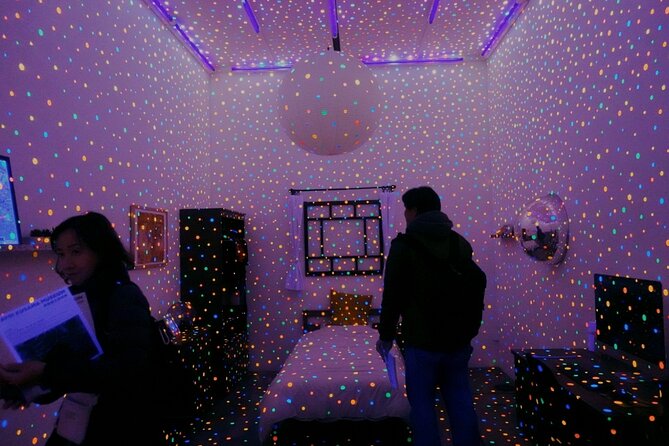
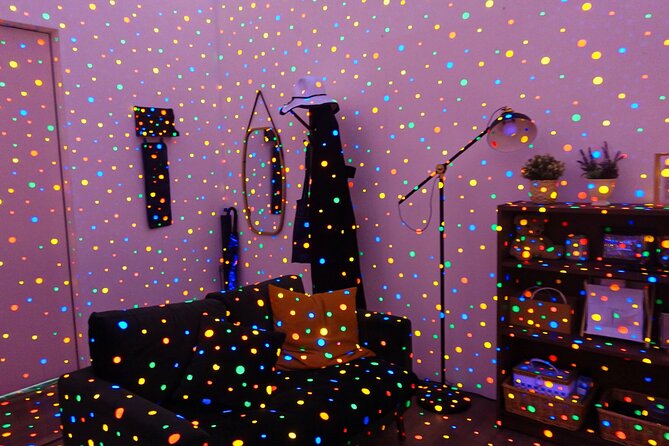
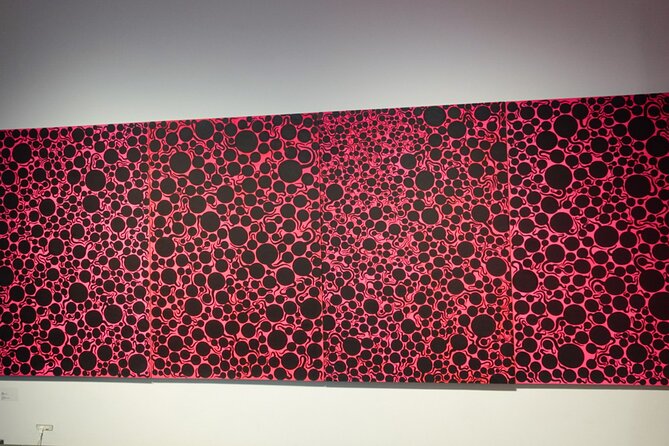
The tour starts with a full hour at the Yayoi Kusama Museum, and the admission is included. Kusama is one of those artists people talk about a lot, but this kind of timed visit makes it easier to see the work without feeling rushed.
You’ll also get your guide’s explanation of her background, which matters here. Kusama’s art isn’t just about repeating patterns; it connects to her life story, her themes, and how she builds environments that feel immersive without you needing to know Japanese art history first.
Practical tip: go in with a simple plan—pick two works you want to study closely, then let the rest be your bonus. With guided time, you’ll often get the best value by letting the guide set a framework, then you watch for details that match it.
Akomeya Tokyo and Kengo Kuma’s Design Thinking
Next is Akomeya Tokyo, a short stop that’s only about 20 minutes. The reason it’s on this tour is specific: the building design was made by Kengo Kuma, a globally known architect.
Even if you’re not an architecture person, this stop can make you notice design decisions you’d otherwise ignore. You can think of it as art in another medium: proportions, materials, how light hits surfaces, and the way spaces guide movement.
Because the admission ticket is free, it’s also a low-pressure stop. Use the time to focus on one question: how does the space make you walk differently than a typical storefront or mall?
Akagi Shrine: A Shrine That Feels Present-Day
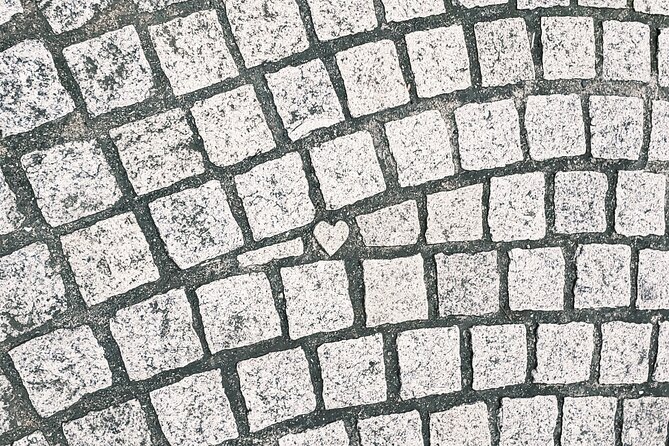
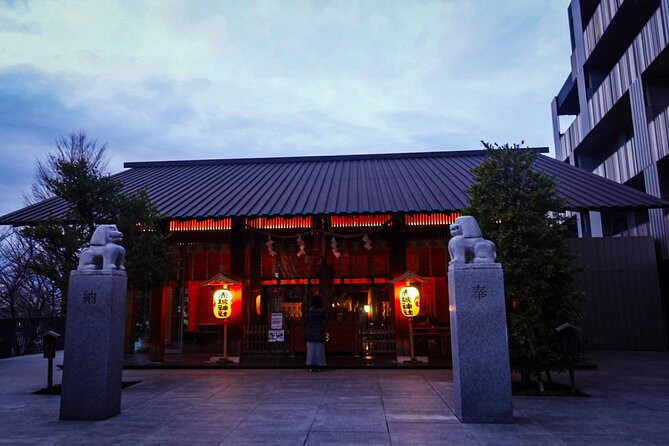
Then you head to Akagi Shrine for around 20 minutes. The tour description calls it modern and sophisticated, and that’s the point of the stop: not every sacred site looks the same, and not every shrine experience is about age alone.
A good guided art walk treats religious architecture as visual language. Pay attention to where your eye lands first—often that’s the clue to what the design is emphasizing. Your guide will help you read those choices instead of just watching people pass by.
This is also a nice pacing break. After museum intensity and architecture design, a shrine stop gives your brain room to reset while still staying in the theme of Japanese aesthetics.
Kagurazaka’s Streets: Edo Traces with a Refined Mood
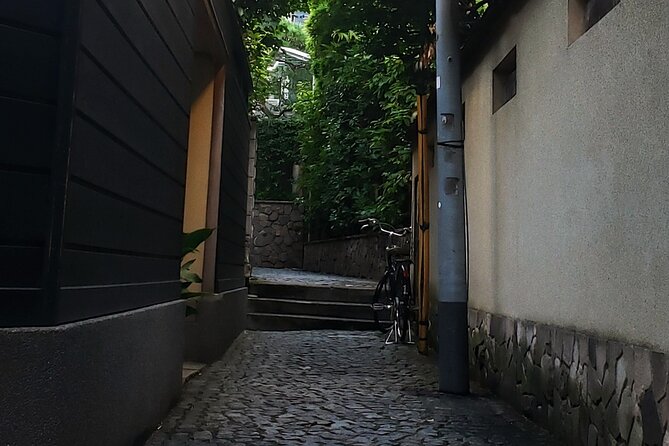
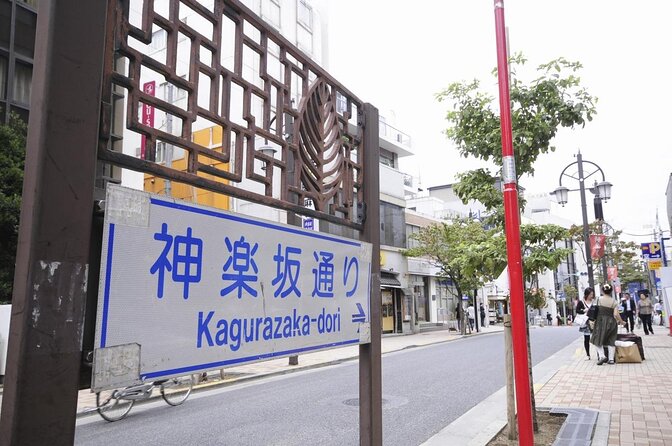
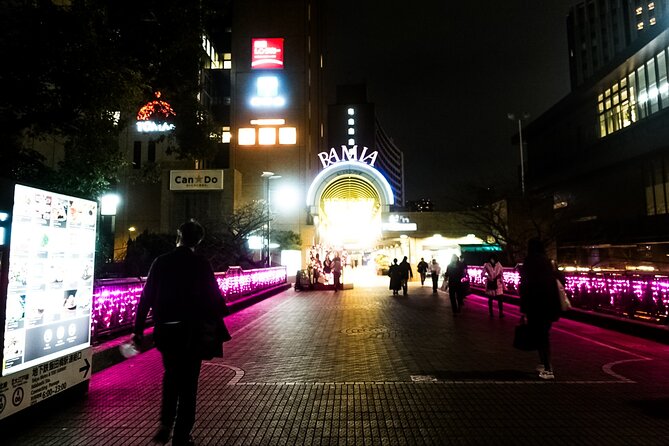
The longest sightseeing block in the middle is Kagurazaka, about 30 minutes. This is where the tour turns into atmosphere and storytelling: you get the feel of Edo-period traces while also experiencing a more sophisticated, Paris-like tone.
I like this part because it’s less about one single building and more about how neighborhoods shape art. In many cities, you can see history in museums only. In Kagurazaka, you’re seeing it in how the street feels—what stands close together, what opens into a small space, and how the area’s mood changes from corner to corner.
If you want to get real value here, don’t just look for famous scenes. Look for texture: signage style, the way buildings sit along the street, and the small transitions where one micro-neighborhood mood replaces another.
Readers also shortlisted these Tokyo bookings:
- Tokyo 6hr Private Tour with Government-Licensed Guide★ 5.0 · 3,902 reviews
- Tokyo: Shinjuku Local Bar and Izakaya Guided Walking Tour★ 4.9 · 1,794 reviews
- Tokyo: Private City Highlights Tour with Local Guide★ 4.8 · 1,433 reviews
- Tokyo: Tsukiji Fish Market Guided Walking Tour★ 4.9 · 1,397 reviews
- Tokyo 4hr Private Tour with Government-Licensed Guide★ 5.0 · 1,394 reviews
Ushigome Mitsuke: Samurai-Era Echoes Near Idabashi
To wrap things up, you visit Ushigome Mitsuke, tied to samurai-era heritage. This is the final stop, and it’s near Idabashi station on the JR line.
Even in short time, a place like this works because it anchors the art theme in something tangible: the physical marks of power and protection in old Tokyo. You’re not just hearing about Edo as an idea—you’re looking at a spot connected to how people once organized space for life and security.
Your licensed guide explains what you’re seeing, which is key. Without context, many historic markers become background. With context, they become a sentence you can read—quick, but meaningful.
If you want an easy win at the end, take one minute to summarize what the tour has connected: Kusama’s world → architecture design → shrine meaning → neighborhood mood → samurai-era space. That mental thread is what turns a walk into a memory.
Price and Value: Why $46.05 Can Make Sense
At $46.05 per person for about 2 hours 30 minutes, this sits in a reasonable zone for a private licensed-guide experience in central Tokyo. The big value piece is that the Kusama museum admission is included, and that’s usually the most expensive element of a short art tour.
The other listed stops are free (Akomeya Tokyo, Akagi Shrine, Kagurazaka, and Ushigome Mitsuke). That means you’re paying mainly for the guide and the structure, not for a heavy schedule of paid attractions.
One more detail that matters: this tour is commonly booked about 46 days in advance on average. That doesn’t guarantee sellout, but it does hint that the time slot and route are popular—so if you’re set on it, don’t wait until the last week.
Timing and Mobile Ticket: How the Schedule Really Works
This tour runs for about 2 hours 30 minutes, starting at 2:30 pm. That afternoon slot is often practical because it avoids the strict morning crowds and still gives you daylight for walking around Kagurazaka’s streets.
You’ll also use a mobile ticket, which usually means less fuss when you arrive. The tour includes a start point and an end point, so you’re not backtracking across the city afterward.
The meeting point is specific: FamilyMart Evergrace Haramachi, 1-chōme-13-13 Haramachi, Shinjuku City, Tokyo 162-0053. The tour ends at 2 Chome-9 Fujimi, Chiyoda City, Tokyo 102-0071, near the Edo Castle Ushigome-Mitsuke area close to Idabashi on the JR line.
Practical tip: save both addresses in your maps app before you go. In neighborhoods like Kagurazaka, it’s easy to lose time walking a couple wrong blocks.
Licensed Guide Volunteer Group: What You Gain
The tour is led by a licensed guide through a volunteer group. That’s your assurance that someone with formal guiding credentials is handling the route.
I also like that the tour is private. With a single group, the guide can tailor pacing to questions, and you can focus on art and architecture without feeling like you’re competing with a fast-moving crowd.
One name you may see associated with this experience is Nao. In a positive account, Nao stood out as easy to talk with and helpful about topics like Kusama and the shrine/temple side of Japanese history. If you’re the type who likes conversation during a museum visit, that guide style can matter as much as the landmarks.
A Balanced Take: When Guided Art Walks Go Sideways
Art tours are personal. If you want a serious, theory-heavy lecture style, you’ll probably do better with a guide who clearly explains themes rather than just pointing at labels.
There was one negative experience where the guide reportedly wasn’t matching the expectations for an art tour and leaned too much on reading descriptions. That doesn’t mean every guide will do the same thing, but it is a fair reminder: you should communicate what you want early.
If the tour starts and you feel the explanations are too thin, ask directly for what you care about: Why does this work matter? What should I notice first? What does the design choice mean? A good guide will adjust.
Also, if you’re expecting the tour to cover every Edo-related topic listed in the general description (like geisha street or castles) just by browsing the neighborhood, keep your expectations flexible. The route focuses on specific stops, so ask your guide to connect those bigger themes to what you’re seeing in front of you.
Who This Tour Fits Best (and Who Might Not)
This is a great fit if you want a short, guided route that connects multiple art styles in one afternoon: modern art (Kusama), architecture (Kengo Kuma), and Edo-era heritage (Ushigome Mitsuke and the Kagurazaka area mood).
It’s also a solid choice if you’re visiting Tokyo for the first time and feel overwhelmed by how much there is to see. A guided art walk gives you a theme thread, so you don’t waste energy figuring out what to prioritize.
If you’re the type who prefers to wander with no structure, you might find 2 hours 30 minutes slightly tight. But if you’re curious about meaning—why places look the way they do—this format is usually the right length.
Should You Book This Tokyo Private Art Tour?
I’d book it if you want a focused afternoon that mixes art, architecture, and Edo-era atmosphere without a long day of trains and multiple neighborhoods. The value case is strong because Kusama museum admission is included and several other stops are free.
I’d hesitate if you’re very picky about explanation style and you need deep art interpretation on the spot. In that case, go in prepared to ask questions early, and don’t be afraid to steer the guide toward what you want to learn.
If your goal is to leave Kagurazaka with a clearer sense of how Tokyo’s past and present talk to each other, this tour is an efficient way to do it—especially if you like learning from a licensed guide rather than trying to decode everything alone.
FAQ
What is the duration of the Tokyo private art tour?
It’s about 2 hours 30 minutes.
How much does the tour cost?
The price is $46.05 per person.
Is this tour private or group-based?
It’s private, so only your group participates.
Is admission included for the Yayoi Kusama Museum?
Yes. The Yayoi Kusama Museum stop includes admission ticket access.
Are the other stops included without admission fees?
Yes. The Akomeya Tokyo, Akagi Shrine, Kagurazaka, and Ushigome Mitsuke stops are listed as free (no admission ticket required).
What time does the tour start?
It starts at 2:30 pm.
Where do I meet the guide?
You meet at FamilyMart Evergrace Haramachi, 1-chōme-13-13 Haramachi, Shinjuku City, Tokyo 162-0053.
Where does the tour end?
The tour ends at 2 Chome-9 Fujimi, Chiyoda City, Tokyo 102-0071, near Edo Castle Ushigome-Mitsuke by Idabashi station on the JR line.
Do I receive a mobile ticket?
Yes, the tour uses a mobile ticket.
Can I cancel for a refund?
Yes. You can cancel up to 24 hours in advance for a full refund.
More Tours in Tokyo
- Mt Fuji and Hakone 1-Day Bus Tour Return by Bullet Train
★ 5.0 · 26,383 reviews - 1-Day Tokyo Bus Tour
★ 5.0 · 14,250 reviews - Tokyo: Shinjuku Food Tour (13 Dishes at 4 Local Eateries)
★ 5.0 · 6,603 reviews - Tokyo Mt Fuji 5th St & Hakone Cruise Bus Tour w/Bullet Train
★ 4.4 · 5,024 reviews - Flagship 2-Hours Official Street Go-Kart Tour – Tokyo Bay Shop
★ 5.0 · 4,974 reviews
More Tour Reviews in Tokyo
- Mt Fuji and Hakone 1-Day Bus Tour Return by Bullet Train
★ 5.0 · 26,383 reviews - 1-Day Tokyo Bus Tour
★ 5.0 · 14,250 reviews - Tokyo: teamLab Planets TOKYO Digital Art Museum Entry Ticket
★ 4.6 · 9,779 reviews - Mt Fuji & Hakone Cruise, Drum Show Bullet Train 1 Day from Tokyo
★ 4.0 · 7,413 reviews - Tokyo: Shinjuku Food Tour (13 Dishes at 4 Local Eateries)
★ 5.0 · 6,603 reviews
More Shinjuku Food and Drink
- Tokyo: Shinjuku Food Tour (13 Dishes at 4 Local Eateries)
★ 5.0 · 6,603 reviews - Tokyo Bar Hopping Tour in Shinjuku (All-You-Can-Drink + Dinner)
★ 5.0 · 3,587 reviews - Tokyo: Shinjuku Food Tour (15 Dishes and 4 Eateries)
★ 4.9 · 2,033 reviews - Best of Shinjuku: Izakaya Food Tour (4 Stops, 14+ Tastings)
★ 5.0 · 1,863 reviews - Tokyo: Shinjuku Local Bar and Izakaya Guided Walking Tour
★ 4.9 · 1,794 reviews
Latest Tokyo reviews off our desk






Shinjuku Food & Bar Tours, compared.
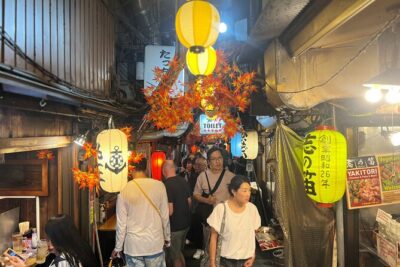 ★ 5.0Shinjuku Food Tour (13 Dishes at 4 Local Eateries)From $866,603 reviews
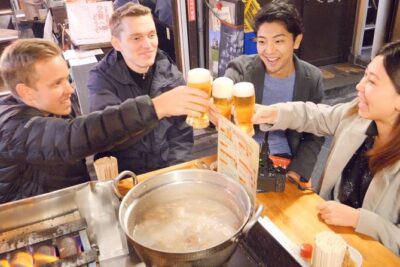 ★ 5.0Tokyo Bar Hopping Tour in Shinjuku (All-You-Can-Drink + Dinner)From $1063,587 reviews
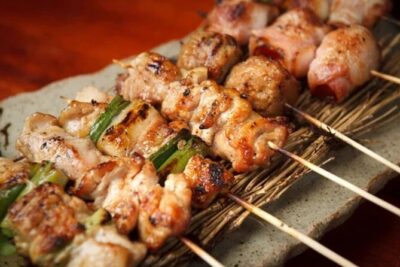 ★ 4.9Shinjuku Food Tour (15 Dishes and 4 Eateries)From $852,033 reviews
 ★ 5.0Best of Shinjuku: Izakaya Food Tour (4 Stops, 14+ Tastings)From $921,863 reviews
 ★ 4.9Shinjuku Local Bar and Izakaya Guided Walking TourFrom $341,794 reviews
 ★ 5.0Tokyo Shinjuku Chopsticks Making ClassFrom $201,763 reviews
 ★ 5.0Tokyo Shinjuku Sumo Show & Experience with PhotoFrom $791,750 reviews
 ★ 5.0Tokyo Night Foodie Tour in Shinjuku – Seasonal Sushi, Wagyu BeefFrom $1111,161 reviews
Browse the lists this tour appears in