
Reviewed · SHINJUKU FOOD & BAR TOURS
Tokyo Shinjuku Bar Hopping Tour–Hidden Izakaya & Local Guide
Neon alleys, tiny doors, big Tokyo energy. This 3-hour Shinjuku bar hopping tour mixes historic izakaya lanes with three real eating-and-drinking stops, so you don’t just walk around you actually learn the rhythm of nights here. I like that it’s built around Japanese food + traditional drinking culture, not a random string of bars, and I especially like the way the route includes both famous areas and quieter backstreets you’d miss on your own.
The main catch is that the drinks are not unlimited. You’ll get a set number of items at each stop, and if you order more on top, that’s on you.
In This Review
- Key Things I’d Prioritize Before You Go
- Entering The Night: Meeting at the Koban and Getting Oriented
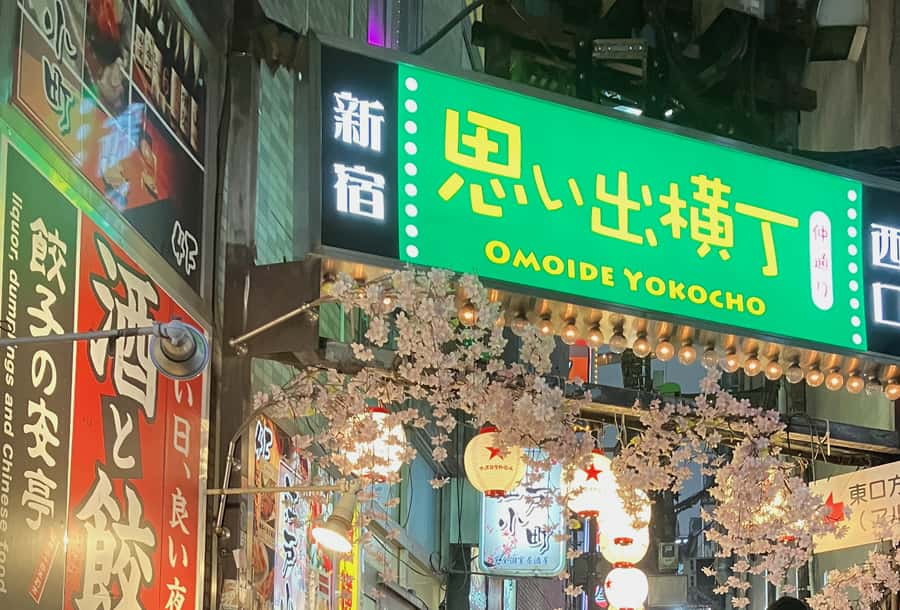
- Omoide Yokocho: A First Pour and Two Dishes in a Narrow Alley
- Kabukicho Walks: How the Route Turns From Food Lanes to Nightlife Streets
- Golden Gai: Tiny Bars, Real Standing Culture, and a Final Signature Bite
- Food, Drinks, and the Not-All-Unlimited Reality
- Price and Value: Why $128 Can Make Sense in Tokyo
- Walking Comfort, Timing, and What to Bring
- Guide Quality: How to Get the Most From It
- Is This Tour For You?
- Should You Book This Shinjuku Bar Hopping Tour?
- FAQ
- How long is the Tokyo Shinjuku bar hopping tour?
- What does the tour cost?
- Where do I meet the guide?
- Which areas and stops are included?
- How many food and drink items are included?
- Is this an all-you-can-drink tour?
- What is the minimum age to join?
- What should I bring for the tour?
Key Things I’d Prioritize Before You Go
- Three guided venues so you get structure, not aimless wandering in Shinjuku.
- Omoide Yokocho + Golden Gai on the walk, both iconic for atmosphere and bar style.
- Standing-bar culture is part of the experience, so comfort beats fashion.
- Money prep matters since you’ll want cash for anything extra.
- Ask questions if your guide is newer, because the quality of guidance can vary.
Entering The Night: Meeting at the Koban and Getting Oriented
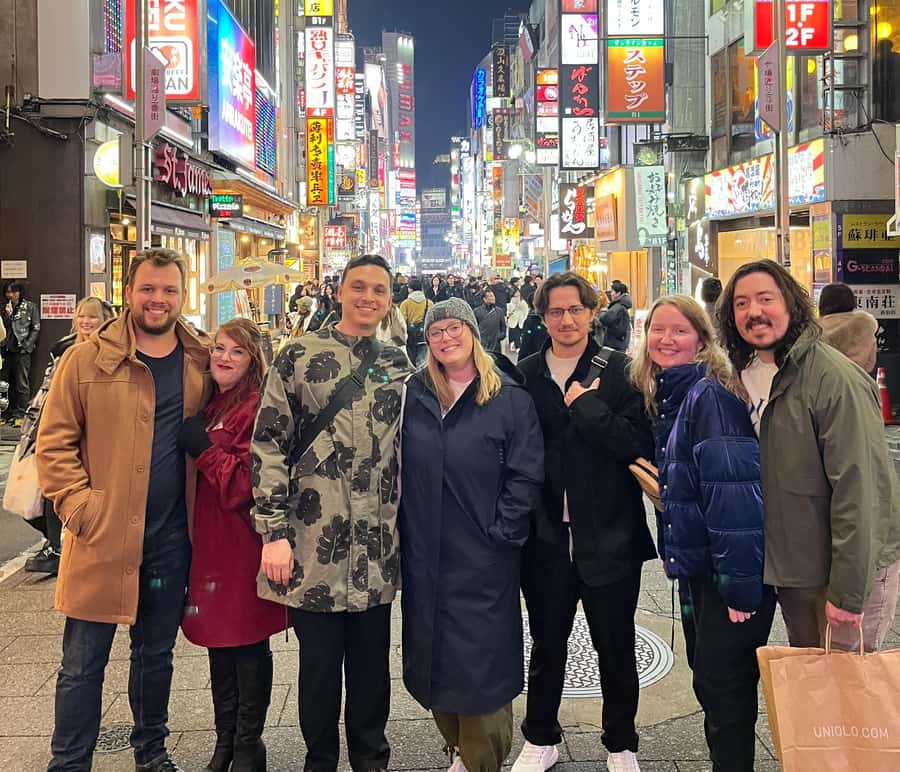
This tour starts at Shinjuku Station near the police box (koban): 新宿警察署 新宿駅東口交番. It’s an easy landmark in one of Tokyo’s busiest transit hubs, and arriving 5 minutes early helps everything run smoothly before the group heads out.
You’ll be on foot for multiple short stretches, with a total time on the ground of about 3 hours. That means shoes are not optional. Bring comfortable walking footwear, and keep your bag light since you’ll often be standing around in small spaces.
One practical thing I’m glad this tour flags: it’s a 20+ only outing because alcoholic beverages are part of what’s served. If you’re traveling with friends who are under 20, they won’t be able to join.
More Shinjuku plates and pours our readers rated
- Tokyo: Shinjuku Food Tour (13 Dishes at 4 Local Eateries)
★ 5.0 · 6,603 reviews - Tokyo Bar Hopping Tour in Shinjuku (All-You-Can-Drink + Dinner)
★ 5.0 · 3,587 reviews - Tokyo: Shinjuku Food Tour (15 Dishes and 4 Eateries)
★ 4.9 · 2,033 reviews - Best of Shinjuku: Izakaya Food Tour (4 Stops, 14+ Tastings)
★ 5.0 · 1,863 reviews
Omoide Yokocho: A First Pour and Two Dishes in a Narrow Alley
The first neighborhood stop is Omoide Yokocho, a street-area known for its tight lanes and old-school izakaya vibe. This is where the tour gives you a gentle on-ramp to the night: one drink and two carefully selected dishes at the first venue.
What I like about starting here is the setting does half the work. You get the feeling of how locals snack and drink in small groups without needing to decode every menu item yourself. The guide can steer you toward choices that make sense for the place, and you also get context for what you’re eating and why it’s paired with your drink.
Expect a more social, after-dark energy at this stage, but still in an izakaya framework rather than a nightclub one. If you’ve never done an izakaya meal before, this first stop is a good way to understand the format: small plates, shared conversation, and a drink that keeps the pacing relaxed.
Kabukicho Walks: How the Route Turns From Food Lanes to Nightlife Streets
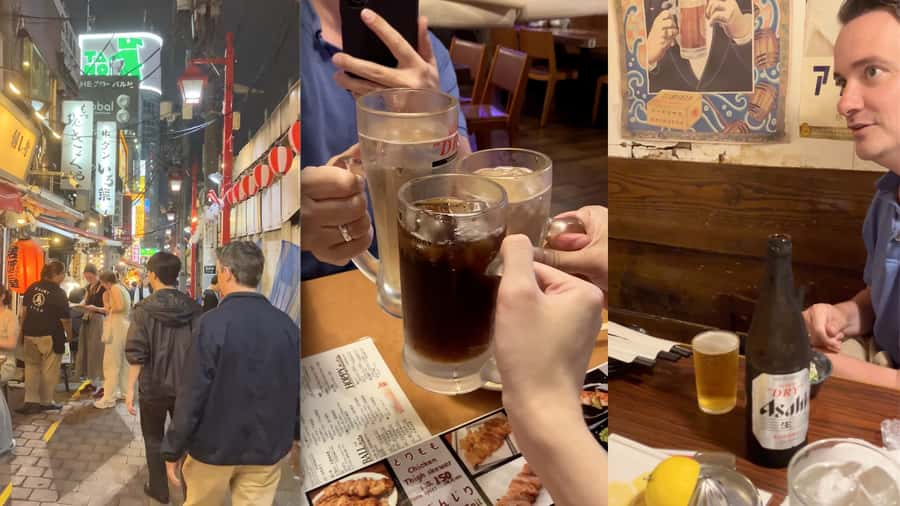
After Omoide Yokocho, the tour shifts through Shinjuku’s neon zone and heads toward Kabukicho. The stop time here includes food and a drink pairing element, with two dishes plus Japanese drinks such as sake, highballs, or cocktails depending on what the group is served that night.
This part of the route matters because it shows you how Shinjuku’s nightlife is layered. You’re not only seeing “Tokyo at a postcard level.” You’re also seeing how different streets feel when you move from narrow, old-style lanes into bigger entertainment surroundings.
A useful mindset for Kabukicho: expect more foot traffic and louder street energy than in the first stop. If you’re sensitive to noise, plan for it as part of the experience, not a surprise. Also remember you’re still eating and drinking on a schedule, so pace yourself so you can enjoy the next venue without feeling rushed.
Golden Gai: Tiny Bars, Real Standing Culture, and a Final Signature Bite
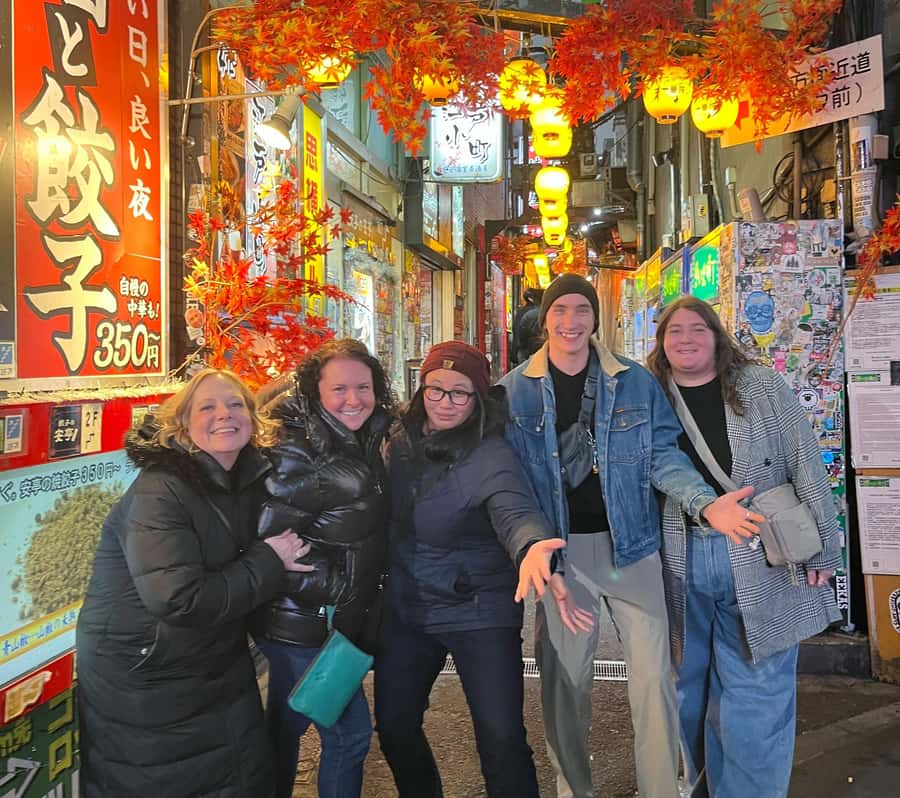
The last big landmark is Golden Gai, famous for its minuscule bar spaces and backstreet feel. This is where the tour ends in a more local-style way: one signature dish and one drink at a hidden bar or a standing izakaya.
What makes Golden Gai worth it in this format is the size of the venues. When the bar is tiny, you can’t rely on space to carry the vibe. The atmosphere comes from the people, the proximity, and the ritual of dropping in for a quick, satisfying round. That’s also why standing-bar culture is a key part of what you’ll experience across the tour.
For me, the real value here is the ending tone. Instead of pushing for one more stop, you finish in the kind of place that feels like it belongs to the neighborhood’s regulars. It’s a good “night wrap” even if you don’t want to keep walking until late.
Food, Drinks, and the Not-All-Unlimited Reality
The tour includes a curated set of bites and drinks across three stops. The clearest breakdown is:
- Stop one: one drink and two dishes
- Stop two: two dishes plus Japanese drink options (sake/highballs/cocktails)
- Stop three: one signature dish and one drink
That setup is very normal for Japanese bar-hopping tours, but it’s worth spelling out because “unlimited” expectations can lead to disappointment. The drinks are part of what you pay for, but you should plan to pay extra if you order beyond the included items.
If you’re a sake person, you might love the pacing. If you only like cocktails or highballs, you’ll still have options at the second stop. Either way, I recommend you treat the included drinks as the core of the experience, and any extras as optional.
Also, keep in mind there are rules about alcohol on transport: alcoholic drinks are not allowed in the vehicle. That’s mostly relevant for how the tour moves between spots, but it’s still good to know so you don’t get tripped up.
Readers also shortlisted these Tokyo bookings:
- Tokyo 6hr Private Tour with Government-Licensed Guide★ 5.0 · 3,902 reviews
- Tokyo: Shinjuku Local Bar and Izakaya Guided Walking Tour★ 4.9 · 1,794 reviews
- Tokyo: Private City Highlights Tour with Local Guide★ 4.8 · 1,433 reviews
- Tokyo: Tsukiji Fish Market Guided Walking Tour★ 4.9 · 1,397 reviews
- Tokyo 4hr Private Tour with Government-Licensed Guide★ 5.0 · 1,394 reviews
Price and Value: Why $128 Can Make Sense in Tokyo
At $128 per person for about 3 hours, you’re paying for more than food. You’re paying for:
- access to places you’re unlikely to find alone
- an English-speaking local guide to translate food culture and bar etiquette
- three scheduled venues instead of a hit-or-miss bar search
Three stops sounds simple, but in Shinjuku it’s a real advantage. Without a guide, you can walk for a long time and still not know which tiny doorway is open, which menu makes sense for first-timers, or how to order in a way that feels natural. In one example, the biggest benefit people described was having someone organize entry into venues they wouldn’t have discovered on their own.
The group size is capped at 7 participants, which is another value lever. Smaller groups tend to mean quicker decisions at the table and less chaos when you’re moving from alley to alley.
So is it a great deal? It’s a fair price if you want a guided “night flow” and you’ll actually eat and drink what’s included. If you’re only interested in one or two bites and you want to do the rest independently, it may feel heavy. In that case, you might choose a lighter food tour instead.
Walking Comfort, Timing, and What to Bring
This tour runs rain or shine, so plan for wet streets and slick sidewalks. Dress for the weather, not for the photos.
The tour also expects you to walk and stand for most of it. That’s why the simple advice is still the right one: comfortable shoes. If you’re used to long museum days, you’ll still find this different because you’re standing close to other people in tight spaces.
Bring cash and a valid ID card (a copy is accepted). The cash part matters because you’ll likely want to cover anything beyond what’s included. A camera is recommended, but don’t let photography make you slow down—these lanes move fast.
If you like traveling light, this tour agrees with you: small belongings is preferable. You don’t want to wrestle with a big backpack while you’re moving through narrow lanes and tight bar interiors.
Guide Quality: How to Get the Most From It
One honest note from real experience: the guide experience can vary depending on who’s leading your night. In at least one case, a guide felt new and didn’t share much unless asked. That doesn’t mean the tour fails, but it does change how you should approach it.
My practical suggestion: come ready with questions. Ask what you’re eating, why the drink pairs with it, and how locals think about ordering. If your guide is strong, those questions get you deeper stories. If your guide is still finding their footing, you’ll still get value by prompting the conversation.
Even when guidance information runs light, the operational advantage is real. A guide helps you get into venues and handle the flow, which is half the battle in Shinjuku’s maze of side streets.
Is This Tour For You?
This works best if you want:
- a structured food-and-drink night with three specific stops
- a mix of famous Shinjuku areas and smaller, quieter bar settings
- a local perspective on food and nightlife routines
- an English-speaking host who helps you understand what you’re doing
It may not fit if you:
- hate standing or crowded small spaces
- want unlimited drinking (this isn’t that style)
- are traveling with someone under 20 (minimum age is 20+)
- are pregnant (the tour is not suitable for pregnant women)
If you’re in a wheelchair, it is listed as wheelchair accessible. Still, because you’ll walk and stand a lot, I’d plan for the physical reality of small venues and lots of short transfers between spots.
Should You Book This Shinjuku Bar Hopping Tour?
I’d book it if you want the Shinjuku nightlife experience with training wheels. The three-stop structure keeps you fed, keeps you moving, and keeps you from guessing your way into tiny izakayas. The price also feels reasonable when you treat it as guide-led access to venues plus planned food and drinks.
I’d think twice if your main goal is freedom to order whatever you want with no schedule. The drink and dish amounts are set, and extra ordering can add up. Also, if you’re the type who expects the guide to provide constant commentary, be ready to ask questions early.
If you do book, go in with realistic expectations: you’re buying a guided night flow, not an all-you-can-drink party. You’ll still come away with a clearer sense of how locals eat, drink, and socialize after dark in Tokyo.
FAQ
How long is the Tokyo Shinjuku bar hopping tour?
It lasts about 3 hours.
What does the tour cost?
The price is $128 per person.
Where do I meet the guide?
You meet outside the police box (koban) at 新宿警察署 新宿駅東口交番.
Which areas and stops are included?
You’ll visit Omoide Yokocho, Kabukicho, and Golden Gai, and you’ll walk through Shinjuku’s neon-lit streets.
How many food and drink items are included?
You get food and drinks at three venues: stop one includes one drink and two dishes, stop two includes two dishes plus Japanese drinks, and stop three includes one signature dish and one drink.
Is this an all-you-can-drink tour?
No. Alcohol is included as part of the set items at each stop, and extra drinks beyond that are not covered.
What is the minimum age to join?
The tour is for people age 20 and older.
What should I bring for the tour?
Bring comfortable walking shoes, cash, and a valid ID card (a copy is accepted). A camera is recommended, and small belongings are preferable.
More Tours in Tokyo
- Mt Fuji and Hakone 1-Day Bus Tour Return by Bullet Train
★ 5.0 · 26,383 reviews - 1-Day Tokyo Bus Tour
★ 5.0 · 14,250 reviews - Tokyo: Shinjuku Food Tour (13 Dishes at 4 Local Eateries)
★ 5.0 · 6,603 reviews - Tokyo Mt Fuji 5th St & Hakone Cruise Bus Tour w/Bullet Train
★ 4.4 · 5,024 reviews - Flagship 2-Hours Official Street Go-Kart Tour – Tokyo Bay Shop
★ 5.0 · 4,974 reviews
More Tour Reviews in Tokyo
- Mt Fuji and Hakone 1-Day Bus Tour Return by Bullet Train
★ 5.0 · 26,383 reviews - 1-Day Tokyo Bus Tour
★ 5.0 · 14,250 reviews - Tokyo: teamLab Planets TOKYO Digital Art Museum Entry Ticket
★ 4.6 · 9,779 reviews - Mt Fuji & Hakone Cruise, Drum Show Bullet Train 1 Day from Tokyo
★ 4.0 · 7,413 reviews - Tokyo: Shinjuku Food Tour (13 Dishes at 4 Local Eateries)
★ 5.0 · 6,603 reviews
More Shinjuku Food and Drink
- Tokyo: Shinjuku Food Tour (13 Dishes at 4 Local Eateries)
★ 5.0 · 6,603 reviews - Tokyo Bar Hopping Tour in Shinjuku (All-You-Can-Drink + Dinner)
★ 5.0 · 3,587 reviews - Tokyo: Shinjuku Food Tour (15 Dishes and 4 Eateries)
★ 4.9 · 2,033 reviews - Best of Shinjuku: Izakaya Food Tour (4 Stops, 14+ Tastings)
★ 5.0 · 1,863 reviews - Tokyo: Shinjuku Local Bar and Izakaya Guided Walking Tour
★ 4.9 · 1,794 reviews
Latest Tokyo reviews off our desk






Shinjuku Food & Bar Tours, compared.
 ★ 5.0Shinjuku Food Tour (13 Dishes at 4 Local Eateries)From $866,603 reviews
 ★ 5.0Tokyo Bar Hopping Tour in Shinjuku (All-You-Can-Drink + Dinner)From $1063,587 reviews
 ★ 4.9Shinjuku Food Tour (15 Dishes and 4 Eateries)From $852,033 reviews
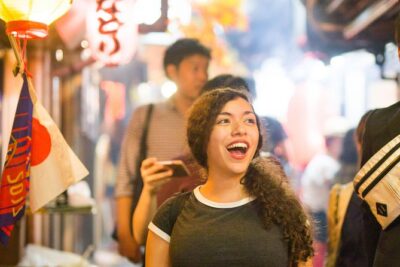 ★ 5.0Best of Shinjuku: Izakaya Food Tour (4 Stops, 14+ Tastings)From $921,863 reviews
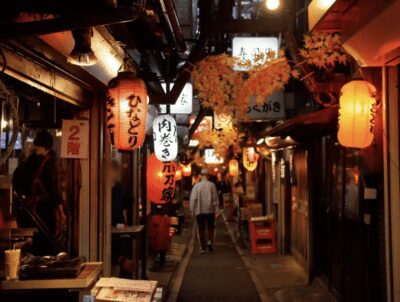 ★ 4.9Shinjuku Local Bar and Izakaya Guided Walking TourFrom $341,794 reviews
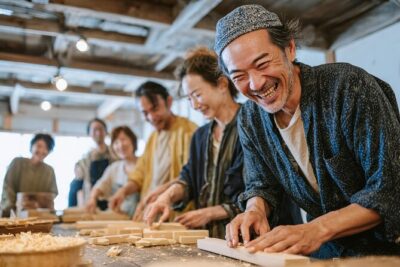 ★ 5.0Tokyo Shinjuku Chopsticks Making ClassFrom $201,763 reviews
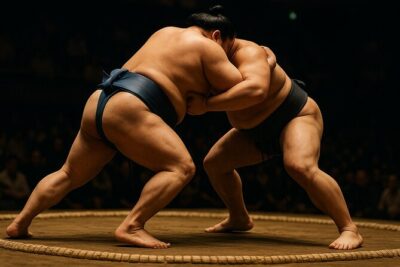 ★ 5.0Tokyo Shinjuku Sumo Show & Experience with PhotoFrom $791,750 reviews
 ★ 5.0Tokyo Night Foodie Tour in Shinjuku – Seasonal Sushi, Wagyu BeefFrom $1111,161 reviews
Browse the lists this tour appears in