
Reviewed · TOKYO
Tokyo: Taste the downtown atmosphere and enjoy Japanese culture
One good reason to book this is how quickly you feel the city’s spiritual side. This 3-hour, max-4-person tour mixes temple and shrine stops with a real goma fire blessing, then finishes with an included soba dinner so you do not have to hunt for food afterward. I especially liked how the guide explains what you’re seeing as you walk, and I liked that the group stays intimate enough to ask questions. The main drawback: the goma ritual involves loud sound for about 30 minutes, so it’s not a great fit if you dislike noise or have a weak heart.
If you want Tokyo without the tourist-slogan feeling, this one leans into old-school neighborhood culture. You’ll visit Tomioka Hachimangu, then head toward Fukagawa Fudo-do for Buddhist practice, with a short detour to a traditional sweets-and-sake area along the way. And in the small-group vibe, I found it mattered that the guide, Haruka, stayed attentive and kept the flow understandable instead of rushing you through sacred places.
In This Review
- Key points worth knowing before you go
- Price and what you’re really paying for
- Meeting at Monzen-nakacho and getting your bearings fast
- Stop 1: Tomioka Hachimangu shrine visit without the guesswork
- Stop 2: A short stop for traditional sweets and sake
- Stop 3: Fukagawa Fudo-do and the goma fire ritual (the heart of the tour)
- Stop 4: Soba noodle dinner at 中村屋門前そば
- What the guide actually adds (and why the small group matters)
- Timing: why 3:30 pm works
- Who should book this tour, and who should skip it
- Should you book Gotcha’s Tokyo spiritual tour?
- FAQ
- FAQ
- How long is the Tokyo tour?
- Where does the tour start and end?
- What is included in the tour price?
- Is the soba dinner included, and is there an allergy warning?
- What should I know before participating in the goma fire ritual?
- How big is the group?
Key points worth knowing before you go
- Small group of up to 4 keeps the pace calm and question-friendly
- Tomioka Hachimangu delivers classic shrine architecture with straightforward visiting guidance
- Fukagawa Fudo-do goma fire ritual is the emotional centerpiece, with loud sound for ~30 minutes
- A wish-card moment is included, so you can participate without extra hassle
- Soba dinner included ends the tour with food that fits the cultural theme
Price and what you’re really paying for
The price is $92.99 per person for about 3 hours. That number looks simple, but the value comes from three things: a guide who talks you through customs, participation in a real ritual (not just watching from a distance), and a sit-down-style soba dinner that you do not need to organize yourself.
Tokyo tours can feel like a shuffle between photo stops. Here, the cost leans toward interpretation and participation. The guide also includes payment for wish cards, which matters because it avoids the common problem of arriving at a ritual moment unsure what to do or where to get the right item.
You also get the advantage of admission listed as free at the main stops shown on the itinerary. That helps keep the day from feeling like you’re paying twice: once for the tour, then again at every gate.
Readers booked these Tokyo options in the same breath. Here is how each one scored:
- Mt Fuji and Hakone 1-Day Bus Tour Return by Bullet Train
★ 5.0 · 26,383 reviews - 1-Day Tokyo Bus Tour
★ 5.0 · 14,250 reviews - Tokyo: teamLab Planets TOKYO Digital Art Museum Entry Ticket
★ 4.6 · 9,779 reviews - Mt Fuji & Hakone Cruise, Drum Show Bullet Train 1 Day from Tokyo
★ 4.0 · 7,413 reviews
Meeting at Monzen-nakacho and getting your bearings fast
This tour starts at Tokyu Stay Monzen Nakacho (1-chōme-23-2 Tomioka, Koto City) at 3:30 pm. It ends at Monzennakacho Station (2-chome-4 Monzennakacho), so you’re not stuck at some random location with a long train trip afterward.
For me, the best part about ending near a station is freedom. You can keep exploring downtown Tokyo after the tour without planning an extra route. Also, the start is described as near public transportation, which usually means less stress and fewer last-minute delays.
The tour uses a mobile ticket, so you’re not juggling paper. That sounds small, but in Tokyo it helps you stay focused on the walk and the sites.
Stop 1: Tomioka Hachimangu shrine visit without the guesswork
Your first major stop is Tomioka Hachimangu (Tomioka Hachiman Shrine). This is a historic site in Tokyo known for beautiful architecture and strong cultural significance. The itinerary sets aside about 20 minutes, which is a smart amount of time for a shrine introduction.
You’ll have a chance to see the main hall where visitors can offer prayers. The key value here is that your guide helps you understand what you’re looking at and how local customs typically work. Even if you’ve been to a shrine before, you’ll usually appreciate the pacing and the reminders about small etiquette details.
A small consideration: 20 minutes can feel quick if you’re a slower photographer. But for most people, it’s a good warm-up that gets you from street-level Tokyo into shrine-land without burning time.
Stop 2: A short stop for traditional sweets and sake
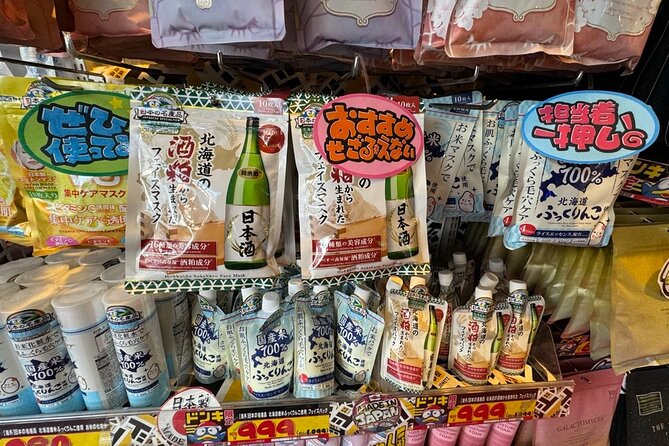
Next comes a quick local detour at 1-chōme-8-12 Tomioka. The time block is about 10 minutes, and it focuses on a traditional Japanese sweets shop plus a store specializing in sake.
This isn’t billed as a long tasting tour. It’s more like a cultural side window, giving you a feel for the neighborhood economy around these temples and shrines. In practical terms, it’s also a good mental reset after your first spiritual stop.
If you’re the type who likes to know what locals actually buy—rather than just what tourists snack on—this short pause fits your style. If you’re only interested in ceremonies and you skip shopping, you can still enjoy the atmosphere and move on quickly.
Stop 3: Fukagawa Fudo-do and the goma fire ritual (the heart of the tour)
The longest stop is Fukagawa Fudo-do, with about 1 hour 40 minutes. This is where the tour becomes more than sightseeing: you participate in a goma fire ritual, a sacred Buddhist ceremony.
Here’s what makes it memorable. Priests burn wooden sticks with written prayers. The purpose is described as purifying and removing negative energies. Whether you’re religious or just curious, this is the moment where you feel how belief turns into practice.
Important practical note: the goma experience includes a loud sound lasting about 30 minutes. The tour instructions even flag this for people with a weak heart or anyone who does not like loud noises. So be honest with yourself here. If noise bothers you, skip the ritual portion with your guide’s guidance, or choose a different tour type.
On the emotional side, the ritual is also where the reviews really glow. One highlight from a review called it a powerful moment, mixing history and style. Another review specifically praised the goma prayer as powerful and noted the guide’s attentive approach—mentioning how Haruka was kind and responsive.
What I like about placing this in the middle of the tour is that you’re fresh enough to take it seriously, but you also have context from earlier stops. The guide’s explanations help you avoid treating it like a spectacle. You’ll likely understand what you’re seeing as you see it.
- Tokyo: Shinjuku Food Tour (13 Dishes at 4 Local Eateries)★ 5.0 · 6,603 reviews
- Tokyo Mt Fuji 5th St & Hakone Cruise Bus Tour w/Bullet Train★ 4.4 · 5,024 reviews
- Flagship 2-Hours Official Street Go-Kart Tour – Tokyo Bay Shop★ 5.0 · 4,974 reviews
- From Tokyo: Mount Fuji Full-Day Sightseeing Trip★ 4.5 · 4,970 reviews
- Tokyo: Hop-On Hop-Off Sightseeing Bus Ticket★ 3.9 · 4,207 reviews
Stop 4: Soba noodle dinner at 中村屋門前そば
After temple time, the tour fixes the most common traveler problem: hunger. The final stop is a traditional soba (buckwheat noodle) dinner at 中村屋門前そば, set for about 50 minutes.
Since the soba dinner cost is included, you don’t have to decide on the fly. That’s a real quality-of-life win in Tokyo, where “Where should we eat?” can turn into a stressful last-minute search.
One note up front: the tour requests you refrain from eating if you are allergic to buckwheat. If you have a serious allergy, do not gamble. If you’re unsure, confirm before booking.
This meal also ties the cultural thread together. Soba is not an afterthought. It’s a fitting way to end a spiritual, neighborhood-focused afternoon, and it gives you time to slow down after the intensity of the goma ritual.
What the guide actually adds (and why the small group matters)
This is a small-group tour with a maximum of 4 travelers. That’s the difference between hearing a guide and being forced to shout across a crowd. In practice, small group size means you can ask: What does this mean? What should I do here? Why does this ritual look like this?
The guide helps translate and explain local customs, which is the big theme of the tour. Instead of learning Japan from a screen, you learn it from what’s happening around you. You’ll also have a moment for wish cards because payment for them is included, so you can participate without searching.
One review praised the guide for being really nice and knowledgeable about Japanese culture, and another mentioned how Haruka was attentive and made the experience feel wonder-filled. Even if you’re traveling independently, it helps to have someone help you interpret sacred places quickly so you can enjoy the day rather than decode it alone.
Timing: why 3:30 pm works
This tour starts at 3:30 pm. The timing matters because it’s late enough for daylight city energy, but early enough that you can still end before the night turns into full-on Tokyo chaos.
You also get a natural rhythm:
- Shrine and neighborhood culture first
- Then the longer ritual block at Fukagawa Fudo-do
- Finish with dinner and breathing room near a station
That flow is part of the value. It’s not just about stacking stops. It’s about pacing your attention.
Who should book this tour, and who should skip it
Book it if you want a spiritual and historical Tokyo experience that still feels human. It fits you if you like small groups, enjoy respectful participation (rather than passive photos), and want a built-in meal.
Skip or consider carefully if:
- Loud sound during the goma lasts about 30 minutes, and you know you’re sensitive to noise
- You have a buckwheat allergy
- You only want minimal walking and zero ceremony time (this tour includes a real ritual and multiple explanation moments)
If you’re a first-time Tokyo visitor, this also works well because it gives you a sample of Japan’s shrine-and-Buddhist rhythm without trying to compress everything into one exhausting day.
Should you book Gotcha’s Tokyo spiritual tour?
I’d recommend booking this if you want Tokyo’s spiritual side with a practical, guided plan and a real ending at dinner. The combination of Tomioka Hachimangu, the Fukagawa Fudo-do goma ritual, and the included soba dinner makes the price feel more like a day out with interpretation than a ticket to a checklist.
The decision hinge is the goma. If loud sound for about 30 minutes worries you, pick a different tour style. If it doesn’t, you’re likely to leave with a memory that feels more like participation than sightseeing.
FAQ
FAQ
How long is the Tokyo tour?
It runs for about 3 hours.
Where does the tour start and end?
It starts at Tokyu Stay Monzen Nakacho (1-chōme-23-2 Tomioka, Koto City) and ends near Monzennakacho Station (2-chome-4 Monzennakacho, Koto City).
What is included in the tour price?
The tour includes a guide, the cost of the soba dinner, and payment for wish cards.
Is the soba dinner included, and is there an allergy warning?
Yes, the tour includes a soba (buckwheat noodle) dinner. You’re asked not to eat if you are allergic to buckwheat.
What should I know before participating in the goma fire ritual?
The goma experience includes loud sound lasting about 30 minutes. It’s not recommended if you have a weak heart or you do not like loud noises.
How big is the group?
The tour has a maximum of 4 travelers.
More Tour Reviews in Tokyo
- Mt Fuji and Hakone 1-Day Bus Tour Return by Bullet Train
★ 5.0 · 26,383 reviews - 1-Day Tokyo Bus Tour
★ 5.0 · 14,250 reviews - Tokyo: teamLab Planets TOKYO Digital Art Museum Entry Ticket
★ 4.6 · 9,779 reviews - Mt Fuji & Hakone Cruise, Drum Show Bullet Train 1 Day from Tokyo
★ 4.0 · 7,413 reviews - Tokyo: Shinjuku Food Tour (13 Dishes at 4 Local Eateries)
★ 5.0 · 6,603 reviews





