
Reviewed · TOKYO
Tokyo Time Machine Exploring Old School Monzen Nakacho
Tokyo has plenty of famous sights, but this one has character. You’ll trade the usual Tokyo crowd routes for Monzen-Nakachō, where old food shops, temples, and tiny bars still feel like they belong to real daily life. I love the way the day mixes major spiritual stops with late-night alley energy, and I especially like that your guide translates so you can actually talk and ask questions. One possible drawback: the food-and-drink focus means it can lean more toward alcohol (including sake) than some people expect.
What makes it feel like a time machine is the pacing. You move from the big red sweep of a shrine into a temple known for its Goma fire rituals, then end in a narrow district packed with small bars from the Showa era—about 30 places in that alley stretch. With a group capped at 6 and lots of included tastings, you’re not spending your day hunting for what to eat.
Plan for a 6-hour chunk that starts at 1:00 pm and ends back near where you began. The meeting point is Monzen-nakacho Station (2 Chome-4, Monzennakacho, Koto City). It runs with a mobile ticket, and there’s no private transportation included—so you’ll rely on local trains and short walks, which is part of the fun.
In This Review
- Key things I’d highlight before you book
- Why Monzen-Nakachō Feels Like a Time Machine at 1pm
- Small-Group Pace and Guide Translation: No Language Barriers
- Tsurugaoka Hachimangu Shrine and Its Sumo Echoes
- Fukagawa Fudodo: Fox Inari Walk and Goma Fire Rituals
- Tatsumi Shindo Alley: Showa-Era Bar Hopping Without a Plan
- What You Really Eat and Drink (Coffee, Dinner, and Alcohol)
- Price Breakdown: What $195 Buys in Real Tokyo Time
- Getting There, What to Wear, and How to Plan Your Day
- Who This Tour Suits Best
- Should You Book Tokyo Time Machine Exploring Old School Monzen Nakacho?
- FAQ
- What’s included in the tour?
- How long is the tour?
- Where is the meeting point?
- Is transportation provided?
- Is there language help?
- How big is the group?
- What time does the tour start?
- Can I cancel for a full refund?
Key things I’d highlight before you book
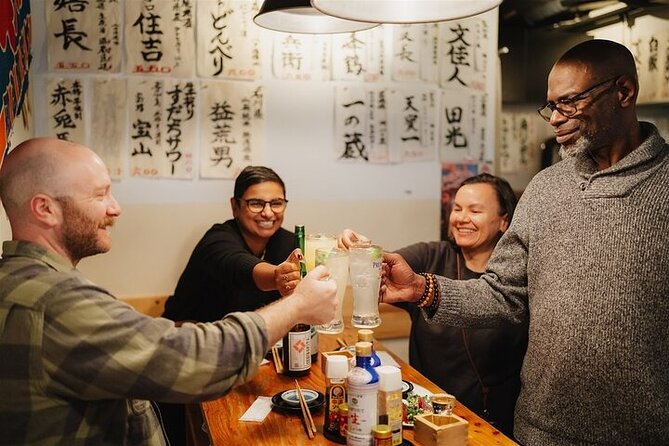
- Monzen-Nakachō over the usual tourist magnets: you’ll see Tokyo that doesn’t feel staged.
- Max group size of 6: easier conversations, quicker help, less standing around.
- Guide translation for real interactions: you’re not just looking; you’re asking.
- Temple-to-alley itinerary: shrine calm, ritual detail, then bar energy.
- Included meals and drinks: coffee/tea, snacks, dinner, and alcoholic beverages.
- Guides you can learn from: multiple guides get praised for stories and thoughtful pacing, including people like Diana, Michelle, China, Nicole, Maira, and Chika.
Why Monzen-Nakachō Feels Like a Time Machine at 1pm
If you’ve only visited Tokyo’s famous neighborhoods, Monzen-Nakachō can feel like someone turned down the volume. Instead of neon everything, you get long-running shops and quieter streets that feel lived-in. That difference matters, because you’re not just collecting photos—you’re learning how people actually spend time here.
Starting at 1:00 pm is also smart. You’re not fighting the morning rush, and you can enjoy the shrine and temple stops with more breathing room. Then the day naturally slides into evening, when tiny bars start to feel like the point of the neighborhood.
I also like that you don’t need to be a hardcore foodie to enjoy this. Even if you’re not chasing “the best ramen” every ten minutes, the tastings and explanations help you understand what you’re seeing and tasting.
Readers booked these Tokyo options in the same breath. Here is how each one scored:
- Mt Fuji and Hakone 1-Day Bus Tour Return by Bullet Train
★ 5.0 · 26,383 reviews - 1-Day Tokyo Bus Tour
★ 5.0 · 14,250 reviews - Tokyo: teamLab Planets TOKYO Digital Art Museum Entry Ticket
★ 4.6 · 9,779 reviews - Mt Fuji & Hakone Cruise, Drum Show Bullet Train 1 Day from Tokyo
★ 4.0 · 7,413 reviews
Small-Group Pace and Guide Translation: No Language Barriers
The biggest practical win is the guide translation. In Tokyo, “ordering” is one thing. But asking what something is, why a shop serves it a certain way, or what a ritual means? That’s where guided time becomes worth paying for.
This tour keeps the group small—up to 6 people—which changes the vibe. You don’t get stuck behind a crowd while someone else asks all the questions. In past tours, guides have been praised for being friendly and story-driven, and even for handling special needs like limited mobility (so the team shows flexibility).
One more note: you’ll be walking. This isn’t a sit-and-ride experience. Comfortable walking shoes are your best “souvenir.”
Tsurugaoka Hachimangu Shrine and Its Sumo Echoes
Stop 1 is Tsurugaoka Hachimangu Shrine, known as one of Tokyo’s major Hachiman shrines. You’re there for more than the red torii photos. The shrine connects to sumo history, including a yokozuna stele, and that gives you a “sports history + religion” angle that’s easy to remember later.
What you can expect:
- A striking shrine entrance and a strong sense of atmosphere.
- Easy-value learning: the guide ties the site to stories you can repeat.
- Free admission.
There are also monthly markets on the 1st, 15th, and 28th. You might catch that lively market energy depending on the day you go. Even if you don’t, the shrine is still worth your time because it sets the tone for the rest of the afternoon—quiet, traditional, and clearly part of ongoing local life.
Fukagawa Fudodo: Fox Inari Walk and Goma Fire Rituals
Stop 2 shifts you into Fukagawa Fudodo, a temple famous for Goma fire rituals and impressive wooden statues. This is one of those stops where the contrast helps. The guide gives context so you understand what you’re looking at—because without that, it’s easy to miss the “why” behind what monks do and what worshippers pay attention to.
You’ll also see fox inari shrines along the approach, which is a nice visual thread. It connects the spiritual world you’re stepping into with another side of Japanese religious culture you may already recognize.
What makes this stop stand out (in a good way):
- Free entry.
- Ritual-focused details that turn sightseeing into understanding.
- A route that feels like a gentle walk through layers of belief.
About the fire ritual: the temple is known for it, and the guide will help connect the Goma tradition to what you see. If you’re the type who likes religion-as-practice rather than religion-as-museum, this part should hit.
Tatsumi Shindo Alley: Showa-Era Bar Hopping Without a Plan
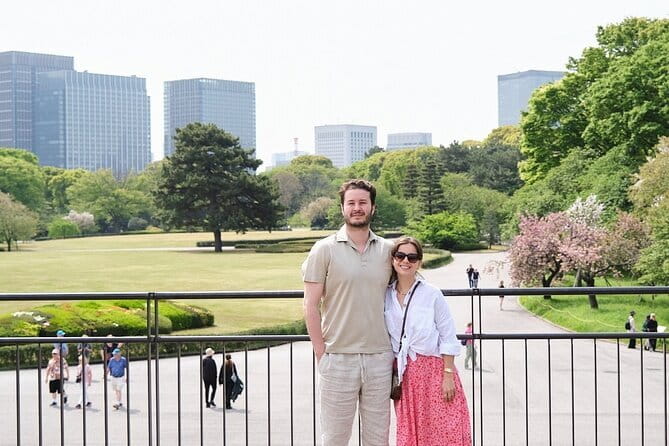
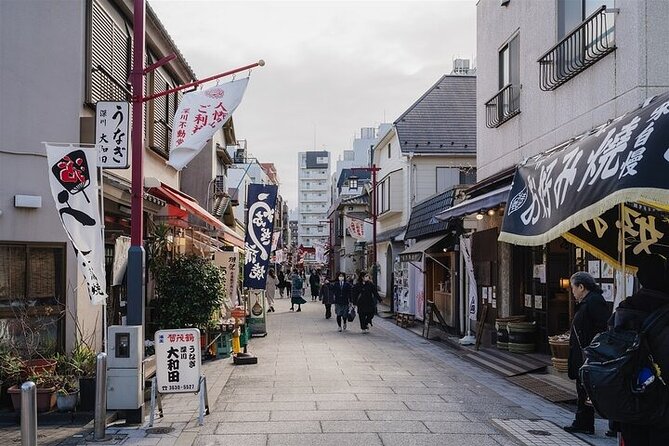
Stop 3 is where the day turns into pure neighborhood mood: Tatsumi Shindo, an alley packed with about 30 tiny bars. This is the Showa era feel people talk about—close seating, small signs, and that “you’d never plan this alone” energy.
You get about 2 hours here, which is plenty time to:
- Try several small options rather than committing to one big meal.
- Feel the rhythm of the alley without rushing.
- Notice how different bar styles share the same street life.
In terms of what you might drink and eat, the vibe includes things like karaoke, yakitori, and motsu-nikomi. Past participants also mention tastings such as plum wine and other small alcohol pairings. Some people love the alcohol focus; one person wished the tour leaned more toward food rather than sake. So here’s my practical advice: if you don’t care for sake, tell the guide early. With a small group, you’re more likely to get a balanced experience that still keeps you moving through the neighborhood.
And yes, this stop can feel more “late night” than “tea time,” even though the tour starts in the afternoon. It’s a good match for anyone who wants the Tokyo you only see when the train lights start to come on.
- Tokyo: Shinjuku Food Tour (13 Dishes at 4 Local Eateries)★ 5.0 · 6,603 reviews
- Tokyo Mt Fuji 5th St & Hakone Cruise Bus Tour w/Bullet Train★ 4.4 · 5,024 reviews
- Flagship 2-Hours Official Street Go-Kart Tour – Tokyo Bay Shop★ 5.0 · 4,974 reviews
- From Tokyo: Mount Fuji Full-Day Sightseeing Trip★ 4.5 · 4,970 reviews
- Tokyo: Hop-On Hop-Off Sightseeing Bus Ticket★ 3.9 · 4,207 reviews
What You Really Eat and Drink (Coffee, Dinner, and Alcohol)
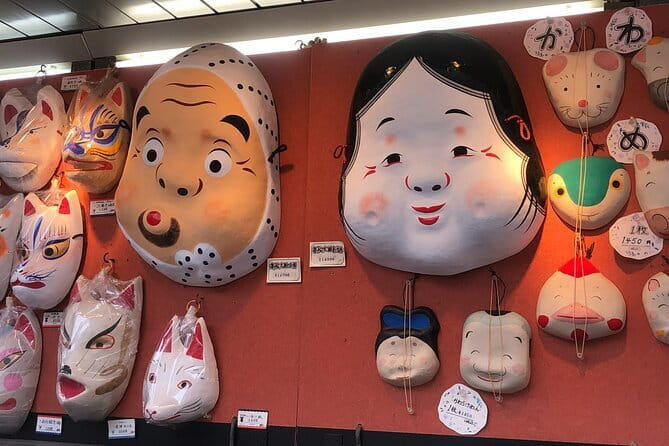
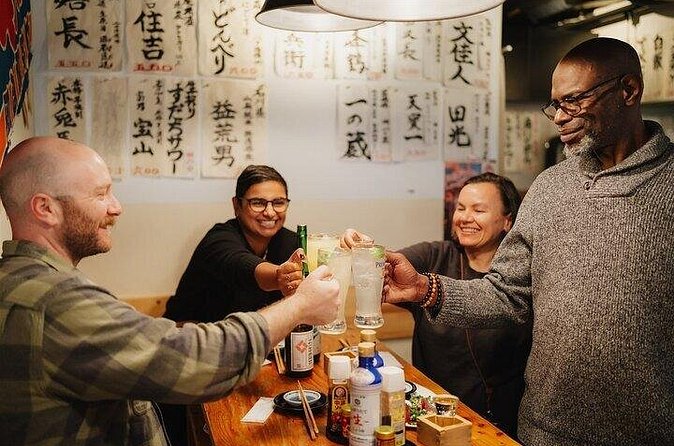
This tour includes coffee and/or tea, snacks, dinner, and alcoholic beverages. That’s a big part of the value, because Tokyo food can add up quickly—especially when you’re trying to sample multiple places.
You’ll be bouncing between smaller, local spots where the guide helps you navigate both ordering and context. In many tours, that might be “Here’s a bite.” Here, it’s more like, “Here’s a bite, and here’s what it means.” And because the group is small, you’re usually not stuck waiting around.
One detail worth planning around: the included drinks can matter to your pace. If you want a lighter day, you can still enjoy everything, but consider moving slowly and pacing your tastings. If you like sake (or you’re curious), you’ll likely have a great time here.
Also, you’ll get plenty of chances to try different styles—some classic, some with twists. The best part is that you’re not doing it alone. Someone else is handling the flow, so you can focus on tasting and listening.
Price Breakdown: What $195 Buys in Real Tokyo Time
At $195 per person, this isn’t a cheap impulse purchase. But you’re not paying only for a walk with a person holding a map.
You’re paying for:
- A small-group guide who translates for you.
- Multiple tastings across different kinds of local stops.
- Dinner plus snacks, coffee/tea, and alcoholic beverages.
- Visits to major cultural sites where entry is free (at least for the shrine and temple stops you make).
If you try to replicate this yourself, you’ll spend real time researching where to go, what to order, and how to talk to shop owners without slowing the day down. In Tokyo, that “invisible labor” is often what you buy with a good guide tour.
The other value piece is timing. You’re guided through three distinct “moods” of the city—shrine, temple/ritual, and bar alley—without you needing to stitch together the day yourself.
One practical consideration: since drinks are included, your final “value feeling” will depend on how much you enjoy that part of the experience.
Getting There, What to Wear, and How to Plan Your Day
You meet at Monzen-nakacho Station at 2 Chome-4, Monzennakacho, Koto City, Tokyo 135-0048. The tour ends back at the meeting point, so you’re not stuck figuring out a long transit chain at the end.
No private transportation is included. That means:
- Plan on using public transit.
- Expect short walks between stops.
- Wear shoes you’ll be happy to stand in for hours.
Since the start time is 1:00 pm, I’d plan a lighter morning. You’ll likely want energy for walking and nibbling across multiple places. Also, the final alley portion can run into evening vibes, so a light layer helps if you’re traveling during a cooler season.
Mobile ticket is used, so you won’t need to print anything. Just have your phone charged and ready.
Who This Tour Suits Best
This is a great fit if you want Tokyo that feels local, not just famous. I’d especially recommend it for:
- People who like food tours that include cultural context, not only tasting notes.
- Travelers who want conversation-friendly guidance in English (thanks to translation).
- Anyone who enjoys shrines/temples but also wants the fun street-side contrast afterward.
- First-timers to Tokyo who already saw the obvious stuff and want a second chapter.
If you hate alcohol-focused experiences or you strongly dislike sake, you can still enjoy the neighborhood and the temple stops. Just manage expectations and make your preferences clear at the start, so the tastings match your tastes.
If you need step-free routes or special accommodations, the tour says most travelers can participate, and guide feedback includes examples of flexibility for limited mobility. Still, it’s smart to ask directly before you go so you get the right reassurance.
Should You Book Tokyo Time Machine Exploring Old School Monzen Nakacho?
Yes, if you want a day that mixes temples, ritual stories, and a real neighborhood bar alley—handled with translation, small-group attention, and included food and drinks. The value is strongest when you’re open to tasting across multiple stops and you like learning why people do things, not just what to photograph.
I’d pass or approach carefully if you:
- Don’t want alcohol to be a major part of your day.
- Prefer to roam entirely on your own without a scheduled pace.
- Want a purely daytime, quiet sightseeing itinerary.
If you’re the type who likes “Tokyo after the crowds,” this is one of the better ways to spend an afternoon.
FAQ
What’s included in the tour?
The tour includes coffee and/or tea, snacks, dinner, and alcoholic beverages.
How long is the tour?
It lasts about 6 hours.
Where is the meeting point?
You meet at Monzen-nakacho Station (2 Chome-4, Monzennakacho, Koto City, Tokyo 135-0048, Japan).
Is transportation provided?
Private transportation is not included. The tour is near public transportation.
Is there language help?
Yes. There’s no language barrier because the guide translates for you.
How big is the group?
The maximum group size is 6 travelers.
What time does the tour start?
It starts at 1:00 pm.
Can I cancel for a full refund?
Yes, you can cancel for a full refund up to 24 hours before the experience starts. Changes made less than 24 hours before the start time aren’t accepted.
More Tour Reviews in Tokyo
- Mt Fuji and Hakone 1-Day Bus Tour Return by Bullet Train
★ 5.0 · 26,383 reviews - 1-Day Tokyo Bus Tour
★ 5.0 · 14,250 reviews - Tokyo: teamLab Planets TOKYO Digital Art Museum Entry Ticket
★ 4.6 · 9,779 reviews - Mt Fuji & Hakone Cruise, Drum Show Bullet Train 1 Day from Tokyo
★ 4.0 · 7,413 reviews - Tokyo: Shinjuku Food Tour (13 Dishes at 4 Local Eateries)
★ 5.0 · 6,603 reviews





