
Reviewed · TOURS
Tokyo: True Crime And Ghost Stories Tour
Dark tales start in Shinjuku. This 3-hour Tokyo true crime and ghost stories tour takes you from Kabukicho’s red-light grit to the eerie grounds tied to Unit 731, then ends at Aoyama Cemetery for classic Japanese ghost storytelling and a stop at the grave of Hachiko. I especially like John’s mix of sharp historical context and dark humor, and I like how the tour forces you to look at neighborhoods (not just landmarks) and what they became. The main drawback: it’s not for the easily grossed-out or faint-hearted—there’s adult language and sensitive topics, and you’ll do a good amount of walking.
You’ll meet John—a thin, bald white man—just outside the stairs leading up to the main shrine building at Hanazono Shrine in Shinjuku, near Golden Gai. From there, you follow a guided route built around three big mood shifts: organized crime and sex-industry history in Kabukicho, unsettling war-crimes-linked sites at Toyama Park, and then the atmosphere of Aoyama Cemetery as the stories turn more paranormal. One consideration before you book: the tour isn’t suitable for children under 14, wheelchair users, or anyone with low fitness, and it isn’t recommended for people who tire easily.
In This Review
- Key highlights worth centering in your plan
- Shinjuku’s true crime start: Hanazono Shrine, Golden Gai, and John’s tone
- Kabukicho without the tourist filter: what you see and what John connects
- Toyama Park and the Unit 731 theme: why this stop hits so hard
- Aoyama Cemetery at night-feeling: classic Japanese ghost stories with context
- The Hachiko counterweight: when tenderness matters on a dark tour
- Logistics that matter: 3 hours, walking pace, and your comfort level
- Who this Tokyo tour suits best (and who should skip it)
- Should you book the Tokyo True Crime and Ghost Stories tour?
- FAQ
- How long is the Tokyo True Crime and Ghost Stories Tour?
- Where do I meet the guide?
- What language is the tour in?
- Is the tour suitable for children or wheelchair users?
- What’s included in the price, and is there anything extra to pay?
- Can I cancel for a refund?
Key highlights worth centering in your plan
- Kabukicho under a spotlight: See Japan’s biggest red light district and hear how gang wars and murders shaped it.
- Toyama Park and Unit 731 themes: Walk through a place described as a mini-Auschwitz tied to human experimentation.
- Aoyama Cemetery ghost stories: You get Japanese paranormal tales in a cemetery setting that fits the mood.
- Hachiko’s grave stop: A very real, emotional counterpoint to the darker material.
- John’s storytelling style: Reviews consistently mention his acting, humor, and willingness to answer questions.
Shinjuku’s true crime start: Hanazono Shrine, Golden Gai, and John’s tone
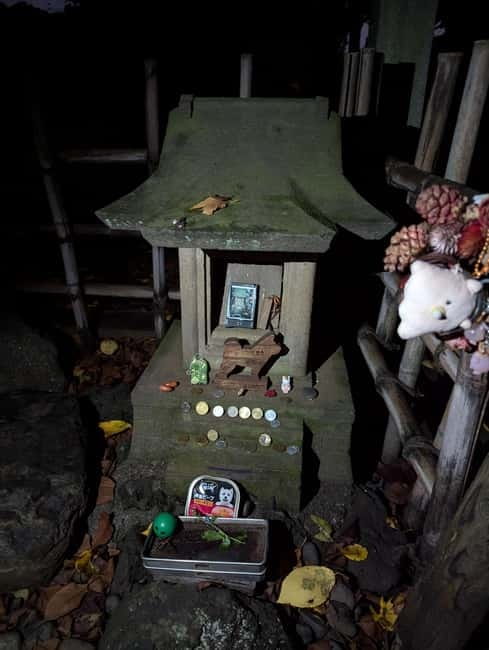
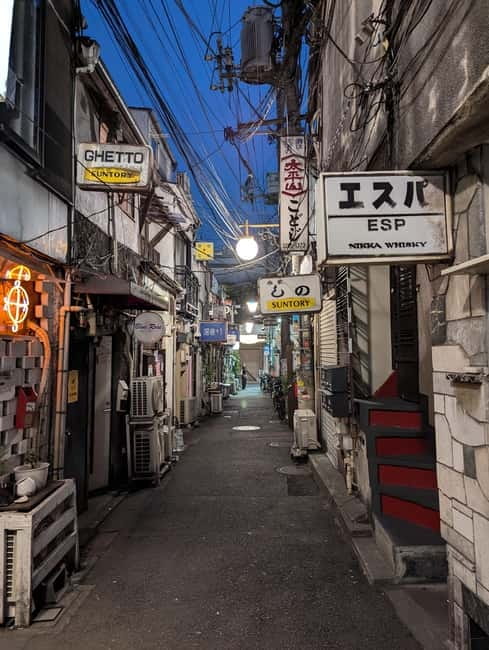
This tour begins at Hanazono Shrine, in the Shinjuku area where the streets around Golden Gai feel like a scene-setting prologue. Your meeting point is specific: just in front of the stairs leading up to the main shrine building inside the shrine grounds. The guide is John, and you’ll recognize him easily thanks to how the tour is described (thin, bald, and easy to spot once you know where to look).
The best part of starting at a shrine in this neighborhood is that it frames what comes next. Tokyo can look orderly from a distance, but Shinjuku shows you the city’s multiple lives at once—devotion, nightlife, reinvention, and the stories people don’t put on postcards. John sets expectations early through delivery: dark-and-dirty humor paired with serious context. That balance matters, because the topics in this route are sensitive and often blunt.
The walking rhythm also matters. Even though the whole experience is only 3 hours, it’s designed for people who can handle continuous city streets. If you tire easily, you’ll feel it by the time you reach the cemetery portion where the pace and atmosphere both intensify.
Readers booked these Tokyo options in the same breath. Here is how each one scored:
- Mt Fuji and Hakone 1-Day Bus Tour Return by Bullet Train
★ 5.0 · 26,383 reviews - 1-Day Tokyo Bus Tour
★ 5.0 · 14,250 reviews - Tokyo: teamLab Planets TOKYO Digital Art Museum Entry Ticket
★ 4.6 · 9,779 reviews - Mt Fuji & Hakone Cruise, Drum Show Bullet Train 1 Day from Tokyo
★ 4.0 · 7,413 reviews
Kabukicho without the tourist filter: what you see and what John connects
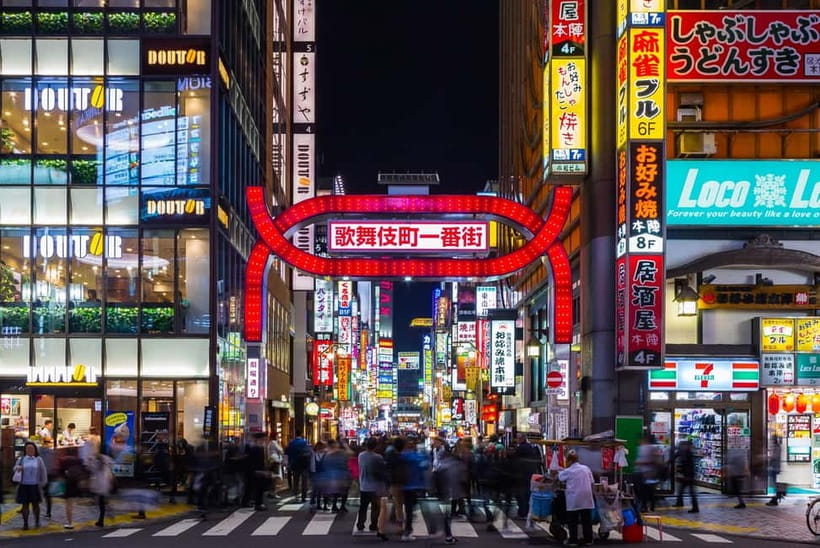
After meeting at Hanazono Shrine, the tour goes into Shinjuku’s Kabukicho, where you’re looking at Japan’s largest red light district. Kabukicho is famous, but what you get here is the story behind the label: how gang conflict, murders, and a quasi-legal sex industry shaped the neighborhood’s identity. In other words, you’re not just being shown street corners—you’re being asked to connect patterns.
Kabukicho is also where John’s humor helps keep the tour moving. Several comments in the feedback praise his acting-like delivery, plus jokes that lighten the mood when things get grim. That doesn’t erase the subject matter, but it prevents the experience from turning into one long slog of sadness. You’ll also hear the kind of “why this place got this reputation” explanation that’s hard to learn from guidebooks.
Still, this is the part where you need to self-check. If adult language or the topic of sex-related venues makes you uncomfortable, Kabukicho is where it’s most likely to hit. The tour isn’t shy about describing the darker side of the city, and the route is built around that honesty.
Toyama Park and the Unit 731 theme: why this stop hits so hard
Then comes Toyama Park, described in the tour experience as a place shrouded in mystery—and tied to extremely dark crimes against humanity. The tour frames this stop through the lens of Unit 731 and its human experimentation projects, including a comparison to a mini-Auschwitz style of atrocity. If your interest in true crime is partly about history and accountability, this is the emotional core.
What makes Toyama Park valuable on this specific tour is the way it’s positioned between the “nightlife-grit” of Kabukicho and the “ghost-story atmosphere” of the cemetery. You go from gangs and quasi-legal exploitation to war-crimes-level brutality, and then to haunting tales. That shift sounds theatrical, but it’s actually a lesson in how Tokyo holds different layers of pain in different types of spaces.
A practical note: this is still a walking tour, and the content is heavy. If you’re the type who likes to keep evenings upbeat, this stop can slow your pace mentally even when your legs are still moving.
Aoyama Cemetery at night-feeling: classic Japanese ghost stories with context
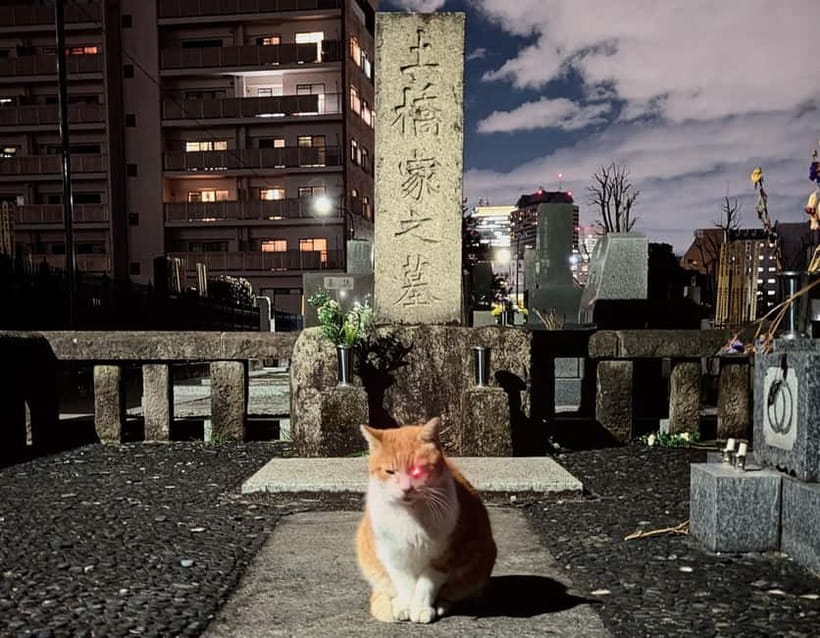
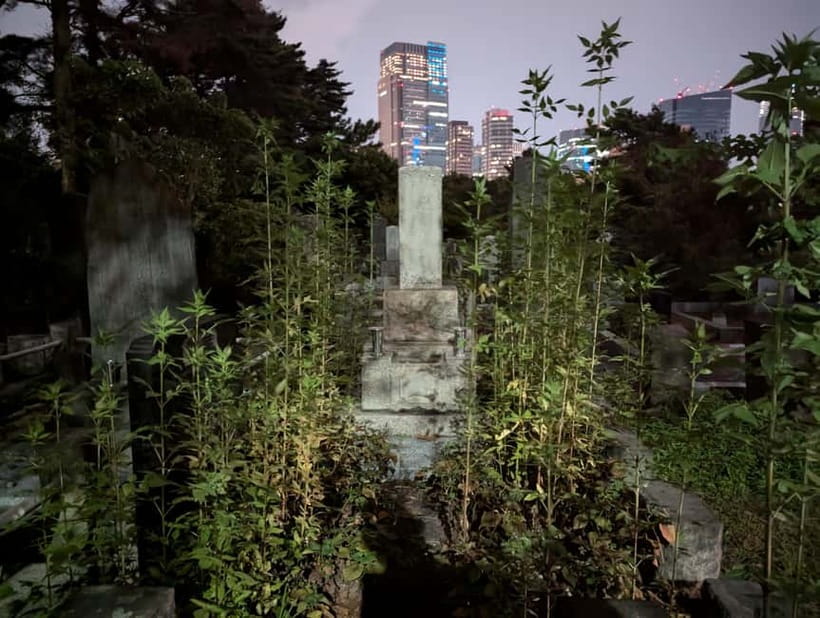
The final “big mood” is Aoyama Cemetery, the largest cemetery in Tokyo. The tour’s ghost storytelling lands here because the setting is already built for it. You’re not asked to imagine spookiness—you’re placed in a real environment where Japan’s paranormal traditions feel more plausible than they do in a studio set.
One standout detail: the tour doesn’t only do generic “boo” tales. It focuses on Japanese ghost-story traditions in a way that matches the location. You also add a deeply human pivot at the cemetery: the tour visits the grave of Hachiko, Japan’s famously loyal dog. That stop creates an emotional contrast—after hearing about violence and war crimes, you end on something tender and locally iconic.
If you like your scares with structure, this is the section to pay attention to. John’s style tends to keep stories moving without turning them into chaos. And because the tour is only 3 hours, the cemetery content won’t drag past the point where you still care.
The Hachiko counterweight: when tenderness matters on a dark tour
It’s easy to underestimate how much a single stop can change a tour’s tone. Hachiko’s grave does exactly that here. This is the kind of “real Tokyo” detail that many visitors miss because it doesn’t fit the obvious category of true crime or paranormal.
On a tour this dark, Hachiko acts like a pressure-release valve. You’re still in the world of stories and memory, but the story becomes about loyalty and remembrance rather than cruelty. That gives your brain a chance to metabolize what you just heard instead of carrying it into the rest of your night.
If you plan your Tokyo time tightly, this also helps. You finish near Aoyama-Itchome Station, which makes it easier to get back to your hotel area without ending your evening at some remote point.
- Tokyo: Shinjuku Food Tour (13 Dishes at 4 Local Eateries)★ 5.0 · 6,603 reviews
- Tokyo Mt Fuji 5th St & Hakone Cruise Bus Tour w/Bullet Train★ 4.4 · 5,024 reviews
- Flagship 2-Hours Official Street Go-Kart Tour – Tokyo Bay Shop★ 5.0 · 4,974 reviews
- From Tokyo: Mount Fuji Full-Day Sightseeing Trip★ 4.5 · 4,970 reviews
- Tokyo: Hop-On Hop-Off Sightseeing Bus Ticket★ 3.9 · 4,207 reviews
Logistics that matter: 3 hours, walking pace, and your comfort level
This tour runs for 3 hours and is conducted in English by a live guide. It’s designed as a walking route with multiple guided segments (the tour experience is split into guided portions totaling about 120 minutes, with the rest time used for movement and setup).
The price is $35 per person, which is relatively affordable for a private-feeling storytelling tour in central Tokyo. You also avoid entry fees on the route—there are no entry fees listed for the places you visit. The trade-off is the walking: you’ll cover enough ground that your footwear and stamina matter.
On the cost front, plan for 200 yen for transportation fees as listed. Since it’s not a food tour, you’ll want to eat before or after depending on your schedule. The route also doesn’t include dinner, so don’t build your evening around getting fed by the tour.
Comfort and suitability are the bigger deal than money. The tour explicitly isn’t for:
- children under 14
- wheelchair users
- people with low fitness
- people over 300 lbs / 136 kg
- anyone who tires easily or gets grossed out easily
Also, adult language and dark/dirty humor are part of the format.
Who this Tokyo tour suits best (and who should skip it)
This is a great match for you if you like true crime storytelling, Japanese paranormal lore, and you want to see Tokyo neighborhoods with an honest edge. It’s also ideal if you like guides who don’t just recite facts—John’s acting flair and humor show up repeatedly, and many people mention he answers questions and keeps the group engaged.
It’s not the right choice if you want light sightseeing, family-friendly content, or a purely historical lecture. The tour intentionally blends grim themes with jokes, and it uses adult humor at times. If that sounds stressful rather than fun, you’ll have a better night picking a different style of tour.
Finally, go into it with the right expectation of pacing. It’s short in hours, but it’s long in “brain focus.” You’ll be taking in sensitive stories while moving through real neighborhoods.
Should you book the Tokyo True Crime and Ghost Stories tour?
Book it if you want a 3-hour English walking experience that mixes Tokyo’s underworld neighborhood energy with war-crimes-linked themes and then lands on ghost stories in Aoyama Cemetery—all led by John, whose delivery is described as funny, dramatic, and well connected to context. The value is strong: you’re paying for live guide time and storytelling, not museum tickets, and the route is concentrated near major areas (ending at Aoyama-Itchome Station).
Don’t book it if your comfort level is low for adult language, prostitution/sex-related topics, murder themes, or gore-style storytelling. Also skip it if you know you’ll struggle with walking.
If you’re on the fence, use your own filter: are you here for the dark side of Tokyo as a learning and atmosphere experience? If yes, this tour is the kind you’ll remember long after the streets look the same again.
FAQ
How long is the Tokyo True Crime and Ghost Stories Tour?
It lasts 3 hours.
Where do I meet the guide?
Meet just in front of the stairs leading up to the main shrine building inside the premises of Hanazono Shrine in Shinjuku, near Golden Gai.
What language is the tour in?
The tour is in English.
Is the tour suitable for children or wheelchair users?
No. It’s not suitable for children under 14 and it’s not suitable for wheelchair users.
What’s included in the price, and is there anything extra to pay?
The guide fee is included, along with a live guide. Transportation fees of 200 yen are not included, and dinner is not part of the tour.
Can I cancel for a refund?
Yes. There’s free cancellation up to 24 hours in advance for a full refund.
More Tours in Tokyo
- Mt Fuji and Hakone 1-Day Bus Tour Return by Bullet Train
★ 5.0 · 26,383 reviews - 1-Day Tokyo Bus Tour
★ 5.0 · 14,250 reviews - Tokyo: Shinjuku Food Tour (13 Dishes at 4 Local Eateries)
★ 5.0 · 6,603 reviews - Tokyo Mt Fuji 5th St & Hakone Cruise Bus Tour w/Bullet Train
★ 4.4 · 5,024 reviews - Flagship 2-Hours Official Street Go-Kart Tour – Tokyo Bay Shop
★ 5.0 · 4,974 reviews
More Tour Reviews in Tokyo
- Mt Fuji and Hakone 1-Day Bus Tour Return by Bullet Train
★ 5.0 · 26,383 reviews - 1-Day Tokyo Bus Tour
★ 5.0 · 14,250 reviews - Tokyo: teamLab Planets TOKYO Digital Art Museum Entry Ticket
★ 4.6 · 9,779 reviews - Mt Fuji & Hakone Cruise, Drum Show Bullet Train 1 Day from Tokyo
★ 4.0 · 7,413 reviews - Tokyo: Shinjuku Food Tour (13 Dishes at 4 Local Eateries)
★ 5.0 · 6,603 reviews
Latest Tokyo reviews off our desk






Tours, compared.
 ★ 5.0Mt Fuji and Hakone 1-Day Bus Tour Return by Bullet TrainFrom $16326,383 reviews
 ★ 5.01-Day Tokyo Bus TourFrom $12914,250 reviews
 ★ 5.0Shinjuku Food Tour (13 Dishes at 4 Local Eateries)From $866,603 reviews
 ★ 4.4Tokyo Mt Fuji 5th St & Hakone Cruise Bus Tour w/Bullet TrainFrom $1545,024 reviews
 ★ 5.0Flagship 2-Hours Official Street Go-Kart Tour – Tokyo Bay ShopFrom $644,974 reviews
 ★ 4.7Mt. Fuji Tour, Hakone Ropeway, Owakudani, Lake AshiFrom $544,002 reviews
 ★ 5.0Tokyo 6hr Private Tour with Government-Licensed GuideFrom $1553,902 reviews
 ★ 5.0Tokyo Bar Hopping Tour in Shinjuku (All-You-Can-Drink + Dinner)From $1063,587 reviews