Reviewed · TOKYO
Tokyo: Wagyu and Sushi Gastronomic Journey
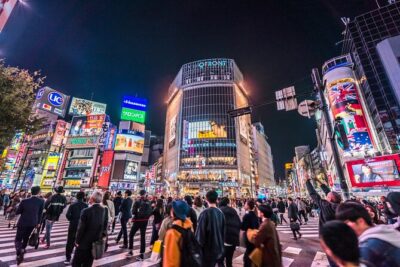
Wagyu and sushi in Shinjuku at night. This Wagyu + sushi experience blends expert food guidance with Tokyo’s neon nightlife zones. You’ll also see the Shinjuku sights that turn this part of town into more than just dinner.
I love how the guide anchors each bite in real context, from how Wagyu is understood in Japan to how sushi chefs build flavors with precision. I also like that it stays small (up to 10 people), so you can ask questions and get real answers while you walk between spots. One consideration: you’re moving through nightlife districts like Kabukicho, so it’s not the best pick if you want quiet.
In This Review
- Quick hits worth planning around
- Finding the start point: Nishishinjuku near the 3rd Burger
- Kabukicho: neon streets, street-level energy, and a quick pop-culture marker
- Japanese BBQ and Wagyu: what you’re really tasting
- Omoide Yokocho and Hanazono Shrine: switching gears mid-evening
- Golden Gai: the maze of small bars and the post-war story behind it
- Sushi with expert guidance: how to eat like you belong
- Dinner value: why $154 can make sense in Tokyo
- Group size and pacing: up to 10 people, built for questions
- Who this tour fits best (and who should think twice)
- Should you book this Wagyu and Sushi Gastronomic Journey in Shinjuku?
- FAQ
- Where is the meeting point?
- How long is the tour?
- Is this tour in English?
- How big is the group?
- Is dinner included, and how many food venues are visited?
- What about alcohol during the tour?
- Do I need to pay for transportation to and from the meeting point?
- Can I cancel and get a full refund?
- What if there’s no contact from me on the day of the tour?
Quick hits worth planning around
- Wagyu and sushi in one evening, tied together by technique and taste, not just sampling
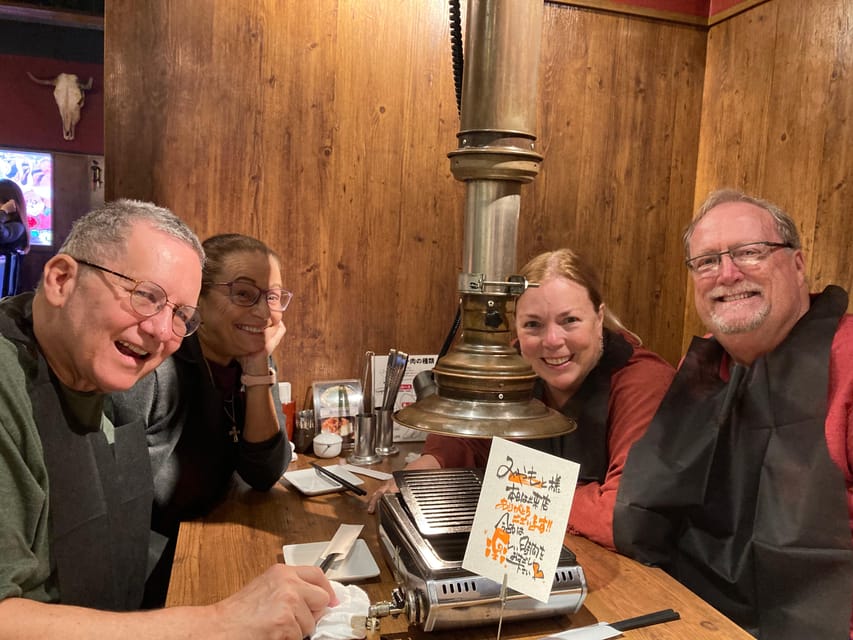
- Small group size (up to 10), which keeps the experience personal
- Kabukicho + Golden Gai walking time built into a 3-hour plan
- Two distinct food venues with dinner included
- Alcohol option for age 20+, so you can match your night to your appetite
- English-speaking guide helping you navigate food talk and ordering
Finding the start point: Nishishinjuku near the 3rd Burger
This tour starts in Nishishinjuku at 7-chōme-10-5 Nishishinjuku. Your meetup point is just in front of the 3rd Burger, so aim to arrive a few minutes early and not right on the dot. In this neighborhood, a fast start matters because your evening is built around guided walking and set meal timing.
One practical tip: wear comfortable shoes even if you think you’re only doing a short tour. Shinjuku alleyways and bar-lane streets are compact, and you’ll want stability when crowds bunch up.
Readers booked these Tokyo options in the same breath. Here is how each one scored:
- Mt Fuji and Hakone 1-Day Bus Tour Return by Bullet Train
★ 5.0 · 26,383 reviews - 1-Day Tokyo Bus Tour
★ 5.0 · 14,250 reviews - Tokyo: teamLab Planets TOKYO Digital Art Museum Entry Ticket
★ 4.6 · 9,779 reviews - Mt Fuji & Hakone Cruise, Drum Show Bullet Train 1 Day from Tokyo
★ 4.0 · 7,413 reviews
Kabukicho: neon streets, street-level energy, and a quick pop-culture marker
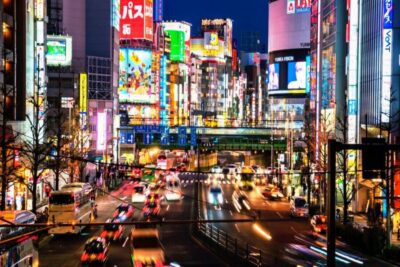
You spend the first guided stretch in Kabukicho (about 1.5 hours). This is the kind of place where the lights never stop changing: photo ops, signage, and busy side streets. It’s also where your guide helps you make sense of what you’re seeing, so it feels less like you’re wandering and more like you’re being shown how locals experience the area.
A fun detail included in the walk is the Godzilla Head atop the Shinjuku Toho Building. It’s pure Tokyo pop culture, and it makes a handy reference point as you move through the chaos. If you like city storytelling—how a neighborhood got its reputation—this part gives you a framework before dinner.
Japanese BBQ and Wagyu: what you’re really tasting
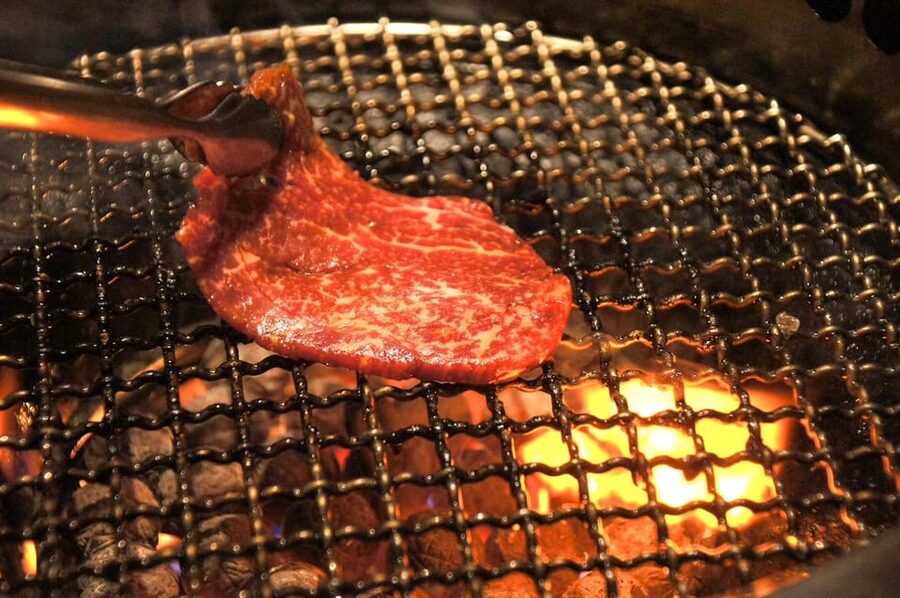
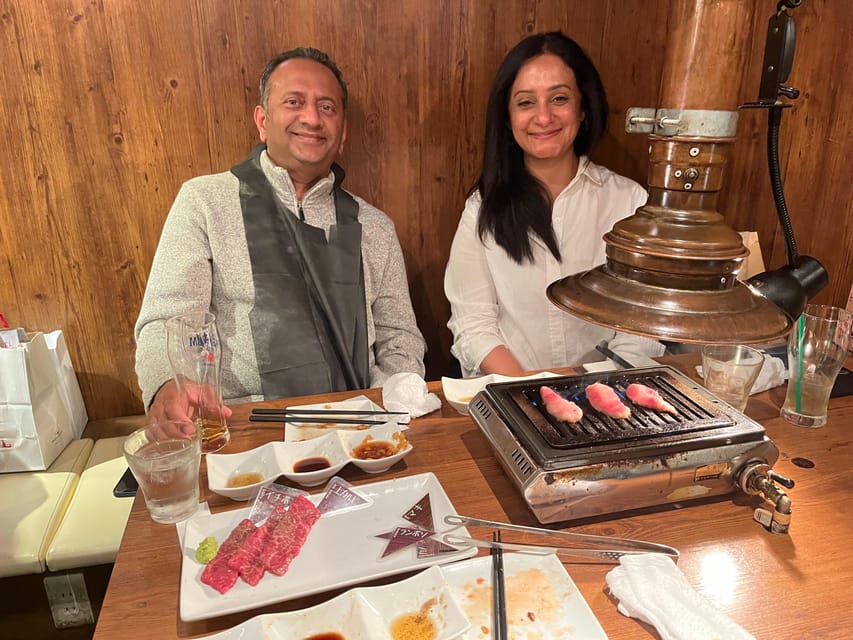
One of the biggest draws here is the Wagyu component, and it’s not just about eating a luxury ingredient. You’ll learn how Wagyu is understood in Japan, plus what makes different cuts and preparation styles taste the way they do.
When Wagyu shows up at the table, pay attention to the basics your guide points out:
- how the meat fat behaves with heat,
- why marbling affects texture,
- and how seasoning and sauce choices change the final flavor.
Also, this is a good moment to ask questions about what you’re seeing. If it’s your first time with Japanese BBQ, the guide’s explanations can help you stop guessing and start tasting with confidence. You’ll usually leave this part with clearer instincts for what to order next time in Tokyo.
Omoide Yokocho and Hanazono Shrine: switching gears mid-evening
After Kabukicho-style energy, the tour shifts tone. You get a stop at Omoide Yokocho, the narrow alley known for tiny bars and casual comfort food. This is where the experience feels more local than “tourist Tokyo,” because the scale is intimate and the vibe is built around small tables and quick conversations.
Then comes a surprising contrast: Hanazono Shrine. In the middle of Shinjuku’s noise, this shrine gives you a reset. You’re not just seeing a landmark—you’re experiencing the contrast that defines a lot of Tokyo. It helps your night feel intentional, not just one long sprint from meal to meal.
If you’re easily overwhelmed by crowds, this quiet stop is a good feature, not an “extra.” It breaks up the senses.
Golden Gai: the maze of small bars and the post-war story behind it
The second guided stretch focuses on Shinjuku Golden Gai (about 1.5 hours). Golden Gai is famous for its small, themed bars—so small that you feel like you’re stepping into someone’s living room rather than a restaurant.
What makes this portion worth it is the context your guide brings. Golden Gai isn’t only a set of narrow lanes for photos. You’ll learn how the neighborhood fits into Tokyo’s post-war culture, which helps you understand why people still treat it like a serious place to meet, drink, and talk.
And yes, it’s also fun to just walk. Golden Gai is perfect for slow looking: signs, doorways, tiny interiors, and groups clustered close. If you like atmosphere as much as food, this is where the tour becomes more memorable.
- Tokyo: Shinjuku Food Tour (13 Dishes at 4 Local Eateries)★ 5.0 · 6,603 reviews
- Tokyo Mt Fuji 5th St & Hakone Cruise Bus Tour w/Bullet Train★ 4.4 · 5,024 reviews
- Flagship 2-Hours Official Street Go-Kart Tour – Tokyo Bay Shop★ 5.0 · 4,974 reviews
- From Tokyo: Mount Fuji Full-Day Sightseeing Trip★ 4.5 · 4,970 reviews
- Tokyo: Hop-On Hop-Off Sightseeing Bus Ticket★ 3.9 · 4,207 reviews
Sushi with expert guidance: how to eat like you belong
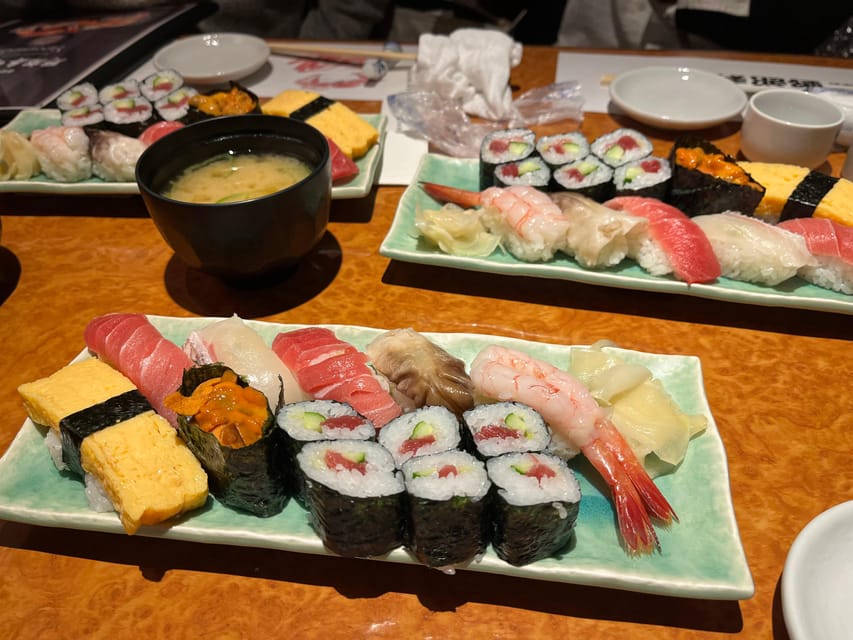
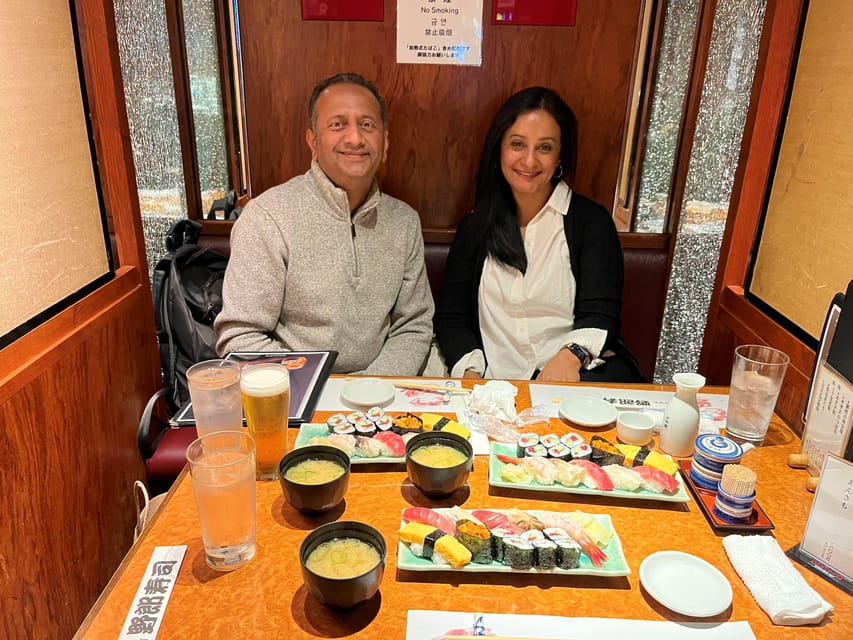
The other star of the show is sushi. This isn’t a generic “eat a few pieces” stop. The point is to watch a chef’s precision and understand what you’re tasting—especially how seasonal ingredients and traditional technique shape the bite.
To get more out of it, do this during the meal:
- watch how the sushi is built before you start eating,
- follow the guide’s cues on what order to try items in (when they’re offered),
- and take a moment between pieces so you actually notice differences in texture and flavor.
If you’re nervous about ordering sushi in Japan, you’ll like this setup. You get an expert guide in English walking you through what you’re eating and why it matters.
Dinner value: why $154 can make sense in Tokyo
At $154 per person for a roughly 3–3.5 hour experience, this isn’t cheap. But it also isn’t trying to sell you a “big group bargain” with low-quality food. You’re paying for three things that matter in Tokyo:
- Two food venues with dinner included (so you’re not just sampling snacks),
- a live English-speaking guide who explains what you’re eating and seeing,
- and guided time in nightlife areas that are otherwise a little harder to interpret on your own.
Add in that alcohol is an option for participants aged 20+, and the cost starts to look more reasonable if you like to enjoy your meal fully. If you don’t drink, you still get a guided food-and-neighborhood evening, not a forced bar crawl.
My honest take: this is a solid value if you care about food technique and want the guide to do the “translation work” for both ordering and context. If you mainly want to wander Tokyo on your own, you could build a cheaper DIY route. But you’d likely miss the structured sushi and Wagyu education.
Group size and pacing: up to 10 people, built for questions
You’re capped at 10 participants, which changes the whole experience. With a small group, the guide can answer questions without rushing you, and it’s easier to keep together as you move through tight streets.
Pacing-wise, the tour is set up as guided blocks: Kabukicho for 1.5 hours and Golden Gai for 1.5 hours. That structure helps you avoid the common problem on food tours where the group stops moving and you lose momentum. Here, the time is tied to both the neighborhood experience and the two dining stops.
Who this tour fits best (and who should think twice)
This works especially well if:
- you want a Tokyo food night that includes both Wagyu and sushi,
- you’re okay with walking through lively neighborhoods,
- you like having an English guide explain what you’re eating and seeing,
- and you prefer a small group over a bus-style crowd.
It might not be your best match if you’re looking for a calm, daytime cultural stroll only. The Shinjuku portion of the route is nightlife-adjacent, and the energy level is part of the point.
Should you book this Wagyu and Sushi Gastronomic Journey in Shinjuku?
I’d book it if you want a night that blends serious food with Tokyo neighborhood texture—and you’d rather learn how to taste than just consume. The pairing of Wagyu education plus guided sushi is the core value, and Golden Gai turns the evening into more than dinner.
Skip it if you already know you’ll only eat and not care about technique, or if loud crowds and neon streets stress you out. In that case, you might enjoy a quieter meal-focused plan elsewhere in the city.
FAQ
Where is the meeting point?
The meeting point is just in front of the 3rd Burger.
How long is the tour?
The duration is about 3 hours (listed as 3 to 3.5 hours).
Is this tour in English?
Yes. The live tour guide speaks English.
How big is the group?
It’s a small group limited to 10 participants.
Is dinner included, and how many food venues are visited?
Dinner is included, and you visit two distinct food venues.
What about alcohol during the tour?
Alcoholic beverages are available for participants aged 20 and above.
Do I need to pay for transportation to and from the meeting point?
Transportation costs are not included. The cost range listed is 200 yen to 800 yen.
Can I cancel and get a full refund?
Yes. You can cancel up to 24 hours in advance for a full refund.
What if there’s no contact from me on the day of the tour?
If there is no contact from the guest by the day of the tour, it may be canceled, and a full refund will be issued.
More Tour Reviews in Tokyo
- Mt Fuji and Hakone 1-Day Bus Tour Return by Bullet Train
★ 5.0 · 26,383 reviews - 1-Day Tokyo Bus Tour
★ 5.0 · 14,250 reviews - Tokyo: teamLab Planets TOKYO Digital Art Museum Entry Ticket
★ 4.6 · 9,779 reviews - Mt Fuji & Hakone Cruise, Drum Show Bullet Train 1 Day from Tokyo
★ 4.0 · 7,413 reviews - Tokyo: Shinjuku Food Tour (13 Dishes at 4 Local Eateries)
★ 5.0 · 6,603 reviews