Reviewed · TOKYO
Tokyo’s Authentic and Finest Taiko Drumming Experience
Your body learns taiko fast.
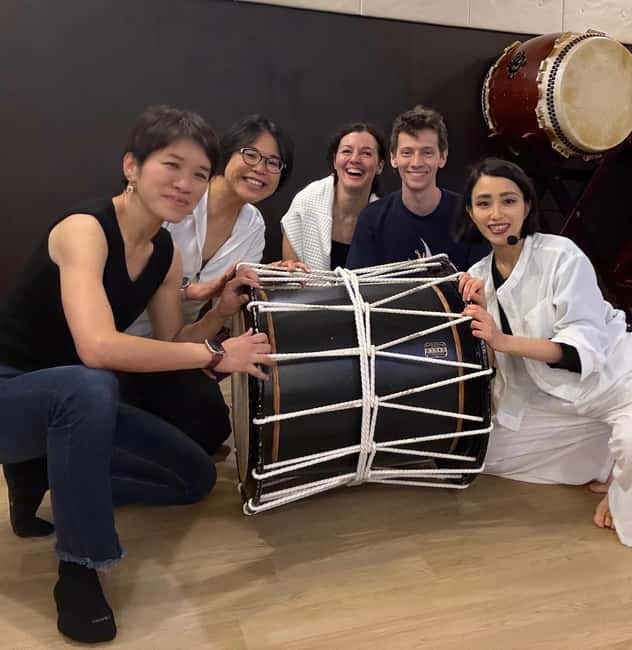
This 90-minute Tokyo workshop turns taiko drumming into an actual skill lesson, with you moving from basics to a performance-ready piece under Eva Kestner, a professional drummer and teacher. You also get a personalized video of yourself playing, so the class doesn’t end when you leave the studio.
I especially love the way Eva connects technique to style, not just noise. You’ll get hands-on foundation training and rhythm training in English and Japanese, plus a brief history of how taiko fits into Japanese culture. A real highlight is that you learn both a traditional and a more contemporary taiko piece, then finish with an instructor demonstration performance.
One possible drawback: it’s physically demanding. Reviews mention sweating, warm rooms, sore arms, and an “unexpected workout,” so wear clothes that let you move and be ready for fatigue.
In This Review
- Key takeaways before you book
- Why This Taiko Class Feels Like Art, Not a Demo
- Meet Eva Kestner and Get Your Drumming Setup
- The 90 Minutes: From Stick Grip to a Finished Taiko Piece
- Foundation training: posture and stick control
- Rhythm training: turning beats into body memory
- Learning the piece: traditional plus contemporary
- Demonstration performance: see the target clearly
- Traditional Taiko vs Contemporary Taiko: What Changes in Practice
- Traditional piece: roots you can hear
- Contemporary piece: technique meets modern expression
- The Cultural Context You Actually Use
- The Take-Home Video: Your Personal Practice Reminder
- Price and Value: Is $120 Worth It?
- Who This Workshop Fits Best (and Who Might Want to Skip)
- Practical Tips for a Sweat-Heavy 90 Minutes
- Quick Reality Check on the Logistics
- Should You Book This Taiko Drumming Workshop in Tokyo?
- FAQ
- How long is the taiko drumming workshop?
- Do I need any prior experience with taiko drumming?
- What languages will I be taught in?
- What should I wear and bring?
- Are taiko drums and sticks provided?
- Will I receive anything after the class?
- Is the class physically demanding?
- Is a private group option available?
Key takeaways before you book
- Instruction from Eva Kestner: Cornell Taiko founding musical director, Tokyo University of the Arts New Artists Competition excellence award, and composer work published through Harper Collins and Cambridge International Curriculum
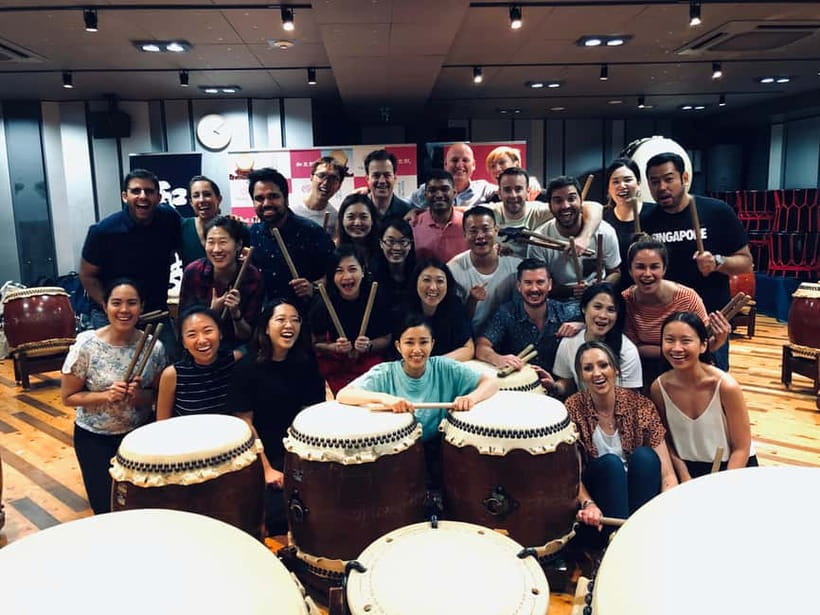
- 90 minutes, real drumming progress: grip, posture, rhythm drills, then a full traditional + contemporary piece
- You bring home proof: a personalized video of you playing for practice later
- Performance energy without experience needed: no prior taiko experience required, taught in English
- A classic studio setup near Shibuya: for larger groups, the studio is about 20 minutes from Shibuya by train
Why This Taiko Class Feels Like Art, Not a Demo
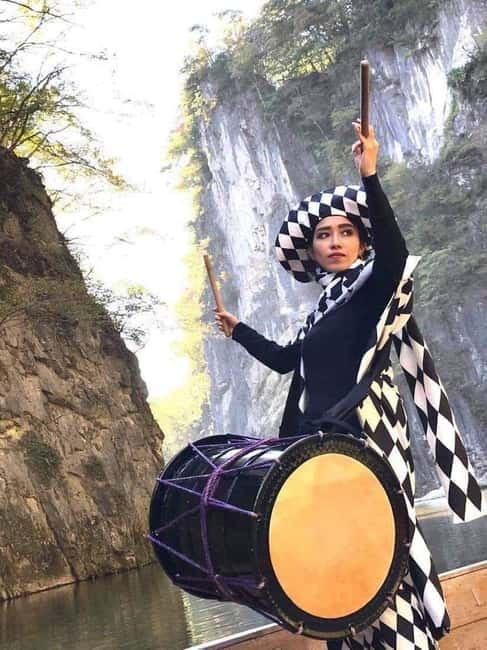
If you’ve ever wondered what makes taiko more than loud drums, this workshop answers fast. You’ll work technique from the start, then apply it to the rhythms and phrasing that make a piece sound like it belongs in Japan.
What makes it feel authentic is the instructor. Eva Kestner isn’t just teaching a hobby class. She founded and served as first musical director for Cornell University’s taiko drumming group, and she’s recognized through the Tokyo University of the Arts New Artists Competition excellence award. Her original music has been published by Harper Collins and Cambridge International Curriculum. That background shows up in the structure of the lesson.
I also like the balance of “learn” and “watch.” You’re not stuck only copying her. You practice fundamentals, get coaching, then finish with her demonstrating what the final performance is supposed to feel like.
Readers booked these Tokyo options in the same breath. Here is how each one scored:
- Mt Fuji and Hakone 1-Day Bus Tour Return by Bullet Train
★ 5.0 · 26,383 reviews - 1-Day Tokyo Bus Tour
★ 5.0 · 14,250 reviews - Tokyo: teamLab Planets TOKYO Digital Art Museum Entry Ticket
★ 4.6 · 9,779 reviews - Mt Fuji & Hakone Cruise, Drum Show Bullet Train 1 Day from Tokyo
★ 4.0 · 7,413 reviews
Meet Eva Kestner and Get Your Drumming Setup
The workshop happens in a studio in central Tokyo. Depending on what you book, the meeting point can vary, so follow the instructions provided for your specific option. For larger groups, the studio is about 20 minutes from Shibuya by train.
You’ll meet Eva and start with a short orientation. The goal is to get you comfortable with the drum setup and how you’ll hold the sticks before you start moving through rhythms. This matters because taiko technique is physical. Even beginners need a safe grip and posture early, or you’ll fight the instrument for the whole session.
All equipment is provided. That includes the taiko drums and the taiko drum sticks. You don’t need to bring anything beyond basic supplies like water and comfortable clothes.
The 90 Minutes: From Stick Grip to a Finished Taiko Piece
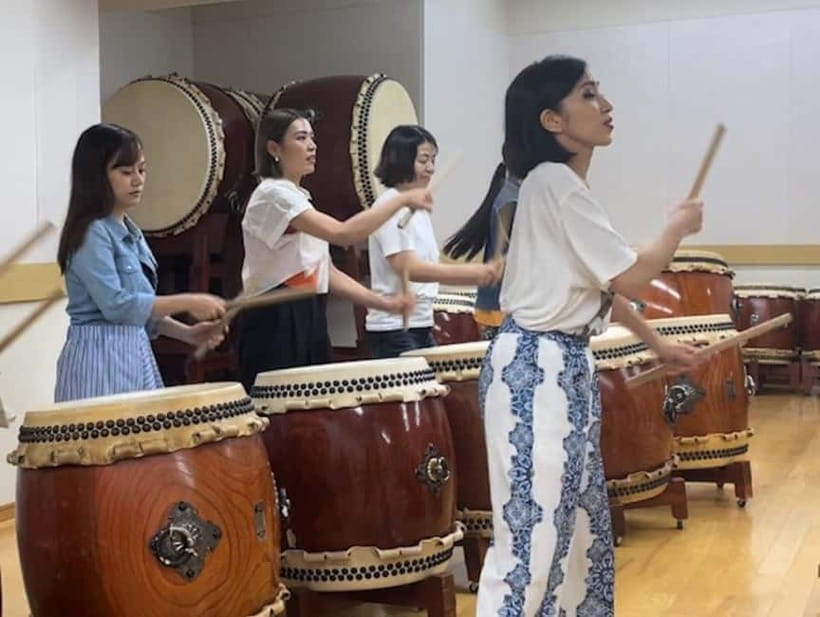
This isn’t a “try it once” experience. It’s built like a mini training block, with clear steps that keep you progressing even if you’ve never touched taiko before.
Foundation training: posture and stick control
You begin with the building blocks: how to hold the sticks, how to position yourself, and the basic movements that let you strike with control. Eva runs these drills in a way that helps you develop repeatable form, not just one lucky hit.
Even if you think you’re uncoordinated, stick drills help you get your timing. Reviews mention how fast the session moves through new rhythms, but the training keeps it understandable instead of chaotic.
Rhythm training: turning beats into body memory
Next comes rhythm work. This is where taiko stops being about volume and becomes about patterns. You’ll practice multiple beats so you can feel where the accents land and how the tempo changes.
One thing I like here is that it’s not only listening. You’re doing the rhythm. If you’ve ever struggled with counting in music, you’ll probably find that taiko’s physical hits make the beats easier to lock in.
- Tokyo: Shinjuku Food Tour (13 Dishes at 4 Local Eateries)★ 5.0 · 6,603 reviews
- Tokyo Mt Fuji 5th St & Hakone Cruise Bus Tour w/Bullet Train★ 4.4 · 5,024 reviews
- Flagship 2-Hours Official Street Go-Kart Tour – Tokyo Bay Shop★ 5.0 · 4,974 reviews
- From Tokyo: Mount Fuji Full-Day Sightseeing Trip★ 4.5 · 4,970 reviews
- Tokyo: Hop-On Hop-Off Sightseeing Bus Ticket★ 3.9 · 4,207 reviews
Learning the piece: traditional plus contemporary
Then you get the main course: learning a traditional and contemporary taiko drumming piece. This is where the class becomes more than drills. You’re assembling the parts into something that feels like a real performance segment.
In past sessions, students have reported working through a composition that connects to regional taiko traditions near the Tokyo area. You might also see instruction that uses more than one drum setup during the workshop, which helps explain why taiko styles can sound different even when everyone is using sticks.
Demonstration performance: see the target clearly
The lesson ends with Eva performing a demonstration. That’s important. When you can watch the final version, you understand what your practice is building toward.
The class also includes a brief taiko history explanation. You’ll get the cultural context in manageable bites, so you don’t feel like you’re taking a lecture between hits.
Traditional Taiko vs Contemporary Taiko: What Changes in Practice
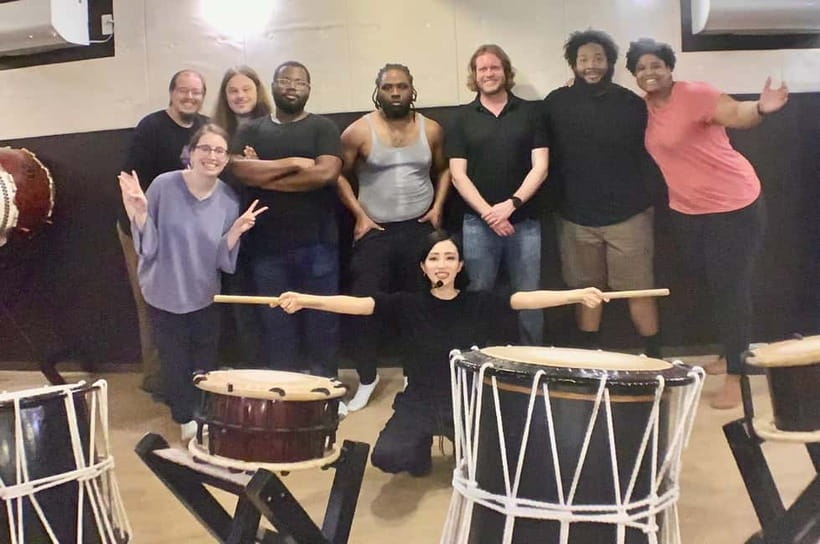
Taiko has layers, and you’ll feel them in your hands. The difference between traditional and contemporary taiko isn’t just the song choice. It’s the way phrasing, rhythm accents, and performance energy show up.
Traditional piece: roots you can hear
When you learn the traditional segment, you’re working within patterns that have deep regional and historical roots. The workshop keeps this approachable by giving you the mechanics first, then attaching meaning through the history talk and Eva’s demonstration.
This is the moment that helps beginners understand taiko as a Japanese performance art, not a percussion gimmick.
Contemporary piece: technique meets modern expression
The contemporary portion brings a different flavor. Even in a short 90 minutes, you’ll likely notice that the rhythms can feel sharper, with performance cues that demand more active control.
Reviews also mention that the final performance work can include switching on and off the drum. That kind of staging is very taiko. It teaches control over sound, not only how to hit.
If you want a single session that shows both sides of taiko culture, this is set up to do it.
The Cultural Context You Actually Use
Some experiences give you a history talk that floats above what you’re doing. This one tries to connect the words to the drumming.
Eva gives a brief explanation of taiko drumming history and its role in Japanese culture. You’ll learn how taiko fits into performance traditions, and why rhythm and style carry meaning.
What makes the context useful is timing. You hear the history while you’re still building technique. So the ideas land while you’re actively practicing. That’s when you remember details.
The Take-Home Video: Your Personal Practice Reminder
One of the standout features is the personalized video you receive after the workshop. This isn’t a group highlight reel where you can’t tell what happened.
You’ll get a recording of yourself playing taiko. That becomes a practical tool. If you want to keep your form, review the video and compare how your stance, grip, and arm motion look when you’re hitting the accents.
In reviews, people mention that the video is shared in a way you can use for practice later, which makes the session feel more like real instruction with follow-up.
For me, that’s the difference between “fun once” and “skill you can build.”
Price and Value: Is $120 Worth It?
At $120 per person for 90 minutes, this isn’t a cheap impulse activity. But it does feel fairly priced for what you’re getting.
Here’s the value math that matters:
- You’re paying for expert-led, English-instruction teaching from a professional performer with major academic and publishing credentials.
- You get a full training structure: foundation training, rhythm training, and learning a traditional and contemporary piece.
- You receive a personalized video you can use to keep improving.
If you only wanted one photo with a drum, you’d likely find cheaper. But if your goal is to come away with technique, timing, and a piece you can recognize as taiko, $120 starts to make sense.
The lesson also provides equipment, so you’re not adding hidden costs for gear.
Who This Workshop Fits Best (and Who Might Want to Skip)
This is a great fit if:
- You want a hands-on cultural experience in central Tokyo that doesn’t require music experience
- You like structured training, not just playtime
- You enjoy physical activities where technique matters
It’s especially good if you’re traveling with people who learn best through doing. Taiko makes practice obvious. You feel changes in your body as you get better.
Who might hesitate:
- If you’re sensitive to physical exertion, know that the class can be intense. Reviews mention getting sore and feeling exhausted, and people note warming rooms and sweat.
- If you only want a quiet, low-energy activity, taiko won’t match that mood.
Practical Tips for a Sweat-Heavy 90 Minutes
Do not treat this like a casual museum stop.
Wear comfortable clothes that move with you. Bring a water bottle. That’s it for essentials, but the “comfort” part matters because you’ll be striking and repositioning during training.
A few more habits that help:
- Plan for arm fatigue. Even beginners can feel it once rhythm work starts.
- Expect sweat. Reviews mention the room can run warm, so light clothing often helps.
- Show up ready to focus. The session moves quickly, and you’ll get more out of it if you stay present.
You don’t need taiko experience. You do need a willingness to learn technique and keep going when it gets tiring.
Quick Reality Check on the Logistics
The studio is in central Tokyo, and for larger groups it’s about 20 minutes from Shibuya by train. Meeting point can vary depending on what option you book, so follow the exact meeting details you receive.
The workshop is taught in English and Japanese, and instruction is specifically offered in English during the class. If you want extra clarity, Eva can use Japanese as well.
Private group options are available if you want more control over scheduling.
Should You Book This Taiko Drumming Workshop in Tokyo?
Yes, if you want an art experience that teaches you something real in 90 minutes. Eva’s professional background, the structured training, the traditional plus contemporary piece, and the personalized video add up to more than a one-off novelty.
I’d book it even if you’re a total beginner. The instruction is designed to work without prior taiko experience, and the lesson builds in steps so you feel progress instead of confusion.
Skip it only if you know you want something low-effort or you’re dealing with limitations that make arm fatigue and stamina tough. Otherwise, bring water, wear comfortable clothes, and expect to leave with sore arms and better rhythm in your body than you had when you arrived.
FAQ
How long is the taiko drumming workshop?
The workshop runs for 90 minutes.
Do I need any prior experience with taiko drumming?
No prior experience is required.
What languages will I be taught in?
Instruction is available in English and Japanese.
What should I wear and bring?
Wear comfortable clothing and bring a water bottle.
Are taiko drums and sticks provided?
Yes. The taiko drums and taiko drum sticks are provided.
Will I receive anything after the class?
Yes. You’ll get a personalized video of yourself playing taiko drums.
Is the class physically demanding?
It can be tiring and even workout-like. Many participants mention sweating and feeling exhausted or sore after.
Is a private group option available?
Yes. Private groups are available, and for groups larger than 20 people you’re asked to coordinate directly.
More Tour Reviews in Tokyo
- Mt Fuji and Hakone 1-Day Bus Tour Return by Bullet Train
★ 5.0 · 26,383 reviews - 1-Day Tokyo Bus Tour
★ 5.0 · 14,250 reviews - Tokyo: teamLab Planets TOKYO Digital Art Museum Entry Ticket
★ 4.6 · 9,779 reviews - Mt Fuji & Hakone Cruise, Drum Show Bullet Train 1 Day from Tokyo
★ 4.0 · 7,413 reviews - Tokyo: Shinjuku Food Tour (13 Dishes at 4 Local Eateries)
★ 5.0 · 6,603 reviews