
Reviewed · TOKYO
Wagyu and Sushi : Tokyo Gastronomic Journey
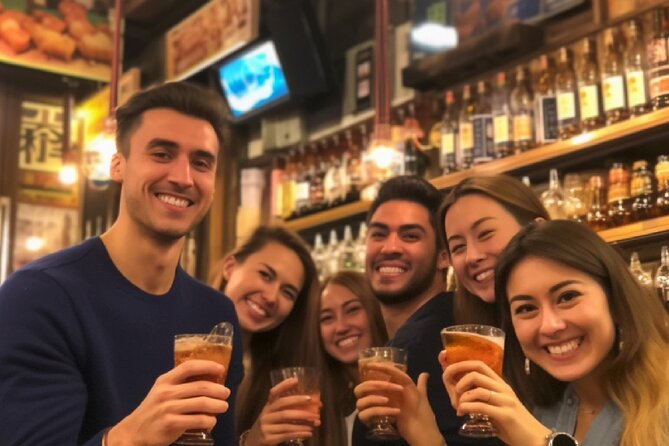
Neon and noodles collide in Shinjuku. This 3-hour small-group Tokyo food walk pairs wagyu yakiniku with a sushi stop, while threading in landmarks like the Godzilla head and the alleyways around Omoide Yokocho. I like that you also get photos built into the plan, not just a quick meal and a goodbye.
What I like most is how easy it is to ask questions while you’re eating. Guides such as Yuki, Natsuki, Emma, Miharu, and Ando Minoru have a knack for explaining what you’re tasting and where you are in Tokyo’s food culture, so you’re not left guessing. One possible drawback: you’re paying for two set food stops, so if you’re expecting a long, multi-course crawl with lots of extra dishes, this format may feel like it’s over quickly.
You’ll cover famous areas (Kabukicho) and the more characterful ones (Golden Gai and shrine-adjacent streets) with just enough walking to work up appetite. Plan to come hungry, since the tour is dinner-focused, not sightseeing-only.
In This Review
- Key highlights you’ll actually feel on the night
- Your 3-hour Shinjuku wagyu and sushi walk
- Why the small group (max 10) is the real selling point
- Omoide Yokocho to Kabukicho: eating with Tokyo’s extremes
- Godzilla Head, Hanazono Shrine, and the Golden Gai slowdown
- Sushi etiquette and wagyu yakiniku: what you’re learning at each stop
- Drinks, age rules, and how to pace yourself
- Price and value: is $156.77 a fair deal?
- Should you book Wagyu and Sushi: Tokyo Gastronomic Journey?
- FAQ
- How long is the Wagyu and Sushi Tokyo Gastronomic Journey tour?
- What does the tour cost?
- Where do you meet and where does the tour end?
- What time does the tour start?
- How many people are in the group?
- What’s included in the price?
- Is alcohol included, and are there age limits?
- Are transportation costs included?
- What areas and stops will we see during the walk?
- Can I cancel for a refund?
Key highlights you’ll actually feel on the night
- Small group (max 10) keeps the pace conversational and lets you ask food questions
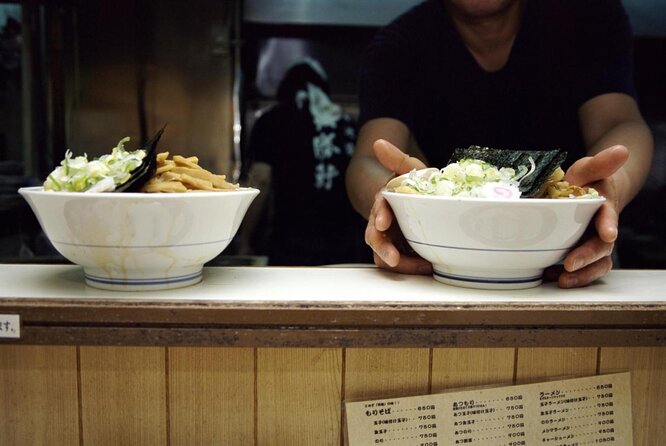
- Two food stops with dinner plus photos, so you don’t have to plan meals on the spot
- Godzilla Head photo moment to balance the food focus with a fun Tokyo landmark
- Shinjuku alley variety: Omoide Yokocho, Kabukicho streets, and the tiny-bar feel of Golden Gai
- Real pairing energy with alcohol options like sake or whiskey soda when you’re 20+
Your 3-hour Shinjuku wagyu and sushi walk
Shinjuku at night is a lesson in contrast. You can start the evening next to big-street energy, then duck into narrow alleys where the air smells like grills and sauce. This tour is built for that rhythm: short walks, quick context, then food that’s meant to be eaten and understood in the moment.
The timing is also practical. It’s set for 6:30 pm and runs about 3 hours, which works well if you want one great food experience without surrendering your whole evening. You’ll also end in Kabukicho, so you’re not stranded miles from where nightlife is easiest to access.
Because it’s a set menu style (two food stops), you don’t have to play the Tokyo “what should we eat?” guessing game. You’ll still have choices in the moment—especially around drinks—but the main structure is decided for you: wagyu comes one way, sushi comes another way, and both are supported by a local guide.
Readers booked these Tokyo options in the same breath. Here is how each one scored:
- Mt Fuji and Hakone 1-Day Bus Tour Return by Bullet Train
★ 5.0 · 26,383 reviews - 1-Day Tokyo Bus Tour
★ 5.0 · 14,250 reviews - Tokyo: teamLab Planets TOKYO Digital Art Museum Entry Ticket
★ 4.6 · 9,779 reviews - Mt Fuji & Hakone Cruise, Drum Show Bullet Train 1 Day from Tokyo
★ 4.0 · 7,413 reviews
Why the small group (max 10) is the real selling point
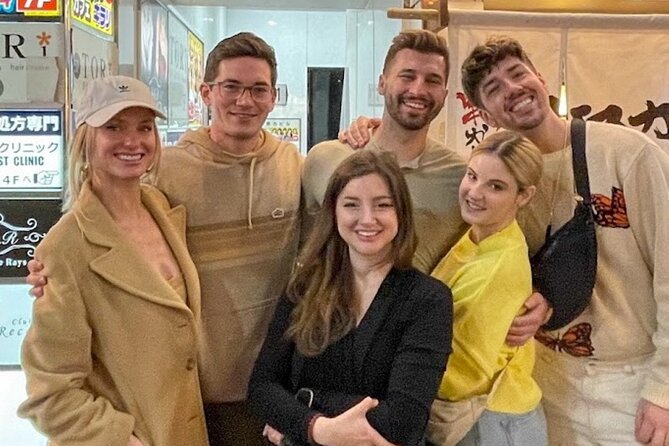
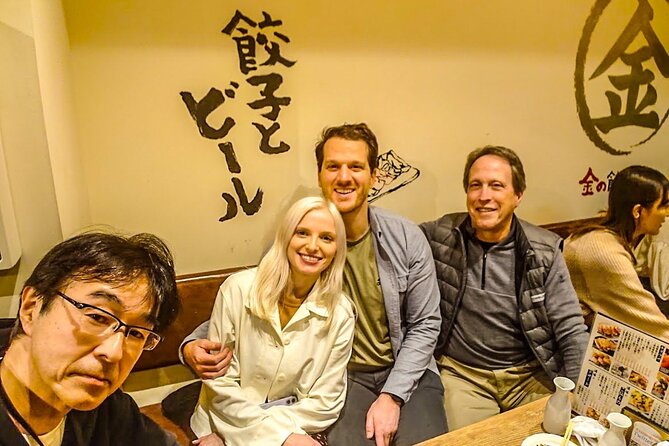
A food tour can feel awkward if you’re stuck in a large crowd and the guide becomes a microphone, not a human. Here, the maximum is 10 people, and that difference matters. You tend to get answers instead of trivia dumps. When you’re standing right there in a tiny restaurant or by a grill table, it’s the questions that turn the experience from okay to memorable.
I especially like that this tour emphasizes questions and food facts that aren’t the kind you’ll find on a standard map or a basic guidebook. Guides named in past groups—like Yuki and Natsuki—have a clear strength in Japanese food culture explanations, and you can feel the education as part of the eating, not tacked on afterward.
It also helps socially. Tokyo can be friendly, but it’s not always easy to strike up a conversation with strangers in the middle of a busy station area. A group like this gives you built-in people to share opinions with: how the sushi tasted, what the wagyu texture was like, and whether you’d go back to that exact shop.
Omoide Yokocho to Kabukicho: eating with Tokyo’s extremes
The first neighborhood moment sets the tone: Omoide Yokocho. This is the kind of place where the streets shrink down into tight alleys near Shinjuku’s West Exit. It’s a sharp contrast to the polished station world—tiny restaurants, open BBQ-style stalls, and a wall-to-wall “food is happening right now” vibe.
Then you move toward Kabukicho, Tokyo’s big playground for nightlife. It’s described as a red-light district area, full of restaurants, bars, and nightclubs, and it can feel loud and neon-heavy. This tour doesn’t try to sanitize it—it uses the location to give you a guided path through the energy.
Here’s the practical part: Kabukicho is huge, and on your own it’s easy to wander in circles or miss the quieter pockets. With a guide, you get directed movement and context while you’re also eating. You’re not just watching crowds; you’re using the route to reach the right stops.
Along the way, you also get built-in landmark time for photos and small breaks in the walk. That’s a small thing, but it keeps the evening from feeling like nonstop footsteps.
Godzilla Head, Hanazono Shrine, and the Golden Gai slowdown
Tokyo nights can be a blur. One smart piece of this plan is that it gives you pause points—places where you’re not only eating, but also noticing the city.
You’ll have a chance to snap photos at the Godzilla Head. This is the kind of well-known Tokyo icon that instantly makes the night feel fun and specific, even if you’re mostly there for food.
Then comes Hanazono Shrine. A shrine stop works like a reset button. You step away from pure neon intensity, and the air and feel change as you move through a more traditional spot. Even if you’re not there for a religious moment, it helps you pace the experience.
And finally, you get Golden Gai. This is described as a warren of small bars east of Kabukicho that preserves the atmosphere and architecture of 1960s Tokyo. On a solo night, Golden Gai can be hit-or-miss because it’s easy to get guided by instinct or stumble into places that don’t match what you want. On this tour, it fits naturally at the end of the food portion—so you can enjoy the vibe after you’ve already eaten.
Sushi etiquette and wagyu yakiniku: what you’re learning at each stop
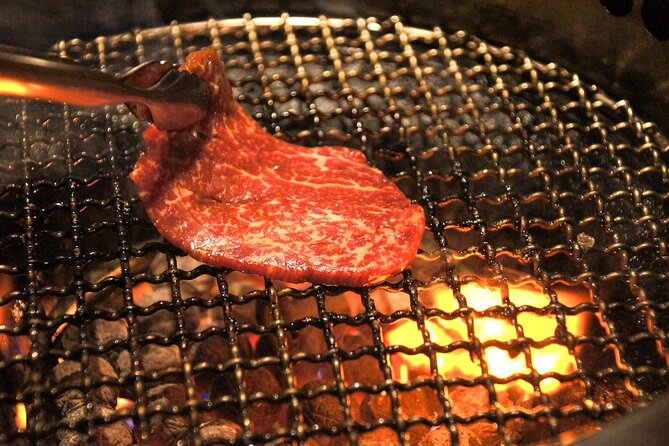
This tour is explicitly a wagyu-and-sushi education. You’re not only sampling food; you’re learning history behind wagyu beef and the nuances of sushi etiquette as you go. The exact etiquette rules aren’t spelled out in the basic info you have here, but the intent is clear: you’ll get guidance so you can eat confidently without clumsy guesswork.
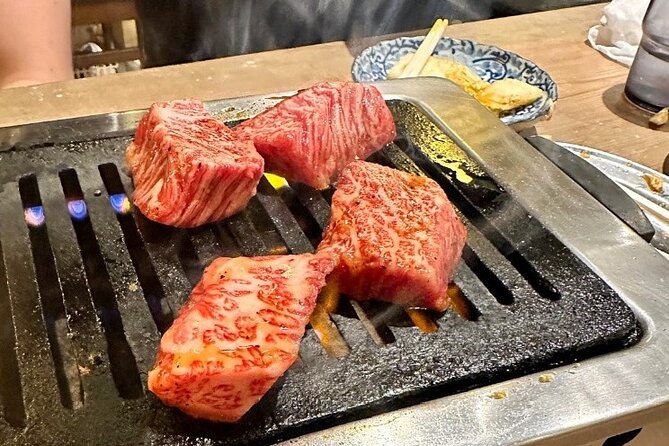
For wagyu, the big experience is yakiniku-style grilling and a focus on how the beef is treated and cooked. In one shared story, people highlighted grilling wagyu at the table as a fun, hands-on moment, and that’s the kind of experience that turns the meal into an event.
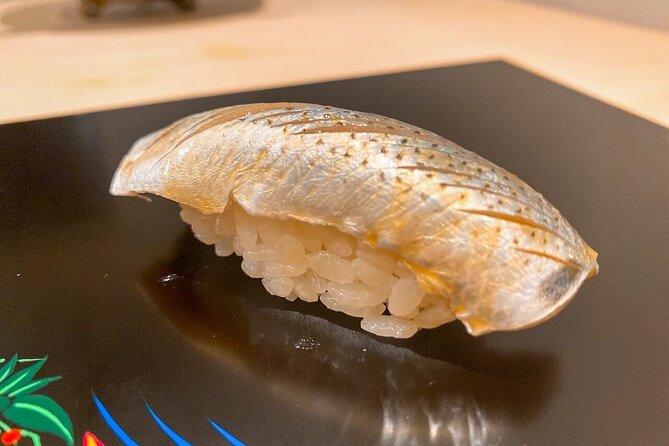
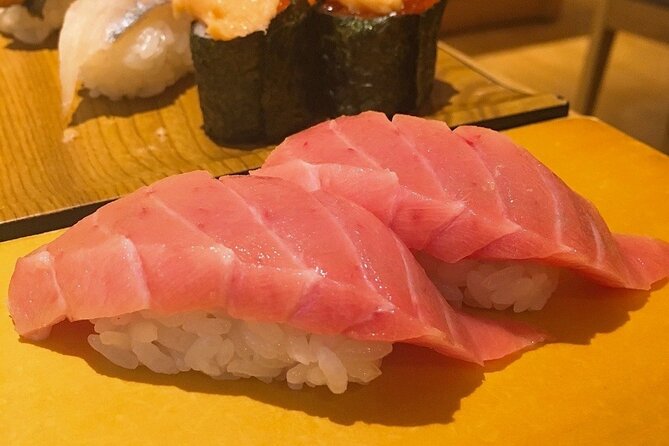
On the sushi side, the tour is set up for expert handling of pieces—small, deliberate bites. One past guide experience described sushi with sake, and another highlighted how a sushi restaurant choice felt authentic and hard to find alone. That’s the value: you’re getting placed where you’re more likely to see correct technique and a menu that matches Tokyo’s habits, not just a tourist-friendly performance.
Also pay attention to pairing. Alcohol is part of the experience (with the 20+ age rule), and some guides have been known to work in combinations like sushi with sake and wagyu with whiskey soda. You don’t have to drink, but if you do, the pairings can make the different textures and flavors feel more connected.
- Tokyo: Shinjuku Food Tour (13 Dishes at 4 Local Eateries)★ 5.0 · 6,603 reviews
- Tokyo Mt Fuji 5th St & Hakone Cruise Bus Tour w/Bullet Train★ 4.4 · 5,024 reviews
- Flagship 2-Hours Official Street Go-Kart Tour – Tokyo Bay Shop★ 5.0 · 4,974 reviews
- From Tokyo: Mount Fuji Full-Day Sightseeing Trip★ 4.5 · 4,970 reviews
- Tokyo: Hop-On Hop-Off Sightseeing Bus Ticket★ 3.9 · 4,207 reviews
Drinks, age rules, and how to pace yourself
Alcohol is included as part of the experience setup, with a clear rule: you must be 20 or older to drink. That’s important because it changes the way the night flows. If you’re drinking, you can treat the meal as part of the bar-and-grill rhythm. If you’re not, you’ll still be eating at the two food stops, but you might skip the “sip alongside the lesson” pacing.
I’d also plan your energy. This is a nighttime walk with a couple of restaurant transitions. Restaurant seating in tiny places can mean you’re not lingering for long. The best approach is to eat, listen, ask your question, and move on when the group moves—don’t fight the pace.
If you’re sensitive to alcohol or unsure, it’s totally reasonable to choose one drink and stick with it. The tour structure gives you two focused food moments, so you’ll get value even without turning the whole evening into a drinking event.
And one more practical thing: the route ends in Kabukicho. If you like to keep walking after the last stop, you’ll be in a good spot. If you prefer a calmer ending, you’ll want to decide ahead of time how long you’ll stay in that area once the tour finishes.
Price and value: is $156.77 a fair deal?
Let’s talk money in plain terms. At $156.77 per person, you’re paying for:
- a local guide
- dinner at 2 food stops
- photos
- alcoholic beverages for those who are 20+
You’re also not paying for transportation from point to point, since the info notes that it can cost about 200–800 yen. Hotel pickup and drop-off also aren’t included.
So is it worth it? For me, the value comes from not just the food, but the “access.” Two separate things matter:
1) You’re guided to specific places that fit the wagyu-and-sushi theme.
2) You’re given context while you’re there, so you understand what you’re eating instead of just eating it.
If you were to DIY this, you could likely find wagyu and sushi on your own—but you’d still have to solve where to go for the right experience and how to handle sushi etiquette without guessing. This tour bundles those uncertainties into one evening.
Also, the group size max of 10 helps keep the quality of attention higher than “big bus tour” style. That’s the sort of cost driver you feel in the experience itself.
Finally, the fact that it’s commonly booked about 52 days in advance suggests people plan around it—usually because it’s a popular time slot and the “one evening, two great bites” format is easy to plug into an itinerary.
Should you book Wagyu and Sushi: Tokyo Gastronomic Journey?
Book this if you want a confident, guided Tokyo night where the food is the point and the landmarks support it. This is especially a good fit if you:
- like the idea of learning wagyu and sushi basics while you eat
- want a small group vibe instead of a crowd
- are visiting Shinjuku for the first time and would rather follow a plan than wander blindly
Pass if you prefer long, flexible meals where you control every stop and linger as long as you like. Also, if you’re aiming for a very budget-first night, remember that you’re paying a package price for two food stops and guide time, plus alcohol is part of the experience for those 20+.
If you’re on the fence, treat it as a “set-piece dinner” night: one plan, two chef-led experiences, and a guided walk through the most fun parts of Shinjuku.
FAQ
How long is the Wagyu and Sushi Tokyo Gastronomic Journey tour?
It lasts about 3 hours.
What does the tour cost?
The price is $156.77 per person.
Where do you meet and where does the tour end?
You start at 7-chōme-10-5 Nishishinjuku, Shinjuku City, Tokyo 160-0023 and end at Hashimoto Bldg., 1-chōme-1-5 Kabukichō, Shinjuku City, Tokyo 160-0021.
What time does the tour start?
The tour start time is 6:30 pm.
How many people are in the group?
This experience has a maximum of 10 travelers.
What’s included in the price?
It includes a local guide, dinner at 2 food stops, alcoholic beverages (for age 20+), and photos.
Is alcohol included, and are there age limits?
Yes, alcoholic beverages are included, but only for participants 20 years old and above.
Are transportation costs included?
No. Transportation costs (about 200 yen to 800 yen) are not included.
What areas and stops will we see during the walk?
You’ll pass through Omoide Yokocho, Kabukicho, see Godzilla Head, visit Hanazono Shrine, and spend time around Golden Gai.
Can I cancel for a refund?
Yes. You can cancel up to 24 hours in advance for a full refund. If you cancel less than 24 hours before the start time, the amount paid is not refunded.
More Tour Reviews in Tokyo
- Mt Fuji and Hakone 1-Day Bus Tour Return by Bullet Train
★ 5.0 · 26,383 reviews - 1-Day Tokyo Bus Tour
★ 5.0 · 14,250 reviews - Tokyo: teamLab Planets TOKYO Digital Art Museum Entry Ticket
★ 4.6 · 9,779 reviews - Mt Fuji & Hakone Cruise, Drum Show Bullet Train 1 Day from Tokyo
★ 4.0 · 7,413 reviews - Tokyo: Shinjuku Food Tour (13 Dishes at 4 Local Eateries)
★ 5.0 · 6,603 reviews





